

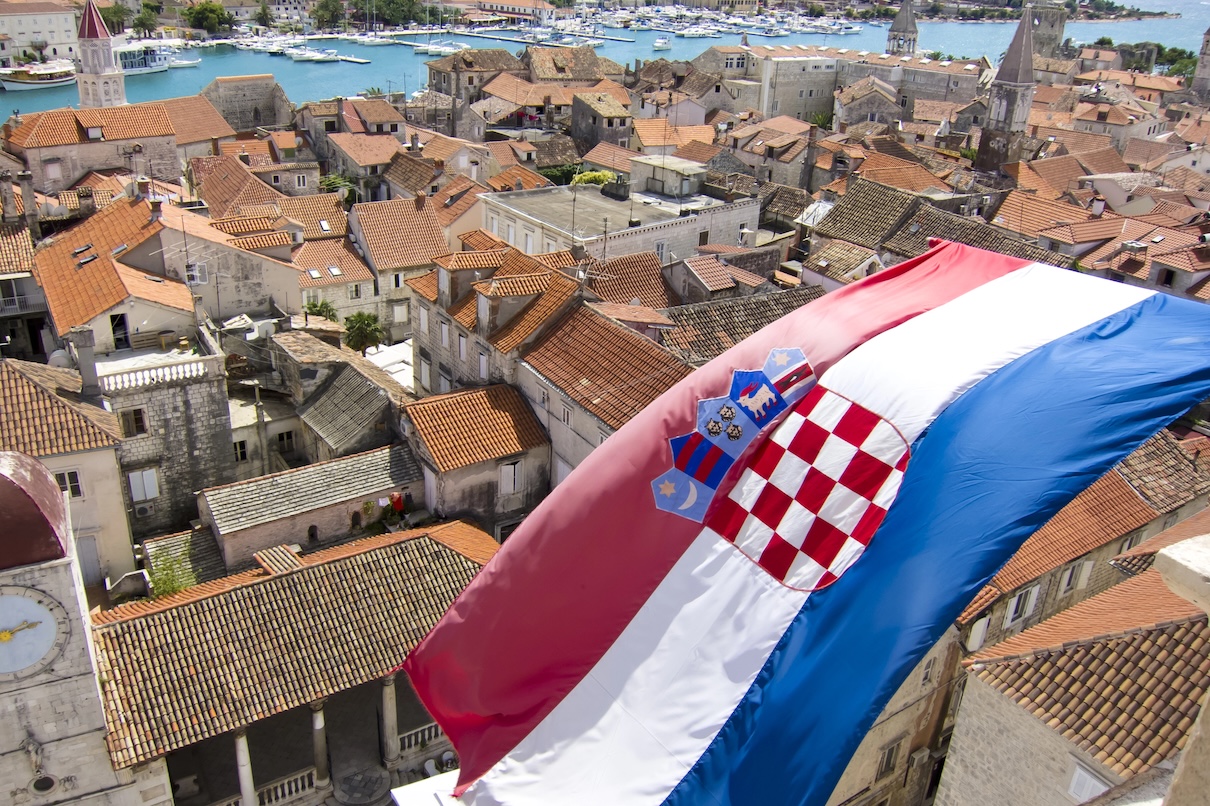
Croatia is no longer a destination that needs introduction. Dubrovnik, Split, the Plitvice Lakes, and the Adriatic islands have gradually established themselves among the European tourism classics, and the country is today widely featured in programs by tour operators and travel agencies.
For Breathe in Travel, this very success calls for a new reflection on how to present the country.
For the 2027 season, the inbound operator therefore intends to go beyond a classic lineup of must-sees and offer travel professionals a Croatia that is more confidential, built around an in-depth on-the-ground knowledge.
« La Croatie est aujourd’hui proposée par énormément d’acteurs. Si nous arrivons avec exactement les mêmes hôtels, les mêmes étapes et les mêmes excursions, notre présence n’a finalement que peu d’intérêt. Nous avons donc décidé de repartir du terrain pour construire une programmation avec une véritable identité Breathe in Travel », explains Quentin Billon, cofounder of Breathe in Travel.
Moving beyond the traditional Dubrovnik – Split – Plitvice
It is not about erasing the must-see spots.
Dubrovnik, Split or Plitvice will naturally continue to have a place in certain trips. But Breathe in Travel now wishes to integrate them into more comprehensive itineraries that leave more room for regions and experiences that are even less represented in traditional programs.
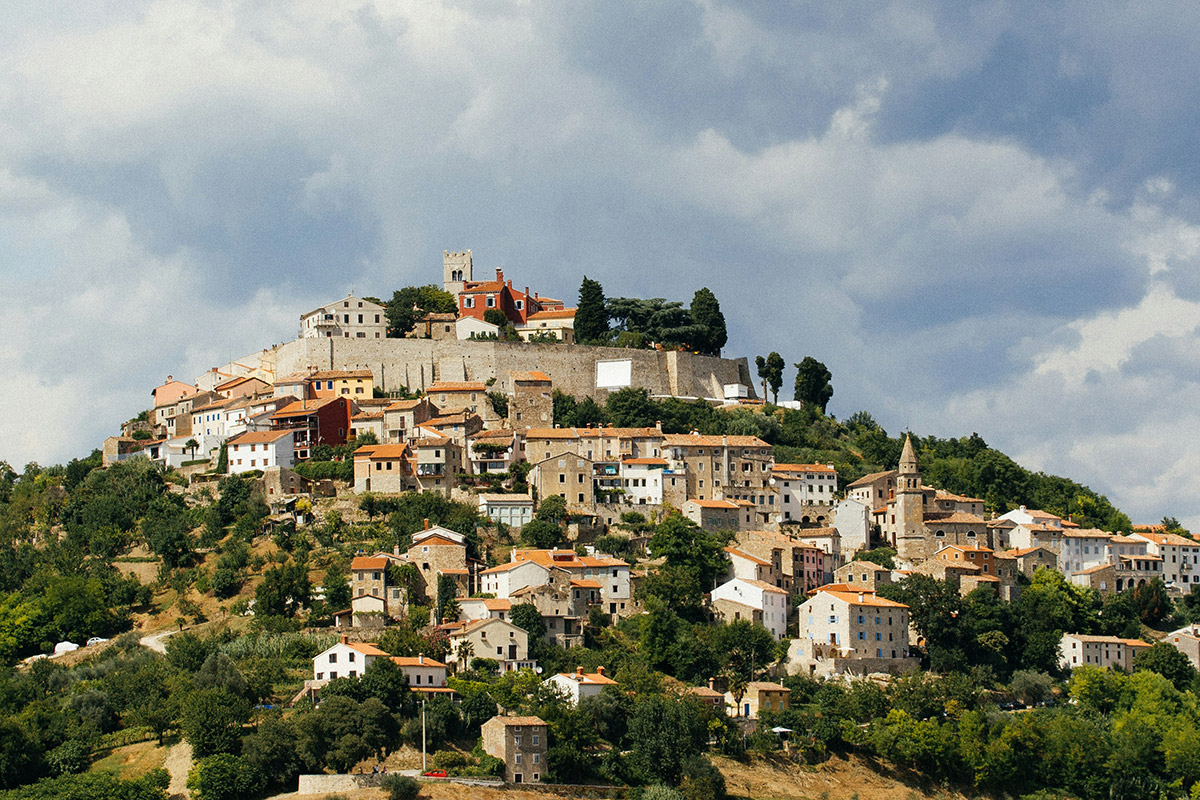
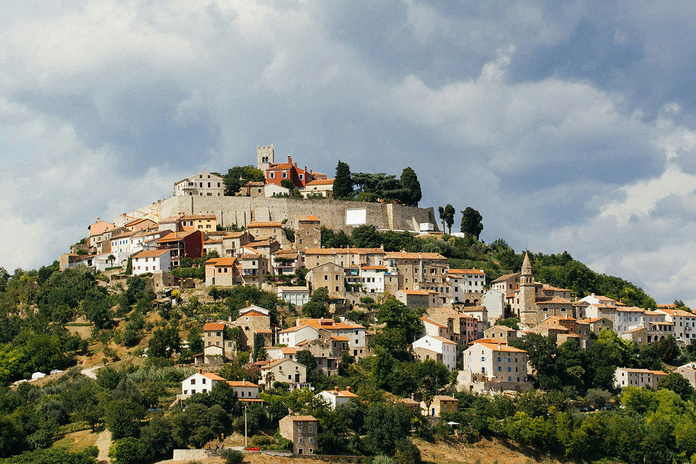
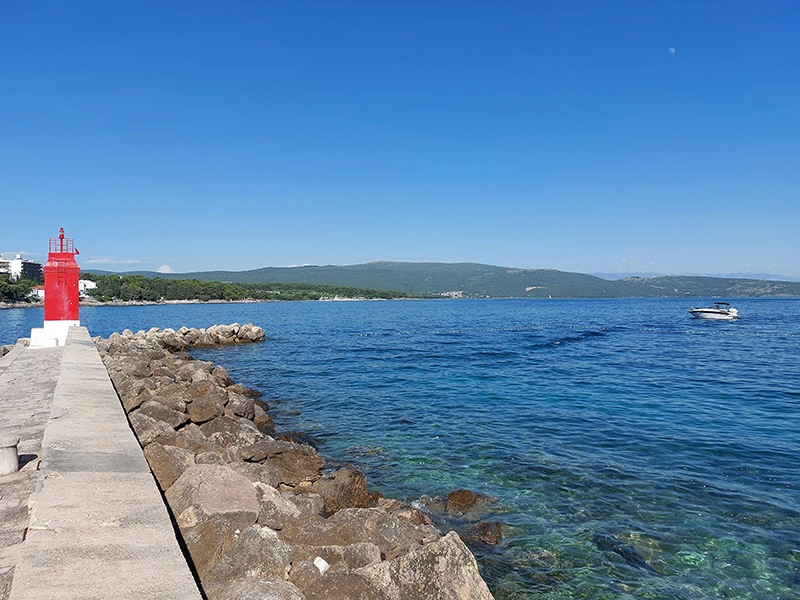
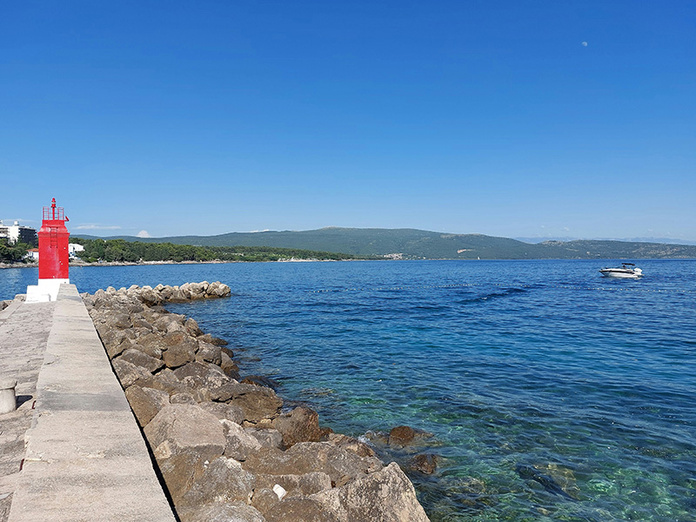
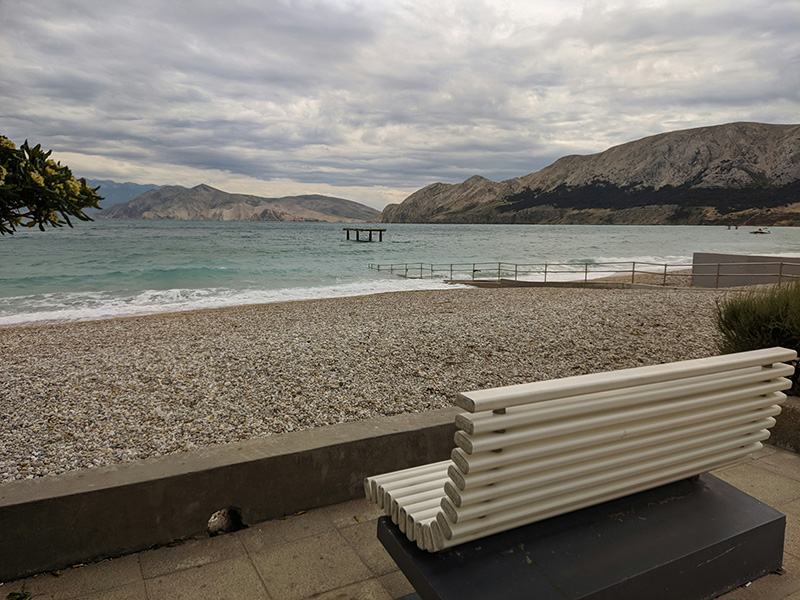
Istria, the Kvarner Gulf, Opatija, the islands of Krk and Rab, and the Croatian hinterland are among the areas where the inbound operator aims to strengthen its offering.
Historic villages, small coastal towns, vineyards, gastronomy, hiking, outdoor activities, and crossings to the islands enable the creation of trips very different from the image of Croatia as solely a seaside destination.
The aim is also to slow the pace when doing so adds true value to the journey: spending several nights in one region, using a well-located base as a hub, and allowing more time for discovery rather than continuously chaining together the stops.
A program built on the ground
This new direction comes with significant on-site scouting work carried out directly in Croatia and Slovenia by the Breathe in Travel team.
Charming accommodations, small family-run properties, apartments, boutique hotels, glamping sites, or establishments located off the most traditional circuits: the team aims to multiply alternatives and select partners directly on site.
This approach is part of Breathe in Travel’s DNA, which since its inception has favored destination-driven production over mere contractualization from afar.
« Nous voulons pouvoir expliquer à une agence pourquoi nous avons choisi un hébergement, ce qu’il y a autour, quelle expérience peut être organisée dans la région et pour quel type de voyageurs nous le recommandons. Cela demande beaucoup plus de travail sur place, mais c’est précisément là que nous pouvons apporter de la valeur », confirms Quentin Billon.
This search also covers activities and experiences: local producers, gastronomy, sea excursions, outdoor activities, island discovery, and encounters that bring a more personal dimension to itineraries.
Trips that do not stop at Croatia’s borders
Another distinctive feature of this new programming lies in Breathe in Travel’s regional footprint.
The inbound operator now operates across several Balkan destinations and notably maintains a Zagreb base for its activities in Croatia, Slovenia, and Bosnia and Herzegovina.
This presence makes it possible to imagine Croatia not only as a destination in its own right but also as the starting point for combined journeys.
Croatia and Slovenia, Croatia and Bosnia and Herzegovina, Croatia and Montenegro, or longer itineraries spanning multiple Balkan countries: Breathe in Travel aims to facilitate the creation of cross-border circuits with a single point of contact.
An approach particularly appealing to travelers who have already visited Croatia and wish to return to the region from a different angle.
FIT, autotours, groupes et voyages sur mesure
The 2027 program will be deployed in several formats.
Self-guided tours will continue to play a major role, Croatia and Slovenia being particularly suited to this type of travel. Breathe in Travel will also develop chauffeur-driven circuits or guided tours, bespoke individual journeys, and programs designed for groups.
The inbound operator also intends to strengthen opportunities for thematic trips around gastronomy, nature, outdoor activities, and cultural discovery.
The objective remains the same: enable partner agencies to tailor the product to their clients’ profiles rather than imposing a fixed itinerary.


 Published by Amelia Brille