What to Do in Ecuador: 5 Must-Do Excursions and Activities

Table of Contents


  • 1. Exploring the Andes: Quito and its surroundings


  • 2. Discovering the Amazon: biodiversity and Indigenous cultures


  • 3. The charm of the Pacific coast: beaches and marine life


  • Galápagos: nature and underwater wonders


  • Culture and handicrafts in Cuenca


  • When to visit Ecuador to fully experience its natural and cultural contrasts?


  • What to do in Ecuador as a couple to combine adventure and intimate moments?


  • What to do in Ecuador with family to blend cultural discoveries and easy adventures?


  • What to do in Ecuador in the evening to extend the cultural and sensory experience?


  • Is visiting Ecuador dangerous? A safe country as long as you are informed


  • The landscapes of Ecuador: between mountain ranges, forests and shores

Whether you have a few days or several weeks, Ecuador promises a rewarding discovery.

Before any international travel, we remind you that it is useful to consult the Travel Advice from the foreign affairs ministry, to know the security and health risks specific to certain areas, and the administrative steps to take before your trip.

1. Exploring the Andes: Quito and its surroundings

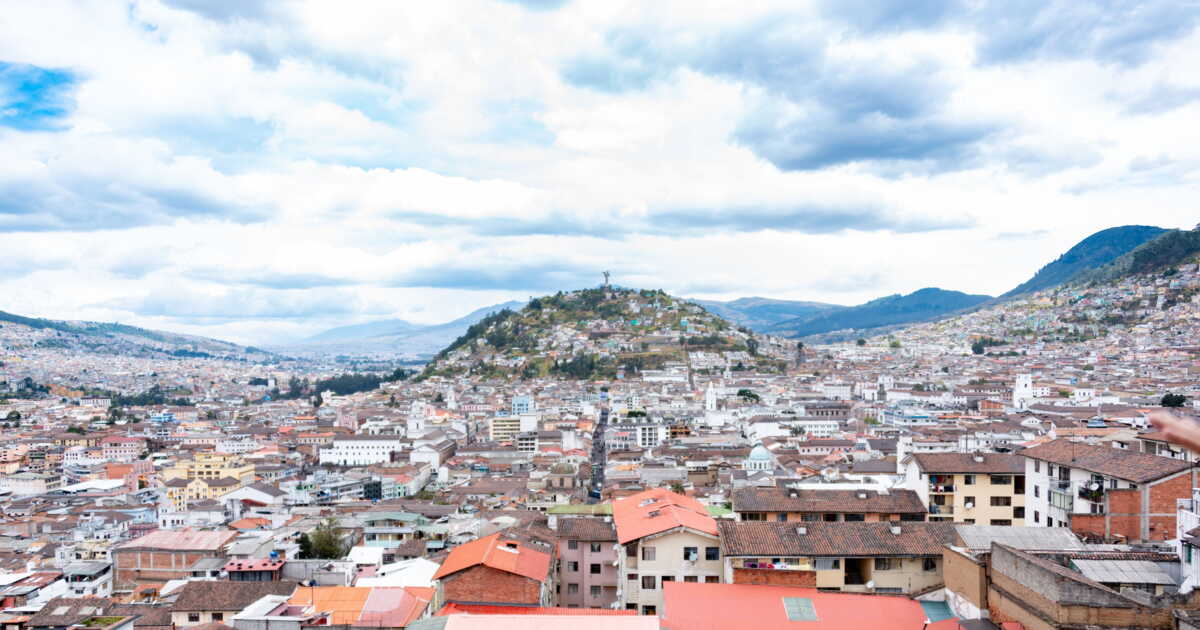
Perched capital at 2,850 m above sea level, Quito embodies the cultural and geographic entry point to a trip in Ecuador, positioning the city as an authentic immersion between colonial architecture and Andean panoramas. Its historic center, a UNESCO World Heritage site, illustrates Iberian influence in the region through colorful buildings, the Independence Plaza and a layout shaped by the surrounding valleys.

To the north of Quito, the Middle of the World allows visitors to materialize the division of the hemispheres, often visited for its educational value. From Quito, excursions to the Cotopaxi National Park are easily organized, offering rare access to an active volcano in the Andean range. Not far away, the Limpiopungo Lagoon, with its Andean bird species and high-altitude reflections, provides a high-altitude pause with open landscapes, frequently integrated into Ecuador itineraries.

2. Discovering the Amazon: biodiversity and Indigenous cultures

The Amazon region stands as one of the highlights of an Ecuador trip, both for its biodiversity and for direct access to living ancestral traditions. In the Cuyabeno Reserve, eco-friendly lodges welcome travelers into a primary forest setting, where one can practice wildlife watching: howler monkeys, rare bird species, colorful amphibians, and sometimes even pink dolphins in flooded lagoons.

These places also allow an approach to the reality of indigenous communities, whose agricultural, medicinal, and craft practices reveal sustainable resource management. This Amazonian dimension, often complementary to an Ecuador circuit, enables a reading of the territory that is both scientific and human, fostering a nuanced understanding of the Ecuador on an environmental and social level.

3. The charm of the Pacific coast: beaches and marine life

On the Pacific coast, the Ecuador during the warm season reveals all of its marine and coastal wealth. The Montañita beaches, known for their changing colors with the light and for their constant waves, are a hotspot for extreme sports favored by surfers, but also a lively social space with a developed nightlife and a relaxed vibe. Further north, Puerto López serves as a strategic gateway for marine activities.

From this charming fishing village depart excursions toward the Isla de la Plata, nicknamed the “little Galápagos,” ideal for wildlife observation. During certain periods, notably from June to September, the coast becomes a privileged observatory for humpback whales that come to breed there.

4. Galápagos: nature and underwater curiosities

A trip to Ecuador often culminates in a stay on the Galápagos Islands, whose geographic isolation makes them an outstanding site for the natural sciences and responsible tourism. These volcanic islands, with San Cristóbal as one of the entry points, allow visitors to discover lava tunnels, deserted beaches with emerald-blue colors, and a world-famous fauna: giant tortoises, marine iguanas, sea lions, and blue-footed boobies.

If cruises offer comprehensive coverage of the archipelago, land stays organized at reasonable prices can include exploring several islands with naturalist guides, often led by biologists. The Galápagos illustrate the notion of balance between conservation and tourism, offering nature lovers a direct reading of evolutionary mechanisms.

5. Culture and handicrafts in Cuenca

Listed as a UNESCO World Heritage site, Cuenca, located over 2,500 m above sea level, is often cited as an essential experience when visiting Ecuador. The city captivates with its colonial architecture, its local markets, its museums, and a calm atmosphere conducive to strolling. Its cobbled lanes and the domes of its churches make it a cultural showcase of the Andean region.

Nearby, the Ingapirca site traces the legacy of the Inca in Ingapirca, with significant architectural remains in a place that sits between the invader and indigenous heritage. Farther north, the Otavalo market is a must-stop for discovering local crafts: alpaca wool, embroidery, and colorful weavings on the Plaza de los Ponchos, the city’s central hub.

Ecuador, though relatively small compared to its southern neighbors, offers a striking variety of activities and landscapes. From Andean summits to the depths of the Amazon, through the marvelous Galápagos Islands and the sunny beaches of the Pacific coast, every traveler can tailor a rich and varied itinerary. The cultural and natural diversity of this country ensures that every journey will be unique and enriching, stimulating both the mind and the senses.

When to visit Ecuador to fully experience its natural and cultural contrasts?

Choosing when to go to Ecuador depends closely on the regions you plan to visit, as this equatorial country features remarkable climatic diversity. In general, the best period for an Ecuador trip falls within the dry season, from June to September, especially for exploring the Andes mountain range or the Baños thermal town.

The Galápagos Islands, on the other hand, offer excellent underwater visibility between December and May, a period when the island colors shift with the currents. At altitude, notably in Cuenca, situated at 2,560 m, temperatures stay mild year-round, but rains can limit hiking.

What to do in Ecuador as a couple to blend adventure and intimate moments?

For a two-person stay, the Galápagos Islands offer exceptional moments, particularly on San Cristóbal, with its lava tunnels and its deserted beaches with emerald-blue colors. On the mainland, the hot springs of the city of Baños de Agua Santa promise wellness moments against the backdrop of the Pailón del Diablo, an impressive waterfall framed by tropical vegetation. For a more nature-filled escape, a two-person hike around the Quilotoa loop or in the Cotopaxi National Park offers memorable moments in the heart of the Andes.

What to do in Ecuador with family to combine cultural discoveries and gentle adventures?

A family trip to Ecuador allows you to build an itinerary accessible to all ages, blending cultural immersion with close contact with nature. In Quito, visiting the old town classified by UNESCO and the Independence Plaza provides an ideal introduction to the country’s history. In the Middle of the World, in the north of Quito, children can test their balance on the equatorial line and explore astronomy according to Andean cosmovisions.

Further north, the Otavalo market and its Plaza de los Ponchos allow encounters with local crafts, notably alpaca wool. For younger visitors, the bird species of the Cuyabeno Reserve or boat trips on the Amazonian rivers bring a playful dimension to wildlife watching. Finally, the tranquil beaches of a charming fishing village on the coast or the thermal waters of Baños are ideal places for family rest periods.

What to do in Ecuador in the evening to prolong the cultural and sensory experience?

In Ecuador, the evenings offer a different atmosphere depending on whether you’re in the old town of Quito, high up in Cuenca, or along the Pacific coast. In Quito, the nighttime ambience centers around the La Mariscal district, with its cafés, museums and local concerts.

In the city of Baños, the thermal pools are accessible in the evening, in a peaceful setting conducive to relaxation after a day of hiking. In Montañita, the beaches come to life at dusk with open-air music scenes and a lively atmosphere, ideal for travelers seeking gentle celebrations.

For a more tranquil outing, the Andean towns like Cuenca let visitors savor local specialties on terraces, often at reasonable prices, and chat with locals. Whether for a family meal or a romantic stroll in illuminated places, Ecuadorian evenings extend the richness of the travel in Ecuador into a warm, culturally rich continuum.

Is visiting Ecuador dangerous? A safe country if you stay informed

Questioning whether visiting Ecuador is dangerous is reasonable, but it should be nuanced. The country welcomes thousands of travelers each year without incident, especially in tourist areas such as Quito, Cuenca, the Galápagos Islands, or the Baños town.

As with any region in Latin America, a reasonable level of vigilance is advisable, particularly in some city neighborhoods or after dark. It is recommended to avoid isolated areas after sunset and to use official or guided transportation.

Turning to a private driver for long distances, or to identified taxi drivers, is often recommended. Prices are typically transparent, with rates posted in advance in most tourism services. Ecuador remains, in terms of safety, a genuine immersion where risks can be minimized with proper preparation.

The landscapes of Ecuador: between cordilleras, forests and shores

The richness of ECUADORIAN landscapes is one of the first reasons to travel in this country with its exceptional topography. In a few hours of road travel, you can go from the eternal snows of the Andean Cordillera to the tropical plains of the Oriente, passing iconic sites such as the Limpiopungo lagoon or the Quilotoa loop, famed for its spectacular views.

To the east, the Cuyabeno Reserve offers immersion into the Amazonian biodiversity, with wildlife watching, pink dolphins and rare bird species. On the coast, the Montañita beaches enchant with their vivid colors, while the Galápagos Islands unveil a mosaic of preserved ecosystems, where one can grasp the link between the color of the island and the adaptation of species.

This article was written with the help of artificial intelligence, then corrected, complemented and validated by the editors of the newsroom.
What to Do in Ushuaia: 12 Must-Do Activities and Excursions

Table of Contents


  • 1. Discovery of Tierra del Fuego National Park


  • 2. Sailing the Beagle Channel


  • 3. Journey into the Past aboard the End of the World Train


  • 4. Cultural exploration at the Maritime Museum and the Old Prison


  • 5. Hike to Glaciar Martial


  • 6. Stroll through Ushuaia’s town centre


  • 7. Laguna Esmeralda: iconic hike departing from Ushuaia


  • 8. Cerro Castor: winter activities and skiing north of Ushuaia


  • 9. Vinciguerra Glacier: advanced trek near Ushuaia


  • 10. Bahía Lapataia: end of the road from Ushuaia


  • 11. Lighthouse “Les Éclaireurs”: the archipelago’s iconic beacon above Ushuaia


  • 12. Martillo Island: penguin watching from Ushuaia


  • Is it worth going to Ushuaia?


  • Where is Ushuaia located?


  • What to do in Ushuaia when it rains?

Ushuaïa, situated at the southern tip of Argentina, is often described as the “end of the world,” drawing travelers in search of majestic landscapes and unique experiences.

1. Discovery of Tierra del Fuego National Park

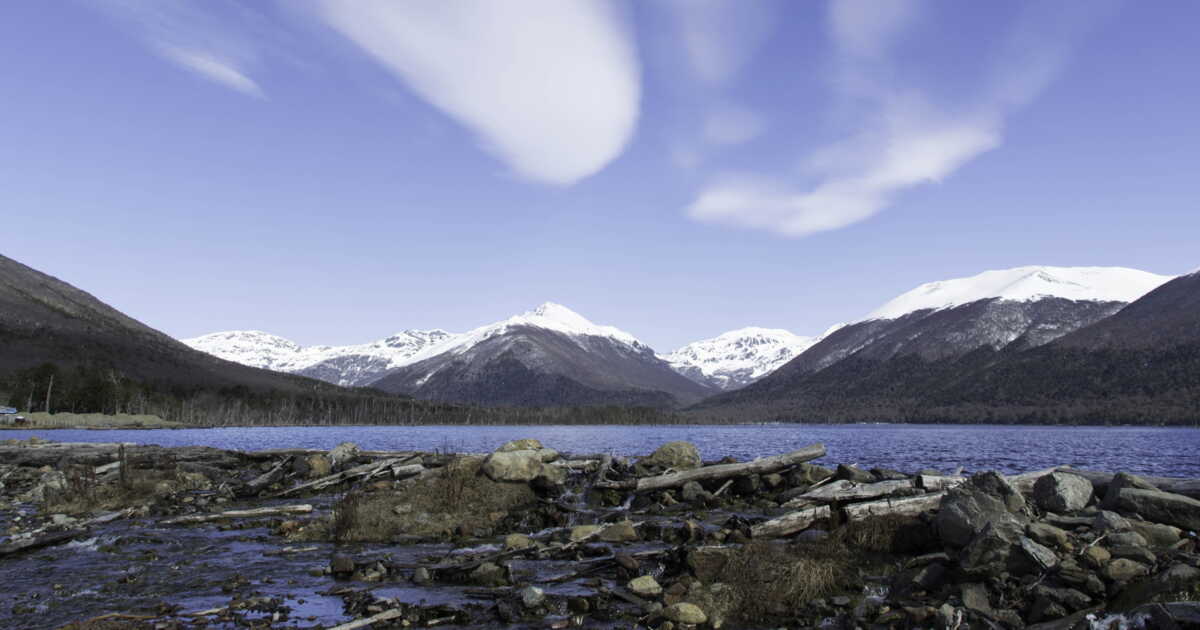
The Tierra del Fuego National Park, located just a few kilometers from Ushuaia, embodies the very essence of the Tierra del Fuego: a space where mountains, southern beech forests, rivers, and sea meet. About twenty minutes from Ushuaia, it offers multiple hiking trails, including the Senda Costera coastal path, which provides striking views of the bay and the Beagle Channel.

Each tourist activity in the park, whether a hike to the Lake Roca (now officially called Lago Acigami), a stop at Lapataia Bay, the terminus of the legendary Ruta 3, or a seabird watching session, reveals a facet of subantarctic biodiversity. Visitors can reach it independently or through one of the many local tour operators for a day-round trip. In every season, the site charms with a variety of activities: summer from December to March, ideal for walking, or winter, suited to winter activities.

2. Beagle Channel navigation

A Beagle Channel cruise is among the flagship experiences of a few-day stay in Ushuaia. These excursions, organized by different agencies, invite you to sail among uninhabited small islets where seals, seabirds, and cormorants live, and to reach the famous Les Éclaireurs Lighthouse, a symbol of the end of the world.

Some outings include a stop at the Harberton Estancia or at Martillo Island, allowing close encounters with Magellanic penguins. Departures are from the port of Ushuaia, and prices vary depending on duration, boat type, and included stops. The experience is also cultural: along the coastal trail and the mountains of the Tierra del Fuego, one measures the grandeur of the southern landscape.

3. Journey into the Past aboard the End of the World Train

The End of the World Train, or the historical railway “Ferrocarril Austral Fueguino,” links Ushuaia’s present to its penitentiary past. This activity, whose interest goes beyond a simple sightseeing ride, traces the story of the prisoners who built the railway through the heart of the forest.

From the starting point located a few kilometers from the city of Ushuaia, the journey winds through wooded mountain rims, trails, and marshy valleys, until the entrance to the national park Tierra del Fuego. Audio commentary recounts the role of the Argentine government, the harshness of extreme conditions, and the ingenuity of the railway network of the era.

4. Cultural exploration at the Maritime Museum and the Old Prison

The Maritime Museum and the Ushuaia Old Prison, housed in the former penitentiary, offers a comprehensive dive into the history of the city of Ushuaia. The building, listed as a heritage site, contains several sections: naval exhibitions, the fascinating Presidio prison museum, and galleries dedicated to Antarctic explorations.

Travelers will find an educational setting to understand the provincial capital and its development after the colonial era. It’s also a pleasant stop on rainy days: between warm hot chocolate or tasty pastries, this touristic activity illustrates the cultural richness of the end of the world.

5. Hike to the Glaciar Martial

The hike to Glaciar Martial is a classic activity for nature lovers. Located a few kilometers from Ushuaia, the trail starts near an old chairlift where a panoramic café sits. The path winds through wooded edges of the glacier before revealing a spectacular view over the Beagle Channel and the snowy peaks.

The winter activity is also possible: in winter, some areas transform into ski slopes. The entrance fee remains modest, and the experience blends nature and accessibility. At the end of the excursion, a return to a small apartment in town allows for a well-deserved rest.

6. Walk through Ushuaia’s town centre

The centre of Ushuaia has a unique atmosphere, where antiquarians, post offices, art galleries, and outdoor shops mingle. The restaurants on San Martín Street, sometimes awarded the best restaurant prize, highlight products from the Tierra del Fuego, such as lamb and king crab.

For travelers staying in apartments or in guesthouses, the centre is also a place for great encounters, conducive to discovering local life. Between the port and the maritime museum, every step reminds that this city of Ushuaia is the end of the world, but also a vibrant and welcoming community.

7. Laguna Esmeralda: iconic hike starting from Ushuaia

The Laguna Esmeralda remains a must-do hike from Ushuaia. Located about twenty kilometers from Ushuaia, it offers a trail through bogs, forests, and rivers before reaching a gleaming green glacial lake. The start of the hike is accessible by shuttle or by your own means.

The site has no entrance fee, and the activity can be challenging from November to February during the austral summer, when precipitation and crowds turn the bogs into muddy fields. This route epitomizes the balance between pristine nature and accessible adventure for everyone.

8. Cerro Castor: winter activities and skiing north of Ushuaia

The Cerro Castor, located 26 kilometers from Ushuaia, represents the hub of winter activities in the Tierra del Fuego. With its ski slopes, chalets, and alpine ambiance, it attracts travelers looking to extend their stay by a few days in Ushuaia. A day trip there is possible, with prices varying according to equipment rentals. The experience blends nature, sport, and authenticity in a setting where snow often lasts until the austral spring.

9. Vinciguerra Glacier: advanced trek near Ushuaia

The Vinciguerra Glacier, reachable from the Andorra Valley, offers a more demanding activity: a 14-kilometer round-trip hike to an altitude lake surrounded by snowy peaks. The trailhead lies about 7 kilometers from Ushuaia, and the path alternates between forests and rocky terrain. In collaboration with a travel agency, this excursion is a highlight for understanding the Tierra del Fuego in its wild entirety.

10. Bahía Lapataia: end of the road from Ushuaia

The Bahía Lapataia marks the symbolic end of the Ruta 3, the final road before Antarctica. This starting point or finishing point for explorations offers a unique panorama of the sea, the mountains, and the forest. Accessible on a round trip from the city of Ushuaia, it is an ideal place for a day in Ushuaia devoted to contemplation and photography.

11. Lighthouse “Les Éclaireurs”: the archipelago’s emblematic beacon above Ushuaia

The Les Éclaireurs Lighthouse, often miscalled the “lighthouse at the end of the world,” is a famous beacon perched on a rocky islet visible from the sea. A boat excursion brings you close to this icon and lets you observe the uninhabited islets and seabirds. The outing price varies depending on duration and stops. It’s a classic but essential tourist activity, embodying the distinctiveness of this southern territory.

12. Martillo Island: penguin watching from Ushuaia

Finally, the Martillo Island, off Ushuaia, hosts a colony of Magellanic penguins. The excursions, often combined with a visit to the Harberton Estancia, provide a supervised wildlife viewing experience. This maritime excursion, offered by local agencies, adds a touch of nature to any trip to the end of the world. For travelers arriving from France or other parts of Argentina, it makes for a perfect finale to a complete stay in Ushuaia.

Visiting Ushuaia, one of the southernmost cities in the world, offers an opportunity to discover stunning landscapes and experience unforgettable adventures. Whether you are passionate about nature, history, or culture, Ushuaia has something to satisfy every visitor. Its diversity of activities and attractions ensures a rewarding experience, rain or shine. The richness of this destination makes it a unique stop on any Patagonian itinerary, and it promises memories that will linger in travelers’ minds.

Is it worth going to Ushuaia?

Visiting Ushuaia, the “city at the end of the world,” represents a true travel project, both in terms of planning (flights, duration, budget) and the promise of an unforgettable experience. Beyond a simple tourist route, Ushuaia embodies an iconic milestone of adventure: a place at the southernmost tip of South America, offering landscapes of rare power, a nature shaped by extreme conditions, and a rich cultural dimension.

Nothing can guarantee that all days in Ushuaia will be “easy”: weather conditions, distance from Europe, sometimes high prices for flights or accommodations, and the seasonal nature of certain activities must be taken into account.

Nevertheless, if you dedicate several days to Ushuaia, are willing to stray from the usual paths, and seek a destination that is both unique and complete—nature, hiking, history, sea, and mountains—then yes, it’s worth going to Ushuaia. In short, it is not a standard trip, but an experience that can leave a lasting mark.

Where is Ushuaia located?

The city of Ushuaia is located in Argentina, in the province of Tierra del Fuego, on the Grande Island of Tierra del Fuego, along the Beagle Channel and at the foot of the southern Andes mountain range. Its name, of Yaghan origin, is said to mean “deep bay.” From Europe, you typically fly to Buenos Aires and then connect to Ushuaia’s airport. It is thus often described as the southernmost city in the world. This very southern and relatively isolated location gives Ushuaia a unique atmosphere: sea, mountains, glaciers, and frontier landscapes converge to form a remarkable panorama.

What to do in Ushuaia when it rains?

Even when weather in Ushuaia is capricious, several activities remain perfectly feasible, allowing you to optimize a stay in Ushuaia without frustration. For example, you can visit museums such as the Museum of the End of the World or the Yámanà Museum, both focused on local history, the city’s evolution, and indigenous peoples.

Another option is to explore artisan shops, sample hot chocolates or pastries in the town center, or enjoy a comfortable little apartment in Ushuaia with a view of the Beagle Channel, turning a rainy day into a moment of relaxation and reflection.

Furthermore, some boat or minibus excursions, even in the rain, can offer dramatic and atmospheric glimpses of the coastline, waves, forests, and misty peaks. By planning a flexible itinerary—for example, booking several days in Ushuaia and allowing for alternative activities—you maximize your chances of fully enjoying this end-of-the-world destination.

This article was drafted with the help of artificial intelligence, then edited, expanded, and validated by the newsroom journalists.

What to Do in Kenya: 10 Essential Activities and Excursions

Summary


  • 1. Safari in the Masai Mara


  • 2. Climbing Mount Kenya


  • 3. Diving and relaxation at Diani Beach


  • 4. Discovering Swahili culture in Lamu


  • 5. Visit Amboseli National Park


  • 6. Observing wildlife at Lake Nakuru


  • 7. Relax at Watamu Beach


  • 8. Approaching giraffes at the Giraffe Centre


  • 9. Reliving history at the Karen Blixen Museum


  • 10. Discover the Sheldrick Wildlife Trust


  • Is it safe to travel to Kenya? Safety, precautions and a guided framework for a confident discovery


  • What budget should you plan for 10 days in Kenya? Safaris, beaches and the logistics of a balanced trip

Kenya, nestled in East Africa, is a land of striking contrasts and captivating natural wonders. Its vast savannas, teeming wildlife, and breathtaking landscapes render this country a coveted stop for nature lovers and lovers of adventurous experiences alike.

1. Safari in the Masai Mara

Iconic among Kenya’s national reserves, the Masai Mara stands as one of Africa’s most renowned safari realms, notably hosting every year between July and October the great wildebeest migration, a spectacular natural phenomenon where millions of herbivores cross the savanna in search of grazing, facing predators along the way. This awe-inspiring event offers a privileged moment to observe the Big Five (lions, leopards, elephants, rhinos and buffalo) in their natural habitat during 4×4 safaris guided by experienced guides.

But beyond its iconic wildlife, the Masai Mara also offers a precious glimpse into the culture of the Maasai, a semi-nomadic people whose rites, traditional attire, and pastoral practices reflect an ancient relationship with the land. Between major ecological experiences and cultural immersion, a visit to the Masai Mara reveals the complexity and richness of a living territory where biodiversity conservation, local traditions, and the contemporary challenges of responsible tourism coexist.

2. Climbing Mount Kenya

The Mount Kenya, the second-highest summit on the African continent after Kilimanjaro, is a top-tier high-altitude destination for hikers, climbers and naturalists seeking physical challenges and scenic exploration. A UNESCO World Heritage site, this extinct volcanic massif offers several ascent routes, including the Sirimon and Chogoria routes, known for their varied profiles and accessible to different levels of experience, from approach treks to technical high-altitude climbs.

Throughout the trek, travelers pass through a succession of contrasting ecological zones, ranging from humid tropical forest to afro-alpine vegetation, sheltering a remarkable endemic fauna. Reaching the summits, notably Point Lenana, rewards the effort with a dramatic panoramic view over the central Kenyan highlands. Between ecological richness, geological complexity, and sporting interest, Mount Kenya emerges as an authentic high-altitude alternative that combines guided adventure, preserved biodiversity, and the value of East Africa’s natural heritage.

3. Diving and relaxation at Diani Beach

Located on the southern coast of Kenya, Diani Beach stands out as one of Africa’s premier seaside destinations on the East African coast, offering a pristine white-sand shoreline lined with turquoise waters of the Indian Ocean. This coastal setting, pairing tranquil lagoons with tropical vegetation, provides an ideal backdrop for beach relaxation while offering a wide range of water activities, with diving and snorkeling at the forefront.

The coral reefs preserved here host a remarkable marine biodiversity, including colorful fish, turtles, and occasionally dolphins, offering an immersive experience in a living marine ecosystem. In addition to its natural attractions, Diani Beach features well-developed tourist infrastructure, allowing visitors to enjoy a stay that blends comfort, leisure, and ecological discovery. As the day ends, a sunset over the sea completes the experience with a soothing visual moment, underscoring the aesthetic and sensory dimension of this Kenyan coastal destination.

4. Discovering Swahili culture in Lamu

Situated north of the Kenyan coast, Lamu is one of the most emblematic historic centers of Swahili culture, whose old town, a UNESCO World Heritage site, offers an exceptional testimony to East Africa’s coastal urbanism and architecture. Its maze of narrow lanes, lined with coral-stone houses and finely carved doors, reflects a preserved traditional lifestyle, marked by the absence of motorized traffic and the maintenance of centuries-old artisanal practices.

The island atmosphere, imbued with spirituality, slowness and hospitality, gives Lamu a distinctive identity at the crossroads of Arab, African, and Indian influences. Visitors discover a lively artisanal scene, especially in woodwork and textiles, as well as a subtly spiced local cuisine, revealing the richness of a blended culinary heritage. Between historical value, cultural authenticity and coastal charm, Lamu stands as a major heritage destination, committed to preserving and promoting Swahili heritage.

5. Visit Amboseli National Park

Located in southern Kenya, near the border with Tanzania, Amboseli National Park is renowned for offering one of the most iconic views of Mount Kilimanjaro, its snow-capped summit dominating the horizon beyond the savanna. This dramatic landscape, often photographed at dawn or dusk, provides a prime setting for photographic safaris. The park also stands out for its high concentration of African elephants, which have become the symbol of Amboseli, visible up close in their natural habitat.

Thanks to the presence of permanent marshes fed by subterranean waters from Kilimanjaro, the site attracts a diverse birdlife, making Amboseli a major focal point for ornithology. Between wildlife watching, spectacular panoramas, and contrasting ecosystems, this park embodies an ideal entry point to grasp the ecological richness of Kenya. More broadly, the country enchants with its geographic and cultural diversity, offering every visitor a complete travel experience—from safaris and mountains to coast and living traditions.

6. Observing wildlife at Lake Nakuru

Situated in the heart of the Rift Valley, Lake Nakuru is a key stop for any wildlife-focused itinerary in Kenya. Renowned for its vast gatherings of pink flamingos, the park offers a living spectacle along its shallow shores, where herds of buffalo, white rhinos, plains zebras and a range of felines share the protected environment.

The region is rich in migratory and nomadic birds of striking scale, illustrating Kenya’s rich biodiversity. From the green hills that overlook the lake, visitors gain a broad view of the expansive surrounding plains. The dry season, January–March or June–September, remains the best time to observe animals from the park, with wildlife congregating around water points. Lake Nakuru thus stands as a premier wildlife destination, offering an unforgettable memory to any nature enthusiast.

7. Relax at Watamu Beach

Watamu Beach, on the northern coast of Kenya, captivates with its white-sand beaches, crystal-clear lagoons and preserved coral reefs, true refuges for an exceptional marine wildlife. Renowned for its proximity to the Watamu Marine Reserve, this seaside resort is ideal for divers, snorkelers or enjoying freshly caught seafood.

In the background, the green hills and coastal villages form a peaceful canvas, perfect for seaside breakfasts and pirogue excursions. Accessible year-round, Watamu reveals its beauty outside the rainy season, notably from January to March and from June to September. This coastal destination also provides a natural counterpoint to the circuit of national parks such as Tsavo East or Hell’s Gate, offering a complementary experience amid Kenya’s rich biodiversity.

8. Approaching giraffes at the Giraffe Centre

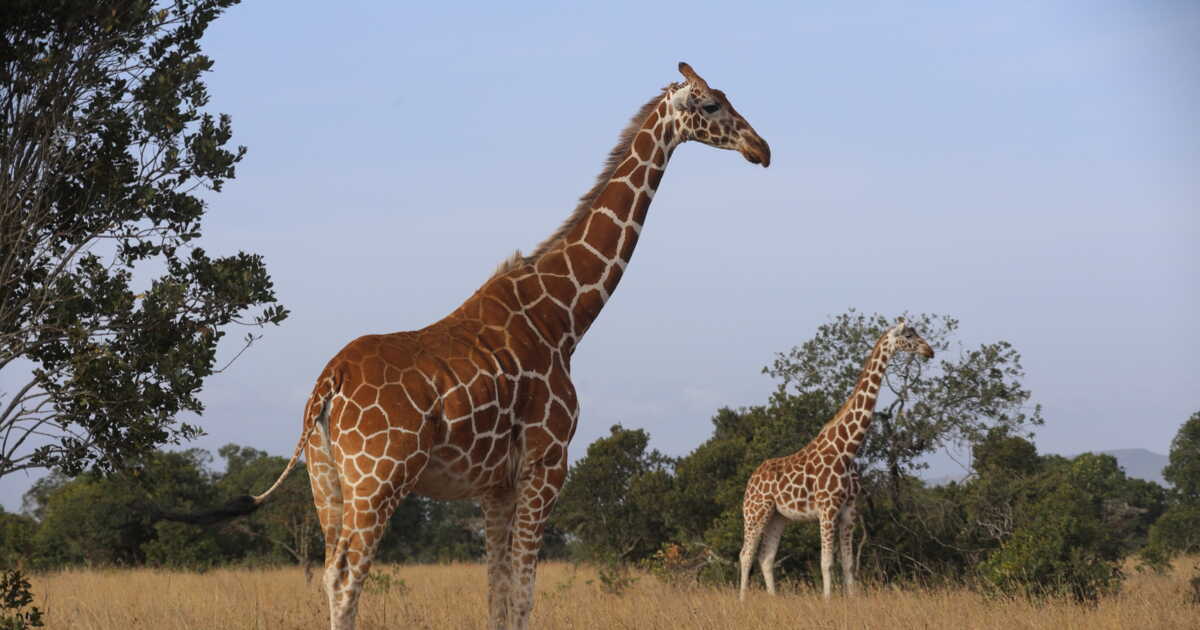
A few kilometres from Nairobi, the Giraffe Centre offers the opportunity to observe and interact with the Rothschild’s giraffe, a threatened subspecies, in an educational and safe setting. This center, designed for conservation, lets visitors feed these magnificent animals from elevated platforms, while receiving precise information delivered by experienced local guides.

Against this backdrop, the green hills of southern Nairobi remind us that wildlife sits at the city’s edge. This experience, though brief, fits easily into a circuit that includes the Karen Blixen Museum, the Sheldrick Wildlife Trust, or a trip to the Kakamega Forest, offering a comprehensive view of Kenya’s biological and cultural diversity. The Giraffe Centre provides an accessible and responsible glimpse into Kenya’s animal kingdom.

9. Reliving history at the Karen Blixen Museum

The former home of the famed Danish author Karen Blixen, the Karen Blixen Museum offers an immersion into her life as a coffee planter in Kenya and her literary legacy, notably recalling the early 20th-century colonial era and the author of Out of Africa. Nestled at the foot of the green hills, the house, preserved in its original state, is surrounded by lush gardens and offers guided tours punctuated with literary anecdotes.

This cultural stop contrasts with the natural treasures of nearby reserves, providing a narrative pause in a wildlife-focused itinerary. It naturally fits into a day combined with the Giraffe Centre or a visit to the Sheldrick Wildlife Trust, forming a dense but accessible itinerary from Nairobi. The house underscores the richness of Kenyan cultural heritage as well as the beauty of its landscapes, between plains and gardens, personal history and collective memory.

10. Discover the Sheldrick Wildlife Trust

The Sheldrick Wildlife Trust, in Nairobi, is a rehabilitation center dedicated to orphaned elephant calves rescued in Kenya. This site, open at specific hours, offers a rare encounter with recovering animals, cared for by dedicated teams. Local guides explain how the center operates and the conservation challenges posed by poaching.

Through this visit, visitors explore the complexity of animal protection, from weaning to reintegration into the wild. The visit can be extended with stops in national parks or on forest hiking trails. The Sheldrick Wildlife Trust is part of a network of local initiatives where education, close contact with remarkable animals, and respect for Kenya’s rich biodiversity form the foundation of a durable commitment to preserving life.

Is it safe to travel to Kenya? Safety, precautions and a framework for a confident discovery

Asking whether it is prudent to travel to Kenya is a legitimate concern for any traveler planning a trip to East Africa. The country is generally safe for visitors, provided you observe basic precautions: avoid certain unstable border zones, follow local authorities’ advice, and favor certified tour operators.

Tourist zones, national parks, the coast, and Nairobi are well-regulated and accustomed to hosting international travelers. The Giraffe Centre, near the capital, illustrates this intent to welcome in a pedagogical and secure way. Vigilance should not obscure the reality: Kenya offers a remarkable natural and cultural setting that is accessible to those who approach it with preparation and discernment.

What budget should you plan for 10 days in Kenya? Safaris, beaches and the logistics of a balanced trip

Estimating a budget for 10 days in Kenya means anticipating costs for travel between destinations, national parks, and accommodations. For a trip combining a Masai Mara safari, a visit to Lake Nakuru and a stay at Watamu Beach, the average budget ranges from 2,000 to 3,500 euros per person, not including international flights (which should be planned separately).

Privately organized safaris and high-end lodges can raise expenses, while more affordable options exist by choosing tented camps or shared circuits. Access to national parks is regulated and paid, but the experiences offered (wildlifeMigration, birdwatching, and Indian Ocean beaches) fully justify the investment. Kenya remains a destination where the grandeur of nature meets structured service, accessible to travelers of different profiles.

This article was written with the aid of artificial intelligence, then edited, expanded, and validated by the newsroom journalists.

What to Do in Peru: 9 Must-Do Activities and Excursions

Peru, a country of history and natural diversity, attracts travelers from around the world. From its towering mountains to its green valleys, and its unparalleled archaeological sites, the country offers a multitude of unforgettable experiences. For those looking to explore Peruvian culture, nature, and cuisine, this guide details the must-sees to discover. But what exactly should you do during your 15-day stay in Peru? Follow our suggestions for a balanced journey that blends adventure and relaxation.

1. Discovery of Lima, the cultural and gastronomic capital

Lima, capital of Peru and typically the starting point of a travel route across South America, stands out as a key place to understand the country’s cultural diversity before moving on to other major sites such as Cusco, the Sacred Valley, Lake Titicaca, or the Andean range.

The city is particularly renowned for its gastronomy of international acclaim, showcased by iconic specialties such as ceviche or lomo saltado, reflecting the richness of coastal and highland products. The historic districts of Miraflores and Barranco, perched directly above the Pacific Ocean, offer panoramic viewpoints that help grasp the coastal setting of the capital.

The historic center, inscribed on the World Heritage list, gathers major buildings such as the Cathedral of Lima or the Palace of the Government, bearing witness to the city’s political, religious, and administrative importance since colonial times. This first step, complementary to the country’s major archaeological sites—from Machu Picchu to Pisac or Chan Chan—effectively prepares travelers for Peru’s geographic diversity, between mountain ranges, peaceful shores, and the Peruvian Amazon, while providing a coherent introduction to contemporary Andean culture.

2. Exploration of Cusco’s archaeological riches and the Sacred Valley

Cusco, former capital of the Inca Empire, occupies a central place within the Sacred Valley and serves as a pivotal stop in any trip to Peru, especially for travelers seeking to acclimate to altitude before reaching higher sites in the Andean Cordillera. This region, densely marked by the heritage of the ancient world, is lined with major archaeological sites such as Sacsayhuamán, Pisac and Ollantaytambo, illustrating Inca engineering through their agricultural terraces, ceremonial centers, and advanced fortification systems.

The local markets of Cusco and the surrounding villages offer a living glimpse into contemporary Andean culture, notably through textile crafts, traditional objects, and agricultural products from the high plateaus. As a starting point toward Machu Picchu, Lake Titicaca with its islands such as Amantaní, or toward the Colca Canyon, the Condor Cross, or the Peruvian Amazon, Cusco fits a coherent itinerary blending heritage, environment and cultural discovery. Paired with other highlights such as Lima, Arequipa, or the vestiges of Chan Chan, the Cusco region concentrates the historical, geographic and human dimensions of Peru in a thoughtful approach to highlighting the country’s principal tourist assets.

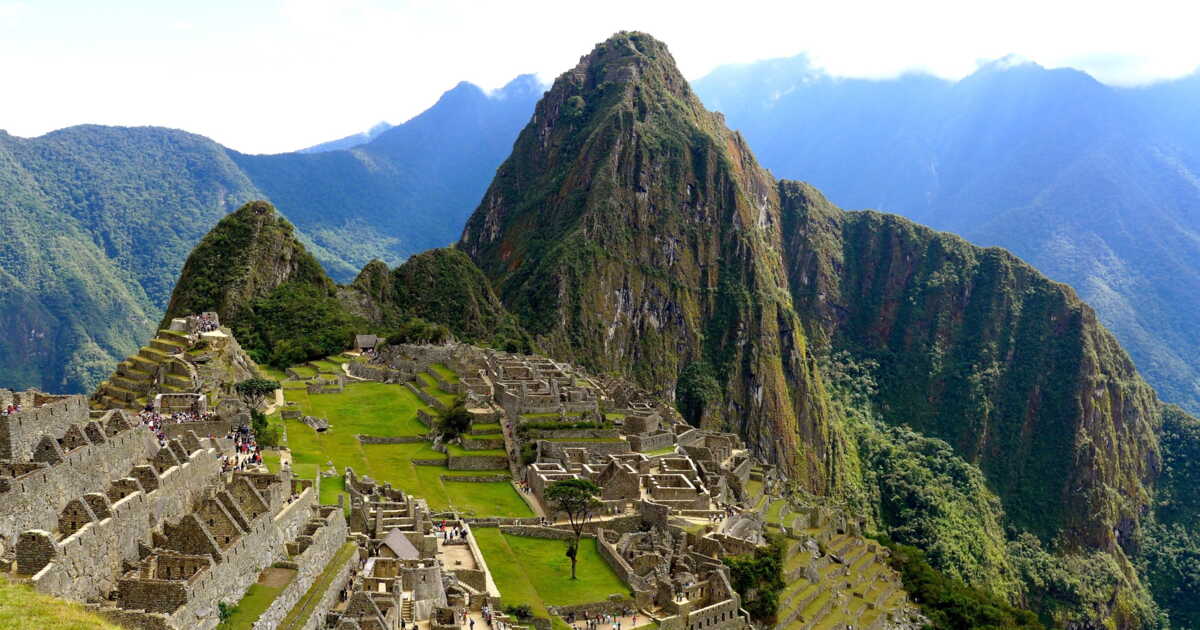
3. Trek to Machu Picchu, an iconic site

No trip to Peru would be considered complete without a structured visit to Machu Picchu, one of the most emblematic archaeological sites in South America, listed as a UNESCO World Heritage Site. This ancient Inca city, perched above 2,400 meters in the heart of the Andes, can be reached either via the Inca Trail, a multi-day hike favored by hiking enthusiasts, or by train departing from Ollantaytambo, in the Sacred Valley.

Access to this site requires careful planning, notably because of visitor quotas and weather conditions, and it is recommended to schedule your visit early in the morning to benefit from lighter crowds and to witness the sunrise over the ruins, a moment particularly conducive to contemplating the site in its natural setting.

Machu Picchu, through its strategic placement, its architecture integrated with the topography, and its importance in Inca civilization, fits into a broader itinerary that connects key places such as Cusco, Pisac, Sacsayhuamán, and Lake Titicaca and the island of Amantaní. This segment can also be extended to other areas of Peru such as Arequipa, the Colca Canyon, the Condor Cross, Chan Chan, or the Peruvian Amazon, enabling an exploration of the country’s geographic and cultural diversity within a frame that is educational, patrimonial and environmental.

4. Immersion in nature at the Huascarán National Park

For outdoor enthusiasts embarking on a Peru itinerary oriented toward high-altitude discovery, the Huascarán National Park stands as a reference site, both for the richness of its Andean ecosystems and for the breadth of its mountain ranges.

Located in the Andes mountain range, this UNESCO World Heritage site houses the Huascarán mountain, the highest peak in Peru at over 6,700 meters, along with a dense network of glacial lakes, hanging valleys and marked trails. The park allows guided participation in numerous activities — hiking, trekking, and observing the local fauna — in a natural setting of exceptional beauty marked by the presence of queñua forests, rock formations and spectacular panoramas.

Travelers are advised to acclimate properly to altitude, as some park areas exceed 6,000 meters, which requires suitable physical and logistical preparation. Integrated into a broader itinerary passing major archaeological sites such as Machu Picchu, Pisac, or Chan Chan, and notable places such as Cusco, the Lake Titicaca, Arequipa or the Colca Canyon, the Huascarán National Park offers a complementary reading of Peru, focused on its natural and alpine dimensions, at the crossroads of environmental preservation and active experience.

5. Encounter with the cultures of Lake Titicaca

The Lake Titicaca, situated above 3,800 meters in the Andes, is an emblematic site of South America and a must-stop on any trip to Peru, both for its geographic character and its cultural importance. Known as the world’s highest navigable lake, it hosts inhabited islands for centuries, including the Uros Islands, entirely built on floating reed mats, and Taquile Island, famous for its textile traditions inscribed on the UNESCO intangible cultural heritage list.

These sites, reachable by boat from Puno, allow travelers to grasp active Andean ways of life, notably through homestays that promote respectful immersion into local community realities. A stop on the Amantaní Island, also located on the lake, extends this approach by combining heritage, crafts, and traditional hospitality.

Le lac Titicaca s’intègre logiquement dans un itinéraire comprenant des sites archéologiques majeurs comme Machu Picchu, Pisac, ou Chan Chan, ainsi que des destinations naturelles telles que le Canyon de Colca, la Croix du Condor, ou l’Amazonie péruvienne. Entre haute altitude, paysages lacustres et transmission culturelle, cette région offre une synthèse pertinente des dimensions humaine, géographique et patrimoniale qui caractérisent l’expérience de découverte au Pérou.

6. Discovery of Arequipa and the Colca Canyon

Arequipa, nicknamed the “White City” due to its architecture built from sillar stone, is an essential place for any trip to Peru, combining urban wealth, heritage interest and proximity to grand natural landscapes. The historic center of the city, a UNESCO World Heritage Site, gathers remarkably preserved colonial buildings, among which the Santa Catalina Monastery, a true city within a city, illustrating the social and religious organization of the colonial era.

Within a few hours’ drive, the Colca Canyon, one of the deepest in the world, offers travelers the chance to observe from vantage points such as the Condor Cross the flight of this emblematic raptor of the Andean mountain ranges. Hiking trails and natural hot springs add to the region’s appeal for outdoor enthusiasts.

On the outskirts, traditional villages offer a structured glimpse into Peruvian rural life, with their markets, handicrafts and communal customs. Integrated into a broader itinerary that includes Cusco, Lake Titicaca, Machu Picchu, the Sacred Valley archaeological sites, or the Peruvian Amazon, Arequipa constitutes a relevant articulation point between history, nature and living culture within a balanced journey through Peru.

7. Aerial view of the Nazca Lines, a desert riddle

The Nazca lines, located in the southern coastal desert of Peru, constitute an exceptional set of geoglyphs whose full visualization is only possible from altitude, usually via a lightweight plane overflight. Classified as UNESCO World Heritage, these monumental figures – representing animals, geometric shapes and anthropomorphic symbols – still raise many questions about their function, whether astronomical, religious or ritual.

For travelers interested in the interaction between pre-Columbian art and grand landscapes, these drawings etched into the ground offer a singular experience that goes beyond simple visual contemplation, raising questions about the relationship between territory, memory, and symbolic expression in ancient civilizations. Their discovery fits within a broader itinerary spanning Peru’s main archaeological sites, such as Chan Chan, Machu Picchu, Pisac, or Cusco, and can be combined with natural explorations such as the Colca Canyon, Lake Titicaca, the Andes, or the Peruvian Amazon. The Nazca Lines, by their scale and mystery, offer a complementary reading of the country’s cultural diversity at the crossroads of archaeology, desert environments, and the contemporary search for meaning.

8. Relaxation at the Huacachina Oasis

The Huacachina Oasis, located in the southern coastal region of Peru, is a singular place in South America, combining desert landscape with a tourist offering built around outdoor activities. Nestled at the foot of towering sand dunes, this natural oasis particularly attracts adrenaline seekers, who can practice sandboarding on steep slopes or join motorized buggy excursions across the desert, guided by local guides.

These dynamic experiences fit into a logic of active territorial discovery, while highlighting a distinctive landscape within the Andean context. At day’s end, travelers can enjoy the tranquility around the water’s edge to unwind and watch the sunset, a privileged moment to appreciate the shifting light on the sandy reliefs. Integrated into a route including the Nazca Lines, Arequipa, the Colca Canyon, the Lake Titicaca, Cusco, Machu Picchu, and the Sacred Valley sites, Huacachina enriches the Peru journey with a contrasting sequence, oriented toward adventure, outdoor sport and the discovery of a rare desert environment in this part of the continent.

9. Immersion in the Amazon at Puerto Maldonado

The Puerto Maldonado region, located in the southeast of Peru, serves as a privileged gateway to the Peruvian Amazon, offering travelers structured access to one of the richest biodiversity hotspots in South America. Staying in a jungle lodge provides full immersion in this ecosystem, with guided support for exploring sensitive natural habitats.

Boat excursions on local rivers, often organized at dawn or dusk, provide real opportunities to observe the local wildlife, including monkeys, caimans, toucans, macaws and other iconic jungle species. Guided interpretive walks allow visitors to explore the tropical vegetation in all its complexity, while addressing conservation issues.

Puerto Maldonado s’intègre logiquement dans un itinéraire plus vaste reliant les sites archéologiques de Cusco, Pisac, Machu Picchu, les grands ensembles naturels comme le Canyon de Colca, le lac Titicaca et la cordillère des Andes, ou encore les vestiges côtiers comme Chan Chan. En tant qu’endroit de transition entre le monde andin et la forêt amazonienne, cette région permet de compléter le voyage au Pérou par une dimension environnementale forte, centrée sur la biodiversité, l’exploration encadrée et la sensibilisation aux équilibres écologiques du territoire.

Voyager au Pérou, c’est s’immerger dans une mosaïque culturelle et naturelle unique. En explorant ses sites archéologiques, ses paysages variés et sa riche gastronomie, chaque voyageur pourra vivre une expérience enrichissante. Ce guide fournit une base pour découvrir les multiples visages de ce pays fascinant, tout en invitant à s’aventurer hors des sentiers battus.

Paysages du Pérou : des chaînes de montagnes aux forêts tropicales, un territoire d’exception

The landscapes of Peru are among the most contrasting on the continent. Between the vertical Andes, the deep valleys of the Colca Canyon, the changing light of Lake Titicaca, and the green vastness of the Peruvian Amazon, the country forms a rare geographic mosaic.

For hikers, every trail becomes an immersive experience, whether climbing toward Machu Picchu, walking the paths around Arequipa, or venturing to rural areas leading to the Chan Chan ruins. Peru is not just a collection of sites to visit; it is a land of altitudes, textures and colors, shaped by geology as much as by the civilizations that left their mark.

How long does it take to visit Peru: building an itinerary worthy of Andean diversity

Peru is a country whose geographic and cultural wealth invites a substantial amount of time to visit. For a balanced discovery, three weeks allow you to traverse the iconic places without rushing, including Cusco, the Sacred Valley, the Lake Titicaca, the Colca Canyon, or the Peruvian Amazon.

In two weeks, a tight itinerary centered on the southern high Andes, with Arequipa, Pisac, the historic center of Lima, and the legendary Machu Picchu, already offers a dense immersion. In fewer than ten days, clear choices must be made: a circuit between Cusco and the Andean Cordillera provides an excellent starting point to grasp the country’s essence. Each path undertaken opens a new perspective on this leading South American nation.

What budget to plan for 15 days in Peru: anticipating costs for a structured trip

A 15-day trip to Peru requires a budget that can be adjusted according to the type of services sought. For a self-guided stay with standard accommodations, internal transport and main visits, you should budget between 1,920 to 2,740 euros (including flights) per person, or about 800 to 1,200 € excluding flights.

Entry to Machu Picchu, excursions on the Lake Titicaca (notably toward Amantaní Island) or trips to the Colca Canyon and the Condor Cross represent expenses to anticipate. The cost of living remains generally affordable, especially outside major cities like Lima. A good budget plan allows including major sites, such as Chan Chan or the agricultural terraces of the Sacred Valley, while leaving room for the unexpected, essential for a successful journey in South America.

What to do in Peru with kids: exploring the country as a family, between living history and spectacular nature

Traveling to Peru with children is an opportunity for learning and active discovery. The country lends itself to family tourism thanks to the variety of its archaeological sites, the richness of its landscapes, and activities suited to different ages. In Cusco, the historic center offers interactive museums while the Sacred Valley region lets you explore the agricultural terraces at a comfortable pace. A excursion on the Lake Titicaca, reaching Amantaní, provides cultural immersion in Andean traditions. For younger visitors, watching condors in the Colca Canyon or walking trails around Pisac can become memorable moments. Peru invites families to travel differently, at the crossroads of play, memory and nature.

This article was written with the help of artificial intelligence, then corrected, supplemented and validated by the newsroom’s journalists.