Moana Voyages Tahiti: The Heart of the Fenua


The interior lands: the volcanic Eden and the realm of sacred valleys

Une cascade au coeur de Tahiti © Myles McGuinness

PONANT


Far from the urbanized coastline, the true face of Tahiti Nui unfolds as you head into its volcanic heart, sculpted by erosion around mythical peaks such as Mount Orohena, Mount Aorai, and the crown of Papeete.

The must-do excursion is to climb the vast Papenoo Valley aboard a 4×4 driven by a local guide. The track winds into a lush caldera, crossing dozens of tumbling waterfalls, mountain rivers and hydroelectric dams, until reaching the Baurra pass and the tranquil banks of Vaihiria Lake, the island’s only natural lake. Along the way, the discovery of the marae scattered beneath the canopy [these ancient sanctuaries of basalt stone] helps to understand the spiritual anchor of these highland lands. For seasoned hikers, the Fautaua Valley trail climbs to a spectacular 135m waterfall that plunges into crystal-clear natural basins, while the Hitiaa lava tubes (lava-tubes) offer a fascinating underground geological adventure exploring the conduits formed by ancient basalt flows.


The Island Circuit, steeped in History and Living Culture

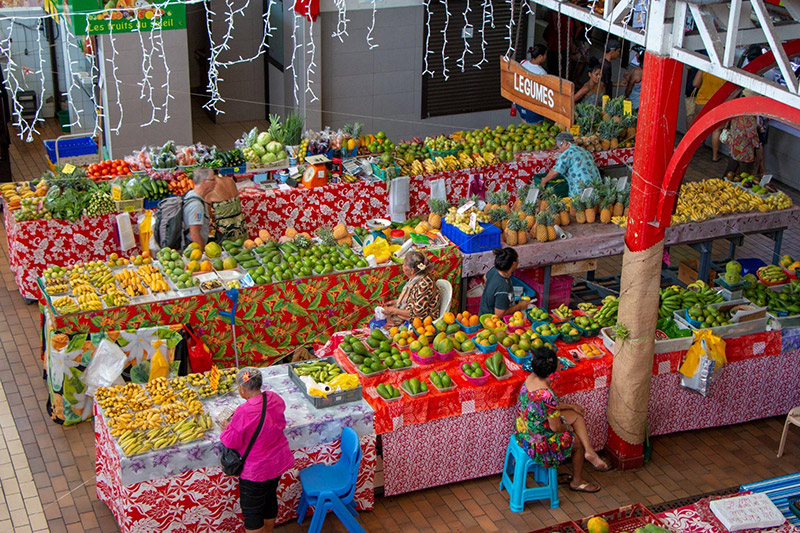
Tahiti is the vibrant heart of contemporary Polynesia, where colonial history and Ma’ohi oral traditions intersect at every kilometer. Immersion begins at the covered market of Papeete, Mapuru a Paraita, whose bustle peaks at dawn. Amid the scents of Tahitian tiaré and artisanal monoi, the stalls overflow with tropical fruits, sea-faring fish, and local crafts, offering the chance to sample a hot firi firi doughnut or a poisson cru in coconut milk prepared before you.

En route to the East Coast, the black-sand beach of Pointe Vénus in Mahina recalls the landing of the first European navigators such as Captain Cook or Captain Bligh, dominated by its historic lighthouse built in the 19th century. Further on, the site of Arahoho’s blowhole presents the striking sight of a sea geyser shooting through volcanic rock under the pressure of the waves.

The cultural side continues to the Faarumai Valley to admire its three majestic waterfalls surrounded by towering bamboo, before a detour to the Tahiti and Its Islands Museum in Punaauia, which houses the most precious ethnographic and historical collections of the South Pacific.


Le Marché de Papeete © Massimiliano Cinà


Tahiti Iti: the wild peninsula and the sanctuaries at the edge of the world

At the southeastern tip, connected by the Taravao isthmus, Tahiti Iti offers a striking contrast by preserving a rural and peaceful atmosphere, far from urban hustle.

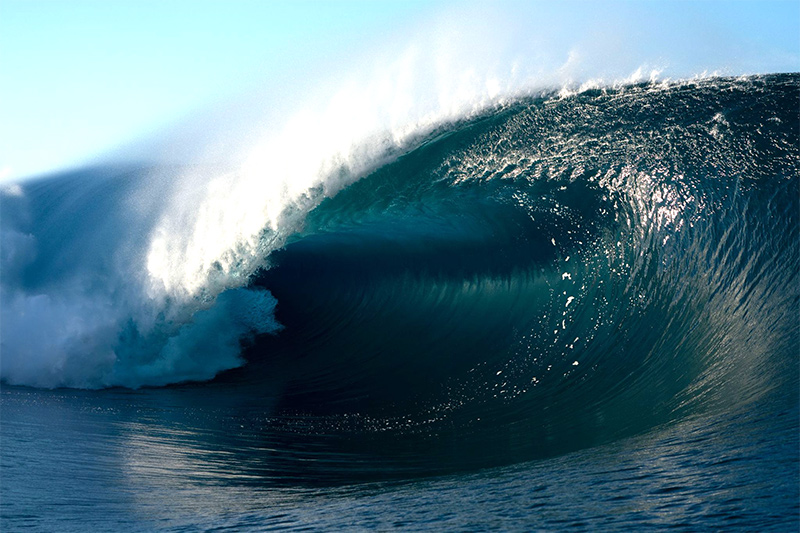
The village of Teahupo’o marks the end of the paved road: this is where local captains take visitors out onto the lagoon to approach the reef where the mythical Teahupo’o wave breaks, world-renowned for its power and its thick roller that attracts the best surfers on the planet.

Beyond this spectacular pass lies the Fenua Aihere, a coastal area entirely preserved from any road infrastructure, accessible only by sea or via old crossing trails. Guided outings allow exploring the river Vaipoiri, swimming in the freshwater cave hidden beneath the roots of ancient banyans, then navigating at the foot of the cliffs along the coast of the Pari, cut by the ocean swell.

Finally, climbing back toward the Taravao plateau viewpoint, the air softens amid lush pastures where cows graze, offering a grand panoramic view of the two embraced reliefs of Tahiti Nui and Tahiti Iti.


La vague de Teahupoo - © Manea Fabisch


Moana Voyages: Beyond the view, the art of living the Fenua from within

< div class="access firstletter">
To go beyond Tahiti’s postcard image and to embrace the richness of the Fenua at your own pace is a magnificent adventure. This path of immersion shows that embracing a land’s authenticity is not just a transit, but a choice: to take the time to explore the island to truly live its culture and nature from within.

This same approach to immersion guides the Moana Voyages team on a daily basis. Discovering Tahiti’s true personality cannot be improvised: it requires a real reading of the terrain, from crossing the sacred valleys to the best-kept secrets of the Peninsula. By relying on local specialists who themselves live this passion daily, the agency strives to transmit these unique keys to understanding. It thus enables every traveler to move beyond the mere status of a passing observer and to touch the magic and depth of Polynesia.


MOANA VOYAGES TAHITI : le Coeur du Fenua
Teura OPUU


Assistante Produits & Marketing – Moana Voyages

+689 40 50 57 94 | Téléphone Ext. 573

www.moanavoyages.com


Tahiti and Its Islands Turn the Off-Season into a Season of Abundance


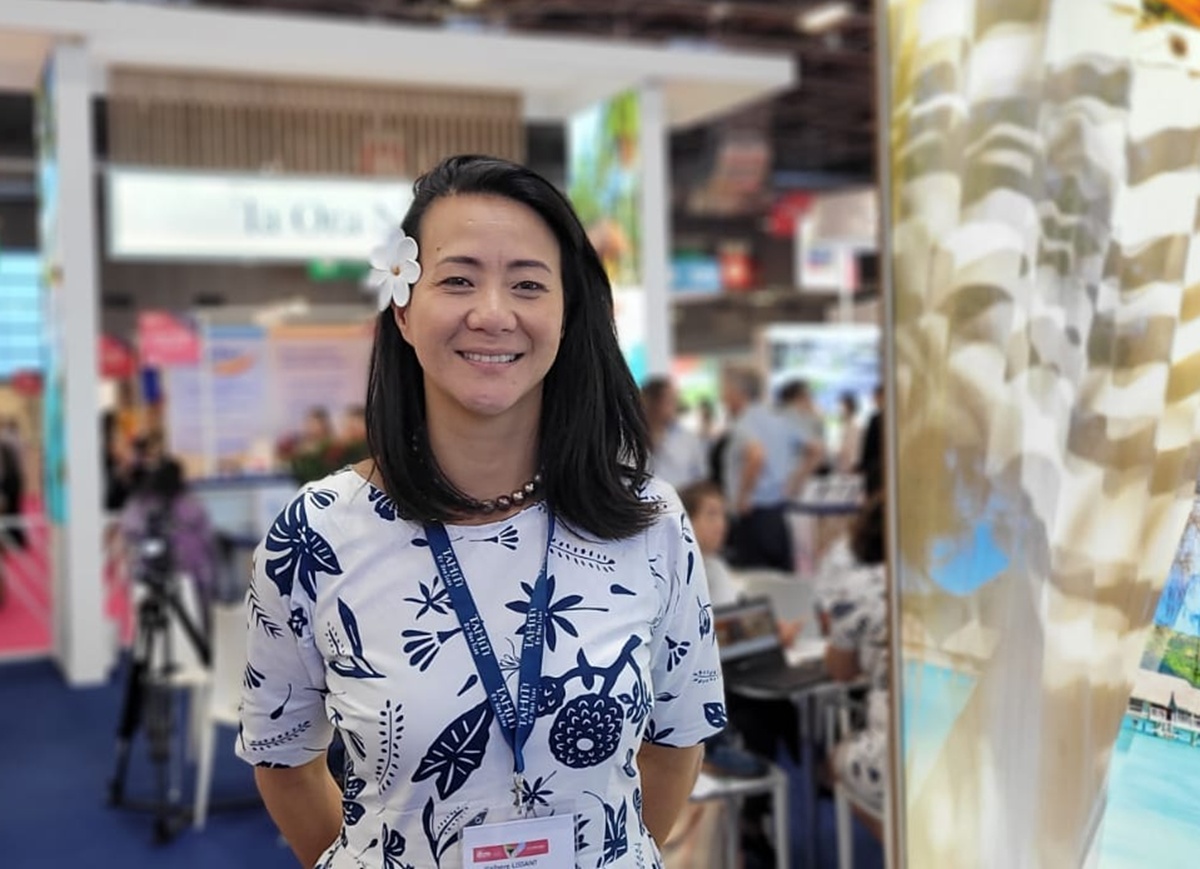
Vaihere Lissant, directrice générale de Tahiti Tourisme : « Nous travaillons actuellement sur notre stratégie touristique à horizon 2035 » - Photo : AB

PONANT


In 2025, French Polynesia drew almost as many visitors as there are inhabitants. For the third consecutive year, Tahiti and its Islands shattered its attendance record.

In 2026, the outlook will be a little different. “It is a transitional year with 18% of the hotel stock undergoing major renovations. The figures also show a slight slowdown in visitation at the start of the year, partly linked to the Middle East conflict. We felt this hesitancy as tourism professionals were busy reorganizing Middle East bookings,” explains Vaihere Lissant, Chief Executive Officer of Tahiti Tourisme.

Nevertheless, with a rise in last-minute bookings, the peak season looks “quite good,” the DG cautiously anticipates, underscoring nonetheless “a truly marked return of seasonality.”

Read also: French Polynesia posts its tourism record in 2025


Attracting more visitors from November to March

While Tahiti Tourisme welcomes these encouraging signals, the destination’s marketing body Tahiti et Ses Îles also hopes to turn the tide during the off-season, from November to March.

“We are currently working on our tourism strategy with a horizon of 2035. Our goal is to continue developing a tourism that is more sustainable and more inclusive. And this means a better fill of mid and low seasons,” adds the DG.

Indeed, according to Tahiti Tourisme, on the French market, certain periods today display booking levels such that travelers must plan their trips up to a year in advance. The agency wants to shift the perception of the off-season, presenting it as a “season of abundance”, during which nature shows a different face: lush vegetation, flowering, an abundance of fruits, etc.

A period also marked by major cultural events – Hawaiki Nui Va’a, Hura Tapairu, Festival Tatau, Matari’i i Ni’a – which offer more availability and more favorable rates. “Matari’i i Ni’a, in the Polynesian calendar, is a very important period. It is the season of abundance. The abundance of fruits. The abundance of colors.

Hawaiki Nui Va’a is a major outrigger canoe race, Hura Tapairu is a Polynesian dance competition. There is also the tattoo festival around the same time
,” explains Vaihere Lissant.

The destination also intends to encourage travelers to visit a greater number of islands.

Campaigns will be developed around these two objectives, complemented by a new training program for Tahiti specialists aimed at travel agents, key players in shaping the French market (see box below).

“There is real storytelling and marketing work to do around this period. We are working on it.

Of course, the climate is warmer and more humid, but that is where all of nature bursts forth. Matari’i i Ni’a, last year, became a public holiday for the first time, because there is a genuine will to emphasize culture.

Along the seafront in Papeete, a parade of flower-covered floats was organized on November 20. Across the islands, celebrations take place to mark what one could call Polynesian Christmas
,” continues Vaihere Lissant.


The Polynesians at the heart of the tourism strategy

But this growth will not come at the expense of the Polynesians. “We want to keep the population at the center of this tourism development,” explains the DG.

For several months now, with our supervising ministry, we have been conducting consultations with the 24 islands, listening to the various stakeholders, municipal leaders, local tourism professionals, the population, environmental and cultural associations, etc.

The idea is truly to collect their vision of tourism for 2035. I repeat, we want the population to be an active driver of its own tourism development, because beyond our magnificent natural heritage, what draws the attention of visitors is the Polynesian hospitality. Hence the importance of ensuring that tourism development benefits residents first, even before visitors
.”


2027, the return of capacities

The year 2027 will mark the return to the market of several renovated hotels (Te Moana in Tahiti, Sofitel in Moorea and the Conrad and InterContinental in Bora Bora) and the arrival of new capacity in cruising with the Wind Spirit, Windstar’s second vessel from March, the commissioning of the Aranoa alongside the Aranui, or even the Na Hiro E Pae for the Austral Islands.

“Cruising is often linked to large cruise ships, overtourism, and discharges, etc. In Polynesia, for 15 years we have been seeking ships of a size that fits our infrastructure; 80% of our port calls are on ships with fewer than 600 passengers.

The largest ships – carrying more than 3,600 passengers – that cross the Pacific cannot make technical stops on three islands. The advantage of smaller ships is that they will stay based year-round and implement multi-island itineraries.

They help distribute flows and the economic impact across the different archipelagos. Moreover, the cruise peak season aligns with our base season
,” specifies Vaihere Lissant.

As for the air segment, Polynesia is served from France by Air Tahiti Nui, Air France and French Bee. “We have a genuine network that makes our destination accessible,” comments the Tahiti Tourisme DG, who does not forget emerging markets.

“Starting in December, the Sydney – Papeete route opens, operated by Air Tahiti Nui, which will allow us to diversify our markets, especially along the Pacific axis. This is important because we depend heavily on the United States and France, and we would like to seize opportunities in the Pacific, but also in Asia, notably given China and its capacity to evolve.”

These projects and this new momentum will be at the heart of the next Parau Parau Tahiti, a gathering of Polynesian professionals and international tour operators, scheduled for February 2027.


Tahiti Specialist Program gets a makeover

Tahiti Tourisme has redesigned its Tahiti Specialist Program, which now includes a three-tier progression system: Bronze, Silver, and Gold.

This new logic is intended to allow professionals to “progress at their own pace through various learning paths and progressively access benefits such as better visibility, privileged contacts, invitations to familiarization trips (FAM trips) or co-marketing opportunities,” says Tahiti Tourisme.

The new program also includes a dashboard that enables tracking of leads, bookings and performance. “Professionals will benefit from better visibility of their activities, while Tahiti Tourisme will be able to monitor journeys, commitments and market trends to tailor its actions,” explains the OT.

The platform has also been developed with a mobile-first approach, ensuring a smooth and consistent experience on desktop, tablet and smartphone.

Launched on August 10, the platform is gradually enriched with new features and content through the end of the year.


Lu 2966 fois

Tags :
polynesie francaise, tahiti et ses iles, tahiti tourisme, vaihere lissant

Notez

Nouveau commentaire :


All rude, insulting or defamatory comments will be promptly removed by the moderator.

Report abuse

Dans la même rubrique :

<
>

Friday, October 23, 2026 – 11:04 United States: a new sanitary certificate required for all passengers starting in November

Friday, October 23, 2026 – 09:10 Kazakhstan: ETA electronic authorization will gradually become mandatory

Air Tahiti Receives Its First ATR Aircraft With Business Class


Air Tahiti reçoit un premier ATR classe affaires - Photo ATR

CroisiEurope


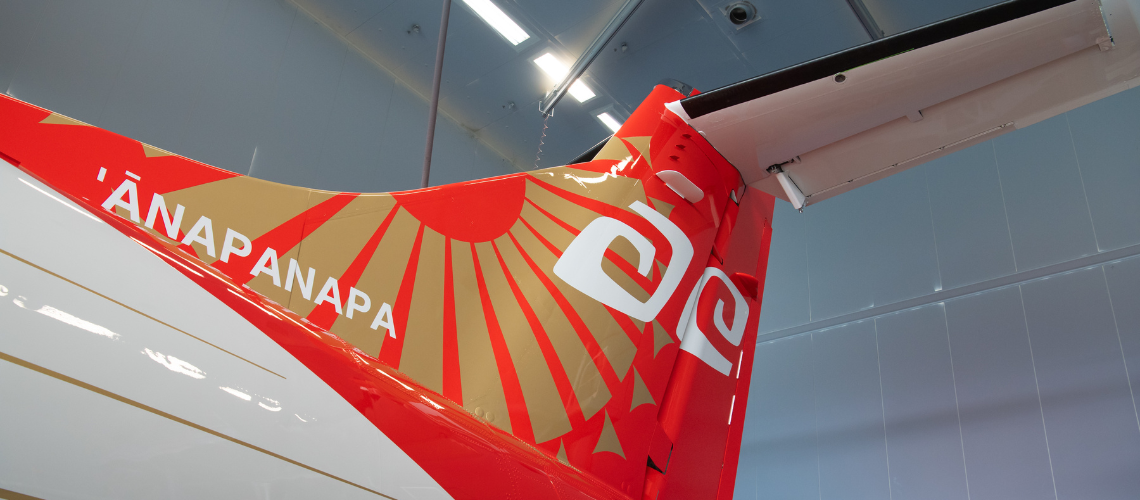
Air Tahiti announces the arrival in Tahiti of its first aircraft fully configured in Business Class, named ĀNAPANAPA, and marketed under the name Air Tahiti Signature.

After six days of ferry flight from Toulouse-Francazal, this new ATR 72-600 touched down at Tahiti-Faa’a airport on Monday, October 19, 2026 at 14:00 local time in Papeete.

“ Its arrival marks the start of a new chapter for the airline, which aims to offer a more exclusive, personalized inter-island travel experience that is ever more attentive to passenger comfort, ” states the company in a press release.

Departing Toulouse-Francazal on October 13, the newly configured ATR 72-600 in Business Class crossed three continents and made seven technical stops: in Cairo, Muscat, Hyderabad, Subang, Lombok, Cairns and Nadi, before joining Tahiti-Faa’a airport on October 19 at 14:00 local time.


The first commercial flights of Air Tahiti Signature are scheduled to begin on December 8, 2026

From November 10 to December 7, 2026, Air Tahiti Signature will enter a soft opening phase, dedicated exclusively to tourism professionals. During this period, travel agencies and tour operators will be invited to discover and test this new product.

The first commercial flights of Air Tahiti Signature are planned to begin on December 8, 2026, on the Bora Bora and Raiatea-Taha’a routes.

Air Tahiti Signature offers an end-to-end experience, with a priority ground process, access to dedicated lounges and a shuttle to the aircraft.

On board the ATR 72-600, the cabin configured 1-1 provides an individual seat for each passenger, with direct access to the aisle. Personalized services, refreshments and multimedia contents complete the service, extended on arrival by dedicated assistance and careful handling of luggage.


What to Do in Tahiti: 8 Must-Do Activities and Excursions

Known as the “Queen of the Pacific,” Tahiti is the largest island in French Polynesia. Located in the Society Islands, this destination attracts travelers from all over the world with its varied landscapes, its black-and-white sand beaches, and its rich culture.

To discover Tahiti is also to dive into an experience where lush nature meets a fascinating historical and cultural heritage. If you’re wondering what to do in Tahiti, this article offers a selection of activities and outings to plan a trip that is both enriching and memorable.

1. Scuba diving and snorkeling

The clear lagoon waters surrounding the island of Tahiti provide favorable conditions to begin or refine skills in scuba diving and snorkeling. Whether around Faa’a or along the coastline of Tautira, marine enthusiasts can observe tropical fish, reef sharks, and abundant coral life. The certified diving centers on the island boast a professional team to guide both beginners and experienced divers, ensuring a safe experience at the heart of the biodiversity of the South Pacific.

2. Lagoon boat excursions

Exploring the Papeete lagoon aboard a traditional vessel or a motorboat is a must-do activity in Tahiti. These marine excursions, often paired with stops on motus (islets), let you savor Polynesian picnics in a secluded, paradise-like setting. During the migratory season, from July to November, it’s possible to spot humpback whales or dolphins, making the outing even more spectacular for wildlife enthusiasts.

3. Cultural discovery at the Tahiti and Islands Museum

For a cultural and historical approach to the island of Tahiti, the Tahiti and Islands Museum, located in Punaauia, is a valuable resource. This museum documents, through archaeological artifacts, ethnographic exhibitions, and traditional narratives, the complex history of Polynesian societies—from ancient migrations to spiritual practices. It is also an excellent cultural refuge in case of bad weather, combining educational content with heritage appreciation of the island.

4. Hiking Mont Aorai

Hiking enthusiasts can set off toward Mont Aorai, one of the island’s most iconic peaks, standing at 2,066 meters. The ascent, well marked but demanding, winds through lush vegetation and reveals stunning viewpoints over the valleys and the surrounding lagoon. A good level of fitness is required, as is an early start to avoid the heat and maximize the panoramic experience. This trail is ideal for travelers seeking vast natural spaces.

5. Visit the Papeete Market

The Papeete Market, located in the heart of the capital, allows you to immerse yourself in the everyday atmosphere of Tahiti. This lively place is perfect for discovering the local gastronomy—notably the famous poisson cru au lait de coco—as well as for purchasing artisanal items crafted by the locals, ranging from pareos to mother-of-pearl jewelry. A true cultural and economic crossroads, the market stands as a must-stop for any traveler keen on authenticity.

6. Exploring the Faarumai Falls

For a nature interlude, the Three Faarumai Falls, near Tiarei, offer an easy stroll through a lush tropical forest. The trail leads to three successive waterfalls, perfect for a refreshing break. Those who want a more challenging hike can also head to the Fautaua Falls, more isolated, which traverses a preserved and spectacular environment that symbolizes the natural diversity of Tahitian Island.

7. Marine wildlife watching

From July to November, the migration of humpback whales makes Tahiti a prime viewing point. Guided boat trips allow you to follow these sea giants at a regulated distance, sometimes accompanied by resident dolphins in the lagoon. Local agencies, often in collaboration with biologist teams, offer itineraries that blend scientific knowledge with biodiversity respect, for a responsible approach to marine wildlife.

8. On-water sports

For water-sports enthusiasts, Tahiti Island offers numerous opportunities such as kayaking, stand-up paddle, and especially surfing. The site of Teahupo’o, famous worldwide, attracts every year professional competitions because of the power of its tubular waves, though it is reserved for experienced surfers. For beginners, beaches like Taharuu or Mahana Park provide a safer environment. These sites allow a progressive introduction in optimal conditions, with spots suitable for all levels.

Rich in natural sites, in cultural traditions and in diverse activities, Tahiti Island offers a complete travel experience, whether you’re an adventure enthusiast or seeking cultural discovery or lagoon relaxation. From hikes to the summits to motu cruises, via visits to the Tahiti Museum or excursions to Nuku Hiva to extend the escape in the archipelago, every stay can be tailored to the traveler’s expectations.

What budget should you plan for 15 days in Tahiti? An unforgettable immersion in the heart of French Polynesia

Planning a budget for 15 days in Tahiti requires thoughtful consideration, as life on the Tahiti island reflects the cost of remoteness and the scarcity of certain resources. Charming lagoonside accommodations or family guesthouses in Papeete help tailor expenses. Activities such as exploring the Trou du souffleur, excursions into the Papenoo Valley, or visiting the Tahiti Museum round out a culturally rich experience. Anticipating inter-island transport or dining costs is essential to enjoy this trip to French Polynesia without constraints.

How long does it take to visit Tahiti? Finding the island’s pace

Asking how long does it take to visit Tahiti is about understanding the very rhythm of Polynesia. The island, though the main one of the territory, is ideally discovered in one to two weeks, enough time to explore its many facets: the coastline with its black-sand beaches, the lush valleys, authentic villages, and iconic natural sites.

In 10 to 15 days, the traveler can alternate between cultural discovery in Papeete, strolls through the Paofai Gardens, relaxation at the Vaipahi Water Garden, or a getaway to the Grottoes of Maraa. Extending the stay allows exploration of nearby islands such as Nuku Hiva, offering another facet of the French Polynesia, wilder and more pristine.

What to do in Tahiti for free? The island’s authentic essence at no cost

It is entirely possible to discover Tahiti for free while enjoying its natural and cultural treasures. The island offers many accessible activities: swimming in the lagoon, a walk to the Point Venus, a stroll through the Paofai Gardens, or exploring the Maraa Caves. Fans of grand scenery can venture into the Papenoo Valley or along the East Coast Road, where nature reveals its power.

In Papeete, the local market provides a sensory immersion into everyday Tahitian life. These free discoveries reflect the island of Tahiti’s rugged beauty, ideal for an affordable journey through French Polynesia.

What to do in Tahiti when it rains? Explore the island differently

Even in the rain, Tahiti retains its charm. Damp days are ideal for exploring the Tahiti and Islands Museum, a must for understanding Polynesian culture, or visiting artisanal exhibitions in Papeete. The Maraa Caves also offer a natural shelter of mystical beauty, as do the Paofai Gardens, soothing even under a overcast sky.

The thrill-seekers can admire the force of the waves at Teahupo’o, a legendary site in global surfing. In short, rain transforms a Tahiti trip into a more introspective experience, revealing a more intimate Polynesia away from postcard clichés.

What to do in Tahiti with family or children? An island for all ages

Traveling to Tahiti with family or with children is a rewarding experience where everyone finds joy. Families appreciate lagoon swims that are safe and shallow, perfect for the little ones. Excursions to the Vaipahi Water Garden, the Papenoo Valley, or the Paofai Gardens combine discovery with relaxation.

The Tahiti Museum also offers a kid-friendly, playful route. Some beaches, especially at the Point Venus, are ideal for picnics. With the warm welcome of the Polynesians and abundant nature, Tahiti Island is perfectly suited to a family trip that blends culture, nature, and shared moments.

This article was drafted with the help of artificial intelligence, then revised, expanded, and validated by the editorial team.
Beyond Postcards: How Tahiti Travel Services Redefines the Customer Experience in French Polynesia


© Ura

Climats du Monde


Quand l’image ne suffit plus

Depuis plusieurs saisons, les professionnels du secteur observent un glissement dans les attentes des voyageurs haut de gamme : la villa sur pilotis et le motu privatisé restent recherchés, mais ils ne constituent plus, à eux seuls, le motif du voyage. Les clients veulent comprendre où ils sont, avec qui ils partagent ce territoire, et ce que leur présence signifie pour les communautés locales.

« Le client d’aujourd’hui a déjà vu mille photos de lagon avant même de réserver. Ce qui le décide, ce n’est plus l’image, c’est la promesse d’une rencontre qu’il ne pourra pas vivre ailleurs », explique-t-on à la direction de Tahiti Travel Services. Ce constat oriente une part croissante du travail de conception chez TTS, dont le rôle de DMC consiste précisément à traduire cette attente en programmes concrets, faisables et sécurisés pour les agences émettrices qui font confiance à leur réceptif local.


L’immersion culturelle comme fil rouge

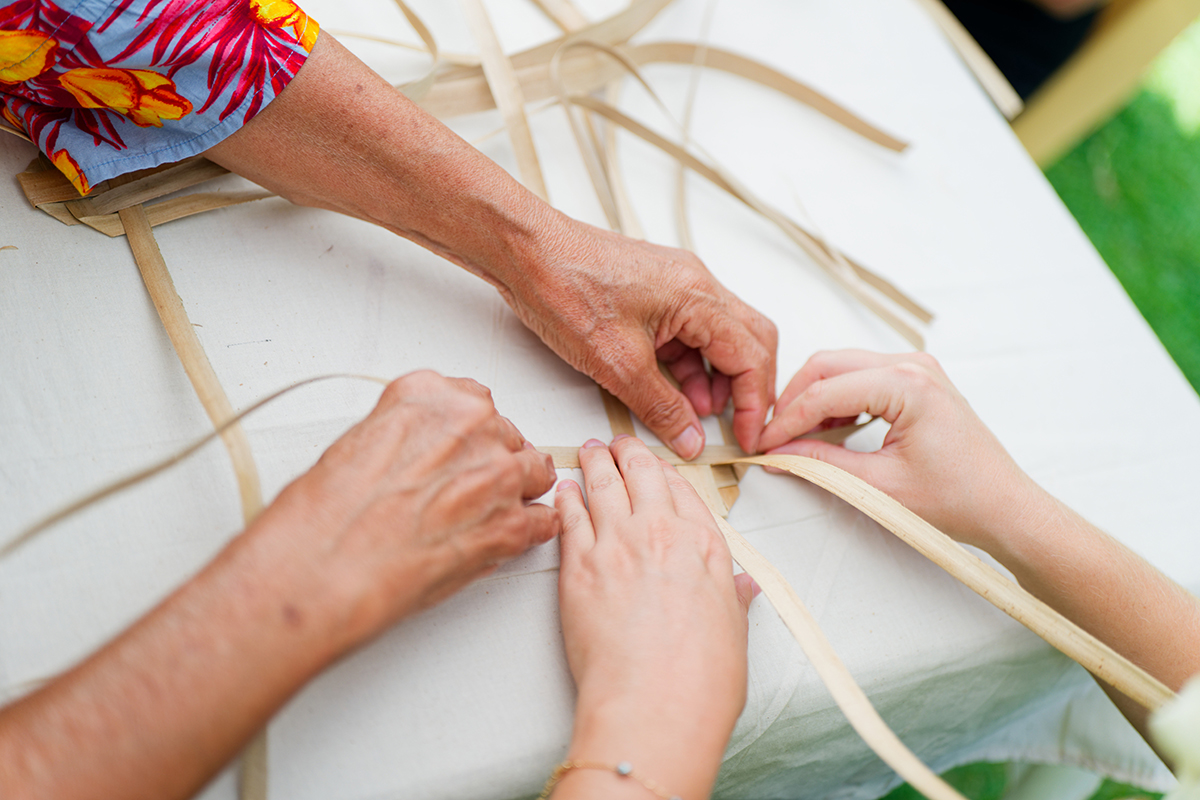
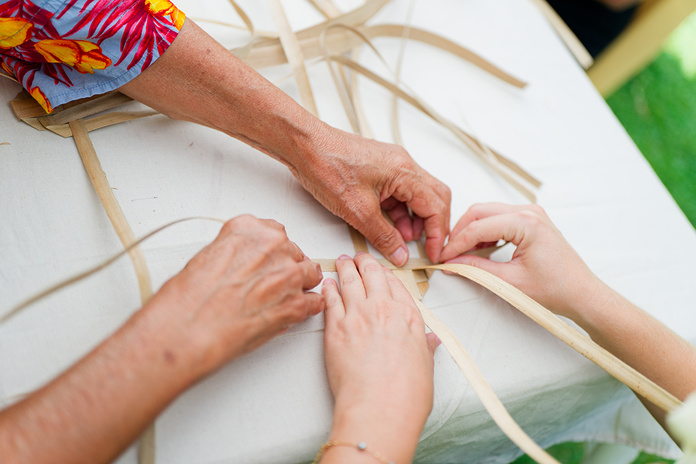
Concrètement, l’immersion culturelle prend des formes multiples selon les archipels. Aux Marquises, elle passe par la rencontre avec des sculpteurs et tatoueurs qui expliquent la portée symbolique de leur art plutôt que de simplement la vendre en souvenir. Aux Tuamotu, elle s’incarne dans la visite d’une ferme perlière familiale, où le producteur détaille lui-même les étapes de la greffe et de la récolte. À Tahiti et dans les îles Sous-le-Vent, elle peut prendre la forme d’un atelier de tressage de pandanus avec une mama locale, ou d’une sortie de pêche traditionnelle au filet avec des pêcheurs qui partagent leur lecture du lagon.

Ce qui distingue ces expériences d’une simple activité touristique, c’est la place laissée à l’échange. Le guide ou l’artisan n’est pas un figurant : il est l’auteur du moment vécu. Cette exigence demande un travail de fond que peu d’acteurs extérieurs au territoire peuvent reproduire : connaître les familles, entretenir la relation dans la durée, s’assurer que la prestation reste authentique même lorsque la demande augmente.


© Ura


Un réseau de partenaires bâti sur la durée

Cette capacité à proposer des rencontres qui ne soient ni artificielles ni surjouées repose sur un réseau de partenaires locaux construit sur plusieurs années : artisans, guides culturels, pêcheurs, agriculteurs, associations de valorisation du patrimoine. TTS revendique une logique de fidélité réciproque avec ces partenaires, plutôt qu’une simple relation prestataire-fournisseur.

« Nous ne travaillons pas avec des acteurs que nous rencontrons pour la première fois la veille d’un départ. Ce sont des relations qui se construisent, parfois sur plusieurs saisons, et qui reposent sur la confiance autant que sur le contrat », précise Loic Troupel .Cette continuité permet d’ajuster les programmes en fonction des retours clients, mais aussi de préserver l’équilibre des communautés hôtes, un point sur lequel les agences partenaires interrogent de plus en plus systématiquement leur réceptif.


Storytelling et conseil pratique : deux leviers complémentaires

Pour les agences de voyages, la difficulté n’est pas seulement de trouver l’expérience juste, mais de savoir la raconter et la vendre sans la galvauder. TTS accompagne ses partenaires sur ce point à travers des fiches produits qui associent un récit (le contexte, l’histoire, la personne rencontrée) à des informations opérationnelles précises : durée réelle de l’activité, niveau physique requis, météo saisonnière, capacité d’accueil, et limites à ne pas dépasser pour préserver le caractère intime de l’expérience.

Ce double niveau d’information répond à un besoin très concret des conseillers en agence : pouvoir inspirer leur client par le récit, tout en étant capables de répondre avec précision aux questions logistiques qui suivent presque toujours l’enthousiasme initial. « Une belle histoire qui ne tient pas la route sur le terrain se retourne contre l’agence et contre la destination. Notre rôle est de garantir que le récit correspond exactement à ce qui sera vécu », souligne-t-on chez TTS.


© Nobiaphotos


Une tendance de fond, pas un effet de mode

Cette évolution vers des séjours plus immersifs s’inscrit dans une tendance observée plus largement sur les destinations insulaires du Pacifique, où la clientèle haut de gamme recherche désormais un équilibre entre confort hôtelier et ancrage local. En Polynésie française, cette demande rencontre une réalité géographique favorable : cinq archipels aux identités culturelles distinctes, une population dispersée sur l’ensemble du territoire, et une tradition orale encore vivante qui permet de nourrir un tourisme de rencontre plutôt qu’un tourisme de simple contemplation.

Ce virage pose toutefois une question de fond, largement débattue dans le secteur : celle du tourisme durable et responsable. Multiplier les rencontres avec des familles ou des artisans suppose de calibrer les flux pour ne pas transformer une relation authentique en simple attraction reproductible à l’infini. TTS indique intégrer cette limite dès la conception des programmes, en plafonnant volontairement certains groupes et en refusant de dupliquer certaines expériences sur plusieurs points du territoire simultanément.


Perspectives : vers une offre encore plus documentée


Au-delà des cartes postales : comment Tahiti Travel Services réinvente l'expérience client en Polynésie
[email protected]

www.tahititravelservices.pf

>> Tahiti Travel Services in the DESTIMAG Directory


Air Tahiti Nui Increases Paris Flight Frequencies and Improves Onboard Experience


More Flights Between Paris, Los Angeles, and Tahiti

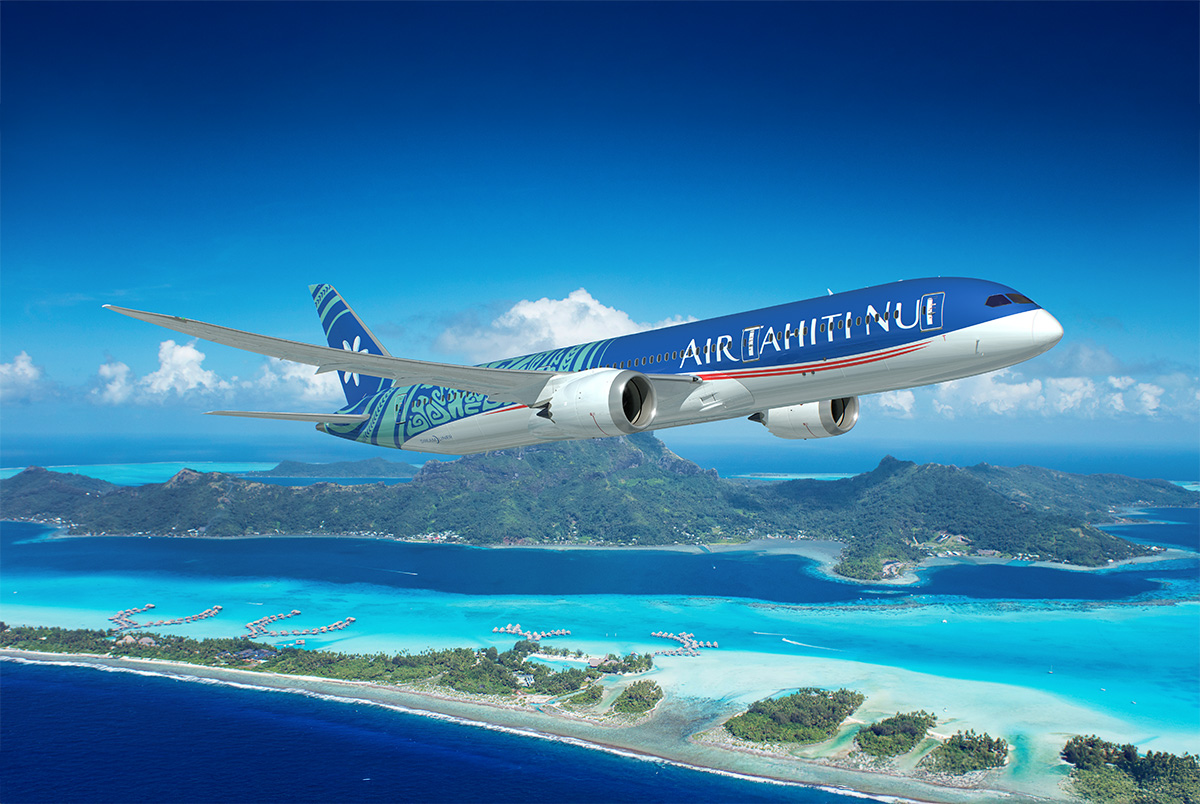
Le Tahitian Dreamliner 787-9 d’Air Tahiti Nui © Gregoire Le Bacon

Climats du Monde


Since taking office in February 2026, Air Tahiti Nui’s Chief Executive Lionel Guérin has set a course for the airline: to develop its core routes and return to profitability. The company now plans additional frequencies from Paris-Charles de Gaulle, via Los Angeles. They will increase both the Paris–Los Angeles flights and the Paris–Papeete offering, as part of the transformation plan “I mua 2032.”

The objective also includes making better use of the Tahitian Dreamliner and reclaiming market share, with the aim of taking Air Tahiti Nui’s share of Tahiti-bound traffic from about 40% today to over 50%. The extra departures from Paris are expected to contribute to this goal on two markets crucial to the airline: Europe and North America. These new frequencies are already on sale in the GDS, notably a daily flight from mid-June to the end of October 2027.

Beginning December 14, 2026, Air Tahiti Nui will operate a direct link between Papeete and Sydney twice a week, in addition to its Auckland service. The airline has also announced flights to Tokyo-Narita in July and August 2027. In parallel, it continues to expand partnerships with Asian, American, and European carriers to provide more connections beyond the destinations served by its own aircraft.


Enhanced Services in Every Cabin

Traveling to Tahiti is often planned long in advance; the quality of the long-haul experience is a fundamental part of that preparation. Air Tahiti Nui continues to improve its services across its three travel classes: Moana Economy, Mānava Premium, and Poerava Business. The goal is to deliver perceptible improvements for all passengers, from in-flight comfort to the warmth of the welcome, while preserving the Polynesian hospitality that characterizes the airline.

The Mānava Premium cabin has already undergone a notable upgrade to the passenger experience in 2025. In Poerava Business, new mattress toppers ensure the premium positioning the airline is pursuing. Moana Economy has benefited from new more eco-friendly comfort kits.

The next step will be even more visible: Air Tahiti Nui plans to completely renovate the cabins of its Tahitian Dreamliner starting in late 2028, with new seats across all cabins.

A high‑speed Wi‑Fi connection via Starlink is also planned for 2028.


A Commercial Presence Closer to Partners

The transformation plan also covers how Air Tahiti Nui works with each market. Management is granting more autonomy to local teams to meet the needs of travellers and partners, including tour operators, distribution networks, agencies, and cruise operators.

This proximity approach was embodied on September 16, 2026 in Paris with the signing of a partnership charter between Air Tahiti Nui and the Syndicat des Entreprises du Tour Operating (SETO). The document provides identified points of contact and a tailored support framework for tour operators. It sets three priorities: better coordinating the handling of travelers in case of irregularities, proactively communicating any changes likely to affect programs, and maintaining regular dialogue on shared challenges.


Contact


Air Tahiti Nui renforce ses fréquences au départ de Paris et améliore l’expérience à bord
Air Tahiti Nui, principal transporteur aérien desservant la Polynésie française, opère sur quatre continents avec des vols au départ de Tahiti vers Paris, Los Angeles, Auckland, Sydney et Tokyo. Grâce à ses partenaires en partage de code — American Airlines, Alaska Airlines, SNCF, Qantas, Aircalin, Air Tahiti, Japan Airlines et Korean Air —, la compagnie dessert un total de 90 aéroports via 100 routes. 50 accords interline sont par ailleurs conclus avec d’autres transporteurs, afin d’offrir aux clients Air Tahiti Nui un choix encore plus large de destinations.

Plus d’informations : https://fr.airtahitinui.com/

Assistance et informations pour les agences de voyage

Tél : 0825 02 42 02 (0,15€ / min)

Courriel : [email protected]

Lun – Ven 08h00 à 19h00 (sauf jours fériés)

Air Tahiti Nui est présent sur :

facebook linkedin twitter instagram pinterest youtube TikTok


Moana Voyages Tahiti: The Path to a Rediscovered Tahitian Culture


The elegance of hospitality and the emotion of To’atā

Le groupe Nunaa e Hau au Heiva i Tahiti 2026 - © Heiva i Tahiti Officiel

Climats du Monde


To understand this relationship with heritage, one must distinguish between two forms of cultural representation that, far from opposing, complement each other as their aims differ.

The hotel show constitutes a first essential and warm showcase. Designed for welcome and sharing, it offers a condensed, elegant, and immediately accessible format. It is an excellent doorway into Polynesian culture: a moment of aesthetic conviviality that allows a broad audience to become familiar with the grace of the dances and the beauty of the costumes, while providing artists with a steady income.

On the other hand, To’atā’s stage at Heiva i Tahiti belongs to a work of community art and the grand celebration of heritage. Where the hotel favors fluency and welcome, To’atā offers an immersive and vibrant experience. The experience there is carried by the raw power of pehe (the percussion) whose vibrations travel through the bodies of the spectators, by the literary richness of the ‘ōrero (the traditional oratory) and by the depth of historical or mythological frescos. One does not exclude the other: the former awakens interest gently, while the latter engages the individual in an aesthetic and collective experience of unparalleled intensity.


The art of embracing one’s roots

How can one explain a person growing up near such a gathering without ever taking part? Several everyday factors help explain this distance.

First, the family environment plays a crucial role. In many households — whether metropolitan, from the Chinese community, or the Polynesian bourgeoisie — the attention and priorities of youth are often directed toward other horizons: playing universal sports, pursuing classic studies, or learning European music.

Secondly, material and linguistic barriers come into play. Access to To’atā is sometimes seen as logistically complex (ticket costs, parking, rapid ticket sales) and symbolically reserved for an inner circle. Moreover, Heiva mobilizes an academic, supported, and highly poetic Tahitian. For those who do not master the language perfectly, the difficulty in grasping the deep meaning of the chants can provoke a certain reserve and reinforce the feeling of not quite belonging.


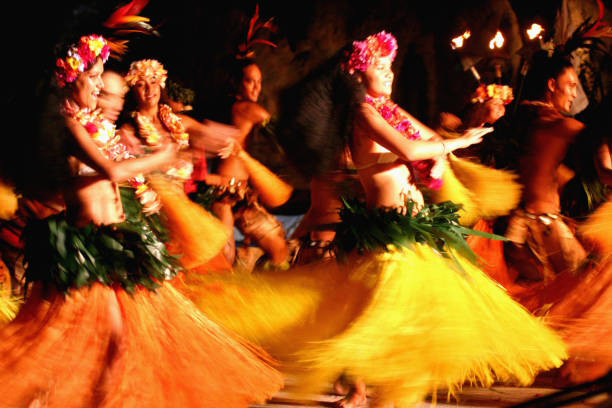
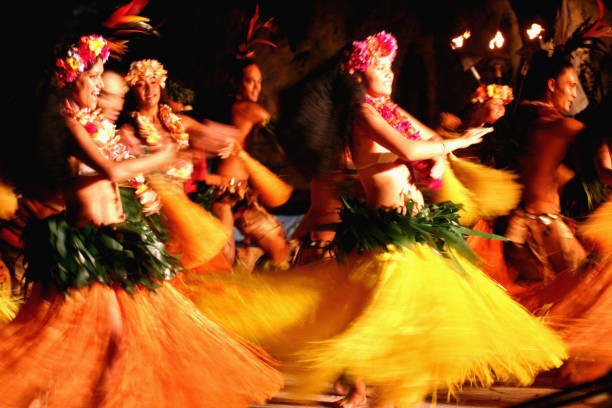
Groupe de danse à l’Intercontinental Tahiti © Darrell Gulin


The Awakening of the Senses: the moment when magic takes hold

The shift from a discreet spectator stance to that of a passionate observer often happens along the daily professional life. It is by rubbing shoulders with the practitioners that all the devotion and beauty of this art come to light.

In corporate settings, the Heiva period reveals the captivating commitment of colleagues involved. One observes an impressive organization: choreographic placement sketches drawn on scraps of paper during coffee breaks to long hours spent in the costume workshop braiding plant-based headpieces after work. This backstage immersion invites the desire to understand: what drives these men and women to invest so much energy for a few minutes of pure grace on To’atā’s stage?

The answer comes with a first immersion, notably during a dress rehearsal. That night, all certainties vanish. Facing the majesty of the chants, the rigor of the alignments, and the intensity of the renditions, one realizes that nothing is superficial: everything is inhabited, dressed in a deep intention. The mistake would simply have been to limit one’s view of dance to the welcome performances alone, without grasping the full scope of the works presented at the Heiva.

This moment of grace marks the beginning of a reconciliation with one’s identity. The discomfort of having stayed apart for too long yields to a renewed sense of pride. It becomes clear that tradition is not a fixed inheritance, but a living space that simply waits for us to come in and take part.


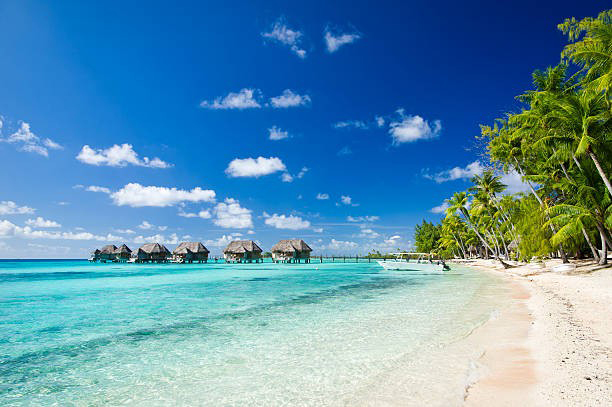
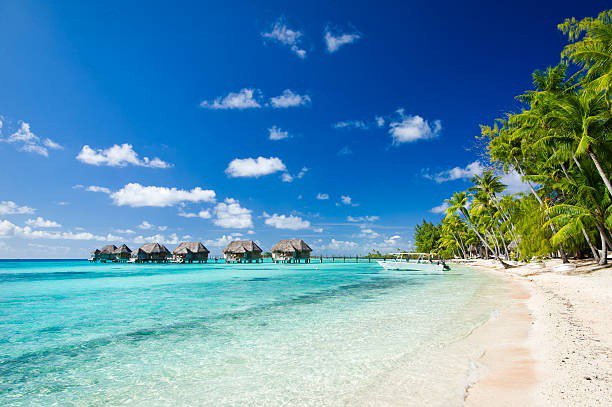
Atoll de Tikehau - © Max shen


Moana Voyages: A Passion Lived From Within

Growing up in the Fenua and mastering the magic of Heiva at one’s own pace is a wonderful adventure. This path demonstrates that cultural belonging does not come from automatic inheritance, but from a choice: the choice to push open the doors of To’atā in order to live one’s culture from the inside.

It is this same immersion mindset that guides the Moana Voyages team on a daily basis. Experiencing the Heiva i Tahiti is not improvised: the event requires a real on-the-ground understanding: from selecting ritual evenings to booking the best seats facing the stage. Relying on local specialists who themselves live this fervor—on stage or in the stands—the agency aims to transmit these unique keys to understanding. It thus enables each traveler to move beyond mere spectator status and to touch the authenticity of Polynesian culture.


MOANA VOYAGES TAHITI : le Chemin vers une Culture retrouvée
Teura OPUU

Assistante Produits & Marketing – Moana Voyages

+689 40 50 57 94 | Téléphone Ext. 573

www.moanavoyages.com


Moana Voyages Tahiti: Autaea’era’a, Breath of Brotherhood


The truth behind the scenes: shared effort

Trophées du Heiva i Tahiti 2026 - © Heiva i Tahiti Officiel

Hurtigruten


This year again, the To’atā stage vibrated with a bright energy, carried by the magic of tableaux of a beauty newly revealed. At the heart of this fervor, several colleagues from our agency lent their breath and grace to three groups of the edition: Nonahere, Nuna’a e hau and O Tahiti E.

If artistic rivalry was real under the glow of the spotlights, it quickly faded into the shadows backstage to make way for an evident mutual aid, composed of sincere embraces and whispered encouragements after the effort. This is where the great truth of Heiva lies: the competition crowns a winner, but it first requires the absolute respect for others’ work. Far from a mere race for prizes, the true victory resides in this intimate communion and in the pride of keeping, together, a shared culture alive.

Setting foot on this stage is to embrace the vertigo of a stage fright that twists the stomach and an almost electric excitement. For the artists, it is the moment to deliver what has been worked on for months in the shadows, and to offer immense recognition to the families, whose patience has been stretched by the long weeks of absence. Climbing onto the stage is to prove to them that every sacrifice was worth it: each dancer carries within them a fragment of the Fenua’s history.

For each, the tears that fell at the end of the show were not only due to physical fatigue, but to the release of months of accumulated tension. Aligning dozens of different temperaments, with their strengths, their doubts and their cracks, and guiding them forward in a single stride: that is the most beautiful bet of these troupes.

The echo of voices: hīmene as the memory of the world

The dance would be nothing without the breath of the texts and the poetic power of the voices. The true foundations of the show, the songs carry the troupe’s message, enveloped by custom-made vegetal costumes. In the Tahitian language, poetry unfolds in subtle metaphors and images of rare strength. And when one dances with the ’āʻau — with the guts —, emotion travels through the air unfiltered. In front of the jury, individualities fade to form a single body, a single voice carried by a single objective: to render the theme clear and vibrant. This total work, born from the partnership between a troupe leader and its author, is a fleeting gift that each group has only one hour to offer to the world.

But beside the dance, there is the vocal thrill of the hīmene groups. These polyphonic chants are not mere performances: they are the original breath, where the human voice replaces all instruments. It is the story of a people without writing who chose to entrust their memory, their legends, and their lineages to the sheer power of their vocal cords.

When the choirs of the tārava or the ru’au rise, the audience holds its breath before this true vocal eruption. No need for artifices: on one side, heavy, muffled basses that resonate like the earth trembling beneath our feet; on the other, high, almost metallic voices that soar to touch the sky. It is a physical chant, a bodily and visceral fervor that grips the throat instantly. Through these waves of harmonies impossible to notate on a score, the Mana of the ancients awakens. Far more than a contest category, hīmene is a matter of transmission. It is the heartbeat of a culture that refuses to fade and that continues, from one generation to the next, to shout its pride in existing.


The elegance of resilience and humility

The verdict of a competition always comes with its own murmurs, between the cheer that frees and the heavy silence of those who still hoped. The moment the names are announced, it’s natural to falter under the weight of regrets. Yet once the excitement subsides, brotherhood reclaims its rights. Paying tribute to the victors is not a renunciation; it is respect. It is to receive the result with head held high, not as an end, but as a promise: the promise to always honor our roots.

Because beyond competition, Heiva remains fundamentally a matter of patience and feeling. It was written in the coolness of rehearsal nights, when fatigue numbed the muscles but the spirit refused to yield, wearing the bodies down until the collective intoxication that sweeps away pain.

In the warmth of homes, this quiet strength gives each artist the power to go on stage.

But this raw force only touches the sacred when it bows before something greater. It is humility that reminds us that no man or woman is greater than the culture they serve. By applauding their peers, every artist agrees to step back so that the Whole can shine. At the end of the night, Heiva’s true victory isn’t written on a precious wooden trophy, but in that invisible and sovereign memory that keeps the mā’ohi heritage more alive than ever.


Groupe Nonahere - Catégorie Hura Tau (Professionnelle) - © Heiva i Tahiti Officiel


Moana Voyages: an inside experience of passion

At Moana Voyages, this fervor deeply inspires our consultants, whether they are passionate performers on the To’atā stage or amazed spectators. Our team does not merely design itineraries: they embody this vibrant culture that is now being shared around the world through workshops and international performances.

Our mission goes far beyond a simple island-to-island trip; it is to make you feel this Mana, carried by the breath of chants and the grace of dances. Integrating this legendary show into your stay is a promise we can fulfill. Thanks to our limited-access passes, our specialists will be delighted to reserve your seats, offering you a moment of pure magic at the heart of Polynesian tradition.


Tahiti Nui Travel: Expert Romantic Getaways in French Polynesia


Intercontinental Thalasso Bora Bora   © Damien Gobron

CroisiEurope


A dream setting for lovers…

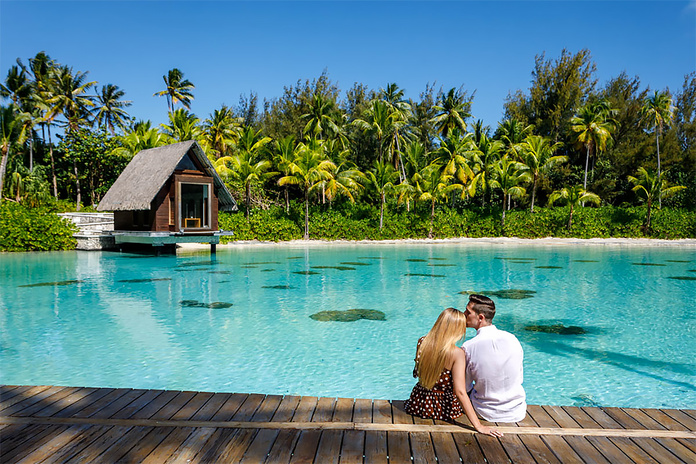
With its 118 islands spread across five archipelagos, Polynesia offers an exceptionally diverse range of atmospheres: from the understated luxury of an overwater bungalow in Bora Bora to the warm simplicity of a lagoonfront guesthouse in Huahine or Raiatea.


Each island cultivates its own charm:

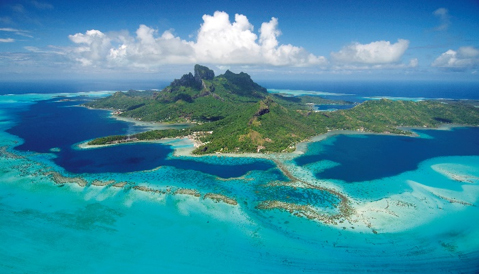
  • Bora Bora, the ultimate romantic icon, for its turquoise waters, spectacular sunsets, and open-air spas.

  • Taha’a, the vanilla island, for its soft scents and secluded lagoons.

  • Rangiroa or Tikehau, for adventurous lovers seeking a remote corner of the world.

  • Moorea, with its emerald mountains and coves perfect for two-person kayak escapades…


© Philippe Bacchet – Bora Bora aérien

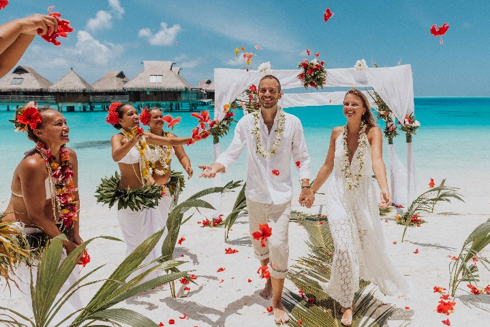
Each year, thousands of couples choose the Fenua to celebrate their union, to experience their honeymoon, to renew their vows, or simply to treat themselves to a two-person getaway. While Bora Bora remains the iconic image of romance, the islands of Moorea, Taha’a, Huahine, Raiatea, and the atolls of the Tuamotus each offer a distinct atmosphere, allowing for the creation of unique itineraries according to travelers’ desires.

But a romantic journey is not limited to a postcard landscape. It is built around thoughtful attentions, a rhythm carefully designed, and experiences that will be etched into memory. It is precisely this expertise that Tahiti Nui Travel has been bringing to the service of travel agencies and tour operators for more than six decades.


More than 60 years of expertise serving tourism professionals


Conrad Bora Bora
© Marc Gérard Photography

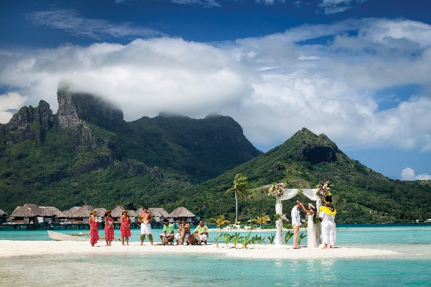
Newlyweds seeking an exceptional sojourn, a couple celebrating a wedding anniversary, a symbolic ceremony on a private beach, a vow renewal in an intimate setting, or a romantic escape off the beaten path: every project receives meticulous, bespoke attention.

The teams work closely with their partners to deliver genuine added value, far beyond a mere hotel or activity booking.

The excellence of a journey also rests on the quality of the partners who make it possible.

Over time, Tahiti Nui Travel has cultivated privileged relationships with leading hotels, charming properties, family-run pensions, and also with many local providers: guides, skippers, photographers, florists, spas, organizers of traditional ceremonies, and private chefs…

This long-standing network now enables us to offer carefully selected experiences, while also providing the flexibility essential for delivering the most personalized projects.


Memories that stand the test of time

When the sun sets… the magic begins!

Imagine a couple boarding an elegant traditional outrigger canoe as the sun slowly sinks behind Moorea’s ridges.

To the rhythm of the ukulele and guitar, the voyage carries them to a private motu where time seems to stand still. On the beach, a few lanterns, torches, and a large bonfire create an intimate atmosphere.


A trusted partner before, during, and after the journey


Four Seasons Bora Bora © D.Riddle

More than a local provider, Tahiti Nui Travel becomes a true extension of its partners’ commercial teams.

Tahiti Nui Travel brings its expertise, on-the-ground knowledge, and partner network to tourism professionals who wish to offer their clients exceptional romantic journeys in French Polynesia.

Because a honeymoon, a wedding, or an anniversary is a once-in-a-lifetime experience, every project deserves special attention and flawless organization.

For travel agencies and tour operators, choosing Tahiti Nui Travel means opting for an experienced, attentive partner capable of designing fully customized journeys and turning every request into an unforgettable experience, worthy of the dreams that French Polynesia has inspired for ages.


Contact


Tahiti Nui Travel : L'expertise au service des plus beaux voyages romantiques en Polynésie française

Created in 1965, Tahiti Nui Travel is one of the oldest inbound agencies to the destination Tahiti and Its Islands and has since become the leading inbound agency with a team of more than 100 specialists. As an inbound tour operator, Tahiti Nui Travel is the unique, ideal solution providing more than 1,000 products and services to any partner seeking to promote and sell French Polynesia on their market.

For more information, please contact us at [email protected] .

Telephone: +689 40 46 41 41

https://tahitinuitravel.com/

>> Tahiti Nui Travel in the DESTIMAG Directory


Moana Voyages Tahiti: The Echo of Mana, An Immersion in the Heart of Polynesian Civilization


Heiva i Tahiti © Alikaphoto

CroisiEurope


Across a patchwork of major events, from Tahiti to the Marquesas, the Polynesian people rekindle their spiritual strength: Mana. More than a simple festive calendar, these gatherings are acts of cultural resistance, moments of pure transmission where dance, sport, the sacred, and craftsmanship fuse to affirm a multifaceted identity. It is the time of year when neighborhoods empty out for rehearsals, when families gather around the crafts of weaving, and when the scent of tipanier and the tiare pervades every commune. It is a journey where every gesture, every war cry, and every song becomes a living word addressed to the ancestors. The Ma’ohi heritage is not a relic, it is a breath that never fades.


Heiva i Tahiti: The Fury and the Grace

The Heiva doesn’t begin under To’atā’s lights; its roots reach back months earlier, in the shadowed neighborhoods, where bodies wear themselves out during nocturnal rehearsals after long days of work. There, between sips of water and Tahitian jokes, the group becomes a family. There, they prepare the “rebirth”: that of a culture that nearly vanished and now explodes into a discipline that reads like military training.

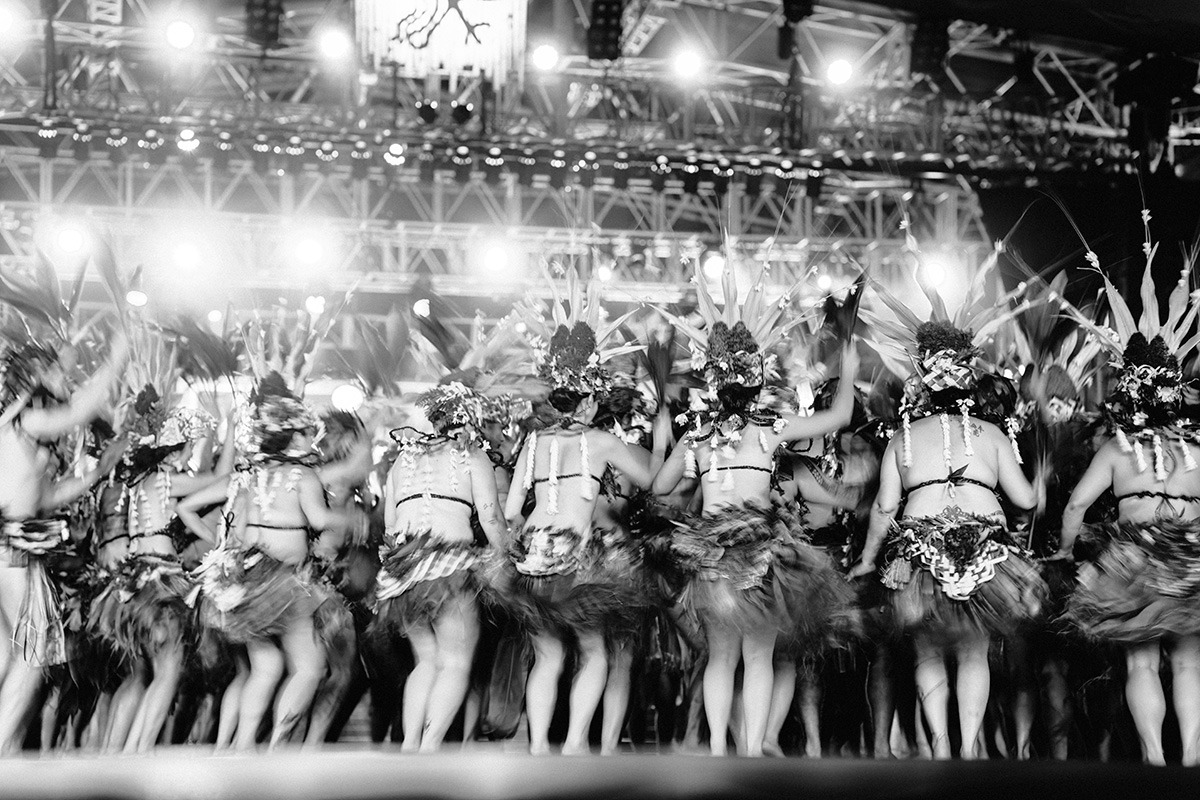
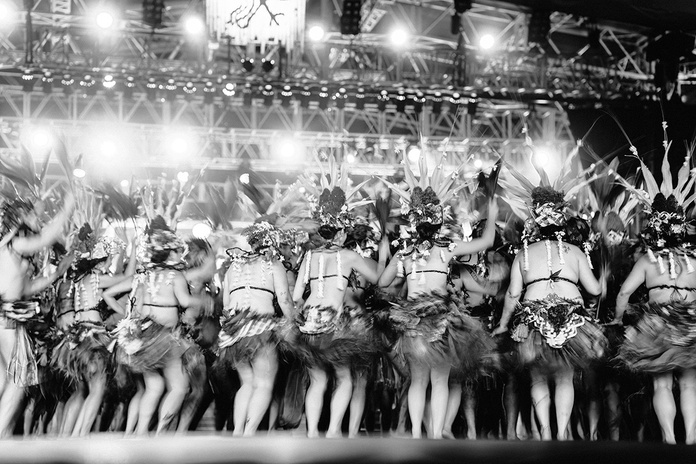
On the night of the competition, backstage is a furnace of green. The monumental headdresses are adjusted, the bark skirts that weigh on the hips are tightened, and the skin is coated with oil to gleam under the lights. Then, silence falls. From the first strike on the to’ere, energy takes on a different nature. It is no longer merely dance; it is a dialogue with the unseen. The percussion erupts, the hymene voices rise in powerful surges that send shivers down your spine, and suddenly one understands that every hip swirl and every foot stomp is a signature: “We are here, we stand, and our land is alive.” It is this pure thrill, this identity that cannot be explained yet is felt in the heart, that one experiences at the Heiva.


The Heiva’s Satellite Events

The Umu Ti, the pact with fire

For those seeking contact with the unseen, walking on fire unsettles certainties. It isn’t a show; it’s a communion. Over forty-eight hours, a vast blaze consumes the air. Basalt stones store heat that can reach 600°C. Under the guidance of the Tahua (priest), armed with protective Auti leaves, participants cross the flames barefoot. It is raw proof that Mana, invoked with humility, can transcend the laws of matter.

The Tu’aro Ma’ohi :

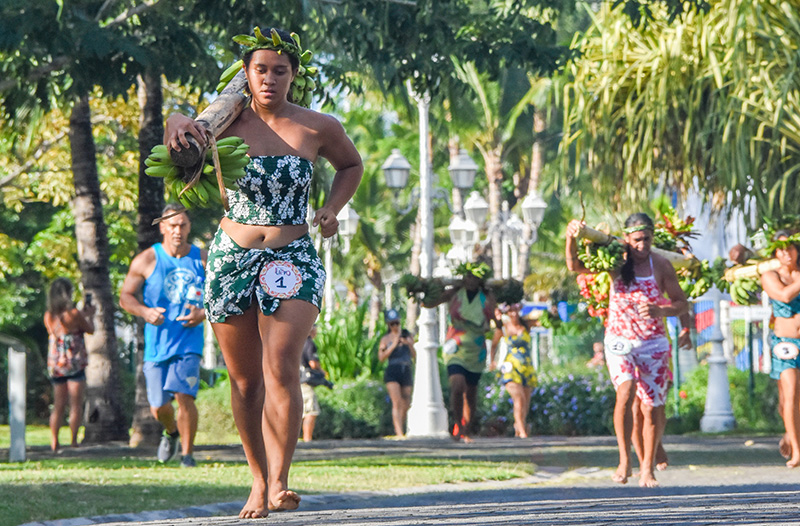
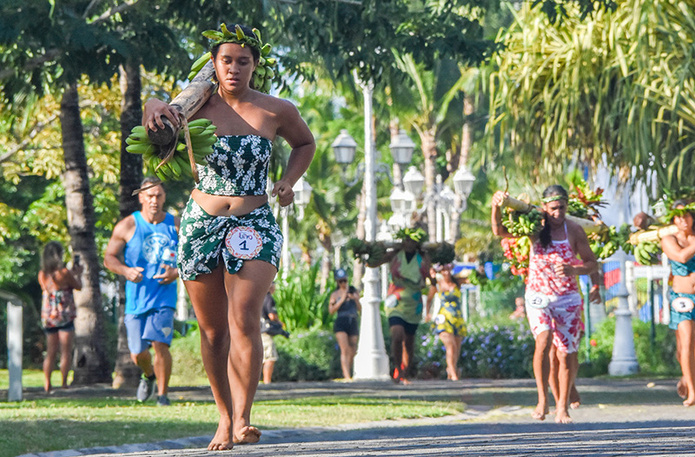
The ancient Polynesian athleticism has its own Olympic Games. Here, the vital gestures of old become athletic feats: climbing a coconut tree at staggering speed, hurling a javelin (Patia Fa) at a coconut perched nine meters high, or even shelling coconuts. The most spectacular remains the fruit-bearer race, where athletes sprint with 30 to 50 kg on their shoulders. This elevated physical vigor is elevated to the rank of national art.

The Heiva Va’a Matai’eina’a :

The ballet of the Va’a canoes is the umbilical cord that ties the Polynesians to their ancestral navigators. Far from modern technology, this Heiva esteems pure gesture. The rowers, in pareo and plant-based adornments, turn the lagoon into a living tableau. Whether racing in single-outrigger or crews of sixteen, every paddle stroke honors the cohesion of a water-loving people.

The Heiva Rima’i: When matter comes to life

One cannot truly understand the Heiva costumes without witnessing the titan’s craft behind them. At the Heiva Rima’i pavilion, craft is not a tourist souvenir; it is the realm of the “golden hands.” It is here that the richness of each archipelago is grasped: the astonishing weave of Rurutu, the strength of rosewood carved in the Marquesas, or the glow of the Tuamotu’s mother-of-pearl. To see these creators turn a simple plant fiber into a royal adornment is to understand that every object is a piece of history held in the hands.

The Tuifara at the Marae Arahurahu: The awakening of the sacred

If To’atā is the temple of spectacle, Paea’s Marae Arahurahu is the temple of the soul. Here, with the Tuifara festival, the glare of spotlights gives way to pure spirituality. Imagine the voices of pupu hīmene resounding against the high basalt walls… the acoustics are natural, almost mystical. On this sacred site, dancers aren’t on a wooden stage; they make the very earth tremble with the power of their ancestors. It is a moment outside time, a meeting between past and present in a theatre of greenery.


Tuaro © Teriitua Maoni


Matavaa o te Fenua Enata: The Awakening of the Land of Men

Born out of a vital urgency, Matavaa did not arise from a simple desire to entertain, but from a need to survive. In the 1970s, the Marquesas archipelago faced a frightening cultural decline. It was under the impulse of the Motu Haka association, in 1986 at Ua Pou, that this rallying cry rang out. Today, the festival marks 40 years of identity reconquest. Its strength lies in its itinerant nature: every two years, it travels between Nuku Hiva, Hiva Oa, and Ua Pou, while mini-festivals keep the flame alive on the more isolated islands like Fatu Hiva or Ua Huka.

The raw basalt energy, whose aesthetics sharply break from Tahitian gentleness. The setting is that of stone cathedrals and deep valleys. The performances unfold on the Tohu’a, these vast stone plazas. Under the muffled beat of the Pahu Nui, the ground seems to tremble. The festival deploys warrior dances of unprecedented intensity, such as Maha’u (the pig dance) with its powerful breaths, or the Haka where the fixed gaze asserts the clan’s vigor.

Tattooing, or Patutiki, is central there. It is not ornament, but a writing on the skin telling a genealogy. The carved-wood decorations and rooster-feather adornments complete this look of elegant yet solemn “savagery.”

A collective victory with no single winner: the Matavaa’s hallmark is the complete absence of competition. People come for the Me’ae, for sharing. For several days, modern life stops: Ka’aku is prepared and foods are cooked in enormous Umu (underground ovens). It is the triumph of unity across a proud archipelago, proving that the Mana of the Land of Men is among the Pacific’s most indomitable.

Source: Destination Marquises


UA POU_Festival Marquises © Bertrand Duquenne


Travel with Moana Voyages: Your Gateway to Authenticity

Experiencing the Heiva or the Matavaa is not merely ticking a box on a vacation itinerary; it means letting yourself be transformed by the Fenua’s energy. These moments of grace, when time stands still to make way for the sacred, require a travel approach that is respectful and profound.

At Moana Voyages, our mission is to open the doors to this vibrant Polynesia for you. As experts based in the heart of these archipelagos, we do not simply organize getaways: we weave connections between you, this land, and its people. Whether you wish to move to the beat of To’atā drums or tread the mystical basalt of the Marquesas, we will accompany you so that your immersion is total, fair, and unforgettable.