Every day, no fewer than 30,000 people crowd in front of the Trevi Fountain in Rome, enough to fill more than once the Accor Arena Paris-Bercy. This overtourism, which Paris, Barcelona or Amsterdam also know, is no longer tenable. Neither for visitors nor for residents. It is precisely to offer an alternative that the Intrepid Travel agency publishes each year its famous Not Hot List, a ranking of destinations still preserved.
They are chosen according to three precise criteria: a low rate of tourist visitation, infrastructure sufficient to welcome travelers, and their ability to renew themselves, whether through events, projects or recent developments.
Kenya and Georgia at the Top of the List
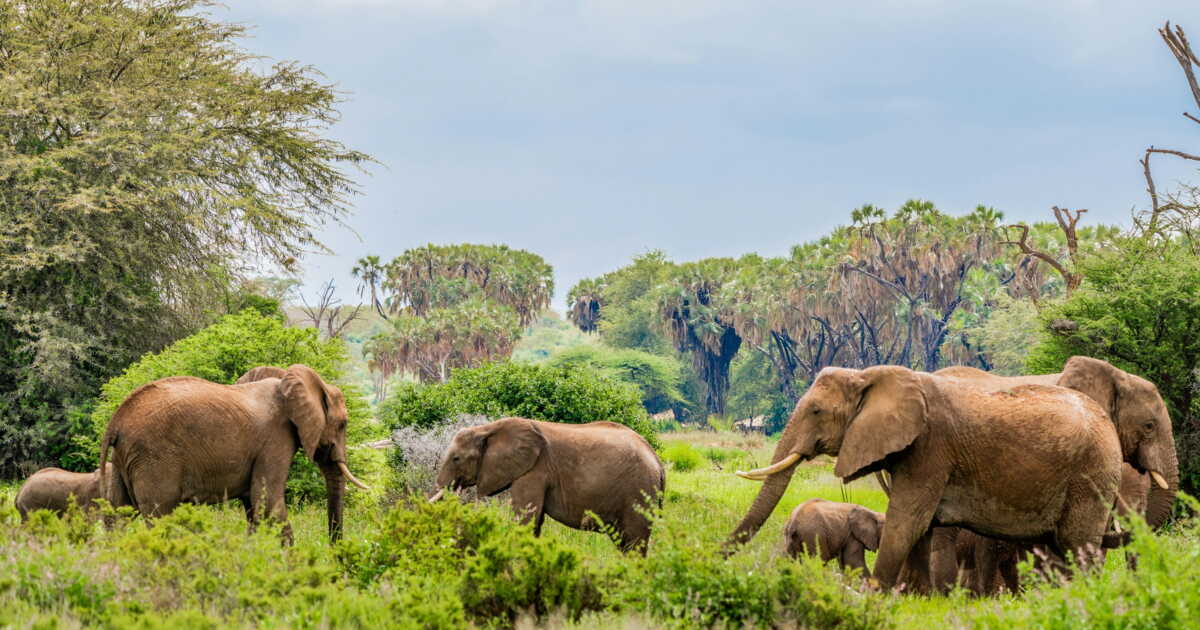
The ranking drawn up for 2027 was unveiled by Time Out. First stop: Kenya, with Samburu National Reserve. This vast wild space in East Africa still attracts only 30,000 to 40,000 visitors per year, compared with about 300,000 for the Masai Mara reserve. Yet, there too, leopards, cheetahs and elephants roam these lands in peace, far from the crowds. The region even hosts its own trio of local stars, nicknamed the “Samburu Five”.
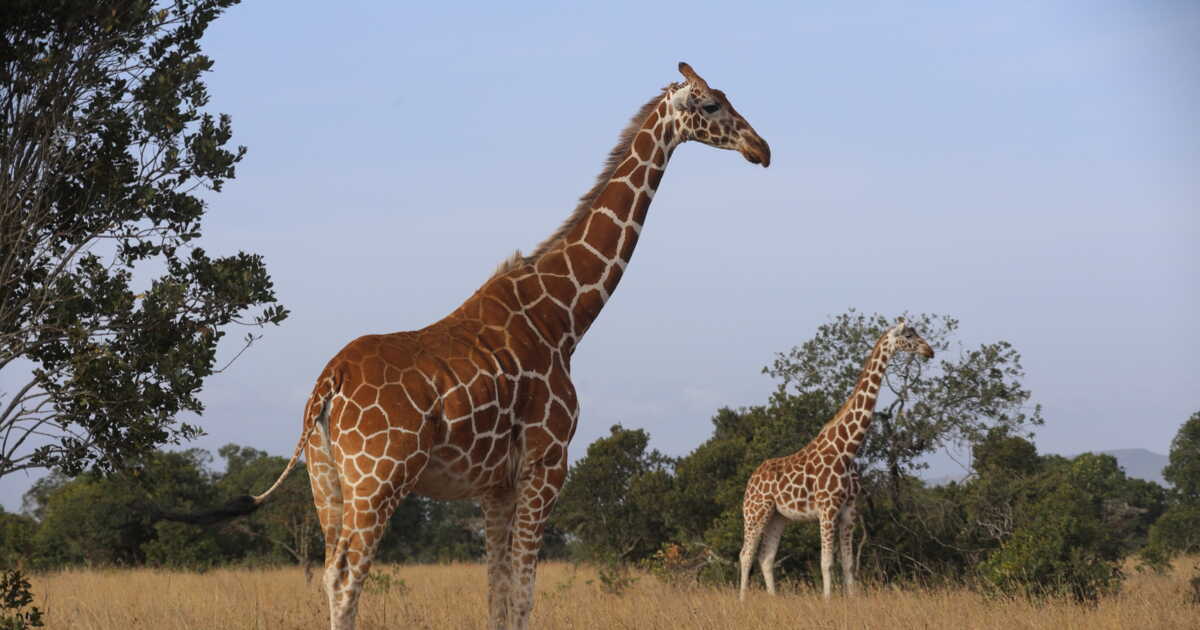
Among the wildlife are the reticulated giraffe, Grévy’s zebra, the Somali ostrich, the beisa oryx of East Africa, and the Waller’s gazelle, whose long neck you won’t forget.
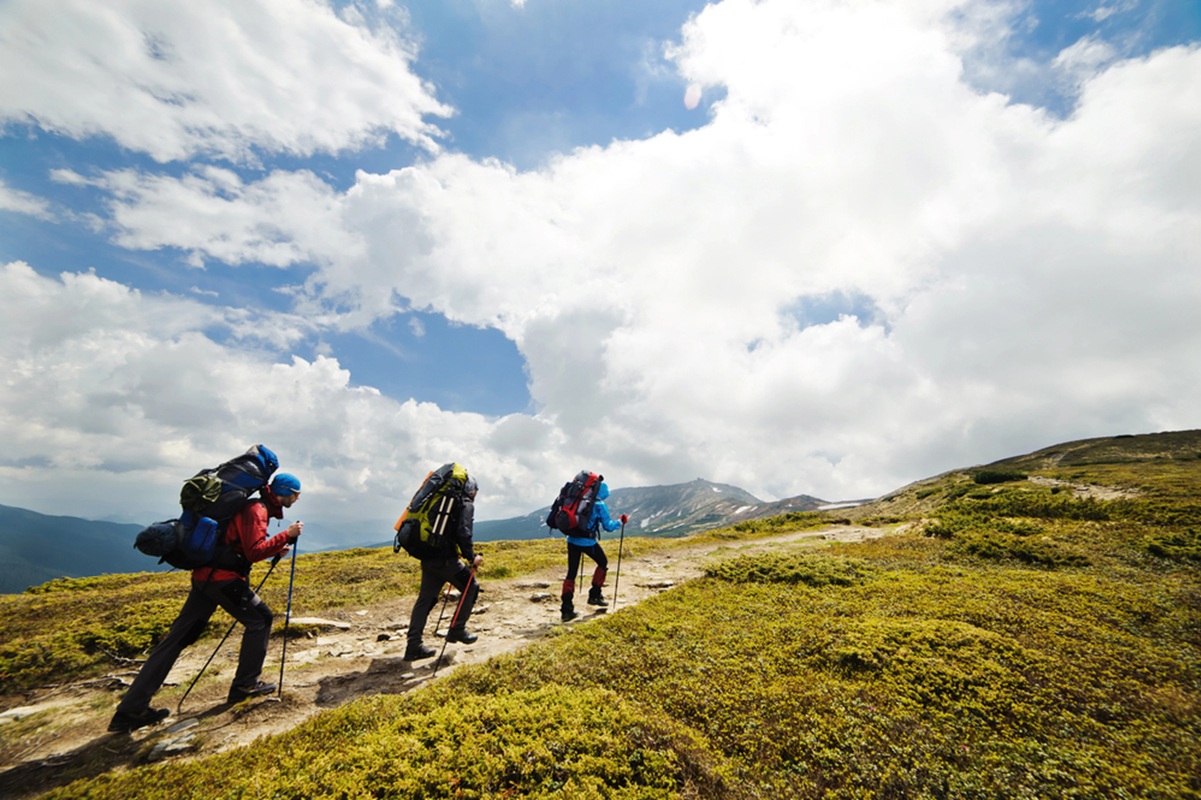
Ranked second are Georgia and the small mountain town of Mestia, which have nothing to envy from the Alps. This corner currently attracts fewer than 100,000 visitors per year, compared with 120 million for the Alpine massif. New infrastructure and an airport are, in fact, under construction. A sign that Mestia’s discretion may not last forever.
Dili, Alonnisos, the Pekoe Trail…
In Jordan, it is the northern highlands of the country that captivate with their unexpected greenery, in contrast to the desert landscapes typically associated with this destination. Community tourism initiatives, designed to support the locals, are also highly acclaimed.
The list also yields other surprises, such as the small Greek island of Alonnisos, home to monk seals that are sadly endangered, a tucked-away Southeast Asian destination far from the beat of backpackers, Dili (Timor-Leste), or the European Capital of Culture in the making, Liepāja in Latvia. In total, ten emerging destinations make up this edition, from Canada’s Whitehorse to Sweden’s Dalsland region, via Chile’s Carretera Austral and Sri Lanka’s Pekoe Trail. A wealth of leads for an upcoming adventure, to be noted somewhere in the back of one’s mind.
Is it safe to travel to Kenya? Safety, precautions and a guided framework for a confident discovery
What budget should you plan for 10 days in Kenya? Safaris, beaches and the logistics of a balanced trip
Kenya, nestled in East Africa, is a land of striking contrasts and captivating natural wonders. Its vast savannas, teeming wildlife, and breathtaking landscapes render this country a coveted stop for nature lovers and lovers of adventurous experiences alike.
1. Safari in the Masai Mara
Iconic among Kenya’s national reserves, the Masai Mara stands as one of Africa’s most renowned safari realms, notably hosting every year between July and October the great wildebeest migration, a spectacular natural phenomenon where millions of herbivores cross the savanna in search of grazing, facing predators along the way. This awe-inspiring event offers a privileged moment to observe the Big Five (lions, leopards, elephants, rhinos and buffalo) in their natural habitat during 4×4 safaris guided by experienced guides.
But beyond its iconic wildlife, the Masai Mara also offers a precious glimpse into the culture of the Maasai, a semi-nomadic people whose rites, traditional attire, and pastoral practices reflect an ancient relationship with the land. Between major ecological experiences and cultural immersion, a visit to the Masai Mara reveals the complexity and richness of a living territory where biodiversity conservation, local traditions, and the contemporary challenges of responsible tourism coexist.
2. Climbing Mount Kenya
The Mount Kenya, the second-highest summit on the African continent after Kilimanjaro, is a top-tier high-altitude destination for hikers, climbers and naturalists seeking physical challenges and scenic exploration. A UNESCO World Heritage site, this extinct volcanic massif offers several ascent routes, including the Sirimon and Chogoria routes, known for their varied profiles and accessible to different levels of experience, from approach treks to technical high-altitude climbs.
Throughout the trek, travelers pass through a succession of contrasting ecological zones, ranging from humid tropical forest to afro-alpine vegetation, sheltering a remarkable endemic fauna. Reaching the summits, notably Point Lenana, rewards the effort with a dramatic panoramic view over the central Kenyan highlands. Between ecological richness, geological complexity, and sporting interest, Mount Kenya emerges as an authentic high-altitude alternative that combines guided adventure, preserved biodiversity, and the value of East Africa’s natural heritage.
3. Diving and relaxation at Diani Beach
Located on the southern coast of Kenya, Diani Beach stands out as one of Africa’s premier seaside destinations on the East African coast, offering a pristine white-sand shoreline lined with turquoise waters of the Indian Ocean. This coastal setting, pairing tranquil lagoons with tropical vegetation, provides an ideal backdrop for beach relaxation while offering a wide range of water activities, with diving and snorkeling at the forefront.
The coral reefs preserved here host a remarkable marine biodiversity, including colorful fish, turtles, and occasionally dolphins, offering an immersive experience in a living marine ecosystem. In addition to its natural attractions, Diani Beach features well-developed tourist infrastructure, allowing visitors to enjoy a stay that blends comfort, leisure, and ecological discovery. As the day ends, a sunset over the sea completes the experience with a soothing visual moment, underscoring the aesthetic and sensory dimension of this Kenyan coastal destination.
4. Discovering Swahili culture in Lamu
Situated north of the Kenyan coast, Lamu is one of the most emblematic historic centers of Swahili culture, whose old town, a UNESCO World Heritage site, offers an exceptional testimony to East Africa’s coastal urbanism and architecture. Its maze of narrow lanes, lined with coral-stone houses and finely carved doors, reflects a preserved traditional lifestyle, marked by the absence of motorized traffic and the maintenance of centuries-old artisanal practices.
The island atmosphere, imbued with spirituality, slowness and hospitality, gives Lamu a distinctive identity at the crossroads of Arab, African, and Indian influences. Visitors discover a lively artisanal scene, especially in woodwork and textiles, as well as a subtly spiced local cuisine, revealing the richness of a blended culinary heritage. Between historical value, cultural authenticity and coastal charm, Lamu stands as a major heritage destination, committed to preserving and promoting Swahili heritage.
5. Visit Amboseli National Park
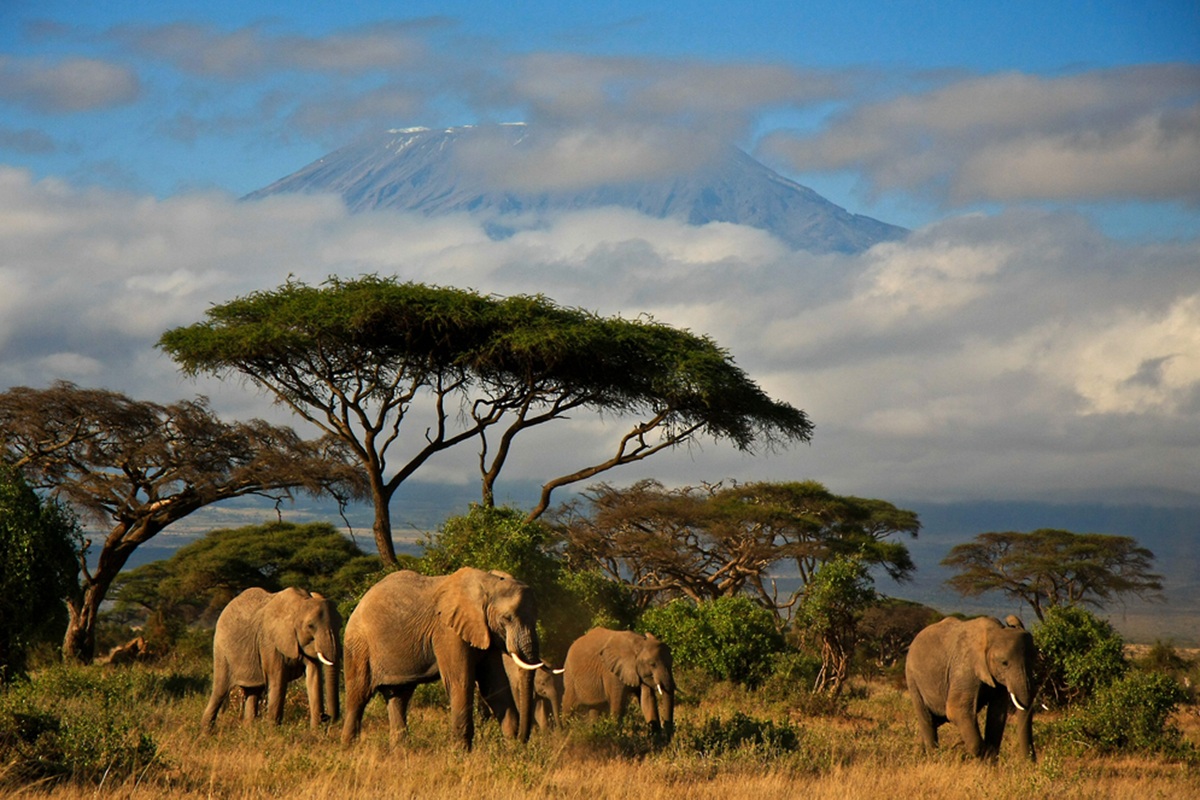
Located in southern Kenya, near the border with Tanzania, Amboseli National Park is renowned for offering one of the most iconic views of Mount Kilimanjaro, its snow-capped summit dominating the horizon beyond the savanna. This dramatic landscape, often photographed at dawn or dusk, provides a prime setting for photographic safaris. The park also stands out for its high concentration of African elephants, which have become the symbol of Amboseli, visible up close in their natural habitat.
Thanks to the presence of permanent marshes fed by subterranean waters from Kilimanjaro, the site attracts a diverse birdlife, making Amboseli a major focal point for ornithology. Between wildlife watching, spectacular panoramas, and contrasting ecosystems, this park embodies an ideal entry point to grasp the ecological richness of Kenya. More broadly, the country enchants with its geographic and cultural diversity, offering every visitor a complete travel experience—from safaris and mountains to coast and living traditions.
6. Observing wildlife at Lake Nakuru
Situated in the heart of the Rift Valley, Lake Nakuru is a key stop for any wildlife-focused itinerary in Kenya. Renowned for its vast gatherings of pink flamingos, the park offers a living spectacle along its shallow shores, where herds of buffalo, white rhinos, plains zebras and a range of felines share the protected environment.
The region is rich in migratory and nomadic birds of striking scale, illustrating Kenya’s rich biodiversity. From the green hills that overlook the lake, visitors gain a broad view of the expansive surrounding plains. The dry season, January–March or June–September, remains the best time to observe animals from the park, with wildlife congregating around water points. Lake Nakuru thus stands as a premier wildlife destination, offering an unforgettable memory to any nature enthusiast.
7. Relax at Watamu Beach
Watamu Beach, on the northern coast of Kenya, captivates with its white-sand beaches, crystal-clear lagoons and preserved coral reefs, true refuges for an exceptional marine wildlife. Renowned for its proximity to the Watamu Marine Reserve, this seaside resort is ideal for divers, snorkelers or enjoying freshly caught seafood.
In the background, the green hills and coastal villages form a peaceful canvas, perfect for seaside breakfasts and pirogue excursions. Accessible year-round, Watamu reveals its beauty outside the rainy season, notably from January to March and from June to September. This coastal destination also provides a natural counterpoint to the circuit of national parks such as Tsavo East or Hell’s Gate, offering a complementary experience amid Kenya’s rich biodiversity.
8. Approaching giraffes at the Giraffe Centre
A few kilometres from Nairobi, the Giraffe Centre offers the opportunity to observe and interact with the Rothschild’s giraffe, a threatened subspecies, in an educational and safe setting. This center, designed for conservation, lets visitors feed these magnificent animals from elevated platforms, while receiving precise information delivered by experienced local guides.
Against this backdrop, the green hills of southern Nairobi remind us that wildlife sits at the city’s edge. This experience, though brief, fits easily into a circuit that includes the Karen Blixen Museum, the Sheldrick Wildlife Trust, or a trip to the Kakamega Forest, offering a comprehensive view of Kenya’s biological and cultural diversity. The Giraffe Centre provides an accessible and responsible glimpse into Kenya’s animal kingdom.
9. Reliving history at the Karen Blixen Museum
The former home of the famed Danish author Karen Blixen, the Karen Blixen Museum offers an immersion into her life as a coffee planter in Kenya and her literary legacy, notably recalling the early 20th-century colonial era and the author of Out of Africa. Nestled at the foot of the green hills, the house, preserved in its original state, is surrounded by lush gardens and offers guided tours punctuated with literary anecdotes.
This cultural stop contrasts with the natural treasures of nearby reserves, providing a narrative pause in a wildlife-focused itinerary. It naturally fits into a day combined with the Giraffe Centre or a visit to the Sheldrick Wildlife Trust, forming a dense but accessible itinerary from Nairobi. The house underscores the richness of Kenyan cultural heritage as well as the beauty of its landscapes, between plains and gardens, personal history and collective memory.
10. Discover the Sheldrick Wildlife Trust
The Sheldrick Wildlife Trust, in Nairobi, is a rehabilitation center dedicated to orphaned elephant calves rescued in Kenya. This site, open at specific hours, offers a rare encounter with recovering animals, cared for by dedicated teams. Local guides explain how the center operates and the conservation challenges posed by poaching.
Through this visit, visitors explore the complexity of animal protection, from weaning to reintegration into the wild. The visit can be extended with stops in national parks or on forest hiking trails. The Sheldrick Wildlife Trust is part of a network of local initiatives where education, close contact with remarkable animals, and respect for Kenya’s rich biodiversity form the foundation of a durable commitment to preserving life.
Is it safe to travel to Kenya? Safety, precautions and a framework for a confident discovery
Asking whether it is prudent to travel to Kenya is a legitimate concern for any traveler planning a trip to East Africa. The country is generally safe for visitors, provided you observe basic precautions: avoid certain unstable border zones, follow local authorities’ advice, and favor certified tour operators.
Tourist zones, national parks, the coast, and Nairobi are well-regulated and accustomed to hosting international travelers. The Giraffe Centre, near the capital, illustrates this intent to welcome in a pedagogical and secure way. Vigilance should not obscure the reality: Kenya offers a remarkable natural and cultural setting that is accessible to those who approach it with preparation and discernment.
What budget should you plan for 10 days in Kenya? Safaris, beaches and the logistics of a balanced trip
Estimating a budget for 10 days in Kenya means anticipating costs for travel between destinations, national parks, and accommodations. For a trip combining a Masai Mara safari, a visit to Lake Nakuru and a stay at Watamu Beach, the average budget ranges from 2,000 to 3,500 euros per person, not including international flights (which should be planned separately).
Privately organized safaris and high-end lodges can raise expenses, while more affordable options exist by choosing tented camps or shared circuits. Access to national parks is regulated and paid, but the experiences offered (wildlifeMigration, birdwatching, and Indian Ocean beaches) fully justify the investment. Kenya remains a destination where the grandeur of nature meets structured service, accessible to travelers of different profiles.
This article was written with the aid of artificial intelligence, then edited, expanded, and validated by the newsroom journalists.
In the weekly press review for the week of July 20, 2026:
River cruises: low waters in Europe force companies to adapt
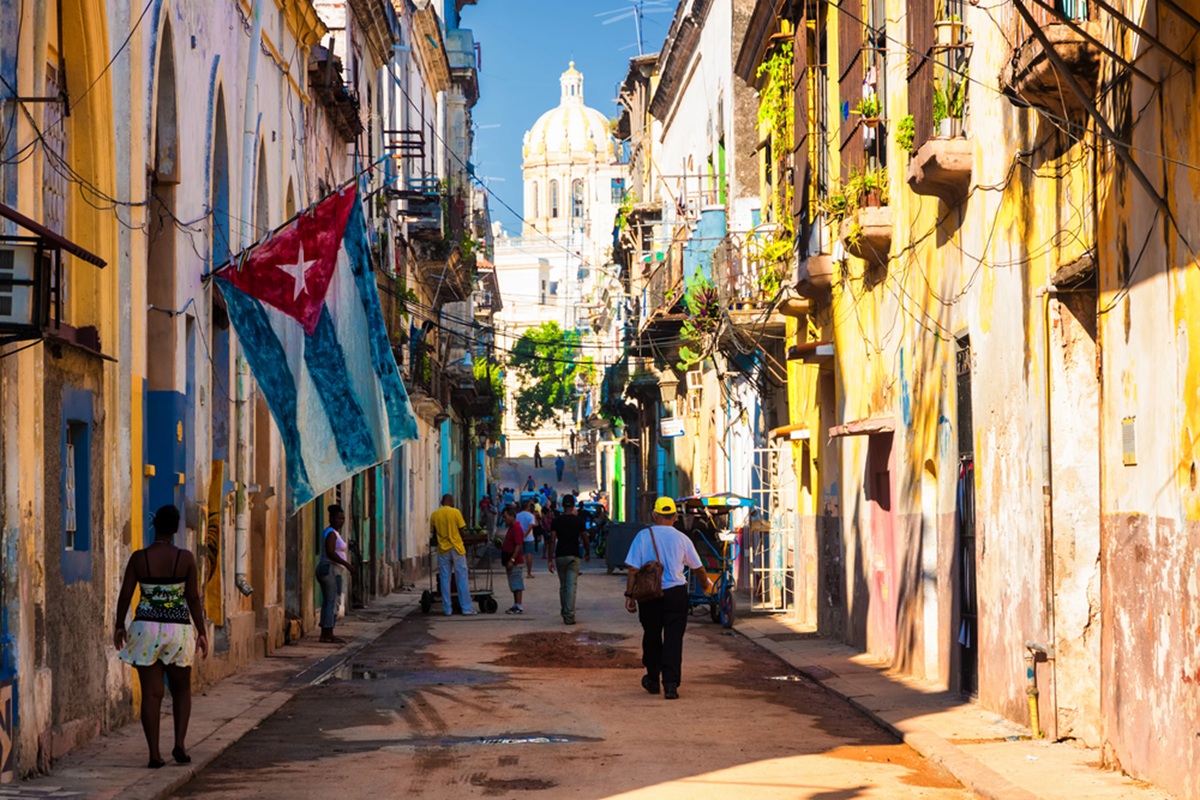
Cuba: Meliá withdraws permanently from the island
World Cup 2026: a mixed tourism outlook for North America
The United States reopen the way for commercial flights to Lebanon
The EU seeks to tighten the ownership rules for airlines
Kenya aims for 5 million international tourists per year
Tourism: Saudi Arabia and Morocco at the forefront of the global rebound
The “Wolf Trail” connects six European countries over nearly 3,500 km
Odd: an airplane for sale… for the price of two coffees!
Croisières fluviales : les basses eaux en Europe obligent les compagnies à s’adapter
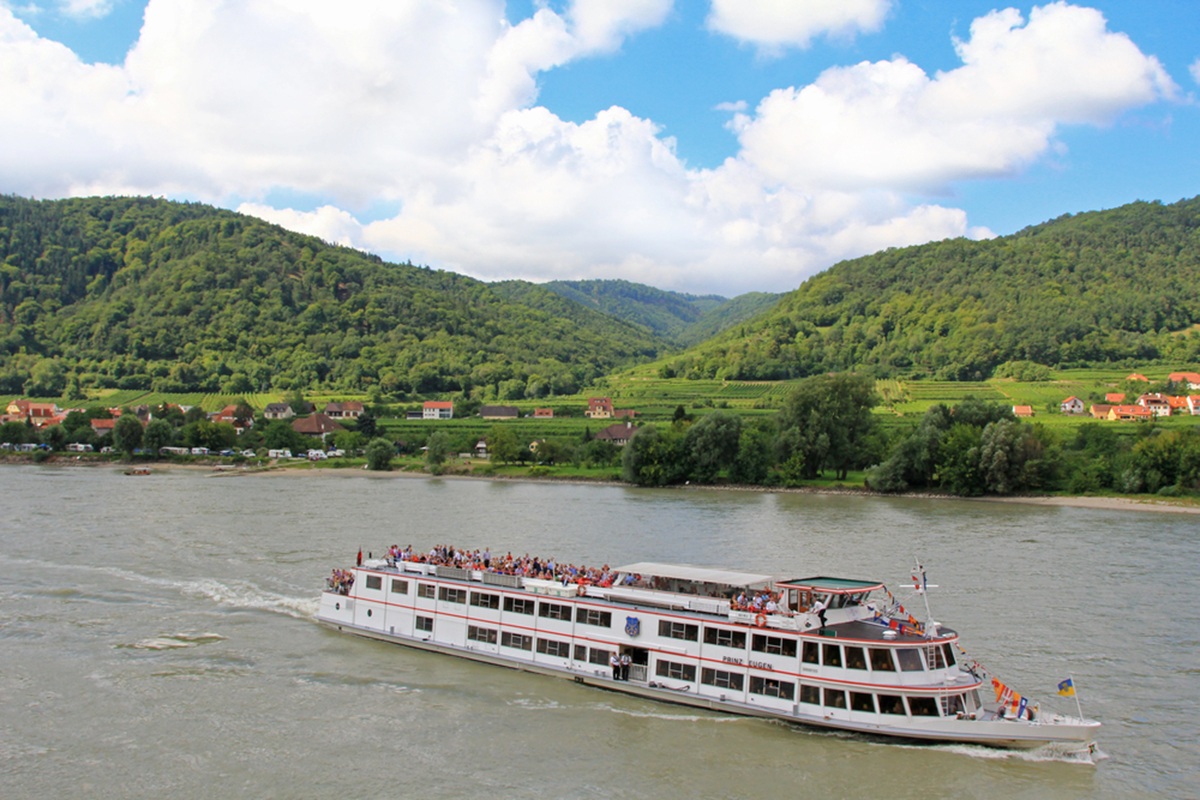
The drought and heatwaves affecting Europe are driving down the water levels of the Danube and Rhine, disrupting certain river cruises.
Rather than canceling their trips, several operators (AmaWaterways, Scenic, Tauck, Viking, Riviera Travel) are prioritizing alternative solutions: ship exchanges, changes to embarkation ports, coach transfers or itinerary adjustments.
Thanks to these measures and daily monitoring of navigational conditions, disruptions remain limited and operators strive to maintain the travelers’ experience.
More to read on travelweekly.com
Cuba : Meliá se retire définitivement de l’île
Meliá Hotels International mettra fin, le 24 juillet, à l’ensemble de ses activités de gestion hôtelière à Cuba.
Le groupe espagnol invoque un environnement devenu intenable sur les plans opérationnel, juridique, économique et financier.
Cette décision intervient dans un contexte de durcissement des sanctions américaines visant le secteur touristique cubain et alors que la destination traverse une crise profonde, marquée par une chute de près de 56% des arrivées internationales sur les quatre premiers mois de 2026.
Meliá promet d’assurer une transition progressive afin de limiter les conséquences pour ses salariés, ses clients et ses partenaires.
Une info hosteltur.com
Mondial 2026 : un bilan touristique contrasté pour l’Amérique du Nord
If the 2026 World Cup allowed hotels and short-term rentals in host cities to raise their rates, the tourism fallout is more limited than expected.
American airlines did not see a significant uptick in activity and the number of international visitors remained below expectations.
After eight years of preparation and substantial investments, the tournament therefore yields a mixed result: local benefits for lodging, but a more modest impact on the broader travel industry.
An article to read on skift.com
L’UE veut renforcer les règles de propriété des compagnies aériennes
Le Kenya vise 5 millions de touristes internationaux par an
The Kenya aims to almost double its tourist traffic, rising from 2.7 to 5 million international visitors per year.
The government is counting on tourism to increase foreign exchange earnings, create jobs and support local SMEs.
According to authorities, each visitor spends on average $3,000 and generates about ten jobs, making tourism one of the main drivers of the country’s economic development strategy.
Read on traveldailynews.com
Tourisme : l’Arabie saoudite et le Maroc en tête du rebond mondial
According to an analysis by Visual Capitalist based on OECD data, Saudi Arabia shows the strongest growth in international arrivals between 2019 and 2025 (+67%), ahead of Morocco (+53%) and Egypt (+47%).
In Europe, Norway signs the best rebound (+28%), while the Portugal, the Spain and the France also exceed pre-pandemic levels.
Conversely, several destinations remain lagging, notably Israel (-71%), Ireland (-32%), the United States (-14%) and Italy (-5%).
Source : euronews.com
Le « Wolf Trail » relie six pays européens sur près de 3 500 km
Long-distance hikers have a new route: the Wolf Trail, a 3,493 km journey linking Poland to Italy via Germany, Austria, Switzerland and Slovenia.
Imagined by Jack Wolfskin from existing trails, this route requires between four and six months of walking and is aimed at experienced hikers.
Accessible free of charge, it is recommended between April and September and represents an estimated budget of 8,000 to 12,000 euros for a full crossing.
A lire sur lefigaro.fr
Insolite : un avion à vendre… pour le prix de deux cafés !
Avis aux collectionneurs : l’aéroport de Séville met aux enchères un ancien Piper PA-23 Apache abandonné depuis au moins 2018, avec une mise à prix de… 10 euros.
Avant de rêver à un vol à petit prix, mieux vaut savoir que l’appareil, officiellement déclaré abandonné après plusieurs années sans nouvelles de son propriétaire, est en trop mauvais état pour reprendre les airs.
Une occasion originale d’acquérir un morceau d’histoire aéronautique… à défaut d’un moyen de transport.




 The drought and heatwaves affecting Europe are driving down the water levels of the Danube and Rhine, disrupting certain river cruises.