Moana Voyages Tahiti: The Heart of the Fenua


The interior lands: the volcanic Eden and the realm of sacred valleys

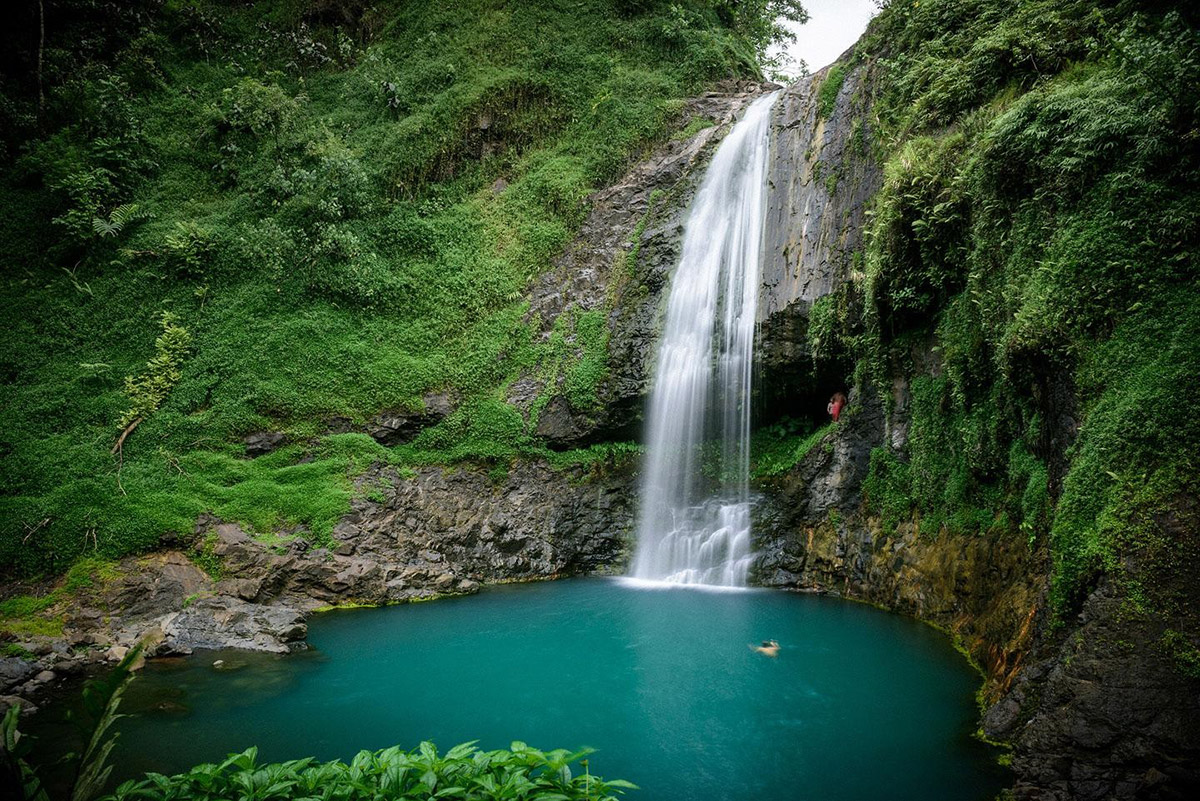
Une cascade au coeur de Tahiti © Myles McGuinness

PONANT


Far from the urbanized coastline, the true face of Tahiti Nui unfolds as you head into its volcanic heart, sculpted by erosion around mythical peaks such as Mount Orohena, Mount Aorai, and the crown of Papeete.

The must-do excursion is to climb the vast Papenoo Valley aboard a 4×4 driven by a local guide. The track winds into a lush caldera, crossing dozens of tumbling waterfalls, mountain rivers and hydroelectric dams, until reaching the Baurra pass and the tranquil banks of Vaihiria Lake, the island’s only natural lake. Along the way, the discovery of the marae scattered beneath the canopy [these ancient sanctuaries of basalt stone] helps to understand the spiritual anchor of these highland lands. For seasoned hikers, the Fautaua Valley trail climbs to a spectacular 135m waterfall that plunges into crystal-clear natural basins, while the Hitiaa lava tubes (lava-tubes) offer a fascinating underground geological adventure exploring the conduits formed by ancient basalt flows.


The Island Circuit, steeped in History and Living Culture

Tahiti is the vibrant heart of contemporary Polynesia, where colonial history and Ma’ohi oral traditions intersect at every kilometer. Immersion begins at the covered market of Papeete, Mapuru a Paraita, whose bustle peaks at dawn. Amid the scents of Tahitian tiaré and artisanal monoi, the stalls overflow with tropical fruits, sea-faring fish, and local crafts, offering the chance to sample a hot firi firi doughnut or a poisson cru in coconut milk prepared before you.

En route to the East Coast, the black-sand beach of Pointe Vénus in Mahina recalls the landing of the first European navigators such as Captain Cook or Captain Bligh, dominated by its historic lighthouse built in the 19th century. Further on, the site of Arahoho’s blowhole presents the striking sight of a sea geyser shooting through volcanic rock under the pressure of the waves.

The cultural side continues to the Faarumai Valley to admire its three majestic waterfalls surrounded by towering bamboo, before a detour to the Tahiti and Its Islands Museum in Punaauia, which houses the most precious ethnographic and historical collections of the South Pacific.
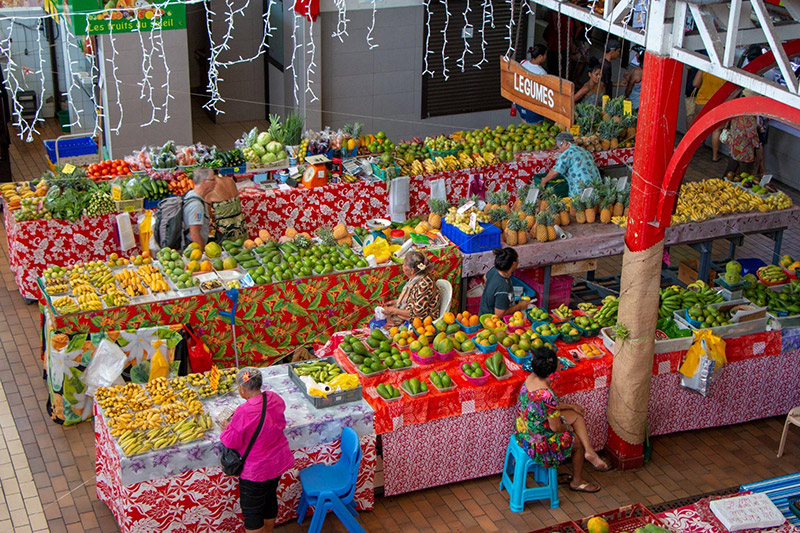
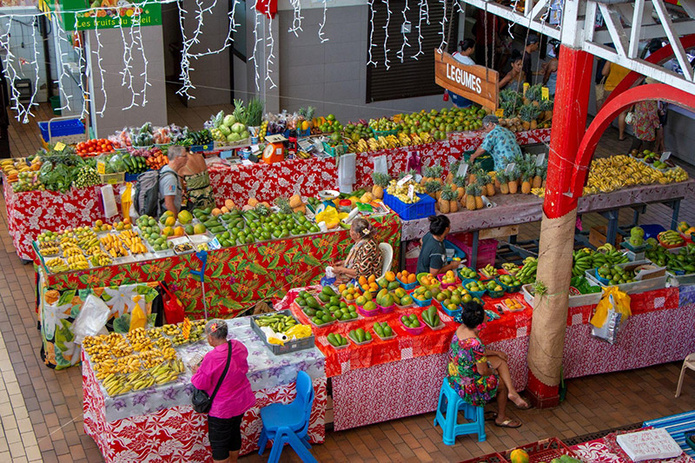
Le Marché de Papeete © Massimiliano Cinà


Tahiti Iti: the wild peninsula and the sanctuaries at the edge of the world

At the southeastern tip, connected by the Taravao isthmus, Tahiti Iti offers a striking contrast by preserving a rural and peaceful atmosphere, far from urban hustle.

The village of Teahupo’o marks the end of the paved road: this is where local captains take visitors out onto the lagoon to approach the reef where the mythical Teahupo’o wave breaks, world-renowned for its power and its thick roller that attracts the best surfers on the planet.

Beyond this spectacular pass lies the Fenua Aihere, a coastal area entirely preserved from any road infrastructure, accessible only by sea or via old crossing trails. Guided outings allow exploring the river Vaipoiri, swimming in the freshwater cave hidden beneath the roots of ancient banyans, then navigating at the foot of the cliffs along the coast of the Pari, cut by the ocean swell.

Finally, climbing back toward the Taravao plateau viewpoint, the air softens amid lush pastures where cows graze, offering a grand panoramic view of the two embraced reliefs of Tahiti Nui and Tahiti Iti.
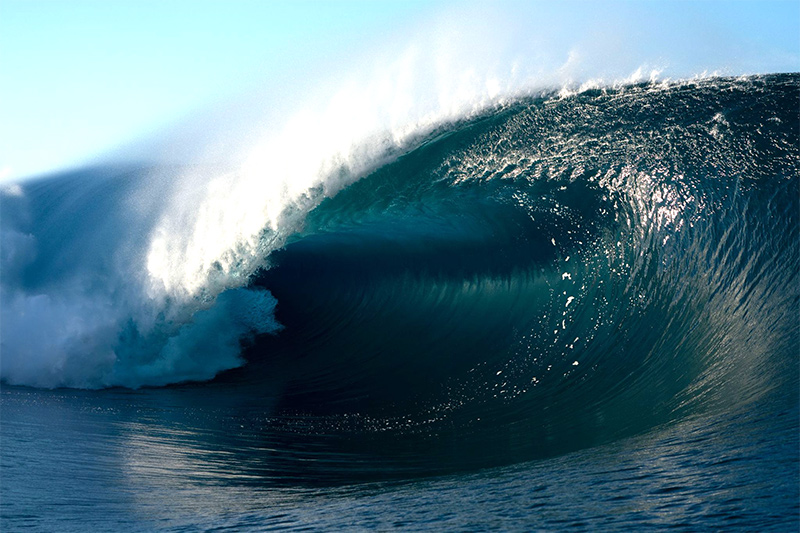
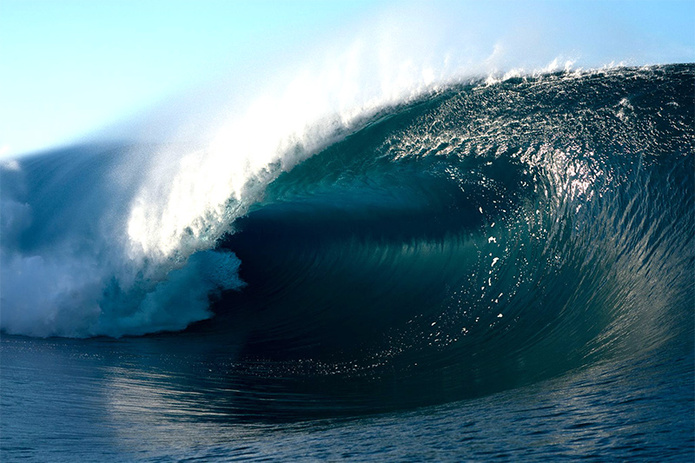
La vague de Teahupoo - © Manea Fabisch


Moana Voyages: Beyond the view, the art of living the Fenua from within

< div class="access firstletter">
To go beyond Tahiti’s postcard image and to embrace the richness of the Fenua at your own pace is a magnificent adventure. This path of immersion shows that embracing a land’s authenticity is not just a transit, but a choice: to take the time to explore the island to truly live its culture and nature from within.

This same approach to immersion guides the Moana Voyages team on a daily basis. Discovering Tahiti’s true personality cannot be improvised: it requires a real reading of the terrain, from crossing the sacred valleys to the best-kept secrets of the Peninsula. By relying on local specialists who themselves live this passion daily, the agency strives to transmit these unique keys to understanding. It thus enables every traveler to move beyond the mere status of a passing observer and to touch the magic and depth of Polynesia.
MOANA VOYAGES TAHITI : le Coeur du Fenua
Teura OPUU


Assistante Produits & Marketing – Moana Voyages

+689 40 50 57 94 | Téléphone Ext. 573

www.moanavoyages.com


Moana Voyages Tahiti: The Path to a Rediscovered Tahitian Culture


The elegance of hospitality and the emotion of To’atā

Le groupe Nunaa e Hau au Heiva i Tahiti 2026 - © Heiva i Tahiti Officiel

Climats du Monde


To understand this relationship with heritage, one must distinguish between two forms of cultural representation that, far from opposing, complement each other as their aims differ.

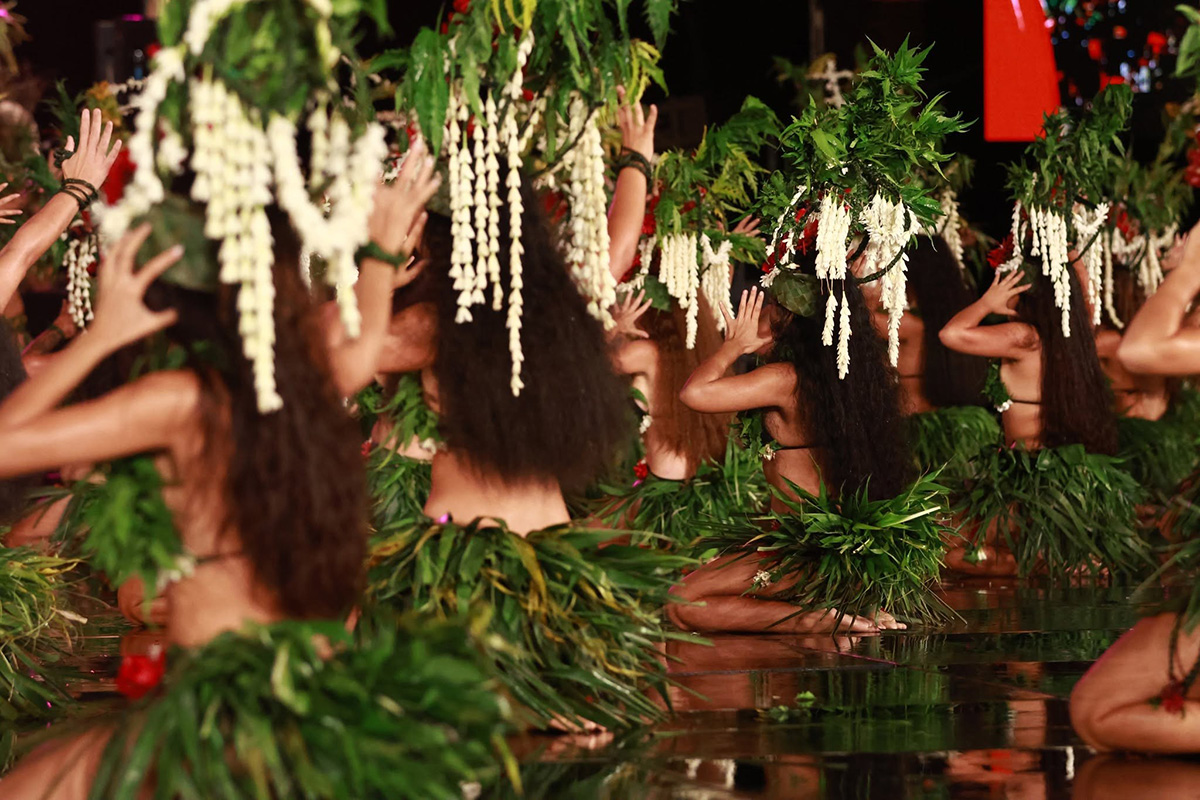
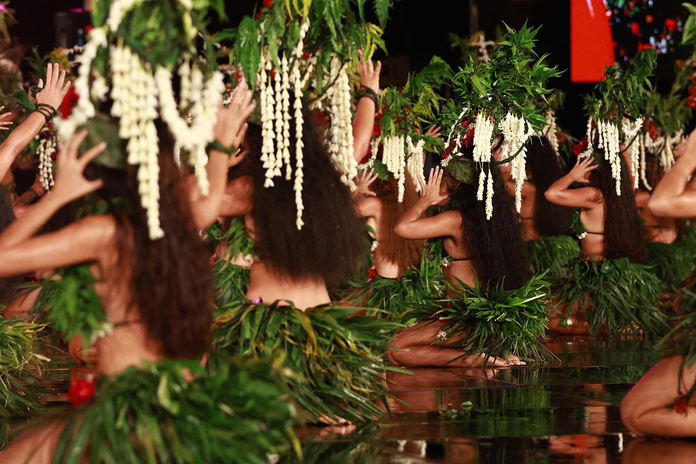
The hotel show constitutes a first essential and warm showcase. Designed for welcome and sharing, it offers a condensed, elegant, and immediately accessible format. It is an excellent doorway into Polynesian culture: a moment of aesthetic conviviality that allows a broad audience to become familiar with the grace of the dances and the beauty of the costumes, while providing artists with a steady income.

On the other hand, To’atā’s stage at Heiva i Tahiti belongs to a work of community art and the grand celebration of heritage. Where the hotel favors fluency and welcome, To’atā offers an immersive and vibrant experience. The experience there is carried by the raw power of pehe (the percussion) whose vibrations travel through the bodies of the spectators, by the literary richness of the ‘ōrero (the traditional oratory) and by the depth of historical or mythological frescos. One does not exclude the other: the former awakens interest gently, while the latter engages the individual in an aesthetic and collective experience of unparalleled intensity.


The art of embracing one’s roots

How can one explain a person growing up near such a gathering without ever taking part? Several everyday factors help explain this distance.

First, the family environment plays a crucial role. In many households — whether metropolitan, from the Chinese community, or the Polynesian bourgeoisie — the attention and priorities of youth are often directed toward other horizons: playing universal sports, pursuing classic studies, or learning European music.

Secondly, material and linguistic barriers come into play. Access to To’atā is sometimes seen as logistically complex (ticket costs, parking, rapid ticket sales) and symbolically reserved for an inner circle. Moreover, Heiva mobilizes an academic, supported, and highly poetic Tahitian. For those who do not master the language perfectly, the difficulty in grasping the deep meaning of the chants can provoke a certain reserve and reinforce the feeling of not quite belonging.


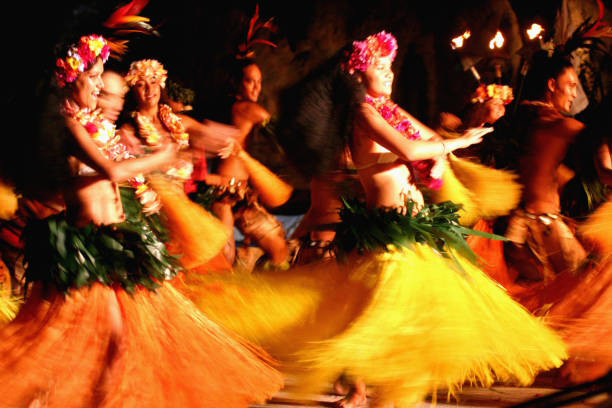
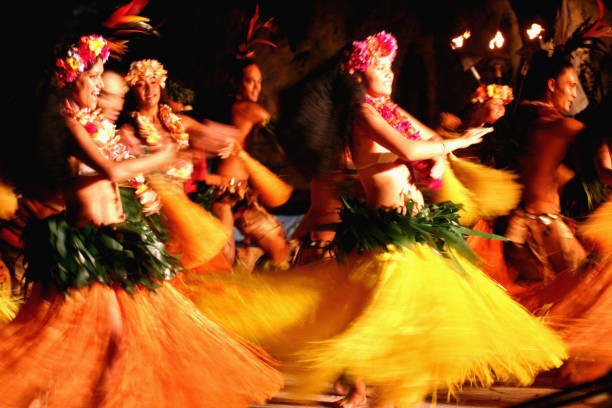
Groupe de danse à l’Intercontinental Tahiti © Darrell Gulin


The Awakening of the Senses: the moment when magic takes hold

The shift from a discreet spectator stance to that of a passionate observer often happens along the daily professional life. It is by rubbing shoulders with the practitioners that all the devotion and beauty of this art come to light.

In corporate settings, the Heiva period reveals the captivating commitment of colleagues involved. One observes an impressive organization: choreographic placement sketches drawn on scraps of paper during coffee breaks to long hours spent in the costume workshop braiding plant-based headpieces after work. This backstage immersion invites the desire to understand: what drives these men and women to invest so much energy for a few minutes of pure grace on To’atā’s stage?

The answer comes with a first immersion, notably during a dress rehearsal. That night, all certainties vanish. Facing the majesty of the chants, the rigor of the alignments, and the intensity of the renditions, one realizes that nothing is superficial: everything is inhabited, dressed in a deep intention. The mistake would simply have been to limit one’s view of dance to the welcome performances alone, without grasping the full scope of the works presented at the Heiva.

This moment of grace marks the beginning of a reconciliation with one’s identity. The discomfort of having stayed apart for too long yields to a renewed sense of pride. It becomes clear that tradition is not a fixed inheritance, but a living space that simply waits for us to come in and take part.


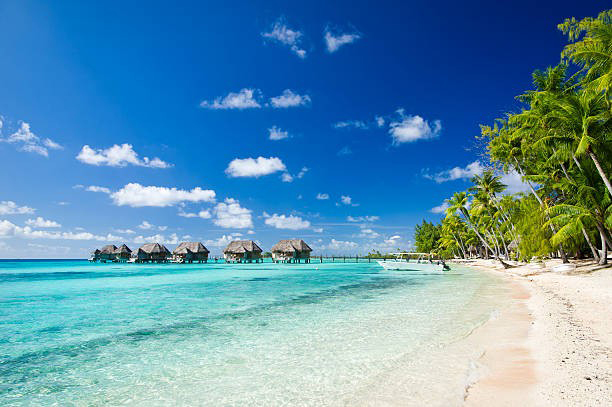
Atoll de Tikehau - © Max shen


Moana Voyages: A Passion Lived From Within

Growing up in the Fenua and mastering the magic of Heiva at one’s own pace is a wonderful adventure. This path demonstrates that cultural belonging does not come from automatic inheritance, but from a choice: the choice to push open the doors of To’atā in order to live one’s culture from the inside.

It is this same immersion mindset that guides the Moana Voyages team on a daily basis. Experiencing the Heiva i Tahiti is not improvised: the event requires a real on-the-ground understanding: from selecting ritual evenings to booking the best seats facing the stage. Relying on local specialists who themselves live this fervor—on stage or in the stands—the agency aims to transmit these unique keys to understanding. It thus enables each traveler to move beyond mere spectator status and to touch the authenticity of Polynesian culture.


MOANA VOYAGES TAHITI : le Chemin vers une Culture retrouvée
Teura OPUU

Assistante Produits & Marketing – Moana Voyages

+689 40 50 57 94 | Téléphone Ext. 573

www.moanavoyages.com


Moana Voyages Tahiti: Autaea’era’a, Breath of Brotherhood


The truth behind the scenes: shared effort

Trophées du Heiva i Tahiti 2026 - © Heiva i Tahiti Officiel

Hurtigruten


This year again, the To’atā stage vibrated with a bright energy, carried by the magic of tableaux of a beauty newly revealed. At the heart of this fervor, several colleagues from our agency lent their breath and grace to three groups of the edition: Nonahere, Nuna’a e hau and O Tahiti E.

If artistic rivalry was real under the glow of the spotlights, it quickly faded into the shadows backstage to make way for an evident mutual aid, composed of sincere embraces and whispered encouragements after the effort. This is where the great truth of Heiva lies: the competition crowns a winner, but it first requires the absolute respect for others’ work. Far from a mere race for prizes, the true victory resides in this intimate communion and in the pride of keeping, together, a shared culture alive.

Setting foot on this stage is to embrace the vertigo of a stage fright that twists the stomach and an almost electric excitement. For the artists, it is the moment to deliver what has been worked on for months in the shadows, and to offer immense recognition to the families, whose patience has been stretched by the long weeks of absence. Climbing onto the stage is to prove to them that every sacrifice was worth it: each dancer carries within them a fragment of the Fenua’s history.

For each, the tears that fell at the end of the show were not only due to physical fatigue, but to the release of months of accumulated tension. Aligning dozens of different temperaments, with their strengths, their doubts and their cracks, and guiding them forward in a single stride: that is the most beautiful bet of these troupes.

The echo of voices: hīmene as the memory of the world

The dance would be nothing without the breath of the texts and the poetic power of the voices. The true foundations of the show, the songs carry the troupe’s message, enveloped by custom-made vegetal costumes. In the Tahitian language, poetry unfolds in subtle metaphors and images of rare strength. And when one dances with the ’āʻau — with the guts —, emotion travels through the air unfiltered. In front of the jury, individualities fade to form a single body, a single voice carried by a single objective: to render the theme clear and vibrant. This total work, born from the partnership between a troupe leader and its author, is a fleeting gift that each group has only one hour to offer to the world.

But beside the dance, there is the vocal thrill of the hīmene groups. These polyphonic chants are not mere performances: they are the original breath, where the human voice replaces all instruments. It is the story of a people without writing who chose to entrust their memory, their legends, and their lineages to the sheer power of their vocal cords.

When the choirs of the tārava or the ru’au rise, the audience holds its breath before this true vocal eruption. No need for artifices: on one side, heavy, muffled basses that resonate like the earth trembling beneath our feet; on the other, high, almost metallic voices that soar to touch the sky. It is a physical chant, a bodily and visceral fervor that grips the throat instantly. Through these waves of harmonies impossible to notate on a score, the Mana of the ancients awakens. Far more than a contest category, hīmene is a matter of transmission. It is the heartbeat of a culture that refuses to fade and that continues, from one generation to the next, to shout its pride in existing.


The elegance of resilience and humility

The verdict of a competition always comes with its own murmurs, between the cheer that frees and the heavy silence of those who still hoped. The moment the names are announced, it’s natural to falter under the weight of regrets. Yet once the excitement subsides, brotherhood reclaims its rights. Paying tribute to the victors is not a renunciation; it is respect. It is to receive the result with head held high, not as an end, but as a promise: the promise to always honor our roots.

Because beyond competition, Heiva remains fundamentally a matter of patience and feeling. It was written in the coolness of rehearsal nights, when fatigue numbed the muscles but the spirit refused to yield, wearing the bodies down until the collective intoxication that sweeps away pain.

In the warmth of homes, this quiet strength gives each artist the power to go on stage.

But this raw force only touches the sacred when it bows before something greater. It is humility that reminds us that no man or woman is greater than the culture they serve. By applauding their peers, every artist agrees to step back so that the Whole can shine. At the end of the night, Heiva’s true victory isn’t written on a precious wooden trophy, but in that invisible and sovereign memory that keeps the mā’ohi heritage more alive than ever.


Groupe Nonahere - Catégorie Hura Tau (Professionnelle) - © Heiva i Tahiti Officiel


Moana Voyages: an inside experience of passion

At Moana Voyages, this fervor deeply inspires our consultants, whether they are passionate performers on the To’atā stage or amazed spectators. Our team does not merely design itineraries: they embody this vibrant culture that is now being shared around the world through workshops and international performances.

Our mission goes far beyond a simple island-to-island trip; it is to make you feel this Mana, carried by the breath of chants and the grace of dances. Integrating this legendary show into your stay is a promise we can fulfill. Thanks to our limited-access passes, our specialists will be delighted to reserve your seats, offering you a moment of pure magic at the heart of Polynesian tradition.


Moana Voyages Tahiti: The Echo of Mana, An Immersion in the Heart of Polynesian Civilization


Heiva i Tahiti © Alikaphoto

CroisiEurope


Across a patchwork of major events, from Tahiti to the Marquesas, the Polynesian people rekindle their spiritual strength: Mana. More than a simple festive calendar, these gatherings are acts of cultural resistance, moments of pure transmission where dance, sport, the sacred, and craftsmanship fuse to affirm a multifaceted identity. It is the time of year when neighborhoods empty out for rehearsals, when families gather around the crafts of weaving, and when the scent of tipanier and the tiare pervades every commune. It is a journey where every gesture, every war cry, and every song becomes a living word addressed to the ancestors. The Ma’ohi heritage is not a relic, it is a breath that never fades.


Heiva i Tahiti: The Fury and the Grace

The Heiva doesn’t begin under To’atā’s lights; its roots reach back months earlier, in the shadowed neighborhoods, where bodies wear themselves out during nocturnal rehearsals after long days of work. There, between sips of water and Tahitian jokes, the group becomes a family. There, they prepare the “rebirth”: that of a culture that nearly vanished and now explodes into a discipline that reads like military training.

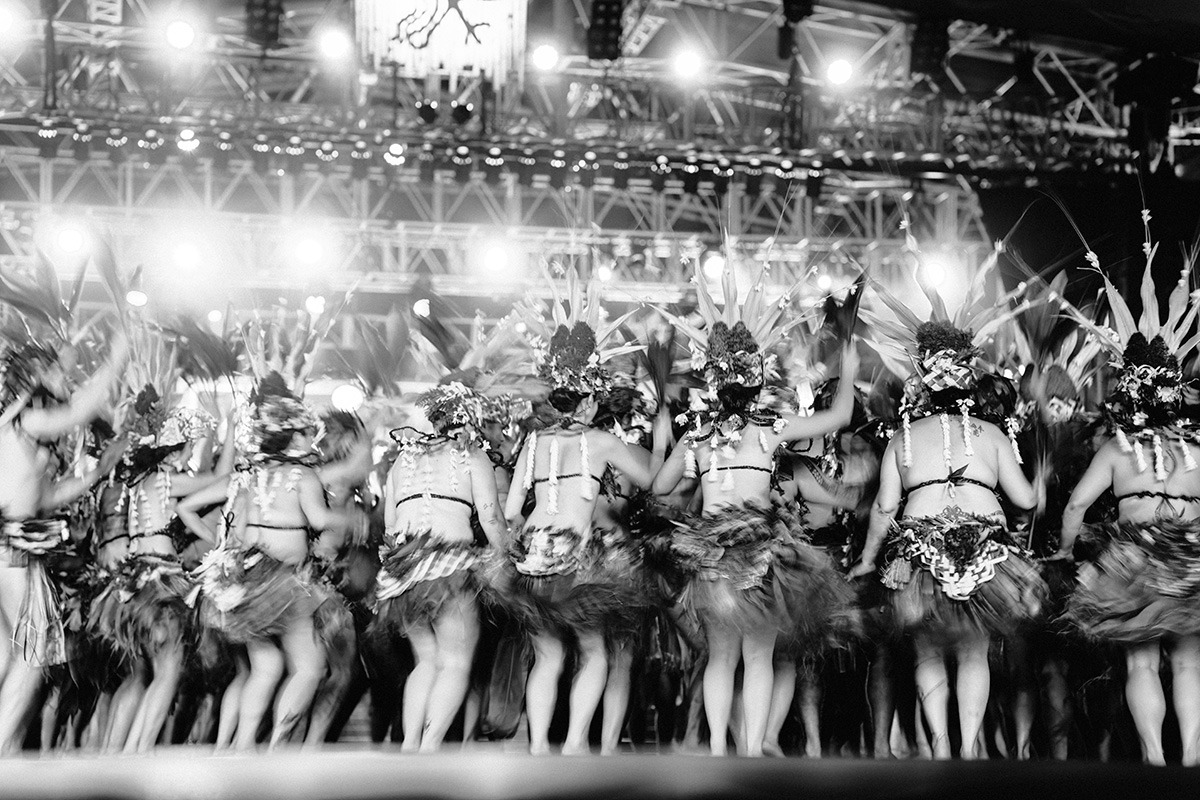
On the night of the competition, backstage is a furnace of green. The monumental headdresses are adjusted, the bark skirts that weigh on the hips are tightened, and the skin is coated with oil to gleam under the lights. Then, silence falls. From the first strike on the to’ere, energy takes on a different nature. It is no longer merely dance; it is a dialogue with the unseen. The percussion erupts, the hymene voices rise in powerful surges that send shivers down your spine, and suddenly one understands that every hip swirl and every foot stomp is a signature: “We are here, we stand, and our land is alive.” It is this pure thrill, this identity that cannot be explained yet is felt in the heart, that one experiences at the Heiva.


The Heiva’s Satellite Events

The Umu Ti, the pact with fire

For those seeking contact with the unseen, walking on fire unsettles certainties. It isn’t a show; it’s a communion. Over forty-eight hours, a vast blaze consumes the air. Basalt stones store heat that can reach 600°C. Under the guidance of the Tahua (priest), armed with protective Auti leaves, participants cross the flames barefoot. It is raw proof that Mana, invoked with humility, can transcend the laws of matter.

The Tu’aro Ma’ohi :

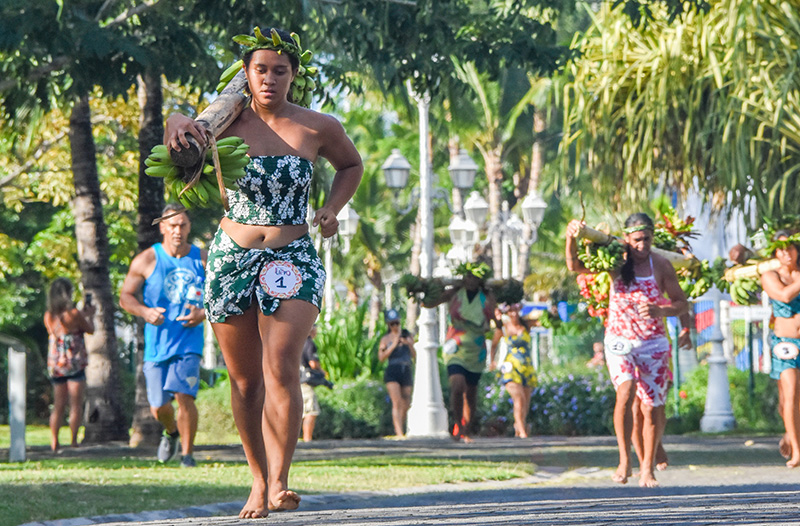
The ancient Polynesian athleticism has its own Olympic Games. Here, the vital gestures of old become athletic feats: climbing a coconut tree at staggering speed, hurling a javelin (Patia Fa) at a coconut perched nine meters high, or even shelling coconuts. The most spectacular remains the fruit-bearer race, where athletes sprint with 30 to 50 kg on their shoulders. This elevated physical vigor is elevated to the rank of national art.

The Heiva Va’a Matai’eina’a :

The ballet of the Va’a canoes is the umbilical cord that ties the Polynesians to their ancestral navigators. Far from modern technology, this Heiva esteems pure gesture. The rowers, in pareo and plant-based adornments, turn the lagoon into a living tableau. Whether racing in single-outrigger or crews of sixteen, every paddle stroke honors the cohesion of a water-loving people.

The Heiva Rima’i: When matter comes to life

One cannot truly understand the Heiva costumes without witnessing the titan’s craft behind them. At the Heiva Rima’i pavilion, craft is not a tourist souvenir; it is the realm of the “golden hands.” It is here that the richness of each archipelago is grasped: the astonishing weave of Rurutu, the strength of rosewood carved in the Marquesas, or the glow of the Tuamotu’s mother-of-pearl. To see these creators turn a simple plant fiber into a royal adornment is to understand that every object is a piece of history held in the hands.

The Tuifara at the Marae Arahurahu: The awakening of the sacred

If To’atā is the temple of spectacle, Paea’s Marae Arahurahu is the temple of the soul. Here, with the Tuifara festival, the glare of spotlights gives way to pure spirituality. Imagine the voices of pupu hīmene resounding against the high basalt walls… the acoustics are natural, almost mystical. On this sacred site, dancers aren’t on a wooden stage; they make the very earth tremble with the power of their ancestors. It is a moment outside time, a meeting between past and present in a theatre of greenery.


Tuaro © Teriitua Maoni


Matavaa o te Fenua Enata: The Awakening of the Land of Men

Born out of a vital urgency, Matavaa did not arise from a simple desire to entertain, but from a need to survive. In the 1970s, the Marquesas archipelago faced a frightening cultural decline. It was under the impulse of the Motu Haka association, in 1986 at Ua Pou, that this rallying cry rang out. Today, the festival marks 40 years of identity reconquest. Its strength lies in its itinerant nature: every two years, it travels between Nuku Hiva, Hiva Oa, and Ua Pou, while mini-festivals keep the flame alive on the more isolated islands like Fatu Hiva or Ua Huka.

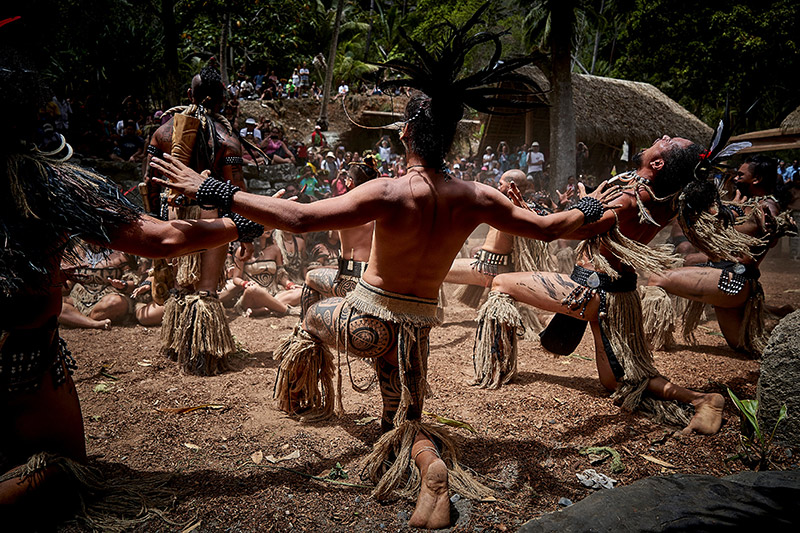
The raw basalt energy, whose aesthetics sharply break from Tahitian gentleness. The setting is that of stone cathedrals and deep valleys. The performances unfold on the Tohu’a, these vast stone plazas. Under the muffled beat of the Pahu Nui, the ground seems to tremble. The festival deploys warrior dances of unprecedented intensity, such as Maha’u (the pig dance) with its powerful breaths, or the Haka where the fixed gaze asserts the clan’s vigor.

Tattooing, or Patutiki, is central there. It is not ornament, but a writing on the skin telling a genealogy. The carved-wood decorations and rooster-feather adornments complete this look of elegant yet solemn “savagery.”

A collective victory with no single winner: the Matavaa’s hallmark is the complete absence of competition. People come for the Me’ae, for sharing. For several days, modern life stops: Ka’aku is prepared and foods are cooked in enormous Umu (underground ovens). It is the triumph of unity across a proud archipelago, proving that the Mana of the Land of Men is among the Pacific’s most indomitable.

Source: Destination Marquises


UA POU_Festival Marquises © Bertrand Duquenne


Travel with Moana Voyages: Your Gateway to Authenticity

Experiencing the Heiva or the Matavaa is not merely ticking a box on a vacation itinerary; it means letting yourself be transformed by the Fenua’s energy. These moments of grace, when time stands still to make way for the sacred, require a travel approach that is respectful and profound.

At Moana Voyages, our mission is to open the doors to this vibrant Polynesia for you. As experts based in the heart of these archipelagos, we do not simply organize getaways: we weave connections between you, this land, and its people. Whether you wish to move to the beat of To’atā drums or tread the mystical basalt of the Marquesas, we will accompany you so that your immersion is total, fair, and unforgettable.