MICE in Asia: Immersion and Networking as the New Playing Field


From Activity to Experience

© Tristan Scohy

CroisiEurope


The MICE industry has always sought to create collective moments capable of pulling participants out of their everyday lives. Yet the pursuit of novelty has sometimes led to multiplying activities designed primarily to surprise.

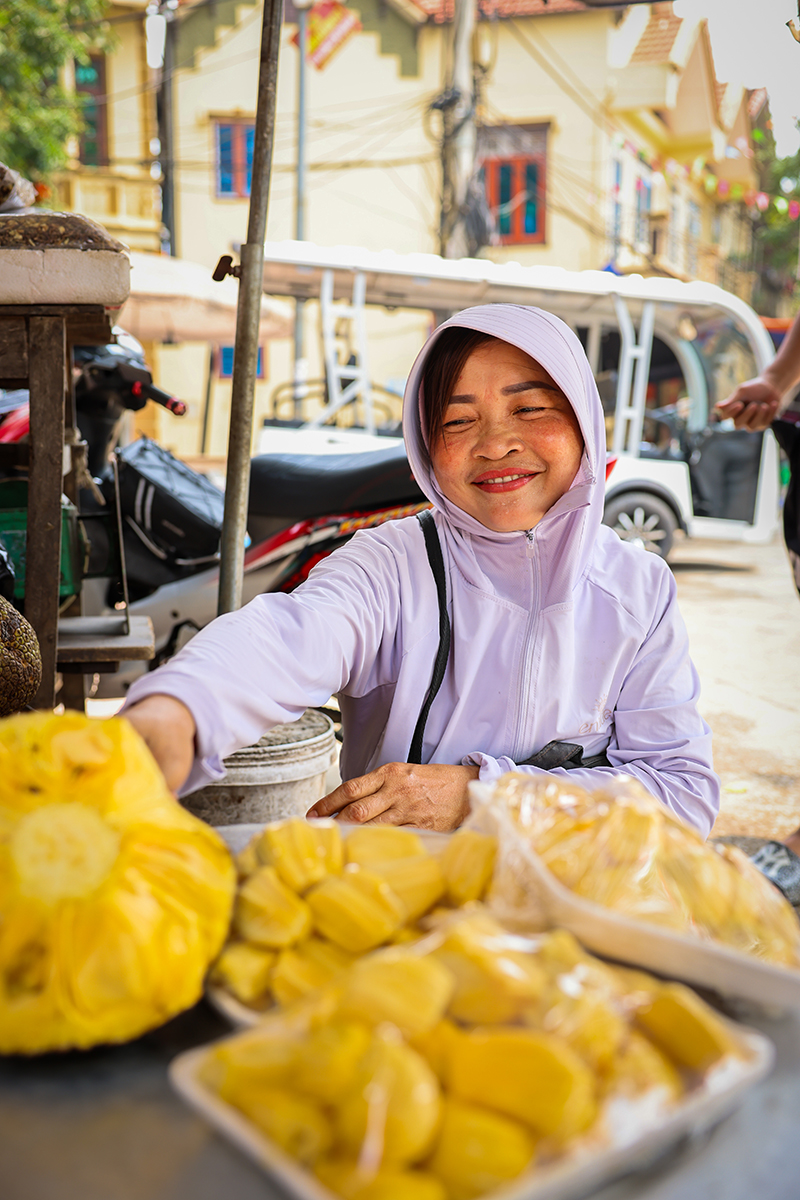
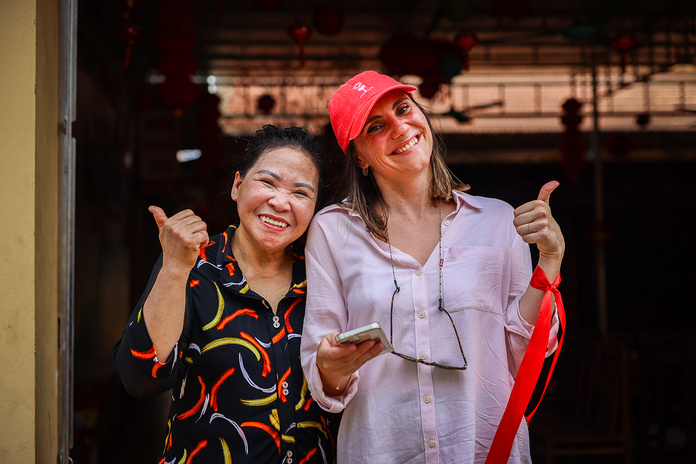
A trend is emerging today: to draw more from the destination itself to build the program. Its inhabitants, its know-how, its local initiatives, and its environment then become the starting point for a moment conceived for the group.

It is not about replacing the major classics of corporate travel, but giving them a new dimension. A visit can become a meeting, a challenge can guide participants to discover a territory in a different way, and an activity can be integrated directly into local life.

The participant is no longer merely a spectator: they take part in the experience.


Bringing Teams into Local Life

This evolution resonates particularly in Asia, where the diversity of cultures and ways of living provides a rich canvas for crafting these itineraries.

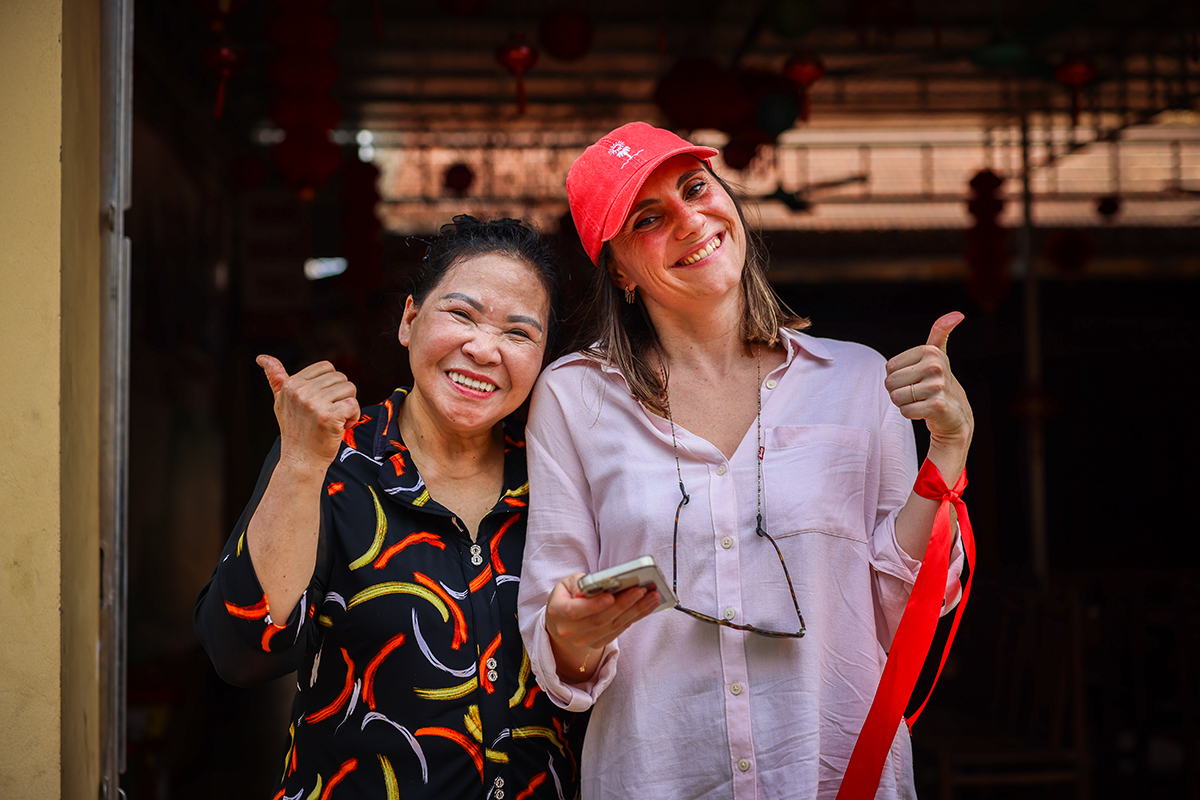
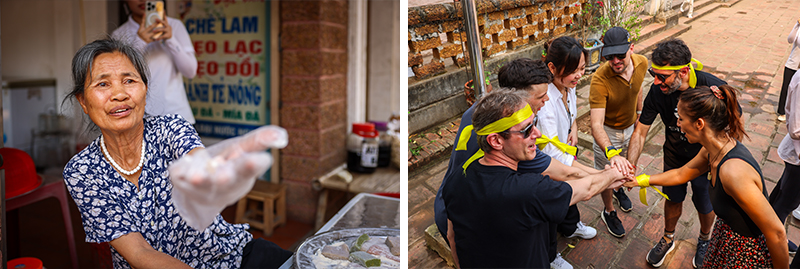
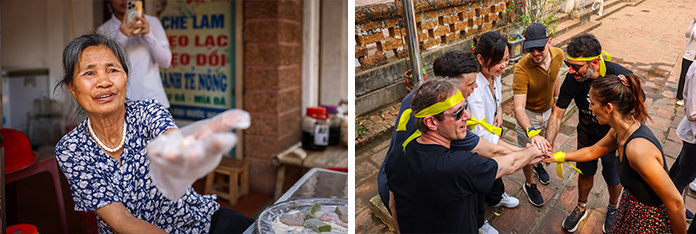
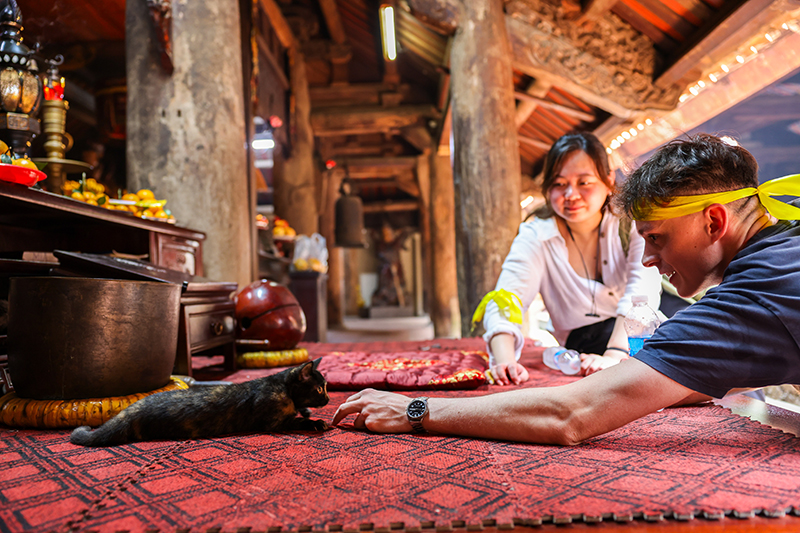
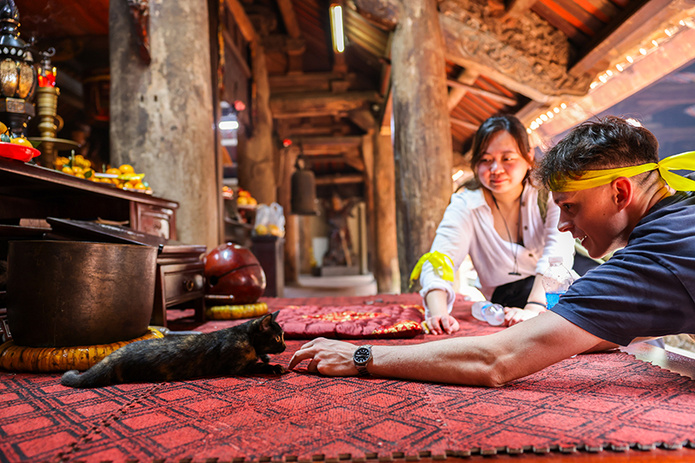
In Bali, an orienteering course can lead teams into the heart of a village, with challenges that bring them to meet residents and discover their daily life. In India, a community kitchen invites participants to help prepare meals in a Sikh temple and to meet the people who sustain the place. In other destinations, the same philosophy can be expressed through farming activities, the discovery of a craft, or an activity run directly with a local community.

In all these cases, the activity becomes mainly a pretext to connect with the territory and with those who bring it to life.
© Tristan Scohy


The Challenge: Finding the Right Balance

However, immersion does not mean turning every MICE activity into a fully engaged experience. Companies continue to seek pleasure, sociability, and moments of celebration.

The goal is rather to find the right balance between the different phases of the journey. A day can combine cultural discovery, relaxation, and participation in local life. This latter element adds an extra dimension without necessarily becoming the sole guiding thread.

For agencies, this flexibility also allows these formats to be integrated into very different programs, depending on the destination, the group profile, and the voyage’s objectives.
© Tristan Scohy


The Key Role of DMCs


© Tristan Scohy

This trend is also reshaping the role of DMCs. To offer genuine immersion, it is not enough to pick an activity from a catalog (or ask our friend Chat). Local actors must be known, their environment and culture understood, and formats tailored to a professional group must be built with them.

The work of the receptive partner is then to link two worlds: the expectations of a company and the reality of the destination. They must identify relevant experiences, assess their capacity to host a group, from both logistical and ethical standpoints, and above all preserve their authenticity while meeting the constraints of MICE.

At Shanti Travel, a specialist in MICE in Asia, this on-the-ground knowledge makes it possible to rely on initiatives already rooted locally and adapt them to professional groups. A way to turn the encounter with the destination into a true pillar, rather than a mere add-on.


A Different Way to Build and Market Programs

For agencies, the challenge is to present this proposition in a way that is easy for clients to read. Immersion can be showcased as what gives the trip its personality, without overturning its established codes. Comfort and local experience can coexist perfectly: it is precisely the contrast between the two that can create a richer and more memorable program. To persuade, it’s better to tell what the group will actually live than simply presenting an activity: a meeting, a challenge, a skill being passed on, or a concrete participation. A way to help the client visualize themselves while lending real singularity to the content.

The MICE of tomorrow may not only aim to give teams an experience they’ve never had. It will also aim to let them experience, together, something they could never have experienced anywhere else.

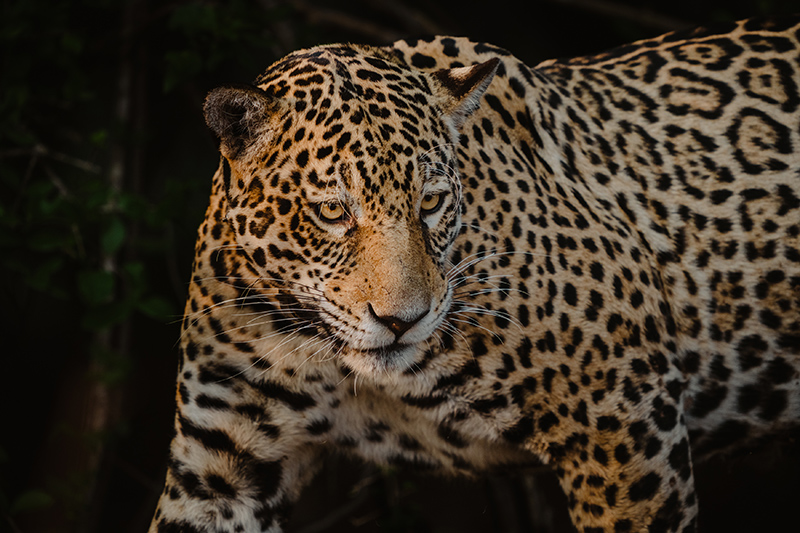
Pantanal: A Wild Immersion in the Heart of Pristine Nature


© Donal Boyd

Climats du Monde


The Pantanal: an exceptional natural sanctuary

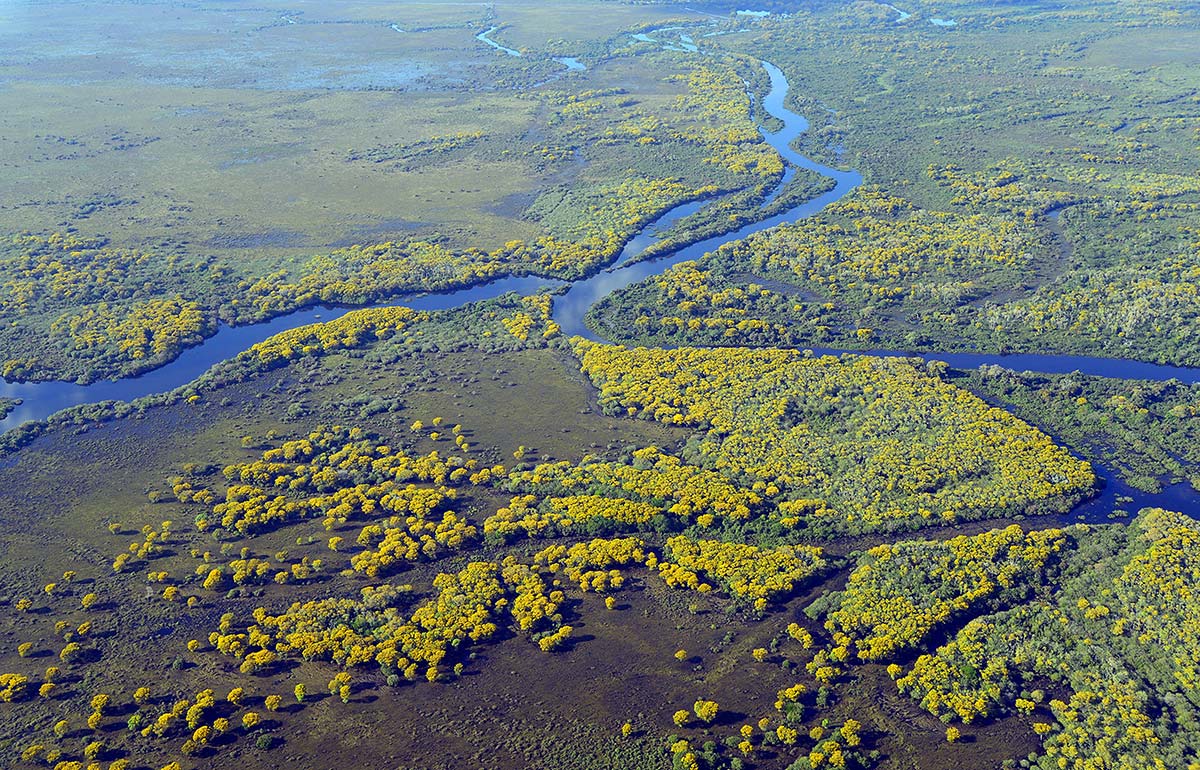
Located primarily in the states of Mato Grosso and Mato Grosso do Sul, the Pantanal is one of the largest tropical wetlands on Earth. Its landscape shifts with the seasons, oscillating between floods and droughts, creating a constantly renewing environment.

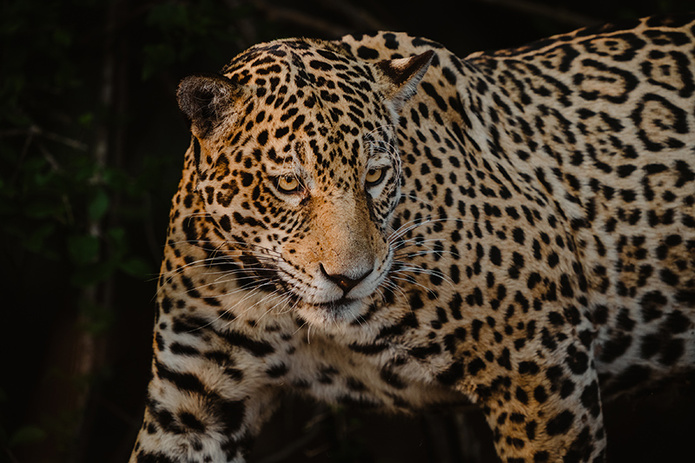
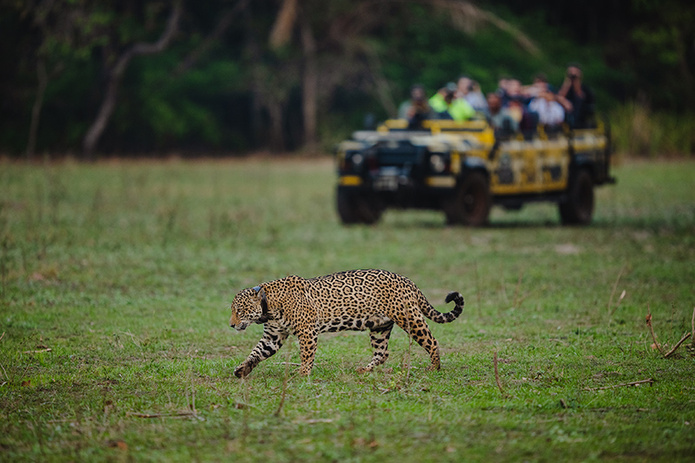
This diversity of habitats supports remarkable biodiversity. The Pantanal is especially renowned for sightings of jaguars, caimans, capybaras, monkeys, toucans, macaws, and numerous bird species.

Here, nature sets its own tempo. Every excursion becomes an opportunity to discover a different landscape and to observe wildlife in its natural surroundings.


Safari and wildlife watching: an immersive experience

The Pantanal unfolds primarily along waterways and along the tracks that cross its vast, wild expanses.

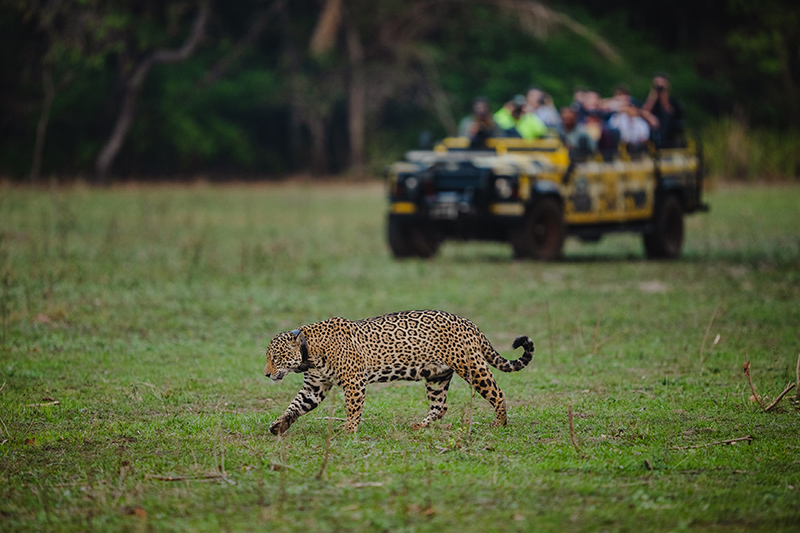
4×4 safaris, boat trips, guided hikes, and horse riding allow you to explore different ecosystems and approach the fauna up close, all while respecting the environment.

Excursions can be organized with specialized guides, optimizing moments of observation and helping to understand animal behaviors as well as the fragile balance of this ecosystem.

Among the most sought-after experiences is jaguar watching, a true symbol of the Pantanal’s wildlife. In some regions, boat trips let you pursue it along the rivers, in an atmosphere where patience and anticipation are integral to the experience.


© Donal Boyd


Exclusive experiences: between adventure and contemplation

The Pantanal offers a multitude of experiences that let you live the destination in an extraordinary way.

Imagine a private boat outing at sunrise, when the mist still blankets the rivers, a 4×4 excursion in search of wildlife, or a horseback ride across the Pantanal’s open landscapes.

For travelers seeking a more contemplative experience, birdwatching also presents a privileged moment. The region hosts an incredible diversity of species, making the Pantanal a destination particularly loved by photography and nature enthusiasts.

At sunset, the landscapes take on a dramatic dimension: the light transforms the plains, the silhouettes of trees appear on the horizon, and the sounds of nature accompany the last moments of the day.


© Donal Boyd


Biodiversity: up close to a living ecosystem

The Pantanal is a true sanctuary for wildlife. Its wetlands, rivers, forests, and plains provide essential habitats for numerous species.

Observing wildlife here requires a different approach: it’s not just about finding animals, but about understanding their environment and learning to read the signs of their presence.

With experienced local guides, travelers can discover traces left by animals, identify different bird species, and grasp the essential role of water in this ecosystem.

This enduring connection between water, earth, sky, and biodiversity creates a deeply immersive and restorative atmosphere.


Exceptional hotels and lodges at the heart of the Pantanal

The Pantanal offers a curated selection of exclusive lodges and refuges that allow for a true immersion in nature without compromising comfort and service quality.

Set in privileged locations, these establishments are designed to provide an experience in harmony with their surroundings. Travelers can enjoy intimate spaces, refined cuisine, and activities guided by specialists.

The real luxury of the Pantanal lies here: waking up in the midst of nature, watching wildlife from your lodge, and ending the day in absolute tranquility, far from any bustle.


Hotel Focus: Pousada Araras Eco Lodge


Gastronomy: the flavors of the Pantanal

In the Pantanal, gastronomy naturally forms part of the experience and lets you discover the regional flavors.

The meals highlight the products and culinary traditions of Mato Grosso and Mato Grosso do Sul, with a simple, generous, and characterful cuisine.

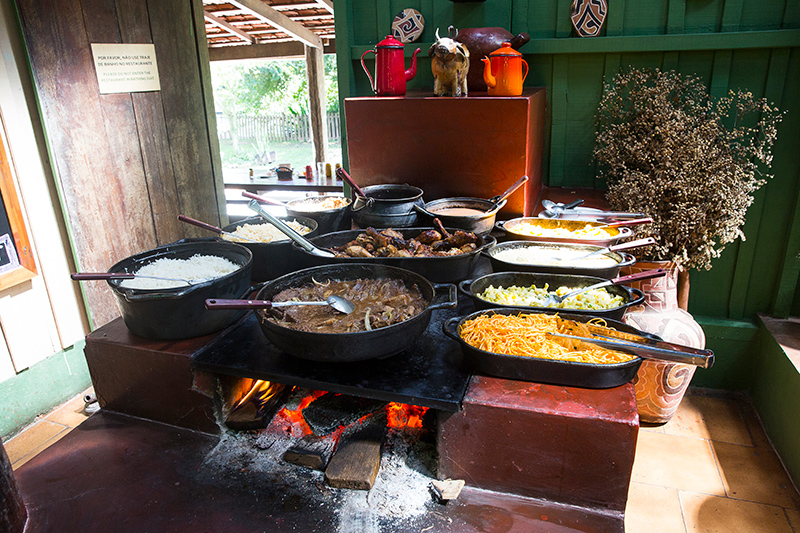
Freshwater fish, meats, tropical fruits, and other regional specialties can feature in the meals, often prepared in a traditional manner with locally sourced ingredients.

More than a simple meal, it is an opportunity to discover Pantaneiro daily life and to better understand the region’s culture through its cuisine.

Imagine a meal after a day on safari, in a simple and authentic setting, surrounded by the sounds of nature and beneath the vast Pantanal sky.

Here, gastronomy also forms part of the travel experience.


© Flavio Andre - Rio Sucuri Bonito


Tips from Brazil Sensations

• Private boat safari in search of jaguars

• 4×4 outing with a specialized guide to observe wildlife

• Birdwatching at sunrise

• Horseback ride through Pantanal landscapes

• Private boat excursion at sunset

• Stay in an exclusive lodge at the heart of nature

• A photography-focused wildlife experience

• Dinner in the heart of the Pantanal in a privileged setting

The Pantanal targets travelers seeking wild nature, authentic emotions, and exclusive experiences away from conventional itineraries.

With Brazil Sensations, every stay becomes a tailor-made immersion in one of Brazil’s most fascinating natural regions, where wildlife encounters, the beauty of the landscapes, and the pace of nature create truly unforgettable memories.


Pantanal : immersion sauvage au coeur d'une nature d'exception

Chloé Hathaway

General manager

55 21 32 64 19 02 / 55 21 9 84 94 20 30

[email protected]

https://brazilsensations.com

facebook instagram instagram

>> Brazil Sensations in the DESTIMAG Directory


Eagle Festival in Mongolia: Immersion in the Heart of a Millennia-Old Tradition


© DMD Mongolie

CroisiEurope


An Opening Spectacle: Costumes, Horses, and Eagles

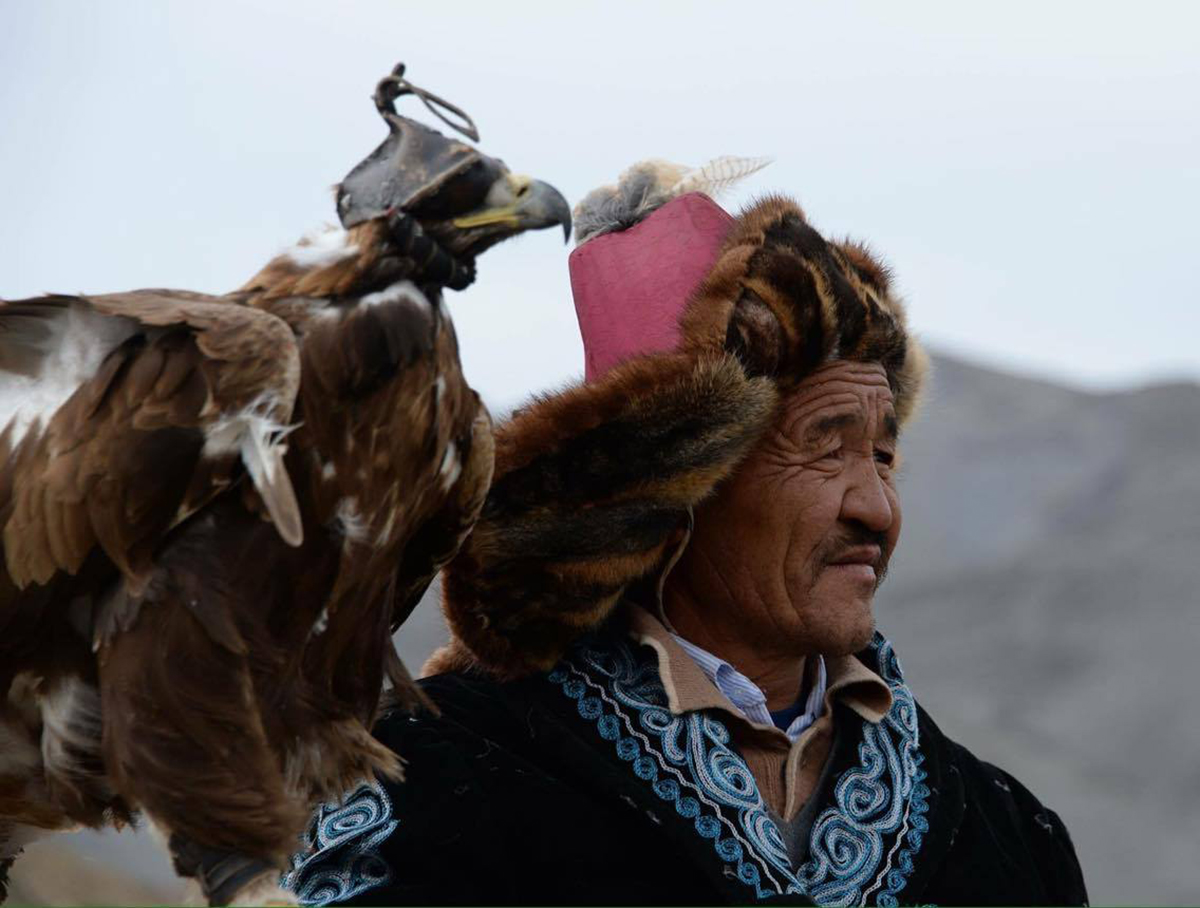
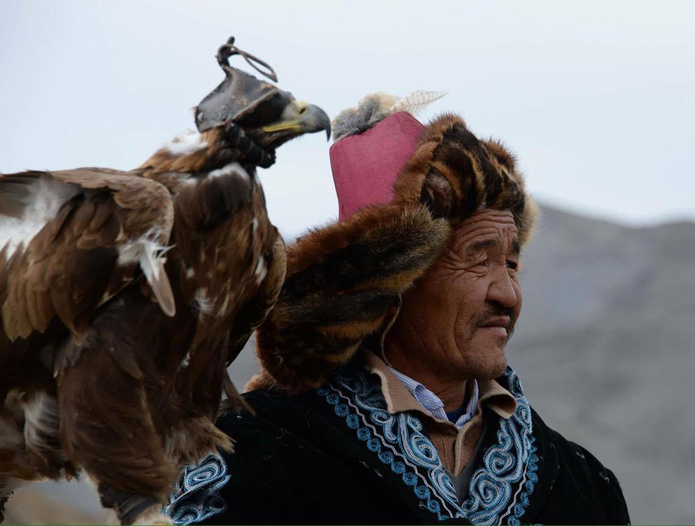
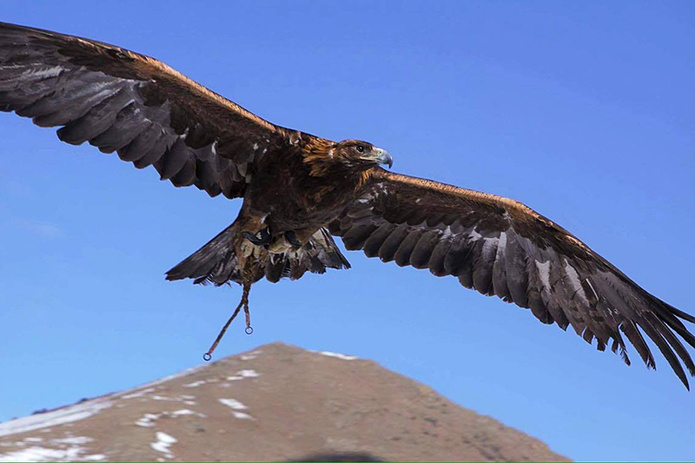
The festival begins with a vibrant parade. The hunters, dressed in sumptuous traditional embroidered cloaks and crowned with fur hats, advance on horseback, the regal eagle perched proudly on their arm. The horses, specially trained to navigate mountainous terrain, play a crucial role in this impressive staging.

During the opening ceremony, attention is focused as much on the elegance of the costumes as on the quality of the gear and the presence of the riders. The harmony between the hunter, his horse, and his eagle is observed with care. This solemn moment transcends a mere competition: it is a true celebration of identity for the Kazakh community.

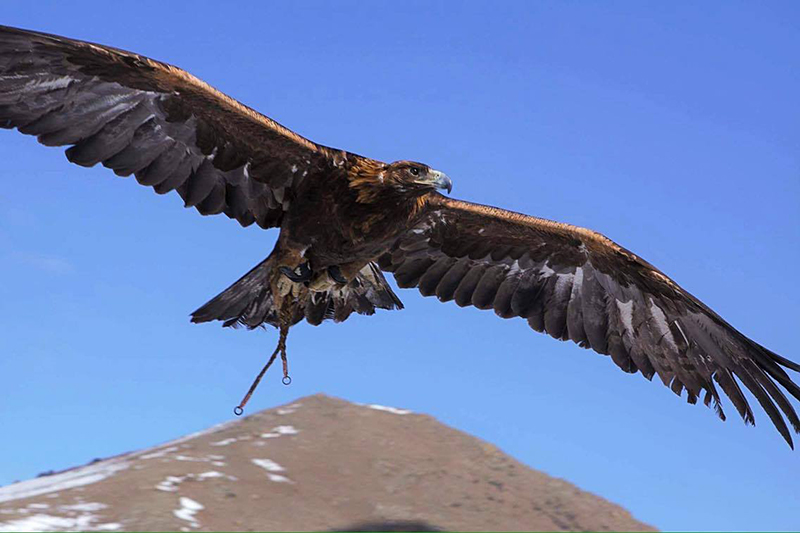
The heart of the festival then centers on simulated hunting trials. The judges observe the relationship between the eagle and its master, the bird’s obedience and responsiveness, as well as the precision and power of its flight. These demonstrations highlight the patience, discipline, and mastery required by this ancient practice.

In the past, some competitions used live animals to test the eagles’ aptitudes. This practice was abandoned to meet visitors’ ethical expectations and to preserve the festival’s responsible image. Today, demonstrations take place in a more respectful setting, while maintaining their intensity and authenticity.


A Comprehensive Cultural Immersion

The Eagle Festival is not limited to competitions. It also offers visitors a glimpse into traditional Kazakh games, notably:

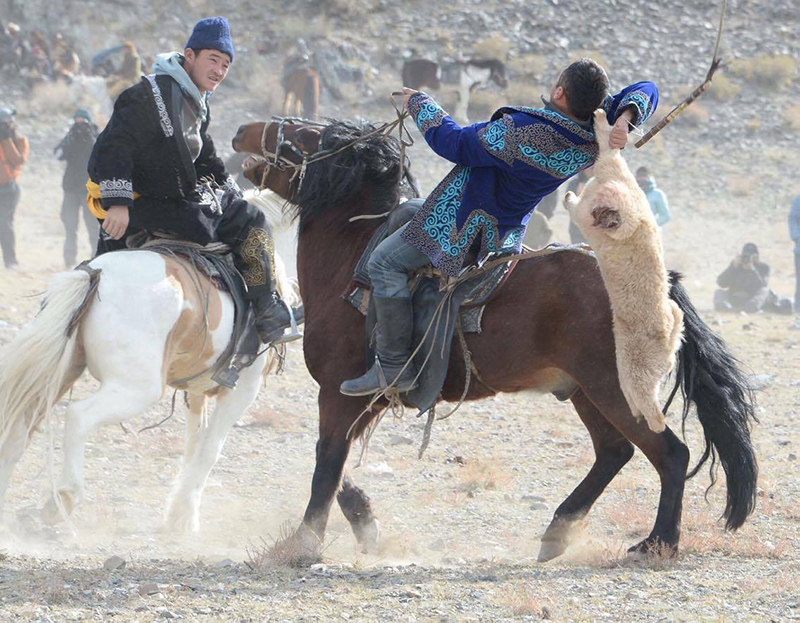
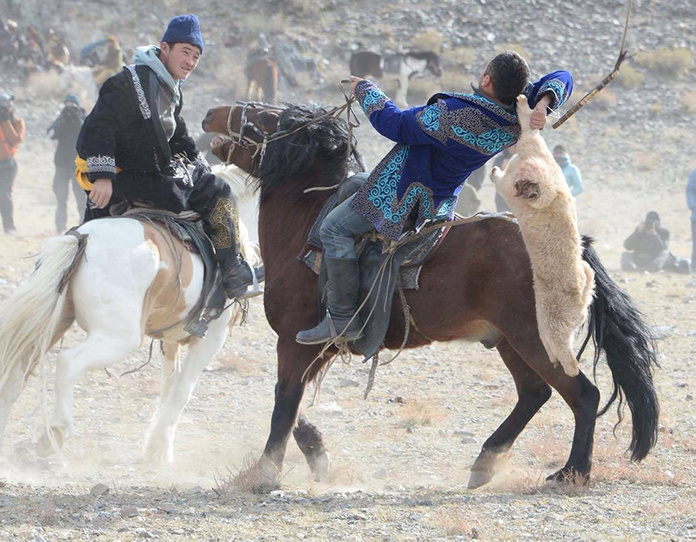
● Kökpar, an impressive equestrian game in which riders contend for a goat carcass

● The horseback collection of pieces from the ground, a spectacular display of dexterity and balance

These moments provide a rare glimpse into the nomadic lifestyle, where riding skill and community cohesion are central.

But beyond the spectacle, it is especially the encounter with the Kazakh people that leaves a lasting impression. Hospitable and proud of their culture, the locals welcome visitors in a warm atmosphere, often around milk tea or a traditional dish shared under the yurt.


© DMD Mongolie


An Event Not to Be Missed

Over the years, the Eagle Festival has established itself as one of the most iconic highlights on Mongolia’s tourist calendar. Photographers, filmmakers, and curious travelers come here to seek powerful images, but also to experience something sincere, far from the usual circuits.

Nevertheless, the festival is not just a show for visitors. For Kazakh families, it represents primarily a means of keeping a practice alive, handed down from generation to generation. Eagle hunting is not a staged performance created for tourism; it is part of the daily life and identity of this community settled in the country’s west.

One hunter also said:

“The eagle is not merely a bird for us. It is part of our family. Through the festival, our children take an interest in this tradition, and we can share it with those who come to discover it.”


© DMD Mongolie


A One-of-a-Kind Experience

Attending the Eagle Festival means taking the time to observe a rare relationship between humans and animals, set in a spectacular natural backdrop. It is also an opportunity to discover a region that remains preserved and to interact with a community proud of its roots.

More than a simple event, the festival often leaves a lasting impression: the sense of having drawn near to a living culture still deeply connected to its environment.


Festival de l’Aigle en Mongolie : immersion au cœur d’une tradition millénaire
Your contact: Unubold NAVCHAA at DMD Mongolia
[email protected]
+976 7011 5534 and -976 8813 5541
www.dmd-mongolie.com
>> DMD Mongolia in the DESTIMAG Directory

facebook instagram


Moana Voyages Tahiti: The Echo of Mana, An Immersion in the Heart of Polynesian Civilization


Heiva i Tahiti © Alikaphoto

CroisiEurope


Across a patchwork of major events, from Tahiti to the Marquesas, the Polynesian people rekindle their spiritual strength: Mana. More than a simple festive calendar, these gatherings are acts of cultural resistance, moments of pure transmission where dance, sport, the sacred, and craftsmanship fuse to affirm a multifaceted identity. It is the time of year when neighborhoods empty out for rehearsals, when families gather around the crafts of weaving, and when the scent of tipanier and the tiare pervades every commune. It is a journey where every gesture, every war cry, and every song becomes a living word addressed to the ancestors. The Ma’ohi heritage is not a relic, it is a breath that never fades.


Heiva i Tahiti: The Fury and the Grace

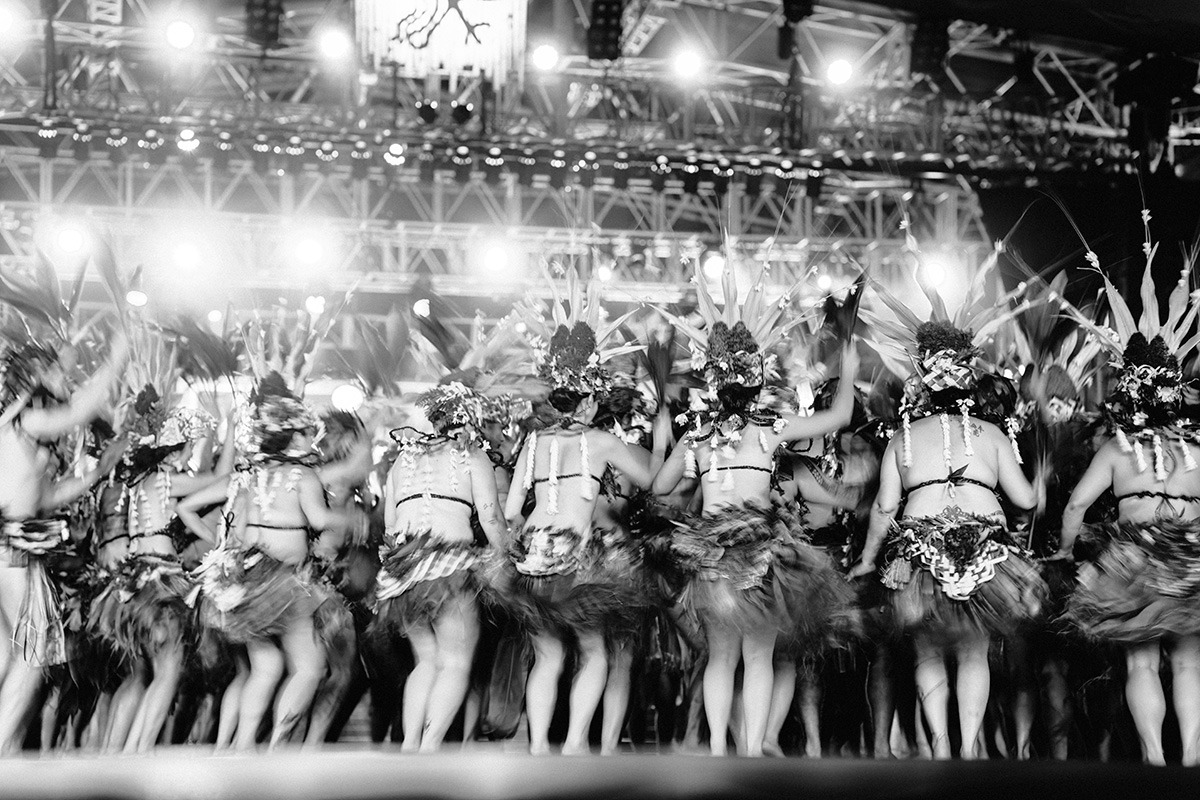
The Heiva doesn’t begin under To’atā’s lights; its roots reach back months earlier, in the shadowed neighborhoods, where bodies wear themselves out during nocturnal rehearsals after long days of work. There, between sips of water and Tahitian jokes, the group becomes a family. There, they prepare the “rebirth”: that of a culture that nearly vanished and now explodes into a discipline that reads like military training.

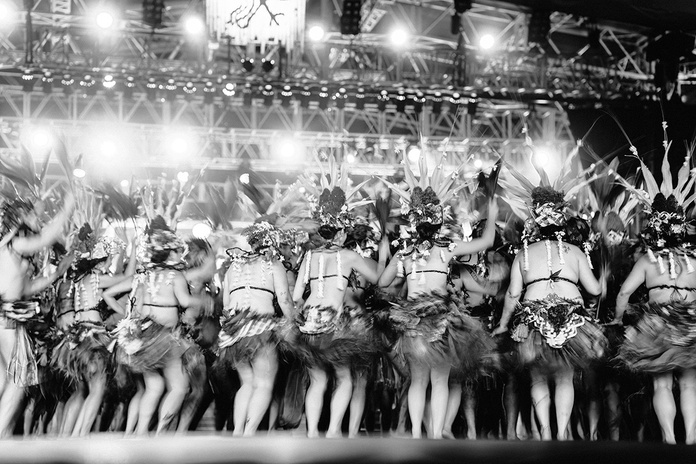
On the night of the competition, backstage is a furnace of green. The monumental headdresses are adjusted, the bark skirts that weigh on the hips are tightened, and the skin is coated with oil to gleam under the lights. Then, silence falls. From the first strike on the to’ere, energy takes on a different nature. It is no longer merely dance; it is a dialogue with the unseen. The percussion erupts, the hymene voices rise in powerful surges that send shivers down your spine, and suddenly one understands that every hip swirl and every foot stomp is a signature: “We are here, we stand, and our land is alive.” It is this pure thrill, this identity that cannot be explained yet is felt in the heart, that one experiences at the Heiva.


The Heiva’s Satellite Events

The Umu Ti, the pact with fire

For those seeking contact with the unseen, walking on fire unsettles certainties. It isn’t a show; it’s a communion. Over forty-eight hours, a vast blaze consumes the air. Basalt stones store heat that can reach 600°C. Under the guidance of the Tahua (priest), armed with protective Auti leaves, participants cross the flames barefoot. It is raw proof that Mana, invoked with humility, can transcend the laws of matter.

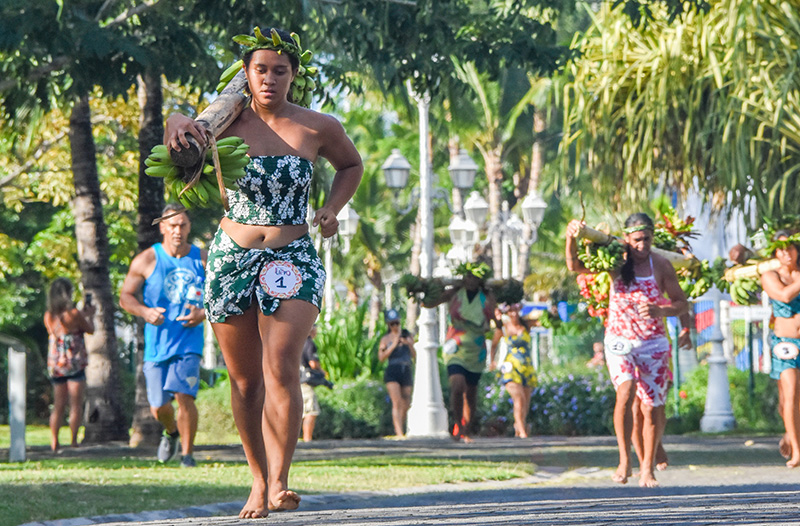
The Tu’aro Ma’ohi :

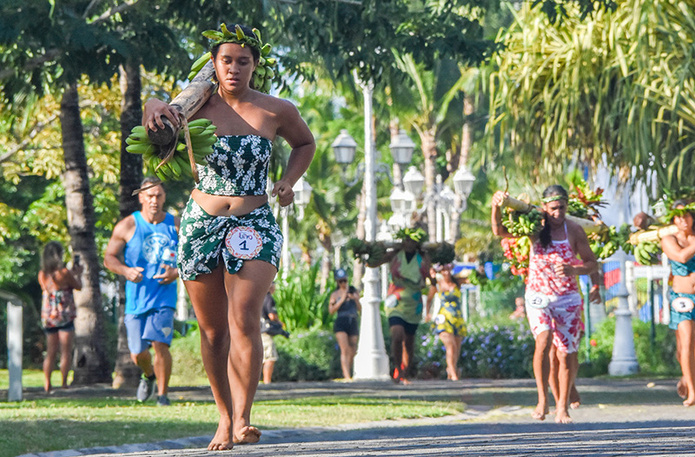
The ancient Polynesian athleticism has its own Olympic Games. Here, the vital gestures of old become athletic feats: climbing a coconut tree at staggering speed, hurling a javelin (Patia Fa) at a coconut perched nine meters high, or even shelling coconuts. The most spectacular remains the fruit-bearer race, where athletes sprint with 30 to 50 kg on their shoulders. This elevated physical vigor is elevated to the rank of national art.

The Heiva Va’a Matai’eina’a :

The ballet of the Va’a canoes is the umbilical cord that ties the Polynesians to their ancestral navigators. Far from modern technology, this Heiva esteems pure gesture. The rowers, in pareo and plant-based adornments, turn the lagoon into a living tableau. Whether racing in single-outrigger or crews of sixteen, every paddle stroke honors the cohesion of a water-loving people.

The Heiva Rima’i: When matter comes to life

One cannot truly understand the Heiva costumes without witnessing the titan’s craft behind them. At the Heiva Rima’i pavilion, craft is not a tourist souvenir; it is the realm of the “golden hands.” It is here that the richness of each archipelago is grasped: the astonishing weave of Rurutu, the strength of rosewood carved in the Marquesas, or the glow of the Tuamotu’s mother-of-pearl. To see these creators turn a simple plant fiber into a royal adornment is to understand that every object is a piece of history held in the hands.

The Tuifara at the Marae Arahurahu: The awakening of the sacred

If To’atā is the temple of spectacle, Paea’s Marae Arahurahu is the temple of the soul. Here, with the Tuifara festival, the glare of spotlights gives way to pure spirituality. Imagine the voices of pupu hīmene resounding against the high basalt walls… the acoustics are natural, almost mystical. On this sacred site, dancers aren’t on a wooden stage; they make the very earth tremble with the power of their ancestors. It is a moment outside time, a meeting between past and present in a theatre of greenery.


Tuaro © Teriitua Maoni


Matavaa o te Fenua Enata: The Awakening of the Land of Men

Born out of a vital urgency, Matavaa did not arise from a simple desire to entertain, but from a need to survive. In the 1970s, the Marquesas archipelago faced a frightening cultural decline. It was under the impulse of the Motu Haka association, in 1986 at Ua Pou, that this rallying cry rang out. Today, the festival marks 40 years of identity reconquest. Its strength lies in its itinerant nature: every two years, it travels between Nuku Hiva, Hiva Oa, and Ua Pou, while mini-festivals keep the flame alive on the more isolated islands like Fatu Hiva or Ua Huka.

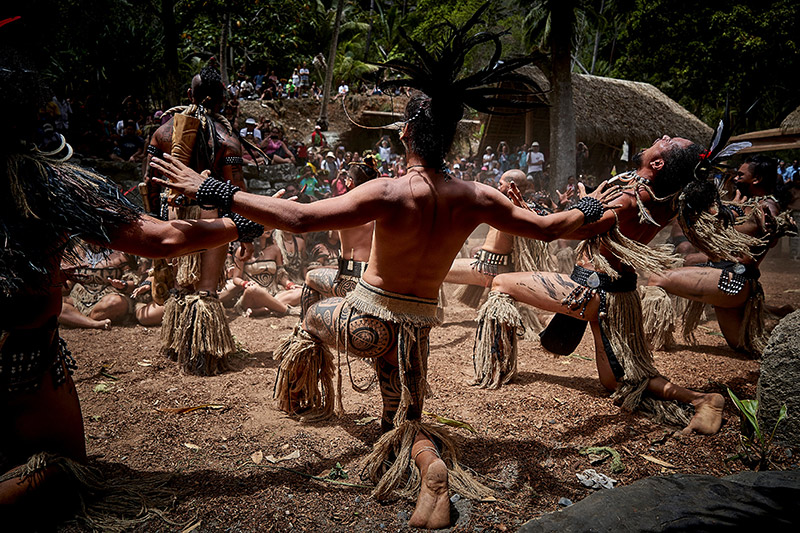
The raw basalt energy, whose aesthetics sharply break from Tahitian gentleness. The setting is that of stone cathedrals and deep valleys. The performances unfold on the Tohu’a, these vast stone plazas. Under the muffled beat of the Pahu Nui, the ground seems to tremble. The festival deploys warrior dances of unprecedented intensity, such as Maha’u (the pig dance) with its powerful breaths, or the Haka where the fixed gaze asserts the clan’s vigor.

Tattooing, or Patutiki, is central there. It is not ornament, but a writing on the skin telling a genealogy. The carved-wood decorations and rooster-feather adornments complete this look of elegant yet solemn “savagery.”

A collective victory with no single winner: the Matavaa’s hallmark is the complete absence of competition. People come for the Me’ae, for sharing. For several days, modern life stops: Ka’aku is prepared and foods are cooked in enormous Umu (underground ovens). It is the triumph of unity across a proud archipelago, proving that the Mana of the Land of Men is among the Pacific’s most indomitable.

Source: Destination Marquises


UA POU_Festival Marquises © Bertrand Duquenne


Travel with Moana Voyages: Your Gateway to Authenticity

Experiencing the Heiva or the Matavaa is not merely ticking a box on a vacation itinerary; it means letting yourself be transformed by the Fenua’s energy. These moments of grace, when time stands still to make way for the sacred, require a travel approach that is respectful and profound.

At Moana Voyages, our mission is to open the doors to this vibrant Polynesia for you. As experts based in the heart of these archipelagos, we do not simply organize getaways: we weave connections between you, this land, and its people. Whether you wish to move to the beat of To’atā drums or tread the mystical basalt of the Marquesas, we will accompany you so that your immersion is total, fair, and unforgettable.