
After Montenegro, Banyan Tree Announces Its European Ambitions


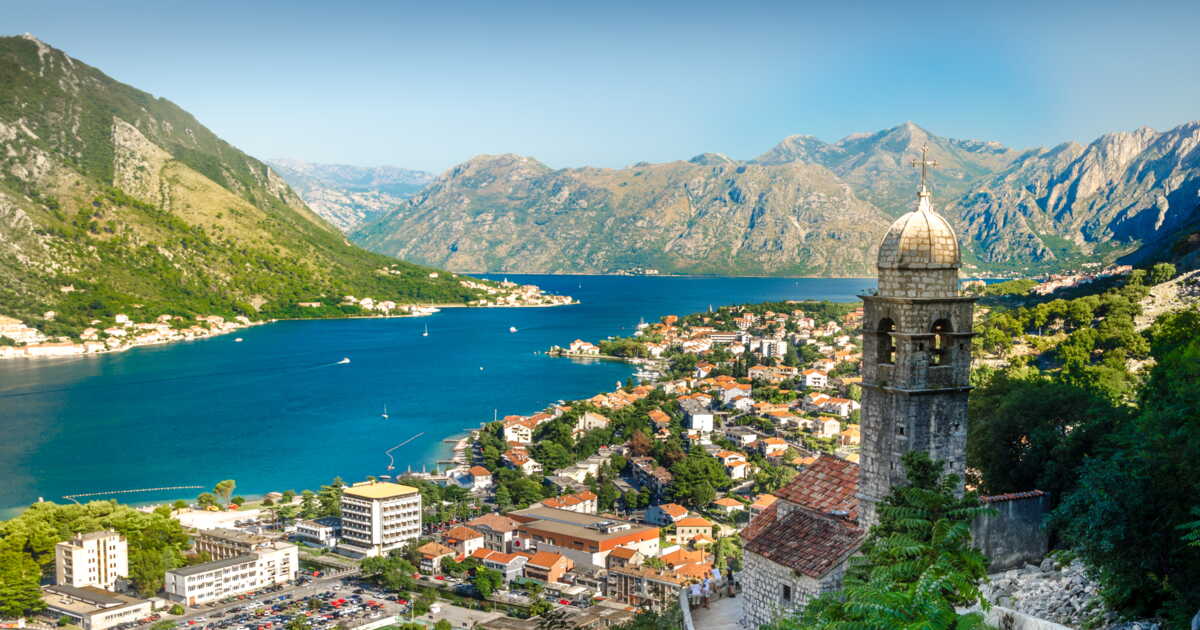
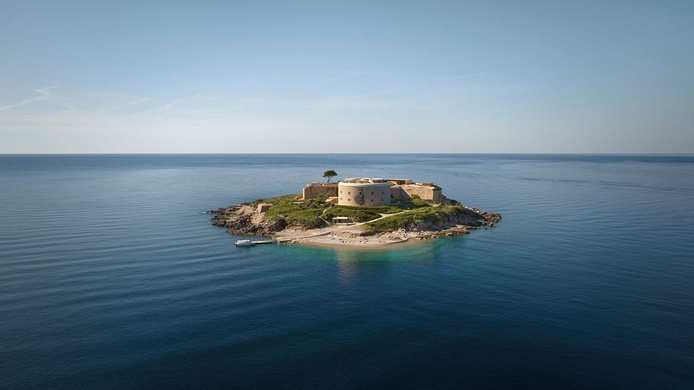
Mamula Island by Banyan Tree est juché sur un ilot isolé dans la baie de Kotor, au Monténégro. © Banyan Tree

Costa Rica


Since 2025, Banyan Tree, the flagship brand of the Singaporean-origin hotel group Banyan, has established its first address in Europe, specifically in Montenegro: “perched on an isolated islet, Mamula Island by Banyan Tree is installed in one of the three forts built in the mid-19th century to protect the Bay of Kotor”, details Kishan Chandnani, the new Global Head of Brand Marketing and Management.

The Bay of Kotor is part of the UNESCO World Heritage list. The fortress sits between sea and sky, on Mamula Island, dating from the period when Montenegro was under Austro-Hungarian rule.

It had been abandoned for quite some time. Before it could become an elegant five-star property, seven years of restoration work were required under the impulse of Samih Sawiris, a billionaire Egyptian businessman, who has been the majority shareholder of FTI Group since the Covid crisis and is already known for his tourism investments, notably in Montenegro, Egypt and Morocco.


Regenerative travel
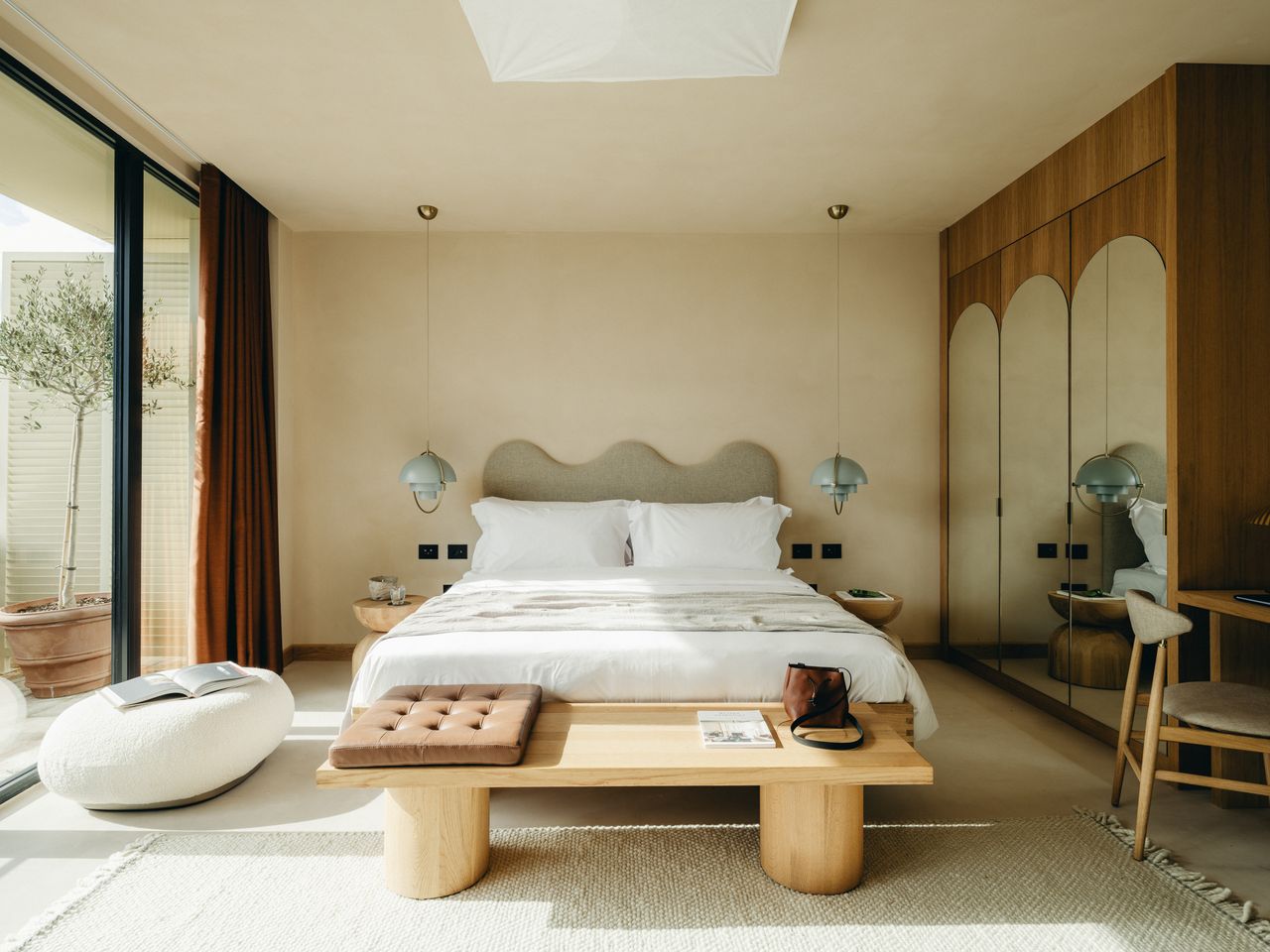

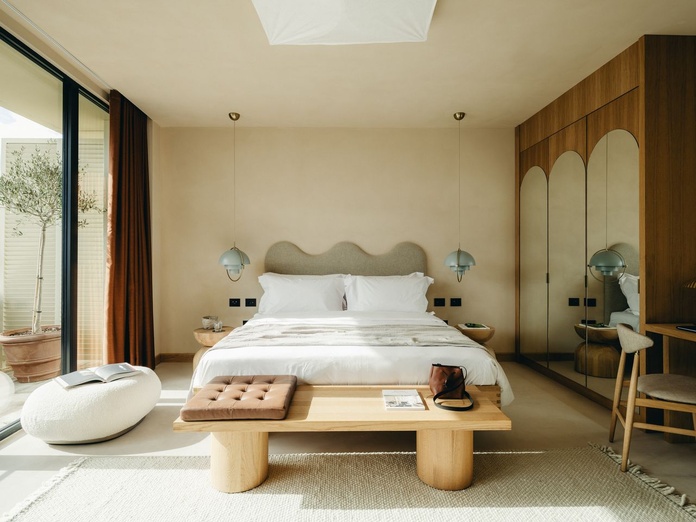
Une chambre du Mamula Island By Banyan Tree © Banyan Tree

Open from April to October and accessible only by private boat or helicopter, Mamula Island by Banyan Tree promises ultra-luxury experiences and can, upon request, be fully privatized for weddings or private events.

This private retreat of 32 rooms and suites (from €700 per night in the shoulder season and €1,471 in high season) with views over the Adriatic Sea features a beach, a Spa installed in the fortress’s central tower, three pools, three restaurants, and a bar. Resident artists are invited, and opera nights are held there.

Mamula Island by Banyan Tree targets a very high-end clientele seeking an authenticity that “luxury hotels don’t always offer”.

Banyan Group has no intention of stopping there. The brand now carries ambitious plans for Europe, both in Western and Eastern Europe. « We are on the lookout for new opportunities, provided they align with our philosophy », insists Kishan Chandnani.


A singular venture that began in Thailand
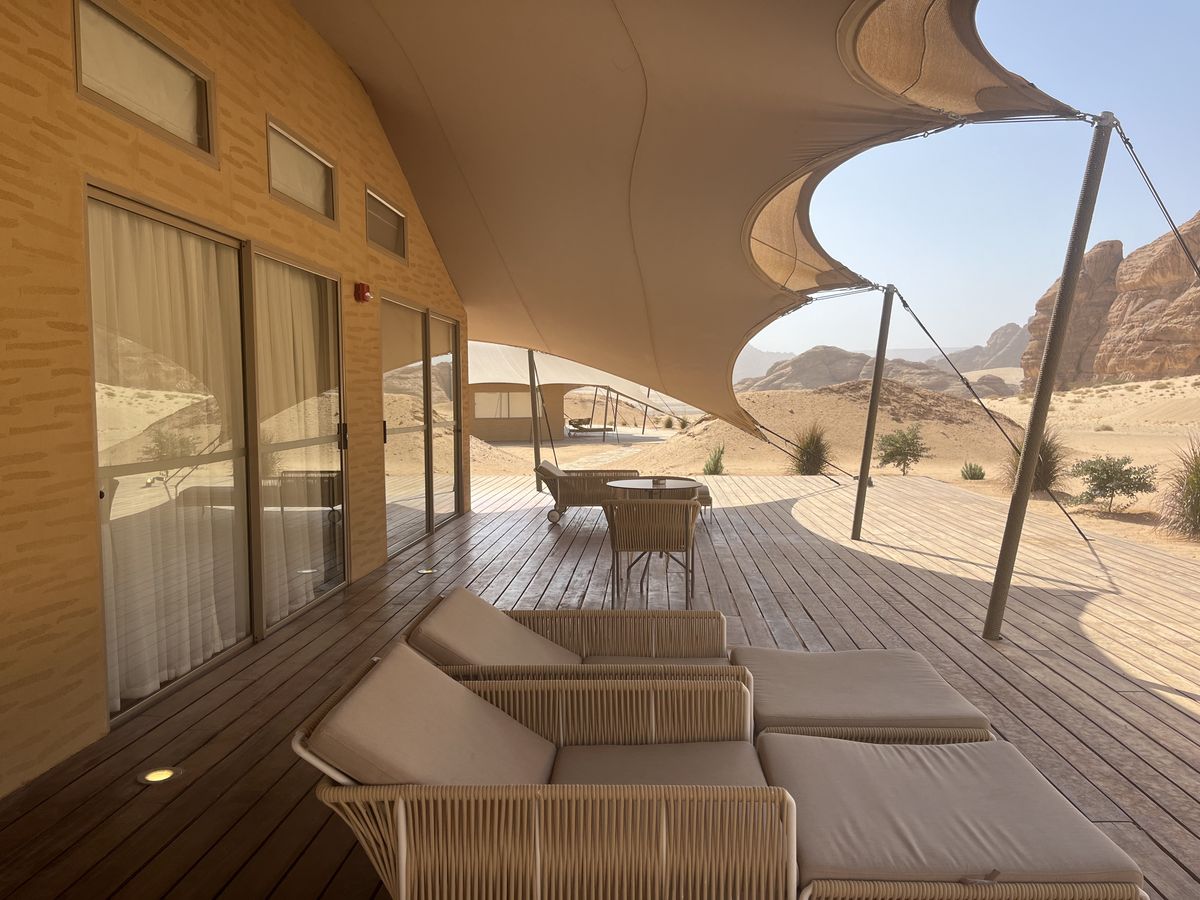

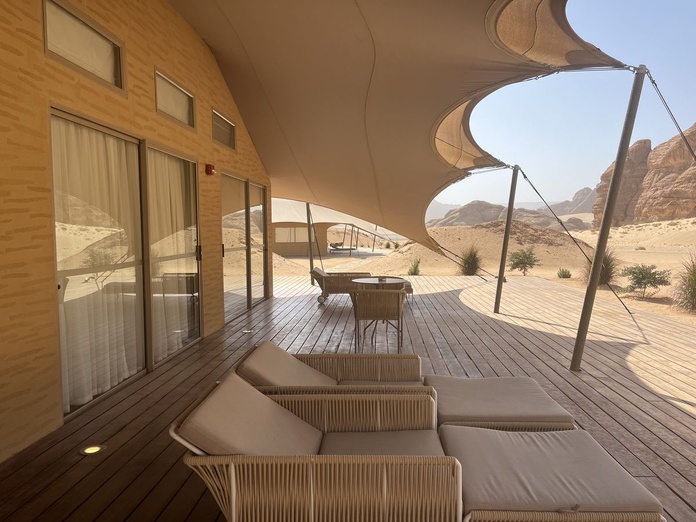
Banyan Tree AlUla s'intègre merveilleusement dans l'environnement désertique de la vallée d'Ashar © PB

In a world that is increasingly fast-paced, Banyan Tree seeks to give its guests time to slow down and reconnect with what they love. Kishan Chandnani speaks of “regenerative travel.”

< b> The brand has stayed true to this approach since its beginnings. Banyan Tree is, in fact, a unique adventure born in 1994 at the initiative of two Singaporeans, Ho Kwon Ping and his wife Claire Chiang.

< b> This adventure first rooted in Thailand. In 1984, during a holiday at Bang Tao Bay on Phuket’s west coast, in the Andaman Sea, the couple discovered a vast tract of land nestled in a secluded lagoon. Enchanted by the beauty of the site, they bought it, believing it to be the perfect place to build a nature hotel.

Unfortunately, Ho Kwon Ping and his wife were disappointed: the land had been polluted by the discharge from a tin mine. They had to implement an environmental regeneration program by introducing native plants and planting nearly 7,000 trees.

It was only ten years later that they were able to construct their very first five-star complex, the Banyan Tree Phuket: 173 luxurious private villas, nestled in lush greenery.


Banyan Tree: luxury in nature
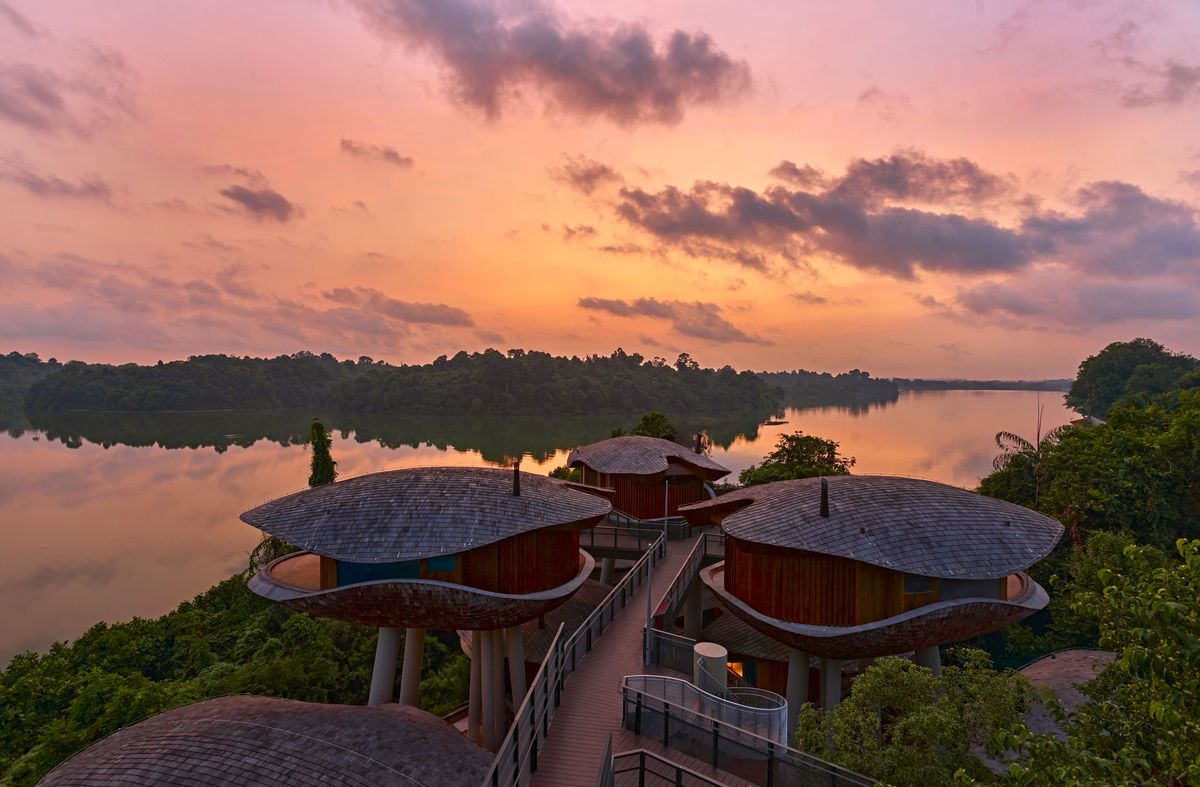

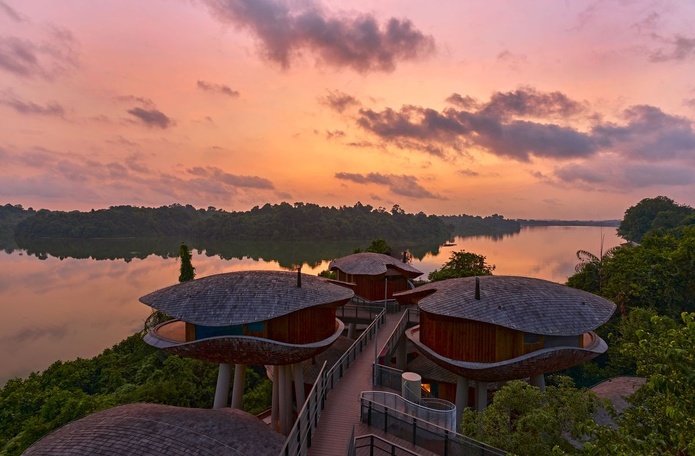
Avec Mandai Rainforest Resort by Banyan Tree, la marque a enfin pris pied à Singapour. © Banyan Tree

By betting on authentic and eco-friendly luxury on an island — Phuket — known for mass tourism excesses, Ho Kwon Ping and his wife established themselves as pioneers.

Even though, today, the Banyan Tree brand also develops urban hotels in key markets like Bangkok, Dubai, Doha, the aim of harmonizing with the environment continues to guide the design of its hotel complexes, not unlike Six Senses (IHG).

Wherever they are, Banyan Tree properties are anchored in the spirit of the place.

This is the case with Banyan Tree AlUla, in Saudi Arabia. Wrapped in the silence of the Ashar desert valley, its 72 standalone villas, cloaked in canvas, display the sandy hues of the surrounding dunes and neighboring sandstone towers.

They confirm Banyan Tree’s intention to immerse itself in local history — here, the Nabataean civilization — combining service excellence with environmental respect to offer unique experiences to travel connoisseurs.

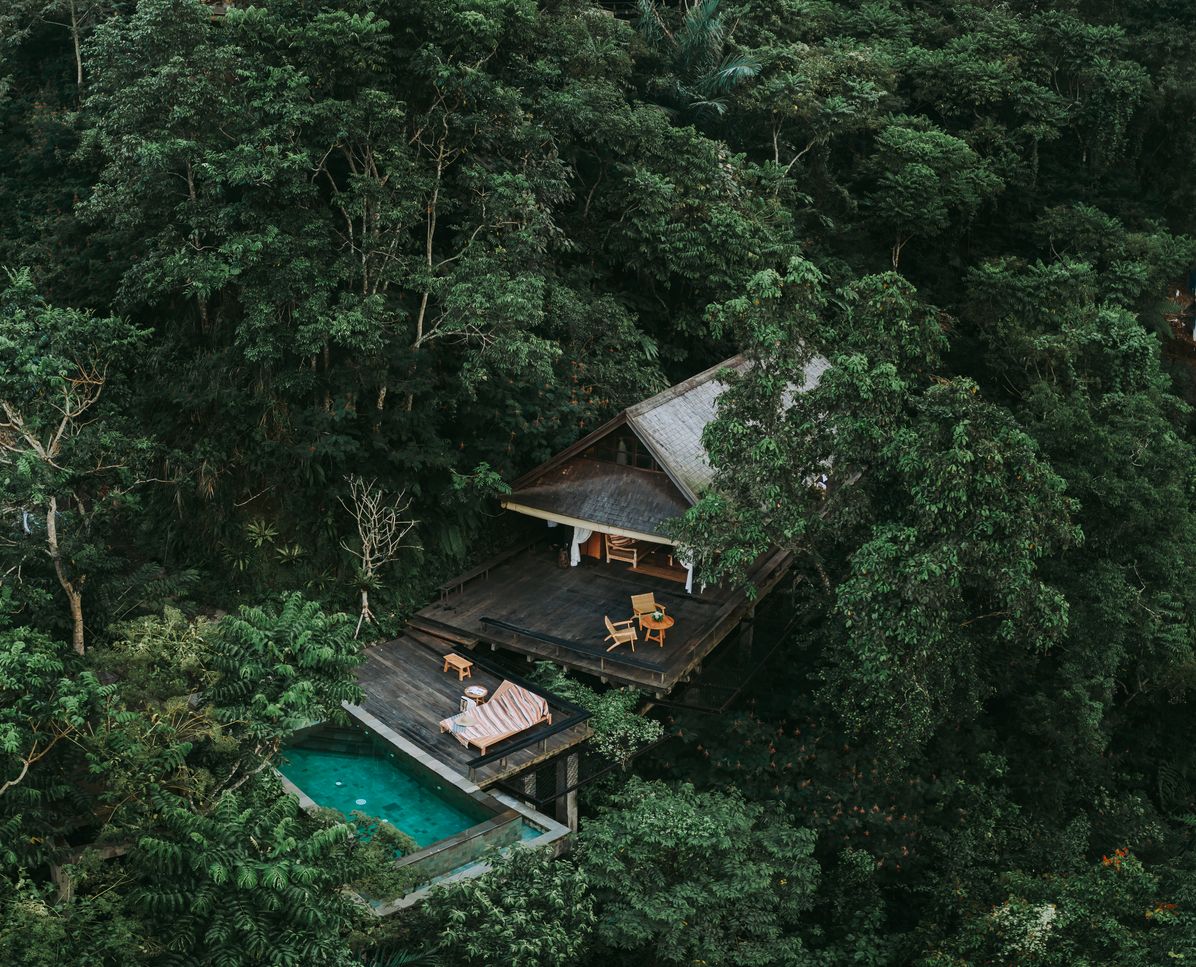
This is also true of the Mandai Rainforest Resort by Banyan Tree, which marked in November 2025 the brand’s debut in Singapore, in the heart of a nature reserve. Its 338 rooms and 24 Tree Houses shaped like seeds perched in trees were designed in harmony with nature, as were the wellness offerings, retreats, and guided walks.

This Resort has also earned the BCA Green Mark Platinum certification for its low environmental impact.


Reconnect one’s soul to wildlife
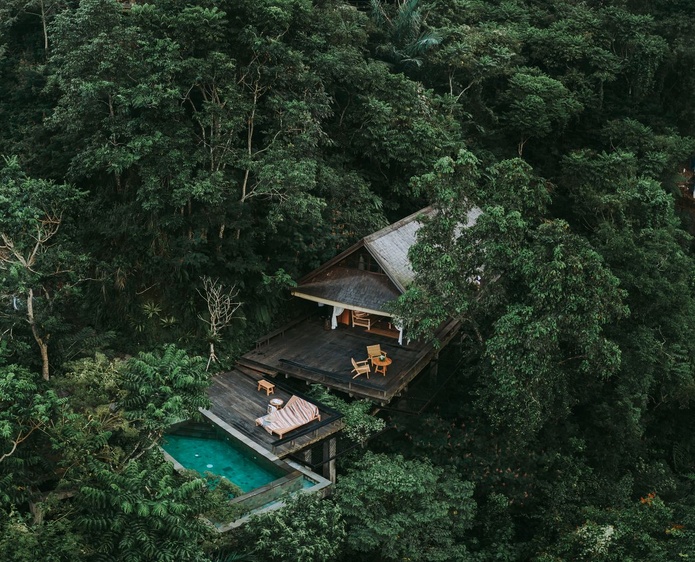

Les villas de Buahan, A Banyan Tree Escape sont guidées par la philsophie "ni murs, ni portes". © Banyan Tree

Similar concerns have shaped Ubuyu, A Banyan Tree Escape, which will, next August, become the brand’s very first safari retreat.

Located in Tanzania, this intimate eco-luxury refuge inviting “to reconnect one’s soul with the wild” comprises only six villas. Built by artisans and inspired by Maasai architecture, they blend into the surrounding savanna where wildlife roams freely.

However, the most accomplished expression of Banyan Tree’s nature-led luxury surely lies, since June 2022, in Bali, Indonesia.

Guided by the philosophy “no walls, no doors”, the 16 wooden private villas, decorated with handcrafted items from Buahan, A Banyan Tree Escape, invite a deep communion with the rice paddies, the tropical forest, and the Ayung River that surrounds them.


In partnership with AccorHotels


PAULA BOYER Published by Paula Boyer Head of LuxuryTravelMaG – TourMaG.com
See all articles by Paula Boyer

  • picto Twitter
  • picto Linkedin
  • picto email
Add TourMaG to your Google News feed Google Actualités icône

What to Do in Montenegro: 10 Top Activities and Outings

Summary


  • 1. Explore the old town of Kotor


  • 2. Rafting in the Tara Canyon


  • 3. Discover Durmitor National Park


  • 4. Relax on the Budva Riviera


  • 5. Go hiking in Lovćen National Park


  • 6. Discover Ostrog Monastery


  • 7. Birdwatch at Skadar Lake


  • 8. Stroll through the capital Podgorica


  • 9. Discover Perast and nearby islets


  • 10. Enjoy beaches and nightlife in Budva


  • What to do in Montenegro with family? Activities and tips for a trip suitable for all ages


  • What to do in Montenegro when it rains? Exploring cultural riches sheltered from the weather


  • Which towns to visit in Montenegro? Between lively coasts, wild mountains and preserved heritage


  • Is Montenegro part of Europe? A European destination at the doorstep of the Balkans

Montenegro is a small Balkan country that has been growing in popularity in recent years. Between mountains and the sea, it is indeed full of beautiful landscapes to admire and spots to visit that offer a glimpse of its history and culture. Here’s a spotlight on the most beautiful places in Montenegro not to miss during a trip.

1. Explore the old town of Kotor

The town of Kotor, a UNESCO World Heritage Site, is a must-see. Wander through its medieval lanes and admire Venetian-era architecture. For a panoramic view of the bay, climb the steps that lead to St. John’s Fort. In the morning or at sunset, the light is especially beautiful there, creating ideal conditions for photography.

2. Rafting in the Tara Canyon

The Tara Canyon is the deepest in Europe and provides a dramatic setting for rafting. The river’s rapids are accessible for beginners as well as seasoned paddlers. Several local agencies offer full-day trips, often including a lunch break featuring local produce.

3. Discover the Durmitor National Park

Durmitor National Park is a paradise for outdoor enthusiasts. Numerous hiking trails let you explore the local fauna and flora, while the Black Lake is ideal for a peaceful stroll. In winter, the park becomes a ski destination, attracting winter sports lovers.

4. Relax on the Budva Riviera

The Budva Riviera is famed for its beautiful beaches, perfect for swimming and water activities. The old town of Budva, wrapped by its walls, is worth a visit. In the evening, enjoy the lively scene in its bars and restaurants to discover local cuisine.

5. Go hiking in the Lovćen National Park

The Lovćen National Park offers varied landscapes and stunning viewpoints. The Njegoš Mausoleum, perched at the summit of Mount Lovćen, is reachable via a staircase of 461 steps and rewards visitors with an exceptional panoramic view of the region. Remember to bring water and good hiking shoes.

6. Discover the Ostrog Monastery

Clinging to a cliff, the Ostrog Monastery is one of the most visited religious sites in the Balkans. This pilgrimage site impresses with its dramatic setting and unique history. Access is mainly by road, though part of the journey can also be walked for the more adventurous.

7. Birdwatch at the Skadar Lake

The Skadar Lake, straddling Montenegro and Albania, is a perfect stop for bird enthusiasts. The national park surrounding the lake shelters numerous bird species, including pelicans, visible on boat cruises. Nearby villages also offer opportunities to sample wine.

8. Stroll through the capital Podgorica

Often overlooked by travelers, Podgorica offers several worthwhile attractions. Visit the Millennium Bridge, the Cathedral of the Resurrection of Christ, and explore the historic district of Stara Varoš. The city is also a great base for day trips to other sites.

9. Discover Perast and the surrounding islets

Not far from Kotor, the village of Perast stands out with its Baroque architecture and its view of the bay. From the harbor, boats can take you to Our Lady of the Rocks, an artificial islet with a museum, as well as Saint George, which is open for exterior visits.

10. Enjoy the beaches and nightlife in Budva

The Budva coast is dotted with beaches suitable for swimming and water sports. Sveti Stefan is one of the most famous, along with Mogren and Jaz. In the evening, the city comes alive with many bars and clubs, perfect for a lively night out.

In summary, Montenegro captivates with the diversity of its landscapes and the authenticity of its cultural sites. Whether you come for nature, history, or the beach, you will find your happiness in this small country where everything is accessible. Remember to check weather conditions depending on the season to optimize your visit. Make the most of your discovery of Montenegro and don’t hesitate to explore beyond the beaten paths to uncover its hidden treasures.

What to do in Montenegro with family? Activities and tips for a trip suitable for all ages

Along the shores of the Boka Kotorska in Herceg Novi, or farther south at Petrovac on the Budva Riviera, these towns offer safe, easy-to-access swimming breaks in crystal-clear water for children. Visits to old towns like Stari Grad in Kotor or Budva spark curiosity with their narrow alleyways and rich history, while providing a pleasant setting for families.

In northern Montenegro, easy hikes around the Crno Jezero, or Black Lake, in Durmitor National Park, allow for an alpine experience in the Dinaric Alps without technical difficulty.

What to do in Montenegro when it rains? Exploring cultural wealth sheltered from the weather

When the weather turns sour, Montenegro still holds great appeal, notably thanks to its cultural and historical heritage. The old town of Kotor, a UNESCO World Heritage site, is easily explored even in the rain by wandering its sheltered narrow lanes. From Budva to Herceg Novi, museums and galleries deepen the country’s history, while traditional cafés offer an authentic experience sheltered from the showers.

During the coastal drive toward Herceg Novi, the Adriatic highway that hugs the sea provides another perspective of the landscape, even in bad weather. For those arriving via Croatia, renting a car in Croatia allows for a flexible route depending on conditions. Montenegro, at any rate, even in the rain, offers a variety of experiences to value with the right tips shown further along the itinerary.

Which towns to visit in Montenegro? Between lively coasts, wild mountains and preserved heritage

Along the coast, the mouths of Kotor, also known as the Boka Kotorska, shelter fortified towns like Kotor, with its picturesque Stari Grad, or Herceg Novi, a practical entry point when arriving from Dubrovnik Airport. Farther south, Petrovac, a former fishing village, charms with its laid-back atmosphere and proximity to beaches.

Inland, the town of Cetinje reflects the royal history of the country, while Žabljak in the north draws travelers toward the Durmitor park. Each town is a key stop on a road trip across the country, with narrow yet scenic mountain roads, notably the route between Durmitor and the coast, dotted with switchbacks.

Is Montenegro part of Europe? A European destination at the Balkans’ doorstep

Yes, Montenegro is part of Europe in several respects, even though it is not yet a member of the European Union. Located at the heart of the Balkans, it shares borders with Croatia, Bosnia and Herzegovina, Serbia, Kosovo, and Albania. Its geographic placement on the continent makes it an increasingly popular choice for European travelers, aided by competitive flight prices to nearby airports and convenient access from capitals like Paris or Rome.

The price of flights, along with ferry prices from certain Italian cities, makes Montenegro very attractive for short or extended stays. Additionally, the use of the euro as the national currency simplifies exchanges. With practical tips tailored to you, an authentic experience in the Dinaric Alps or along the mouths of Kotor becomes accessible to all travelers, whether seeking a cultural spark or a seaside escape.

This article was written with the help of artificial intelligence, then corrected, expanded, and validated by the newsroom’s journalists.