9. Explore the Bamako camp: a cultural place in nature
10. The 26-Mars Stadium: between sport and popular events
Which neighborhood to stay in Bamako: benchmarks and tips for an optimized stay
Whether you are a resident or a tourist, this Malian city is sure to surprise you with its cultural heritage and recreational activities.
But before any international travel, we remind you it is useful to consult the Traveler’s Advice from the Ministry of Foreign Affairs to understand security and health risks specific to certain areas, and the administrative steps to take before your journey.
1. Visit the National Museum of Mali
The National Museum of Mali is an excellent starting point for anyone who wishes to understand and appreciate Malian history and culture. With exhibits on ethnography, archaeology, and art, the museum offers a detailed perspective on the country’s rich and diverse past. It houses numerous artifacts, textiles, and traditional musical instruments that illustrate Mali’s dynamic cultural life.
2. Explore Bamako’s Grand Market
The Grand Market, also known as the Rose Market, is a vibrant place where sounds, colors, and scents mingle. It is a must-visit to discover Bamako residents’ daily life. The market offers a variety of goods: textiles, spices, jewelry, and local crafts. Visitors can purchase unique souvenirs and immerse themselves in the bustling atmosphere of local trade.
3. Architectural discovery at the Great Mosque
The Great Mosque of Bamako is another major attraction. Its impressive structure and central role in the city’s religious life make it an important point of interest. Visitors can admire its architecture and learn more about Bamako’s religious diversity, reinforced by the presence of the Cathédrale du Sacré-Cœur. These monuments testify to the region’s cultural and spiritual pluralism.
4. Nature hike at Mali National Park
For a nature break, the Mali National Park is a peaceful haven offering trails for hiking, jogging, or simply a quiet stroll. With picnic areas and botanical gardens, it’s the perfect place to recharge in nature while staying close to the city.
5. Admire the view from Koulouba Hill
Koulouba Hill is known for offering an exceptional panoramic view of Bamako. Located near the presidential palace, it is a beloved spot for locals and visitors for its tranquil setting. It’s the perfect opportunity to photograph the city at your feet, especially at sunset when Bamako lights up.
6. Savor the local cuisine
No trip to Bamako would be complete without a dive into its rich and varied cuisine. Many city restaurants serve local dishes such as mafé or the fakoye. For the more adventurous, sampling dishes from street food stalls is also an essential culinary experience. The spices and Malian flavors promise a feast for the palate.
7. Experience craftsmanship at the Artisans Market
The Artisans Market, sometimes called the House of Craftsmanship, is the perfect place to discover and purchase Malian art and crafts. You’ll find wooden carvings, typical jewelry, and handmade textiles like Bogolan. This market not only enables shopping but also offers a glimpse into the traditional know-how of Malian artisans.
8. Excursions around Bamako: Siby Falls
For those looking to explore beyond the city, a trip to the Siby Falls (Djendjeni Falls) in the Mandingue mountains is an opportunity to discover spectacular natural landscapes on Bamako’s outskirts. These falls, very picturesque, make an ideal spot for a calm getaway away from urban bustle. The trails leading to the falls also allow observing local fauna and flora.
9. Explore the Bamako Camp: a cultural place in nature
Situated away from the city’s bustle, the Camp of Bamako offers a tranquil setting to discover Malian traditions in a nature-loving and culture-friendly locale. This site blends lodging, crafts, and traditional performances, providing visitors with an immersive alternative to standard hotels. A few kilometers from the city center, it serves as an excellent base to explore the surroundings while enjoying a safe and authentic space.
10. The 26-Mars Stadium: between sport and popular events
A true landmark in the capital, the 26-Mars Stadium hosts major national sporting events as well as concerts and cultural gatherings. It is easily accessible from the city center and ticket prices vary by event but remain affordable. It also serves as a place to observe Bamako’s social dynamics, drawing diverse audiences in a festive mood.
In conclusion, whether you are drawn to culture, nature, or gastronomy, Bamako offers a multitude of activities to enrich your stay. The city proves to be a crossroads where modernity and tradition meet, making each visit unique. Use these suggestions to explore and appreciate the richness of this Malian capital, while keeping safety and practical considerations in mind for a worry-free trip.
Which neighborhood to stay in Bamako: benchmarks and tips for an optimized stay
For a pleasant and secure stay in Bamako, the River District, the historic city center, or the ACI 2000 business district offer premium and strategic lodging options, while placing visitors close to the main points of interest.
The Radisson Collection Hotel Bamako, for example, is among the most sought-after options for comfort and a strategic location. Staying in these neighborhoods provides easy access to iconic sites such as the Independence Monument, the Great Mosque of Bamako, and the Bamako Cathedral, officially named the Cathédrale du Sacré-Cœur-de-Jésus. Visit prices vary little but remain reasonable, and taxi rides to museums or markets are affordable.
For a cultural immersion, the dry season from November to February is ideal, as it offers travel conditions more comfortable than the rainy season. Airlines regularly serve the capital, making access smooth for an international audience seeking cultural or professional engagements.
This article was drafted with the assistance of artificial intelligence and then edited, expanded, and validated by the newsroom’s journalists.
2. Immersion in Bobo-Dioulasso’s history – Tourism in Burkina Faso
3. Exploring the landscapes around Banfora: the Banfora Falls and the Sindou Peaks
4. Visiting the Loropéni Ruins – Tourism in Burkina Faso
5. Encounters with traditions and festivals: a journey through Burkina Faso
Is Burkina Faso a good place for tourists?
What to do in Burkina Faso when it rains?
What to do in Burkina Faso in the evening?
What to do in Burkina Faso with family?
Embarking on a journey to Burkina Faso requires thorough information, not only about places to visit but also about the current security situation.
Before any international travel, remember it is useful to consult the travel advice from the French Ministry of Europe and Foreign Affairs to understand security and health risks specific to certain areas, and the administrative steps to take before your trip.
1. Discovering Ouagadougou and the tourist sites
Traveling to the heart of Burkina Faso often begins in its capital, Ouagadougou, a nerve center of culture, history, and commerce. On your Burkina Faso trip, you can visit the National Museum to discover artifacts that reveal the diversity of peoples and traditions. You should also stop by the Music Museum, a living reflection of traditional melodies and heritage instruments.
For a harmonious contrast between nature and art, the site of Laongo offers granite sculptures set in a tranquil landscape. In the urban bustle, stroll through the Grand Market and soak in the vibrant atmosphere, with textiles, bronzes, and handicrafts; the chance to observe artisans’ craftsmanship and buy a memento. This blend of heritage, commerce, and urban life makes Ouagadougou a must for cultural tourism.
2. Immersion in Bobo‑Dioulasso’s history – Tourism in Burkina Faso
The city of Bobo‑Dioulasso, the second-largest in the country, offers a tranquil glimpse into the history and traditional architecture of Burkina Faso. Here you will encounter the Grand Mosque, a fine example of Sudano‑Sahelian architecture, as well as heritage monuments like the old Dioulassoba district, the mausoleum of Princess Guimbi Ouattara, and the railway station with Neo‑Mauresque architecture, vestiges of a richly royal past.
The local Grand Market serves as an ideal entry point to observe crafts, fabrics, and everyday objects, often handmade. However, before heading to the city or hopping on a moto-taxi, stay informed about the current security situation in the region: while Bobo‑Dioulasso is generally stable, conditions can evolve. This vigilance is part of a responsible and serene journey through Burkina Faso. Bobo‑Dioulasso stands as a historical and cultural crossroads, providing visitors with a tangible glimpse of the country’s soul.
3. Exploring the landscapes around Banfora: the Banfora Falls and the Sindou Peaks
In the Banfora region, Burkina Faso’s nature unfolds in all its splendor: the Banfora Falls (Karfiguéla) invite relaxation and contemplation, between rivers, rocks and greenery. Nearby, the Sindou Peaks rise in rock formations carved by erosion—a striking geological spectacle, ideal for hikers and panorama enthusiasts. Further afield, Lake Tengréla allows, aboard a traditional dugout, close observation of the hippopotamuses that inhabit the site.
If you plan another southern route toward Pô, the Nazinga ranch offers a wonderful immersion to observe African elephants. Note that, because of the security situation in the north, trips to the Sahelian zone (notably Gorom-Gorom) are strictly discouraged. Focus your stay on the centered and southwestern zones: Centre and Sud-Ouest.
4. Visiting the Loropéni Ruins – Tourism in Burkina Faso
The Loropéni Ruins constitute a major archaeological treasure of Burkina Faso, UNESCO-listed heritage illustrating the ancient regional trade routes. Located in the southwest of the country, these stone walls testify to a past tied to gold and commerce, offering a window into precolonial West Africa.
When planning this visit, it is advisable to do so as part of a guided excursion, to take into account security and local conditions. It is also wise to consider the rainy season before going there, as some paths and access can become difficult. This step fits perfectly into a balanced itinerary mixing nature, heritage and culture, an essential aspect of sustainable and thoughtful tourism in Burkina Faso.
5. Encounters with traditions and festivals: a journey through Burkina Faso
Burkina Faso is a country animated by its living traditions and cultural events. For cinema enthusiasts, the iconic FESPACO festival in Ouagadougou offers a showcase of African cinema, while the SIAO crafts fair allows discovery of ancestral know-how (textiles, bronzes, jewelry) from across West Africa. These events are an opportunity to reconnect with the country’s artistic, musical and craft roots.
To fully enjoy these moments, it is recommended to stay informed about security conditions, especially in crowded situations. Such events embody Burkina Faso’s spirit of sharing and diversity and represent a key axis for a cultural and engaged trip to Burkina Faso.
In conclusion, Burkina Faso is a destination of choice for those who wish to hear the authentic whisper of West Africa. Its cultural, natural, and historical riches offer a wide range of activities, appealing to the seasoned traveler ready to embark on the adventure with caution. Before departing, learning about the security of the areas you plan to visit remains essential to ensure a positive and safe experience.
Is Burkina Faso a good place for tourists?
Burkina Faso is often seen as a discreet, off-the-beaten-path destination. Yet, for travelers seeking authenticity, cultural encounters, and unique landscapes, this West African country offers surprising riches. From the vibrancy of local markets to the warm welcome of residents, tourism in Burkina Faso charms with its human dimension and simplicity.
The country relies on responsible and community-based tourism, especially in villages around Banfora or Tiébélé. Nevertheless, the security situation remains a variable to consider; check the current situation for your trip.
What to do in Burkina Faso when it rains?
The rainy season, typically extending from May to October, turns the Burkina Faso landscape into a lush, fertile tapestry. During this period, certain outdoor activities may be limited, but other options await visitors. Museums of history and art in Ouagadougou or Bobo-Dioulasso allow immersion in the country’s cultural wealth.
It is also possible to attend workshops with local artisans or enjoy Burkinabè cuisine in covered maquis. The humid climate does not hinder cultural dynamism; in fact, it is a season when nature and traditions reveal themselves in different ways.
What to do in Burkina Faso in the evening?
Evenings in Burkina Faso have a distinctive charm, blending local traditions with a relaxed atmosphere. In Ouagadougou or Bobo-Dioulasso, the nightlife comes alive with concerts, outdoor film screenings, and performances of dance or theater. Maquis, those typical, often lively restaurants, are convivial spaces where people share dishes and conversations. Some cultural centers also host nighttime events, revealing Burkina Faso’s artistic vitality. For those seeking calm, watching the starry sky from rural areas or lodges near the Sindou Peaks remains an unforgettable experience.
What to do in Burkina Faso with family?
Burkina Faso is well suited for family trips, with educational, cultural, and natural activities tailored for children. A visit to the cathedral of Ouagadougou offers an entry into the country’s religious and architectural history. Wildlife parks such as Ziniaré (to be confirmed depending on the current situation) provide a playful approach to local fauna. Walks through markets, meetings with artisans, or discovering traditional housing are enriching moments for both young and old.
This article was written with the help of artificial intelligence, then corrected, expanded, and validated by the journalists of the editorial team.
Yellowstone National Park, the world’s first national park, is a vast expanse of preserved nature spanning the states of Wyoming, Montana, and Idaho. Renowned for its natural beauty that blends geothermal landscapes, canyons, rivers, and diverse wildlife, Yellowstone is a popular destination for lovers of wide-open spaces.
1. Explore Geothermal Sites
Old Faithful
Old Faithful, located in the Upper Geyser Basin, is one of North America’s most iconic geothermal phenomena. This famous geyser offers a chance to observe eruptions at regular intervals, roughly every 100 minutes. The erupted water reaches temperatures near 100°C, expelled up to 56 meters high. Around the site, groomed boardwalks enable safe observation while respecting the distance from wildlife in the area.
In winter, Yellowstone offers a unique spectacle with snow creating a striking contrast around Old Faithful. The geyser is easily accessible from the south entrance or the road from Canyon Village, and visitor centers provide practical, step-by-step guidance to plan the visit. The America the Beautiful Pass is recommended for unrestricted access to the site.
Grand Prismatic Spring
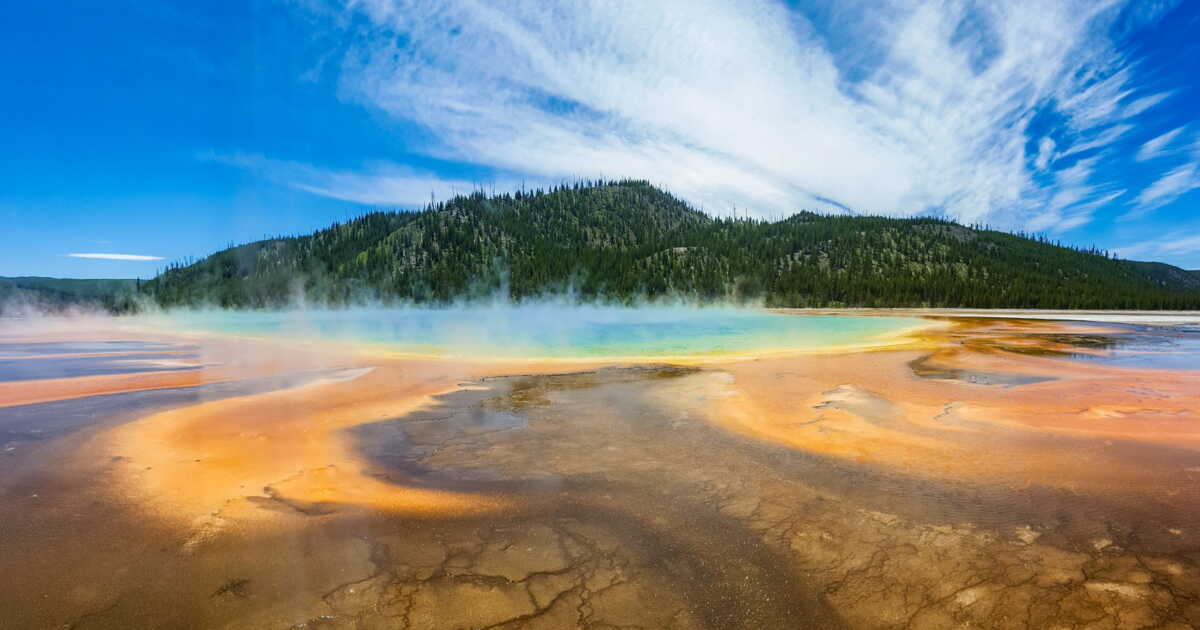
The Grand Prismatic Spring, in the western part of Yellowstone, is a spectacular example of an active geothermal spring, with waters around 70°C and vibrant hues created by thermophilic bacteria. This hot spring, several meters in diameter, features zones of blue, orange, and yellow that vary with the temperature of the sources, forming an almost surreal landscape. The site is accessible on foot via secure boardwalks, and an elevated trail provides a magnificent view of the basin.
By respecting distances from wildlife, visitors can discover a sensitive and active ecosystem. Trail-use guidelines are available at the visitor centers, especially to plan a high-season excursion or a Yellowstone winter visit, when color contrasts with the snow are heightened. A rare chance to observe a unique natural phenomenon located in Midway Geyser Basin.
Mammoth Hot Springs
The Mammoth Hot Springs, accessible from the north side of Yellowstone each year, offer a series of calcium carbonate terraces formed by high-temperature waters, slowly but steadily reshaping the ground. These sections with fragile soils display colors ranging from pure white to reddish-orange, creating a striking visual composition. The Mammoth visitor centers provide guidance on navigating the boardwalks and avoiding sensitive thermal areas.
Buffalo can be seen around Yellowstone, and the presence of elk within the heart of the area highlights the importance of maintaining distance from these animals. Mammoth is also a key stop to discover local wildlife in winter, particularly during a Yellowstone stay, where sighting chances increase in a snowy backdrop. The opening dates for the roads leading there vary by season, except for the route toward Cooke City.
2. Discover the Grand Canyon of Yellowstone
Lower and Upper Falls
The Lower and Upper Falls of the Grand Canyon of Yellowstone illustrate the park’s geological power, with spectacular waterfalls plunging into a canyon about 20 miles long, whose walls are colored by mineral deposits. From developed viewpoints like Artist Point, the stunning view of the cascades reveals the scale of the landscape, situated several hundred meters above the Yellowstone River.
Trails allow access to both falls following practical step-by-step guidance, depending on the level of difficulty and weather conditions. In winter, the site remains accessible only to authorized snow-transport vehicles, via certain roads from Canyon Village or through guided excursions.
The area is conducive to observing local wildlife, including bison in the valley or elk in the park, which should be approached with caution while respecting distance from wildlife. Access to the canyon is recommended via the America the Beautiful Pass, with stops at visitor centers to plan itineraries according to peak season or cold conditions.
3. Observe Wildlife in the Valleys
Lamar Valley and Hayden Valley
The valleys of Lamar Valley and Hayden Valley represent two major areas for observing local wildlife in the park, particularly the Yellowstone bison, elk in the heart, and sometimes wolves. These vast open plains, bathed in the low morning or evening light, offer the best chances to observe wildlife in their natural habitat. By following rangers’ guidance, you can settle along the roadside at strategic spots to maximize your chances while respecting distances to wildlife.
In winter, snow increases the visibility of species and makes them more active at certain times. Access to these valleys can be via Cooke City or from the south entrance, with regular stops for fuel on long distances. The presence of bison in the valley underscores the need for respectful behavior toward iconic local wildlife, while enjoying nearby geothermal phenomena such as the Mud Volcano or the Sulphur Caldron.
4. Emprunter des sentiers de randonnée
Trails and Difficulty Levels
The trails of Yellowstone National Park offer a variety of itineraries suitable for all levels of practice, from easy strolls to the most demanding hikes. Routes such as the one to Mystic Falls or the ascent of Mount Washburn enable exploration of the vast plains, beautiful waterfalls, hot springs, and Yellowstone’s landscapes. The temperatures of these sources can be very high, so precautions should be taken around geothermal phenomena, especially in sections with unstable soils.
In cold periods, snow transforms the trails and can limit access to certain areas. It is recommended to consult the visitor centers for practical step-by-step guidance, check opening dates, and learn about local wildlife, especially the distance to keep from the bisons, elk, or bald eagles. In the Yellowstone center area, around Yellowstone Lake or Canyon Village, each hike can offer a chance to observe nature safely, provided you follow park guidelines.
5. Join Guided Activities
Ranger Programs and Visitor Centers
Ranger programs and the visitor centers of Yellowstone play a key role in scientific and environmental outreach to visitors. Available year-round, including winter, these activities allow exploring the specifics of the local ecosystem, understanding the dynamics of geothermal phenomena, such as at Old Faithful, and obtaining guidance on best visiting practices.
Yellowstone’s visitor centers provide information on the temperature of these plumes, thermophilic bacteria, calcium carbonate deposits, and waters often exceeding 90 °C. They also raise awareness about maintaining distance from wildlife, particularly bison and elk, as well as other iconic American West species. Participating in these guided programs, often recommended by friends, offers a huge opportunity to better understand the environment while benefiting from the best chances of observing wildlife in a safe and informed setting.
Visiting Yellowstone is an immersive experience given the diversity of its landscapes and wildlife. By exploring geothermal sites, canyons, valleys, and hiking trails, you discover a nature full of surprises. Careful planning of your itinerary will help you make the most of your stay, taking into account attractions and activities that match your interests. In addition to park exploration, consider discovering the many natural beauties located nearby to extend your adventure in this fascinating region.
How many days does one need to visit Yellowstone National Park?
It is recommended to dedicate at least three to four days to fully explore Yellowstone, as the park spans thousands of square miles and hosts as many geothermal attractions as wild areas. With this timeframe, you’ll have the opportunity to visit major sites such as Old Faithful, the Grand Prismatic Spring, bison-filled plains, and more remote regions where wildlife viewing chances are higher.
A shorter visit can suffice for an overview, but you may spend most of your time traveling between the vast distances to cover (after all, the roads encircle the park in an eight shape) and the most frequented zones. By planning your itinerary carefully, for example by dividing your lodging between two sectors of the park, you can optimize your days and maximize your chances of wildlife viewing.
Is Yellowstone Worth It?
Yes, visiting Yellowstone offers a tremendous opportunity to discover one of the most spectacular natural landscapes in North America: from hot springs to vast plains populated by bison, to geothermal phenomena such as geysers and multicolored basins, you are at the heart of a unique environment. The fact that Yellowstone attracts millions of visitors each year testifies to its appeal.
Even in winter, when snow blankets the expanses and semi-enclosed areas offer a different ambiance, the experience remains highly valuable. Visitor centers provide usage tips to navigate this vast park, respect the local wildlife, and observe safely, especially bison in the valleys or elk. Provided you carefully plan distances, logistics, and the season, Yellowstone clearly is worth the detour.
What is the best time to visit Yellowstone?
The ideal time to visit Yellowstone is late spring or early autumn, when the weather is mild, road access is complete, and crowds are thinner. In peak season (July–August), while all attractions are accessible, you may face lines at the entrance or congestion near Old Faithful and major zones.
Conversely, in autumn or early June, wildlife viewing opportunities—especially for bisons across the vast plains—are enhanced, and the autumn colors bring a fresh aesthetic to the vibrantly colored soils of the geothermal basins. In winter, the park remains accessible but some roads are closed, limiting itineraries. Choosing the right season helps optimize your visit and enjoy a calmer, more educational atmosphere.
Where is Yellowstone?
Located primarily in the state of Wyoming, with extensions into Montana and Idaho, Yellowstone occupies a central part of the American West and stands as the first protected area of its kind. It sits at the heart of a vast ecosystem, traversed by the Yellowstone River and peppered with sites such as the Grand Canyon of Yellowstone.
As a flagship national park in North America, it welcomes visitors from around the world each year and offers a range of experiences from geysers like Old Faithful to hot springs containing thermophilic bacteria, to wildlife zones. It is important to respect wildlife, monitor distances to these animals, and plan your trip in advance.
Where to fly into to visit Yellowstone?
To visit Yellowstone, it is recommended to fly into a nearby airport, for example West Yellowstone or Bozeman (Montana), then reach the park’s north or west entrance. One advantage of this choice is to minimize driving time before entering the park, which is crucial to maximize the chance of observing key features such as Old Faithful, the valley’s bisons, or the Grand Prismatic. Once inside the park, having a vehicle facilitates exploration along the famous Grand Loop Road. The visitor centers at the entrances provide information on opening dates, road conditions, and offer practical advice to structure your stay.
Que faire après Yellowstone ?
After your visit to Yellowstone, several options are available to extend the experience: you can consider extending to the Grand Teton National Park or further exploring the regions of Montana or Idaho along the park’s border. You can also opt for itineraries more focused on wildlife, photography, or local culture.
Another approach is to devote one or two additional days to revisiting less-visited areas of Yellowstone, which increases your chances of spotting wildlife and lets you observe animals in calmer conditions. In all cases, plan the route, prepare fuel stops, check access via the visitor centers, and follow the advice of friends or local guides to ensure a structured and rewarding transition.
This article was written with the help of artificial intelligence, then revised, expanded, and validated by the newsroom journalists.
3. Immersion in the history of Ségou, the Niger frontier city
4. Exploring the Siby cliffs and planning a Mali trip
5. Pinasse rides on the Niger River and discovery of Dogon villages
6. Culinary experiences in Bamako, a city in rapid growth
7. Malian musical discoveries in the capital Bamako
8. Traditional crafts and Mali’s cultural heritage
9. The Tomb of Askia
Practical information and safety in Mali
Is Mali a safe country to travel today?
What are the must-do activities in Bamako to discover the city differently? Visiting the National Park, the National Zoo and the Independence Monument
What to visit in Ségou to understand Mali’s historical and artistic heritage?
Nestled in the heart of West Africa, the Republic of Mali is a vast country that captivates with its varied landscapes as well as its rich culture. What activities are possible during a visit to this country? Here is an overview of activities to consider for discovering Mali.
Before any international travel, we remind you it’s useful to consult the Travel Advice of the Ministry of Foreign Affairs to learn about security and health risks in certain areas and the administrative steps to take before your trip.
1. Discover Mali’s National Museum
The National Museum is one of the most enriching cultural visits during a trip to Mali. Located in the heart of Bamako, this institution offers an in-depth look at the country’s history through collections spanning archaeology, ethnography, and traditional arts.
Visitors encounter items from the Dogon villages, bogolan textiles, musical instruments, and testimonies linked to the great empires that marked West Africa. The exhibitions also provide a glimpse into the traditions that continue to shape local life today.
To plan a stay, it is recommended to compare the prices of activities and airfare, especially during the period from November to February, which is particularly favored for the dry season. This visit offers an excellent introduction before exploring the other riches of Mali—Mali in all its facets, where heritage, traditions, and modernity come together.
2. Wandering through the markets of Bamako
The markets of Bamako are among the most lively places in the country and offer a true immersion in local life. Between the Grand Market and spaces dedicated to craftsmen‘ workshops, visitors discover a concentration of know-how and traditions. Colorful fabrics, jewelry, wood carvings, and food products testify to the dynamism of commerce in this city on the rise.
The experience is not limited to shopping: conversations with merchants help understand the daily life of residents and the importance of trade in the local economy. Some markets also host a weekly market particularly frequented by nearby populations.
This friendly atmosphere adds to the charm of the capital. To fully enjoy this discovery, it is advisable to check prices before departure and budget accordingly to savor the many opportunities offered by this essential step of a trip to Mali.
3. Immersion in the history of Ségou, the historic Niger river city
Ségou is often regarded as a historic Niger riverfront city and remains one of the most interesting destinations to understand the country’s past. Former capital of the Bamana kingdom, this town preserves remarkable architectural heritage and a strong cultural identity.
Strolling along the banks allows observing a legendary city by the edge of one of West Africa’s main routes. Colonial architecture, traditional houses, and cultural centers offer a glimpse into different periods that marked Malian history.
Ségou is also renowned for its pottery and its many craftsmen’s workshops, where ancient techniques continue to be passed down. This destination complements the discovery of Mali’s plural landscape by highlighting the richness of regional traditions and the importance of cultural transmission in the country’s development.
4. Exploring the Siby Cliffs and planning a Mali journey
Just a few kilometers from Bamako, Siby attracts travelers seeking natural scenery and local history. The spectacular cliffs and the Kamadan Arch provide a privileged setting for hiking and nature observation.
This excursion reveals another facet of the country, away from the urban bustle of the capital. The stories and legends associated with these rock formations greatly enrich the experience. For visitors planning a Mali trip, the period November to February is typically favored, as it corresponds to the dry season, more favorable for travel.
Siby perfectly illustrates the diversity of Malian territory, where natural sites and oral traditions complement each other well. Historically, Siby was the initial stop on the old tourist route linking Bamako to the mythical regions of Mopti, Timbuktu, and Gao, which are currently inaccessible due to security concerns.
5. Pinasse rides on the Niger River and discovery of the Dogon villages
Navigating the Niger River on a pinasse is a highly enjoyed experience for travelers seeking a complete immersion in the daily life of riverine communities. This activity offers unique vantage points of the landscapes and allows approaching communities living to the rhythm of the river.
Along the voyage you can observe fishing scenes, agricultural activities, and Bozo fishermen camps. These excursions highlight a region where traditions remain very present. Visitors encounter a warm, authentic atmosphere that fosters meaningful encounters.
This slow approach to the territory helps one understand the Niger’s importance in the country’s economic and social organization. For many travelers, this stroll is among the most memorable experiences of a trip to Mali.
6. Culinary experiences in Bamako, a city in expansion
Malian cuisine offers an excellent way to deepen knowledge of the country. In Bamako, now a true city on the rise, restaurants present a wide variety of traditional specialties. Tigadèguèna, often called mafé, tô, and various rice-based preparations testify to the nation’s culinary diversity. Food markets also allow discovery of everyday ingredients as well as local beverages beloved by residents.
This gastronomic discovery fosters a total immersion in the country’s habits and perfectly complements cultural visits. The value-conscious traveler will find numerous affordable spots to sample authentic cuisine. This tasty facet greatly contributes to Mali’s plural identity, where regional influences continually enrich culinary traditions.
7. Malian musical discovery in the capital Bamako
Mali enjoys international renown for its rich musical heritage. In Bamako’s venues and cultural spaces, visitors can attend performances featuring the kora, the balafon, and many other traditional instruments. This artistic scene reflects the country’s cultural diversity and its historical role in West Africa. Musicians keep ancient traditions alive while sometimes integrating contemporary influences.
This cultural vitality perfectly illustrates the concept of Mali’s plural identity, where multiple artistic expressions coexist. Concerts also help illuminate the historical narratives passed down by griots and the importance of music in Malian society. An evening of music thus makes a perfect complement to heritage visits and culinary discoveries made during a trip to Mali.
8. Traditional crafts and Mali’s cultural heritage
Craftsmanship holds a central place in Malian cultural identity. Visitors can admire a wide range of creations—from Tuareg jewelry to decorative objects and traditional textiles. Specialized markets and the Bamako House of Crafts allow you to meet creators firsthand and observe their expertise.
This craftwork is part of a broader heritage that includes the famous ancient manuscripts of Timbuktu, the banco mosques, and UNESCO-listed sites. Culture enthusiasts can also complement their discovery with a visit to the Banduàdi (Bandiera) cliffs, closely linked to the history of the Dogon villages.
9. The Tomb of Askia
In the heart of the city of Gao, the Tomb of Askia stands as one of Mali’s most emblematic monuments and a remarkable testament to the Songhai Empire’s former grandeur. Built at the end of the 15th century under Emperor Askia Mohamed, this edifice impresses with its monumental earthen architecture, characteristic of Sahelian building traditions.
More than a simple funerary monument, the Tomb of Askia represents a cultural complex including a mosque, a cemetery, and several gathering spaces. Its historical and spiritual importance makes it a major place to understand the political, religious, and cultural evolution of West Africa. While this site offers a fascinating dive into history, it should be noted that Gao’s region is currently strictly inaccessible to travelers due to security conditions.
Practical information and safety in Mali
Staying informed about Mali’s security conditions is essential, as some regions require particular precautions. Regularly consult the foreign ministry’s travel advisories to learn about safety and health risks and for the administrative steps to take before departure. Additionally, carrying practical advice on local transport, visas, and health is recommended to enjoy a smooth trip.
In conclusion, Mali is rich in cultural and natural treasures waiting to be explored. While verifying travel conditions, visitors will discover a country with many facets, where each region tells a unique story.
Is Mali a safe country to travel today?
The security situation in Mali remains highly precarious and the risk of kidnapping is elevated. The majority of the territory is strongly discouraged for tourism. Only professional or essential travel toward Bamako is feasible, subject to maximum vigilance and proper supervision.
Bamako, the capital, remains an open destination for travelers, provided you follow official recommendations and plan your itinerary carefully, ideally through guided routes. It is highly recommended to check prices before departure, choose refundable airline tickets, and favor operators with good knowledge of the local context. By avoiding sensitive zones and choosing favorable times, the country can still offer a memorable experience to those who travel responsibly.
What are the must-do activities in Bamako to discover the city differently? Visiting the National Park, the National Zoo and the Independence Monument
As a vibrant capital at the heart of West Africa, Bamako serves as an essential entry point for any trip to Mali. Exploring the city involves several must-do activities that help capture the essence of local life. The Mali National Park, a large green space integrated into the urban fabric, is a structured promenade where one also discovers the Mali National Zoo, valued for its educational mission.
Nearby, the Independence Monument marks a symbolic milestone in modern Malian history. The craftsmen’s workshops, often located in peripheral neighborhoods, allow for a total immersion in local know-how, especially in wood carving and weaving. The Casino de l’Amitié, on the other hand, reflects a more contemporary facet of the capital, frequented by both locals and visitors.
All this, in a friendly atmosphere, which makes Bamako a place worth exploring in depth, especially during the dry season, from November to February, the ideal period to enjoy the climate and the generally attractive prices.
What to visit in Ségou to understand Mali’s historical and artistic heritage?
Situated along the banks of the Niger River, Ségou is a city where a precious portion of Malian cultural heritage concentrates. Former capital of the Bamana kingdom, it enchants with its artisans’ workshops, its banco houses, and its peaceful ambiance. The city also hosts several music and contemporary art festivals, reinforcing its status as a cultural destination. A visit to Ségou can also include a excursion to Ségoukoro, a village housing the king Biton Coulibaly’s tomb and a very ancient mosque.
Ségou is an exceptional showcase of Malian heritage, even though its accessibility from Bamako depends strictly on the evolution of security conditions along this road axis, to be checked before any departure, preferably planned during the dry season, between November and February, when travel conditions are more favorable. The richness of encounters, the quality of local craftsmanship, and the local life along the river make it a singular place for a total immersion.
This article was written with the help of artificial intelligence, then corrected, expanded and validated by the editors of the newsroom.
3. Enjoying diverse and varied gastronomic delights
4. Immersing in the buzz of metropolises
5. Relaxing and recharging
6. Embarking on adventures to lesser-known destinations
7. Discovering historical and archaeological heritage
8. Appreciating the diversity of marine ecosystems
9. Participating in festivals and cultural events
10. Contribution to responsible and sustainable tourism
What budget to plan for traveling in Asia?
What to do in Asia as a couple?
What to do in Asia with children?
Asian countries: incomparable cultural and geographical diversity
Asian islands: between preserved nature and island spirituality
Traveling in Asia: between living traditions and modern discoveries
Asian monuments: living witnesses of millennia-old civilizations
Whether you are an experienced traveler or planning your first journey to Asia, this vast continent holds a multitude of captivating experiences.
1. Discovering spiritual and religious culture
Asia is a vast continent where the local culture expresses itself deeply through its ancient religions and beliefs. To discover Asian spirituality is to visit sacred places and iconic sites such as Angkor Wat in Cambodia, Borobudur in Indonesia, World Heritage-listed landmarks, or the renowned Fushimi Inari Shrine in Japan.
These monuments invite reflection on the foundations of civilizations shaped by history, much like Phnom Penh’s historical heritage or the spiritual imprint left by the Mughal Empire with the Taj Mahal in India. For history enthusiasts, every emblematic site in Asia becomes a gateway to myths, rites, and philosophies that still structure daily life in many countries across the continent, from the bustling Thai temples to the most remote Laotian villages.
2. Exploring exceptional natural landscapes
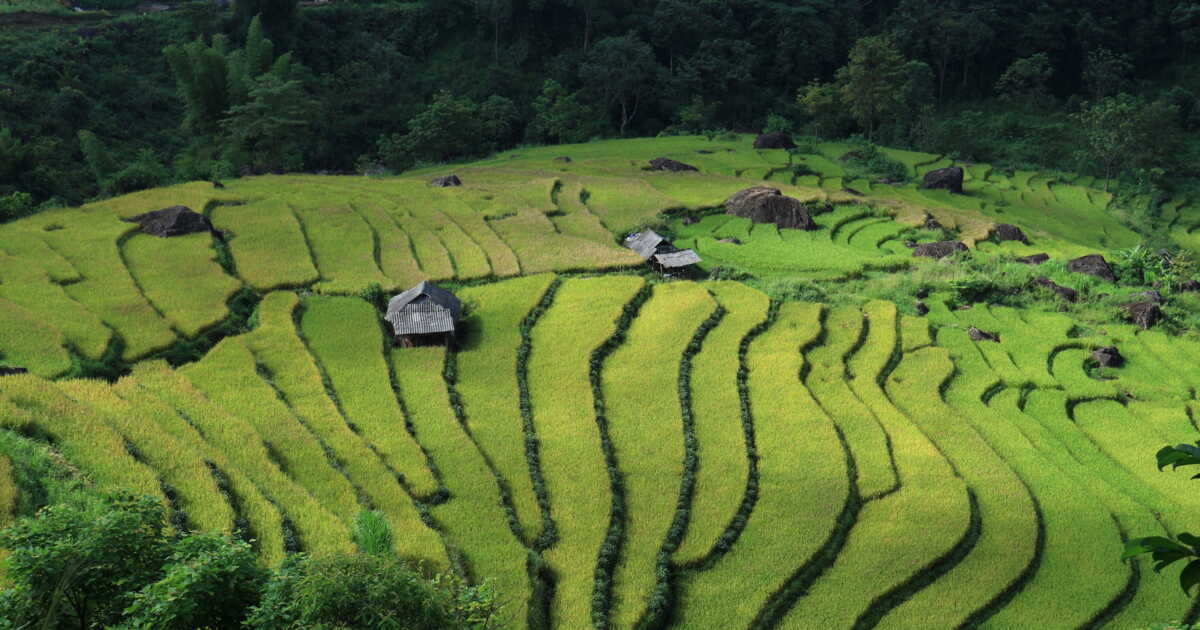
The Southeast Asia region, rich in natural beauty, offers a range of landscapes among the most fascinating on the globe. From the summit of a towering Indonesian volcano to the terraced rice fields of Vietnam, and the karst peaks of Halong Bay in Vietnam, every trip to Asia reveals breathtaking panoramas.
South of Thailand, boat excursions in the Phang Nga Bay let you admire limestone islands rising from the water, while in Laos, jungle treks provide privileged access to a still-pristine nature. These areas of Asia, accessible with minimal effort, allow you to appreciate the variety of landscapes, from deserted beaches to dizzying peaks, far from mass tourism, and represent a smart starting point for exploring the continent.
3. Enjoying diverse and varied gastronomic delights
The culinary richness of Asia alone is a reason to travel. Traveling in Asia often doubles as a culinary journey, as regional cuisines reveal beautiful places where discovery happens through taste. From Vietnamese pho to Indian curries, and the street foods of Thailand, local culture expresses itself in every dish.
In Tokyo, the capital of Japan, cuisine reaches levels of refinement, while in Cambodia one can explore typical markets in Phnom Penh and sample produce rooted in rural traditions. Learning to cook on-site, in a Laos village or in Chiang Mai, extends the experience and yields more than memories: a tangible understanding of an art of living grounded in history.
4. Immersing in the buzz of metropolises
Asian metropolises concentrate technological modernity and cultural depth. A trip to Hong Kong or Singapore reveals dynamic cities where colonial legacies mingle with futuristic districts, while Japan illustrates a captivating coexistence of preserved island traditions and hyper-modernity. These places embody both the past and present of a continent in constant transformation.
In Tokyo, ancient temples sit beside glass towers, illustrating a harmonious coexistence of spirituality and innovation. In Phnom Penh, the city bears witness to Cambodia’s turbulent and often painful history, while in Bangkok urban fervor is felt in floating markets or lively backstreets in the city center. These surprising countries offer visitors immersion in a plural society marked by contrasts and resilience.
5. Relaxing and recharging
Asia has emerged as a premier destination for wellness and reconnection. In the southern Thailand, stays combining traditional massages, yoga, and deserted beaches invite you to disconnect. In India, the cradle of yoga, sacred places conducive to meditation—such as Rishikesh or Varanasi—await. In Bali, Indonesia, off the beaten path, retreats unfold in green settings at the foot of volcanoes, far from mass tourism.
These practices, sometimes rooted in ancient traditions, integrate into a balanced and rejuvenating lifestyle. The effort becomes introspective, the destination becomes self-care, and every journey in Thailand, India, or Indonesia becomes a step on the path to well-being.
6. Embarking on adventures in lesser-known destinations
Exploring Asia beyond the well-trodden routes captures the continent’s essence. The principal island of Luçon in the Philippines, the steppes of Mongolia, or the rainforests of Borneo offer an authentic voyage through varied landscapes still largely untouched by mass tourism.
These Asian places, thanks to their remoteness, enable direct contact with local ethnic groups, immersion in remote villages, and access to a preserved local culture. The Muang Ngoi Neua village, the lands of Sri Lanka, and the wild regions of Cambodia embody this Asia—rich in encounters and lessons in simplicity. Traveling in these areas means choosing a different way to discover Asia—respectful, patient, and deeply humane.
7. Discovering the historical and archaeological heritage
Asia stands out for the density and richness of its historical heritage. Each place tells a story, often complex, sometimes tragic, always fascinating. From the Ayutthaya ruins in Thailand, remnants of a powerful kingdom, to the turbulent history of Vietnam, each site offers a lesson in architecture, politics, and faith. In Phnom Penh, Cambodia’s painful past finds expression in its museums and memorials.
In India, Mughal constructions such as the Taj Mahal illustrate the grandeur of an empire that left a mark on the subcontinent. These emblematic sites, scattered across South and Southeast Asia and often World Heritage-listed, are not mere attractions.
8. Appreciating the diversity of marine ecosystems
Asia’s marine ecosystems harbor remarkable biodiversity, especially within protected areas of Vietnam, the Philippines, or the Indian Ocean. Boat excursions in the Phang Nga Bay, diving among the reefs of Tubbataha, or exploring the atolls of the Maldives are immersive experiences accessible to travelers keen to discover another facet of the Asian continent.
These paradisiacal panoramas, bordered by deserted beaches, allow the observation of rare species like sea turtles in still-pristine environments. It is also an opportunity to enrich an Asian itinerary with an ecological and scientific dimension, complementing cultural or historical routes.
9. Participating in festivals and cultural events
Asian festivals are moments of convergence between past and present, religion and celebration, in countries where tradition remains deeply rooted. The Lunar New Year in China or Vietnam, Holi in India, or the lantern festival Loy Krathong in Thailand are major highlights of regional cultural life.
Joining these celebrations means approaching a living local culture, made of rites, music, dances and shared symbols. These events are ideal for a collective experience, at the heart of cities or in villages, at the pace of the people and their traditional pastimes.
10. Contributing to responsible and sustainable tourism
Engaging in sustainable tourism in Asia means combining discovery with responsibility. Whether through eco-volunteering in Indonesian parks, preserving sacred sites, or participating in community programs in Laos, Asian journeys can have a positive impact.
Choosing responsible accommodations, favoring off-the-beaten-path destinations, understanding local ethnic groups, or promoting iconic sites without over-visiting helps protect the varied landscapes and traditions. This choice demands an effort, but it offers the guarantee of a more authentic journey aligned with current challenges of world heritage and biodiversity.
In summary, Asia offers a stunning range of activities that meet all desires and tastes. Whether for cultural discoveries, outdoor adventures, or moments of relaxation, the Asian continent is a vast stage of enriching experiences. By planning your trip carefully, you can make the most of this multi-faceted continent while respecting local customs and supporting sustainable development.
What budget should you plan for a trip to Asia?
Planning a budget for a trip to Asia largely depends on the countries you visit and the style of stay you envision. In this region, the spending range is particularly wide: a backpacker can discover the beautiful corners of Laos, Cambodia, or Vietnam, while more comfortable travel is easier to achieve in Thailand, the “land of smiles,” or in Japan, where transport and accommodation costs are higher.
On average, a balanced trip typically ranges from 15 to 100 euros per day, depending on comfort level and season. It is wise to budget for boat trips in Phang Nga Bay, jungle hikes, or visits to World Heritage sites like the Taj Mahal in India or Halong Bay in Vietnam.
A journey through Thailand or off-the-beaten-path Indonesia can remain accessible while offering invaluable cultural and natural richness. Asia, with its landscape diversity and varied ways of life, allows you to adapt your budget to your pace and priorities.
What to do in Asia as a couple?
For a trip for two, Asia provides a setting conducive to discovery and shared experiences. Sunsets on the beaches of southern Thailand, boat excursions off Phang Nga, or walks through Laos villages such as Muang Ngoi offer precious moments.
History-loving couples will appreciate the wealth of heritage in India or Cambodia, where Phnom Penh’s history or the majesty of the Taj Mahal in India embody the continent’s memory and spirituality. For a more introspective experience, a journey to Japan invites serenity through sacred places, zen temples, or diverse cityscapes like Kyoto or Tokyo.
Between Indonesia’s active volcanoes, the islands of the Indian Ocean, and Asia’s spots where mass tourism remains limited, couples can craft a tailored itinerary at the right time—blending local culture, sea-side moments, and suspended experiences.
What to do in Asia with children?
Traveling in Asia with kids is both enriching and accessible. Southeast Asian countries like Thailand and Vietnam, or Sri Lanka in South Asia, are especially well suited for family trips thanks to their friendly infrastructures, hospitality, and favorable climate.
Younger travelers can marvel at the spectacular Halong Bay panoramas, see orangutans in Indonesia’s natural reserves, or join boat trips along Cambodia’s desert beaches. Laos’ villages offer direct contact with preserved ethnic groups and accessible local culture.
A family trip is also a chance to introduce younger generations to the continent’s diversity, gastronomy, and history—from Vietnam’s turbulent past to Hong Kong’s colonial heritage. Asia emerges as a safe, educational, and unforgettable adventure ground for both young and old.
Asian countries: incomparable cultural and geographical diversity
Asian countries cover a mosaic of civilizations, landscapes, and traditions among the richest in the world. From Japan to Mongolia, via Thailand, India, Vietnam, Cambodia, and Indonesia, each destination stands out for a strong local culture. You will encounter spirituality at sacred places, Indonesia’s volcanic heights, Sri Lanka’s paradisiacal panoramas, and the diverse landscapes from Laos to Mongolia.
These Asia itineraries offer a glimpse into the continent’s human richness, where tradition and modernity coexist. This surprising continent remains a paradise for culture, nature, and history lovers, inviting you to traverse vast wild expanses and ascend impressive peaks, all while preserving curiosity and the sense of wonder that accompanied you on day one.
Asian islands: between preserved nature and insular spirituality
Each Asian island embodies a unique identity: the beaches of southern Thailand, the temples of Bali, the volcanic landscapes of Java, or the rice terraces of Luzon in the Philippines. These main islands and their more secret neighbours form a network of destinations that blend natural beauty, local culture, and iconic Asian landmarks.
Far from mass tourism, they invite you to discover majestic World Heritage sites such as Borobudur in Indonesia or Anuradhapura in Sri Lanka. The varied panoramas—beaches, mountains, forests, and temples—create a rare diversity in a single region. Whether for jungle hikes, seaside moments, or a deep nature immersion, these islands remain a cornerstone of travel in Asia.
Traveling in Asia: between living traditions and modern discoveries
Traveling in Asia means traversing a continent of contrasts, where urban modernity blends with millennia-old civilizations. Asian journeys offer a starting point to explore the most fascinating Asian locales: the Angkor temples, the Taj Mahal in India, and the imperial cities of Vietnam.
At each step, Asia reveals a local culture of exceptional richness, from Bangkok’s markets to Laos’ villages, from the varied stretches of rice paddies to sacred places perched on mountainsides. Thanks to the diversity of its surprising countries, Asia stands as a destination where you combine effort, contemplation, and learning. This continent allows anyone to absorb the beauty of the world without losing the human dimension of travel.
Asian monuments: living witnesses of millennia-old civilizations
Asian monuments embody the continent’s memory, shaped by spirituality and the power of ancient empires. From the Angkor temples to the Forbidden City, from the Taj Mahal in India, a Mongol-era heritage, to the shrines of Japan, these emblematic sites testify to a fascinating history.
History buffs will find here a unique diversity: Cambodia, India, Japan, Vietnam, and China each offer their own architecture and symbolism, often World Heritage-listed. These emblematic places in Asia, frequently perched high in the mountains or nestled in breathtaking landscapes, extend the memory of the peoples and form an essential introduction to any cultural exploration of the continent.
This article was drafted with the help of artificial intelligence and subsequently refined, completed, and validated by the editorial team.
4. The Unique Experience of the Desert Train from Zouérat to Nouadhibou
5. Hikes and Desert Excursions
6. Encounter with Local Culture
7. Terjit Oasis: A Must-Stop in the Mauritanian Desert
8. Practical Tips and Safety
Is it Safe to Travel in Mauritania Right Now? Understanding Safety Before Planning Your Trip
What is the Best Time to Visit Mauritania? Understanding the Climate to Better Choose Your Departure
What to Do in Atar, Mauritania? Discovering the Cultural and Saharan Heart of the Adrar
Located in West Africa, bordered by the Atlantic Ocean to the west and embraced by the vast Sahara, Mauritania is a land of contrasts and cultural riches.
Before any international travel, we remind you to consult the travel advice from the Ministry of Foreign Affairs to understand the security and health risks specific to certain areas and the administrative steps to take beforehand.
1. Discovering Nouakchott and Its Beach
Nouakchott, the capital of the country, often serves as the main entry point into Mauritania for many travelers. The camel market offers a glimpse of a traditional trade still very much alive. The Saudi mosque, meanwhile, highlights the importance of religious architecture in this regional city.
As evening falls, the atmosphere at the fishing harbor—with its iodine scent and sailors’ songs—composes a singular spectacle against the backdrop of sunset. A land of contrasts, Nouakchott blends administrative modernity with Saharan legacies, while remaining a strategic hub for organizing travel deeper into the country.
2. Exploration of the Ancient Caravan Cities
The ancient Adrar towns, such as Chinguetti and Ouadane, as well as the towns of Tichitt (in Tagant) and Oualata (in the East), constitute major stops on the country’s caravanist history. Each ruined city, from the Tagant to the Adrar desert, bears urban forms adapted to winds and sands, with its narrow lanes, traditional houses, and conservation efforts led by institutions like the French Development Agency.
. Exploring the ruins of these cities means tracing the footsteps of trans-Saharan caravans and desert scholars, in constant partnership with a local guide familiar with the nuances of these sometimes sensitive lands.
3. Immersion in Banc d’Arguin National Park
The Banc d’Arguin National Park, located on the Atlantic coast between Nouakchott and Nouadhibou, is an internationally renowned nature reserve, inscribed on the world heritage list for its biodiversity. Between the sea grass beds and the sands, this site hosts a remarkable fauna, notably the pink flamingo, visible during certain migratory periods.
By joining the Imraguen fishermen at the village of Iwik, visitors can observe their traditional fishing technique performed with the help of dolphins. Respect for marine ecosystems, organized pirogue trips, and the warm reception from the locals make it an educational and contemplative experience. The area remains protected, but guidance from a local guide is strongly recommended due to distance and road conditions.
4. The Desert Train Experience from Zouérat to Nouadhibou
Boarding the Desert Train, linking Zouérat to Nouadhibou, offers a singular experience at the heart of Mauritania’s mineral landscape. Stretching over many kilometers, this train primarily carries iron ore, but also welcomes adventurous travelers who settle in open goods wagons or, more rarely, in a passenger wagon.
The crossing of the Adrar desert, with its and horizon-to-horizon vistas, involves exposure to the elements that requires careful preparation and precautions. A valid passport and meticulously planned steps are essential. This adventure remains a unique immersion into one of the continent’s most arid and spectacular landscapes, highlighting the desert’s vastness and the resilience of its inhabitants.
5. Hikes and Desert Excursions
Hikes and excursions into the Tagant regions and the Adrar enable visitors to grasp the Saharan nature in its most authentic form. On foot, in a 4×4, or on a camel’s back, routes lead to iconic sites such as the Erg Amatlich, the White Valley, or the outskirts of the Guelb er-Richat, the enigmatic Eye of Africa with a diameter of over 40km.
Spending a night under the stars in a traditional bivouac, sharing mint tea around a fire, or climbing a dune at sunset are among the most memorable moments. These excursions require the companionship of a local guide and precise logistics, particularly regarding road conditions and water supplies. They are suited to travelers seeking space, silence, and an understanding of the desert’s most structuring aspects for nomadic peoples.
6. Encounter with Local Culture
The discovery of Mauritanian culture often begins with taking part in a tea ceremony, a central moment of hospitality across all regions of Mauritania. Served slowly, in three pours, this mint tea reflects values of respect, sharing, and listening inherent to local traditions.
In the markets, the scents of coriander, fresh date, or tanned leather also tell another facet of this land. Enjoying a méchoui or a couscous in a traditional house allows for an authentic meeting with the locals, far beyond classic itineraries. Curious travelers can learn the language, observe artisans at work, or discuss the traces of the French explorer Theodore Monod, a respected figure in Sahara exploration.
7. The Terjit Oasis: A Key Stop in the Mauritanian Desert
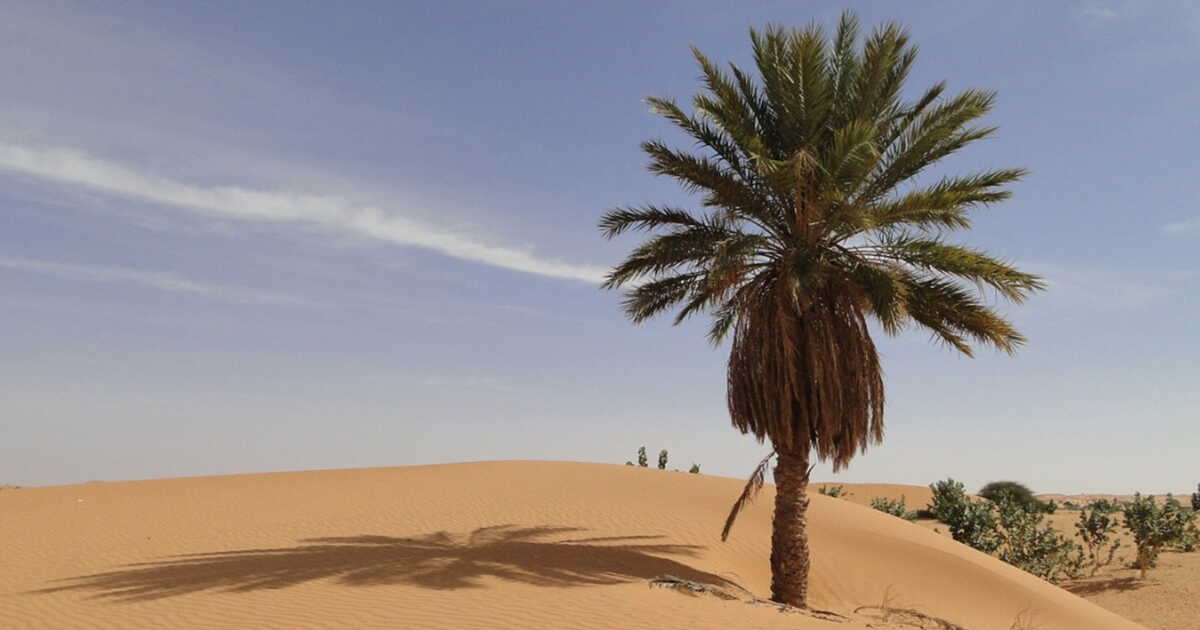
The Terjit Oasis stands out as one of the most appreciated spots in the Adrar, thanks to its hot spring, dense palm trees, and a narrow canyon that contrasts with the surrounding aridity. Located not far from Atar, this oasis represents a strategic resting place after traversing the Adrar desert, often punctuated by visits to ruined towns leading to ancient ksour.
Its natural freshness and the shade offered by the rock walls make it a major stop for any traveler seeking a haven in the Tagant or Adrar regions. The site lends itself to a cultural as well as natural pause, revealing a unique spectacle created by water in a mineral environment.
8. Practical Advice and Safety
To plan a trip to Mauritania, several practical tips should be followed. A valid passport, a biometric visa (often on entry to Mauritania), and information on health recommendations are essential, with yellow fever vaccination being strongly advised and sometimes mandatory depending on your country of origin.
In the remote regions, infrastructure is limited, and medical costs can be high: a first-aid kit and good protection against mosquito bites are essential. The state of the roads varies greatly by area, so hiring a local guide is recommended, especially to reach the ruined towns, the historic ksour, or the desert zones. Finally, it is advisable to consult updates from diplomatic authorities and check border access through Senegal or the Nouakchott airport.
Mauritania opens up to travelers seeking authentic and enriching experiences. Whether you are drawn to its desert landscapes, its ancient cities, or its culture, each stage of your journey promises discoveries. With practical and safety aspects well prepared, your stay in Mauritania can be both an adventure and a plunge into enduring traditions.
Is It Safe to Travel to Mauritania Right Now? Understanding Safety Before Planning Your Trip
Traveling to Mauritania requires careful preparation, particularly due to the diversity of the country’s regions, the condition of the roads, and the large distances between towns. While some areas remain not recommended, tourist circuits around the Adrar, Chinguetti, Atar in the Adrar, or the Amogjar Pass are undertaken with the support of a local guide, a crucial safeguard for moving confidently in this desert environment. Travelers should have a valid passport, a biometric visa, and consider yellow fever, mosquito bites, and potential medical costs.
In authorized zones, notably around the Adrar Desert, the country remains generally accessible, especially for those who strictly follow safety rules and take into account local specifics, such as entry through the Senegal border or access to remote regions of the Tagant.
What is the Best Time to Visit Mauritania? A Climate to Understand for Better Planning
The best period to discover Mauritania spans from October to March, when temperatures in the Adrar Desert become milder, making it feasible to traverse dunes, rocky plateaus, and sandy banks in good conditions. This season offers remarkable light over the Erg Amatlich, the White Valley, or the Guelb er-Richat, sometimes called the Eye of Africa, a circular structure nearly 50km in diameter. Bivouac evenings under the beautiful starry sky are especially suited for stargazing in the Sahara.
Travelers also find a great time to walk along Nouakchott’s broad beach, explore the marine meadows of the village of Iwik, or watch the pink flamingo at the Diawling National Park, near the southern border. This dry season enhances road travel and makes exploration smoother across all regions of Mauritania.
What to Do in Atar, Mauritania? Discovering the Cultural and Saharan Heart of the Adrar
The town of Atar, a true crossroads of the Saharan road trip, sits in the heart of the Adrar and serves as a central gateway to the ancient ksour of Chinguetti and Ouadane, the surrounding plateaus and mineral landscapes. Known for its heritage, its traditional houses, and its lively market, Atar is also the ideal base to reach the Amogjar Pass, the ruins of old villages, and routes leading to the infinite dunes of the region.
Visitors appreciate the contact with locals, the tasting of mint tea, and exchanges about the adventures of the famous French explorer Theodore Monod, a key figure in Sahara exploration. Atar thus remains an essential regional town for understanding life in a desert environment and structuring an itinerary toward Chinguetti, Ouadane, or the Terjit Oasis.
This article was written with the help of artificial intelligence and then revised, expanded, and validated by the editors.
5. Encounters with the San cultures of the Kalahari
What is the best time to visit Botswana?
What to do and see in Botswana?
Is Botswana expensive?
Is Botswana a safe country?
Botswana landscape: natural grandeur and diversity
Botswana: a country in Africa to discover
Botswana tourism: practical tips to prepare well
Traveling to Botswana: a well-organized adventure
Botswana on a 15-day circuit: an in-depth itinerary
From the vast arid stretches of the Kalahari to the dazzling Okavango Delta, Botswana offers an impressive range of experiences to discover. Located at the heart of Southern Africa, this country is a favored destination for its iconic wildlife and diverse landscapes.
Before any international travel, we remind you that it is helpful to consult the Foreign Affairs Ministry’s Travel Advisories to learn about safety and health risks specific to certain areas, and the administrative steps to undertake before your trip.
1. Explore the Okavango Delta
The Okavango Delta, a UNESCO World Heritage Site, is a true oasis set in the heart of a semi-arid landscape. Here, travelers can hop aboard a mokoro, a traditional dugout canoe, to glide silently along its winding channels.
This activity allows for close-up wildlife viewing in their natural habitat, from elephants to hippos, while enjoying an almost unreal tranquility. With its flooded landscapes and aquatic routes, the Delta is ideal for water safaris that offer a unique perspective on the local flora and fauna.
2. Safari in Chobe National Park
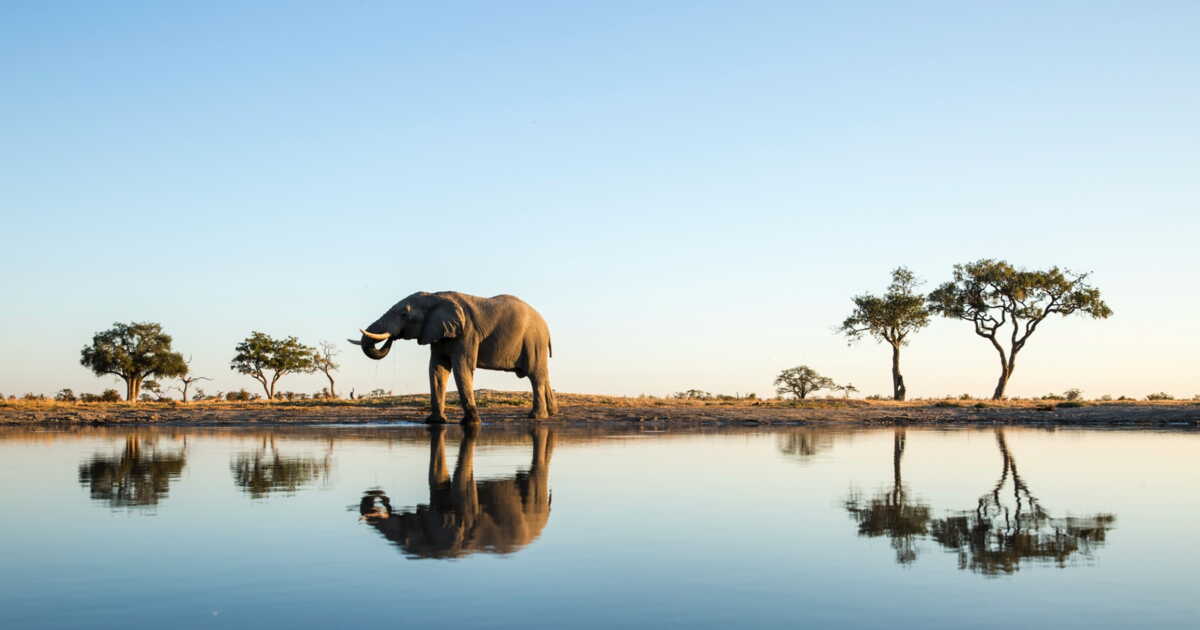
Chobe National Park is renowned for its high concentration of elephants. A 4×4 safari will take you through savannas and riverine plains while discovering many other animals, such as buffalo, lions and giraffes. Opting for a boat safari on the Chobe River provides a different perspective on the wildlife, particularly at sunset, for unforgettable moments. The park is also a birdwatcher’s paradise with an incredible variety of birds to observe.
3. Discover the Moremi Reserve
Integrated into the Okavango Delta, the Moremi Reserve offers one of Africa’s richest and most varied ecosystems. It is home to a profusion of wildlife, including rare species such as the African wild dog or the sitatunga. Photography enthusiasts will appreciate the park’s changing landscapes and the opportunity to capture wildlife in breathtaking natural settings. Off-road excursions allow visitors to venture into the heart of this preserved reserve.
4. Venture onto the Makgadikgadi Pans
The surreal landscape of the Makgadikgadi Pans presents a stark contrast to the Delta’s lush biodiversity. These vast salt pans, almost desert-like, stretch to the horizon and convey a sense of solitude and serenity. It is a perfect place to observe meerkats and the majestic baobabs. In the rainy season, the pans transform, attracting a large number of pink flamingos and pelicans. For those seeking off-the-beaten-path adventures, Makgadikgadi is a perfect choice.
5. Encounters with the San cultures of the Kalahari
Immerse yourself in the rich culture of the San, one of Africa’s oldest populations living in the Kalahari. Organized visits allow you to meet these ancestral inhabitants and discover their unique heritage. You can learn more about their survival techniques, stories told around the fire, and even join expeditions to identify medicinal plants. These interactions, though touristic, are often conducted with deep respect for traditions and offer an ethical and informative approach to their culture.
The Botswana, with its abundant fauna and diverse landscapes, offers a multitude of activities for every traveler. Whether drawn to the vast herds of elephants in Chobe National Park, the aquatic serenity of the Okavango Delta, or the peaceful vastness of the Makgadikgadi Pans, this country is sure to provide unforgettable memories. Exploring Botswana’s cultural and natural treasures reveals a corner of Africa that, though preserved, awaits further discovery.
What is the best time to visit Botswana?
For an optimal stay in the heart of this Southern African country, aim for the dry season, between May and October: during this season, the Kalahari Desert and the riverbanks in northern Botswana are more accessible, water sources recede, and wildlife watching is facilitated.
On the other hand, a visit from November to March, during the rainy season, offers a lush atmosphere but requires navigating muddy terrain and sometimes difficult roads. Therefore, for a well-structured Botswana trip that balances comfort with nature’s richness, prioritizing the dry season maximizes safaris, lodges within private concessions, and boat excursions while minimizing weather-related surprises.
What to do and see in Botswana?
Botswana, a sparsely populated yet wildlife-rich country, offers travelers a range of experiences: photo safaris in Moremi or the Okavango Delta, boat or mokoro trips along flooded channels, and exploration of the Kalahari Desert to meet the first inhabitants or spot rare bird species.
You can also stay in one of Botswana’s lodges located within private concessions, by waterholes, watching hyenas or hunting lions, taking 4x4s along sandy tracks, and enjoying the grandeur of the intact natural setting. This immersive approach allows turning a Botswana trip into a full immersion among wildlife, territories, and local culture.
Is Botswana expensive?
Traveling to Botswana involves a higher budget than in many other African countries, particularly if you opt for upscale lodges or private concessions. According to available data, daily safari-area rates can be significantly higher than in other destinations.
However, it remains possible to adjust your budget by choosing more modest accommodations, booking in advance, and targeting off-peak periods. The higher cost is explained by limited infrastructures, a relatively small number of visitors, the need for 4×4 vehicles, and the country’s geographic remoteness. This context justifies considering Botswana a “premium” travel destination, without excluding travelers who are mindful of budget management.
Is Botswana a safe country?
Botswana is regarded as one of the most stable and democratic countries on the African continent, but this does not eliminate a basic level of vigilance for travelers. The current democratic regime, the existence of large nature reserves, and a welcoming local population contribute to a serene travel experience.
However, secondary roads, night driving, and the isolation of certain wild areas can present risks: awareness should remain high, particularly in terms of transport and safety. In short, yes, Botswana is a relatively safe country for travelers, provided you plan a careful itinerary and follow local advice.
Botswana landscape: natural grandeur and diversity
The Botswana landscape blends the Kalahari Desert, the Okavango Delta, flooded savannas, and still less explored areas. This vast, sparsely populated country offers travelers an immersion in pristine nature, where riverbanks or sandy tracks lead to large gatherings of wildlife.
Boat or mokoro excursions allow you to reach the heart of these landscapes, while the presence of hyenas, lions, hippos or rare bird species testifies to the ecological richness of this territory. It is indeed a country for travelers who want to go beyond the beaten paths.
Botswana: a country in Africa to discover
Botswana presents itself as an African country with a stable regime, a functioning democracy, and exceptional natural heritage. Travelers from Europe find an extraordinary setting: a local population that coexists with wild nature, vast spaces, and measured interaction with wildlife. The country highlights lodges, private concessions and nature reserves serving a respectful model. For travelers, this country offers the possibility to combine comfort, adventure and discovery.
Tourism in Botswana: practical tips for thorough preparation
Travel in Botswana requires particular planning: booking a lodge within a private concession, suitable transportation (often a 4×4), compliance with health regulations (yellow fever based on origin), and understanding the infrastructure. The budget should account for the high costs associated with safari services and geographic isolation. Structured tourism helps optimize the experience while respecting local rules for wildlife observation and fragile ecosystems.
Travel to Botswana: a well-organized adventure
A trip to Botswana sits within a more demanding logistical framework than many other African destinations. It is essential to plan entry into the country, transport to the lodge, choose the right season, and ensure you are supported by an experienced guide or operator. Mokoro trips, safaris in private concessions, and staying in a lodge at the heart of nature enable you to fully exploit the country’s promise while reducing logistical surprises.
Botswana on a 15-day circuit: an in-depth itinerary
A 15-day circuit in Botswana allows covering several zones: from lodges within the private concession of the Okavango Delta to the Nxai Pan salt pans, via the Kalahari Desert and the banks of the Chobe River. This duration lets you enjoy wildlife viewing, boat excursions, 4×4 tracks, and a more relaxed travel pace. For travelers coming from Europe, this type of itinerary requires meticulous organization and a tuned budget.
This article was written with the help of artificial intelligence, then corrected, expanded, and validated by the editors.
2. Admire the waterfalls of the Kpalimé region and the Womé waterfall
3. Explore Mount Agou
4. Visit the Tamberma villages
5. Enjoy Togolese beaches
6. Dive into Togoville’s history
7. Discover local crafts in Kpalimé
8. Observe wildlife at Fazao-Malfakassa National Park
9. Explore Aného and its colonial heritage
10. Immerse yourself in Togolese cuisine
Is Togo a safe country to visit to plan your trip with peace of mind?
What are the 7 wonders of Togo and how to discover them?
What to bring back from Togo to keep a part of the local culture?
The Togo, nestled between Ghana and the Benin, is a country rich in cultural diversity and varied landscapes. Often overlooked by travelers, it abounds with activities for nature lovers, history enthusiasts, and culture aficionados.
Before any international travel, we remind you that it is useful to consult the Travel Advice from the Ministry of Foreign Affairs to understand safety and health risks specific to certain zones, and the administrative steps to complete before your trip.
1. Discover the capital Lomé and its markets
Lomé, the capital, is an essential starting point. The Fetish Market at Akodéwa is a unique site where tradition and local spiritual culture mingle. There you can find ingredients used in traditional medicine. Not far from this market, the Grand Market of Lomé (Assigamé) is a burst of colors and flavors. Stalls overflow with fabrics, crafts, and local products.
2. Admire the waterfalls of the Kpalimé region and the Womé waterfall
The Kpalimé region, located in the southwest of the country, is a mountainous area famous for its waterfalls. The Kpimé waterfall and that of Womé offer enjoyable moments in nature, ideal for a hike. The trails leading there wind through lush vegetation, offering breathtaking scenery.
3. Explore Mount Agou
The Mount Agou, at 986 meters above sea level, is the country’s highest peak and a worthwhile ascent. The trek to the summit rewards you with a panoramic view of the surrounding landscapes. Along the way, you can discover nearby villages and learn more about the local economy rooted in coffee and cocoa farming.
4. Visit the Tamberma villages
The Koutammakou region, listed as a UNESCO World Heritage Site, lies in the northeast of Togo. The traditional tower-houses known as Tata Somba illustrate typical regional architecture. This site offers a chance to discover centuries-old traditions and the way of life of local communities.
5. Enjoy Togolese beaches
The beaches of Lomé are ideal for relaxation. From public beaches to hotel private beaches, they provide a peaceful welcome conducive to swimming and rest. You can also engage in activities such as surfing or fishing with locals.
6. Dive into Togoville’s history
The Lake Togo and the town of Togoville are steeped in history. Togoville is known for being the site where the treaty of 1884 placed Togo under German protection. It is also a major center of Vaudou culture. A boat trip across the lake allows you to relive that historic era while discovering traditions that remain vibrant today.
7. Discover local crafts in Kpalimé
The Kpalimé Craft Center is a place to observe local know-how. Artisans there create wooden objects, batik fabrics, and sculptures. For art lovers and souvenir collectors, it’s the ideal place to understand the work behind Togolese crafts and to acquire a few pieces.
8. Observe wildlife at Fazao-Malfakassa National Park
The Fazao-Malfakassa National Park, though less frequented than the big East African parks, offers an authentic experience. You may spot antelopes, buffalo, and a variety of birds. Local guides offer tours to explore this corner of preserved nature.
9. Explore Aného and its colonial heritage
Aného, a former colonial capital, represents a chapter in Togolese history. This coastal town, founded in the 17th century, hides buildings with colonial architecture. A stroll through its streets lets you travel back in time and understand the diverse cultural influences that have shaped the country.
10. Immerse yourself in Togolese gastronomy
Togo will delight gourmets with its varied cuisine. Iconic dishes such as fufu and akoumé, often accompanied by meat- or fish-based sauces, are to be savored during your stay. Local markets abound with fresh produce, spices, and ingredients that give Togolese dishes their distinctive flavor.
To conclude, Togo is a country with many faces, ready to offer curious travelers a variety of enriching experiences. Whether in nature, culture, or history, every visitor can find something to satisfy their desire to discover. Whether your stay is short or long, these activities will help you appreciate the richness of this West African nation.
Is Togo a safe country to visit to plan your trip with peace of mind?
Questioning the safety of a trip to Togo is an essential consideration before departure, and the approach should remain nuanced: while some areas require heightened vigilance, many regions, including Lomé, the Gulf of Guinea coast, and central Togo, are regularly frequented by travelers.
The period from November to March, corresponding to the dry season, is often considered favorable for a stay in Togo, both for ease of travel and for stable climatic conditions. Plan your airplane tickets in advance, consult local authorities, and choose reputable accommodations—these remain essential steps.
Once on the ground, the warm welcome, the relaxed atmosphere, and the richness of Togolese culture provide a structured framework for discovery, whether you’re staying for a long time or just a weekend. The country thus combines prudent planning with a strong potential for discovery, particularly for nature lovers, who will find in its coastal landscapes and hills a rare balance between authenticity and accessibility.
What are the 7 wonders of Togo and how can you discover them?
The “7 Wonders of Togo” refer to the country’s can’t-miss, emblematic sites. Among these places, the Mount Agou, the national highest point, rises above the green hills and provides a fascinating spot to understand the local geography. The National Museum of Togo in Lomé offers a structured overview of traditions and ancient objects, while the artisan village allows close observation of wood, fabric, and metalwork.
The Togo Lake, appreciated for its relaxed atmosphere, is among the essential stops, just like the Koutammakou, territory of the Tamberma people, famous for its fortress houses listed as a UNESCO World Heritage Site. Finally, a safari in northern reserves will particularly appeal to nature lovers. These sites, exploitable from April to October or during the dry season, form a coherent set for a rich and well-structured stay in Togo.
What to bring back from Togo to preserve a part of the local culture?
Choosing what to bring from your stay in Togo depends on personal travel style, but several items effectively reflect Togolese culture. Markets and the Lomé artisan village offer sculptures, traditional textiles, beaded objects, and accessories crafted according to longstanding know-how. Some travelers also favor pieces that illustrate local history, in connection with the national museum.
Coffee, spices, and textile craftsmanship remain easy to transport, especially for travelers who travel with limited luggage on flights. These keepsakes, chosen with discernment, allow you to extend your understanding of the country beyond a weekend or an on-site stay and form a durable bridge between the traveler and the land.
This article was drafted with the help of artificial intelligence, then corrected, supplemented, and validated by the editors of the desk.
Is it worth going to Northern Ireland? A cultural and natural journey that deserves your attention
When is the best time to visit Northern Ireland? Tailoring your trip to changing weather
What is the most beautiful part of Northern Ireland? A journey from County Antrim to Derry
What is the capital of Northern Ireland? Belfast, between industrial heritage and cultural renaissance
Do you need a visa to go to Northern Ireland? Entry requirements to know before your trip
Nestled in the northeast part of the island of Ireland, Northern Ireland offers a rich blend of cultural heritage, breathtaking natural landscapes, and fascinating historical sites.
1. Discover the Giant’s Causeway (Giant‘s Causeway)
Listed as a UNESCO World Heritage site, the Giant’s Causeway stands as one of Northern Ireland’s most remarkable wonders, notable both for its geological formation and the symbolic weight it carries in the collective imagination. Made up of nearly 40,000 hexagonal basalt columns formed millions of years ago, this spectacular stretch of the Irish coast, located in County Antrim, evokes a strange sensation, especially when sunlight pierces the mist to illuminate the causeway.
A visit to Northern Ireland would not be complete without experiencing this spectacular panorama, accessible via a prepared walking trail. The Visitor Centre offers deeper insight into the site’s volcanic origins, while highlighting the legendary narratives that surround it. A place of open nature, blending wild landscapes with accessibility, the Causeway is a highlight of a coastal road trip along the north coast, often complemented by a stop at the Carrick-a-Rede Rope Bridge or the Temple of Mussenden to prolong the experience.
2. Delve into Belfast’s history
Belfast, the capital of Northern Ireland, is a place of historical memory and dynamic culture. Titanic Belfast is a must-see during your visit, a complex commemorating the construction of the famous liner and its tragic history. For fans of modern history, the Peace Walls and the mural graffiti offer a glimpse into the Troubles era. End your visit at Crumlin Road Gaol, a former prison now open to the public to better understand the region’s often intricate past.
Exploring Titanic Belfast: a historical immersion in the heart of the Titanic Quarter
Located to the east of Belfast’s city center, in the Titanic Quarter, stands one of the United Kingdom’s most emblematic museums: Titanic Belfast. Built on the very site of the old shipyards, this Titanic Belfast museum meticulously and powerfully recounts the history of the iconic liner, from its design to its tragic sinking. The museum experience blends interactive archives, life-sized recreations, and technical documentation, drawing visitors from around the world.
This visit to Northern Ireland serves as an excellent starting point for understanding the region’s industrial footprint. A few minutes on foot, the port, the Titanic sculpture, and the historic docks extend the experience into a setting steeped in memory. On a road trip around Belfast, this site stands among the highlights for those interested in maritime history as well as the city’s modern transformations.
Botanic Gardens and Ulster Museum: nature and culture at the heart of Belfast
The Botanic Gardens, located south of Belfast, offer a natural interlude within an urban frame, ideal for a few hours of strolling among Victorian glasshouses and manicured lawns. This relaxing space also serves as a gateway to culture, housing the Ulster Museum, a must-visit institution for anyone looking to deepen their understanding of Northern Ireland through art, archaeology, natural history, and contemporary events related to the Northern Irish conflict.
At the crossroads of the United Kingdom and the Republic of Ireland, this museum sheds light on the historical and identity nuances of a complex territory. The pairing of the botanical garden and the museum makes for a meaningful stop on any Belfast cultural road trip, alternating city days with intellectual immersion into the island’s past and present.
Cathedral Quarter and St. George’s Market: a living glimpse of contemporary Belfast
The Cathedral Quarter represents the cultural and artistic heart of Belfast, known for its cobbled lanes, mural art, and creative venues. Further southeast, near Lanyon Place and the River Lagan, St. George’s Market, active since the 19th century, hosts artisans, local producers, and musicians, creating a vibrant weekend atmosphere.
For a Northern Ireland visit that goes beyond clichés, this area showcases Belfast’s modernity without losing touch with its roots. These places also reflect the current dynamism of a United Kingdom undergoing change, where traditions and renewal coexist in a shared space.
Crumlin Road Gaol: the memory of imprisonment in a conflicted past
Once a prison, now a museum, Crumlin Road Gaol offers a striking lens on Northern Ireland’s recent political history. Located in Belfast, this 19th-century building housed both common prisoners and political detainees, becoming a major site of memory for the Troubles. The visit, often guided, traverses cells, corridors, and courtroom spaces in a silence heavy with meaning.
This step naturally fits into an exploration of Northern Ireland rooted in contemporary reality, pairing with nature-focused itineraries. It complements urban routes featuring Titanic Belfast or the Cathedral Quarter, providing a fuller picture of the city and its role in the history of the United Kingdom.
3. Take the Causeway Coastal Route
The Causeway Coastal Route, regarded as one of Europe’s most beautiful scenic drives, links Belfast to Derry and traces the scenery of Northern Ireland along the coast with rare intensity. This coastal road winds between rugged cliffs and seaside towns, offering excellent opportunities for short inland detours to glimpse Game of Thrones filming locations like the Dark Hedges and the dramatic coastal trails of the Gobbins, a must-see attraction.
Designed for a multi-stop exploration, this route blends the chance to discover with immersion in an authentic Ireland, ideal for contemplation, especially at sunrise on the solstice or during clear spells that reveal striking contrasts across the Atlantic Ocean.
4. Explore Derry/Londonderry
Situated on the northwest edge of Northern Ireland, the city of Derry (also known as Londonderry) stands at the crossroads of history, memory, and contemporary creation. Famous for its 17th-century walls, it remains marked by the Troubles and the Bloody Sunday events, whose memory resonates around every corner, notably near the iconic Free Derry Corner in the Bogside district, a hotspot of political and artistic engagement. This city has also gained international visibility thanks to the series Derry Girls, which poignantly highlights the paradoxes and resilience of this community.
Today, Derry in Northern Ireland hosts numerous festivals, exhibitions, and cultural initiatives, making this stop a good place to grasp the complexity of Northern Ireland beyond its landscapes. In a road trip combining an Ireland visit with a historical route, it serves as a vital stop to understand the past while observing current social dynamics, just a few hours from the north’s major natural sites.
5. Participate in outdoor activities
Renowned for its lush nature, Northern Ireland offers numerous possibilities for outdoor activities, especially for hiking enthusiasts, water sports lovers, or gentle explorers. The Mourne Mountains, with their spectacular summits, provide hiking trails suitable for all levels, revealing dramatic panoramas over wooded valleys and distant coastlines.
Further west, the Fermanagh Lakelands offer a wonderful setting for paddling, birdwatching, or simply enjoying the quiet of inland lakes, nestled in the heart of the rural interior. For sea-based activities, the beautiful Irish beaches along the Irish coast allow for surfing, sailing, or coastal walking, especially around White Rocks Strand. This variety of experiences can be easily woven into a multi-day road trip along the coast, providing a balanced mix of active exploration and peaceful contemplation.
In conclusion, whether you’re passionate about history, nature, or cultural experiences, Northern Ireland offers something to satisfy every curiosity. Visiting this region reveals a country where past and present intertwine within a natural setting of rare beauty. To deepen your experience, consider exploring not only the well-known tourist sites but also the hidden treasures that make it a unique and memorable destination.
Is Northern Ireland worth visiting? A cultural and natural journey that deserves your attention
A visit to Northern Ireland promises a richly contrasted experience, between spectacular landscapes, recent history, and accessible great outdoors. This portion of the United Kingdom, distinct from the Republic of Ireland, captivates with its marvellous places such as the coastline of County Antrim, the wild terrain of the Mourne Mountains, or the striking settings of the Gobbins, frequently cited in guides as a must-see attraction.
Couple these with iconic sites like the Titanic Belfast museum, the Mussenden Temple, or the Dark Hedges, some of which gained fame thanks to the TV series Game of Thrones, and you have a complete destination—historical, natural, and cinematic all at once. Whether you’re planning a few days in a van, a full road trip, or a broader discovery of Ireland, Northern Ireland proves to be an excellent starting point and a rare opportunity to encounter Atlantic winds, ruined castles, and vibrant culture.
What is the best time to visit Northern Ireland? Adapting your trip to the changing climate
The best time to visit Northern Ireland runs from May to September, when the sun is more present and temperatures are milder, offering favorable conditions to fully enjoy the landscapes of Ireland, its lovely Irish beaches like White Rocks Strand, or cliff-top hiking trails such as those found at Fair Head. The oceanic climate remains unpredictable, so it’s wise to pack clothing for wind and showers even in summer.
The sun over the Giant’s Causeway, when it breaks through the clouds, can transform this iconic place into a scene of intense beauty. For light-lovers, the solstice sunrise reveals remarkable hues along the Irish coast, especially in June. Around these times, you can combine long walks, local festivals, and cultural visits while minimizing weather-related constraints.
What is the prettiest part of Northern Ireland? A journey from County Antrim to Derry
Among Northern Ireland’s most beloved spots, County Antrim stands out for the density of its natural and cultural sites. The Port of Ballintoy, the Fair Head cliffs, the Dunluce Castle ruins, and the geological formations of the Giant’s Causeway compose a route that blends dramatic scenery with outdoor nature. This region is also traversed by the Gobbins, a cliff-top path carved into the rock, a true favorite for walkers.
Venturing westward to the city of Derry (also known as Derry-Londonderry), immortalized thanks to the series Derry Girls, adds a historical and contemporary dimension to Northern Ireland exploration. These regions combine heritage, varied landscapes, and well-preserved inland scenery, making the northern part a great place to slow down and view the island from another angle.
What is the capital of Northern Ireland? Belfast, between industrial heritage and cultural renaissance
Belfast, capital of Northern Ireland, is today a city undergoing transformation, anchored in its industrial past yet clearly oriented toward cultural tourism. The Titanic Quarter, with the Titanic Belfast museum, offers an immersive chronicle of the liner’s history from its shipyards at Harland & Wolff. A few minutes on foot, the St. George’s Market, one of the oldest covered markets in the United Kingdom, provides a dive into local gastronomy.
Art and architecture enthusiasts will also discover the Cathedral Quarter, the city’s creative core, dotted with galleries, murals, and historic pubs. Additionally, a visit to the Crumlin Road Gaol helps illuminate the tensions that marked recent political history. Belfast serves as an excellent starting point for exploring the region, while offering in itself a representative spectrum of Northern Ireland’s past and present.
Do you need a visa for Northern Ireland? Entry requirements to know before your stay
For European Union nationals (excluding Irish citizens protected under the Common Travel Area), a tourist visa is not required, but a valid passport and a British Electronic Travel Authorization (EVA / ETA) are mandatory. For those combining both territories on a road trip, it’s important to anticipate administrative, currency, and mobile-network differences.
There is no systematic border check between the two jurisdictions, but authorities may perform occasional verifications. Before you depart, it’s wise to consult official British sources on current formalities and to anticipate possible adjustments according to the political situation. These practical tips are essential to ensure a smooth visit to Ireland, especially when staying across multiple regions.
This article was drafted with the help of artificial intelligence, then corrected, supplemented, and validated by the editorial team.
The Grand Canyon, located in Arizona, is one of the world’s most renowned natural wonders. This national park offers breathtaking landscapes, unique geological formations, and a variety of activities that draw millions of visitors each year.
1. Explore the South Rim
The South Rim is the most-visited section of the Grand Canyon, open year‑round and easily accessible. For viewpoint enthusiasts, Mather Point and the Yavapai Point are essential stops. They provide expansive panoramas that capture the canyon’s grandeur. For those wanting to learn more, the Grand Canyon Visitor Center offers informative exhibits on the park’s geology and history.
2. Hike the Bright Angel Trail
The Bright Angel Trail, located at the South Rim, is one of the park’s most popular hikes. This trek offers an immersion into the canyon, passing through varied landscapes and stunning vistas. While demanding, this excursion provides opportunities to observe local wildlife and flora. It is recommended to come well prepared, with ample water and energy snacks.
3. Take a helicopter tour over the canyon
For those who want to appreciate the Grand Canyon from the air, a helicopter flight offers a unique perspective. Several companies offer tours that sweep over the rock formations, letting you view parts of the canyon inaccessible by foot. This activity is a quick and memorable way to marvel at the vastness of the canyon.
4. Visit Grand Canyon Village
The Grand Canyon Village serves as the perfect starting point to explore the South Rim. With its many shops, restaurants, and accommodations, the village provides everything needed for a comfortable visit. You can also discover historic buildings, such as the El Tovar Hotel and the Lookout Studio, which add a cultural dimension to this discovery.
5. Discover the Skywalk on the West Rim
The West Rim, distinct from the South and North Rims, houses the famous glass Skywalk. Located on land belonging to the Hualapai Tribe, this structure offers a novel experience, allowing visitors to walk safely over the edge and gaze down at the canyon beneath their feet. Although it lies outside the national park boundaries, this tribal‑managed region also provides striking views at Eagle Point and Guano Point.
6. Hike the South Kaibab Trail
The South Kaibab Trail is a true adventure for hikers seeking a rush. This trail starts near Yaki Point and descends steeply into the canyon. Hikers are rewarded with overlooks like Ooh Aah Point and Skeleton Point, where striking landscapes unfold. As with any canyon hike, thorough preparation is essential.
7. Participate in educational programs
Ranger programs provide a unique opportunity to learn more about the Grand Canyon’s geology, ecology, and history. These educational presentations, often free, are available at the Grand Canyon Village and make for excellent activities for families or curious visitors.
8. Enjoy the Desert View Watchtower
At the eastern edge of the South Rim sits the Desert View Watchtower. This observation tower offers a panoramic view of the canyon and the Colorado River. The structure itself is inspired by ancient Puebloan architecture and houses murals by Fred Kabotie that tell Hopi history and culture—a native people.
9. Explore the North Rim
Less visited than the South Rim, the North Rim is prized for its wilder surroundings and cooler temperatures. Access to the North Rim is seasonal, closing in winter due to snow. Lookouts such as Point Imperial and Cape Royal offer different perspectives on the canyon, rewarding those who take time to explore this edge.
10. Colorado River rafting
For adventure seekers, a rafting trip on the Colorado River is a must. This activity reveals the canyon in a different light, navigating thrilling rapids and savoring the serenity of the river’s calmer stretches. Several options are available, ranging from short excursions to multi‑day journeys.
11. Explore Mather Point at the Grand Canyon
The scenic overlook at Mather Point, perched along the rim inside Grand Canyon National Park, is often the first stop for visitors. Accessible by car, it allows for a few minutes’ walk from the Visitor Center parking, offering a panoramic glimpse without committing to a long hike. For those wishing to extend the visit, the nearby Rim Trail allows a half‑day stroll along the canyon’s edge, with options for a picnic or a sunset.
12. Stay in Tusayan, Arizona
The village of Tusayan, located just outside the Grand Canyon’s southern edge, provides lodging and services for park visitors. It offers early access to the park, helps you manage driving times, and allows combining canyon exploring with camping or a lodge stay, possibly as part of a broader Western road trip.
Starting from Tusayan, it’s especially practical to plan an early departure to fully enjoy sunrise or sunset over the rim, walk a few minutes on the Rim Trail, and be ready for following hours of driving or the next day’s adventures.
In conclusion, the Grand Canyon offers a multitude of activities that will satisfy travelers of all backgrounds. Whether you are drawn to contemplating its spectacular vistas, exploring its hiking trails, or discovering its cultural riches, everyone can have a rewarding experience. The park invites both awe and reflection on the world’s natural beauty.
How long does it take to visit the Grand Canyon?
For a standard visit to the Grand Canyon National Park, whether along the rim or at the rim’s edge, an afternoon or a half‑day (2–4 hours) can be enough to admire the panoramas and take a short walk along the edge.
However, if you plan longer activities—longer hiking, descending to the canyon floor, overflights, or camping under the stars—it is advisable to allocate one to two days, or more, to explore not only the overlooks but also the more remote areas.
A well‑planned itinerary thus offers the option of a day return or a more complete stay, depending on the pace you choose.
What is the best time to visit the Grand Canyon?
The best period to visit the Grand Canyon falls between April and October, particularly May and September, when temperatures are moderate, crowds are lighter, and park areas are more comfortable.
In particular, the months of May, September, and October are highlighted as the most favorable due to milder weather and fewer crowds. In contrast, summer is the peak season, and the northern access road is closed in winter because of snow, which can limit visits.
Where is the Grand Canyon?
The Grand Canyon is located in the northwest part of the state of Arizona, in the United States, essentially within the Grand Canyon National Park. The canyon stretches for hundreds of kilometers along the Colorado River.
While near states such as Nevada (and Las Vegas for those planning an American West road trip), its location remains in Arizona and forms an integral part of the American West and the world’s natural heritage.
Where to stay at the Grand Canyon?
To stay at the Grand Canyon, several options are available: inside the park, particularly on the South Rim where accommodations are open year‑round and fill up quickly. You can also opt for campgrounds (Grand Canyon campgrounds, Grand Canyon National campgrounds) or lodges near the rim, with the possibility of camping under the stars. It is highly recommended to book in advance, especially during peak seasons: spring, summer, and early autumn.
How to visit the Grand Canyon by car?
Visiting the Grand Canyon by car fits perfectly into a road trip from Las Vegas or other cities of the American West. Plan the driving distances, sections accessible to cars, parking, when to arrive to avoid crowds (avoid 10:00–16:00 on the access road), and use overlooks such as the South Rim for breathtaking views.
The national park is open 24/7 all year round for the South Rim. By car, this also makes it possible to access lodging, camping, and to do a day trip or a longer stay depending on your initial itinerary.
This article was drafted with the help of artificial intelligence and then corrected, expanded, and approved by the editors of the editorial team.