Australia to jail visa-overstaying tourists to curb immigration

On Thursday the 17th, Interior Minister Tony Burke had announced restrictions concerning student visas and working holiday visas, saying he wanted to show that the government “controls” immigration. He had notably indicated that 250 new detention places would be created and 100 additional officers recruited to sanction people who overstay their visas.

On Friday, the Parliamentary Secretary for Foreign Affairs, Matt Thistlethwaite, clarified that holders of a basic tourist visa would be liable to detention in the event of an overstay.

“We think obviously this deterrent measure will ensure that people comply with the conditions” of their stay in Australia, he told News24.

Tourism, an “important part of the Australian economy”

The measure was criticized by the Australian Tourism Industry Council, representing thousands of professionals, whose chief executive Erin McLeod said she feared damage to the country’s image.

Detaining tourists risks becoming truly damaging, as tourism is an important part of the Australian economy, she noted to AFP.

Human rights advocates also expressed their concerns, such as Rebecca Eckard of the Australian Refugee Council, who deemed the punitive aspect of the measure illegal. She also denounced insufficient access to healthcare in detention centers.

The growth of the far-right party in Australia

In total, Australia counts around 77,000 people living in the country whose visas—of all kinds—have expired, according to authorities.

The Labor government aims to reduce the country’s annual net migration balance to 225,000, from 292,000 currently, in this continent-sized country of nearly 28 million inhabitants.

On Thursday, September 17, Mr. Burke denied that this hardening was in response to the rise of the far-right One Nation party, credited with 25% of voting intentions in polls, and cited the necessity of addressing a housing crisis.

What to Do in Australia: 5 Must-Do Activities and Outings in the Land Down Under

Table of Contents


  • 1. Explore Aboriginal Culture at Uluru


  • 2. Travel the Great Ocean Road


  • 3. Discover the Great Barrier Reef


  • 4. Discover Sydney and Its Iconic Landmarks


  • 5. Venture into Kakadu National Park


  • What to Do in Australia with Kids? A Family-Friendly Exploration of the Continent


  • What to Do in Australia in 1 Week? A Targeted Itinerary to Explore the Essentials


  • What to Do in Australia When It Rains? Exploring Museums, Galleries and Indoor Cultural Treasures


  • Australian Visa: What Formalities to Plan Before Departure?

It’s hard to travel across Australia without being struck by the contrasts that punctuate the journey. From the red heart of the continent to the underwater realms off Queensland, here are five experiences that deserve a prime place in any itinerary.

1. Explore Aboriginal Culture at Uluru

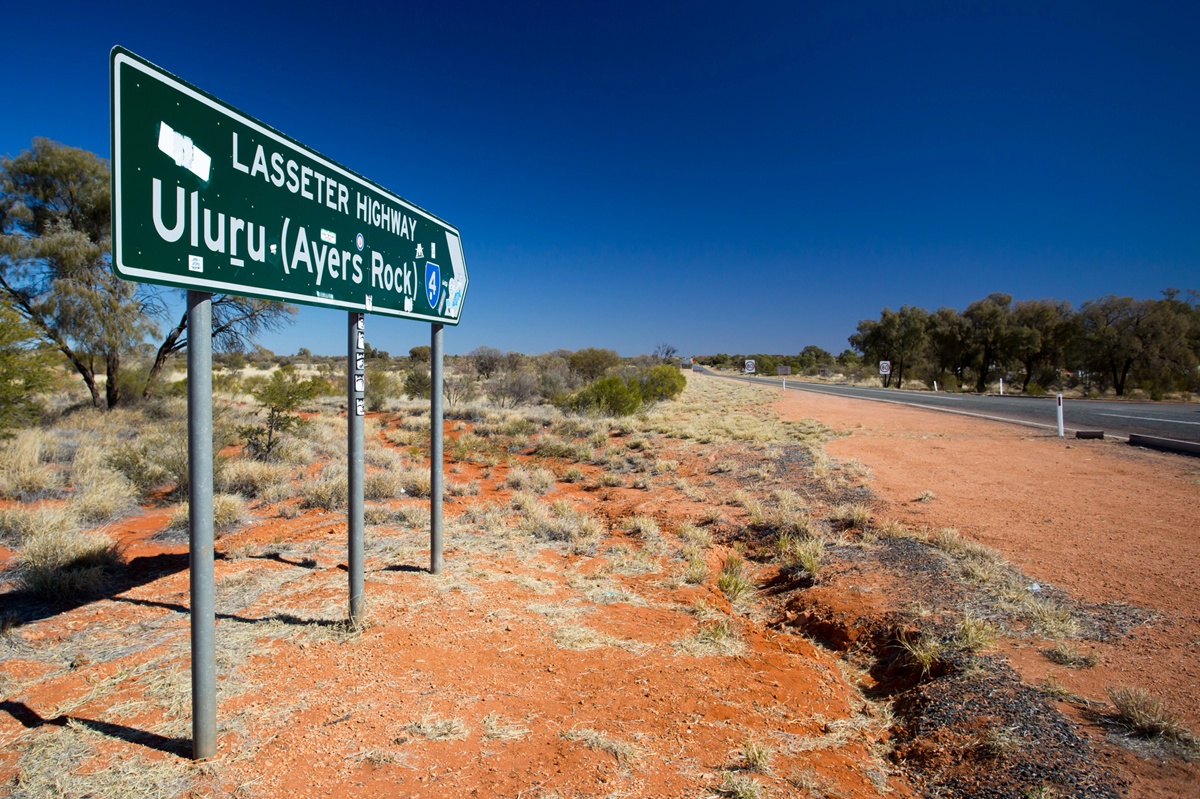
Exploring the Aboriginal culture at Uluru constitutes one of the best ways to understand the spiritual foundations of the Australian continent. Located not far from Alice Springs, this sacred site holds a central place in the oral tradition of the Aboriginal peoples.

Near the Olgas, also known as Kata Tjuta, whose rock domes sculpt the horizon, Uluru rises out of the desert. The whole area forms a wildland area of great geological and cultural value. Guided tours led by local communities allow visitors to grasp the Dreamtime stories, the traces left in the red sous-sol (subsoil), and the close relationship between nature and spirituality.

This arid yet inhabited landscape reveals a core part of the living history of Western Australia, beyond its spectacular scenery. A stop at this must-see site in the Australian interior aptly complements any exploration of the north of the country.

2. Travel the Great Ocean Road

Driving the Great Ocean Road, along the southern coast of the State of Victoria, reveals one of the most beautiful coastal routes in the southern hemisphere, renowned for its lovely coastal roads and spectacular viewpoints. This winding route, lined with white-sand beaches, rainforests and dramatic cliffs, runs along Victoria’s southern coast.

Among the must-see sites, the Twelve Apostles rock formations stand out as the showpiece, their vertical isolation mirrored by the waters. The Great Ocean Road embodies a natural, historic, and symbolic experience, paying tribute to veterans while revealing the erosive power of the coastline. In a travel guide, this itinerary is often recommended as an ideal place to combine landscape discoveries with cultural breaks in southern Australia.

3. Discover the Great Barrier Reef

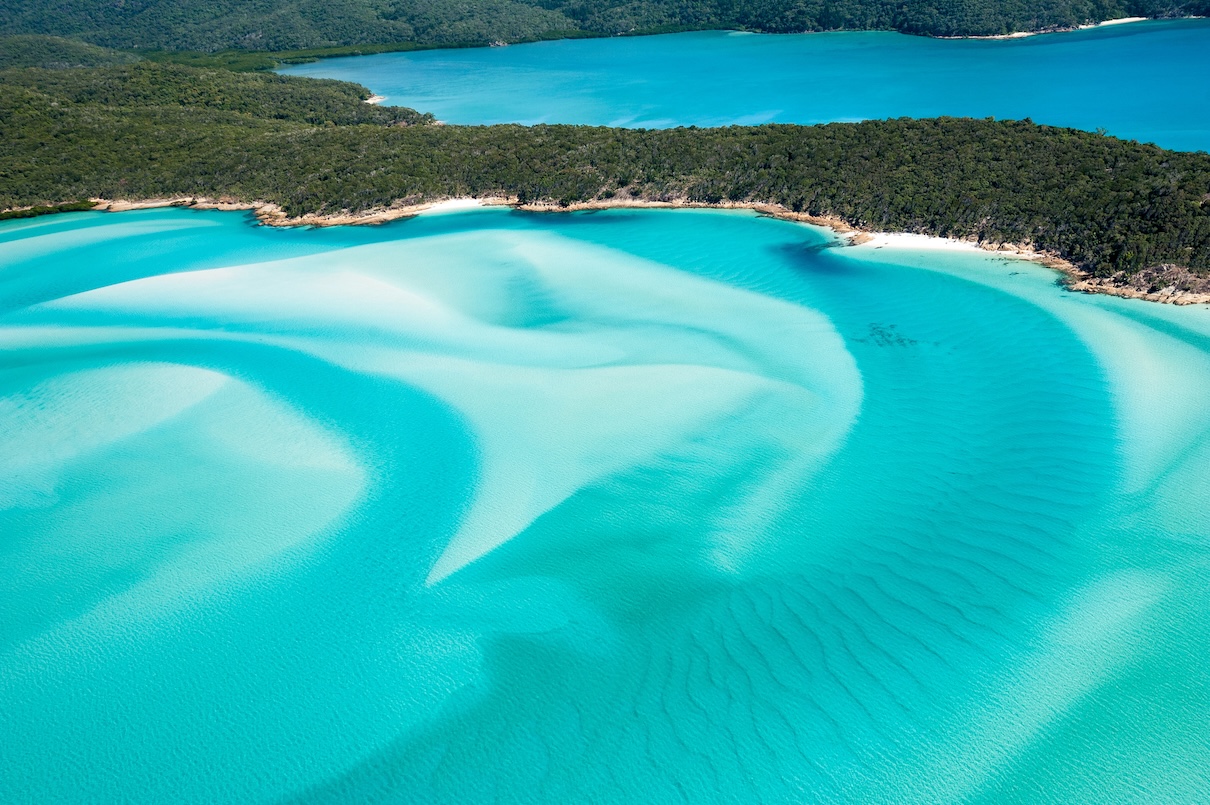
Diving into the turquoise waters of the Great Barrier Reef, along the north-eastern coast of Queensland, ranks among the best ways to explore Australia’s exceptional marine biodiversity. This network of reefs extends to the Whitsunday Islands, known for their white-sand beaches. The region, accessible from Cairns or Airlie Beach, attracts with opportunities for day trips to lagoons rich in coral, tropical fish, turtles, and humpback whales in season.

Far from just a seaside destination, this wildspace highlights the fragility of the coral ecosystem and the challenges of its preservation. Snorkelers, divers, or day-long cruises will find in this region an ideal place to experience an immersive journey between sky and sea, where every immersion reveals the abundance and complexity of the underwater world.

4. Discover Sydney and Its Iconic Landmarks

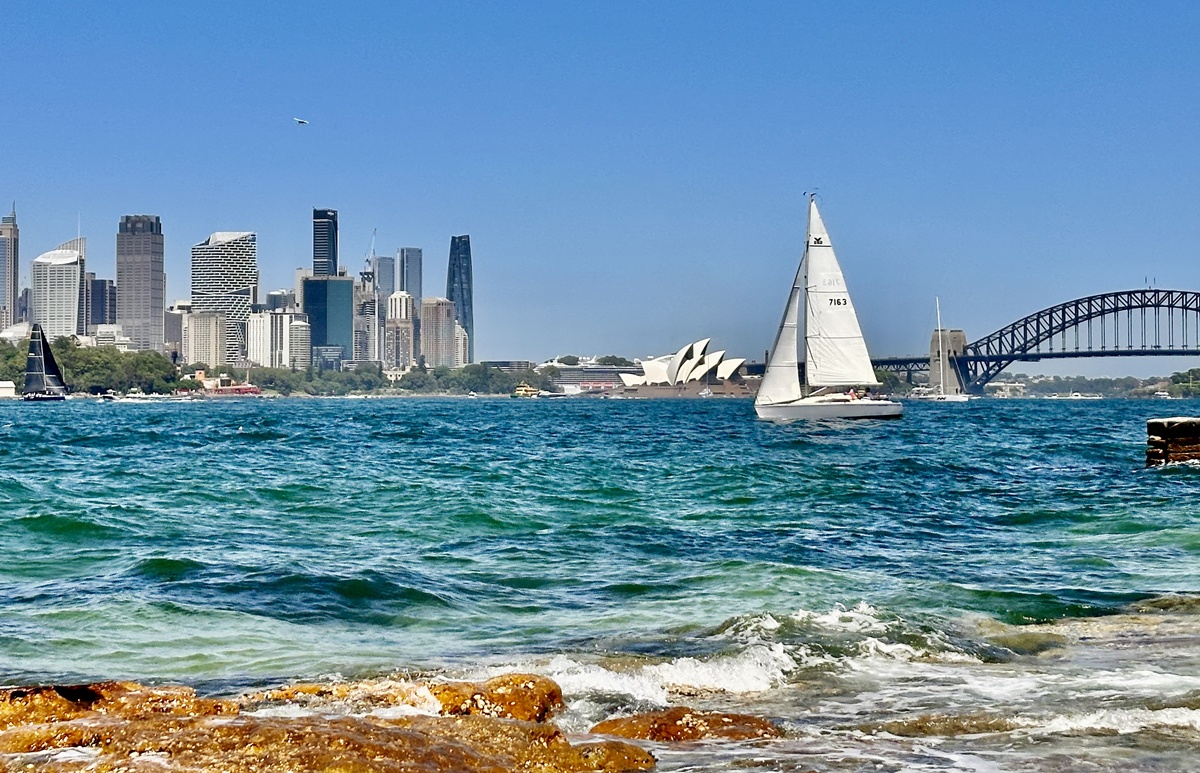
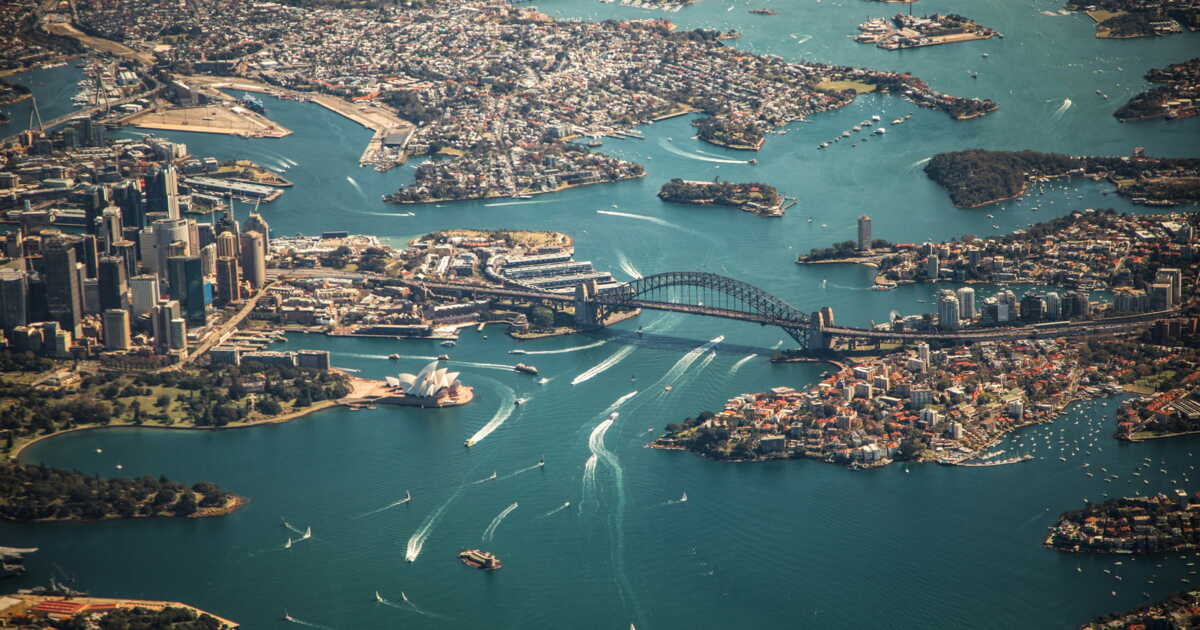
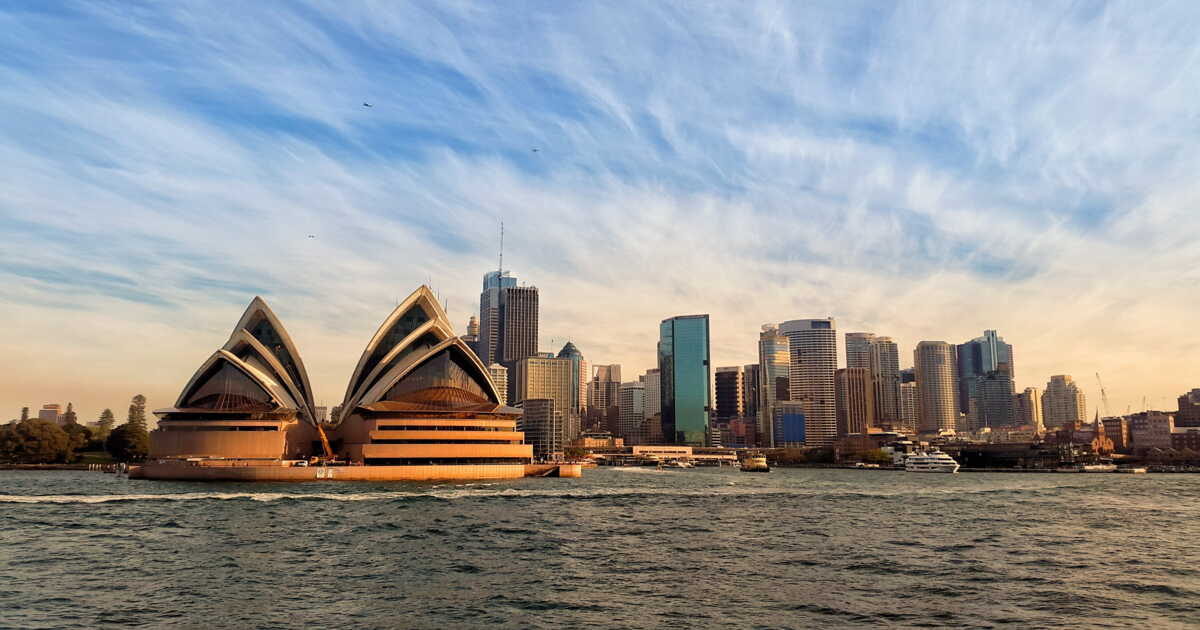
Discovering Sydney amounts to exploring a condensed snapshot of Australian urbanity, blending heritage, waterfront, and contemporary vitality. From the Opera House or the Harbour Bridge to the beaches of Bondi or Manly, the city unfolds a diversity of landscapes shaped by its coastal setting. Renowned for its multicultural restaurants, art galleries, and immediate proximity to nature, Sydney is a perfect place to combine city life with the coast.

The city centre offers a rich array of museums, hotels, promenades and social spaces, while coastal paths, such as the Bondi-to-Coogee route, offer panoramic ocean views. This urban experience also stands out for its ability to integrate sporting, cultural, and social activities in a single metropolitan space. In Australia, few cities offer such a blend of modern infrastructure and direct access to the wild nature area.

5. Venture into Kakadu National Park

The Kakadu National Park, in the northern part of the country, stands as a model of balance between biodiversity, cultural transmission, and territorial management. Located in the northern part of the Northern Territory, about 130 km east of Darwin, this UNESCO World Heritage-listed park protects a mosaic of environments, from stunning gorges to wetlands and tropical forests to rugged cliffs. Here you can observe crocodiles, rare birds, and numerous traces left by the Aboriginal peoples, including millennial rock paintings visible at Ubirr or Nourlangie.

These testimonies give the park a spiritual dimension, where the memory of the land dialogues with today’s wildlife. Trails often integrate this site into a broader itinerary toward the Flinders Ranges, Kings Canyon, or Kangaroo Island, forming a coherent array around Australia’s must-see sites. Far from urban frenzy, Kakadu illustrates the country’s natural diversity and its deep respect for traditional knowledge.

What to Do in Australia with Kids? A Family-Friendly Exploration of the Continent

Australia with kids offers a range of activities designed to blend learning with wonder. Interactive museums like Questacon in Canberra or Scienceworks in Melbourne provide playful ways to explore science. Lifeguarded beaches on the Sunshine Coast or easy trails in the Royal National Park encourage nature-filled getaways.

In Sydney, Taronga Zoo and the Darling Harbour Aquarium are among families’ favorite spots. Australian wildlife — kangaroos, koalas, wallabies — provides a throughline for the trip. Traveling in Australia with family means balancing safety, quality infrastructure, and big-nature discoveries in an environment that supports children’s curiosity.

What to Do in Australia in 1 Week? A Targeted Itinerary to Explore the Essentials

Asking what to do in Australia in one week requires making choices, given the country’s continental scale. For a first visit, it’s wise to concentrate the itinerary on a cohesive region. A journey between Sydney and the Blue Mountains allows you to combine urban heritage with spectacular nature while discovering iconic sites like the Sydney Opera House or Bondi Beach.

Alternatively, a circuit through Queensland—from Brisbane to the Great Barrier Reef via Fraser Island—offers immersion in tropical landscapes. Finally, for culture and gastronomy enthusiasts, Melbourne and the Great Ocean Road create a rich and varied experience. In a week, Australia reveals a concentrated glimpse of its complexity: urban modernity, untouched nature, and multicultural culture.

What to Do in Australia When It Rains? Exploring Museums, Galleries and Indoor Cultural Treasures

Even in bad weather, Australia offers plenty of cultural and urban options to explore. In Melbourne, museums such as the National Gallery of Victoria or the Melbourne Museum offer immersive exhibitions, as does the Australian Museum in Sydney, which presents biodiversity and Aboriginal cultures. In Brisbane, the GOMA (Gallery of Modern Art) provides an engaging visual journey.

Australian cities also host numerous indoor markets, libraries, planetariums and cultural centers suited for a rainy day. Independent cinemas, aquariums and literary cafés are many options that reveal another face of a country often seen only through its vast open spaces.

Australian Visa: What Formalities to Plan Before Departure?

Before traveling, it is essential to learn about the conditions for obtaining an Australian visa, which vary depending on the purpose and duration of the stay. For short tourist stays, nationals of many countries can apply online for an eVisitor or an ETA (Electronic Travel Authority).

For work, internship, or long-term stays, other visa categories are required, with longer and sometimes more complex procedures. It is essential to verify the specific requirements (passport validity, insurance, health) at the time of application. The Australian system, strict but transparent, ensures efficient management of entries into the territory while safeguarding the safety of visitors and residents.

This article was written with the help of artificial intelligence, then corrected, supplemented and validated by the journalists of the editorial team.
Terra Australia: Behind the Scenes of a Premium Bespoke Specialist [ABO]


La Coupe du monde de rugby 2027 va concentrer l'attention du marché français sur l'Australie. L'occasion, pour le sur-mesure premium français, de démontrer ce que l'humain peut encore apporter face à un événement de masse - Photo : Sébastien Cros, WeTravelAustralia™

Hurtigruten


On the French market, Australia-focused incoming operators form a diverse landscape with complementary positions.

Across Australia, a historic operator founded in Sydney and now owned by the Canadian Goway group since 2023, is today led by John Feenaghty, Managing Director.

JCM Destination Australia, established in 1998 by Jean-Christophe Merlant and present in Sydney, Cairns and Auckland, has repositioned itself on the MICE (Meetings, Incentives, Conferences, Events) segment and group operations, with a multilingual Francophone team.

Terra Australia, a relatively newer outfit, positions itself in premium tailor-made travel at a measured volume, exclusively B2B Francophone.

AOT Inbound is represented in France by Gary Paterson, General Manager Global Sales and Marketing, and Pan Pacific Travel by Sandra Feustel.

Among this diversity of approaches, Terra Australia embodies a singular stance: to refuse volume in order to preserve flexibility, to invest in long-term human relationships with Australian partners, and to defend a premium tailor-made approach rooted in field knowledge.

A perspective that deserves focus, at a moment when artificial intelligence is reshaping the production chains of tourism.


Premium tailor-made is not what you think


Le sur-mesure premium australien se concentre sur l'expérience - Photo : Sébastien Cros, WeTravelAustralia™

The first misconception to debunk: Australian premium tailor-made travel is not simply a sequence of five-star lodges.
For me, premium FIT is about focusing on the experience, not just the five-star accommodations“, says Alexandre El-Habouz, France head of Terra Australia.

When you return from a trip, you don’t remember where you slept. You remember the moments, the instants, the energies you perceived.

So premium tailor-made is not, for Terra, about the category of lodging, but a strategic stance: putting the human at the heart of the journey, and designing each itinerary as a precise answer to a unique profile. “What we seek for our clients is that they come back with experiences that have made them evolve in the way they travel“, adds Christophe Napierai, cofounder of Terra Australia. “You come back from your trip a little different.


The Terra model and its singularity


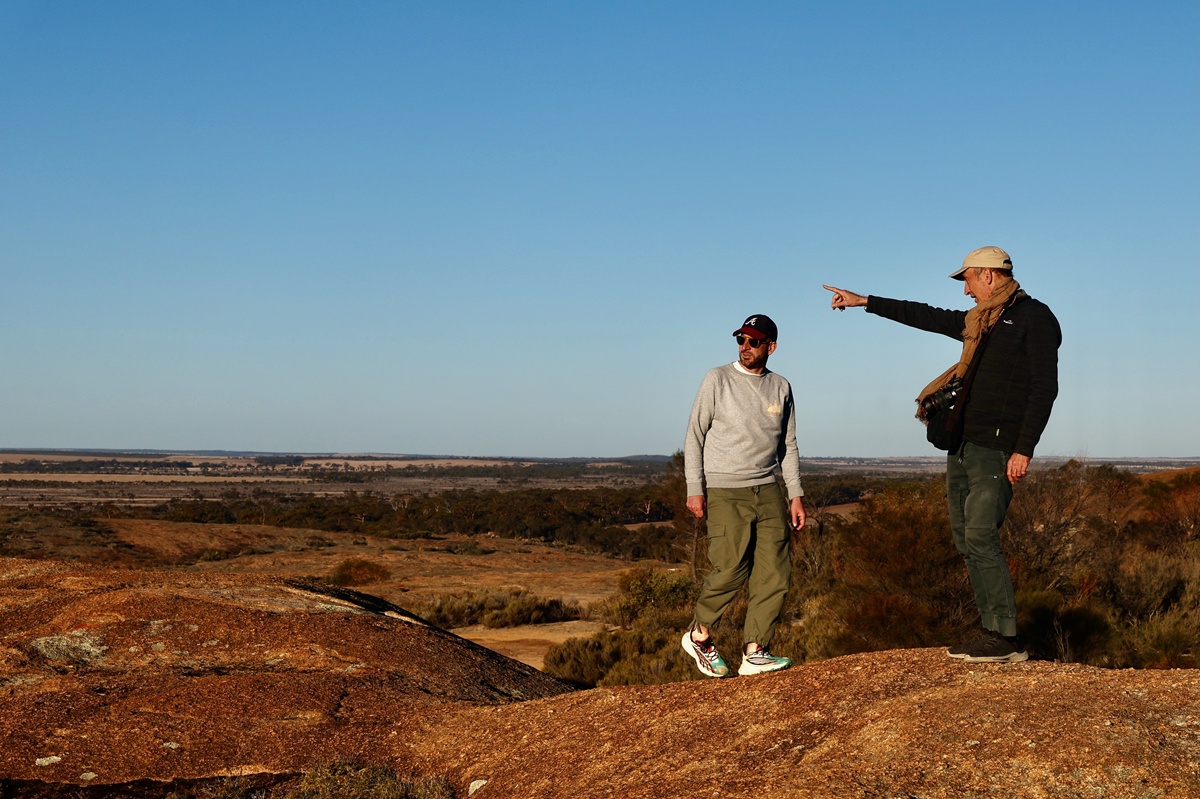
Les deux dirigeants de Terra Australia, Christophe Napierai et Alexandre El-Habouz, sur le terrain - Photo : Sébastien Cros, WeTravelAustralia™

Terra Australia asserts a distinctive stance in the French market: a small, self-assured structure, 100% Francophone B2B, with a team split between France and Australia to ensure proximity to partner agencies. “Our size is our strength“, explains Alexandre El-Habouz.

We cannot promise volume to an Australian partner. So we are obliged to build a relationship with them. This flexibility allows us to work with suppliers that other incoming operators cannot offer, sometimes because they are too small, sometimes because they do not want the classic inbound model.

The example: a Pinnacles hotelier who refused major operators due to slow payments. “We pay immediately. It is this flexibility that allows us to work with very small structures.

This philosophy translates on the distribution side into an intentional targeting: Terra works primarily with the Selectour network, and with smaller, more confidential outfits like Les Ateliers du Voyage, Continents Insolites or Amplitudes. “We will rather focus on small agencies that have a very strong relationship with their clients, a very loyal clientele. Our aim is not to push volume for its own sake. We love offering beautiful journeys, Australia as we love it.

Also read: How is Australia really sold in 2026?


The on-the-ground selection method

On the method side, it is Christophe Napierai who details the invisible work behind each program. “The first thing is that everything stems from our on-the-ground recognitions.

We spend every year time in Australia to discover new providers, new hotels, and new experiences. We invest heavily in the field.


The Australian Tourism Exchange (ATE), the major annual B2B meeting for Australian tourism, complements this setup. “ATE helps to create links, to maintain human relationships, and not just exchanges of booking emails.

The 2026 edition in Adelaide, in May last year, allowed Terra to multiply supplier meetings over four intense days.

Another essential filter: the eco-responsible dimension. “We ask all our providers to adhere to an eco-responsible charter.” A stance that resonates directly with Tourism Australia’s Green is Our Gold strategy recently launched. “We are completely aligned. Our objective is that travellers stay longer in Australia, that they are not rushed. Time is what matters most.


AI in tailor-made travel: the human frontier


By 2027, the Rugby World Cup will focus the French market’s attention on Australia. “It’s going to be a huge event“, anticipates Christophe Napierai. “We have agreements to have the possibility to resell tickets, so we are ready.

This is an opportunity for French premium tailor-made travel to demonstrate what humans can still contribute in the face of a mass event. And to begin preparing the next air season now, in a routing landscape undergoing a major reconfiguration.


Sébastien Cros


Sébastien Cros - Photo : SC

Sébastien Cros is an independent journalist and photographer based in Australia, and founder of WeTravelAustralia™.

After twenty-five years in the Australian tourism industry, notably as Managing Director of Across Australia (Goway group), he now dedicates his writing to editorial narratives focused on the destination, at the intersection of storytelling, photography, and on-the-ground perspective.

Australia: Four Groups Redraw the Outdoor Tourism Map


Depuis plusieurs années, 4 groupes développent des positions de plus en plus fortes dans les différentes composantes du tourisme de nature australien - DepositPhotos.com, filedimage

Hurtigruten


Long has been, the Australian outdoor tourism resembled the country itself: vast, scattered, and profoundly independent.

A family lodge in the Kimberley, a small shipping company in Queensland, a Red Centre tour operator, a seaside holiday park, or a multi-generational adventure experience all constituted separate suppliers with whom international distributors had to negotiate separately.

This landscape is undergoing a transformation.

For several years, four groups have been building ever stronger positions across the various components of Australian nature tourism.

They do not target exactly the same clientele nor offer identical products. Yet their logic converges : to weave more experiences, to command a larger share of the customer journey, and to possess portfolios broad enough to influence both national and international distribution.

G’day Group commands an increasing share of regional accommodation. Journey Beyond brings together the iconic big journeys, from rail to resorts.

Experience Co concentrates on scalable, repeatable adventure activities. Intrepid Travel, finally, extends its responsible-travel circuit model toward direct operation of lodges, treks and local operations.

Four strategic territories, yet one and the same consolidation dynamic around Australia’s great outdoors.


G’day Group : owning the gateways to the regions


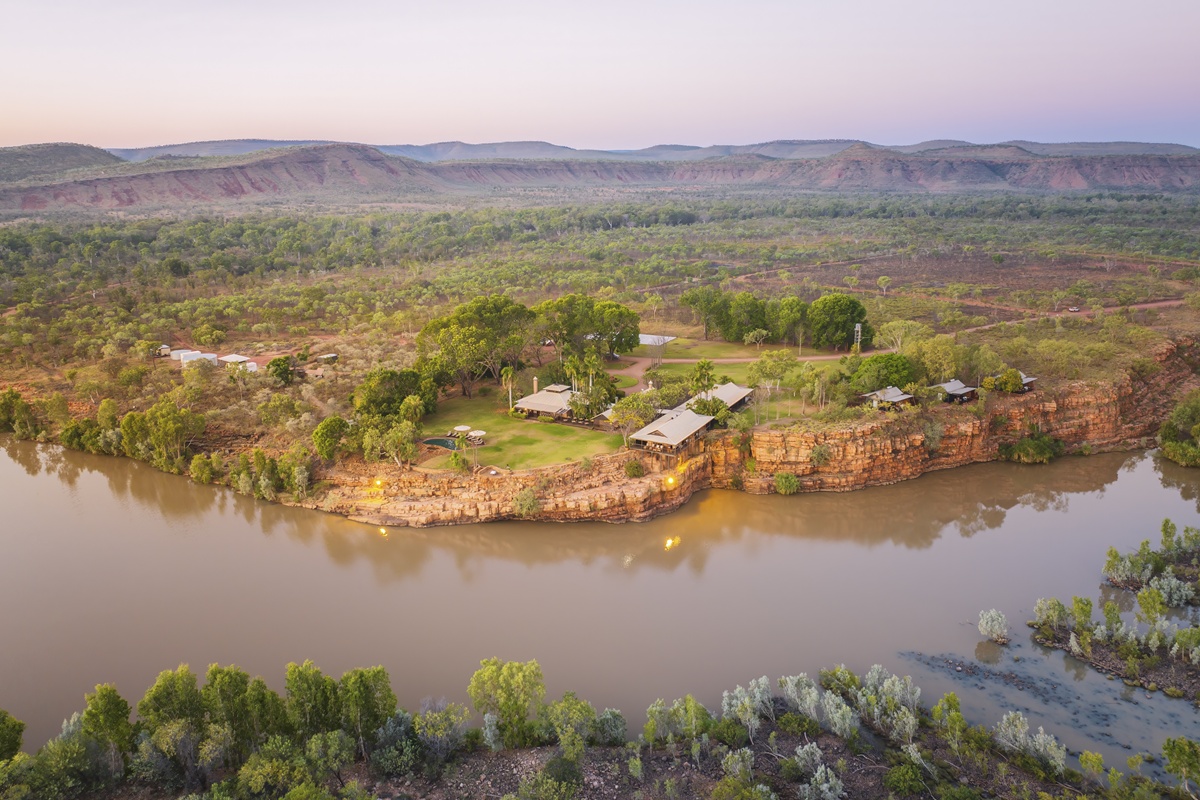
G'day Group construit progressivement une infrastructure complète autour du voyage régional - Photo : El Questro Homestead (G'day Group)

G’day Group is probably the least known to French professionals, yet one of the most structurally significant players in Australian domestic tourism.

Created in 2004 from three caravan parks in Western Australia by Grant Wilckens, the group has become the leading Australian operator of regional accommodations.

Its portfolio rests on two distinct platforms. Discovery Parks and Resorts brings together more than 85 properties owned or directly operated by the group.

In addition, G’day Parks comprises a network of over 240 independent holiday parks united under a single brand and connected to a common loyalty program, which now counts more than 260,000 members. In total, the ecosystem accounts for over 330 properties nationwide.

Yet the strategy now extends far beyond the traditional caravan park model.

The group has assembled a premium address collection, the Discovery Resorts, separate from camping, located at some of the main entry points to iconic Australian landscapes:

– El Questro and Discovery Resorts – Lake Argyle in the Kimberley,

– Discovery Resorts – Wilpena Pound, the only accommodation inside Ikara–Flinders Ranges National Park,

– McCracken Resort on the Fleurieu Peninsula in South Australia,

– Discovery Resorts – Kings Canyon in the Northern Territory,

– Discovery Resorts – Undara in Queensland,

– Discovery Resorts – Rottnest Island off Perth,

– Discovery Resorts – Cradle Mountain in Tasmania

– and, more recently, Noosa Habitat in Queensland.

The group now claims around AUD 2 billion in real estate assets (nearly EUR 1.2 billion), with the ambition to reach AUD 2.5 billion by the end of 2026, pursuing a strategy blending acquisitions, property renovations, upgrading, and stronger digital marketing.

Because G’day Group does not only own beds. It also owns WikiCamps, one of the major Australian apps devoted to camping and regional travel, as well as Bookeasy (now operating under the name BookIt), a reservation technology used by tourism bodies, and a major loyalty program.

Accommodation, reservations, customer data and digital visibility: the group is gradually building a comprehensive infrastructure around regional travel.

One detail deserves attention for French professionals: G’day Group is majority-owned by Australian Retirement Trust, one of Australia’s large pension funds. The consolidation of regional tourism is thus backed by long‑term domestic capital.

Its objective is clear: to become the main gateway to Australia’s road trips, national parks and regional destinations.


Journey Beyond : linking the icons together


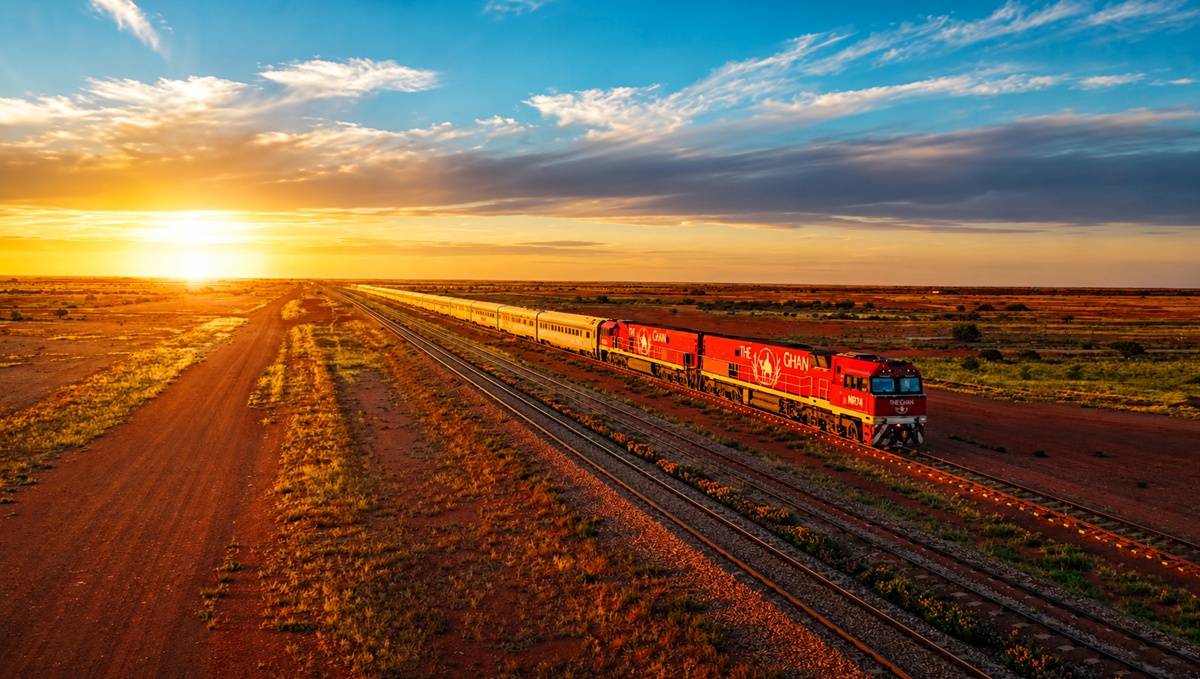
The Ghan (Journey Beyond), l'un des voyages ferroviaires les plus emblématiques au monde, relie Adelaide à Darwin sur 2 979 kilomètres à travers le centre rouge de l'Australie - Photo : Journey Beyond

Journey Beyond pursues a distinct strategy.

The group does not seek to cover every region or to multiply standardized accommodations. Instead, it gathers distinctive Australian experiences that are immediately recognizable and capable of becoming, on their own, the reason for a trip.

The Ghan, Indian Pacific, Great Southern and The Overland form the railway backbone of the group. Around these trains have been added cruises, lodges, outback excursions, attractions and maritime experiences.

Based in Adelaide, the group now operates around twenty brands across Australia and New Zealand.

A key detail to understand the dynamics: Journey Beyond was placed under the exclusive control of Crestview Partners, a New York-based investment fund, in 2024, following the restructuring of the American Hornblower group, which had held its capital since its acquisition of Quadrant Private Equity in early 2022 for about AUD 600 million.

The building of this portfolio of Australian icons is therefore steered by American capital, whereas G’day Group is backed by an Australian pension fund. Two different capital models behind the same logic of concentration.

The March 2026 acquisition of Voyages, rebranded as Voyages Tourism Australia, gave it operational control of Ayers Rock Resort at Yulara and of the Mossman Gorge Cultural Centre in northern Queensland.

This operation deserves careful reading, for it is not merely a change of ownership. Conducted with the Indigenous Land and Sea Corporation and with the traditional owners, the Anangu of Yulara and the Kuku Yalanji of Mossman Gorge, the transaction, estimated at around AUD 300 million (about EUR 180 million), includes a gradual return of land to First Nations communities. Journey Beyond manages the assets, but land ownership remains with the traditional owners. The National Indigenous Training Academy at Ayers Rock Resort continues its activities.

Journey Beyond thus no longer simply transports its guests across Australia: it can now host them at the foot of Uluru, offer cultural experiences, take them into the Outback, along the coasts or aboard some of the country’s most famed rail journeys.

The momentum does not stop at Uluru. In early June 2026, after approval from the competition regulator, Journey Beyond completed the acquisition of the Jabiru Crocodile Hotel, at the heart of Kakadu National Park.

This 110-room crocodile-shaped property, previously operated under the Accor Mercure brand, is also located on land leased from the Mirarr traditional owners via the Gundjeihmi Aboriginal Corporation. Two gateways to iconic parks, Uluru and Kakadu, within a few months.

The group also struck an agreement in February 2026 to acquire SeaLink’s tourism portfolio from Kelsian, for AUD 161 million (around EUR 97 million). The deal, still subject to regulatory approvals and expected in the second half of 2026, includes SeaLink and Captain Cook Cruises activities on Sydney Harbour, in Perth, in the Whitsundays, on Bruny Island in Tasmania and in Darwin, as well as Kingfisher Bay Resort and K’gari Beach Resort, the Murray Princess and Adelaide Sightseeing.

This acceleration prompted a reorganization: in May 2026 Journey Beyond regrouped its brands into three divisions: Rail & Touring (the railway and tours, including Outback Spirit), Resorts & Lodges (experiential accommodation, from Ayers Rock Resort to Sal Salis Ningaloo Reef), and Experiences & Attractions (maritime, aviation and attractions—from Cruise Whitsundays to Melbourne Skydeck).

The group aims to double its size by the end of 2026. Journey Beyond itself summarizes the strategy: “to enable the traveler to move from rail to reef, from river to resort, and from city to sea within a single portfolio“.

Journey Beyond no longer sells only premium products. The group is gradually assembling a complete Australian itinerary around a selection of national icons.


Experience Co : refocusing on reproducible adrenaline


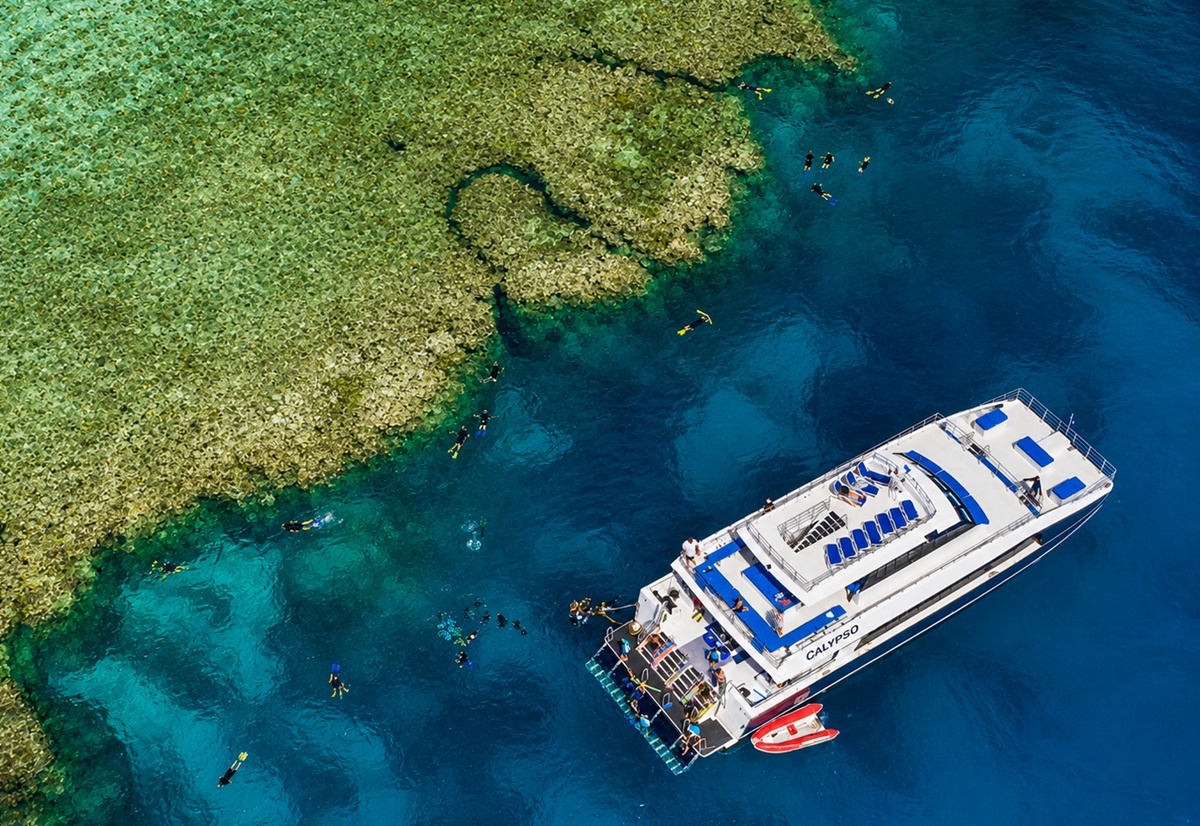
Le Calypso de Reef Unlimited (Experience Co) sur la Grande Barrière de Corail. La marque rassemble les activités maritimes du groupe au départ de Cairns et Port Douglas - Photo : Reef Unlimited / Experience Co

Experience Co represents the most specialized model of the quartet.

Listed on the Australian Securities Exchange (ASX: EXP), the company has developed around adventure experiences and bucket-list activities, those must-do experiences travelers want to tick off: skydiving, Great Barrier Reef tours, diving, maritime excursions, tree-top adventures and airborne escapades.

Skydive Australia stands as one of the group’s pillars. Reef Unlimited brings together its main maritime activities launched from Cairns and Port Douglas, while Treetops Adventure builds canopy courses and zip-lines across several Australian regions.

In the first half of 2026, the group reported revenue from continuing operations of AUD 67.5 million (about EUR 40 million), up 5%, in a context of pressured results that led it to launch a strategic review of its skydiving business.

The sale of Wild Bush Luxury to Intrepid Travel clearly illustrates this repositioning. Wild Bush Luxury brought together several prestigious assets: Arkaba Homestead and Arkaba Walk in the Flinders Ranges, Bamurru Plains in the Northern Territory, and The Maria Island Walk in Tasmania.

For an estimated AUD 5.1 million (about EUR 3 million), announced in December 2025 and effective in February 2026, Experience Co chose to divest these experiences in order to focus its resources on three divisions deemed more easily scalable: skydiving and aviation, Great Barrier maritime activities, and Treetops Adventure.

The company is therefore no longer seeking to own all forms of nature-based travel. It specializes in identifiable experiences, bookable in a few clicks and reproducible across multiple sites.

Its scope is not that of a full stay, but of the moments a traveler absolutely wants to live.


Four strategies, one integrated approach


What room for independents?

This consolidation does not spell the end of Australian independent tourism.

The country remains vast and its regions continue to give rise to guidebooks, accommodations, family-run businesses, and highly specialized experiences. But independents are now operating alongside groups capable of mastering product, marketing, distribution, technology, and customer relationships all at once.

The question is not whether to choose between large groups and small outfits. It is whether international distribution will keep seeking diversity, or whether the buying simplicity will gradually steer itineraries toward a smaller number of portfolios.

For French professionals, understanding who owns what in Australia is no longer merely an economic curiosity. It has become a prerequisite for understanding where travel value is headed, who controls the most emblematic experiences, and where the room to maneuver now lies.

Because that is precisely where it matters: in customization, in the ability to step outside the integrated catalogs to reach the small producer, the independent accommodation, the experience that major portfolios do not reference.

This value cannot be bought off the shelf. It is built through a keen knowledge of the field, to craft a truly singular itinerary.

The Australian outdoors still looks vast. Its market, however, is tightening. It is precisely here that fine knowledge of the terrain retains its value.

The more portfolios concentrate, the more useful it becomes for French professionals to know lesser-known regions, the Outback, independent products and detours that make an itinerary stand out. Understanding consolidation is not about resigning to it. It is about choosing better and continuing to offer an Australia that is not defined by a handful of brands.


Sébastien Cros


Sébastien Cros - Photo : SC

Sébastien Cros is an independent journalist and photographer based in Australia, founder of WeTravelAustralia™.

After twenty-five years in the Australian travel industry, notably as Managing Director of Across Australia (Goway group), he now dedicates his writing to editorial pieces focused on the destination, at the crossroads of storytelling, photography, and on-the-ground perspective.

Australia: Iconic Whitsunday Adventures Aims to Expand European Sales


Iconic Whitsunday Adventures est un tour-opérateur australien spécialisé dans les expériences exclusives et basé à Airlie Beach - Depositphotos.com, aatkinsonphotography

CroisiEurope


Iconic Whitsunday Adventures strengthens its commercial strategy on the European market.

The operator, based in Airlie Beach in Queensland, has entrusted its commercial representation and promotion in France and Europe to the Munich-based agency Voice of Travel.

The objective is to develop relationships with European travel agencies and tour operators, notably through targeted commercial actions, webinars and personalized product trainings.

The dedicated B2B contact is Meike Gronegger, Senior Marketing & Trade Relations Manager at Voice of Travel.

The agency notably offers to accompany professionals in discovering and marketing the experiences offered by Iconic Whitsunday Adventures.


Two premium experiences at the heart of the Whitsundays

The operator offers several excursions departing from Airlie Beach, the gateway to the Whitsunday Islands and the Great Barrier Reef.

On board the Viper, a vessel touted as the fastest in the archipelago, Iconic Whitsunday Adventures presents a nine-hour trip that combines Whitehaven Beach, Hill Inlet and a snorkeling session on the Great Barrier Reef.

The experience, limited to 36 passengers, includes a guided snorkeling safari led by a marine biologist.

Another flagship product: a full-day sail aboard the Lady Enid, a wooden schooner built in 1962 and restored, which can accommodate up to 24 passengers. This roughly ten-hour experience, for adults only, combines sailing, exploring Whitehaven Beach and Hill Inlet, snorkeling and a gourmet offerings with premium beverages.

The two day trips depart at 8:00 a.m. from the Coral Sea Marina in Airlie Beach. Transfers from accommodations can also be arranged on request.


An offering also focused on sunset cruises

Iconic Whitsunday Adventures also offers a two-hour sunset cruise aboard the Lady Enid. Adults-only, the experience includes a platter featuring local products and an Aperol Spritz.

The Sundowner in turn offers a sunset outing around Airlie Beach, suitable for all ages and capable of hosting up to 48 passengers.

We are particularly proud to support in Europe a new renowned Australian partner with Iconic Whitsunday Adventures, a family-owned business recognized and certified as eco-responsible“, emphasises Peter Mierzwiak, CEO of Voice of Travel.

Tourism professionals can now contact Voice of Travel to organize product trainings or obtain further information about Iconic Whitsunday Adventures’ offers.


Amelia Brille Publié par Amelia Brille Rédactrice TourMaG.com
Voir tous les articles d’Amélia Brille

  • picto Linkedin
  • picto email
Ajoutez TourMaG à votre flux Google Actualités Google Actualités icône  

Double Island to Reopen to Tourism in Australia After 13 Years of Closure


Double Island, une île emblématique du Queensland, se réinvente - Photo : Morris Group

CroisiEurope


Après treize années de fermeture, Double Island s’apprête à changer de dimension.

Le groupe familial australien Morris Group a remporté l’appel d’offres lancé par le gouvernement du Queensland pour exploiter cette île située au large de Palm Cove, à une trentaine de kilomètres de Cairns.

L’entreprise prévoit d’investir 40 millions de dollars australiens dans la relance touristique du site, avec un projet combinant excursion à la journée, infrastructures de loisirs et hôtellerie haut de gamme.


An initial public opening planned for 2027

Ancien resort insulaire parmi les plus réputés d’Australie, Double Island doit d’abord renouer avec une clientèle de proximité et les visiteurs de passage dans le Tropical North Queensland.

La première phase du projet prévoit la construction d’un nouveau ponton ainsi que l’ouverture d’un bar-restaurant de plage. Cet espace accessible au public doit accueillir ses premiers visiteurs en décembre 2027.

Le groupe Morris souhaite faire de l’île une destination d’excursion à part entière, accessible aussi bien aux habitants de la région qu’aux touristes. Des sentiers de randonnée doivent également être aménagés afin de valoriser l’environnement naturel de l’île.

Nous voulions nous assurer que chaque étape de ce projet soit bien accueillie par la communauté locale“, explique Chris Morris, dirigeant du groupe.

L’accès à la journée constitue ainsi la première étape de la stratégie de relance de Double Island, avant le développement d’une offre d’hébergement plus exclusive.


24 villas de luxe à l’horizon 2029

La seconde phase du projet doit être consacrée à la Double Island Lodge, dont l’ouverture est annoncée pour 2029.

Le futur resort comprendra 24 villas de luxe, réparties sur six secteurs de plage. L’établissement intégrera également une piscine, un spa, une salle de fitness et un Sunset Bar situé entre les deux collines de l’île.

Un restaurant-boutique cinq étoiles de 100 couverts doit compléter l’offre. Outre les clients de l’hôtel, il pourra accueillir des mariages et des conférences.

Avec cette offre, Morris Group entend positionner Double Island sur le marché du tourisme haut de gamme, en ciblant à la fois les voyageurs australiens et la clientèle internationale.

La Double Island Lodge sera un hébergement de luxe sans équivalent dans la région“, affirme Chris Morris, qui veut en faire une nouvelle référence touristique pour le Queensland.


Un projet intégré au développement touristique de la région de Cairns

La stratégie d’accès constitue un autre volet important de l’investissement. Le nouveau ponton doit permettre l’accueil d’opérateurs d’excursions maritimes, tandis que la flotte de Morris Nautical pourra également être mobilisée pour assurer les transferts.

Le groupe prévoit notamment d’utiliser trois superyachts de luxe stationnés à Cairns. Depuis Palm Cove, la traversée devrait durer environ 20 minutes.

Un héliport doit également être aménagé sur l’île. Il permettra d’organiser des transferts directs depuis le continent, mais aussi des vols panoramiques au-dessus de la Grande Barrière de corail.

Double Island entend ainsi s’inscrire dans l’écosystème touristique déjà développé autour de Cairns et du Tropical North Queensland, où plusieurs îles proposent des expériences complémentaires, de l’excursion à la journée au séjour en resort de luxe.

Pour le Queensland, la réhabilitation de Double Island représente également un enjeu de valorisation d’un site touristique emblématique resté fermé pendant plus d’une décennie.


Amelia Brille Publié par Amelia Brille Rédactrice TourMaG.com
Voir tous les articles d’Amélia Brille

  • picto Linkedin
  • picto email
Ajoutez TourMaG à votre flux Google Actualités Google Actualités icône  

Sales Challenge: Asia Launches Australia Challenge


Challenge de ventes : Asia lance le Défi Australie - Depositphotos.com  Auteur tupungato

IFTM


Asia a lancé un grand challenge de ventes dédié à l’Australie.

“Le Défi Australie”, c’est son nom, récompensera les agents de voyages les plus prescripteurs de la destination chez le voyagiste.

Les cinq meilleurs agents ayant effectué des réservations entre le 1er novembre 2024 et le 30 juin 2025 pour des voyages en Australie d’Asia, auront la chance de partir en novembre 2025 à la découverte de l’Ouest australien et de tester le nouveau vol direct de Qantas.

Asia est en effet le premier tour-opérateur à s’être positionné dès l’été 2024 sur le nouveau vol direct de Qantas reliant Paris à Perth ! Le président du tour-opérateur, Guillaume Linton, nous avait d’ailleurs partagé ses impressions lors de l’un des tous premiers vols fin Juillet

Ce trajet en Dreamliner 787, positionné en amorce des jeux Olympiques de Paris, permet pour la première fois dans l’histoire de l’aviation commerciale, de joindre l’Australie en moins de 16 heures depuis Paris !

L’Australie Occidentale, dont Perth est la capitale, état le plus ensoleillé du pays, offre une porte d’entrée idéale pour explorer l’Australie d’ouest en est. Dans cette optique, Asia a intégré pour ses départs 2025 en petits groupes, ce vol Paris/Perth à ses 2 circuits Tentations, avec une nouveauté : La Grande Traversée de l’Australie.


Western Australia, the New Gateway

This long journey of 22 days/19 nights offers a complete immersion down under. Limited to 16 participants, this voyage thus starts in Western Australia, a vast region still relatively unknown to French travelers, yet spectacular in many ways.

On the program: the dynamic yet relaxed city of Perth, the preserved Rottnest Island, a true natural sanctuary famous for its quokkas and its paradise beaches, and the possibility of a side trip to Fremantle, a charming port city renowned for its lively markets and trendy cafés, where street art is found at every corner.

The itinerary continues through the Northern Territory, from the Top End to the Red Centre, weaving between rock-art sites, Aboriginal ceremonial places, billabongs paradise of birdlife, natural waterfalls and ochre canyons, before reaching the reefs of the Great Barrier Reef and the Daintree Rainforest around Cairns in Queensland.

The journey also includes exploring the great metropolises of Sydney and Melbourne, the Blue Mountains National Park and the Great Ocean Road, in the southeast of the country. A trip with a French-speaking guide who combines Australia’s finest natural and cultural treasures.

For nearly 40 years of programming, Asia also aims to be the specialist in Australia autodrives (by car, 4×4 and motorhomes), with a whole palette of road or off-road itineraries, for all budgets and assembled to measure by the operator’s team of expert tour planners, all duly certified “Aussie Specialists”.


The most deserving travel agents will be able to discover a preview of these wild landscapes along the western coast!

Qantas Launches Sales Challenge With an Educational Tour in Australia


Qantas lance un challenge de ventes avec un éductour en Australie - DepositPhotos.com, Gudella

IFTM


Qantas invites travel agents to try to win a spot for an exclusive edu-tour in Australia, by taking part in its new challenge, based on Australia sales achieved between the September 1, 2025 and March 1, 2026.

The applications must include a Qantas flight – QF33/QF34 from Paris or QF1/QF2/QF9/QF10 from London – as well as at least one night in Western Australia and one night in Victoria.

Agents must submit their PNRs or ticket numbers to Qantas France no later than March 2, 2026.

This challenge accompanies the ramp-up of the Paris – Perth route operated three times per week by the Boeing 787 Dreamliner, as well as the Qantas Explorer program enabling access to more than 60 Australian destinations.

Also read: Qantas appoints John Simeone as General Manager of International Sales


Qantas Challenge: Participation Criteria and Finalist Selection

To qualify, participants must register via the dedicated form after their first sale, be certified Aussie Specialist and have completed the Victoria, and the Western Australia modules, as well as those for Melbourne and Perth on the Qantas Learning Hub.

Tourism Australia will verify the eligibility of the predefined profiles based on the sales validated by Qantas.

The eight selected agents will be announced in early March 2026 and will participate in a fam trip combining Melbourne, Victoria, Perth and the Coral Coast, including nature experiences, sightseeing, cruises, snorkeling and the discovery of Australian wildlife.

Australia Launches New Strategy Targeting French Travelers


L'ATE26 a réuni acheteurs internationaux et fournisseurs australiens autour de 55 000 rendez-vous d'affaires - Photo : Tourism Australia

Dream Yacht


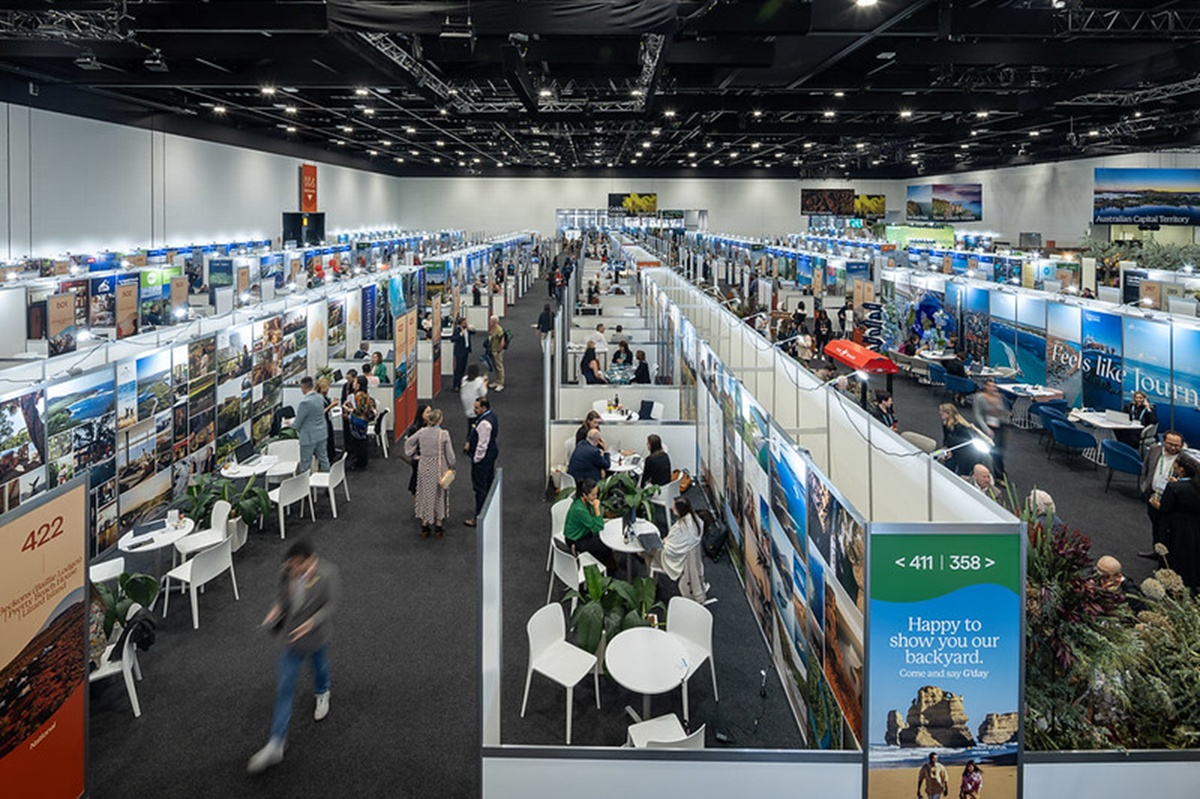
Adelaide, May 2026. On Kaurna land of Tarntanya, in South Australia, the Australian Tourism Exchange (ATE), the largest professional tourism trade show in Australia, is hosting its 46th edition, bigger than ever.

For four days, the industry’s must-attend gathering brought together international buyers and Australian suppliers around 55 000 business appointments.

The context could have weighed on it. Since February 28, 2026 and the halt to long-haul bookings linked to the Middle East conflict, the industry had expected a cautious, perhaps dull edition.

But the opposite occurred. In the natural light of the Convention Centre, eyes and exchanges carried a rare energy. Several regulars describe it as one of the best editions since pre-Covid, in terms of conversations and the level of buyers present.

A form of resilience, very Australian, which gave ATE26 its distinctive atmosphere.

For France, a historic and strategic market, the show marks an important milestone. In a private room at the Convention Centre, Robin Mack, the new Managing Director of Tourism Australia, granted TourMaG a quarter of an hour.

What he says about the French market and the organisation’s new strategic direction deserves the attention of travel professionals.


Robin Mack: “A high-contribution traveler does not mean a luxury traveler”

Dès les premières minutes de l’entretien, Robin Mack clarifie un point important. Avec Tourism 2035, la nouvelle feuille de route stratégique présentée à Adelaide, Tourism Australia ne cible pas uniquement les voyageurs de luxe.

L’objectif est plus large : attirer des voyageurs qui restent longtemps, dépensent davantage sur place et visitent plusieurs régions du pays. “We can host a leisure traveler who travels widely across the country“, précise Robin Mack.

Et l’une des raisons pour lesquelles nous aimons nos visiteurs français, c’est qu’ils restent plus longtemps et sortent des grands circuits habituels.”

L’ambition, chiffrée, est claire : faire passer la dépense touristique totale de 33 milliards de dollars australiens en 2025 à une fourchette comprise entre 61 et 69 milliards à l’horizon 2035.

Pour y parvenir, Tourism Australia mise sur quatre priorités immédiates affichées dès l’ouverture du salon : gagner sur le marketing à destination des humains comme des intelligences artificielles, valoriser l’étendue de l’offre australienne, capitaliser sur les grands événements à venir, et définir un positionnement luxe distinctif.

La conjoncture conforte l’ambition : selon le Bureau australien des statistiques, l’Australie a accueilli 9,1 millions de visiteurs internationaux sur les douze derniers mois (+10%), avec un secteur loisir désormais revenu à ses niveaux d’avant 2020.

Mais le défi reste d’accélérer la conversion. “L’Australie est souvent sur la liste du ‘un jour j’irai’“, reconnaît Robin Mack. “Pour moi, il s’agit d’amener les voyageurs à se dire : ‘j’ai besoin d’y aller maintenant, pas plus tard’.


AU$8,300 per trip: France, the premium market par excellence

Robin Mack : "L'une des raisons pour lesquelles nous aimons nos visiteurs français, c'est qu'ils restent plus longtemps et sortent des grands circuits habituels" - Photo : Sébastien Cros

Cette ambition globale trouve sa traduction la plus aboutie sur le marché français.

Selon Lucie Bottero, Country Manager Tourism Australia France, les chiffres avaient renoué dès décembre dernier avec les niveaux de 2019. Sur les douze derniers mois (février 2025 à février 2026), 150 000 Français sont arrivés sur le sol australien.

Surtout, la France est désormais le premier marché mondial en valeur de dépense, avec une moyenne de 8 300 dollars australiens (environ 5 000 euros) par personne et par voyage.

Près d’un voyageur français sur deux y reste trois semaines, bien au‑dessus de la moyenne internationale.

Le profil français incarne, presque à lui seul, le voyageur à forte contribution défini par Robin Mack.

2026 acte donc un repositionnement. “Le segment qu’on va pousser sur l’année prochaine, c’est le voyageur jeune à forte contribution, celui qu’on appelle le Young High Yield Traveler“, confirme Lucie Bottero.

Fini les budgets dédiés au programme Vacances-Travail, qui s’autoalimente désormais (46 000 jeunes Français accueillis en 2025). Place aux campagnes de conversion avec les compagnies aériennes, aux partenariats avec les comparateurs de voyage comme Kayak et Skyscanner, et à un axe événementiel fort autour du rugby.

Le 1er octobre prochain marquera, en effet, le coup d’envoi des célébrations de l’année précédant la Coupe du monde de rugby 2027, occasion attendue d’événements et de campagnes en France.

Sur le terrain, la France et la Côte ouest australienne tissent un lien renforcé. “On voit que beaucoup de Français vont dans l’Ouest, parce que c’est 16 heures depuis la France porte à porte. Le vol direct Paris-Perth, c’est un véritable tournant“, souligne Lucie Bottero.

Si cette liaison directe opérée en Boeing 787-9 est actuellement suspendue jusqu’à fin octobre 2026 pour adaptation de son trajet aérien (la connexion avec Paris étant assurée via Singapour), elle reste un levier stratégique majeur pour le marché français dans la perspective 2027.


For French tour operators, the message is threefold

Le voyageur premium au sens large s’impose désormais comme cœur de cible des plans de Tourism Australia, bien au-delà de l’ultra-luxe.

Les leviers de visibilité s’élargissent autour du rugby, des expériences signature de l’Australie (Signature Experiences of Australia) et du programme de formation Aussie Specialist, piloté en France par Adil Hmami, formateur officiel Aussie Specialist, qui sillonne le territoire pour former les agences.

Le meilleur conseil que je puisse donner aux agents pour préparer leur saison 2027, c’est de compléter les modules sur le programme Aussie Specialist“, recommande Lucie Bottero.

Reste un signal de vigilance à intégrer dans les arbitrages commerciaux : les réservations à venir pour le Royaume-Uni et l’Europe affichent un recul de 14% sur la période mai-octobre 2026, à contre-courant de la croissance asiatique (+8%).

Rendez-vous est pris pour ATE27 du 16 au 20 mai 2027 au Centre international des congrès de Sydney, avec Destination Nouvelle-Galles du Sud comme État hôte, en pleine effervescence autour de la Coupe du monde de rugby.

D’ici là, la stratégie défendue à Adelaide aura été testée par les chiffres, autour de deux convictions. La première, durable, porte un nom : Green is Our Gold. La seconde, opérationnelle, passera par les voix des tour-opérateurs français qui font vivre l’Australie auprès de leurs clients.

Deux objectifs qui éclairent, chacun à leur manière, la nouvelle ambition australienne sur le marché français.


Sébastien Cros


Sébastien Cros - Photo : SC

Sébastien Cros est journaliste indépendant et photographe basé en Australie, fondateur de WeTravelAustralia™.

Après vingt-cinq ans dans l’industrie touristique australienne, notamment comme Managing Director d’Across Australia (groupe Goway), il consacre désormais son écriture à des récits éditoriaux dédiés à la destination, à la croisée du storytelling, de la photographie et du regard de terrain.

Green Is Our Gold: Sustainability Becomes a Major Tourism Draw in Australia [ABO]


Tourism Australia a lancé en mars 2026 son initiative "Green is Our Gold" - DepositPhotos.com, bennymarty

Dream Yacht


When 77% of international travelers say that sustainability is important in their daily lives, and 70% that it influences their travel choices, a long-haul destination can no longer merely promise spectacular scenery.

Tourism Australia has understood this.

Launched on March 19, 2026, at the Destination Australia conference in Melbourne (Narrm) in front of 800 professionals, the initiative “Green is Our Gold” now structures the country’s sustainable commitment.

At the Australian Tourism Exchange 2026 in Adelaide, the program was placed at the heart of professional conversations, including those aimed at European markets.


Five Pillars, a Toolbox, 360,000 Businesses

Green is Our Gold brings together the Australian tourism industry around a shared promise“, explains a spokesperson from Tourism Australia’s Sustainability and Communications team met in Adelaide.

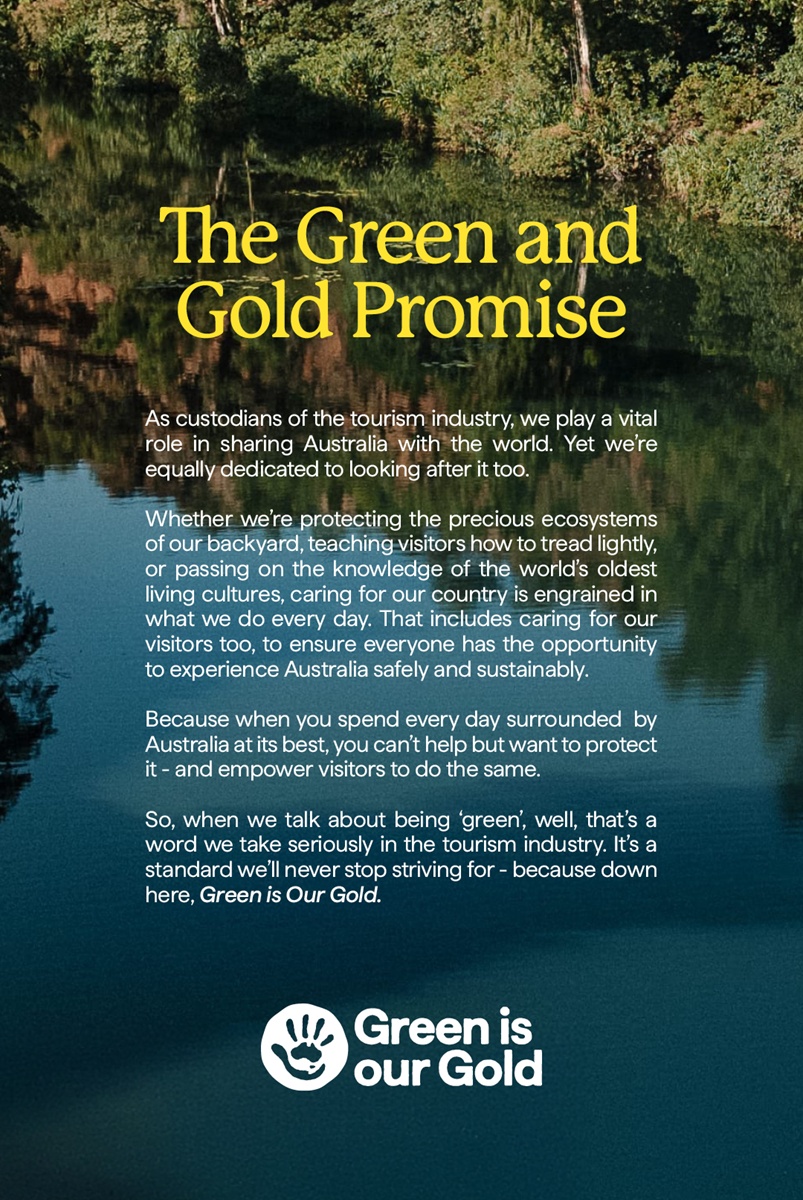
According to her, operators who sign the Green and Gold Promise access a practical toolkit containing operational sustainability tools and on the five pillars to embody.

These five pillars, formalized by Tourism Australia, have become the common grammar of Australian responsible tourism:

Celebrate Community : support local players and their businesses,

Embrace Culture : share heritage, including the stories of the First Nations,

Preserve Place : protect natural and iconic environments,

Respect Wildlife : ensure the health of the wildlife unique,

Take Care : encourage responsible travel, in the manner of locals.

More than 360,000 Australian tourism businesses are targeted by this rollout.

The momentum was confirmed at ATE26: more than 1,000 professionals signed the Green and Gold Promise during the fair, marking their formal commitment to the five principles.

The official engagement platform is accessible at greenisourgold.australia.com, where operators and organizations can sign the charter and download the practical kit.

The program is designed to last. The spokesperson describes “Green is Our Gold” as a lasting platform, designed to endure over time.

Phase 1, extending until 2027, aims to mobilize the industry. Phase 2 includes gradual integration into the Aussie Specialist program, which will directly affect French agencies trained by Tourism Australia.


Robin Mack: “Green is Our Gold is a Call to the Industry”


Manifeste "The Green and Gold Promise" - Illustration Tourism Australia

In an interview with TourMaG in Adelaide, Robin Mack, Managing Director of Tourism Australia, defends a strong industry conviction. “Green is Our Gold is a call to the industry to go even further,” he asserts.

Australia has a solid history of sustainable growth in tourism, and many companies have already integrated sustainability, delivering world-class experiences that respect our natural environments, cultures and communities.

For Robin Mack, two logics converge. First, that of the First Nations: “Our First Nations culture and sustainability are deeply linked.” Then that of geography: “We cannot escape our location. It’s a long flight to get here. When travelers are on site, we must show them how well we practice sustainability on the ground.

The initiative fits within the national THRIVE 2030 framework and complements the National Sustainability Framework for the Visitor Economy launched in 2023.


Between Industry Commitment and Carbon Accounting: a Balancing Equation

The initiative is not universally welcomed. At ATE26, several professionals highlight the paradox of a country that heavy invests in mining while access remains reserved for long-haul travel.

The critique has its legitimacy. But industrial awareness, on the scale of a continent, nonetheless marks progress.

The whole challenge now lies in transmission. That the program reaches regional operators and small firms, that agents pass the baton to their clients, and that these clients in turn accept concrete gestures, such as choosing a reusable water bottle over a plastic bottle, in a country where tap water is drinkable everywhere.

Transmission, in short, as the implicit fifth pillar of the program.


Sébastien Cros