Club Med Opens Its First Resort in South Africa


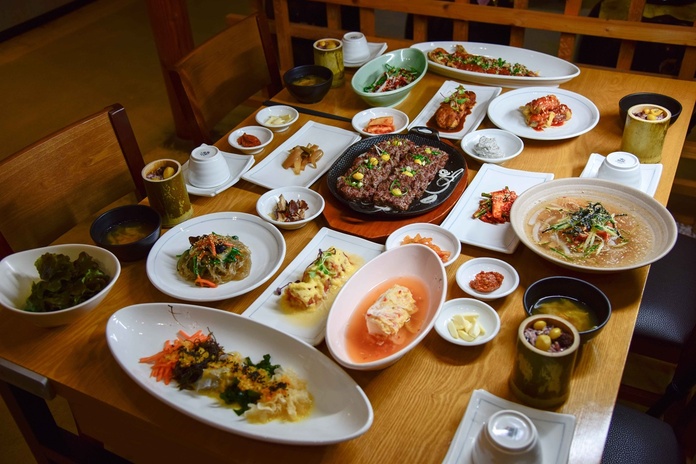
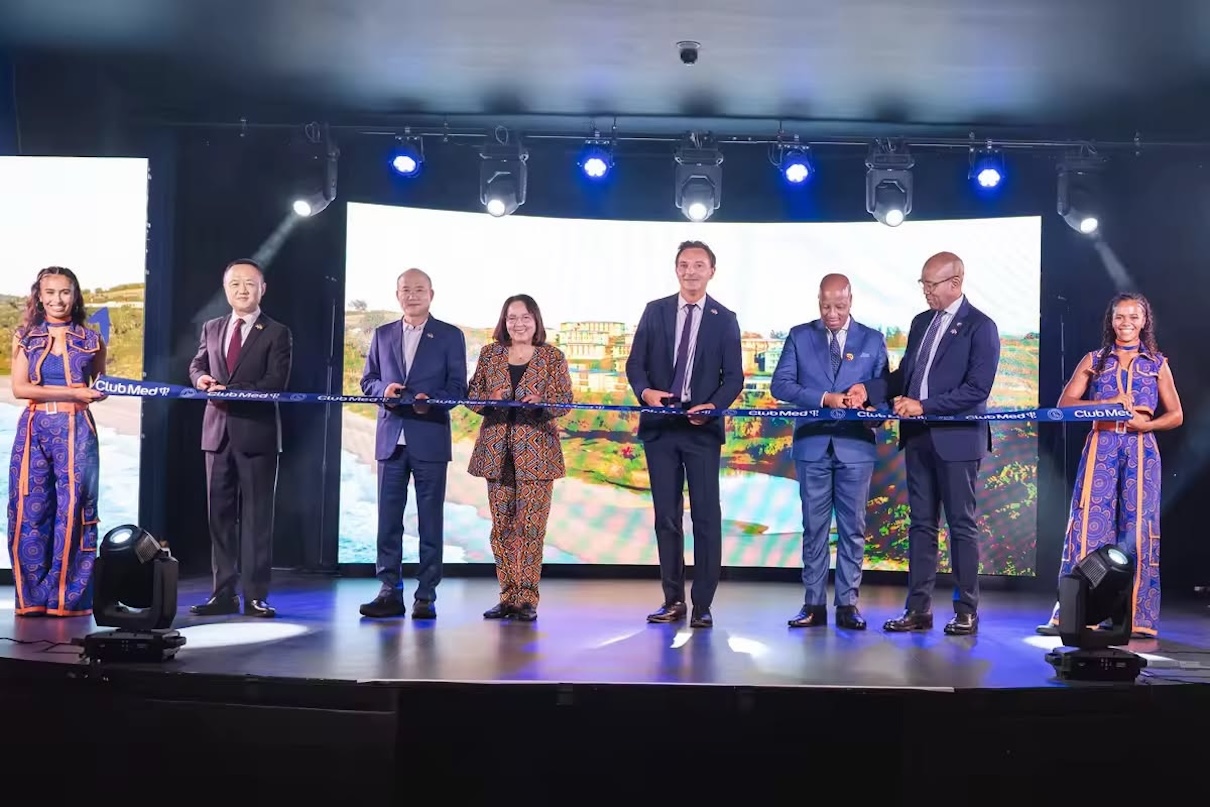
Sur la photo (de gauche à droite) : Edward Xu Xiaoliang, Guo Guangchang, Patricia de Lille, Stéphane Maquaire, Moses Tembe, Thamsanqa Ntuli - Photo : Club Med

CroisiEurope


Inaugurated on September 17, 2026 in Tinley Manor, the Club Med South Africa Beach & Safari marks the brand’s first footprint in South Africa and introduces its concept of pairing beach relaxation with safari adventures.

The coastal resort sits on a 32-hectare site facing the Indian Ocean, about a 30-minute drive from King Shaka International Airport.

It features more than 400 rooms, suites and villas, four pools, spaces for both families and adults, and several restaurants that highlight South African products and flavors.

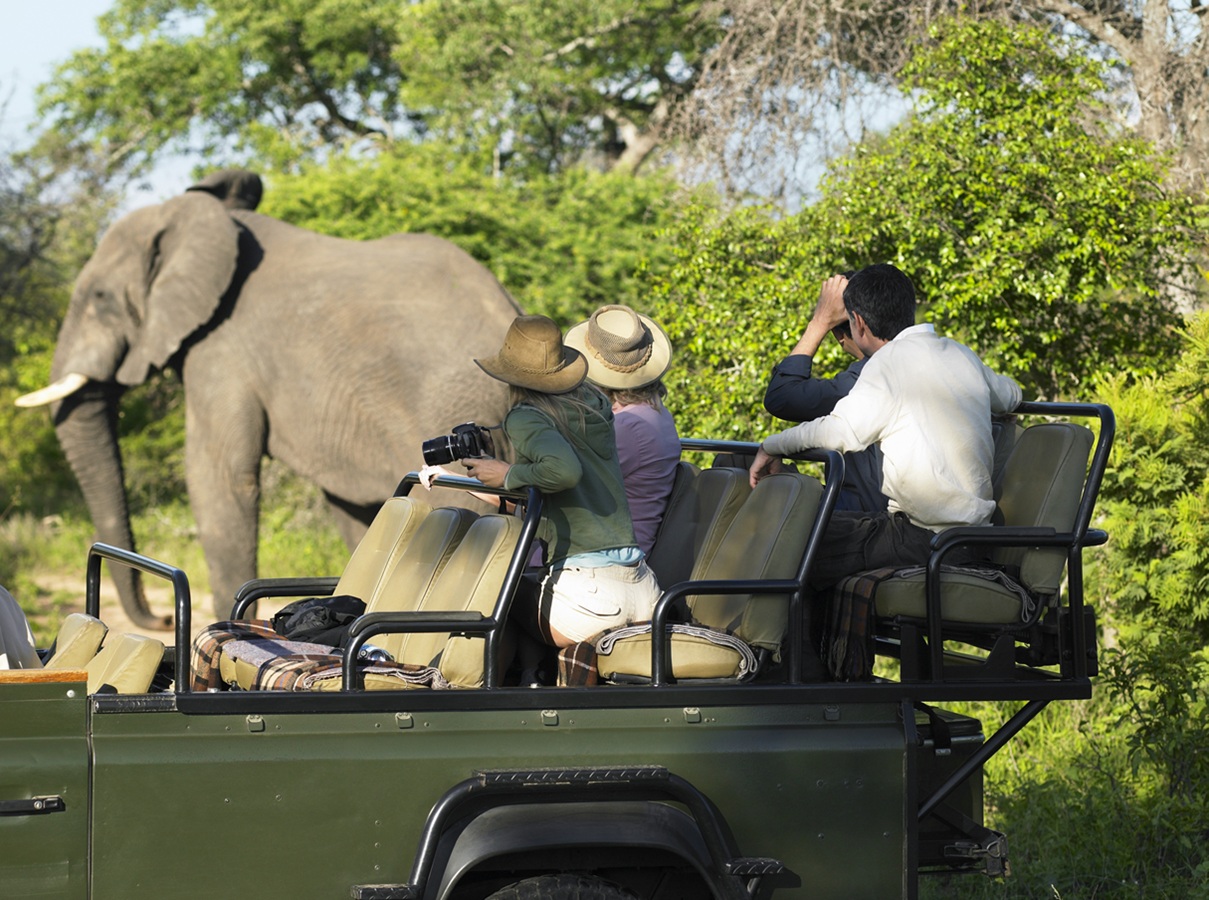
The stay can be enhanced by a stopover at the Vikela Safari Lodge, exclusively accessible within the combined offer. Located in a private reserve of roughly 18,000 hectares in the north of the Kwazulu-Natal region, the lodge provides upscale tented accommodations and guided safaris to encounter the Big Five.

With this combination, Club Med aims in particular to encourage longer stays and to raise the visibility of KwaZulu-Natal among its international clientele and its distribution network.


More than 2 billion rands invested

The project represents an investment of over 2 billion rands. The resort is owned and developed by Tinley Leisure, which brings together several South African institutional and private investors, while its operation is managed by Club Med.

The project also generated more than 2,300 direct and indirect jobs during construction. The resort today employs around 600 permanent direct jobs and supports approximately 1,500 additional jobs with suppliers and related sectors.

More than 80% of the staff at the Tinley Manor site are South Africans, while all teams at the Vikela Safari Lodge were recruited locally.

The resort earned the Green Star SA New Build Design – 4 stars certification, notably thanks to the installation of solar panels, water-management measures, the reduction of single-use plastics, and food-waste reduction efforts.

Club Med also aims to obtain the Green Globe certification for the operation of the resort.


Amelia Brille Publié par Amelia Brille Rédactrice TourMaG.com
Voir tous les articles d’Amélia Brille

  • picto Linkedin
  • picto email
Ajoutez TourMaG à votre flux Google Actualités Google Actualités icône  

Aman Announces the Opening of Aman Seoul, Its First Property in South Korea


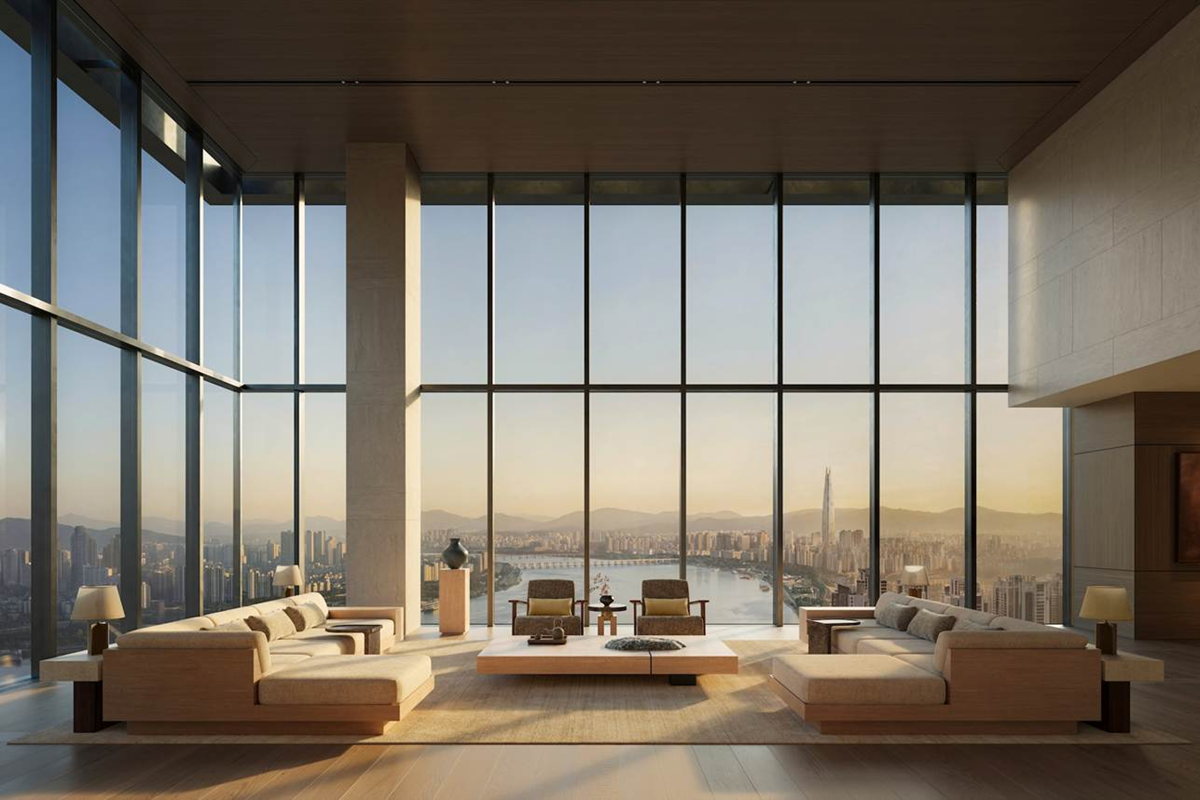
Aman annonce l'ouverture d'Aman Seoul, sa première propriété en Corée du Sud - Photo :  Aman

CroisiEurope


The luxury hotel group Aman is making its first foray into South Korea with the Aman Seoul project, developed in partnership with the real estate developer Shinsegae Property.

Located in the Cheongdam district, in the heart of Gangnam, the complex overlooks the Han River and sits at the center of Seoul’s luxury, design, and fashion scene.

The architecture and interior design were crafted in collaboration with local artisans to weave Korean spatial traditions and materials into a contemporary, minimalist setting.

To safeguard guests’ tranquility, separate access and arrival flows have been laid out to segregate the hotel, the residential units, and the club.

The accommodation offering centers on suites, wellness and spa facilities spread across multiple levels, along with a dining program that expands the brand’s usual concepts.

Private residences, custom-furnished by Aman Interiors, offer permanent apartment units attached to the property’s services. The Aman Club, for its part, provides members and residents with a dedicated pool, fitness facilities, and private reception spaces.


A targeted expansion into global metropolises

This project stems from an agreement between the Korean group Shinsegae and the American real estate development company OKO Group.

The venture aims to establish a new standard of upscale hospitality in the South Korean capital, where cultural and economic influence is growing on a global scale.

The opening of Aman Seoul adds to a portfolio of urban destinations already comprising properties in Tokyo and New York.

It is part of a global development plan that includes forthcoming sites in Bangkok, Beverly Hills, Miami Beach, Dubai, and Singapore.

Founded in 1988, the brand continues to diversify its activities, now encompassing hotels, residential real estate, wellness, and skincare products.

South Africa: Marietton Acquires a 5,000-Hectare Private Reserve


Marietton vient de finaliser le rachat du Lodge BIG FIVE MVD - Depositphotos

You may know Laurent Abitbol, the owner of hundreds of travel agencies, tour operators, tech players and inbound operators. Here he adds a new hat to his career.

He is now investing in physical assets, spanning land and accommodations.

And it is several thousand kilometers away from France that the Lyon-based head of Marietton Développement has set his sights.

Indeed, the Lyonnais leader has just finalized the acquisition of a private reserve of 5,000 hectares in South Africa, in KwaZulu, a former autonomous state integrated into South Africa in 1994.

This territory lies to the east of the southern country.


Marietton Développement: What will the Big Five MVD Lodge offer?

According to the press release, it is “a lodge with a private reserve imagined to offer an exceptional immersion in the heart of South African nature.”

The site must offer a reconnection with the distinctive nature of this region of the world.

It will mainly allow visitors to encounter the famous Big Five, that group of animals that tourists dream of observing in South Africa, as on safaris across the continent.

Thus, lions, leopards, elephants, buffaloes and rhinoceroses will be visible.

For travelers who can drop their bags: discovery safaris in 4×4 or escorted on-foot, aquatic experiences, encounters and exchanges with rangers, culinary, musical and botanical discoveries, as well as evenings in the heart of South African nature.

The reserve will welcome its visitors in 80 lodges that are to be built by then. They will offer four-star comfort, with private bathrooms for each lodging.

The opening is planned from November 2027.

The investment in hospitality is not really a first for the group. By acquiring Akilanga in February 2026, Marietton already owned a 40-room lodge, as Laurent Abitbol notes.

The Coolest Neighborhood in the World in 2026 Is in South Korea, Only One French Neighborhood Makes the List

It is a valuable gauge for your upcoming travels. Each year, Time Out magazine releases its ranking of the world’s best neighborhoods. Places where locals feel understood, supported by their neighbors and shopkeepers, and where tourists can discover a real sense of authenticity. Time Out’s experts, each in their own country, have compiled the list of the planet’s coolest districts.

The big winner this year is Jongno 3-ga. This district in Seoul, the capital of South Korea, captivated Time Out editors with its narrow lanes and affordable shops. You’ll find small stalls for a quick bite, cafés to linger in all afternoon while enjoying pastries, and shops selling jewellery, clothing or perfumes. According to the publication, autumn is the best season to visit Jongno 3-ga. The gingko trees are then crowned with orange hues.

Rabat earns its moment in Time Out’s ranking

In second place, the Ocean neighborhood in Rabat, Morocco. Time Out particularly appreciates the seafront promenade lined with palm trees. The spot is mainly beloved by locals for the moment, but that is beginning to change slightly, with the installation of large hotels and cultural centers, partly aimed at tourists. In third place sits Neos Kosmos, in Athens. It’s the first European district to appear on the list. It’s best to avoid visiting there in summer.

According to the magazine, the American neighborhood worth a detour is Chinatown, in Los Angeles, in fourth place. The editors applaud its ability to “constantly reinvent itself” while continuing to “honor its history.” A place where you can find both long-standing Asian shops and restaurants and newer, trendy coffee shops. It’s best to visit during the Lunar New Year celebrations to see the parade!

The coolest neighborhood in Paris is in the 12th arrondissement

To see the first, and only, French neighborhood on the list, you have to scroll down to 30th place. There you’ll find the Aligre district in the 12th arrondissement of Paris. The authors of the ranking praise its famous covered market — which has existed since 1779 — its shops and its distinctly familial and welcoming atmosphere.

The full ranking is available on Time Out’s site. It could give you ideas for your next adventure, or perhaps for a weekend in a European city.

What to Do in South Africa: 10 Essential Outings and Activities

Contents


  • 1. Safari in Kruger National Park


  • 2. Climbing Table Mountain in the Heart of Cape Town


  • 3. Stroll through Stellenbosch’s Vineyards


  • 4. Hike along the Wild Coast


  • 5. Whale Watching in Hermanus


  • 6. Immersion in History on Robben Island


  • 7. Hike in the Drakensberg Mountains


  • 8. Excursion to the Cape of Good Hope


  • 9. Stroll through the V&A Waterfront


  • 10. Shark Cage Diving with Great White Sharks in Gansbaai


  • Is it advisable to travel to South Africa? Understanding safety and the conditions for a successful stay


  • What budget should you plan for two weeks in South Africa? A balance of nature, culture, and comfort


  • What to do in South Africa with family? An educational and spectacular destination


  • South Africa Visa: Procedures and recommendations for a smooth trip

While safari remains one of the flagship experiences of a trip to South Africa, the country is not limited to its wildlife reserves. From Cape Town to the vineyards of Stellenbosch, along wild coastlines and the Drakensberg mountains, here are 10 ideas to diversify your pleasures.

1. Safari in Kruger National Park

Going on a safari in the Kruger National Park constitutes an unforgettable experience for anyone wishing to observe African wildlife in one of the continent’s largest wildlife sanctuaries, covering nearly 19,500 square kilometers. Between lions, elephants, leopards and rare birds, the park offers exceptional viewing opportunities, particularly at dawn or during a sunset stroll.

The best time to visit Kruger stretches over the South African summer, especially for the days in Africa most conducive to wildlife observation. Access is easily done from Johannesburg with a guide or on a self-drive itinerary, whether starting from Johannesburg from France or as an extension toward Cape Town. To capture the finest scenes, a camera is essential. Nearby, the Hluhluwe-Umfolozi wildlife reserve offers a rich and varied itinerary.

2. Climbing Table Mountain in the Heart of Cape Town

The ascent of Table Mountain, either on foot or by cable car, allows you to discover a stunning place where city meets nature. This iconic formation, accessible by cable car or on foot, overlooks the Atlantic Ocean and offers a panoramic view of the city and along the coastline. Included in any visitor’s itinerary, it features among the traveler’s top picks when exploring South Africa.

During a South African summer, the summer months provide ideal days for hiking. The summit experience reveals beautiful botanical gardens in the immediate vicinity. To be included in any Johannesburg-to-Cape Town itinerary, this ascent, combined with city or Peninsula activities, perfectly illustrates the harmony between urban life and mountain landscapes.

3. Stroll through Stellenbosch’s Vineyards

The discovery of the Stellenbosch vineyards (founded in 1679), a few kilometers from Cape Town, is a must on a wine itinerary through the mountainous landscapes and wine valleys of the Cape Winelands. This historic town, shaped by Dutch heritage, is renowned for its wine and the southern autumn (March to May), the ideal season to visit estates and enjoy an authentic tasting experience during the harvest. Founded Stellenbosch in 1679 and the beginning of viticulture in the 1690s by French Huguenots

The South African days allow for successive tastings, cellar visits and strolls in a rolling, hilly environment. Inserted into a Cape Town–Port Elizabeth itinerary, this wine region is also close to the Cederberg and the Cederberg mountains, adding a natural dimension to the unforgettable travel experience.

4. Hike along the Wild Coast

The exploration of the Wild Coast, between East London and KwaZulu-Natal, reveals a still-preserved South Africa, ideal for travelers seeking a stunning place far from ordinary tours. Along the coast, cliffs, beaches and rivers alternate in a succession of wild panoramas, accessible via a self-guided itinerary or with a local guide.

The South African summer, especially during the summer holidays, allows for hiking along coastal trails while enjoying a subtropical climate. It is also the time for a night or several days in Africa in simple accommodations close to local communities. For wildlife watchers and photography enthusiasts, a camera is essential to capture this region’s rare authenticity.

5. Whale Watching in Hermanus

Whale watching in Hermanus, on the southern coast of the Western Cape, ranks among South Africa’s unforgettable experiences. The months of June to November are a good time to see these cetaceans from shore or at sea, in a biodiversity-friendly setting.

Located on a route between Cape Town and Port Elizabeth, this stop fits perfectly into a coastal loop also passing by Gansbaai and Sokcho Beach, popular for other marine activities. The experience, whether during a short stroll or over a full day, is enhanced by the accessibility of the observation sites and the city’s soothing atmosphere. Armed with a camera, visitors capture spectacular moments in harmony with the marine elements.

6. Immersion in History on Robben Island

The immersion in history on Robben Island, off the coast of Cape Town, is an unforgettable experience at the heart of South Africa’s memory. Accessible by ferry, this World Heritage–listed island housed Nelson Mandela, a figure in the fight against apartheid, for 18 years.

The tour, often led by former inmates, provides a unique depth to this place of reflection. This excursion can fit into a self-guided city itinerary or a reverse itinerary from Johannesburg to Cape Town, incorporating other cultural sites. A few hours in the afternoon are enough to explore the island and enjoy the panorama of the bay and Table Mountain. Robben Island is also a powerful photographic landmark, to be captured with a camera to remember one of the country’s most powerful symbols.

7. Hike in the Drakensberg Mountains

The Drakensberg Mountains, largely located in the Kwazulu-Natal, are a major destination for hiking and discovering South Africa in a natural setting. The uKhahlamba-Drakensberg Park, a World Heritage Site, combines mountain scenery, rock art and unique biodiversity. It is one of the favorites for lovers of vast landscapes, who find there, depending on the season, days in Africa suitable for ascent or contemplation.

The South African summer is the best time for varied itineraries, accompanied by a local guide. Access is from Johannesburg with a guide or via a car rental on a south-easterly one-way itinerary toward the southeast of the country. An unforgettable experience, enhanced by the diversity of landscapes and the cultural richness of the places.

8. Excursion to the Cape of Good Hope

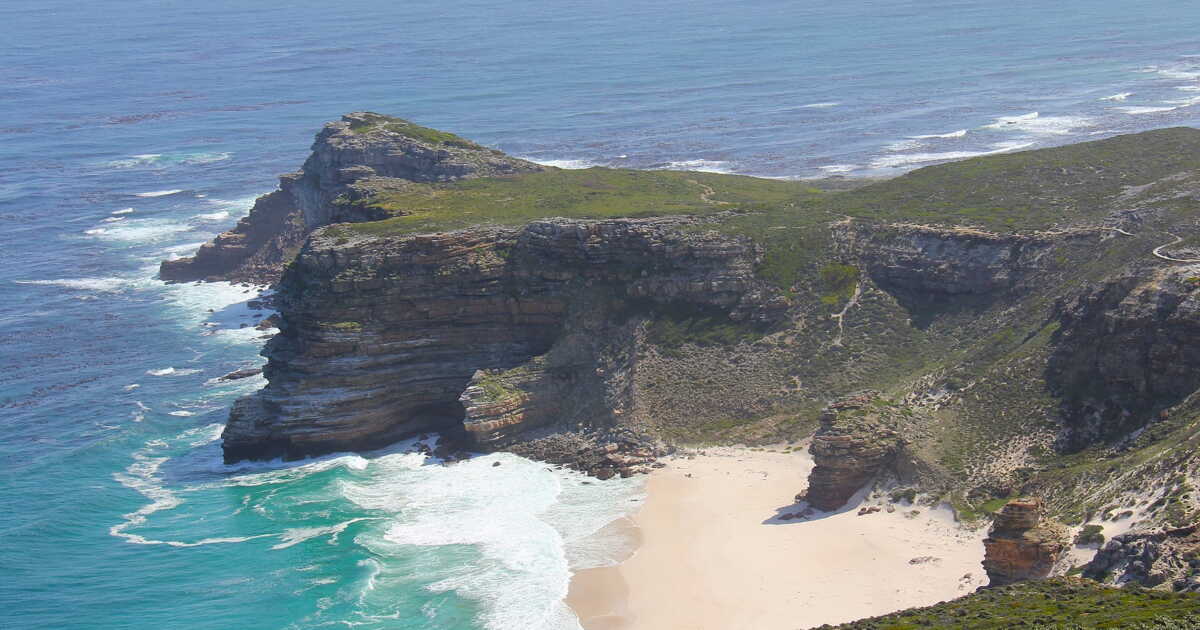
The Cape of Good Hope, located south of Cape Town, embodies a beautiful and symbolic place, at the confluence of two ocean currents. Included in the Table Mountain National Park, this site is explored via a self-guided or guided itinerary, often during a coastal stroll along its rugged trails.

The South African summer, the ideal time for wildlife and flora, offers encounters with iconic species in a subtropical climate. The panorama from the Cape Point Lighthouse, the sheer cliffs and the wild beaches make it one of the country’s natural highlights. It can easily be included in a reverse itinerary between Johannesburg and Cape Town, enriching the peninsula leg with a strong geographic and ecological dimension.

9. Stroll through the V&A Waterfront

The V&A Waterfront, located in Cape Town’s historic harbor, is a multifunctional destination blending culture, shopping and relaxation. Reimagined as a beautiful place with a cosmopolitan vibe, it hosts art galleries, markets, restaurants and events open to the sea, perfect for a afternoon stroll. It is also a practical starting point for trips to Robben Island or the Cape of Good Hope.

Accessible on foot or integrated into a self-guided itinerary, this district also offers an introduction to local culture through its museums and artisan market. An experience to be lived in a safe, dynamic setting, where the South African summer provides ideal climate conditions for enjoying days in Africa in an urban environment open to the ocean.

10. Shark Cage Diving with Great White Sharks in Gansbaai

Shark cage diving with great whites in Gansbaai is an unforgettable experience for thrill-seekers and ecotourism enthusiasts. This supervised activity, offered mainly between May and October, allows you to get up close to these marine predators in their environment, while maximizing conservation standards.

Included in a reverse itinerary between Johannesburg to Cape Town, this excursion adds to the variety of activities offered in the coastal region. Located not far from Hermanus, it can complement a whale-watching marine experience.

The best time for diving coincides with the austral winter, optimizing days in Africa for travelers arriving from abroad. To capture the adventure, a waterproof camera or an appropriate housing lets you document every moment underwater.

Is it advisable to travel to South Africa? Understanding safety and conditions for a successful stay

Asking whether it is advisable to travel to South Africa involves evaluating both safety in South Africa and the quality of its tourism infrastructure. The country welcomes several million visitors each year, drawn by the richness of its wildlife, the diversity of its landscapes and the vitality of its major cities. The situation is generally stable for informed and careful travelers.

Local and international authorities recommend simple precautions: avoid certain neighborhoods at night, favor safe travel and follow local guidelines. South Africa has a developed tourism network, safe accommodations and well-managed national parks. Traveling in this country is above all about smart preparation, to enjoy an exceptional destination with peace of mind.

What budget should you plan for two weeks in South Africa? A balance of nature, culture and comfort

Planning the budget for a two-week trip to South Africa depends on the variety of activities and the travel style chosen. An average stay, combining safari, urban discovery and coastal exploration, ranges from €2,000 to €3,000 per person, flights included.

National parks, such as Kruger or Addo Elephant, account for a significant portion of the budget due to entry fees and specialized accommodations. Travelers can reduce costs by opting for a car rental and independent lodges.

Meals and transportation remain affordable, and the quality of tourism services fully justifies the investment. This budget ensures a comfortable balance, allowing you to explore South Africa’s diversity—from Cape Town to the northern reserves—while enjoying an authentic and well-organized experience.

What to do in South Africa with family? An educational and spectacular destination

South Africa proves to be a destination particularly suitable for family travel. Its outstanding natural heritage, combined with modern infrastructure, creates a setting conducive to shared discovery. Children can spot the Big Five on a safari in Kruger National Park, discover the penguins at Boulders Beach, or marvel at Table Mountain.

Cities such as Cape Town and Durban offer interactive museums, aquariums and safe beaches. The country also appeals for its educational dimension: visiting historic sites such as Robben Island allows approaching the country’s recent history with respect and clarity. Between adventure, learning and moments of relaxation, a family trip to South Africa combines enjoyment, culture and awareness of nature conservation.

South Africa Visa: Procedures and recommendations for a smooth trip

Before any departure, it is essential to check the visa requirements for South Africa, which vary according to the traveler’s nationality. Citizens of many European countries, including France, are visa-exempt for tourist stays under 90 days. However, you should have a passport valid for at least 30 days after the return date and with two blank pages.

For longer stays or professional visits, a specific application must be filed with the embassy or online. South African authorities also require the presentation of a return ticket and sometimes proof of accommodation. Meticulous preparation of these administrative formalities ensures a trip to South Africa without surprises, allowing you to focus fully on discovering the country and the richness of its natural heritage.

This article was drafted with the help of artificial intelligence, then corrected, expanded and validated by the editorial team.
Louisiana and Texas: The American South Where All Cultures Meet


Louisiana – Texas

Enjoy a combination of these two states to traverse the astonishing byways of the Southern USA: Louisiana and Texas, two regions where cultures cross and mingle, and whose blended identities have no equal 😊…


✈ Arrival in Louisiana


©Revamerica Tours

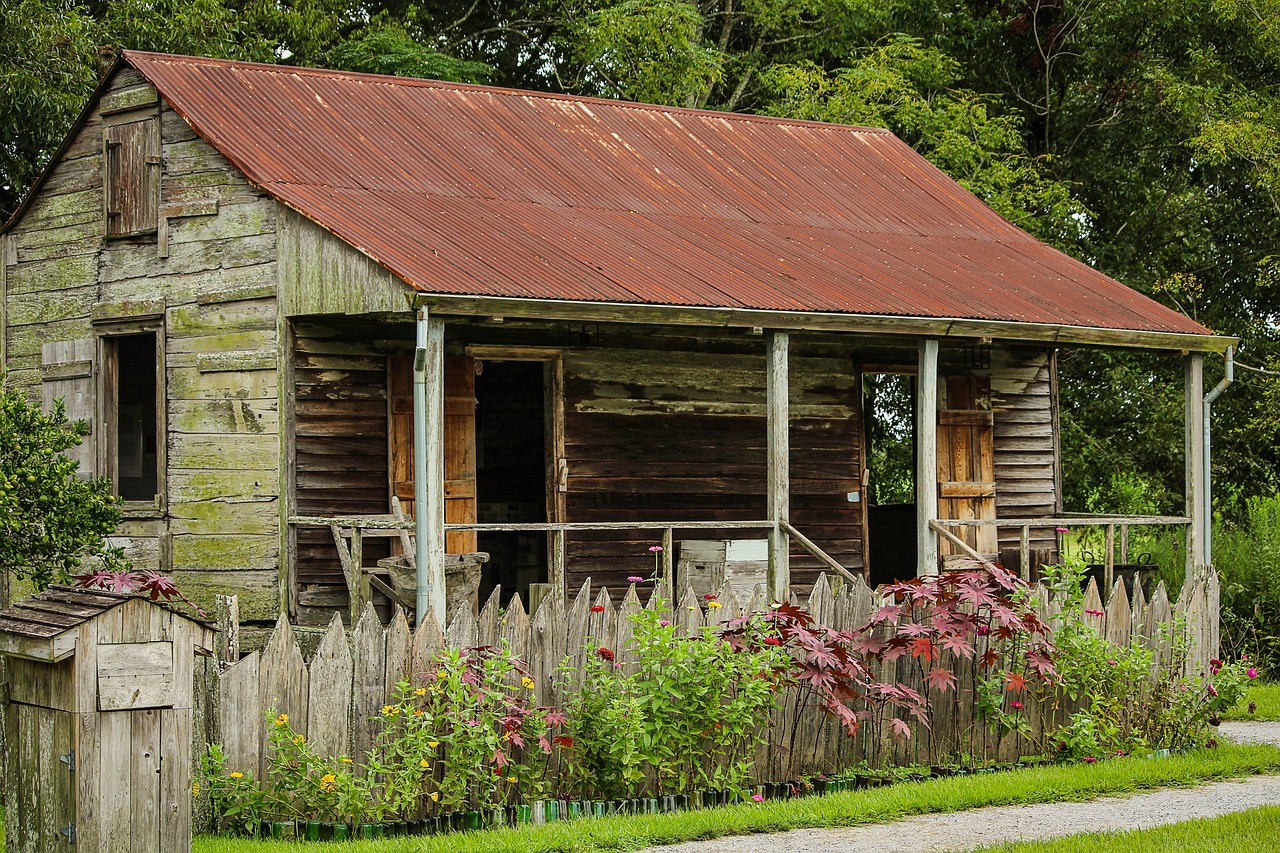
Strange and mysterious territory of mixed Indian, European colonial, Acadian, and Creole heritage, Louisiana’s bayou country intrigues and astonishes visitors with a history shaped by encounters and exchanges from elsewhere.

Here, time goes back on the banks of the Mississippi: in the old days, King Louis XIV sent his men to these swampy, hostile lands, convincing them that the soil teemed with gold and precious stones… their encounter with the Houmas Indians, settled on the delta, already marks the beginnings of a South at the crossroads of peoples. Then comes the splendor of plantations and the WASP society that settles there, not forgetting slavery and the freedom finally regained. Then arrive the Cajuns, this group of individuals from France, who first immigrated to Canada in Acadie, then were driven out and now settled in the Louisiana bayous, where their culture blends with that of the local Indian tribes.

Thus these lands welcome a lively mix of immigrant histories and peoples that has left an incredible cultural wealth: heirs of plantation WASPs, Acadians from the bayous, Houma Indians, and Creole and African-American communities, all together shaping Louisiana’s distinctive identity. The famous blues and jazz music, born from this blending, shapes the atmosphere of the clubs on Frenchmen Street, while a delectable Creole and French cuisine, colorful and spicy, mixing French, African, Spanish, and Indigenous influences, awaits you in New Orleans!


Onward to Texas


©Revamerica Tours

Head out into the stars with a visit to NASA.

Stroll along the welcoming River Walk in San Antonio, a true cultural crossroads where the Mexican influence is felt at every step: Tex-Mex cuisine, mariachis, colorful markets, and Hispanic architecture mingle with Texan heritage.

Discover the show of real cowboys: cattle ranchers rope and lasso in Dallas, in the pure tradition of rural Texas.

Enjoy a true Texas-style barbecue steak!

Hear the story of the wealthy Texan landowners through J.R. Ewing, the powerful character from a TV show with its ruthless universe, who embodies the other face of Texas: that of grand land-owning fortunes inherited from WASP traditions, today in constant dialogue with the Mexican culture that pervades this territory.


Before: Georgia – Tennessee – Mississippi

Deepen your Deep South journey by starting with the history of the blues and the civil rights movement: Atlanta, the hometown of Martin Luther King; Nashville, the cradle of American country music; Memphis and its historic music studios; the mystical towns of Tennessee and Mississippi, home to some of the greatest blues artists who marked music history: Chuck Berry, Elvis Presley, B.B. King, Muddy Waters, Sam Cooke…


©Revamerica Tours


After: Florida

Fancy some fun and beaches? Let’s go for the Florida extension. From a 3-night stay in Miami Beach to a full 7- or 8-night circuit to complete your exploration: EVERYTHING IS POSSIBLE!


South Korea: Between Hallyu and Authenticity, French Travelers Are Hooked


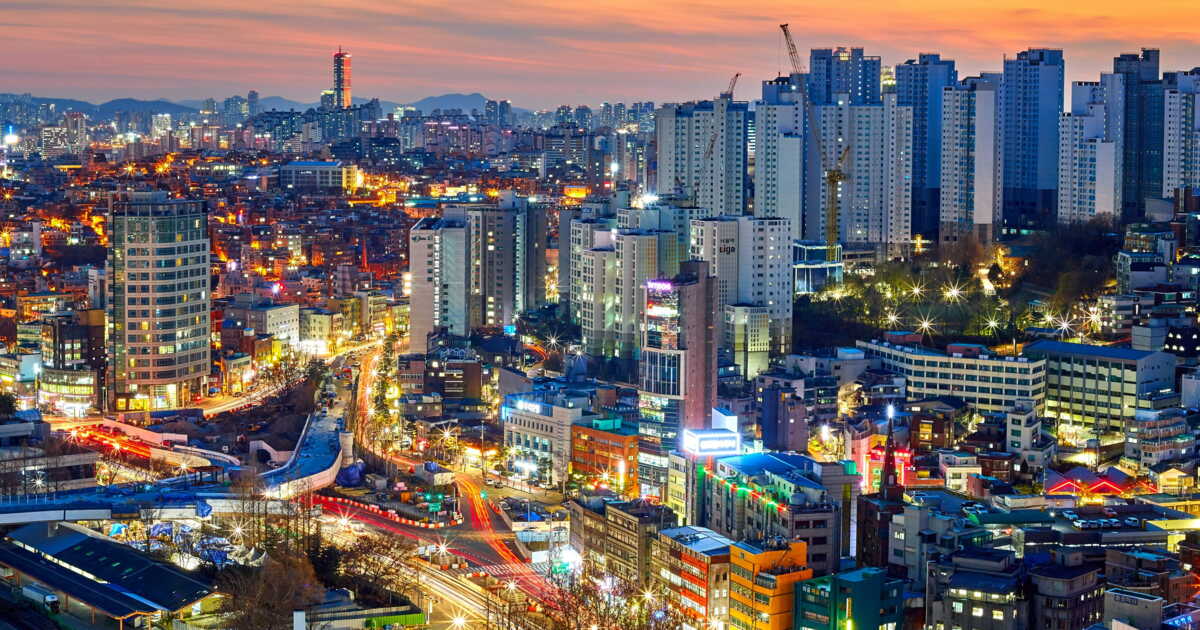
À Séoul, les palais royaux côtoient les quartiers ultra modernes, les gratte-ciel et les technologies de pointe. @Kim Dae-hyeong

CroisiEurope


Longtemps considérée comme une destination de niche, la Corée du Sud s’impose désormais comme l’une des destinations asiatiques les plus dynamiques auprès de la clientèle française.

En 2025, près de 180 000 Français ont visité le pays, soit une progression de 10% en un an et une hausse de 64% par rapport à 2019, année de référence avant la pandémie.

« La France est aujourd’hui un marché stratégique et à fort potentiel de croissance pour la destination Corée », souligne Jung Sunhwa, directrice générale de l’Office National du Tourisme Coréen. La clientèle française représente désormais le 16ᵉ marché émetteur pour la Corée du Sud.

Cette croissance se reflète directement chez les réceptifs spécialisés. Cap Corée, qui a fait voyager plus de 800 clients français en 2025, vise le seuil des 1 000 voyageurs cette année, avec une progression annuelle estimée autour de 30%.

Chez Danim Group, réceptif basé à Séoul, plus de 4 500 voyageurs ont été accueillis en 2025, tandis que l’entreprise prévoit encore une croissance de 10 à 15% en 2026 et environ 25% en 2027 par rapport à 2025.

Pour Phoenix Voyages, qui propose la Corée depuis près de 25 ans, l’évolution est également spectaculaire. « Avant la pandémie, la destination restait principalement choisie par des voyageurs ayant déjà découvert d’autres pays asiatiques et souhaitant approfondir leur connaissance du continent.

Aujourd’hui, la tendance s’est inversée. La Corée devient parfois la première destination asiatique pour des voyageurs qui n’ont encore jamais voyagé en Asie »,
observe Audrey Quoico, directrice des ventes du réceptif.


La Hallyu, moteur de découverte du pays

Le succès actuel de la destination repose d’abord sur la diffusion mondiale de la culture coréenne.

La Hallyu ou « vague coréenne », est devenue un puissant moteur d’attractivité touristique.

Dramas, K-pop, cinéma, gastronomie, jeux vidéo ou encore cosmétiques ont contribué à installer une image forte de la Corée auprès du public français.

« Le Covid a clairement accéléré l’intérêt pour la destination, notamment avec l’explosion des séries coréennes sur Netflix , de la K-pop et de toute la culture coréenne », explique Audrey Quoico de Phoenix Voyages.

Pour Tour de Corée, cette influence culturelle joue un rôle majeur dans le déclenchement du voyage.

L’agence constate notamment une forte demande auprès des femmes retraitées passionnées de dramas coréens. « Beaucoup ont découvert la Corée grâce à Netflix et enchaînent les séries. Elles ont ensuite envie de découvrir le pays réel », explique Mélusine Blanchet, l’une des cofondatrice de l’agence.

Les professionnels soulignent toutefois que l’engouement dépasse largement le seul public jeune.

Les statistiques montrent une clientèle française relativement équilibrée en termes de profils et de genres. Les visiteurs âgés de 10 à 39 ans représentent néanmoins 61% des voyageurs français en Corée, selon l’Office National du Tourisme Coréen.


Une destination entre tradition et modernité


Près de 70 % du territoire coréen est couvert de montagnes. @Seo In-ki

Au-delà de l’effet culturel, les professionnels mettent en avant un positionnement particulièrement adapté aux attentes actuelles des voyageurs français : la rencontre entre patrimoine, innovation et expériences locales.

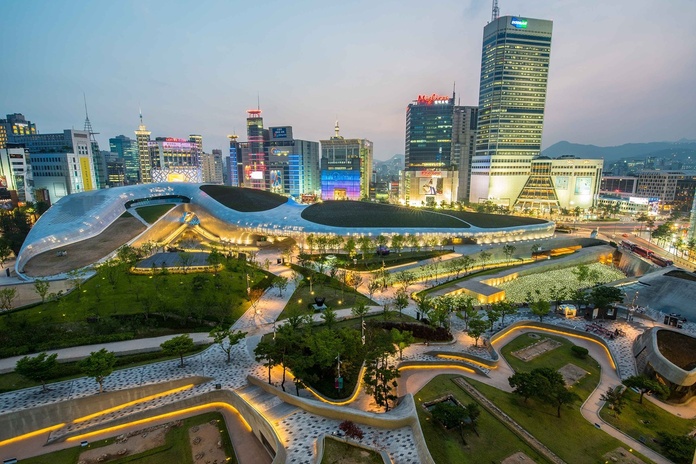
« La Corée offre un équilibre unique entre tradition et modernité », explique Jung Sunhwa. À Séoul, les palais royaux de la dynastie Joseon côtoient les quartiers ultra modernes, les gratte-ciel et les technologies de pointe.

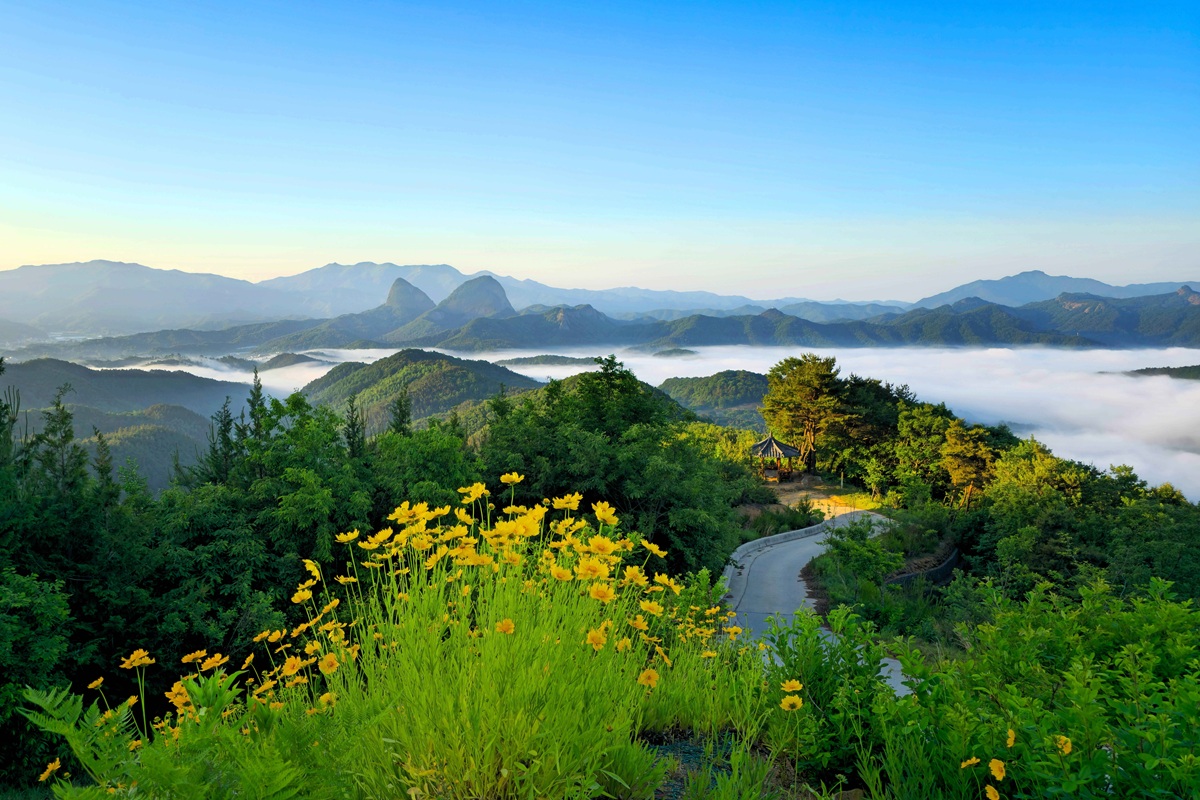
La destination séduit également par sa richesse naturelle. Près de 70% du territoire coréen est couvert de montagnes, permettant de combiner facilement séjour urbain et activités de plein air.

« On peut rejoindre des sentiers de randonnée en moins d’une heure en métro depuis le centre de Séoul », souligne l’Office du tourisme coréen.

Cap Corée insiste également sur la diversité des paysages : mégalopoles modernes, campagnes préservées, montagnes, îles volcaniques ou encore plages autour de Busan.


Sécurité, transports et qualité d’accueil

La sécurité constitue un autre argument fort auprès de la clientèle française.

« La Corée du Sud s’impose comme l’une des destinations les plus sûres au monde. Les voyageurs, y compris ceux qui voyagent seuls, peuvent s’y déplacer sereinement à toute heure », indique Charles Novac, CEO de Cap Corée.

Les infrastructures facilitent également l’expérience touristique : réseau ferroviaire rapide avec le KTX, transports urbains performants, applications locales, cartes de transport utilisables dans tout le pays.

« Avec quelques bases d’anglais et un peu de préparation, il est très facile de voyager seul en Corée », estime Sky Seo, directrice générale de Danim Group.


Gastronomie et K-beauty, nouveaux leviers de croissance


La gastronomie coréenne et la K-beauty constituent des facteurs d’attractivité majeurs. @Studio 4cats

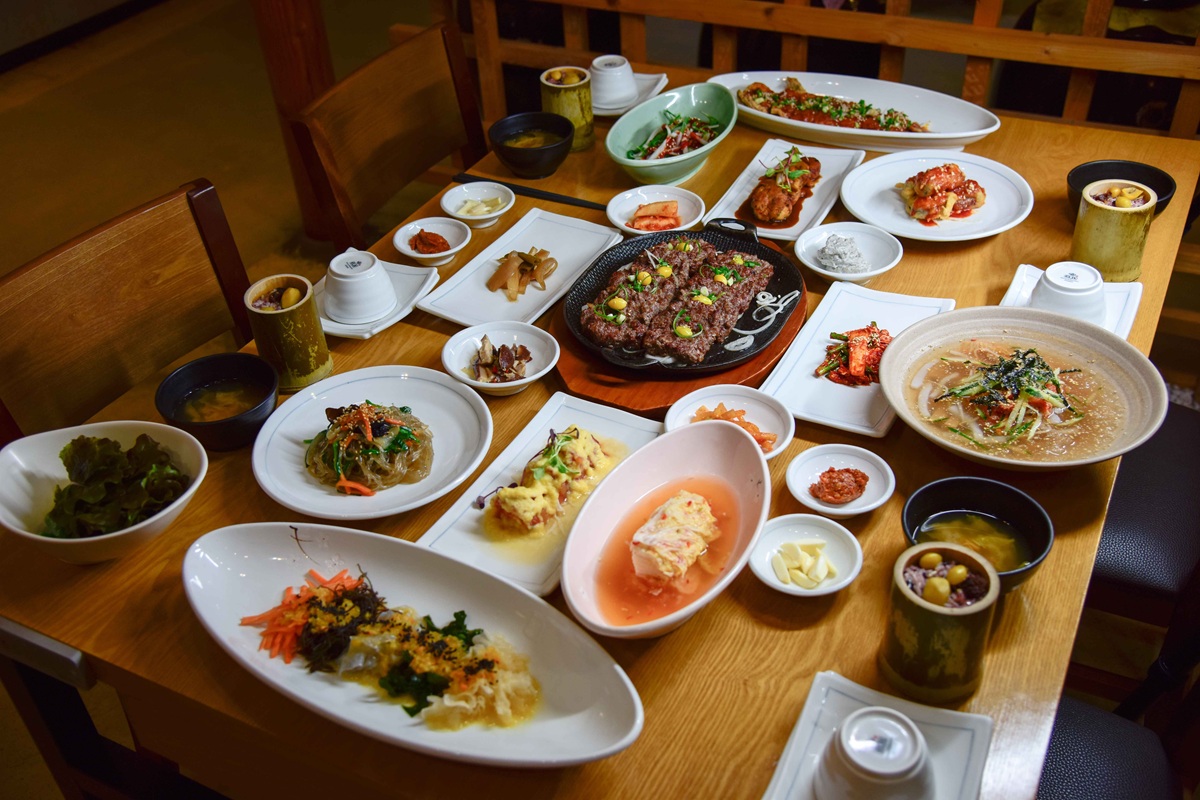
La gastronomie coréenne constitue un autre facteur d’attractivité majeur. Street food, marchés traditionnels, restaurants contemporains : l’offre répond aux attentes des voyageurs français amateurs d’expériences culinaires.

Autre tendance forte : la K-beauty. Les soins cosmétiques coréens, les analyses de peau, la colorimétrie ou encore les Head Spas connaissent une forte demande. « Les soins du cuir chevelu sont devenus une véritable tendance. Les voyageurs veulent intégrer ces expériences bien-être dans leur séjour », observe Mélusine Blanchet de Tour de Corée.

Le tourisme esthétique commence également à émerger, même si la chirurgie esthétique reste encore marginale pour la clientèle française.


MICE, combinés Japon-Corée et voyages sur mesure : les relais de croissance


Caroline Lelievre Publié par Caroline Lelievre Journaliste – TourMaG.com
Voir tous les articles de Caroline Lelievre

  • picto Twitter
  • picto Linkedin
  • picto email
Ajoutez TourMaG à votre flux Google Actualités Google Actualités icône