What to Do in Quebec City: 8 Ideas for Outings and Activities

Visiting the city of Québec is to explore a captivating fusion of historic charm and contemporary vitality. Founded in 1608, it stands as one of the oldest cities in North America offering a wealth of diverse activities for every type of traveler. Whether you seek a cultural, natural, or gastronomic escape, Québec has plenty to spark your curiosity. During your stay you’ll likely wonder: what to do in Québec? Here is a detailed guide to the activities to consider in order to make the most of your experience.

1. Explore Old Québec and Place Royale

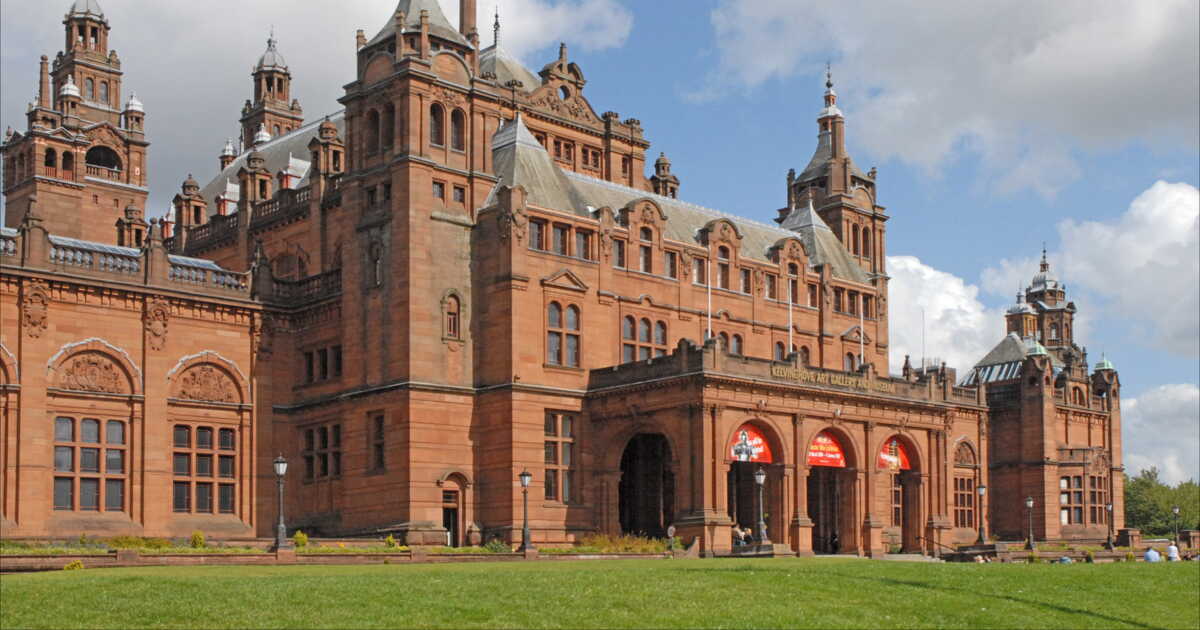
Exploring the Old Québec and its Place Royale is an essential visit to Québec, both for its historical significance and for the density of its historic buildings. This historic district, a genuine world heritage jewel, embodies the living memory of New France. The Terrasse Dufferin, set against the Château Frontenac, provides a spectacular backdrop over the Saint Lawrence River, making this spot a favorite with Instagrammers. A structured stroll typically begins at this starting point, then descends toward the Petit-Champlain, and onward to the Place Royale, cradle of French presence in North America. A guided Quebec tour helps place these heritage elements in perspective, integrate the visible religious influences at the Notre-Dame Cathedral, and grasp the commercial and cultural dynamics of the Vieux-Port, another perfect spot to deepen understanding of the area. This dense circuit, nestled in the downtown core, remains an excellent way to appreciate the historical value of the city of Québec.

2. Discover the Surrounding Nature

The natural surroundings of the Québec region provide an essential complement to any visit. The Montmorency Falls Park, also known as the Parc de la Chute-Montmorency, stands out as one of the country’s major natural sites. With a drop of 83 meters, this cascade surpasses Niagara Falls and offers a dramatic demonstration of Québec’s water power. It can be observed from a cable car, a suspension bridge, or along developed trails that cater to different levels. In summer, these paths grant secure access to wide viewpoints. Nearby, Île d’Orléans highlights the craftsmanship of local producers in a rural setting, while the via ferrata route on the rock face of the waterfall offers a more challenging athletic option. This area provides a structured alternative to the downtown while combining exploration, relaxation, and interpretation of the landscape, notably through multimedia interpretation trails. It represents a meaningful spot to pair a cultural weekend with a natural immersion.

3. Immerse Yourself in Local Culture

Understanding the cultural context of the city of Québec involves immersing oneself in its museum institutions, starting with the National Museum, whose permanent exhibitions trace the major artistic currents of Québec. Located on the Plains of Abraham, it forms a structuring landmark for anyone seeking to approach regional visual expressions through the lens of Québécois society. For visitors traveling with children, the museum workshops for kids at the Museum of Civilization are designed to convey knowledge through interactive setups. These establishments, accessible year-round, represent an excellent way to extend a visit to Québec, especially when it comes to understanding the territory’s evolution, its multiple identities, and the historical role Québec has played in the construction of North America. These cultural districts, often near the downtown, such as the Saint-Roch district or the Saint-Jean district, structure the city’s cultural offerings.

4. Experience Culinary Delights

The city of Québec offers a cuisine rooted in the authenticity of its products and the celebration of its local producers, forming a strong component of every visit. Over a weekend, visitors can discover a variety of dining spots that showcase regional culinary know-how, whether in the Petit-Champlain district, at the Old Port, or atop the downtown area. Sampling a classic poutine, the emblematic dish of Québec, fits into this experience, as does a visit to a sugar shack during the sugar season (summer or winter). The discovery of craft beers in the regional microbreweries also helps grasp local production dynamics. These places are often run by entrepreneurs who are deeply invested in preserving traditions, and each encounter becomes a meeting with a culinary culture rooted in the history of New France. This gastronomic dimension naturally complements a guided tour of Québec, where built heritage and culinary heritage align.

5. Take Part in Québec’s Festivities

Throughout the year, the city of Québec stands out for its event calendar that sets the pace of local life and shapes visitors’ itineraries. In winter, the Winter Games of the Québec Carnival activate public spaces from the historic district to the Petit-Champlain and the Plains of Abraham, with the Terrasse Dufferin providing a varied program for all ages. In summer, the Québec Summer Festival turns the city into an open-air musical stage, gathering international artists in places like the Saint-Jean district. These events, accessible over a weekend or longer stay, demonstrate Québec’s ability to animate its urban heritage through a cohesive event lineup. Each occasion reinforces the city’s foothold in the North American cultural landscape, and these celebrations fit perfectly into a visit to Québec, combining heritage discovery with contemporary vitality.

6. Unwind on the Plains of Abraham

The Plains of Abraham, vast green spaces near the downtown, constitute a landmark area for both history and landscape. This site, where the 1759 battle of Québec unfolded, now anchors much of the city’s recreational life. Traversed by several kilometers of trails, the park hosts a range of activities from concerts and picnics to sports events. It also offers broad viewpoints over the Saint Lawrence River, and footbridges to other neighborhoods and great places to discover the city from a different angle. In winter, the winter games are held in a structured setting, while in summer the expansive lawns make it a favorite spot for locals and visitors alike. The historic buildings and commemorative installations on site enhance the educational dimension of a visit, turning the Plains into a true crossroads between memory, relaxation, and transmission.

7. Find Weather-Appropriate Activities

Québec’s climate calls for thoughtful planning. When a rainy day or a cold snap arrives, certain indoor activities take precedence. Museums such as the National Museum or the Museum of Civilization provide a solid shelter to continue a guided tour of Québec in comfortable conditions. The permanent exhibitions and the children’s workshops are resources to transform weather-related constraints into opportunities to deepen knowledge. Districts like Saint-Roch and Saint-Jean, with galleries, bookstores and cafés often housed in basements, allow for sheltered wandering while still enabling exploration. The multimedia interpretation trails, especially those integrated into certain museums or cultural institutions, also facilitate the experience. This is an excellent way to optimize a weekend or a visit to Québec, regardless of weather conditions.

8. Visit the Citadelle of Québec

The Citadelle of Québec, perched in an exceptional setting overlooking the Saint Lawrence River, is a major site for understanding the city’s military heritage. This active site, still occupied by a unit of the Armed Forces, offers a guided tour that places the strategic evolution of Québec in North America in perspective. Visitors can explore its ramparts, inner courtyards, and exhibition rooms that recount key episodes in history, notably the era of New France. The Citadelle perfectly complements an itinerary that includes the historic district, the Château Frontenac, and the Notre-Dame Cathedral, forming a cohesive heritage experience. Its place in the urban fabric makes it a structured stop for any visit to Québec, whether in summer, winter, or simply over a weekend.

In conclusion, Québec is a rich and varied destination that offers a multitude of experiences suited to all desires and weather conditions. Whether you’re passionate about history, nature, or gastronomy, this city will enchant you with its diversity and heritage. By planning your stay with these suggestions, you can be assured of making the most of what Québec has to offer while creating unforgettable memories.

What to Do in Québec in Summer to See the City at Its Best?

The City of Québec reveals during the summer season a wealth of heritage that makes it a top destination in North America. A visit to Québec in summer often begins at the Terrasse Dufferin, a genuine instagrammable spot, offering a remarkable backdrop to the Château Frontenac and the Saint Lawrence River. The lanes of the Petit-Champlain and the Old Port invite a stroll where historic buildings bear witness to the heritage of New France. Visitors can extend their exploration with a guided tour of Québec, enabling a sense of the architectural coherence of the historic district, classed as a world heritage jewel. Markets highlighting local producers, forest light shows in the Québec region, or excursions to the Jacques-Cartier complete a program where nature and culture resonate with one another. Summer thus becomes an ideal starting point for enjoying kilometers of trails, river panoramas, and the regional know‑how that characterizes the city.

Québec for Couples: A Cultural and Harmonious Getaway

For a two-person stay, the City of Québec offers a sequence of perfect places that blend calm, heritage, and cultural discovery. A guided tour in the Saint-Jean district, followed by a stroll through the downtown, allows you to observe a diverse array of historic buildings and wander streets where cafés, bookstores, and artisan studios create an atmosphere conducive to lingering. The Terrasse Dufferin, often regarded as a favorite spot, provides a privileged vantage to behold the encounter between the Château Frontenac and the Saint Lawrence River, while the Citadelle of Québec recalls the site’s military importance in the city’s history. Couples can extend the experience with a visit to the Notre-Dame Cathedral, explore the exhibits at the National Museum, or share a meal featuring the region’s local producers from the Old Port. A excursion to the Montmorency Falls Park, whose power testifies to Québec’s unique water, offers a welcome natural interlude.

What to Do in Québec in Winter to Embrace the Cold Season?

In winter, the City of Québec becomes a stage where winter games, festive events, and cultural routes blend together harmoniously. A visit to the historic district, beneath the snow, highlights the uniqueness of its historic buildings and the majesty of the Château Frontenac. Visitors can explore the multimedia interpretation trails offered in the region, partake in activities at the Village Vacances Valcartier, or venture into the Québec region to enjoy the kilometers of trails dedicated to winter hiking. The Citadelle, open year-round, provides an informative perspective on the military heritage, while the streets of the Petit-Champlain offer a sparkling backdrop. For those seeking a sporty start, some outings including a winter via ferrata route or a snow exploration constitute an excellent way to understand how residents relate to the winter season.

What to Do in Québec When It Rains While Keeping the Visit Engaging?

When rain arrives, a visit to Québec remains easy thanks to the abundance of cultural and heritage offerings. The National Museum, with its permanent exhibitions, is perfectly suited for discovering the region’s artistic know‑how. The Saint-Roch district on the other hand offers several venues dedicated to contemporary creation, specialized shops, and cafés often located in basement settings. A guided tour of Québec remains relevant: itineraries adapt their parcours to explore the interiors of the Notre-Dame Cathedral, the Citadelle of Québec, or the cultural spaces of the Old Port. Weekend travelers will find in these places a structured way to maintain discovery despite the weather. Rain then becomes a pretext to deepen the heritage of New France, observe religious, military, and commercial influences that shaped the city.

What to Do in Québec with Children for a Rich Family Experience?

For a family activity, the City of Québec offers numerous perfect spots, suited for children, where learning and entertainment merge. A visit to the National Museum provides hands-on workshops for kids, enabling an interactive discovery of Québécois culture. A trip to the Montmorency Falls Park, easily accessible from the downtown, is an excellent way to raise youngsters’ awareness of the importance of Québec water, while developed trails facilitate walking. In the Petit-Champlain District, narrow lanes, artisan shops, and the Old Port contribute to a playful approach to heritage. To extend the experience, the traditional Huron-Wendat site at Sainte-Anne imparts knowledge about the First Nations, complementing the historical narrative from New France. These experiences, easy to organize over a weekend, constitute a true family must-do in Québec.

This article was drafted with the help of artificial intelligence, then corrected, expanded, and validated by the editorial team.

What to Do in Alaska: 13 Must-Do Outings and Activities in the Land of the Midnight Sun

Nestled at the extreme northwest corner of the American continent, the Alaska is a wild territory offering breathtaking landscapes and exceptional biodiversity. With its towering mountains, vast forests, and diverse wildlife, Alaska draws adventurers and nature lovers from around the world. Wondering what to do in Alaska? Dive into our detailed guide to discover the activities and sites to explore in this legendary state.

1. Hiking in the Denali National Park and Mount Denali

Begin your adventure with a visit to Denali National Park, home to the highest peak in North America, Mount Denali. Hikers will find a range of trails suited to all levels. The park is also a sanctuary for a wealth of wildlife, including bears, moose, and caribou. Be sure to join a guided hike for a rewarding and safe experience.

2. Cruise in the Kenai Fjords National Park

Explore the majestic fjords and glaciers of the Kenai Fjords National Park on an unforgettable cruise. This activity offers the chance to observe impressive marine wildlife, including whales, orcas, and seals. The sight of glaciers in motion is breathtaking, and excursions take you to Exit Glacier, where you can walk along accessible trails.

3. Northern Lights Watching in Fairbanks

Winter in Alaska delivers long, spectacular nights ideal for watching the aurora borealis. Fairbanks is one of the best places in the world to witness this extraordinary natural spectacle. From September through April, bundle up and venture outside the city lights for an unforgettable view of the glowing sky.

4. Discovery of the Glacier Bay National Park

Glacier Bay National Park is another must‑visit for lovers of wild, untouched nature. This park hosts a multitude of active glaciers and offers boat excursions to approach these ice giants. Kayakers will relish the opportunity to navigate around the glaciers, while hiking and wildlife watching heighten the park’s appeal.

5. Cultural and Historical Visits in Inside Passage

For a deeper cultural immersion, the Inside Passage invites exploration of coastal towns such as Ketchikan, Skagway, and Sitka. Delve into the heritage of Indigenous peoples like the Tlingit, Haida, and Tsimshian. Visit local museums and discover the region’s history marked by the gold rush and Indigenous influences.

6. Excursion in the Prince William Sound

The Prince William Sound is renowned for its picturesque landscapes and abundant marine life. Rent a kayak for a peaceful exploration of the waters, or opt for a cruise that includes viewing the mountains, glaciers, and wildlife. This site offers a privileged experience to understand the interaction between marine and terrestrial ecosystems.

7. Salmon and Halibut Fishing Expedition

Alaska is considered a paradise for fishing enthusiasts. Take advantage of your stay to pursue salmon or halibut fishing, especially abundant in Alaskan waters. Local, experienced guides can help you maximize this relaxing and rewarding activity.

8. Dog Sledding Experience

Join a dog-sledding outing, a traditional activity that lets you traverse Alaska’s winter landscapes. Available in winter, this adventure provides a unique understanding of the historical and cultural significance of this mode of transport in Arctic regions.

9. Alaska Railroad

The Alaska Railroad connects, among others, Anchorage, Talkeetna, Denali, and Fairbanks: it serves as an excellent backbone to an Alaska trip that blends comfort, dramatic scenery, and accessibility. This rail line traverses vast spaces, offering both cultural insights (Anchorage city life, downtown, midtown) and immersive landscapes (glaciers, wildlife).

10. Alaska Wildlife Conservation Center

Located near the city of Anchorage, this wildlife sanctuary and discovery center offers a guided encounter with brown bears, bald eagles, and other emblematic Alaska species. It makes for a worthwhile “museum stop” on a wildlife‑focused itinerary and can be complemented by bus excursions from Anchorage.

11. Fountainhead Antique Auto Museum

Situated in Fairbanks, near the Wedgewood Resort, this intriguing museum offers an immersion into early 20th‑century history and the Americas through vintage automobiles. On an Alaska trip, it makes for a distinctive cultural stop that adds dimension to a nature‑focused journey.

12. Goldbelt Tram

The Juneau tram (in southeastern Alaska) provides access to spectacular views of the coastline, fjords, and the sea. For an itinerary that combines a Inside Passage cruise, fjords, and a city stop (King Salmon or Juneau), this kind of excursion offers a way to see Alaska from a perspective that is both accessible and awe‑inspiring.

13. Hubbard Glacier

The Hubbard Glacier is among the most active and striking glaciers in Alaska. A boat excursion from the Kenai Peninsula or from a southeast port allows you to witness cracking and ice calving. Incorporating this stop into an Alaska itinerary requires planning around boat schedules, timings, and weather, but the payoff is an unrivaled spectacle.

In conclusion, Alaska is a land of opportunities for those seeking adventures in the heart of nature. From hiking through stunning parks to maritime and cultural explorations, Alaska promises a wide range of enriching experiences. Beyond these suggestions, stay mindful of responsible tourism practices to preserve the beauty and unique environment of this exceptional region.

What is the best time to visit Alaska?

The ideal period to discover Alaska runs from May to mid-September, when days are longest, temperatures are comfortable, and outdoor activities (hiking, glacier boat trips, wildlife watching) are fully accessible. More precisely, the window from mid‑June to mid‑July marks the peak of the tourist season: optimal conditions and most excursions are operating. If you’re seeking a quieter period with more affordable rates, early May or September offer a good compromise—while keeping in mind that some roads or services may be limited.

Is Alaska an expensive destination?

Travel to Alaska requires careful budgeting: for a standard week‑long stay, a traveler can expect an average budget of around $1,383 to $3,000 depending on the level of comfort (for 7 days), or roughly $1,000 to $2,900. Costs are driven by the size of the territory, the logistics of excursions (glaciers, fjords, wildlife), and the remoteness of certain areas. That said, it is possible to reduce costs: by choosing simpler accommodations, by limiting the number of paid activities, or by selecting the off‑peak period, one can lower the daily budget.

Is Alaska a tourist destination?

Yes, Alaska is clearly a well‑developed tourist destination: it hosts numerous bus or boat excursions, scenic rail lines, museums, and stopover towns from which to explore. The interior and Southeast regions, in particular, have suitable infrastructure. That said, this destination blends mass tourism (in certain areas) with more isolated itineraries: some places remain hard to reach and require more specialized logistics. The balance between a “tourist destination” and an “off‑the‑beaten‑path adventure” is thus well represented.

What to do in Alaska in winter?

In winter, Alaska presents a completely different face: snowshoeing, dog sledding (notably the famous Iditarod Trail Sled Dog Race, which begins on the first Saturday of March), aurora viewing, and immersion in snowy landscapes. The frigid temperatures and shorter daylight hours impart a marked Arctic dimension, but for well-equipped travelers with proper hiking boots and a capacity to adapt, this season offers a powerful and authentic Alaska experience.

This article was drafted with the help of artificial intelligence, then edited, expanded, and validated by the editorial staff’s journalists.

What to Do in Mexico City: 13 Ideas for Outings and Activities

Mexico City, a fascinating megacity where history blends with a buzzing present. This city with a thousand facets is an invaluable cultural crossroads, offering a multitude of activities ranging from pre-Columbian ruins to contemporary artistic performances. You dream of discovering the treasures of the Mexican capital, but you wonder what to do in Mexico City during your stay? Let’s explore together ten must-see activities and outings.

1. Discover the Plaza de la Constitución and its surroundings

Exploring the Zócalo of Mexico City, also known as the Plaza de la Constitución or the Zócalo, means stepping into the political, religious, and cultural heart of Mexico City. Surrounded by major monuments, this main square perfectly illustrates the layering of eras.

The Metropolitan Cathedral, a masterpiece from the colonial era, faces the National Palace, whose Diego Rivera frescoes trace the city’s history from its pre-Hispanic roots to the Revolution. A few steps away, the ruins of the Templo Mayor, remnants of Tenochtitlan, recall the grandeur of the ancient Aztec capital.

This area serves as a central starting point for any visit to the historic center, whether reached on foot, by the Mexico City Metro, or via the Metrobús, with easy access from hostels or from Mexico City’s airport.

2. Stroll through the neighborhoods of Coyoacán and Condesa

Wandering the tree-lined streets of Coyoacán reveals one of the city’s cultural favorites. This village-like neighborhood still marked by the presence of Frida Kahlo hosts the Casa Azul, one of the best places to understand the artist’s life and her influence in Latin America. Lively squares, markets, galleries and cafés provide many landmarks for an afternoon of strolling.

Only a few Metro stops away, the Condesa and Roma Norte districts reveal another side of the capital, with renovated skyscrapers, urban parks, Art Deco architecture, and alternative cultural scenes. Parks such as Parque México or Jardín Pushkin provide a tranquil setting between two urban explorations.

3. Explore the National Museum of Anthropology

The National Museum of Anthropology, located at the heart of the Chapultepec Castle Park, is a major reference for pre-Hispanic culture in Latin America. This iconic museum, accessible via the Mexico City Metro, showcases a large part of the treasures from pre-Hispanic cities such as Teotihuacan, Tenochtitlan, and the Zapotec and Maya civilizations.

The journey, organized around a central courtyard, reveals stelae, bas-reliefs, monumental sculptures, and ritual objects, in clear and immersive museography. The institution is also renowned for its ability to make dense content accessible, making it well-suited for both enthusiasts and families. This visit, ideally slotted into an afternoon, remains one of the best things to do in Mexico City.

4. Navigate on a trajinera in Xochimilco

Riding a trajinera on Xochimilco lets you discover the last remnants of the channel network of the pre-Hispanic city of Tenochtitlan. A World Heritage Site, this area lies to the south of Mexico City and offers a festive, cultural, and convivial experience.

The colorful boats, sometimes animated by mariachi musicians, wind between chinampas, those ancient floating agricultural plots. Local cuisine can be enjoyed on board or from the itinerant vendors, in an atmosphere that blends rural traditions with shared enjoyment.

This outdoor excursion is particularly recommended on weekends or for a family afternoon. Access is facilitated by the Metro, supplemented by a short taxi ride or local bus.

5. Attend a lucha libre show

Lucha libre, the city’s emblematic sport tradition, is an integral part of Mexican cultural life. At Arena México, considered the cradle of this discipline, masked wrestlers—athletes and performers—turn matches into captivating stage performances.

Each bout, rhythmically punctuated by the crowd’s cheers, is a moment of popular communion, mixing humor, tension, and meticulously choreographed acrobatics. This unique experience, usually held in the evening, is easily accessible by the Mexico City Metro and can be added to a city exploration during a long weekend.

For a complete package, some agencies even offer excursions that include the ticket, transportation, and explanations of the codes underpinning this show so deeply rooted in Mexican identity.

6. Behold the Palacio de Bellas Artes

The Palacio de Bellas Artes, located just steps from the Alameda Central, stands as a symbol of Mexico City and a premier venue for the arts in Latin America. This elegant building with eclectic architecture blending Art Nouveau and Art Deco hosts both temporary exhibitions and permanent performances, including the renowned Mexican folkloric ballet.

Inside, the monumental frescoes by Diego Rivera, Orozco, and Siqueiros offer a striking panorama of the country’s social and political history. The site is accessible by the Mexico City Metro, and its visit easily fits into a cultural stroll through the historic center or the skyscraper district, where the Torre Latinoamericana also stands, offering a unique vantage point over the capital. This palace remains a favorite architectural and cultural highlight for many visitors.

7. Savor the local gastronomy

Tasting Mexico’s local gastronomy means exploring a culinary tradition recognized by UNESCO, rich in flavors and history. In every neighborhood, stalls offer tacos al pastor, tlacoyos, esquites, and other specialties that have made Mexico City famous.

The Craft Market of Coyoacán, in particular, offers a lively and authentic atmosphere to taste the classics. For bolder experiences, the Mercado de San Juan is renowned for its exotic products, prized by chefs and gourmets. This sensory discovery is done on foot, or via the Mexico City subway lines, which facilitate access to many neighborhoods famed for their culinary offerings. An afternoon savoring street specialties can become a true journey within a journey.

8. Take a day trip to the Teotihuacán pyramids

A day trip to the Teotihuacan pyramids is a must to understand the grandeur of the pre-Hispanic city located about fifty kilometers north of the capital. This World Heritage archaeological site houses the impressive Teotihuacan pyramids: the Pyramid of the Sun, nearly seventy meters tall, and the Pyramid of the Moon, which dominates the Avenue of the Dead. These structures testify to the urban and religious advances of a mysterious civilization that preceded the Aztecs.

Visiting Teotihuacan in Mexico also means discovering reliefs, ancient paintings, and ceremonial temples. This full-day excursion, often organized with pickup from central hotels or hostels, is one of the best things to do for any traveler keen on major archaeological sites on the continent.

9. Enjoy parks and green spaces

The city of Mexico City isn’t limited to its museums and monuments: it also hosts some of the world’s largest urban parks, true oases of nature amid dense urban life. Chapultepec Park, often likened to Central Park, is a park with historic buildings, including Chapultepec Castle, and houses several renowned museums. Walks, picnics, and cultural activities enliven this vast green space that spans several square kilometers.

Other parks, such as Parque México in Condesa or the more intimate Pushkin Garden, offer everyday relaxation spaces highly valued by locals. Accessible via the Mexico City Metro or the Metrobús, these green spaces allow for recharging between cultural visits, reminding us that nature retains a significant role in this vast city.

10. Discover local festivals and events

The richness of Mexico City’s cultural calendar is evident through its numerous festivals, some of which are recognized far beyond borders. Day of the Dead, for example, turns the city into a theater of symbols, colors, and memory, with parades, altars, and exhibitions across the historic center.

But throughout the year, events dedicated to the arts, cinema, literature, or music enliven places such as the Palacio de Bellas Artes, the Antiguo Colegio de San Ildefonso, and major squares like the Zócalo de Mexico. These moments are as many opportunities for visitors to experience the city differently, at the pace of its inhabitants. Keeping up with dates can add an unexpected favorite to a weekend or extended stay.

11. Explore the basilica of Santa María de Guadalupe

Visiting the Basilica of Santa María de Guadalupe helps understand one of the most important dimensions of spirituality in Mexico. Located north of the city, near a park with buildings of different religious eras, this basilica attracts millions of pilgrims from across Latin America each year. The architectural complex blends modernity with colonial heritage, in a place marked by devotion and history.

12. Stroll through the La Ciudadela Market of Arts and Crafts

The La Ciudadela market of arts and crafts, often regarded as the most emblematic artisanal market in Mexico City, is a must for discovering the wealth of local crafts. It offers a wide selection of handmade items — embroidered textiles, pottery, traditional toys, or sculptures — reflecting the identity of different regions of the country.

Conveniently reachable from the historic center or Alameda Central, this covered market also allows you to meet artisans and observe traditional techniques. A perfect spot for a half-day excursion that can be combined with a visit to the National Museum of Anthropology or a stroll along Paseo de la Reforma, balancing cultural discovery with leisurely wandering.

13. Admire the architecture of the Soumaya Museum

The Soumaya Museum, recognizable for its daring architecture, ranks among the top things to see in Mexico City for art lovers. Housing an impressive private collection — from Rodin to Dalí, including European and Mexican painters — this striking building with a contemporary design sits in a neighborhood dominated by skyscrapers, illustrating the modernity of a city in constant evolution.

Admission to the museum is free, making it an ideal stop for a cultural afternoon, especially as a complement to a visit to the Museo Nacional de Antropología or a stroll through the historic center. Easily reachable by the Mexico City Metro, the Soumaya Museum enriches your discovery of the capital with a renewed view of its artistic dynamism.

In summary, Mexico City is a destination that captivates with its diversity and cultural wealth. From its picturesque neighborhoods to its historic sites and flourishing dining scene, the city offers a multitude of activities for every taste. By exploring these diverse facets, you’ll discover why Mexico City isn’t just a city to visit, but an adventure to experience to the fullest.

Is it safe to travel to Mexico? A legitimate question to better prepare your stay in the capital

As in any big city, some precautions are advisable, especially in peripheral areas and at night. However, the main tourist areas — the historic center, the Zócalo (also called Zócalo de Mexico), the museums, the urban parks, and archaeological sites like Teotihuacan — benefit from a reinforced police presence. Using the Mexico City Metro, the Metrobús, or private services with organized pickup is common and enables efficient travel. Staying in hostels, central hotels, or near Mexico City’s airport also makes it easier to arrange a guided trip. Safety thus rests as much on information as on the traveler’s common sense.

What to do in Mexico City with kids? Cultural and playful activities for families

Among the essentials, the Chapultepec Castle located in the park of the same name offers an immersion into the colonial era, while being easily accessible by the Mexico City Metro. At its feet, the National Museum of Anthropology, with its life-sized reproductions, its bas-reliefs, and its immersive staging, arouses curiosity even in the youngest visitors. Not far away, some of the world’s largest urban parks provide outdoor breaks. In the historic center, children will enjoy street performances on the Plaza de la Constitución, the murals by Diego Rivera, or the discovery of lucha libre. On weekends, a family excursion to the Teotihuacan pyramids a few kilometers to the north completes an experience that is both cultural and entertaining.

This article was drafted with the help of artificial intelligence, then corrected, expanded, and validated by the newsroom’s journalists.

What to Do in Washington: 7 Must-See Outings and Activities

Washington, D.C., the capital of the United States, is a city rich in history, culture, and politics. Nestled between the states of Virginia and Maryland, Washington hosts an impressive array of museums, memorials, and historic sites. With its blend of majestic architecture, dynamic neighborhoods, and green spaces, it offers countless activities to discover. If you’re wondering what to do in Washington, here is a guide to help optimize your stay.

1. Explore the National Mall

The National Mall forms the institutional and symbolic heart of Washington, D.C., and extends over three kilometers from the Capitol to the Lincoln Memorial, creating a major axis for the capital. This vast open space houses some of the United States’ most iconic monuments, including the Washington Monument, a nearly 170-meter-tall obelisk honoring George Washington.

At the opposite end, the Lincoln Memorial commemorates the presidency of Abraham Lincoln in a monumental setting, offering a structured perspective on American history. The Jefferson Memorial, dedicated to the author of the Declaration of Independence, and the WWII Memorial, dedicated to World War II veterans, complete this national memory circuit, making the National Mall a must-see route for any visit to Washington DC, accessible and rich in historical content.

2. Discover the Smithsonian Museums

Exploring Washington DC would be incomplete without diving into the collections of the Smithsonian Institution, a network of seventeen museums and galleries, and the National Zoo, freely accessible to the public. The National Museum of Natural History, with its exhibits on dinosaurs, ecosystems, and gemstones, attracts a diverse audience, from families to researchers.

Meanwhile, the National Air and Space Museum offers a structured reading of American aviation and space history through an impressive collection of aircraft, satellites, and space modules. These institutions, integrated into a coherent museum itinerary, reinforce the educational mission of Washington, D.C., as a cultural destination with high added value for visitors of all ages.

3. Visit Key Political Sites

As the federal capital, Washington DC houses the major American political institutions, including the United States Capitol, seat of Congress, accessible to the public through documented guided tours. This historic building, whose dome dominates the city’s skyline, provides a concrete introduction to how the legislative power operates. A few streets away, the White House, though partially open to the public on request, remains a central anchor in any structured itinerary in Washington DC.

Completing this ensemble are the building of the Supreme Court, whose sessions are open to observation according to the court’s schedule, and the Library of Congress, the largest library in the world, accessible for its exhibitions and archival collections. These visits ground the stay in an institutional understanding of American democracy.

4. Strolling through Georgetown

The Georgetown district, one of the oldest in Washington DC, offers a stark contrast to the city’s monumental axes, thanks to its cobblestone streets, historic façades, and a small-town vibe woven into the metropolitan fabric. Renowned for its independent shops, cafés, and varied restaurants, Georgetown attracts architecture lovers, strollers, and visitors seeking local life. The Chesapeake and Ohio Canal, which cuts through the neighborhood, provides a walking or biking route, especially appreciated on sunny days. In the evening, the area becomes a hub of cultural activity, with bars, concerts, and a lively culinary scene, reinforcing its role in the city’s urban diversity.

5. Explore Redeveloped Neighborhoods

The recently redeveloped areas of Navy Yard and The Wharf illustrate the contemporary transformation of Washington, D.C. along its waterfronts. The Navy Yard district, once industrial, has become a mixed-use hub gathering restaurants, microbreweries, public spaces, and family-friendly recreation, notably around Nationals Park. Not far away, The Wharf, on the banks of the Potomac River, offers a more tourist-oriented setting, with outdoor concerts, temporary markets, and river cruises organized throughout the year. These neighborhoods complement the capital’s more traditional circuits, providing a contemporary and dynamic reading of the urban fabric.

6. Visit Arlington National Cemetery

The Arlington National Cemetery, located just across the Potomac River, though outside the administrative boundaries of Washington, DC, is integrated into the region’s major memory-tour itineraries. Renowned for housing the Tomb of the Unknown Soldier, this military site hosts a ceremonial changing of the guard with impressive protocol, especially on national holidays. The site also includes graves of major figures in American history, including John F. Kennedy, marked by the eternal flame. This site, managed by the military, provides a structured moment of reflection for visitors seeking to understand military sacrifice and national memory.

7. Venture Outside Washington

For those with a few days to spare, the surrounding areas of Washington, D.C. offer accessible excursions that enrich the travel experience. A few miles to the south, Old Town Alexandria in Virginia charms with its colonial architecture, bustling shopping streets, and a lively riverfront. Further south, Mount Vernon, the historic residence of George Washington, provides an immersion into the daily life of the nation’s first president, with exhibits focused on his house, his farms, and his political legacy. Eastward, Annapolis, the capital of Maryland and home to the Naval Academy, offers a maritime setting, historic buildings, and a tranquil atmosphere, ideal for a day trip outside the capital.

In conclusion, Washington, D.C. stands out for the richness of its cultural content, the accessibility of its national institutions, and the diversity of its urban neighborhoods. Whether for a short stay or a full week, the city offers a density of sites and activities suited to all traveler profiles. From the Washington Monument to the Capitol, through the Smithsonian museums, neighborhood markets, and redeveloped waterfront spaces, each visitor can build a personalized itinerary according to their interests. Washington DC is not limited to a political function: it is a living territory, at the crossroads of history, innovation and everyday life.

How long does it take to visit Washington DC? A 3- to 5-day stay to explore the essentials

To thoroughly visit Washington DC, a stay of 3 to 5 days is recommended to discover its emblematic sites without rushing. The Capitol, the Lincoln Memorial, the Supreme Court, the Library of Congress, or the Washington Monument all require time to be fully appreciated, both for their historical dimension and for the scale of the buildings. Many museums in Washington, especially those of the Smithsonian, such as the National Museum of Natural History, deserve several hours each. By concentrating visits by geographic area, you optimize travel and improve comfort. Two days can be enough for a quick overview, but that requires making choices.

What to do in Washington DC in 2 days? A focused itinerary between institutions and historic monuments

In 2 days in Washington DC, it is entirely possible to build a coherent itinerary by selecting the must-sees. The first day can be devoted to discovering the iconic monuments: Lincoln Memorial, Washington Monument, Capitol, and, time permitting, a quick visit to the Supreme Court or the Library of Congress, all within reasonable walking distance. The second day can be dedicated to the city’s museums, particularly the National Museum of Natural History, which is very accessible and educational. In the evening, neighborhoods like Georgetown or The Wharf offer a lively atmosphere to close the day. Two days are enough for a first structured approach, provided you have a well-defined program.

This article was written with the help of artificial intelligence, then corrected, expanded, and validated by the newsroom’s journalists.

What to Do in Las Vegas: 10 Outings and Activities in Sin City

Nestled in the heart of the Nevada desert, Las Vegas is much more than a city devoted to gambling. This oasis of entertainment draws millions of travelers each year, eager to discover its glittering lights, captivating shows, and lively atmosphere. Whether you’re seeking a quick one-day escape or have several days to devote to exploring, Las Vegas offers a multitude of activities suited to every taste and budget. The question then becomes: what to do in Las Vegas during your visit? Here is a curated selection of must-see ideas.

1. Strolling the Strip and Its Casinos

A quick tour of the Las Vegas Strip, the city’s main artery, reveals a spectacular concentration of one-of-a-kind venues where gaming tables, permanent shows, and themed hotels sculpt an urban landscape like no other.

From Paris Las Vegas to the Venetian, each property competes to attract attention with dazzling lights, architectural replicas, and constant animation. This ideal setting for a first immersion into Sin City naturally leads to the Downtown district, a historic neighborhood in Las Vegas undergoing a revival, where relaxation spaces sit beside a rich cultural offering. The Strip, with its unique experiences, art galleries, and iconic shops along the Linq Promenade, remains the backbone of any first trip to Las Vegas, serving as a launching pad toward further southwestern wonders such as the Hoover Dam or the Grand Canyon.

2. The Bellagio Fountains Show

In the heart of the Las Vegas Boulevard, the Bellagio Fountains embody a choreographed spectacle where water, light, and music create a unique, free experience emblematic of the Strip. By day and by night, this aquatic performance draws crowds eager to watch these jets come alive in the dark through spectacular displays.

Iconic for a weekend or a first trip to Las Vegas, it provides an ideal spot to breathe in the essence of Sin City, where every visual display extends the city’s spirit. This daily show, which often accompanies a stroll toward Paris Las Vegas or the Linq Promenade, perfectly epitomizes the controlled extravagance that makes Las Vegas a one-of-a-kind destination.

3. Visit The Mob Museum

In the historic Downtown district, The Mob Museum, housed in a former courthouse, traces the footprint of organized crime on the city’s economic rise. This well-structured museum offers a comprehensive view of the ties between the mob and the gambling tables, shedding light on a facet of local history often overlooked. The neighborhood’s ongoing cultural revitalization houses discovery-friendly venues and provides an educational alternative to the Strip’s glamour. Visiting this museum means stepping into a space where history comes alive through documents, videos, and immersive exhibitions, highlighting the mafia’s pivotal role in transforming Las Vegas into Sin City.

4. Excursion to the Grand Canyon

From Las Vegas, a trip to the Grand Canyon is a must, offering a retreat that sharply contrasts with the Strip’s glitz. Reachable by bus, plane, or a helicopter overflight, this Southwestern site presents spectacular panoramas of multitone cliffs. This adventure pairs wonderfully with a weekend in the city, providing a moment of intense contemplation. For travelers in search of a place truly unique in the world, the Grand Canyon stands as the natural alternative to Sin City’s frenzy, reinforcing the multi-experience aspect of a first trip to Las Vegas.

5. Experience the Fremont Street Experience

In the historic Downtown district, the Fremont Street Experience invites you to discover the city’s founding spirit, long before the Strip’s rise. This Downtown neighborhood, famous for its retro neon and its Viva Vision mega screen, offers a sensory immersion driven by street performances, iconic casinos, and a festive buzz. This pedestrian avenue embodies an ideal spot to experience a more authentic Las Vegas, enriched with unique experiences that complement standard sightseeing. Between art galleries, live performances, and a vintage atmosphere, Fremont Street also appeals to film fans, as seen in The Hangover, where it plays an iconic role.

6. Explore The Neon Museum

The Neon Museum is a one-of-a-kind place where the luminous memory of Las Vegas is preserved through a collection of historic signs. Located near Downtown, this outdoor museum traces the city’s visual evolution, from the earliest hotels in the historic district of Las Vegas to the grandest properties on the Strip.

By day or by night, it offers an educational stroll among restored emblematic neon signs, providing a space in the dark conducive to reflecting on urban aesthetics. This cultural site fits perfectly into a short historical itinerary of the city, enriching a weekend with visual and heritage discoveries.

7. Climb the Stratosphere Tower

Rising over Las Vegas at 350 meters, the Stratosphere Tower—now known as STRAT—is a major observation platform, offering a spectacular panorama of the Las Vegas Boulevard, the desert, and the Downtown district. A true prime spot for taking in the city, it combines panoramic views with thrill attractions, in a quintessential Sin City setup.
Between extreme rides and high-altitude relaxation, this tower provides a unique experience for those who want a mix of adrenaline and contemplation. Perfect for a first trip to Las Vegas, it also offers views of iconic sights such as the Las Vegas Sign and the Hoover Dam.

8. Shopping at the Fashion Show Mall

Located on the Strip, the Fashion Show Mall stands as an ideal spot for a shopping break in a climate-controlled, modern setting. With over 250 stores, this center offers a varied lineup, from luxury labels to internationally accessible brands.
Its originality lies in live runway shows, integrated into a spectacular staging that matches the spirit of the Las Vegas Boulevard. It’s also a popular stop between visits to landmarks like Madame Tussauds or the Linq Promenade, adding a touch of retail to a day of urban exploring. An essential stop, it ranks among the best places to combine relaxation and entertainment during a weekend in the city.

9. Attend a Cirque du Soleil Show

Cirque du Soleil performances stand as a cultural benchmark in Las Vegas, blending artistic performance with innovative staging in prestigious Strip venues such as the Bellagio or Treasure Island. Each production, such as “O” or “Mystère,” delivers a unique experience weaving acrobatics, music, and visual theatre.

These performances fully integrate into the spectacular universe of Sin City, helping to make Las Vegas Boulevard one of the best places to experience large-scale performing arts. Whether for a weekend or a first trip to Las Vegas, these shows add an essential artistic dimension to any visitor’s itinerary.

10. Get Married in Las Vegas

Organizing a wedding in Las Vegas remains a iconic tradition, embodying the city’s quirky, festive spirit. Between themed chapels located on the Strip and the Paris Las Vegas décor, these express ceremonies blend kitsch and romance in a unique setting. This little excursion into the world of quick unions illustrates a quirky yet defining aspect of Sin City, where even marriages become unique experiences. Whether you marry or not, visiting these venues is part of the must-see spots to understand this city, where every space, even the most unexpected, tells a different story. A recommended stop on a first trip to Las Vegas.

Las Vegas, iconic city of entertainment, accumulates superlatives: shows, attractions, casinos, excursions, and quirky experiences. From the Strip’s frenzy to the majestic landscapes of the Grand Canyon, and through the treasures of Downtown Las Vegas, every stay in the Nevada city promises a journey rich in emotion and discovery. More than just a destination, Las Vegas stands as an open-air theatre where every moment is a performance.

What budget should you plan for a stay in Las Vegas? Anticipating costs to maximize enjoyment

A stay in Las Vegas can be tailored to different budget levels, but solid planning is essential. For a 4- to 5-day trip, expect roughly between 1,000 (tight budget) and 2,500 € per person, depending on the hotel-casino standard, season, and chosen activities. On the Strip, rates vary a lot, but some properties like the Caesars Palace or the Venetian offer an excellent comfort-to-experience ratio. The Las Vegas casinos, the shows, meals, and transport are the main expenses. There are sometimes advantageous offers off-season. The Las Vegas guide is full of tips to optimize your budget, whether you’re into gaming, culture, or Nevada road trips.

What to do around Las Vegas? Spectacular landscapes at the city’s doorstep

Around Las Vegas, the contrast is striking: just miles from the Strip’s bustle, the Nevada desert unveils extraordinary natural wonders. An excursion to the Grand Canyon, one of the USA’s most iconic sites, is a must. Closer by, the Valley of Fire or the Red Rock Canyon offer unforgettable hikes in a grand mineral landscape. History enthusiasts can visit the Hoover Dam, while thrill-seekers may opt for a road trip to Death Valley. These getaways reveal another facet of the region: a city nestled within vast territory, balancing urban modernity with raw nature.

What to do in Las Vegas with family? A surprisingly child-friendly destination

Contrary to common belief, Las Vegas can also be explored with the family. Several attractions and experiences are suited to younger visitors. The giant wheel High Roller, overlooking the Las Vegas Boulevard, offers a spectacular panorama. Complexes like the Venetian offer gondola rides, while museums, such as the Discovery Children’s Museum or the Mob Museum in Downtown Las Vegas, blend discovery with entertainment. The Fremont Street District also charms with its visual and musical performances. Though nicknamed Sin City, Las Vegas remains a varied playground where every family member can find something to marvel at.

What to do in Las Vegas at night? Immersion in the city’s unique ambiance

Nightfall is when Las Vegas unleashes its full vitality. Shows are among the major must-sees: from Cirque du Soleil to world-famous concerts, the options are vast. The Strip’s lights, the Bellagio’s dancing fountains, and the Fremont Street Experience’s buzz create a vibrant atmosphere unique to Las Vegas. Thrill-seekers will visit iconic casinos such as Caesars Palace or the Venetian, true symbols of local excess. By night, Sin City becomes an open-air spectacle—a concentration of extravagance where every corner of downtown comes alive with the pace of gaming, music, and neon.

This article was written with the help of artificial intelligence, then corrected, expanded, and validated by the newsroom’s journalists.

What to Do in Patagonia: 5 Unmissable Activities and Outings

Nestled between Argentina and the Chili, Patagonia is a unique destination for nature and adventure lovers. With its majestic landscapes, blending mountains, glaciers, lakes and forests, it offers an exceptional setting for memorable excursions. While the beauty of this region is widely recognized, the main question for many remains: what to do in Patagonia? Let’s explore some of the must-do activities and outings to consider for your next trip.

1. Discovering Torres del Paine National Park

Located in the Chilean part of Patagonia, and right at the heart of the Chilean Side, this national park is a major stop for any Patagonia journey seeking to combine raw nature and adventure. The landscape blends towering granite towers reaching toward the sky, turquoise lakes bordered by Andean forests, spectacular glaciers, and remarkable biodiversity. In this lakes region, the iconic treks – notably the “W Trek” and the “O Trek” – offer vast panoramas: between mountains, ice and water, each step demands immersion in a setting of extraordinary beauty. As a seasoned guide for travelers, whether experienced or new, it is important to properly prepare this Patagonia trip: the weather here is often changeable and capricious, requiring appropriate gear and a good safety margin. Indeed, on the Chilean side, meteorological conditions can evolve very quickly and without warning, making this exceptional place a destination that blends fascination with vigilance.

2. Visit to the Perito Moreno Glacier in Argentina

During a Patagonia trip on the Argentine side, a visit to the Perito Moreno Glacier near the small town of El Calafate stands out as an unforgettable moment. This vast glacier, in perpetual motion, regularly sheds chunks of ice that break away and plunge into the lake. This glacial dynamic illustrates the scale of natural forces in this expansive southern region of Latin America. On site, several options await travelers: paved walkways invite you to various viewpoints over the ice, while boat excursions allow you to approach the glacial front as closely as possible. The surrounding nature reserve is a protected jewel that helps you gauge what pristine nature in Patagonia represents. As you travel through this kind of Patagonia journey, you realize that time seems to stretch differently: the air is crisp, the panoramas are vast, and the notion of the city loses its metropolitan character to become a gateway to the immensity.

3. Trekking in El Chaltén

The town of El Chaltén, nestled in the heart of Argentine Patagonia, is often hailed as the “trekking capital.” This base is ideal for a Patagonia journey focused on walking, exploration, and effort. The trails departing from this town lead toward legendary summits such as Mount Fitz Roy or Cerro Torre, located in the Argentine Lakes Region. The hikes vary from the simplest path to the longer and more demanding “Laguna de los Tres.” When planning this type of Patagonia trip, keep in mind that the weather on-site is highly changeable and the experience remains athletic. On this stretch of Patagonia, the Chilean side can also be considered via cross-border connections to encounter other panoramas. For travelers with a taste for adventure, El Chaltén is a perfect base to fully immerse in the glacial world, Andean forests, and crystal-clear lakes of the region.

4. Exploration of the Valdés Peninsula

Another facet of a Patagonia journey is the discovery of the Valdés Peninsula, on Argentina’s Atlantic coast, which leads us to wild nature with few urban settlements, yet rich in animal life. This area is a true nature reserve, renowned for observing southern right whales, orcas, seals, and penguin colonies: a spectacular immersion into deep Latin America. Weather is also a factor to consider for sea or coastal excursions, as meteorological and marine conditions can be harsh. This is therefore a Patagonia journey suited to travelers eager to explore rugged, less-visited nature, away from large cities, and to soak in a unique marine environment.

5. Journey along the Carretera Austral

For those who want to extend their Patagonia trip and reach the most remote areas of the Chilean side, the Carretera Austral road offers a long-haul experience at the heart of the Lake District. It winds through dense forests, deep fjords, mountains and glacial zones where ice blocks seem to have emerged from another time. This kind of itinerary allows travelers to leave beaten paths, depart from the usual towns, and confront the vastness, isolation, and constant changes of the weather. On this stretch of Patagonia, the notion of a nature reserve becomes fully meaningful: protected space, preserved fauna and flora, and a landscape in perpetual transformation. Even in the very heart of Latin America, the feeling of being at the edge of the world imposes itself with every turn of the road. The ice blocks punctuating the scenery recall the proximity to glaciers and mountain ranges of this extreme land.

The Patagonia is a land of adventure where every corner offers a chance to discover natural wonders. Whether hiking through national parks, admiring glaciers, or observing wildlife, the region offers multiple activities for a rewarding experience. Keeping these ideas in mind, you’re well equipped to plan a memorable trip to this South American region. Get ready to be dazzled by the diversity and unrivaled beauty of Patagonia.

What is the best time to visit Patagonia? Understanding the climate to travel smarter

Planning a Patagonia trip requires a good grasp of weather conditions. This region of Latin America, with its contrasting landscapes, is ideally visited between November and March, during the southern summer. It’s during this period that the weather is most favorable: days are long, temperatures milder, and natural reserves like those on the Chilean side are accessible. Travelers keen to discover the ice blocks of Los Glaciares National Park or hike in El Chaltén benefit from ideal conditions. Outside these months, Patagonian winds can make certain routes impractical. This seasonal choice is essential to fully enjoy the natural riches of this edge‑of‑the‑world region.

How many days do I need in Patagonia? Planning a balanced itinerary between nature and culture

A Patagonia trip deserves time to explore its vast expanses. A minimum of two weeks is recommended to appreciate the diversity of towns such as Puerto Madryn, the nature reserves, and the landscapes of the Chilean side. This sample itinerary includes stops in the Lake District around Nahuel Huapi Lake, hikes in El Chaltén, and an immersion in the wildlife of Punta Tombo. Travelers should also take into account travel time, often long between two points of interest. Whether you come for the ice blocks, wildlife watching, or breathtaking panoramas, careful planning is crucial. For a quicker overview, a one‑week version focused on a single side (Argentine or the Chilean side) remains possible but more limited.

What budget should you plan for a Patagonia trip? Anticipating costs for a worry‑free stay

Preparing your Patagonia budget is essential. Costs vary depending on the season, the accommodations chosen, and travel between locations. For two weeks, a Patagonia trip typically costs between €2,000 and €5,000 per person, depending on the level of comfort sought. This amount includes flights, overnight stays in towns such as Puerto Madryn, excursions to nature reserves, visits to Punta Tombo and the Lake District with Nahuel Huapi Lake, and meals. Trekking enthusiasts in El Chaltén or adventure on the Chilean side should also budget for internal transportation. Costs may be lower for independent travelers or higher for those opting for guided tours.

Where is Patagonia? An immersion into a legendary region of Latin America

Patagonia spans two Latin American countries: Argentina and Chile. This vast southern region of the continent offers landscapes of striking diversity. On the Chilean side, fjords, humid forests, and parks like Torres del Paine attract lovers of nature reserves. In Argentina, towns such as Puerto Madryn, a gateway to Punta Tombo, or El Chaltén, at the foot of Fitz Roy, are must‑sees. The Lake District, dominated by Nahuel Huapi Lake, is a natural jewel to discover. Between arid steppes and monumental glaciers, Patagonia fascinates all travelers in search of authenticity.

Traveling in Patagonia: what to plan before you go?

Traveling in Patagonia requires careful preparation. Beyond the weather and budget, it is important to plan your itinerary around interests: wildlife at Punta Tombo, hikes in El Chaltén, exploration of nature reserves, or the contemplation of Nahuel Huapi Lake. Travel time, access to distant towns, and the possible crossing to the Chilean side must be anticipated. Savvy travelers will thus be able to make the most of their Patagonia adventure, whether they explore Argentina or the Chilean side.

This article was drafted with the help of artificial intelligence, then corrected, supplemented, and validated by the editors of the newsroom.
12 Things to Do in Buenos Aires: Outings and Activities in Argentina’s Capital

Buenos Aires, the vibrant and cultural capital of Argentina, is a true crossroads of stories, cultures, and flavors. With its dynamic blend of European and South American traditions, it draws millions of visitors each year who are eager to discover its many facets. But what to do in Buenos Aires to maximize your stay? Whether you are a tango enthusiast, an art lover, or simply seeking new experiences, Buenos Aires has something to offer for everyone.

1. Discover La Boca and the Caminito

Discovering La Boca and the Caminito means exploring a cultural anchoring site at the heart of the city of Buenos Aires. This place, once a port district and former railway yard, is today renowned for its iconic street, the Caminito, which has become an open-air gallery. Mural paintings, spontaneous tangos, and artist studios enliven this street-scene, deeply marked by the heritage of Italian immigrants. Between walls of colorful corrugated iron and memories of Diego Maradona, the residents of Buenos Aires keep a living memory alive. It is a unique experience, often recommended during visits to Buenos Aires, ideally enjoyed in the afternoon before the neighborhood empties out. A detour that links popular culture to the deep roots of the country’s history.

2. Stroll through San Telmo

Strolling through San Telmo means soaking in a place where time seems to stand still. The historic district of the city of Buenos Aires, San Telmo is a central stop on a trip to Buenos Aires for those seeking a retro and warm atmosphere. On Sundays, Defensa Street becomes a lively stage, with flea markets, musicians, and tango dancers. This street-leaning place is perfect for discovering local crafts, antiques, or sharing a moment over a maté. You may also meet the grandmothers of the neighborhood, the locals set up on the sidewalks, and the echo of a country’s history still very present. A cultural stop that gives the early morning or afternoon a scent of authentic Argentina.

3. Explore Recoleta and its cemetery

Recoleta stands out for its elegance and heritage wealth, notably thanks to the Recoleta Cemetery, a true anchoring site in the history of the country. This place with notable funerary architecture houses the tombs of major political figures, including Eva Perón, and attracts both and international visitors. In this district, the Museo Nacional de Bellas Artes complements the experience with its collections of European and Argentine painting. Recoleta is a territory conducive to contemplation and to understanding the capital. Each mausoleum, each sculpture tells a story, placing this area in a sensitive reading of the past, accessible to all curious travelers on their trip to Buenos Aires.

4. Enjoy the green spaces of Palermo

Palermo, a vast district of the city of Buenos Aires, is often presented as one of the green lungs of the capital. Its spaces, such as the Carlos Thays Botanical Garden, provide a balance between nature and urban life. The Bosques de Palermo, with their lakes and trails, are ideal for a late afternoon stroll. You’ll encounter joggers, families, and Buenos Aires locals seeking tranquility. Further north, Palermo Hollywood draws crowds with its cinema studios, galleries, and trendy cafés. The Museum of Latin American Art of Buenos Aires (MALBA), located nearby, adds contemporary exhibitions to the mix. It’s a neighborhood to roam slowly, between leafy spaces and cultural buzz.

5. Explore the downtown core with Microcentro

Exploring the Microcentro means discovering the political and administrative heart of the city of Buenos Aires. This anchoring site brings together the Mayo Square, the Casa Rosada — the seat of the Gobierno de la Ciudad —, and the major avenues like 9 de Julio where the Obelisk stands. The Microcentro also houses iconic street locales, such as the pedestrian calle Florida, loved for its upmarket shops and lively activities. This zone, dense and vibrant from the early morning, is a must-see on a trip to Buenos Aires. It captures the institutional dynamism, the impact of figures like Eva Perón, and the legacy of large-scale movements in the country’s history.

6. Relax in Puerto Madero

In Puerto Madero, modernity and memory converse along the banks of the Río de la Plata. This rehabilitated district, once a port-yard site, is now a highly valued space for leisure. The renovated docks host contemporary restaurants where one can enjoy an Argentine barbecue or simply admire the Puente de la Mujer, an emblematic work of the area. In the afternoon, you may encounter both tourists strolling and locals, drawn by the calm and architectural quality. Puerto Madero illustrates Buenos Aires’ urban evolution, between its port heritage and bold design, and stands as a modern waypoint on a trip to Buenos Aires.

7. Attend a tango show

Attending a tango show in the city of Buenos Aires allows you to grasp the depth of a living art, a cultural emblem of the country. Whether staged in a majestic Teatro Colón or a intimate cabaret, tango offers a unique experience rooted in the country’s history. Performances attract both Buenos Aires locals and curious visitors from around the world. Tango, born in street venues, evolved into sophisticated stages while preserving its dramatic intensity. This moment, often offered in the evening, perfectly complements visits to Buenos Aires by delivering an emotional immersion where movement conveys what words cannot say.

8. Discover Buenos Aires street art

Street art in Buenos Aires holds a unique place in the city’s urban cultural life. It transforms the street scene into a space of expression, especially in the neighborhoods of Palermo Hollywood or La Boca, where walls tell the country’s history in another way. Murals feature famous faces like Diego Maradona, political or poetic motifs. Buenos Aires tours can include guided routes to explore this living visual heritage. For the visitor, it’s a unique experience that offers a different reading of the city, far from museums and classic circuits. A form of art that is accessible, engaged, and deeply rooted in local identity.

9. Savor the Argentine gastronomy

Tasting the Argentine gastronomy is an essential component of a trip to Buenos Aires. It’s impossible to miss the parrilla, that iconic grill served across the city. Whether at a dinner with friends or a quick bite at a market, the Argentine barbecue is a memorable moment, a celebration of flavor and conviviality. It is often paired with empanadas, local wines, or a dulce de leche dessert. For the curious, some upmarket shops offer artisanal products to take away. This culinary richness, carried by the people of Buenos Aires, reflects the identity of a welcoming metropolis, nourished by tradition and open to the world.

10. Explore the city markets

The markets of Buenos Aires are places of authenticity, ideal for meeting the locals. If San Telmo remains the reference, others such as the Dorrego Flea Market or the Abasto Market deserve attention. These street venues blend antique stalls, fresh produce, textiles, and everyday objects, often lively from the early morning. These markets reflect local eating habits, crafts, and the city’s energy. They also anchor the trip to Buenos Aires in the reality of urban life. Beyond shopping, these spaces are social anchoring places where you can observe evolving tastes, interactions, and the country’s history on a miniature scale.

11. Teatro Colón: audace architecturale et expérience théâtrale à Buenos Aires

The Teatro Colón, located in the heart of Buenos Aires, is an iconic venue for theater and opera lovers. It serves as an anchoring site in the artistic history of this South American metropolis, and for a trip to Buenos Aires it is a major stop. Inaugurated in 1908, it testifies to the urban and cultural rise of the Argentine capital. During a performance or a guided tour, one enters a universe of grand architectural scale, mixing marble, gilding, and remarkable acoustics. For art or heritage enthusiasts, it is a moment of exceptional significance — a Colón theatre that commands respect. Be sure to buy your ticket in advance, as crowds are strong among both passing tourists and Buenos Aires locals. This setting also allows history buffs to better understand the city’s evolution in the 19th century and its international ambitions.

12. Jardín Japonés: a tranquil haven in the porteño metropolis

The Jardín Japonés, located in the city of Buenos Aires, is a green lung and a welcome sanctuary during an urban tour. It provides a pleasant pause for nature lovers or a gentle afternoon away from the street’s bustle. In a context where Buenos Aires is dynamic, this botanical garden stands as an anchoring garden within the metropolis, illustrating how the city hosts subtle and well-kept green spaces. This place also allows visitors to see the international influence on Argentine urbanism and offers residents of Buenos Aires and visitors a moment of calm. In case of light rain, it is also a relevant alternative before visiting a nearby museum or cafe.

Buenos Aires is a city rich and varied, where every street corner hides a new story. Whether you have a day or a week, these activity ideas will let you discover the city’s best. Whether you’re drawn to dance, architecture, or gastronomy, there is always something new to discover. To go further, the surrounding areas of the city, such as the Tigre region, also hold surprises for curious visitors.

How long does it take to visit Buenos Aires?

When planning a trip to Buenos Aires, it helps to consider spending at least three to four days in this South American city to get a solid overview of its neighborhoods, architecture, and urban vibe. Local guides suggest three days to cover the major axes, but five days or more allow for a day trip or deeper exploration of secondary neighborhoods. This duration enables history buffs and culture lovers to combine museum visits, riverside strolls along the Rio de la Plata, and wandering in districts like Palermo Hollywood and Recoleta. For a more complete Buenos Aires itinerary, consider six or seven days if you also want to venture outside the city center.

Is Buenos Aires worth it?

The question of whether Buenos Aires is truly worth the trip deserves a nuanced answer: yes, the city deserves time. A cosmopolitan metropolis with rich contrasts, it blends the country’s history with modernity, European-inspired architecture with street markets. A travel guide notes, “you can’t come to Argentina without spending at least a few days in the capital”; it offers a unique experience for art, culture, and even football enthusiasts. A visit to Buenos Aires lets you explore strong anchoring sites like historic theaters, old libraries, flea markets, and upscale shops, while meeting the locals and observing their traditional lifestyle and attachment to the neighborhood. In short: for a cultural and urban journey in South America, it is a worthwhile investment.

What is the best time to go to Buenos Aires?

To get the most from a trip to Buenos Aires, it helps to choose a period that balances mild climate, urban activity, and a reasonable tourist crowd. Autumn (April–May) or spring (September–October) in the southern hemisphere are often recommended: pleasant temperatures, favorable light for photography… While the city can be visited year-round, some summer periods can be very hot or humid, and winter is somewhat quieter. By choosing a favorable season, the trip gains comfort – a key dimension for a visitor wanting to explore museums, stroll by the water, or join a walk through the historic neighborhoods.

Where to stay in Buenos Aires?

Choosing a place to stay in Buenos Aires is strategic to optimize the experience. To combine comfort, safety, and easy access to sights, the neighborhoods of Palermo, Recoleta, or San Telmo are frequently recommended. A local guide suggests staying in Palermo to be near restaurants, cafés, and upscale shops, while staying in a relatively quieter setting than the noisy center. A history- or architecture-loving traveler may prefer Recoleta to be near colonial heritage and museums. For fans of neighborhood life and flea markets, San Telmo offers a singular charm. It is useful to book flights early, choose a well-situated hotel or apartment, and avoid overly peripheral areas if time is limited.

What to do around Buenos Aires?

Exploring the surroundings of Buenos Aires significantly enriches an urban stay. Among possible day trips: a venture to the Tigre delta, a visit to an old estancias in the Argentine pampas, or a trip to a nearby lively town just outside the capital. In these moments, you leave the city center, rent a car or join an organized tour with local guides, and discover a slower rural pace, traditional life. This excursion allows you to step away from the usual tourist circuits and meet local communities, old plantations, or anchoring sites. It also offers a better understanding of the country’s history and the relationship between urban and rural life in this region.

What to do on Sundays in Buenos Aires?

Sundays in Buenos Aires offer a special atmosphere: streets retreat behind historic facades, locals enjoy a moment of relaxation, and flea markets come alive. A must-do activity is visiting the San Telmo Market on Defensa Street, combined with an Argentine barbecue or a break in a neighborhood cafe. These moments allow travelers who love authenticity to soak up local culture. Sunday is a great time to wander through less-visited neighborhoods, to discover the El Ateneo bookstore, or simply to stroll along the Río de la Plata. This particular day highlights urban life with a slower pace and more discoveries.

What to do in Buenos Aires when it rains?

When it rains in Buenos Aires, the city does not lose its appeal: indoor visits become attractive, particularly to cultural venues like art museums or historic houses, or a pause in a historic café. A practical alternative is visiting the National Museum of Fine Arts in Recoleta, or the Buenos Aires Latin American Art Museum (MALBA) in Palermo, which provide shelter and rich discoveries. Thus, even in the rain, you can explore the country’s history, admire key works, and observe urban life from a different angle. Buenos Aires remains functional despite rainy spells, and this kind of day can become an unforgettable cultural concentration rather than an obstacle.

This article was written with the help of artificial intelligence, then corrected, expanded, and validated by the editors of the desk.

Things to Do in Cappadocia: 6 Must-Do Outings and Activities

Summary


  • 1. Hot air balloon ride over Cappadocia


  • 2. Visit to Göreme Open Air Museum and its village


  • 3. Exploration of the underground cities of Derinkuyu and Kaymakli


  • 4. Hiking in the valleys: Love Valley, Rose Valley and Pigeon Valley


  • 5. Visit to Uchisar Castle


  • Discovering crafts in Avanos


  • Cappadocia landscape: a land sculpted by nature and inhabited by history


  • Is Cappadocia worth it? A unique region in the heart of Turkey worthy of its reputation


  • How many days to visit Cappadocia: crafting a balanced itinerary according to your priorities


  • Getting around Cappadocia: choosing the right means to explore a dispersed territory


  • What to do in Cappadocia when it rains: cultural activities and underground visits to favor


  • Cappadocia travel: how to organize a coherent and enriching discovery?

Nestled in the heart of Turkey, Cappadocia is a region that evokes surreal landscapes and a millennial history. Renowned for its intriguing rock formations called fairy chimneys, its mysterious underground cities, and its spectacular panoramas, Cappadocia attracts thousands of visitors each year in search of exploration. If you wonder “what to do in Cappadocia?”, this article provides a detailed guide to magnify your experience through the activities and sites it offers.

1. Hot air balloon ride over Cappadocia

Discovering Cappadocia from the air on a hot-air balloon ride is one of the highlights of a trip to Turkey, both for reading the landscapes and for understanding how the region is geologically organized.

At dawn, the open sky over Göreme and that over Zelve reveal themselves in a gradually brightening light that highlights the Göreme Valley, the Love Valley, the Rose Valley, and the mushroom-shaped rock formations. This experience, included in many Turkish stay itineraries, requires a ticket, sometimes separate from the valley entrance pass, with prices varying by season.

Easily accessible thanks to internal domestic flights in Turkey to Kayseri Airport, then by rental car or car from the airport, this activity stands as a true appointment to observe major points of interest from a beautiful panoramic view, revealing the coherence between troglodyte villages, valleys, and plateaus.

2. Visit to Göreme Open Air Museum and its village

The Göreme Open Air Museum visit allows a structured approach to the religious and architectural history of the region, in a classified and protected environment. This open-air museum, located in the heart of the Göreme Valley, brings together rock-cut buildings dating from the late Roman Empire and the Byzantine period, accessible thanks to a specific entry ticket and to cathedral access reserved for certain chapels.

The site is set in a Göreme open-air environment that is particularly readable, where frescoes dialogue with the volcanic rock. Access for visitors is arranged, although some portions require special attention. This visit fits easily into an itinerary including Ürgüp, Mustafapaşa, or Zelve, offering a comprehensive reading of the troglodyte village and its evolution over time.

3. Exploration of the underground cities of Derinkuyu and Kaymakli

Exploring the underground cities of Derinkuyu and Kaymakli completes the understanding of the region by revealing a Cappadocia carved meters underground, designed for collective protection. These impressive complexes unveil an organized network of rooms, corridors, deep wells, and storage areas, illustrating a remarkable adaptation to historical and climatic constraints.

Connected to the main roads by car, these visits are often included in tours with a guide, helping interpret the defensive and domestic functions of these spaces. They naturally fit into Cappadocian housing plans and itineraries, where one also discovers the logic of rock-cut rooms and the troglodyte chamber at Jerveni, still used today as remarkable lodging for travelers.

4. Hiking in the valleys: Love Valley, Rose Valley and Pigeon Valley

Hiking in Cappadocia offers a complementary and accessible approach to exploring the region’s landscape diversity, especially in Love Valley, Rose Valley, and Pigeon Valley, whose names often reflect a natural or historical feature, sometimes linked to the era of pigeons.

These itineraries, usually free or requiring a simple valley pass, provide direct valley access from Göreme, Ürgüp, or the town of Mustafapaşa. The marked paths allow you to observe cliffs, former dwellings, and open panoramas, sometimes linking Zelve, its Open-Air Zelve, and the Pasabag crossing.

These routes are suitable for all levels and rank among the best ways to explore the region without logistical constraints.

5. Visit to Uchisar Castle

Visiting Uchisar Castle offers a strategic reading of the territory from one of the region’s highest points, overlooking the valleys and surrounding villages. Accessible by town car or local transport, this site provides a structured panorama of the Göreme Valley, Zelve, and the surrounding plateaus.

The ascent gradually reveals defensive caverns, storage areas, and rochedwelling integrated into the rock, testifying to a continuous occupation. This high point makes an excellent reference for understanding the spatial organization of Cappadocia and naturally fits into a route linking Ürgüp, the Ürgüp Hammam, or a night in Ürgüp, often sought for its good addresses and troglodyte accommodations.

6. Discovery of crafts in Avanos

The discovery of crafts in Avanos adds a human and economic dimension to a stay in Turkey, highlighting skills handed down since antiquity. Located along the Kızılırmak River, the town is renowned for its pottery workshops, accessible freely or through organized demonstrations. This stop harmoniously complements an itinerary including Göreme, Mustafapasa — and its Mustafapasa options often cited among the best Mustafapasa deals — or Ürgüp. Avanos accommodations, often more traditional, offer comfortable rooms, sometimes a private room with a bathroom, ideal for a quieter pause. Integrated into a coherent circuit, Avanos illustrates the balance between heritage, local life, and tourism organization in this emblematic region of Turkey.

This survey of Cappadocia’s activities and sites plunges us into a universe where nature, history, and culture intertwine. The region offers a myriad of experiences for every traveler, whether history enthusiasts, outdoor lovers, or those curious about art and tradition. It is a destination to visit and revisit, with each season presenting a unique show on its memorable landscapes. One thing is certain: Cappadocia will astonish you with its richness and extraordinary diversity.

Cappadocia landscape: a land sculpted by nature and inhabited by history

A journey to Turkey takes on a distinctive dimension in Cappadocia, where erosion-sculpted landscapes offer an open-air reading of human and natural history. This territory, shaped by the Roman Empire, presents a mosaic of troglodyte villages, iconic valleys such as Love Valley, Göreme Valley, and Rose Valley, and remarkable formations like mushroom-shaped fairy chimneys.

Beyond the postcard image, these landscapes tell of a constant adaptation of habitation to the constraints of the terrain, visible in rock-cut rooms, Cappadocian dwellings, and cities dug meters underground. Cappadocia is worth it for the richness of its open-air museum, for the experience of a flight over Göreme Open Air, but also for its subterranean points of interest, its hikes, its good addresses in Ürgüp or Mustafapaşa, and the stunning view from Uçhisar.

This region of Turkey, accessible via domestic Turkish flights to Kayseri Airport, delights with the density of its cultural and natural offerings.

Is Cappadocia worth it? A unique region in the heart of Turkey worthy of its reputation

Asking whether Cappadocia is worth it means questioning the relevance of a place that has become emblematic of travel in Turkey. Located in central Anatolia, this region stands out for its unique geological formations, rock-cut churches, and underground cities, witnesses to ancient human occupation. The Cappadocia landscapes, shaped by erosion, offer a rare visual experience, especially in the Göreme Valley or the Üçhisar region.

In addition to the postcard image, there are singular experiences such as a dawn hot-air balloon flight. For travelers seeking history, nature, and unusual perspectives, Cappadocia is a destination that fully justifies the detour.

How many days to visit Cappadocia: crafting a balanced itinerary according to your priorities

The number of days to visit Cappadocia depends on the level of immersion you seek. A three to five-day stay in this region allows you to cover the must-see sites, from the Zelve Valley to the Göreme Open Air Museum, while taking time to stop in the town of Mustafapaşa or enjoy a hammam in Ürgüp on a Saturday.

It makes sense to plan for fantastical accommodations spread across different villages to facilitate excursions. The housing plans often include private rooms with a bathroom, sometimes troglodyte, such as the cave room at Jerveni, and they allow you to live a local experience. Structuring the itinerary with realistic travel times, whether by rental car or shuttle, is essential to keep sight of the region’s diversity.

Getting around Cappadocia: choosing the right means to explore a dispersed territory

Getting around Cappadocia requires some foresight, given the extent of the territory and the dispersion of points of interest. The car from the airport or a hotel-based car remains the most flexible means, especially to reach places like Zelve, the Zelve Open Air, or more remote villages such as Ortahisar.

Some travelers opt for a guide or a local driver, particularly for tours linking the valleys, the deep wells, or the troglodyte accommodations. The Göreme Open Air area can also be explored on foot via marked Cappadocia hikes. Transportation becomes a genuine element of exploration here, revealing the alternation of landscapes and the variation in scale between towns, valleys, and troglodyte villages.

What to do in Cappadocia when it rains: cultural activities and underground visits to prioritize

When the weather is uncertain, knowing what to do in Cappadocia when it rains allows turning constraints into cultural opportunities. The underground cities, dug several meters underground, provide shelter while giving access to a crucial part of the territory’s history. The museums, troglodyte houses, or Avanos craft workshops welcome visitors in covered and informative settings.

Exploring these spaces, often accessible with an entry ticket or included in a valley pass, reveals how residents used stone to build a protected everyday life. In Cappadocia, the subterranean heritage offers a millennia-old response to the whims of the weather.

Cappadocia travel: how to organize a coherent and enriching discovery?

Organizing a coherent Cappadocia trip means balancing a program between landscapes, culture, and lodging. The valley name, the village, or the troglodyte site often provides the key to understanding the place. Travelers can set their starting point in Göreme, easily connected by domestic Turkish flights via Kayseri Airport, before radiating to places like Mustafapaşa, known for its best Mustafapaşa options, or Ürgüp, appreciated for its overnights and its local atmosphere.

A well-prepared stay in Cappadocia relies as much on logistics — car, access tickets, accommodations — as on the ability to grasp the multiple layers of this territory: an open-air museum, a land inhabited since the era of pigeons, a living architecture, between sky, rock, and memory.

This article was drafted with the help of artificial intelligence, then corrected, expanded, and validated by the newsroom journalists.

What to Do in Dakar: 13 Activities and Outings to Discover

Table of Contents


  • 1. Visit Gorée Island and the House of Slaves


  • 2. Discover the African Renaissance Monument


  • 3. Explore the Museum of Black Civilizations


  • 4. Relax on the beaches of Ngor Island and Yoff


  • 5. Stroll around Rose Lake (Lac Retba)


  • 6. Immerse yourself in the atmosphere at Kermel Market and Sandaga Market


  • 7. Explore the Mamelles Lighthouse


  • 8. Observe the biodiversity of the Madeleines Islands


  • 9. Discover the Soumbédioune Artisan Village


  • 10. Join an organized excursion


  • 11. HLM Market: an authentic immersion in the heart of local life


  • 12. Village des Arts: a haven of contemporary creation


  • 13. Explore the Lompoul Desert from Dakar: a natural escape within easy reach by road

In Dakar, each day can take on a different hue: cultural in the morning, seaside in the afternoon, festive as night falls. Between iconic sites, natural getaways, and immersion in local life, the Senegalese capital offers a multitude of experiences to discover Senegal in a different way.

1. Visit Gorée Island and the House of Slaves

Classified as a UNESCO World Heritage Site, Gorée Island is a crucial stop to understand the history of the slave trade in Africa. Accessible by a short ferry ride from the Port of Dakar, the island houses the famous House of Slaves, a poignant museum that recounts the suffering and resilience of a dark era. Beyond its historical past, Gorée captivates with cobbled streets, colorful houses, and panoramic views of the Atlantic Ocean.

2. Discover the African Renaissance Monument

The African Renaissance Monument is one of the most striking sculptures on the African continent. Standing 49 meters tall, it overlooks the city and offers a breathtaking panorama over Dakar and its surroundings. Inaugurated in 2010, this modern monument symbolizes Africa’s renewal, and the ascent to the summit includes a small exhibition about Senegal and its future aspirations.

3. Explore the Museum of Black Civilizations

Inaugurated in 2018, the Museum of Black Civilizations marks a turning point in the preservation and diffusion of African culture. This museum offers a range of permanent and temporary exhibitions, illustrating African heritage in all its forms. It is essential for anyone wishing to understand the richness and diversity of African civilizations throughout history.

4. Relax on the beaches of Ngor and Yoff

Dakar is home to several beaches ideal for relaxing or water activities. The Ngor and Yoff beaches are among the locals’ and visitors’ favorites. Whether you simply want to soak up the sun, go surfing, or enjoy a fresh seafood meal with an ocean view, these beaches offer multiple possibilities.

5. Stroll around the Rose Lake (Lac Retba)

The Rose Lake, officially named Lac Retba, is famous for its spectacular pink color, caused by microalgae that produce a red pigment. This natural phenomenon draws many tourists and is particularly photogenic at sunset. Pair your visit with a tour to discover traditional salt-extraction methods, a pillar of the region’s economy.

6. Immerse yourself in the atmosphere at the Kermel Market and the Sandaga Market

For a total immersion into Dakar life, a visit to the local markets is a must. The Kermel Market, renowned for its colonial architecture, offers a wide range of local products, from spices to seafood. The Sandaga Market, meanwhile, is the ideal place to find artisanal souvenirs and admire Senegalese crafts.

7. Explore the Mamelles Lighthouse

Located on the second of the two twin hills that form the Mamelles, the Dakar Lighthouse is an iconic spot to admire the sunset. Once at the summit, you’ll have a breathtaking view of the city, the ocean, and the surrounding area. It is also a good spot for hikers of easy to moderate difficulty.

8. Observe the biodiversity of the Madeleines Islands

Just a short boat ride from Dakar, the Madeleines Islands is a national park where nature reigns. You’ll find spectacular rocky landscapes and diverse birdlife. It’s an ideal day trip for nature lovers looking to explore a still-wild and pristine environment.

9. Discover the Soumbédioune Artisan Village

For a plunge into Senegalese craftsmanship, head to the Soumbédioune Artisan Village. You can watch artisans at work and discover a wide range of handcrafted creations, from jewelry to wooden sculptures. Interacting with the artisans will also offer a deeper glimpse into local culture and know-how.

10. Join an organized excursion

To visit distant sites or combine several activities in a day, consider booking an excursion with a local guide. There are many options to explore the Rose Lake, Gorée Island, and other attractions, while easing logistical travel around the region.

11. HLM Market: an authentic immersion in the heart of local life

The HLM Market is one of the most iconic places to understand Dakar’s daily life. Located in a lively district of Dakar, it stands out for the variety of its stalls, colorful fabrics, and its organized vibe. This market is a perfect spot for crafts and direct exchanges with vendors, often recommended by any comprehensive travel guide. Easily reachable by yellow taxis, it complements an urban exploration focused on authenticity and the experiences of this journey.

12. Village des Arts: a haven of contemporary creation

The Village des Arts stands as a haven for peace dedicated to contemporary creation in Dakar. This site brings together studios, exhibitions, and artist residencies, offering a current view of Senegal’s cultural scene. Located away from the busiest routes, it allows a more intimate experience, often included in recommendations from any travel guide. This visit nicely complements the more institutional circuits of the city center, revealing another facet of the capital.

13. Explore the Lompoul Desert from Dakar: a natural escape within easy reach by road

About 140 km from Dakar (a little over two hours by car), the Lompoul Desert offers a striking contrast to urban bustle. Accessible via the Dakar road, this natural site features dunes, campsites, and quiet, making it an ideal extension to an urban stay. Often included in the experiences of this trip, Lompoul charms with its isolated character and immersive ambiance. This excursion, frequently mentioned in any comprehensive travel guide, helps broaden Senegal’s discovery beyond the capital.

In conclusion, Dakar is a city with many facets that offers visitors a compelling blend of historical, cultural, and natural discoveries. Whether you have one day, a weekend, or several days to spend there, there is always something to explore. To deepen your experience, consider related topics such as Senegalese cuisine or the local music scene, which add yet another unique dimension to this unforgettable destination.

Is Dakar an expensive city? Understanding prices and the cost of living in the Senegalese capital

Asking whether Dakar is an expensive city comes down to analyzing a contrasted reality common to any major metropolis in West Africa. Prices vary widely depending on the district of the city of Dakar, the type of accommodation chosen — hotel room, guesthouse room, or room in a house — and the time of stay.

The city center and the Plateau, near the presidential residence, generally show higher prices than other Dakar districts. The best rates are often found by booking in advance or by venturing away from the most frequented Dakar road.

On transport, yellow taxis remain affordable for short trips across a few kilometers of Dakar, while the air travel options, notably via Air France on the Paris-Dakar route, help plan the overall budget. Dakar thus offers an experience adaptable to different spending levels, without compromising the richness of the experiences of this journey.

What to do in Dakar at night? Restaurants, the Corniche, and nightlife experiences

In the evening, Dakar reveals a lively and welcoming atmosphere, especially along Dakar’s Western Corniche, now a must-visit gathering spot. Here you’ll find numerous seaside restaurants, seafood joints, and restaurant-bars offering views of the Dakar skyline.

The Pointe des Almadies, loved by surf enthusiasts, hosts a vibrant nightlife, while the Mamelles Lighthouse is a popular vantage point at sunset. Getting around is easy with taxis, typically yellow taxis, quickly linking the different centers of the downtown. These evenings contribute to a colorful experience, perfectly integrated with the experiences on this page, blending relaxation, gastronomy, and urban discovery.

What to do in Dakar this weekend? Must-see itineraries and experiences

A weekend in Dakar allows you to combine heritage, nature, and culture within a compact area. On Saturday, exploring the IFAN Museum, the Independence Square, and the Notre-Dame Cathedral provides an essential introduction to the city’s history, marked by the slave trade and the legacy of Léopold Sédar Senghor.

On Sunday, a trip to the Western Corniche or the Pointe des Almadies provides a breath of sea air, while nearby nature reserves offer a tranquil haven. These routes, outlined in any comprehensive travel guide, let you fully experience the trip’s highlights in a concise but rich timeframe.

What to do in Dakar with family or children? Accessible and educational activities

Traveling to Dakar with children is particularly fitting thanks to a varied range of cultural and outdoor activities. Walks along the Western Corniche, the beaches at the Pointe des Almadies, or spaces set up for outdoor fitness trails provide relaxing moments accessible to all.

Educational visits such as the IFAN Museum or the Dakar Cathedral of the African Memorial allow for a structured approach to the country’s history. Getting around by yellow taxis makes short trips easy, and the availability of family rooms in guesthouses or in hotel rooms ensures a comfortable stay.

Dakar thus stands as a perfect destination for a rewarding multi-generational trip.

What to do in Dakar in the Plateau neighborhood? Exploring the institutional and historical heart

The Plateau, located in the very heart of the downtown, concentrates Dakar’s institutional and historical symbols. Here you’ll find the presidential residence, buildings related to the Governor of Dakar, and Independence Square, the city’s nerve center.

The stroll continues toward the Notre-Dame Cathedral, the colonial-era buildings, and the major administrative arteries. This neighborhood, easily reachable by taxis, is a key stop in any travel guide, offering a clear understanding of Dakar’s political and urban organization.

What to do in Dakar when it rains? Museums, markets, and culture indoors

When weather limits outdoor activities, Dakar still offers a wide range of cultural options. Museums, notably the IFAN Museum, allow you to discover West African art and history indoors. The HLM Market also provides a sheltered immersion into the local experience, ideal for purchasing crafts. Cafés, restaurants, and restaurant-bars in the city center offer warm venues to extend the discovery. These alternatives are an integral part of the experiences on this page, illustrating Dakar’s versatility in any weather.

This article was written with the help of artificial intelligence, then corrected, expanded, and validated by the editors of the desk.

Things to Do in Egypt: 10 Unmissable Activities and Outings

Summary


  • 1. Visit the Pyramids of Giza


  • 2. Explore the Egyptian Museum in Cairo


  • 3. Discover the Valley of the Kings in Luxor


  • 4. Enjoy a Nile cruise


  • 5. Dive into the waters of the Red Sea


  • 6. Explore the local markets


  • 7. Stroll in the White Desert


  • 8. Visit the Nubian village near Aswan


  • 9. Discover Cairo’s Coptic Quarter


  • 10. Family trip to Egypt: relaxation at Siwa Oasis


  • What budget to plan for 15 days in Egypt?


  • What to do in Egypt in 15 days?


  • How long does it take to visit Egypt?


  • What to do in Egypt with children?


  • What are the things not to do in Egypt during a trip?


  • What you should know before leaving for Egypt

As the cradle of one of the greatest civilizations in history, Egypt is not limited to its iconic monuments. Between Nile cruises, desert getaways, and encounters with preserved local cultures, the country invites you to multiply experiences beyond clichés.

1. Visit the Pyramids of Giza

Visiting the Giza plateau remains a cornerstone of a successful journey to Egypt. At this iconic site, you will encounter the famed Pyramid of Khufu, a monumental relic of a fascinating past, and one of the ancient world’s Wonders still standing today. The surrounding desert silence accentuates the grandeur of these stone giants, while the legendary Sphinx keeps watch, enigmatic and imposing. A guided tour offers the ideal option to deepen the historical scope — dynasties, construction techniques, religious symbolism — and to grasp the cultural dimension of the site. As you wander the sandy avenues, you hold in your hands a fragment of Egypt’s millennial history.

2. Explore the Egyptian Museum in Cairo

In the heart of the capital, the Egyptian Museum in Cairo is a must for anyone curious about archaeology and ancient art during a stay in Egypt. This institution houses an unparalleled wealth: ornate sarcophagi, statues, jewelry and funerary items, among which the pharaoh’s treasure stands out. Pushing open its doors, visitors dive into the daily life of the ancient Egyptians, their beliefs and their funerary rituals. Each case tells a story, each artifact bears the mark of ancient civilizations. It is the most comprehensive option to appreciate the country’s cultural evolution, from the old kingdoms through the Greco-Roman era.

3. Discover the Valley of the Kings in Luxor

In Luxor, the tomb of the ancient royalty awaits in the famous Valley of the Kings, a true archaeological treasure of Egypt. Carved into rock, these funerary chambers reveal colorful frescoes, hieroglyphs, and sacred objects intended to accompany the pharaohs in the afterlife. Exploring these tombs, visitors gain insight into the ancient rulers’ vision of death and eternity. Luxor offers a bridge between past and present, combining history, architecture, and spirituality, and allows one to grasp the continuity of a millennial heritage through time.

4. Enjoy a Nile cruise

Sailing along the sacred river is an incomparable way to discover Egypt from a different angle: a Nile cruise between Luxor and Aswan reveals varied landscapes, lush shores, peaceful villages and ancient temples perched by the water. For a more authentic immersion, a felucca ride — the traditional Egyptian sailboat — offers a more intimate setting, paced by the wind and the lapping of the water. This historic mode of transport combines comfort, calm, and history, and represents an ideal option to blend relaxation with cultural exploration. You literally sail through centuries of Egyptian history.

5. Dive into the waters of the Red Sea

For sea and marine life enthusiasts, the Red Sea is an indispensable natural jewel during a stay in Egypt. The crystal-clear waters of the coast, especially near Hurghada, offer spectacular coral reefs hosting a rich and colorful marine fauna. Whether you are a beginner or an experienced diver, underwater spots guarantee fascinating observations — multiform corals, tropical fish, and sometimes explorable wrecks — all bathed in exceptional underwater light. After the temples and ruins, this is the perfect option to discover a different face of Egypt, more aquatic and relaxing. A detour to Hurghada can be ideal to combine leisure, diving, and local immersion.

6. Explore the local markets

Strolling through the souks and markets of a city in Egypt, such as the center of Cairo, offers an immersive plunge into the daily life of Egyptians. Each stall overflows with artisanal treasures: spices, fabrics, jewelry, carved objects — authentic souvenirs from a country with millennia of history. Narrow streets, fragrant alleyways, and a lively atmosphere create a vibrant backdrop for feeling the local vibe. From Hurghada or the downtown, this exploration is an essential option for anyone looking to soak up popular culture and traditional commerce, away from the usual tourist circuits.

7. Stroll in the White Desert

For travelers seeking a striking contrast to ancient cities, the White Desert offers a unique experience across the Egyptian landscape. Its whitish rock formations, sculpted by wind and time, create a nearly lunar panorama, a source of calm and solitude. Walking in this desert, under a starry sky or at dawn, is to discover the wild, raw, timeless Egypt. It is the ideal option for those who want to combine historical heritage with natural adventure, far from the bustle of major towns. This kind of excursion perfectly complements a journey through Egypt that blends monuments, sea, and desert.

8. Visit the Nubian village near Aswan

Near Aswan, a Nubian village makes a rewarding stop on a family trip to Egypt. Colorful houses, distinctive architecture, and a peaceful atmosphere contrast with urban frenzy. Boarding a Nile cruise gives access to this tranquil village, where residents, Egyptians of Nubian heritage, uphold ancient traditions of music, crafts and community life. This immersion fosters cultural sharing and respect for local roots, offering children and adults alike the chance to discover an authentic way of life, far from conventional tourist routes.

9. Discover Cairo’s Coptic Quarter

The Coptic Quarter of Cairo represents a pivotal chapter in the Christian history of Egypt. Wandering its ancient streets, you will discover historic churches, heritage buildings and a museum rich in liturgical objects and icons. This urban walk through the city of Cairo allows understanding the country’s religious and cultural diversity, a key measure of its multi-faceted identity. The Coptic Quarter reveals another facet of Egyptian heritage, less known but equally precious, and it constitutes a relevant option for history, architecture, and spirituality enthusiasts.

10. Family trip to Egypt: relaxation at Siwa Oasis

To end a stay in Egypt on a gentle note, the Siwa Oasis offers a peaceful haven away from the crowds. Nestled in the heart of the desert, this oasis provides freshwater springs, lush palm groves and a serene atmosphere — perfect for recharging after intensive visits to monuments or museums. Whether you want to stroll, savor the desert’s calm, or enjoy a pristine natural setting, Siwa embodies an ideal refuge for families and travelers seeking tranquility. You will find a harmonious balance between nature, local history and rest, in a distinct environment.

In conclusion, Egypt is a destination with multiple facets that captivates through the diversity of its landscapes and the richness of its history. Whether you come for monuments, adventure, or simply relaxation, every traveler will find something to suit them. For your next trip, consider delving deeper into local and historical cultures to further enrich your journey.

What budget to plan for 15 days in Egypt?

Planning a 15-day stay in Egypt requires careful budgeting, taking into account international flights, accommodation, meals, transport, and sightseeing. Accommodation can range from simple rooms to comfortable hotels, with costs varying by choice. Local transport (taxis, trains, cruises) and meals are generally affordable, making tourism in Egypt accessible. The tourist sites, excursions, and organized activities should also be included in the calculation. A balanced budget allows you to enjoy the stay fully without excess.

What to do in Egypt in 15 days?

A 15-day trip to Egypt allows combining sightseeing, historic heritage, and cultural cities. From Luxor to Aswan, including a Nile cruise, the itinerary can incorporate the Pyramids of Giza, the Cairo, or moments of relaxation in Hurghada. The route can also vary based on priorities: culture, nature, or beaches. This duration provides a good overview of the country and fits well for travelers looking to optimize their visit to Egypt.

How long does it take to visit Egypt?

The time needed to visit Egypt depends on expectations. A week allows seeing the highlights like the pyramids, Luxor, or a Nile cruise. But for a complete experience, 15 days remain ideal to explore the tourist towns, discover the desert, or spend a few days on the Red Sea. It’s a perfect balance to combine historical sites and relaxation while covering the country’s major classics of Egyptian tourism.

What to do in Egypt with children?

Traveling in Egypt with family is entirely feasible with a few adjustments. Children can enjoy the pyramids, felucca rides on the Nile, or visits tailored to their pace. Cities like Cairo, Luxor, or seaside resorts offer suitable options. To ensure family safety, it’s best to plan transportation in advance, choose reliable accommodations, and avoid certain less-touristy areas. It’s an enriching destination, both culturally and for shared adventure.

What are things not to do in Egypt during a trip?

During a trip to Egypt, some practices should be avoided to respect local customs and ensure a smooth experience. It is advised not to wear overly short or tight clothing, especially in public and religious places, out of respect for Egyptian culture. Public displays of affection are also better avoided.

Photographing military sites, police stations or people without permission can lead to penalties. Finally, it is advisable to negotiate prices tactfully, without aggression, especially in souks or with certain tour operators. Knowing these things not to do in Egypt helps you travel under good conditions, while avoiding cultural misunderstandings.

What you need to know before traveling to Egypt

Before planning a visit to Egypt, it is important to be well prepared. Entry formalities typically require a visa, easily obtained online or upon arrival. Given the often hot climate, it is recommended to pack light, covering clothing and to stay well hydrated. It is also essential to check peak tourist periods to tailor your itinerary accordingly.

The local currency is the Egyptian pound, and it’s advisable to have cash on hand for small purchases. Finally, since security is a concern for some, especially for family trips, consult official recommendations and favor well-organized tourist cities. These elements are key to a successful, calm, and enriching trip to Egypt.

This article was written with the help of artificial intelligence, then corrected, expanded, and validated by the editors of the staff.