What to Do in New Caledonia: 10 Ideas for Outings and Activities

New Caledonia, this archipelago located in Oceania, captivates with its white-sand beaches, lush vegetation, and unique culture. This French territory, tucked in the South Pacific, offers remarkable natural diversity, from UNESCO-listed lagoons to emerald mountains. During your trip, you may be wondering which activities to explore first. This detailed guide offers an immersion into the heart of the essential experiences in New Caledonia.

1. Explore Nouméa and its Surroundings

Start your journey in Nouméa, the island’s dynamic capital. Discover the Tjibaou Cultural Centre, which provides a deep dive into Kanak art and culture. The Aquarium des Lagons allows visitors to admire the marine richness of the Pacific Ocean. For a stroll, the Place des Cocotiers is ideal, surrounded by cafés where you can sip a drink. Do not miss the Anse Vata and Baie des Citrons beaches, renowned for swimming and water sports. A day trip to the Amédée Lighthouse offers snorkeling and marine exploration.

2. Stay on the Isle of Pines

Nicknamed “the island closest to paradise,” the Isle of Pines is a must-see. Swim in the Natural Pool of Oro, a stunning natural aquarium. The bays of Kuto and Kanumera offer postcard-perfect landscapes. Join the Queen Hortense Cave for a fascinating underground adventure. Hop aboard a traditional pirogue to discover the island’s beauty in an authentic and eco-friendly way.

3. Discover the Loyalty Islands

The Loyalty Islands (Lifou, Ouvéa, Maré) each constitute a world of their own. In Lifou, explore the Jinek Bay for snorkeling, and admire the Jokin Cliffs. Ouvéa captivates with its endless Fayaoué Beach, bordered by turquoise waters, while Maré invites you to explore the Guerrier Jump and its natural pools. Each island offers unique cultural experiences through encounters with its residents and the discovery of their way of life.

4. Hiking on Grande Terre

Grande Terre, beyond Nouméa, is the ideal playground for nature lovers and hikers. The Blue River Provincial Park is a must, where you can spot the Cagou, the island’s emblematic bird, or go mountain biking. Explore the West Coast with its wide-open spaces and ranches, or the East Coast, known for its lush vegetation and stunning waterfalls. Poé Beach is a renowned spot for kitesurfing, and the New Caledonian Lagoon Natural Reserve is the perfect place for diving.

5. Cultural Immersion and Local Encounters

It is impossible to visit New Caledonia without immersing yourself in its rich and diverse culture. Take part in Kanak customs, a traditional welcome practice, and explore the local tribes to understand their ways of life. You can also try the local cuisine, discovering dishes such as bougna, the Caledonian specialty, made with meat or fish wrapped in banana leaves.

6. Lifou Island

Exploring Lifou, one of the Loyalty Islands of New Caledonia, helps to better understand the archipelago’s cultural and natural wealth. This island, accessible from Nouméa, offers a preserved setting between limestone cliffs, white-sand beaches, and living traditions. In Lifou, each village is an occasion for direct contact with the locals, immersion in local customs, and discovery of an ancient way of life. A destination that embodies authenticity and respect for island rhythms.

7. Visit the Tjibaou Cultural Centre

The Tjibaou Cultural Centre, located in Nouméa, is an essential stop to grasp Kanak identity in its historical and contemporary depth. Designed by architect Renzo Piano, this symbolic venue houses exhibitions, artistic installations and documents related to New Caledonia’s indigenous culture. It is a space where architecture, memory and transmission engage in dialogue to serve a guided vision of heritage. An essential visit to understand the cultural complexity of this island territoire.

8. Set Sail for the Amédée Lighthouse

Accessible by boat from Nouméa, the Amédée Lighthouse rises in the middle of a protected coral islet, offering a day trip to the heart of a UNESCO World Heritage-listed lagoon. At 56 meters high, this metal lighthouse, built in France and transported piece by piece, is visitable and affords a panoramic view of the surrounding turquoise waters. The islet is also suitable for swimming, snorkeling, and observing sea turtles, in a protected and educational natural environment.

9. Stay on the Îlot Maître

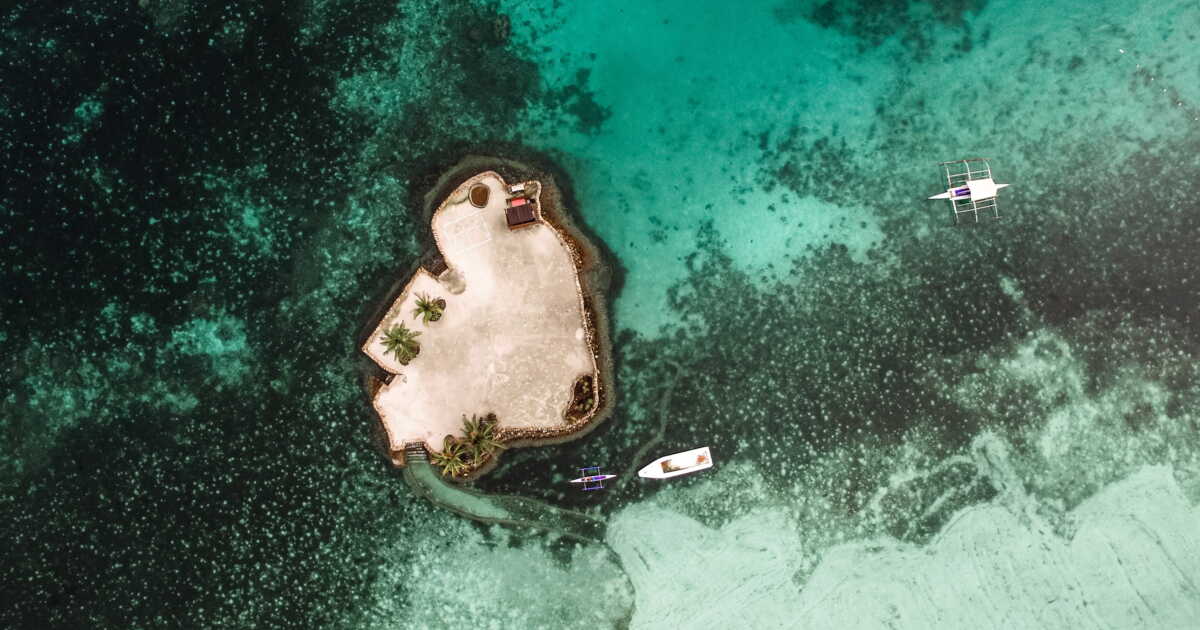
The Îlot Maître, located about twenty minutes by boat from Nouméa, is renowned for its overwater accommodations and tranquil beaches. The site, included in a marine reserve, offers a rare balance between tourist comfort and environmental preservation. It suits travelers looking to combine seaside relaxation, water sports, and observation of local species. This place appeals for its easy access, quality facilities, and the richness of its ecosystem.

10. Enjoy the Baie des Citrons Beach

The Baie des Citrons Beach, south of Nouméa, is one of the city’s most frequented beaches, due to its central location and its calm waters protected by the bay. This urban beach, lively by day and by night, allows safe swimming, access to cafés and restaurants, and a pleasant stroll along the shore. It is a popular starting point for those wishing to combine coastal discovery with immersion in the Neo-Calédonian city ambiance.

In conclusion, New Caledonia offers a variety of activities for every type of traveler, whether you are drawn to natural landscapes, vibrant culture, or encounters with locals. This far-off territory provides unforgettable experiences rooted in the beauty of nature and the richness of its traditions. Make the most of your trip by exploring every facet of this unique archipelago.

What is the best time to visit New Caledonia?

Planning a trip to New Caledonia requires a good understanding of its climate to choose the best period. Located in the South Pacific, between Australia and Polynesia, this destination enjoys a temperate tropical climate. The ideal period runs from May to October during the dry season, when temperatures are mild and rainfall is low.

It is then that the grand landscapes of Grande Terre, the Pacific atolls such as the Nokanhui Atoll, the dream beaches of Ouvéa or Lifou, and the enchanting places like the Natural Pool offer their finest scenery.
Visitors can then fully enjoy a Lifou catamaran trip or an exploration of the Rivière Bleue, the Ouen Toro hill, or the Amédée lighthouse under the best conditions.

This period is also favorable for whale watching or for manta ray viewing off the coasts. Outside this window, the humid heat can make certain excursions less pleasant. For those who wish to explore each place in depth and experience the discovery of emblematic sites, it is therefore crucial to carefully choose their starting point in the season.

Is it worth going to New Caledonia?

Asking whether it is “worth it” to go to New Caledonia is asking a question whose answer quickly becomes obvious. Yes, this exceptional destination is worth every detour, especially for those seeking a postcard-perfect backdrop, enchanting places, or unspoiled nature. The archipelago blends sumptuous landscapes, the Lékiny cliffs, the Kanumera Bay, and dream beaches that leave little to be desired. Whether you explore the beautiful Pacific atolls, walk along the coast to the forgotten shore, or visit cultural venues like the Tjibaou Cultural Centre or the ruins of the penal colony, New Caledonia impresses with its diversity. It is a rare gateway to a mosaic of identities and ecosystems — between Kanak traditions, exceptional marine biodiversity, and colonial heritage. Lifou, the Îlot Maître, the Mouli Bridge, and the Poule de Hienghène offer immersive experiences. Even activities like the Ouvéa kayak, lagoon jumps, or swims near the Nouméa Lagoon Aquarium add to the overall appeal. This is not just a trip, but an immersion in a place rich with discoveries.

What budget should you plan for a trip to New Caledonia?

A trip to New Caledonia requires careful budget planning. This destination is not among the most affordable, notably due to its remoteness. International flights can represent a considerable cost, especially from mainland Europe.

On-site, places such as Ouvéa, Lifou or the Îlot Maître offer accommodations ranging from simple bungalows to more luxurious complexes, with rates varying by season. Access to natural sites such as the Natural Pool, the Blue River, or the Cœur de Voh is often free, but certain activities — catamaran outings, kayaking, guided excursions — carry a price.

The overall budget thus depends on the type of stay: nature immersion, lounging, or exploring cultural sites. Plan roughly €3,000 to €10,000 per person for a two-week trip, depending on the level of comfort and the mode of transport (car rental, inter-island transfers).

A cost-efficient starting point can be aiming for the high season to optimize conditions while still enjoying exceptional marine activities such as manta ray watching. The dream beaches are always there, regardless of budget.

Can We Travel to New Caledonia Right Now?

Yes, it is currently possible to travel to New Caledonia, but it is essential to check the local situation before departure. This overseas territory, although linked to France, has its own social, political, and environmental dynamics. Access conditions can vary depending on weather events (cyclones, wet seasons) or occasional social movements. In general, flights from France operate via Nouméa’s international airport, and connections with islands such as Ouvéa, Lifou, or Grande Terre are well organized.

On-site, enchanting places such as the Baie des Citrons, the Amédée Lighthouse, or the Bac de la Ouaième remain accessible. The theaters and cultural centers like the Tjibaou Centre are places where a sense of place also takes on a political and cultural dimension. For a calm starting point, it is advised to consult the travel advisories updated by French authorities. Once there, discovering the places and dream beaches is always a reward in itself.

Why is the Natural Pool a Must-Visit Step in New Caledonia?

The Natural Pool of the Isle of Pines is one of the most iconic enchanting places in New Caledonia, often described as an open postcard setting. Surrounded by columnar pines and protected by a coral barrier, this sea-water pool offers an unparalleled swimming experience in the Pacific Ocean. Its calm, clear waters host marine life easily observable with fins, masks and snorkels, ideal for those who want to observe aquatic life in a serene environment.

This preserved natural site, easily accessible from Grande Terre, represents for many travelers an ideal starting point for discovering the territory’s marine wonders. Integrated into collective memory as a showcase of Caledonian beauty, it embodies what sumptuous landscapes and dream beaches are like in the region. The Natural Pool is far more than a simple swimming spot: it is the tangible expression of the destination’s exceptional and unique character. Swimming there means entering into a sense of place with respect and wonder.

This article was drafted with the help of artificial intelligence, then edited, completed and validated by the newsroom journalists.

What to Do in Mauritius: 8 Essential Activities and Outings

Mauritius, located in the Indian Ocean, attracts thousands of visitors each year thanks to its white-sand beaches, turquoise waters, and rich cultural heritage. Whether you’re an adventurer, a culture enthusiast, or simply seeking relaxation, Mauritius offers a multitude of activities to satisfy every craving. You’re wondering what to do on this paradise island? Here is a selection of experiences to discover during your stay in Mauritius.

1. Discover Mauritius’s beaches, from Flic en Flac Beach to Morne Brabant

Mauritius unfolds a mosaic of iconic beaches that structure any seaside experience during a stay in Mauritius, whether you’re in a fritting-out hotel or chasing coastal adventures. On the west coast, Flic en Flac captivates with its sunsets, calm waters, and proximity to several luxury hotels. Further south, Le Morne Brabant, a World Heritage site, offers a magnificent view over a turquoise lagoon, sheltered by a broad coral reef. This site, beloved by nature lovers, is also a starting point for parasailing excursions. To the east, Belle Mare attracts early risers for morning swims under the shade of the casuarinas, while Trou aux Biches stands out as an ideal place to discover coral reefs through snorkeling. Across the coastline, the diversity of landscapes is complemented by a range of island restaurants, prices in the Mauritian rupee, and hotel beaches designed for all kinds of occasions.

2. Venture to the islands and marine excursions such as Île aux Cerfs or Îlot Gabriel

Venturing off the coast of Mauritius to encounter satellite islands such as Île aux Cerfs or Îlot Gabriel enriches a stay in Mauritius with unforgettable maritime excursions. These islets, located a few kilometres from the shore, reveal deserted beaches perfect for a picnic, dips in turquoise lagoons, and a variety of water activities. The Île aux Bénitiers offers dolphin-watching in their natural habitat, with the Morne Rock in the backdrop. For those who seek to avoid mass tourism, the northern islets like Coin de Mire provide immersion in protected zones, often designated as a nature reserve. These outings, commonly offered by hotels or local operators, are also an opportunity to discover marine fauna, chat with Mauritians, and enjoy a lunch prepared on site, in a simple and unpretentious setting. Prices vary according to the services provided but remain competitive, often lower than prices in France.

3. Explore natural and geological sites including the Black River Gorges National Park and the Seven Coloured Earths

The geographic heart of Maurice hides natural riches that any nature lover should explore. The Black River Gorges National Park is the island’s main ecological sanctuary, housing hiking trails, primary forests and endemic species. It affords a magnificent view of the green valleys and, from afar, the ocean. Not far away, the Seven Coloured Earths in Chamarel fascinates with dunes of ochre and violet sands formed by unique geological phenomena. Nearby, the Chamarel Falls and the Grand Bassin, a sacred Hindu lake, embody two other major stops of a Mauritius stay that blends nature, spirituality and contemplation. These sites, often included in the great deals offered by hotels, provide so many different ways to discover the island beyond its beaches.

4. Visit gardens and parks such as the Sir Seewoosagur Ramgoolam Botanical Garden

For visitors with a passion for flora and neatly curated landscapes, Mauritius offers several gardens and parks with high educational value. The Sir Seewoosagur Ramgoolam Botanical Garden, in Pamplemousses, houses rare species such as giant water lilies and double coconut palms. It is a flagship site of Mauritian culture, frequently recommended by travel blogs dedicated to the island. For a family outing, Casela World of Adventures offers a safari in a secure environment, with zip lines, quad rides and playful zones for children. These green spaces, often set within a lush sanctuary, are also suited for a picnic or a relaxed stroll. Well integrated into the tourism offering, they appeal to guests of luxury hotels as well as independent travelers seeking an ideal spot to unwind and marvel.

5. Discover Mauritius’s culture and history

The exploration of Mauritius’s culture and history begins with a visit to Port Louis, the administrative and cultural capital. The Central Market reveals the vitality of local exchanges, between stalls of spices, textiles and artisanal objects. Nearby, the Caudan Waterfront brings together restaurants, galleries and museums, including the Blue Penny Museum, dedicated to postal history and the island’s cartography. A stop at the Slave Memorial helps understand the historic importance of the slave trade in the island’s economic development, often tied to the sugar industry. To complement this, L’Aventure du Sucre, housed in an old sugar refinery, retraces the major steps of the colonial economy while highlighting Mauritian cuisine through a signature restaurant. These experiences, accessible at different price points, are also recommended for a special occasion or a cultural-rich stay, often overlooked in mass tourism circuits.

6. Explore L’Aventure du Sucre

L’Aventure du Sucre est bien plus qu’un musée : c’est un lieu de transmission, révélateur de l’histoire de Maurice à travers le prisme de la canne à sucre, élément fondateur de son économie et de sa culture. Installée dans une ancienne sucrerie restaurée, la visite permet de comprendre les enjeux historiques, sociaux et économiques liés à cette plante. On y évoque aussi le passé colonial et l’héritage des esclaves, le tout dans une scénographie immersive. Le site, adapté aux adultes comme aux enfants, propose également une boutique et un restaurant valorisant les produits locaux. Accessible en toute saison, ce lieu fait partie des bons plans culturels à ne pas manquer lors d’un séjour à Maurice.

7. La Vanille Nature Park

Situated in the southern part of Maurice, La Vanille Nature Park is an ideal spot for nature lovers looking to discover local wildlife in a preserved setting. Between giant tortoises, crocodiles, insectariums, and endemic species such as the pink pigeon, this park offers a rewarding experience for all ages. In the shade of filaos, the trails are suitable for family strolls and the park also features a small island restaurant. It’s an excellent outing for those who wish to break away from mass tourism and reconnect with a green haven, while supporting the preservation of species.

8. The 7 Waterfalls

The 7 waterfalls, also known as Tamarin Falls, provide visitors with a true opportunity to explore off the beaten paths. Located inland, this natural site is a hotspot for hiking, accessible via trails of varying levels. Each waterfall unveils a striking viewpoint over lush vegetation and natural pools. Accompanied by a guide, you can learn more about the local flora, often unfamiliar to travelers. This place embodies a wild, authentic Mauritius, preserved from mass tourism and ideal for a day of adventure away from the coastline.

Mauritius is a destination with multiple facets where every traveler will find their happiness. Between paradise beaches, maritime excursions, natural treasures, cultural visits, and adventure parks, there is no way to get bored. For those planning their trip, remember to consider the climate and local specifics to optimize your experience. By exploring these diverse activities, you will discover the island’s richness and diversity.

What to do in Mauritius in 10 days to discover all its facets?

A 10-day stay in Mauritius allows for a balanced discovery between seaside relaxation, cultural excursions, and natural exploration. From the west coast to the southern lands, each region offers a diversity of activities. Enjoy beaches lined with casuarinas, the coral reef, and tranquil lagoons for sessions of parasailing, kayaking or snorkeling. Plan a day in Port Louis to visit the Slave Memorial, bearing witness to the historical importance of the island. Hiking enthusiasts can venture to the 7 cascades or along the hiking trails of Black River Gorges National Park. For a special occasion, such as a honeymoon or anniversary, luxury hotels like the Constance Prince Maurice offer top-tier service, a private hotel beach and signature restaurants showcasing Mauritian cuisine. This 10-day format suits all occasions and provides a rich, comprehensive view of Mauritius.

How long should you spend in Mauritius according to your preferences?

The ideal duration of a stay in Mauritius depends on your interests, but a week remains the minimum to fully enjoy the island’s riches. For a trip focused on relaxation, a few days in a fritting-out hotel on the west coast are enough to take advantage of the coral reefs and turquoise lagoons. However, if you want to alternate nature-leaning experiences, like the Seven Coloured Earths or La Vanille Nature Park, with visits to major cultural sites such as L’Aventure du Sucre, a 10- to 12-day stay is recommended. The price in Mauritius, whether for hotels, meals or transport, remains competitive compared to prices in France, with better control thanks to the Mauritian rupee. Each travel style — family vacation, couple trip, or friends’ break — finds its own rhythm on this island with many faces.

What to do in Mauritius with family without giving up discovery?

Traveling to Mauritius with family is a precious opportunity to share activities that are both educational and fun. Children will enjoy a trip to La Vanille Nature Park, where they will meet the pink pigeon, giant tortoises and crocodiles in a green sanctuary. For a day of relaxation, the shallower beaches protected by the coral reef are ideal for swimming. Family-friendly hotels offer kids’ clubs and activities. The Tea Museum or L’Aventure du Sucre introduce younger visitors to Mauritian culture through playful and interactive routes. Mauritian cuisine, in island restaurants, is often accessible with child-friendly prices, broadening their palates. Whether staying in a luxury hotel or more modest accommodation, Mauritius provides a safe and stimulating environment for a family with children.

What to do in Mauritius when it rains: activities to explore differently

Even in the rain, Mauritius remains a destination to discover, far from mass tourism, thanks to its cultural riches and sheltered spaces. Museums like L’Aventure du Sucre, housed in former sugar factories, offer immersion in Mauritian history away from showers. A visit to the capital Port Louis allows exploring covered markets or the Slave Memorial, recounting the island’s historical importance in the Indian Ocean. Signature restaurants such as Kot Nou offer a convivial moment to enjoy Mauritian cuisine while staying dry. Hotels often provide indoor activities such as spas, cooking classes or tastings. These calmer days are also the perfect opportunity to reconnect with the island’s cultural dimension.

What to do in Mauritius by season: adapting your stay to the island’s cycles

In Mauritius, the seasons influence the type of stay but do not reduce the opportunities for discovery. From November to April, the hot and humid season favors diving and water sports thanks to calm and warm seas. It is also the best time to observe Mauritian culture during traditional celebrations. From May to October, the austral winter, cooler and drier, is ideal for hiking in natural parks or exploring the breezy coasts, especially to the north toward Cap Malheureux and its iconic red-roofed church. The pricing for Mauritius also varies by season: the off-season often offers good deals at luxury hotels, making places like the Constance Prince Maurice more accessible. Each season gives Mauritius a distinct face, to be chosen according to your expectations and desires.

This article was written with the help of artificial intelligence, then corrected, expanded and validated by the editors.

What to Do in Hawaii: 5 Top Outings and Activities on the Big Island

Hawaii, this enchanting archipelago in the Pacific Ocean, is one of the fifty states of the United States. Made up of several volcanic islands, Hawaii is known for its tropical climate, its rich blend of Polynesian and American cultures, and its diverse landscapes ranging from powdery white-sand beaches to active volcanoes. For those planning a trip to Hawaii, the central question is often: what to do once you arrive? This article offers a detailed panorama of the must-see activities to discover at the heart of this archipelago.

1. Explore Oahu and Its Iconic Attractions

Oahu, often considered Hawaii’s gateway, presents a unique blend of urban life and idyllic beaches. Begin your day in Honolulu, the lively capital, by visiting the historic site of Pearl Harbor. Then head to Waikiki Beach for a surfing session or simply to soak up the sun. Do not miss the ascent of Diamond Head, a volcanic crater that offers a panoramic view of the island. For surfing enthusiasts, the North Shore is famed for its impressive waves, especially during the winter season.

2. Discover the Natural Beauty of Maui

The island of Maui, nicknamed the “Valley Isle,” is renowned for its breathtaking scenery. A must-see is the Hana Highway, winding along the island’s eastern coast and offering spectacular views of the ocean, waterfalls, and tropical forests. The sunrise from the summit of Haleakalā, a dormant volcano rising over 3,000 meters, is an unforgettable experience. Maui’s beaches are ideal for snorkeling, especially at Molokini Crater, a crescent-shaped diving site. During the winter months, don’t miss whale watching as humpback whales migrate through these waters.

3. Trek Kauai’s Trails

Kauai, often called the “Garden Isle,” dazzles with lush vegetation and preserved landscapes. Hiking enthusiasts will appreciate the trails along the Na Pali Coast, accessible only by foot, boat, or helicopter, offering jaw-dropping views of the towering cliffs. The Waimea Canyon, nicknamed the “Grand Canyon of the Pacific,” is another must for its striking panoramas. For a full immersion in nature, explore the island’s dense forests and hidden waterfalls.

4. Discover Hawaii Island’s Volcanoes and Diverse Landscapes

Big Island, or the Island of Hawaii, is famous for its active volcanoes. Visit the Hawaii Volcanoes National Park to observe Kilauea, one of the most active volcanoes in the world. Mauna Kea, a dormant volcano, is the island’s highest point and offers a unique opportunity to observe the stars thanks to the numerous observatories perched at its summit. For a different experience, explore the black-sand or green-sand beaches born from volcanic activity. Also enjoy the Kona region to taste the local coffee, renowned for its exceptional quality.

5. Immerse Yourself in Hawaiian Culture and History

Hawaii is not limited to its stunning landscapes; the archipelago also boasts a rich culture and history. Join a Luau, a traditional Hawaiian celebration, to discover local customs through dance, music, and cuisine. Visit traditional villages to better understand the Polynesian way of life. In Honolulu, the Bishop Museum and the Iolani Palace offer fascinating insights into the state’s history. Finally, take time to sample local specialties such as poke, a marinated raw fish dish, or tropical fruits.

In conclusion, Hawaii offers a multitude of varied activities that will satisfy all types of travelers, whether they are adventurers, beach lovers, culture enthusiasts, or nature lovers. Each island of the archipelago has its own identity and deserves to be explored. For visitors, it is an invitation to discover a place where the diversity of landscapes and experiences forms a harmonious and rich tableau.

Is Hawaii an Expensive Destination? Understanding the Cost of a Hawaii Stay

Hawaii is often perceived as a luxury destination, but with smart planning it is possible to fully enjoy its Waikiki beaches, sailing excursions, or hiking trails on Kauai’s stunning landscapes without breaking the bank. Key tips include booking in advance helicopter flights, accommodations in Hawaii, and boat excursions to explore the Napali Coast.

Fans of hiking and refreshing swimming can discover waterfalls, verdant cliffs, and protected areas such as the Honaunau National Historical Park at lower costs. Even incredible experiences like meeting a green sea turtle or discovering marine flora are accessible with a well-planned road trip in Hawaii. By following these budgeting tips and travel-smart advice, it is possible to enjoy the must-see places of Oahu and the Big Island without overspending.

Is Hawaii Worth It? An Unforgettable Experience in the Heart of the Pacific

Visiting Hawaii proves worthwhile at every moment thanks to its rich Hawaiian culture and its breathtaking landscapes. Between the Waikiki Beach, the green cliffs of the Napali Coast, and the Ho‘omaluhia Botanical Gardens on Oahu, travelers can combine trail hikes, short day trips, and half-day water activities.

The hula dance, flower leis, and visits to the official sites of the Hawaiian Island provide a total immersion in the local culture. Protected areas, viewpoints, and waterfalls guarantee an incredible experience, while hikers can enjoy accessible and safe trails. Hawaii blends perfect relaxation with adventure, making this American destination a place where every moment becomes memorable.

What is the Best Time to Visit Hawaii? Enjoy Ideal Weather for Your Activities

For an optimal stay in Hawaii, the best period depends on the activities you choose. The dry season, from April to October, is perfect for swimming, windsurfing, and sailing trips along the Napali Coast. The hiking areas on Kauai or Oahu are especially pleasant, and the marine life and green cliffs reveal themselves in all their splendor. Even during the rainy season, waterfalls and viewpoints remain accessible, and activities such as the hula dance or a visit to the Ho‘omaluhia Botanical Gardens offer rich experiences sheltered from the rain. Planning your road trip in Hawaii according to the weather conditions helps maximize the incredible experience of this island of Hawaii and enjoy all the must-see areas.

How Long Does It Take to Visit Hawaii? Optimize Your Stay to See It All

A stay in Hawaii can range from a few days to several weeks, depending on your pace and interests. To explore Oahu with the possibility of discovering Waikiki Beach, the Ho‘omaluhia Botanical Gardens, and the Honaunau National Historical Park, it is recommended to set aside at least five to seven days. Adding Kauai for its green cliffs and the Napali Coast, or the Big Island for its volcanic and cultural zones, requires several more days. Boat excursions, Hawaii road trips, and refreshing swimming activities should be planned to fully enjoy viewpoints, waterfalls, and marine life. Following these recommendations allows you to experience an incredible trip without rushing and to visit all the must-see spots of Oahu, Kauai, and the Big Island.

What to Do in Hawaii with Family? Activities for All Ages

Hawaii is ideal for a family getaway, offering activities for all ages. Children and adults can enjoy the refreshing swim at Waikiki Beach, the hiking trails across Kauai’s fascinating landscapes, or boat excursions along the Napali Coast.

The waterfalls, protected areas, and encounters with the green sea turtle are perfect for sparking the curiosity of younger travelers. Hawaiian culture unfolds through hula dancing, making flower leis, and visiting sites like the Honaunau National Historical Park. Even sailing excursions and helicopter tours are family-friendly, ensuring a safe and memorable road trip in Hawaii for everyone.

What to Do in Hawaii When It Rains? Indoor Activities and Rainy-Day Discoveries

Even in the rain, Hawaii offers numerous activities to make the most of your stay. The Ho‘omaluhia Botanical Gardens on Oahu allow you to explore tropical flora indoors, while cultural zones and museums provide a glimpse into Hawaiian culture. Short excursions to protected areas or visits to historic sites such as the Honaunau National Historical Park remain possible despite the weather. The hula dance, flower leis, and viewpoints accessible even in rain guarantee an incredible experience. By following essential tips and adapting activities, the rain in Hawaii becomes an opportunity to discover the Island of Hawaii from a different angle.

This article was drafted with the help of artificial intelligence, then corrected, expanded and validated by the journalists of the editorial staff.

What to Do in New Zealand: 10 Ideas for Outings and Activities

New Zealand, known for its varied landscapes ranging from majestic mountains to idyllic beaches, is a destination that attracts nature lovers, adventure enthusiasts, and those seeking to explore a rich culture. Whether you’re planning a short stay or an in-depth exploration, the country has a lot to offer. Here is a guide to the must-do activities during your trip to New Zealand.

1. Explore Auckland: Sky Tower and Waiheke Island

Starting a trip to New Zealand in Auckland, the city nicknamed the City of Sails, allows you to approach the country through its most dynamic gateway. The ascent of the Sky Tower, a centerpiece of this large city, offers a comprehensive view of the downtown and the surrounding bays.

Along Auckland’s waterfront, the tranquil atmosphere contrasts with the harbour city’s energy. A ferry-accessible visit to Waiheke Island provides a great way to discover stunning places: secluded beaches, renowned vineyards, and lush, green landscapes. This escape, in the vicinity of the cape on the east coast, captures the country’s duality: urban life in balance with nature. Auckland, the first stop on a road trip on the North Island, stands out as a one-of-a-kind place in the world, where residents’ way of life aligns with the sea and the Pacific glow.

2. Discover Maori Culture in Rotorua

In Rotorua, Maori culture unfolds in all its authenticity at the heart of a region shaped by geothermal activity. This regional town blends living traditions with natural phenomena: a haka performance, a meal cooked in ground steam according to the hangi method, and a visit to the villages of Te Puia, where the Pohutu geysers and mud baths bear witness to the power of the underground.

This visit forms part of the essential cultural experience of a trip to New Zealand, linking spirituality, art, and science. Surrounding forests and lakes create a backdrop of rare beauty, where sulfur and steam compose a setting of places unique in the world. Rotorua, both place and memory, embodies the continuity between land and identity, an essential chapter before heading to the Coromandel Peninsula or the beautiful sites of the Bay of Islands.

3. Hiking in the Tongariro National Park

Crossing the Tongariro National Park, a World Heritage site, means exploring a place unique in the world where nature and myth intertwine. The Tongariro Alpine Crossing, often ranked among the country’s most iconic Great Walks, traverses a succession of volcanic landscapes: red craters, emerald lakes, lava fields and silhouettes of active volcanoes.

Located in the heart of the North Island, this site offers a microcosm of New Zealand’s contrasts: the harshness of rock, the softness of horizons, and the place’s spirituality. For cinema enthusiasts, the natural scenery evokes the lands of The Lord of the Rings, reinforcing the hike’s legendary character. The experience, both physical and introspective, leaves walkers facing a mountain range and silence, where every step offers a breathtaking view.

4. Cruise in the Bay of Islands

The Bay of Islands, north of the North Island, unfolds with more than 140 subtropical islets forming an archipelago of turquoise waters and nesting sites for dolphins and seabirds. A boat tour or cruise from Paihia is a good way to grasp its ecological richness. On site, travelers can spot a seal colony, whales, or simply witness the symbolic meeting of the Pacific and Tasman Seas at Cape Reinga, one of the country’s top beautiful places. The Bay of Islands is also a historic site, the first point of contact between Maori and European peoples. Between wildlife, beaches and spirituality, this island visit on the North Island embodies the very idea of the end of the world, where travel takes on a natural and foundational dimension.

5. Queenstown: The Adventure Capital

Located on the South Island, Queenstown is often regarded as the big sister of the world’s alpine resorts. Nestled between high peaks and Lake Wakatipu, this regional city is known as the adventure capital. Bungee jumping, skiing, mountaineering or lake cruises: everything here evokes the energy of movement. A hike on Queenstown Hill offers magnificent views of the Otago mountain ranges, while winter transforms the landscape into a snowy sports destination. Despite its athletic reputation, Queenstown remains a tranquil town, animated by the friendliness of its residents and the balance of its surroundings. Far from a mere tourist backdrop, it is a place of remarkable beauty, a hub of activities and a reflection of contemporary New Zealand.

6. Exploring Fiordland National Park and Milford Sound

The Fiordland National Park, in the southwest of the country, houses the famous Milford Sound, a place unique in the world listed as a World Heritage Site. A Milford Sound visit by cruise or kayak allows approaching cliffs, waterfalls and forests framed by towering peaks plunging into turquoise waters.

This secluded region, shaped by glaciers, reveals a raw and unchanging nature, where every relief seems monumental. Travelers may spot a seal colony, dolphins or endemic birds. Fiordland, regarded as one of the world’s unique places, represents the very essence of travel in New Zealand: a direct encounter with land, water and light, in majestic solitude.

7. Hiking and Relaxation in Wanaka

Wanaka, often seen as Queenstown’s quiet little sister, stands out for its balanced atmosphere between nature and laid-back living. Located by a glacial lake, the Otago region town attracts hikers, notably those heading to Roy’s Peak, from where panoramas offer breathtaking views. The surroundings, a mix of dense forest and meadows, provide a soothing backdrop for the walker. After the effort, local cafes and breweries reinforce this sense of harmony. Wanaka, both discreet and inspiring, illustrates the quality of life unique to New Zealand, where mountains and the lake respond to each other in a rare balance, far from mass tourist flows.

8. Visit to the Fox and Franz Josef Glaciers

On the west coast of the South Island, the Fox and Franz Josef glaciers are among the world’s unique places accessible without alpine gear (for viewpoints and trails). A guided visit allows walking on the ice and observing the blue crevasses formed over time. Panoramic helicopter flights reveal the mountain range and its valleys, with stunning views of the sea and peaks. These places, where snow meets forest, symbolize New Zealand’s geographic singularity. Including the glaciers in a road trip from Queenstown or the Catlins region offers a comprehensive view of the country’s contrasts, between geothermal fire and millennial ice.

9. Kayaking in the Abel Tasman National Park

The Abel Tasman National Park, at the northern tip of the South Island, delights with golden beaches, dense forests and coves accessible only by kayak. Exploring this coastline by sea is a great way to discover a place of great beauty, where granite cliffs and turquoise waters create an untouched landscape. The coastal trails, among the country’s Great Walks, allow linking the most isolated bays in absolute calm. The park, often described as one of New Zealand’s finest places, invites a sea-side visit oriented toward wonder and slowness. It embodies the fusion of adventure and contemplation, typical of the Coromandel Peninsula and the shores at the world’s end.

10. Marlborough Wine Country: a sensory finale

The Marlborough wine region, at the north of the South Island, closes a trip to New Zealand with a sensory note. Renowned for its vineyards and Sauvignon Blanc, this regional town offers guided tours where you discover the work of the vine in a rolling, sunlit landscape. Tasting a local wine while gazing at the Catlins mountains or the distant sea makes for a unique experience. Marlborough wines, exported around the world, reflect the identity of a country where nature inspires culture. Between refinement and authenticity, this stop illustrates New Zealand’s ability to marry terroir and horizon.

11. Lake Tekapo: a place unique in the world between starry sky and turquoise waters

The Lake Tekapo, located in the heart of the South Island, ranks among the world’s unique places where nature seems untouched by bustle. Its turquoise water, the result of glacial sediments, framed by the high peaks of the Southern Alps, creates a spectacular backdrop. This place of beauty attracts travelers seeking serenity, but also astronomy enthusiasts: the lake offers one of the best night-sky viewing points on the planet. Adding Lake Tekapo to a road trip from Queenstown or Christchurch lets you approach New Zealand through vastness and silence. Here, the visit is not a quick stop but a slow immersion, often complemented by a soak in the local hot springs, facing the lake’s magnificent views.

12. Te Papa Tongarewa in Wellington: museum of memory and New Zealand identity

Located in the heart of Wellington’s downtown, the Te Papa Tongarewa Museum — literally “the place of treasures of this land” — is the premier cultural institution for understanding New Zealand, its people and its landscapes. Designed as an interactive space, it blends natural sciences, social history, contemporary art, and Māori culture in exhibitions accessible to all, including families and students.

For travelers, a Te Papa visit is a must — a key moment that puts into context the world-unique places discovered during a road trip. Additionally, staying in a Wellington hostel or at the Ibis Wellington, just steps from the museum, allows you to extend the experience in a region city that is both administrative and creative. Te Papa stands out as much for its documentary richness as for its bay-facing architecture, making this visit a good way to access the country’s identity at its heart.

13. Waitomo Glowworm Caves: a luminous natural spectacle in the depths of the North Island

The Waitomo Glowworm Caves are among the world’s unique places where nature becomes luminous. Located on the North Island, these limestone caves host thousands of glowworms (Arachnocampa luminosa), whose bioluminescence turns the chamber into an underground starry vault. A silent boat tour allows observing this rare phenomenon in near-total darkness, enhancing the sense of natural magic. The experience, both scientific and contemplative, complements a route that passes through Auckland or Cathedral Cove.

The Waitomo Caves, open year-round, are set in a region where dense forest, green hills and underground rivers alternate, perfect for immersive nature lovers. This place is not only spectacular but also carries an ambiance that only New Zealand can offer.

14. Te Puia: Geysers, Māori Arts and Geothermal Activity at Rotorua

Te Puia, located in Rotorua on the North Island, embodies the convergence of geothermal activity, traditional crafts, and cultural transmission. This unique place offers both the chance to admire Pohutu geyser, one of the most active in the southern hemisphere, and to explore a Māori arts center where wood carving and weaving are taught.

The visit to Te Puia helps to understand how residents’ lives revolve around the bubbling earth, in an environment where nature and spirituality coexist. Including Te Puia in a road trip starting from Auckland or heading toward the Bay of Islands means crossing a region where places are as much lived as told. The site welcomes visitors in a structured setting, conducive to an educational visit, yet always imbued with respect for the country’s founding narratives.

15. Whakarewarewa Redwoods: grandeur and quiet within an exceptional forest

The Whakarewarewa Forest, better known as the Redwoods, is a dense forest near Rotorua, planted with Californian redwoods at the start of the 20th century. These towering trees, reaching heights of over 70 meters, form a hybrid ecosystem between introduced nature and local biodiversity. A visit to the Redwoods is freely organized, with several marked trails, but also a suspended walk (Treewalk) offering a height-based perspective on the canopy. The site is prized for its tranquil atmosphere and its setting conducive to slow walking, away from the tourist crowds. The Redwoods fit perfectly into an itinerary combining Te Puia, the Wai-O-Tapu Thermal Wonderland, or a stop at the region’s thermal towns. It is a place of beauty, showing how New Zealand transforms natural diversity into a landscape of identity.

In conclusion, whether you are drawn to adventure, culture, or relaxation, New Zealand offers a variety of experiences tailored to every type of traveler. For a comprehensive stay, plan your itineraries with the seasons and regional specifics in mind. You will discover a country rich in surprises and discoveries.

What Budget to Plan for a Trip to New Zealand: an Investment in Escape to the Ends of the World

Planning the budget for a trip to New Zealand depends on the type of stay envisaged, but also on the distances to cover across this land often described as the ends of the earth. The average cost of a two-week road trip ranges from €2,500 to €3,500 per person, including flights, accommodations and travel between the North Island and the South Island. Major cities like Auckland, Wellington or Queenstown have prices comparable to European capitals, while more rural areas, such as the Catlins region or the Otago region, can sometimes offer more affordable options. Hostels or staying in a Wellington hostel is a good way to limit expenses while enjoying a calm visit in Auckland on the waterfront or a stop at Queenstown Hill. Traveling here means accepting a certain cost, offset by the richness of landscapes, the quality of natural heritage and the diversity of geothermal or marine activities.

What is the Best Month to Visit New Zealand: Choosing Southern Light by Season

The best month to go to New Zealand depends on the experience you’re after: the months from December to March offer summer temperatures ideal for a road trip along the Coromandel Peninsula, a Milford Sound visit or a Cathedral Cove exploration at low tide.

Southern winter, from June to August, reveals another facet of the country: the high peaks of Aoraki/Mount Cook, the snows of Queenstown, and the serene beauty of the Otago region. The in-between seasons — April–May and September–October — are often considered the most balanced periods, with fewer crowds and exceptional light on major cities like Wellington or Auckland. Each season turns New Zealand into a place of great beauty, where turquoise coastal waters give way to alpine ranges within a few hours’ drive.

What to Do in New Zealand in Winter: Snowy Mountains and Cultural Treasures

Winter in New Zealand reveals a different, calmer atmosphere, conducive to cultural visits and mountain hikes. In the city of Queenstown, regarded as the “big sister” of alpine resorts, the slopes of Mount Cook and the Great Walks trails offer landscapes of rare intensity.

On the North Island, geothermal activities at Te Puia or the Wai-O-Tapu Thermal Wonderland take on spectacular mists that heighten the contrast between the cold air and the earth’s warmth. Winter is also an ideal season to explore world-unique places such as the Waitomo Glowworm Caves, where thousands of glowworms illuminate the galleries. In Wellington, a visit to the Te Papa Tongarewa museum, a major Oceanian world-heritage institution, completes this panorama of a country that continues to surprise, even under a winter sky.

How Long Does It Take to Visit New Zealand: The Art of Measuring the Ends of the World

To visit New Zealand, you must first accept the distance and scale of the country. Given the diversity between the North Island and the South Island, a stay of at least three weeks is recommended to truly appreciate the contrasts: from the dense forests of the Rotorua region to the majesty of the fjords of the Milford Sound. A North Island visit allows you to discover the beautiful spots along the east coast, the world-unique places such as the Bay of Islands, or Auckland, the big city where locals’ lives concentrate. The South Island, on the other hand, reveals landscapes of vast horizons, dominated by high peaks and seal colonies along the coasts. Traversing these places in order, without haste, offers the best approach to a country designed for long journeys and contemplation.

What to Do in New Zealand with Kids: Family-Friendly Adventures and Discoveries

A trip to New Zealand with children lends itself to gentle, progressive exploration, blending nature and culture. The Christchurch Botanic Gardens or the Redwoods of Whakarewarewa Forest offer accessible family activities, while excursions such as a Two Oceans Aquarium visit in Auckland or walks along the beaches of the Coromandel Peninsula help understand locals’ lives in their environment. In Queenstown, families can hike up Queenstown Hill to admire stunning views of the turquoise waters of Lake Wakatipu. The Waitomo Glowworm Caves enchant with their natural light show, while museums like Te Papa Tongarewa in Wellington convey the foundations of local heritage. Traveling here with family means experiencing a rare quality of life, between guided adventure and cultural discoveries.

What to Do in New Zealand When It Rains: Culture, Nature and Welcoming Shelters

When it rains in New Zealand, discovery possibilities abound. A stay at a Wellington hostel allows you to walk the streets of the city centre, before heading to the Te Papa Tongarewa, the national museum with immersive exhibits. In Rotorua, the geothermal activities of Te Puia and the Wai-O-Tapu Thermal Wonderland offer an even more striking sight in the rain: vapors heighten the visual and olfactory contrast. In Auckland, the Sky Tower dominates Auckland city and lets you admire the surrounding mountain range even in overcast weather. For a quieter interlude, waterfront cafes in Auckland on the waterfront or indoor markets like the Neighbourgoods Market in Wellington provide a warm and convivial ambiance. Rainy days are thus an opportunity to better understand locals’ life and the cultural density of the mother city of New Zealand.

This article was drafted with the help of artificial intelligence, then corrected, expanded and validated by the editors.

What to Do in Puerto Rico: 11 Outings and Activities to Try

Nestled in the crystal-clear waters of the Caribbean Sea, Puerto Rico is an island that offers a wealth of diverse activities blending history, nature, and culture. Whether you’re drawn to outdoor adventures, pristine beaches, or the country’s rich history, Puerto Rico has something for every visitor. The main question travelers ask is: “What to do in Puerto Rico to make the most of my stay?” Everyone aims to maximize their sightseeing experience while ensuring that their trip is as enriching as it is safe. In this article, we will explore the various activities and outings that will allow you to fully experience the magic of Puerto Rico.

1. Explore Old San Juan

Old San Juan is the historic heart of Puerto Rico. This cobbled district is packed with buildings dating from the 16th to the 18th centuries and features Spanish colonial architecture. You can visit historic sites such as El Morro and La Fortaleza. The colorful streets, lined with shops, cafes, and art galleries, invite you to stroll. Setting aside a day to wander this area allows you to dive into Puerto Rican history while enjoying modern cultural life.

2. Hiking in the El Yunque Tropical Forest

Located about an hour from San Juan, the El Yunque Tropical Forest is a remarkable destination for nature lovers. This forest is the only tropical rainforest in the United States National Forest System. Hikers can follow trails leading to spectacular waterfalls such as La Mina and Juan Diego. The humid climate supports a rich biodiversity, offering the chance to see many native plants and animals up close.

3. Discover the Beaches of Vieques and Culebra

The islands of Vieques and Culebra are renowned for their pristine beaches. Flamenco Beach on the island of Culebra is frequently listed among the world’s best beaches thanks to its fine sand and turquoise waters. Vieques is known for its tranquil beaches and peaceful atmosphere. Beyond relaxation, these islands offer excellent opportunities for snorkeling and scuba diving.

4. Bioluminescent Experience at Mosquito Bay

Mosquito Bay, located on Vieques, is one of the brightest bioluminescent bays in the world. Visiting this bay on a moonless night allows you to witness a natural phenomenon where the water glows green and blue thanks to microscopic organisms. Kayak excursions are available to experience this magical and unforgettable moment.

5. Venture into the Camuy Caves

The Camuy Caves comprise one of the largest underground cave systems in the world. With more than 220 known caves, this attraction is perfect for those seeking to explore impressive geological formations. Visitors can take guided tours into some of the more accessible caves, where they will discover stalactites, stalagmites, and underground rivers.

6. Tour a Rum Distillery

Puerto Rico is famous for its rum, and a visit to the Bacardí distillery is a popular activity. Located near San Juan, this distillery offers guided tours that explain the rum-making process from fermentation to aging, followed by tastings. For spirit enthusiasts, this tour provides a deep understanding of one of Puerto Rico’s best-known exports.

7. Local Culinary Experiences

Taste Puerto Rican cuisine by taking part in a food tour or a cooking class. mofongo, lechón, and piña colada are integral to the island’s culinary identity. Visiting local markets or traditional restaurants lets you explore these specialties in their authentic form. Cooking workshops offer the opportunity to learn how to prepare these iconic dishes.

8. Relaxation at Luquillo Beach

Luquillo Beach is situated on the main island and is ideal for those seeking relaxation and swimming in a calm setting. This beach is particularly family-friendly due to its shallow waters and handy facilities, such as kiosks and picnic areas.

9. Concerts and Dancing at La Placita de Santurce

For a vibrant evening, head to La Placita de Santurce. This neighborhood is known for its bars, live music, and dance performances. It’s the perfect spot to immerse yourself in the local music scene, whether it’s salsa, reggaeton, or bomba y plena. The warmth and energy of this district make it a favorite among locals and visitors alike.

10. Road trip along the Route 187

Set off on a road trip along the Route 187 that runs along Puerto Rico’s northeast coast. This drive offers breathtaking scenery and numerous secluded beaches to discover. Stop in small villages to savor local cuisine and engage with residents for an authentic cultural immersion.

11. Flamenco Beach: One of the Caribbean’s Most Beautiful Beaches

Situated on the island of Culebra and accessible by boat from Ceiba, Flamenco Beach is frequently ranked among the world’s finest beaches. Its white sand, turquoise waters, and peaceful coves make it a popular destination for travelers seeking relaxation or snorkeling. Away from the big cities, Flamenco Beach captivates with its preserved setting and moderate crowds. To fully enjoy it, head there early in the morning from the mainland and consider staying locally on the island. Nature lovers will also encounter sea turtles and tropical fish.

In conclusion, Puerto Rico is a destination with many facets that will satisfy every type of traveler. Whether your interest lies in history, nature, the beach, or gastronomy, the island offers a rich and safe experience. For those who wish to deepen their exploration, other aspects such as cultural events, additional hikes in the central highlands, or marine life discoveries can be explored in more detail. Puerto Rico awaits your visit to reveal all its wonders.

How many days to visit Puerto Rico?

For a well-balanced first trip to Puerto Rico, it is advisable to budget at least 5 to 7 days, to explore the capital, a few beaches, and a nature excursion, without rushing. This allows you to land at Luis Muñoz Marín International Airport, visit Old San Juan, then venture to the tranquil coves of Culebra or Flamenco Beach, and to the El Yunque rainforest. For nature and relaxation enthusiasts, a longer stay (10 days) lets you add a stop at the bioluminescent bay of Laguna Bacona or enjoy seaside lodges. The American territory of Puerto Rico combines culture, scenery and nature—taking full advantage of it requires time.

Is Puerto Rico Safe?

Traveling within the U.S. territory of Puerto Rico generally proceeds in a safe environment for travelers, provided you take the usual precautions. The island’s crime rates are comparable to—and often lower than—those of some American cities, and the tourist zones, especially beaches like Condado Beach or Old San Juan, benefit from an active police presence. However, travel advisories note that floods, hurricane season, and certain behaviors such as pickpocketing or isolated late-night travel can pose risks. In short, Puerto Rico offers a reliable travel experience as long as you favor well-visited areas, stay in suitable accommodations, and stay mindful of natural and health conditions.

Why Visit Puerto Rico?

Choosing to travel to Puerto Rico means opting for a destination that blends historic heritage, varied landscapes, and ease of access from the Americas or Europe. You’ll find Spanish fortresses like Castillo San Felipe del Morro and Castillo de San Cristóbal, reminders of the colonial era, blond-sand beaches at Culebra or Flamenco Beach, hiking trails through tropical forests, and pleasant weather from December to April. Puerto Rico’s status as an American territory also simplifies certain procedures (currency: US dollar), which can reassure travelers seeking comfort and a touch of exotica. This island offers a wide range of species, unspoiled contact with nature, and a rich cultural setting—enough to spark the decision to go there.

What to Do in Puerto Rico?

During a stay in Puerto Rico, activities span a wide spectrum from culture to nature and seaside relaxation. You can wander the old town of San Juan, stroll through its colorful streets, then venture to the El Yunque rainforest via a hiking trail that leads to mysterious waterfalls or natural pools. You can hire a boat from Ceiba to reach the island of Culebra or visit the bioluminescent Laguna Bay by kayaking at sunset. To truly savor the destination, it’s also worth dedicating time to Luquillo Beach and sampling traditional dishes such as plantain purée. This variety of activities makes Puerto Rico a comprehensive destination for travelers.

What to Do in Puerto Rico with Kids?

Planning a family-friendly Puerto Rico trip means prioritizing safe and entertaining sites: the coast offers gentle beaches like Luquillo Beach, accessible from San Juan, where kids can enjoy sandplay and mild waters. Then, a boat trip to the Culebra archipelago lets them spot sea turtles and other wildlife in a natural setting. The local museum or the San Cristóbal fortress can also be educational. By avoiding the rainy season and adapting the pace for younger travelers, Puerto Rico becomes a well-balanced family destination between relaxation and discovery.

Puerto Rico: A Distinct Territory in the Americas

Puerto Rico is a country with a special status, officially an unincorporated territory of the United States. This institutional peculiarity makes it a unique destination for travelers seeking somewhere different that remains easily accessible: the country uses the US dollar, US citizens do not need a visa, and it benefits from modern infrastructure. Yet beyond this political link, Puerto Rico asserts a strong identity through its Creole culture, a history shaped by Christopher Columbus, and a local population proud of a heritage with multiple influences. A land of America, at the doorstep of the Caribbean Sea, Puerto Rico stands as a crossroads between modernity and tradition, between official status and popular roots.

Puerto Rico Capital: San Juan, the Island’s Historic and Cultural Heart

Puerto Rico’s capital, San Juan, is more than just an administrative city. Founded in the early 16th century, it preserves a remarkable colonial heritage, listed as a UNESCO World Heritage site. Its two emblematic fortresses — Castillo San Felipe del Morro and Castillo de San Cristóbal — remind visitors of the country’s military history. Today, San Juan blends serene coves, urban beaches, lively neighborhoods, and cultural institutions. Luis Muñoz Marín International Airport makes arrivals easy in this capital, which serves as a gateway to broader island exploration.

Puerto Rico Travel: An Itinerary Through Sea, Forest and Heritage

A trip to Puerto Rico offers visitors remarkable variety: paradise beaches, mountains cloaked in tropical forests, traditional villages, museums, and culinary specialties. From landing at Luis Muñoz Marín International Airport to taking a boat from Ceiba to Culebra, each leg can be tailored to nature lovers or history buffs alike. The pleasant climate from December to April, average yearly temperatures around 27°C, and no need for complicated formalities for many nationalities make Puerto Rico an ideal gateway to the Caribbean.

This article was drafted with the help of artificial intelligence, then corrected, expanded, and validated by the newsroom’s journalists.

What to Do in Alexandria: 7 Outings and Activities in the City of a Thousand Cisterns

Alexandria, Egypt’s second-largest city, perched on the shores of the Mediterranean, is a destination rich in history and culture. Founded by Alexander the Great, Alexandria has long been a beacon of culture and science in antiquity. Today, the city teems with fascinating sites, blending ancient ruins with modern life. But what is there to do in Alexandria? Let us explore the activities that will captivate both curious travelers and history buffs.

1. Explore the New Library of Alexandria

The Bibliotheca Alexandrina, the modern reincarnation of the ancient Library of Antiquity, presents itself as an iconic cultural hub. With its striking architectural design, it houses millions of books and several museums and rotating exhibitions. Visiting this library is a dive into universal knowledge and a reflection on the city’s historical role in disseminating learning.

2. Descend into the Kom el Shoqafa Catacombs

The Kom el Shoqafa Catacombs are a fascinating testament to a period when three cultures – Egyptian, Greek and Roman – intertwined. These underground galleries were used as a necropolis and offer a unique perspective on the mingling of religious and artistic influences. Every wall and corner tells a story of ancient rituals and shared beliefs.

3. Admire the view from the Qaitbay Citadel

Erected on the site of the old Lighthouse of Alexandria, the Qaitbay Citadel once defended the city against seaborne invaders. Today, it offers not only a glimpse of medieval military architecture but also a breathtaking view of the harbor and the Mediterranean. Roaming within its walls is a journey through time, while enjoying the sea panorama.

4. Stroll along the Alexandria Corniche

The Alexandria Corniche is an iconic waterfront promenade. It invites leisurely walks cherished by locals and visitors alike. It’s the perfect place to feel the sea breeze and watch sunsets. Along the way, one can stop at a café to savor local specialties while observing the hustle and bustle of everyday life.

5. Discover the Alexandria National Museum

This museum is more than a simple exhibition space; it’s an immersion into the city’s history and its multiple civilizations. Covering Pharaonic, Greco-Roman, Coptic, and Islamic periods, the Alexandria National Museum displays archaeological treasures and artifacts that tell the region’s rich past.

6. Immerse yourself in the atmosphere of the Souks and Markets

Visiting markets such as the Souk El Attarine is an immersion into Alexandria’s daily life. Wandering through the stalls, you discover a range of spices, antiques, and crafts that highlight the city’s cultural diversity and mercantile heritage. Here, every exchange is more than a simple transaction; it’s an opportunity to discover stories of contemporary Egypt.

7. Discover the Montazah Palace and Gardens

With its expansive gardens stretching down to the sea, the Montazah Palace presents a picturesque setting where Egyptian royal history blends with the Mediterranean landscape. Once the summer residence of the royal family, this place evokes a lavish past while offering a perfect backdrop for moments of relaxation and contemplation.

En somme, Alexandrie est bien plus qu’une simple destination balnéaire. Par sa richesse historique et culturelle, elle propose une multitude d’activités et de découvertes. Que l’on soit passionné d’histoire, amateur de promenades côtières ou curieux de découvrir la vie locale, chacun trouvera de quoi nourrir son voyage. Pour les curieux souhaitant approfondir leur exploration de l’Égypte, Alexandrie constitue une transition idéale vers d’autres joyaux du pays.

8. How many days to spend in Alexandria to grasp its full historical and coastal wealth?

Determining how many days to spend in Alexandria depends on the traveler’s interests, but a stay of two to three days allows you to explore the essence of this unique tourist destination, located on the Alexandria Bay. The visit can be organized around the Library of Alexandria, the ancient remains such as the Pompey’s Pillar or the underground funeral complex linked to the emperor Diocletian, not to mention the coastal gems like the Montazah Palace or the Alexandria Corniche that runs along the beautiful beaches.

C’est aussi le temps nécessaire pour comprendre la stratification urbaine de la ville, marquée par la conquête arabe, les influences européennes du XXe siècle, et les traces laissées par des tremblements de terre historiques. Un séjour court mais structuré offre une approche complète du centre-ville et des bâtiments de la ville, permettant de découvrir quelques-uns des trésors qui font d’Alexandrie un bon endroit pour relier civilisation de l’Égypte et bord de mer.

9. What to do in Alexandria when it rains without compromising your cultural stay?

Knowing what to do in Alexandria when it rains helps optimize your trip without relying on the weather. The city offers several indoor cultural and historical refuges to explore. The Bibliotheca Alexandrina, designed by a Norwegian architectural firm, stands as a landmark of contemporary knowledge and a dive into the Book of Alexandria, in the tradition of the Wonders of the Ancient World.

The Mahmoud Said Museum, renowned for its female nudes and its fine arts works, also allows focusing on the country’s artistic scene. For history enthusiasts, the collections of archaeological objects, coins, or stories around the body of a Roman legionary are visible in local museums. In case of rain, these establishments offer solid alternatives to the seaside Corniche, while enabling a deeper dive into Alexandria’s identity, between heritage and creation.

10. What to do in Alexandria as a couple to combine culture and romance by the sea?

For a couple’s trip, asking what to do in Alexandria as a couple opens up possibilities between heritage and shared moments by the sea. A stroll along Alexandria’s small Corniche, particularly near the Stanley Bridge, provides an ideal setting for a romantic date facing the Alexandria Bay.

Private beaches at Montaza Palace are also suitable for moments of calm, between swimming and strolling. In the evening, wandering the alleys of the city center, then visiting the Ras el-Tin Palace or admiring the façade of the Coptic Cathedral of Saint Mark allows mixing historical interest with a shared atmosphere. It’s also an opportunity to explore more authentic neighborhoods such as Karmouz, where the fish market illustrates another facet of the city. Alexandria, between the civilization of Egypt and the coast, thus offers a varied setting for a couple’s stay, far from clichés.

11. What to do in Alexandria in the evening to extend the urban experience beyond the day?

Thinking about what to do in Alexandria in the evening involves combining heritage, local vibe, and relaxation on the Alexandria Corniche. At dusk, the seaside promenade comes alive: locals meet there around cafés, while seaside restaurants open to a mixed clientele of residents and visitors.

The city center offers a handful of cultural venues that are still active, including theatres or galleries with architecture inspired by the 20th century. For a quieter evening, a stroll near the Cleopatra Palace or the gardens of the Montaza Palace allows watching the Mediterranean Sea in softened light. If the weather permits, the beaches remain accessible in the early evening for a more intimate seaside experience. Nocturnal Alexandria, though understated, reveals a unique atmosphere, between cosmopolitan heritage and urban vitality.

12. What to do in Alexandria with family to combine relaxation, education and discovery?

Planning what to do in Alexandria with family helps structure a balanced program between leisure, culture and exploration. Children as well as adults will enjoy historical visits such as the Pompey’s Pillar, rising several meters, or the subterranean Roman tomb complex that evokes entire pages of the city’s history.

The Alexandria Library also offers spaces suitable for younger visitors, easing a didactic approach to knowledge. On the leisure side, private beaches such as Mamoura Beach allow families to enjoy the coastline in a safe setting. A train trip from Borg el Arab, with trains running daily, can also be a fun experience for the youngest. Between fine arts, historic palaces, and outdoor activities along the corniche, Alexandria is a tourist destination accessible to all ages, offering families a wide range of experiences.

This article was written with the help of artificial intelligence, then corrected, expanded and validated by the newsroom journalists.

What to Do in Africa: 10 Ideas for Outings and Activities to Discover

The African continent, rich in cultural, natural, and historical diversity, draws travelers from around the world. Between its vast landscapes, vibrant cities, and millennia-old traditions, Africa promises an unforgettable journey. But what are the must-do experiences for those who want to fully enjoy their stay on this continent? Let’s explore together ten experiences to absolutely live.

1. Safari in national parks such as the Ras Mohammed National Park (marine national park in Egypt)

Beginning an African adventure would be incomplete without a safari in one of the most renowned national parks. Whether it is the Kruger National Park in South Africa or the Serengeti in Tanzania, these sanctuaries offer a unique wildlife watching experience. Lions, elephants, rhinoceroses and giraffes roam freely, allowing a close encounter with the wild world of nature.

2. Explore African deserts

Africa houses spectacular desert treasures, such as the Sahara Desert and the Namib Desert. A trek through rolling dunes, often on camelback, reveals a silent yet immensely beautiful landscape. Sunrises and sunsets light up the golden sands, providing travelers with moments of reflection like no other.

3. Discover Egypt’s ancient history, the Valley of the Kings and the Giza Necropolis

Ancient Africa’s story is largely told through Egypt’s pyramids and temples. A visit to Giza to admire the pyramids and the Sphinx is a must. The Cairo Egyptian Museum houses fascinating treasures, while a cruise on the Nile up to Luxor lets you explore Karnak temple and the Valley of the Kings.

4. Trek in Ethiopia

For mountain and rugged landscape enthusiasts, the Simien Range in Ethiopia is a top pick. These mountains shelter unique wildlife and offer breathtaking panoramic views. The villages and local communities encountered along the way enrich the experience with a meaningful cultural dimension.

5. Beach pleasures in Zanzibar

Renowned for its exceptional beaches, Zanzibar is an island that enchants with its blend of white sand, turquoise waters, and coral reefs. Visitors can dive, snorkel, or simply relax by the shore. The town of Stone Town, with its narrow lanes and historic architecture, offers a captivating cultural immersion.

6. Colorful markets in West Africa

West African markets overflow with colors and fragrances. In countries like Senegal or the Ghana, local bazaars buzz with activity. Whether exploring the Dakar market or the Accra market, haggling among stalls of fabrics, spices, and local crafts offers an unparalleled sensory experience.

7. Climb Kilimanjaro

The Kilimanjaro, in Tanzania, stands as Africa’s highest peak. Its ascent attracts many hikers seeking challenge and nature. While weather and altitude pose challenges, reaching the summit brings immense satisfaction and a striking perspective on the continent.

8. Immersion in Moroccan culture at the Marrakech Medina and Bahia Palace

Morocco captivates with ancient medinas, lively souks, and diverse cuisine. In Marrakech, visitors can wander the winding alleys, discover the Majorelle Gardens, and savor a tagine. Riad houses—traditional homes converted into hotels—offer an authentic glimpse into Moroccan life.

9. Water adventures on the Nile

Beyond its central role in history, the Nile is also a gateway to thrilling water excursions. River rafting on its rapids, especially in the Ugandan stretch, is a highly sought-after activity. Adventures on the river allow you to discover East Africa from a different angle.

10. Festivals and culture in Dakar

The city of Dakar, with its musical festivals such as the Saint-Louis Jazz Festival, contemporary art exhibitions, and mbalax concerts, stands as a cultural crossroads in West Africa. Through its vibrant artistic scene, Dakar showcases the region’s dynamism and creativity.

Africa offers a wide range of activities and discoveries that go far beyond classic safaris. Each region, each country has its own treasures to offer, promising travelers a rich and varied adventure. Whether for heritage, nature, or the hospitality of its people, the African continent simply begs to be explored.

Which African countries to visit? A selection worthy of their diversity

Exploring Africa means crossing kilometers of natural wealth, breathtaking African landscapes, and dreamlike regions ranging from the Kalahari Desert to the paradisiacal beaches of Zanzibar. Among the countries to visit, the Republic of the Congo appeals to enthusiasts of endemic wildlife, notably mountain gorillas.

The cradle of safari stretches between Tanzania and Kenya, lands of the great migration. South Africa, particularly in the Overberg region, is an ideal starting point for an immersion in the continent’s natural treasures, while Namibia reveals landscapes that stretch to the horizon, from Dead Vlei to the dunes of Sossusvlei. This choice of destinations allows you to discover the wonders of nature in a well-founded way, balancing wildlife, unforgettable experiences, and world heritage.

Where to go in Africa with family? Regions suited for travelers seeking serenity

For a family trip in Africa, certain regions offer an ideal balance between safety, discovery, and accessibility. The Cape in South Africa combines sandy beaches, museums, and guided hiking on Table Mountain, giving both children and adults a spectacular view of the Atlantic Ocean.

In Tanzania, the Ngorongoro Crater allows you to view the Big Five safely in a reserve listed as a world heritage site. The paradisiacal beaches of Zanzibar provide a relaxing setting suitable for younger travelers. Finally, Egypt, between the Cairo Egyptian Museum and the Valley of the Kings, offers a dive into the continent’s fascinating history. These destinations combine unforgettable experiences with cultural richness, ideal for a one-day excursion or an extended stay.

Which safaris to do in Africa and where to experience them? From the Big Five to desert lions

Safari in Africa is an unforgettable experience that allows you to encounter wildlife in its most authentic form. The black-maned lions of the Kalahari, the Thornicroft giraffes in Zambia, and the desert lions in Namibia embody the diversity of Africa’s endemic fauna.

In Tanzania, the Ngorongoro Crater is renowned for its exceptional density of the Big Five, while the Okavango Delta in Botswana stands out for its stunning African landscapes. The best time depends on wildlife migrations, notably the great migration crossing the Serengeti and the Masai Mara. Each region, from the cradle of safari in East Africa to the western cap of the continent, offers an immersion into Africa’s wild treasures, often inscribed on the world heritage list.

Where to travel in Africa safely? Accessible and well-guided destinations

Some destinations on the continent allow travelers to move with peace of mind thanks to developed tourist infrastructures, heightened security, and regions conducive to exploration. South Africa, especially the Cape, provides an excellent base with Table Mountain, the beautiful environs of the Overberg region, and guided hiking services.

Morocco, with places such as the Marrakech Medina, the Bahia Palace, or the Hassan II Mosque, combines cultural richness with a secure environment. Egypt, from the Cairo Egyptian Museum to the Giza necropolis, offers a well-marked historical circuit. Nature lovers can also head to Namibia or Botswana, where national parks are tightly regulated, ensuring an unforgettable experience without compromising safety.

Where to go in Africa on a tight budget? Affordable options that don’t skimp on discovery

Traveling in Africa on a tight budget is feasible by focusing on regions offering simple infrastructures and favorable value for money. Morocco, with numerous opportunities for economical lodging in the Marrakech Medina, lets you visit major sites like the Majorelle Garden or the Bahia Palace without breaking the bank.

In Southern Africa, Namibia offers self-guided tours through the Kalahari Desert or around Dead Vlei, with camping options. South Africa also presents trips such as the Blyde River Canyon, or whale-watching in the Overberg region, at lower costs. Even safaris can be affordable, especially in public parks. These prudent choices guarantee an immersion into Africa’s richness without sacrificing the essentials.

This article was written with the help of artificial intelligence, then edited, expanded, and validated by the newsroom’s journalists.

What to Do in Cameroon: 7 Ideas for Outings and Activities

Nestled in the heart of Central Africa, Cameroon offers a mosaic of landscapes, cultures, and experiences awaiting exploration. From biodiversity-rich national parks to sun-drenched beaches, Cameroon attracts both nature lovers and culture enthusiasts. Are you planning a trip to this fascinating country and wondering what activities to do? Let us walk through how to maximize your stay by exploring the many options available.

1. Explore Yaoundé, the political capital

The capital of Cameroon, Yaoundé, is an obvious starting point for discovering the country’s treasures. Equipped with numerous museums such as the National Museum and the Museum of Civilizations, the city offers a deep dive into the nation’s roots. Don’t miss the Palace of Unity, Mont Fébé with its panoramic view, and the Mokolo Market which buzzes with local products. This market is the quintessential place to feel the city’s pulse while discovering local craftsmanship.

2. Discover Douala, the economic capital

Douala, a vibrant economic capital, is the nerve center of Cameroon’s commerce. Stroll along the Boulevard de la Liberté to admire colonial architecture, then visit the Maritime Museum which traces Cameroon’s maritime history. The port of Douala is a crucial hub for understanding the country’s economy. For a spiritual pause, the Saint Peter and Saint Paul Cathedral will welcome you in a soothing setting.

3. Escape into the national parks

Cameroon is a paradise for nature lovers with its many national parks. In the north, the Waza National Park is renowned for safaris where you can spot African elephants, giraffes, and lions. The Korup National Park, in the southwest, houses a dense forest and rich biodiversity, with the possibility of encountering chimpanzees and rare bird species. For a unique experience, the Campo Ma’an National Park offers a chance to glimpse gorillas and forest elephants.

4. Climb Mount Cameroon

Nicknamed “the Chariot of the Gods,” Mount Cameroon is the highest peak in West Africa, rising to 4,095 meters. The ascent of this still-active volcano is a challenge for hikers and offers, at the summit, a breathtaking view of the Atlantic Ocean. Before the ascent, make sure you are well prepared, as the route can be demanding.

5. Enjoy beaches and seaside resorts

The beaches of Kribi are famous for their white sand and the Lobé Falls which plunge directly into the ocean, a rare feature worldwide. Kribi is also an ideal place to savor freshly caught shrimp. In Limbé, explore the black-sand beaches of volcanic origin and visit the Botanical Garden or the Primate Rehabilitation Center for an educational excursion.

6. Admire the waterfalls

The Ekom-Nkam Falls, located to the west, are famous for having served as a backdrop to the film Greystoke, Tarzan the Legend. These majestic falls offer a striking double cascade in a secluded natural setting. Do not miss the Metché Falls, which also provide a rewarding visual experience.

7. Dive into culture and history

The western region, known as the Bamiléké country, is a land rich in traditions and history. Visit traditional chieftaincies and, in the northwest, the Palace of the Bamoun Sultans in Foumban to discover architectural and artisanal treasures. Local markets are a great opportunity to acquire wood carvings, textiles, and other local crafts. For food lovers, sample typical dishes such as Ndolé and braised fish.

In conclusion, Cameroon offers a diverse range of activities that will satisfy all types of travelers, whether they seek adventure, relaxation, or cultural immersion. Whether you want to explore its dynamic cities, immerse yourself in its lush nature, or dive into its cultural traditions, this Central African country promises a rewarding experience. Before you depart, be sure to inform yourself about practical aspects such as safety, health, and budget to maximize your Cameroon adventure.

Is Cameroon a safe country to visit?

The question of safety during a stay in Cameroon deserves a nuanced answer: yes, it is possible to travel there peacefully in certain regions, provided you follow guidelines and carefully plan your itinerary. Foreign authorities, notably the United States and Canada, advise heightened vigilance: certain areas such as the Extreme North Region, the North-West and South-West regions, or border zones with Nigeria or the Central African Republic are currently not advised. It is therefore preferable to concentrate your stay on recognized, more stable sites: Yaoundé, the economic hub Douala, or the seaside town of Kribi. Likewise, travelers are encouraged to avoid travel after dark on secondary roads, not to display signs of wealth, and to favor secure transport options.

What budget should you plan for a week in Cameroon?

To set a realistic budget for a week in Cameroon, one should consider several items: airfare, accommodation, meals, on-site transport, visits, and contingencies. Estimates for a moderate traveler indicate a daily cost around 50 to 100 € per person, with median estimates near 45 €.

By adding a plane ticket between Europe and Yaoundé or Douala, the total cost can rise to around 600 € to 850 € depending on the season and starting point. On-site, mid-range hotels (>2 stars) hover around 65 €/night for two people.
To optimize this budget, it is advised:

  • to favor the main cities, avoiding expensive nights away from the main roads.
  • to eat locally (fresh fruit juices, raw vegetables) to limit expenses.
  • to set aside a margin for transportation between Yaoundé and Douala (Yaoundé–Douala corridor) or to reach Kribi on the coast.
  • En gérant ces paramètres, il est tout à fait envisageable de passer une semaine instructive au Cameroun sans dépasser un budget raisonnable.

What are the most beautiful places to visit in Cameroon?

The most beautiful sites to discover in Cameroon span remarkable geographic diversity: from the coastal axis with Kribi to the savannahs of the Extreme North, via the high plateaus around Mount Cameroon and the primary forests of the Dja National Park reserve. On the coast, Kribi offers a pleasant seaside resort accessible from Yaoundé.

Mount Cameroon, the highest point, attracts hikers and those who enjoy mountain climates. Further north, the nature reserves, notably the wildlife of the Dja, offer an immersion into nature. Finally, cities with strong cultural identities, such as Foumban (a face of art and history) or Yaoundé (administrative capital), complete this spectrum. Each place is visited with a mindset of discovery and understanding of a diverse Central Africa, taking into account access conditions, local infrastructure, and the seasons (climate, rainy season).

What to do in Cameroon?

In Cameroon, activities are as varied as the landscapes: hiking on Mount Cameroon, strolling along waterfalls, boating in nature reserves, immersion in Foumban’s arts and crafts and in Yaoundé-Center, or a seaside stay in Kribi on the coast.

It is advisable to plan an itinerary that covers nature, culture, and a city stop. Along the Yaoundé–Douala corridor, you will find infrastructures and services tailored to travelers. In the reserves, guided tours are preferred. It is also wise to be mindful of the rainy season (often from May to late September) for outdoor activities and to avoid certain secondary roads after nightfall. A methodical approach and respectful consideration of local contexts will enable a stay rich in discoveries and lessons.

Cameroon landscapes: a comprehensive overview of the country

Cameroon’s landscapes extend from the Gulf of Guinea’s coastal plains to the Western highlands, passing through the vast savannas of the Extreme North. The coastline, accessible from Kribi seaside resort, offers a maritime perspective while major roadways connect Yaoundé, Douala, and other inland towns.

The climate, ranging from equatorial on the coast to plateau climate inland, requires considering the rainy season when planning travel. Observing natural reserves like Dja’s wildlife contributes to understanding these varied territories. Thus, travelers have a full range of panoramas for a Cameroon trip conceived through geography, environment, and visual experience.

Kribi, Cameroon: a seaside stopover on the coast

In Kribi, on the Cameroonian coast, the seaside resort offers a relaxing and accessible setting from Yaoundé or Douala. Travelers can enjoy the beaches and fresh local produce (fresh fruit juices, raw vegetables), while operating in a less urban environment than Yaoundé–Douala. The coastal Cameroon climate remains equatorial, marked by heavy rainfall from May to the end of September. Once arriving in Cameroon by plane, it is advisable to organize your transfer to Kribi via major road routes. The seaside stopover ideally complements a journey combining nature, relaxation, and culture.

In summary, traveling to Cameroon is possible and rewarding, but demanding: heightened vigilance and careful preparation allow you to enjoy an informative stay while taking care of your own safety and respecting local particularities.

This article was written with the help of artificial intelligence, then corrected, supplemented, and validated by the newsroom journalists.

What to Do in Nicaragua: 7 Must-Do Activities and Outings

With diverse geography and climate, Nicaragua offers a multitude of discoveries. Travelers can explore active volcanoes, unwind on white-sand beaches, or stroll through colonial streets. Whether you are seeking adventure or relaxation, Nicaragua promises memorable experiences. Let us embark on a discovery of the must-do activities during your stay.

1. Exploring Granada

Exploring the city of Granada, a true colonial jewel of Nicaragua, means diving into a rich history and architecture preserved since the Spanish era. This former capital, located near the Lake Nicaragua, is an ideal starting point for beginning a trip to Nicaragua. Its emblematic churches, such as the Church of Merced, the Basilica of the Assumption, or the Church of La Recolección, bear witness to a religious heritage of exceptional richness, making the city a place of worship as much as a cultural attraction.

The ascent to the Christ statue on the Loma de Tiscapa or boat trips on the lake reveal remarkable viewpoints. A brief hour is enough to wander the center and discover the cobbled lanes, the colorful façades, not to mention a detour through local markets. For travelers arriving from Costa Rica or planning their Nicaragua trip from abroad, Granada often remains the favorite destination thanks to its balanced blend of accessibility, heritage, and welcoming atmosphere, especially when supported by a local agency to help structure the itinerary.

2. Adventure at Masaya Volcano

Located not far from the capital Managua, the Masaya Volcano National Park is one of the premier spots for fans of spectacular natural phenomena. In recent years, it has drawn travelers for its active craters, including Santiago, where one can observe lava glowing at night.

This volcanic site complements an itinerary that includes the ascent of Telica, the ascent of Cerro Negro, or the ascent of San Cristobal, offering a more accessible alternative without sacrificing visual impact. This park, part of a network of nature reserves in the north of Nicaragua, also hosts typical tropical forest flora and a diverse fauna, including endemic birds.

Well-marked trails suit different levels of difficulty depending on the terrain and allow for a structured exploration of the site. Masaya remains a popular point of interest, often integrated by local agencies into tailor-made circuits, especially during the rainy season, when natural contrasts are intensified.

3. Discovering the Island of Ometepe

Located in the Lake Nicaragua, the island of Ometepe is formed by two majestic volcanoes, Maderas and Concepción, and stands as both emblematic and unique within Nicaragua. The ascent of the Concepción volcano, renowned for its arduous climb and high level of difficulty, attracts seasoned hikers seeking a challenge. This experience complements already popular hikes such as the Cerro Negro ascent or the Telica ascent, making the island a top destination for volcano enthusiasts.

Visitors can also explore the natural surroundings by kayak, discover coffee plantations, or visit archaeological sites linked to pre-Columbian peoples. To access the island, travelers take a ferry from the port of San Jorge, which keeps this leg logistically straightforward despite the distance. When planning their Nicaragua trip from abroad, many visitors include Ometepe for its biodiversity, peaceful ambiance, and visual highlights, reinforced by exceptional viewpoints over the lake and surrounding volcanoes.

4. Surfing in San Juan del Sur

A trendy destination for travel in Nicaragua, San Juan del Sur is a premier spot for lovers of wild beaches, surfing, and nightlife. The nearby coastal village of Popoyo also stands out as a key stop, especially for those seeking a surfing lesson in Popoyo in a calmer setting. Beaches such as Playa Maderas or Playa Remanso are within a few kilometers of the town center and offer wave conditions suitable for all levels.

In recent years, the region has drawn in both beginners and seasoned surfers thanks to the consistency of its peak wave speeds. San Juan also benefits from a good transport network, and the time shuttles take to connect to other major cities in the country is reasonable. Whether for a single session or to include this town in a broader circuit featuring Granada, Popoyo in Nicaragua, or even the border with Costa Rica, this destination offers a rare balance between sport and relaxation.

5. A Visit to León

León, a city in the northern part of Nicaragua, is one of the country’s historic and intellectual hubs. Known for its central role during the Sandinista revolution, it today preserves an exceptional cultural density. The Church of Santa María, the Church of La Recolección, and the Cathedral of León, a UNESCO World Heritage site, are among the city’s major places of worship. From its roof, the views of the surrounding volcanoes, notably Volcano Mombacho, Cerro Negro, and Telica, make it a must-visit for those considering a climb.

León abrite également le Museum of the Revolution et plusieurs galeries dédiées à Rubén Darío, figure littéraire emblématique du Nicaragua. À pied ou à vélo, il est facile de se déplacer entre les sites d’intérêt, même pendant la saison des pluies, grâce à une bonne infrastructure touristique. Pour les voyageurs en quête de sens et d’histoire lors de leur voyage au Nicaragua depuis l’étranger, León se positionne comme un endroit de prédilection, alliant mémoire, culture et authenticité.

6. Relaxation at the Corn Islands

The Corn Islands, located about 70 kilometers off the Caribbean coast, represent a tranquil alternative to the standard Nicaragua itineraries. Accessible by plane from Managua or by boat via Bluefields, they charm with their wild beaches, spectacular sunsets and laid-back vibe. Freediving or scuba enthusiasts will find in the turquoise waters a well-preserved corner of Nicaragua, far from the mainland’s bustle. The local Creole culture offers a unique take on national identity, enriching the visitor’s experience.

For those seeking calm and nature, these islands have in a few years become a favorite destination, often regarded as a standout favorite. Although activities here are less intense than in Popoyo or San Juan, the archipelago offers numerous walks, including routes toward small natural promontories, ideal for capturing viewpoints with your camera. Logistics can be facilitated by a local agency, especially during the rainy season, to optimize travel times and maritime connections.

7. Climbing Concepción Volcano

Dominating the island of Ometepe in the heart of Lake Nicaragua, the Concepción volcano is an excellent spot for nature lovers and trekkers. Its ascent, long and demanding, represents a physical and spiritual challenge. In recent years, this climb has become an essential stop on any Nicaragua trip, especially for travelers eager to explore the northern Nicaragua and the unspoiled areas there.

The Concepción ascent requires serious preparation due to its level of difficulty, but rewards with a spectacular circular panorama over the lake, the wild beaches, the island’s points of interest, and lush vegetation. Set aside an extra hour to contemplate the viewpoints and capture memorable moments with your camera. The island itself is accessible by ferry from the port of San Jorge, and the crossing offers a glimpse of the volcano’s perfect conical silhouette, the country’s natural emblem.

The Nicaragua, with its natural treasures and cultural heritage, is a destination that delights the hearts of adventurers and travel lovers alike. Between volcano explorations, discovery of paradisiacal islands, and immersion in historic colonial towns, the country offers an unparalleled richness of activities and sites to discover. By planning your trip with these recommendations, you will experience an authentic and unforgettable journey. Nicaragua is full of surprises, ready to fulfill your desires for discovery and escape.

Is it safe to travel to Nicaragua today?

The question of safety when traveling to Nicaragua comes up frequently, especially in recent years when the country’s stability has been intermittently tested. Generally, the security situation has improved, particularly in tourist zones such as the city of Granada, San Juan, the Corn Islands or Popoyo, which has become a favored spot for surfers and for a surf lesson in Popoyo.

The northern part of Nicaragua, more rural, attracts visitors seeking coffee plantations and tropical forests, where you may encounter howler monkeys in reserves like Charco Verde. As with any destination, a few precautions are advisable: consult a local agency, keep personal belongings on you, avoid nighttime travel outside urban centers, and follow official recommendations from abroad. Finally, places of worship such as the Church of La Recolección or the Basilica of the Assumption are visited without issue, and the climbs to the Christ statue on the Loma de Tiscapa offer striking viewpoints over the capital.

Is Nicaragua an expensive destination?

Compared to neighbors like Costa Rica, Nicaragua remains a relatively affordable destination. Whether for lodging, dining, or transportation, the transfer times between major cities remain reasonable and prices are competitive. A stop at Popoyo, for instance, offers wild beaches and spectacular sunsets without the high costs of other Central American beach towns.

From San Juan to Laguna de Apoyo, or even to Lake Nicaragua, every destination in Nicaragua offers an affordable option for travelers. Ferry trips from the Ometepe port to the mainland are accessible, and even excursions such as the Telica ascent or the Cerro Negro ascent are offered at moderate rates by local agencies. It is advisable to bring a good camera: the region’s landscapes are among travelers’ top favorites.

Is Nicaragua a dangerous country?

The notion of danger in Nicaragua must be viewed in context. Since the Sandinista revolution, the country has experienced periods of instability, but current risks are comparable to those faced in many other Latin American destinations. Tourist zones, such as Granada, the old capital León, or the Corn Islands, remain safe for visitors.

For hiking, especially during the San Cristóbal ascent, it is essential to travel with a certified guide due to the level of difficulty and potential activity levels. Observing safety guidelines, particularly in volcanic zones like Mombacho, is crucial. Regarding transport, speeds and peak velocities can be excessive: it is wiser to favor reputable operators. It is also helpful to check the rainy season, which can affect travel, especially in northern Nicaragua.

Which volcanoes to visit on a Nicaragua trip?

Nicaragua is a land of fire and geological highlights, with more than 19 volcanoes lining its Pacific coast. Among the top spots, Mombacho Volcano stands out for its tropical forests and spectacular viewpoints over Lake Nicaragua and the city of Granada.

The ascent of Cerro Negro, an active volcano with a black sands terrain, is ideal for adrenaline seekers — its steep climb and sandboarding descent make for a unique experience. The Telica volcano, meanwhile, offers a nocturnal ascent favored to admire the glow of its incandescent crater. Adventurers seeking more demanding hikes will opt for the ascent of San Cristóbal, the country’s highest volcano, whose climb is a true challenge. The panoramas uncovered there, especially at dawn, more than justify the effort. For each volcano, it is recommended to go with a local agency that knows the levels and terrain conditions well.

This article was written with the help of artificial intelligence, then edited, supplemented and validated by the newsroom’s journalists.

What to Do in Nepal: 6 Must-Do Activities and Outings

A flagship destination in South Asia, Nepal is not limited to Everest and the grand Himalaya treks. This fascinating country offers a wide diversity of experiences, spanning cultural discoveries, wild nature, spirituality, and outdoor activities.

1. Exploring the Kathmandu Valley

Exploring the Kathmandu Valley often marks the starting point of a trip to Nepal, an ideal destination for culture and history enthusiasts. A true gem nestled in the heart of the Himalayan range, the Kathmandu Valley gathers an exceptional concentration of architectural treasures and medieval towns such as Patan, Bhaktapurthe ancient royal city – and the city of Kathmandu, the capital of Nepal.

Here, the Eyes of the Buddha watch from the Boudhanath Stupa, while prayer flags flutter in the wind around Swayambhunath. Each location in the valley tells a chapter of Buddhist or Hindu history, offering visitors a timeless journey. These cities and picturesque mountain villages are also an excellent starting point to explore the living traditions of the local culture, celebrations like the Bisket Jatra, and to admire the pagoda roofs of temples in a setting with pleasant temperatures, especially during a Nepal trip in autumn, a season known for its mild temperatures and clear skies.

2. Outdoor activities in Pokhara

In Pokhara, a calm city in the southeast of Nepal and a gateway to the Annapurna circuit, thrill-seekers will discover a broad spectrum of outdoor activities. Between paragliding, mountain biking, kayaking and boat trips, every moment in this small country with lush nature evokes a magical place at the right moment. Located within an ideal domestic flight time from Kathmandu, Pokhara also enchants with its tranquility and serene atmosphere, far from the bustle of Nepal’s capital.

3. Trekking region discoveries in Nepal

Setting off to explore the trekking region is to embrace the soul of Nepal on a world map, a destination with grand must-sees. From the Namche Bazar village, perched on the slopes toward the roof of the world, to the trails of the Annapurna Circuit, every route leads to Tibetan-influenced villages, to vertiginous peaks, and to breathtaking landscapes.

The weeks in Nepal spent hiking these high mountains are punctuated by daytime heat, cool nights, and human encounters. The trek to the Everest Base Camp or the Langtang trek plunges you into a timeless journey, in a land of yesteryear where road construction gives way to ancient footpaths. These itineraries sometimes demand patience, especially in the face of waiting times or weather fluctuations, but each step reaffirms why Nepal is a destination of grand landscapes, as spectacular as it is timeless.

4. Safari in Chitwan National Park

A safari in Chitwan National Park reveals another facet of a trip to Nepal, away from the peaks and toward the Indian border. UNESCO World Heritage-listed, this park in the southeast of Nepal is the habitat of the Bengal tiger, the one-horned rhinoceros, the crocodile, the elephant, and more than 500 species of birds.

À dos d’éléphant ou en balade en canoë sur la rivière Rapti, on y découvre une destination idéale pour explorer une biodiversité d’exception. En dehors de la saison des pluies, les températures élevées renforcent l’exotisme de ce voyage hors du temps. Loin des sentiers battus, cet endroit devient une échappée rare, dans un petit pays qui ne cesse de surprendre par la variété de ses expériences. Chitwan est aussi un lieu d’observation privilégié pour ceux qui souhaitent conjuguer nature, faune sauvage et culture locale dans un cadre unique.

5. The spiritual site of Lumbini

The spiritual site of Lumbini, birthplace of the Buddha, unfolds as a destination with grand founding narratives. Located not far from the Indian border, Lumbini draws thousands of pilgrims each year, coming to meditate in the sacred park gardens, lined with temples and international monasteries. Here, the Eyes of the Buddha are not merely a symbol: they fill the space with an inner peace that few places can offer.

During a Nepal trip in autumn, a period when temperatures are pleasant, the spirituality of Lumbini resonates especially strongly. This magical place allows one to reconnect with oneself and with a multi-millennial history. The ideal duration of a visit is short, but the experience makes it a timeless journey, a deep anchor in the essence of Nepal, away from the high mountains, yet just as essential to understand the richness of this destination.

6. Cultural courses and experiences

Immersing oneself in the local culture of Nepal also means taking part in courses and workshops embedded in daily life. Whether it is a cooking workshop to learn how to make momos or an introduction to traditional weaving, these experiences reveal the soul of the Himalayan little country. Yoga and meditation retreats in the Thamel district in Kathmandu or in picturesque mountain villages allow one to slow down time, far from the bustle.

These precious moments, often lived in towns or less touristy places, are as many chances to blend into a timeless setting, authentic and preserved. By choosing to celebrate the Nepalese New Year, attend local festivities, or simply admire the prayer flags fluttering on rooftops, the trip to Nepal takes on a participatory dimension. It guarantees a destination with grand must-sees not only through its landscapes but also through the richness of its living traditions.

The Nepal is a mosaic of expected and unexpected experiences that will continue to surprise visitors. Whether you are drawn to nature, culture, or spirituality, this complex and varied country will surely engage you fully. By choosing from this list of activities, travelers can ensure a rewarding and well-organized stay in this unique corner of the world.

When to go to Nepal? Identifying the ideal season for a balanced and well-suited trip

Choosing the right time to visit Nepal is crucial. The dry season, from October to April, is ideal for hiking, while the warmer months can be favorable for cultural activities and safaris. The monsoon, from June to September, can make some treks difficult, though the surrounding nature then takes on a vibrant green intensity.

Is Nepal a beautiful country? Discover an authentic gem on the roof of the world

Consider viewing Nepal not just as a small country but as a wealth in itself. Located between India and China, this unique land unfolds as a magical place on the Himalayan range, dominated by the Mount Everest, the roof of the world. It is a destination of grand must-sees, where picturesque mountain villages, old royal towns, and majestic stupas like the Boudhanath Stupa weave a dense cultural narrative. An autumn trip to Nepal allows enjoying pleasant temperatures and clear skies, offering a clear reading of this Nepal on a world map where the harmony between nature and spirituality is fully lived.

What to do and what not to do in Nepal? Essential etiquette for a respectful and enriching journey

Traveling in this country with vibrant traditions requires a nuanced understanding of cultural codes. In Tibetan-influenced villages as well as in the city of Kathmandu, greet with respect, remove shoes before entering a temple, and do not touch someone’s head. It is also wise to avoid pointing at sacred statues or disturbing the prayer flags. In this timeless journey, adapting to local customs is key to a balanced and harmonious experience, especially in remote villages where the local culture remains strong.

What budget should you plan for Nepal? A destination accessible in many facets

Traveling to Nepal suits a range of profiles, from solo hikers to cultural visitors. The average cost for two weeks in Nepal ranges between 1000 and 2000 euros, depending on the activities chosen, the quality of accommodations, and internal transport. Areas like the Kathmandu Valley, the medieval town of Bhaktapur, or the Thamel district offer options for every budget. Treks, especially toward Namche Bazar village or the Annapurna Circuit, require suitable gear and sometimes a guide, elements to factor into the budget.

How long does it take to visit Nepal? Tailoring duration to the pace of the country

The ideal duration to explore Nepal depends on the nature of the stay: a cultural foray of 7 to 10 days is enough to traverse the Kathmandu Valley, from the Nepalese capital to the old royal city of Bhaktapur, up to the Peace Pagoda at the start of Pokhara. For trekking enthusiasts, two weeks in Nepal constitute a minimum to venture into the high mountains. The flight time to reach Kathmandu from Europe is about 10 hours, not counting layovers. But on average from Europe, journeys run around 13 to 16 hours with layovers. This timeless journey deserves careful planning.

How to get around Nepal? Transportation options suited to a varied geography

Given its rugged topography and the sometimes uneven road development, Nepal requires patience and flexibility. Transport is via local buses, shared taxis, or domestic flights between major cities such as Kathmandu, Pokhara, and Bharatpur. In rural areas, walking remains the most reliable way to reach certain picturesque mountain villages. Jeep rides or elephant-back excursions are sometimes offered in the southeast Nepal, notably in Chitwan National Park.

Is Nepal dangerous? Understanding risks and precautions to take

Asking whether Nepal is dangerous often reflects legitimate concerns but is usually exaggerated. This small country is generally safe for travelers, including solo travelers. However, natural risks, such as landslides during the monsoon season, or hazards in the high mountains, require heightened vigilance. In large cities, notably the Thamel district, caution is advised, as is true anywhere. The experience remains safe as long as you respect local customs and heed local advice.

This article was drafted with the help of artificial intelligence, then corrected, extended and validated by the editors of the desk.