
A subsidiary of the Louvre Group and the Jin Jiang International holding, Hôtels & Préférence consolidates its business model around independent four- and five-star properties.
The brand relies on a portfolio of 150 properties representing over 13,500 rooms spread across 19 countries, including its variations Unique Boutique Hôtels and the five-star TemptingPlaces Collection lifestyle lineup launched at the end of 2025.
Operationally, the chain maintains its premium pricing indicators with an average nightly rate held at €230 and an average booking basket of €430.
The brand relies on a portfolio of 150 properties representing over 13,500 rooms spread across 19 countries, including its variations Unique Boutique Hôtels and the five-star TemptingPlaces Collection lifestyle lineup launched at the end of 2025.
Operationally, the chain maintains its premium pricing indicators with an average nightly rate held at €230 and an average booking basket of €430.
International Deployment and Strengthening of Leadership Teams
To support this phase of growth, the organization has strengthened its executive framework with the appointment of Arnaud Boivent to the position of Commercial & Development Director.
The network has also expanded its geographic footprint by inaugurating its first representation for the Middle East and North Africa (MENA) region in Dubai, under the leadership of Adil Jabrayilov, followed by a Bangkok office entrusted to Jean-Christophe Moreaux to steer development in Asian markets.
The group’s commercial ecosystem is also enriched by joining the loyalty program “I Want”, a scheme bringing together 36 million members aimed at generating direct booking flows to affiliated properties.
The network has also expanded its geographic footprint by inaugurating its first representation for the Middle East and North Africa (MENA) region in Dubai, under the leadership of Adil Jabrayilov, followed by a Bangkok office entrusted to Jean-Christophe Moreaux to steer development in Asian markets.
The group’s commercial ecosystem is also enriched by joining the loyalty program “I Want”, a scheme bringing together 36 million members aimed at generating direct booking flows to affiliated properties.
Portfolio Expansion with 16 New Franchised Addresses
The network has welcomed 16 new properties in recent months under the Hôtels & Préférence and Unique Boutique Hôtels brands.
Among these additions are the Château de Noirieux in the Loir Valley, France, the Palais d’Akwa in Côte d’Ivoire, the Hôtel Maison St. Charles in New Orleans, United States, as well as the wine-tourism complex Schuchmann Wines Chateau Villas & Spa in Georgia.
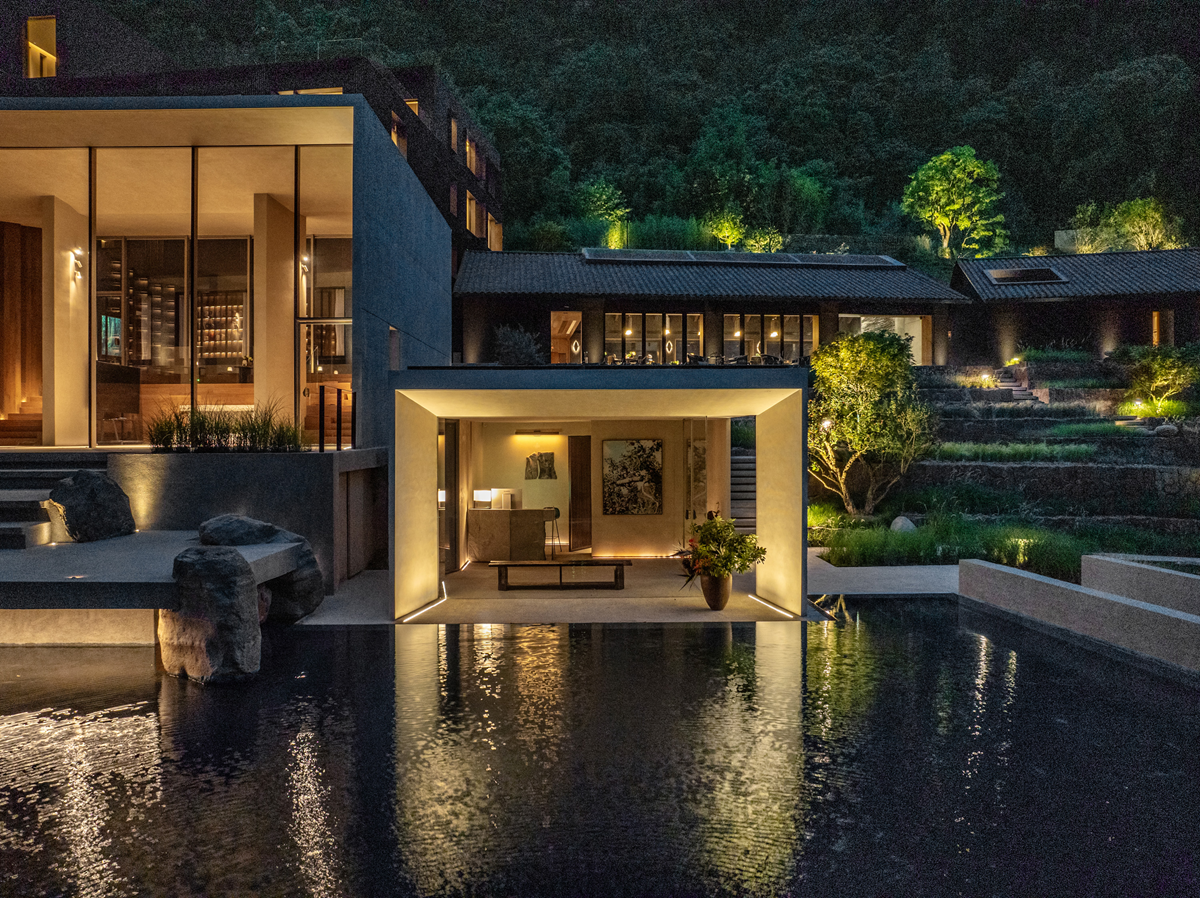
The expansion is also confirmed in the Chinese market with the arrival of two hotel sanctuaries located on UNESCO-listed sites: the Zuowang Hotel on Qingcheng Mountain and the Zoland Resort on Mount Emei.
Among these additions are the Château de Noirieux in the Loir Valley, France, the Palais d’Akwa in Côte d’Ivoire, the Hôtel Maison St. Charles in New Orleans, United States, as well as the wine-tourism complex Schuchmann Wines Chateau Villas & Spa in Georgia.
The expansion is also confirmed in the Chinese market with the arrival of two hotel sanctuaries located on UNESCO-listed sites: the Zuowang Hotel on Qingcheng Mountain and the Zoland Resort on Mount Emei.