
Logis Hotels Group: Eighth Consecutive Summer of Growth


Le Groupe Logis Hôtels signe son huitième été consécutif de croissance.  DepositPhotos.com/ Jirsak

MSC Croisières


The Logis Hôtels Group reports a 13% increase in its accommodation revenue during the summer season 2026, thus marking its eighth consecutive summer of growth.

This growth occurs in a context characterized by a modest rise in the average price, of 3%, while the average length of stay remained stable at 1.5 days.

The group also highlights the growth of international clientele, now the majority contributor to activity growth, as well as the evolution of destination choices in response to episodes of heat waves.


International Growth and the Quest for Cooler Climates Drive Activity

The international clientele rises by 19 % and now accounts for 41 % of customers, i.e., two percentage points more than in 2025. The French clientele remains dynamic as well, with a 9 % growth over the period.

Destination choices were influenced by the intense heat. The coastline shows an increase of 18 % and the mountains by 16 %, while the Grand Est records a rise of 32 %. The Normandy and Burgundy-Franche-Comté regions each advance by 18 %.

Air conditioning also becomes a more decisive criterion in choosing a place to stay: climate-controlled hotels exhibit eight percentage points higher growth.

Regarding areas affected by wildfires, dynamics were mixed. In Gironde, activity ends at -4 % and in the Landes at +4 %, after a more dynamic start to July. The group notes that nearly 75 % of pre-booked stays were maintained. In the Var, activity rises by 26 %, despite a slowdown inland linked to the fires.

For the return to the season, the outlook remains positive with 15 % more bookings, notably thanks to international clientele. Business clientele also grows by 11 %.
Rio de Janeiro: A Collection of Hotels Embodying Diverse Luxury Cultures


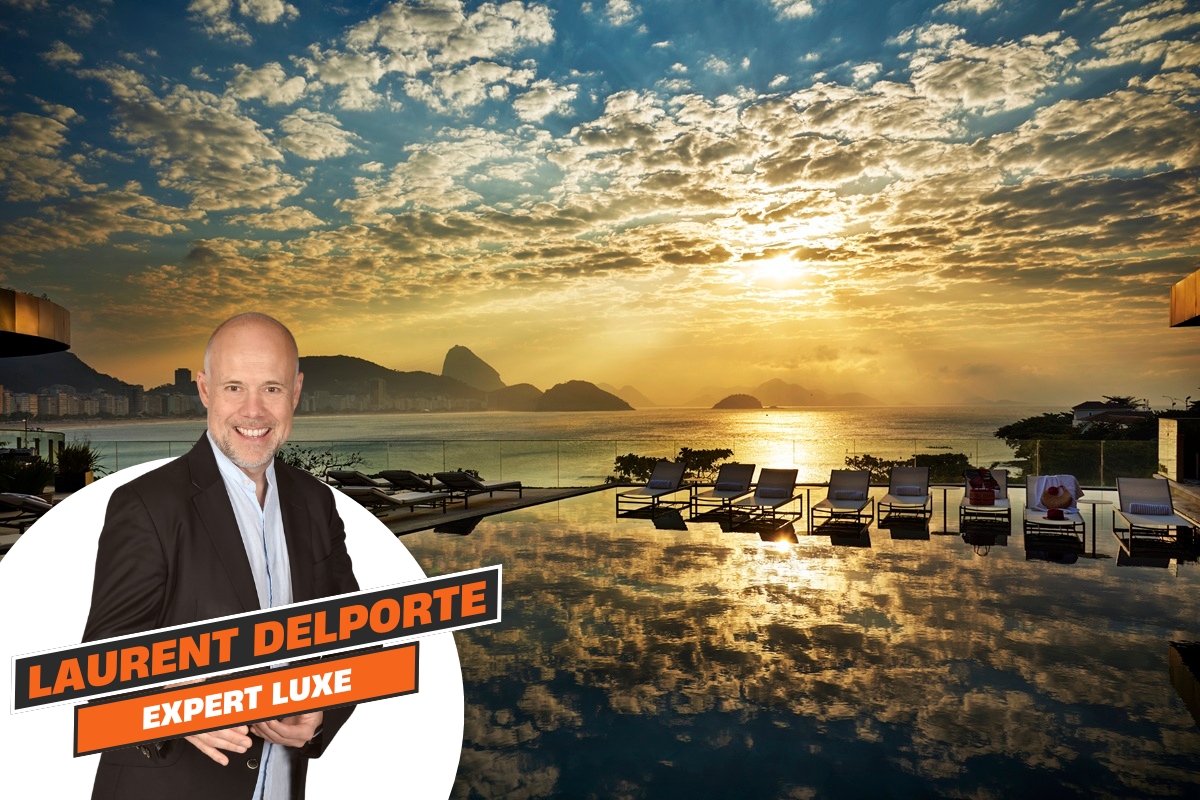
Rio de Janeiro dévoile une diversité d’expériences hôtelières, où chaque établissement propose sa propre vision du luxe - Photo : Fairmont Hotels

Hurtigruten


Rio de Janeiro offers a particularly rich reading of hotel luxury.

The city does not present a single model, but a diversity of approaches that I observed while staying and visiting several iconic properties.

This variety helps understand how luxury can be expressed in different ways, while remaining deeply tied to the identity of the places.

Read also: Brazil: generous hospitality as a lever for transforming luxury tourism


The Copacabana Palace


Le Copacabana Palace continue d’attirer une clientèle internationale en quête de repères - Photo : LD

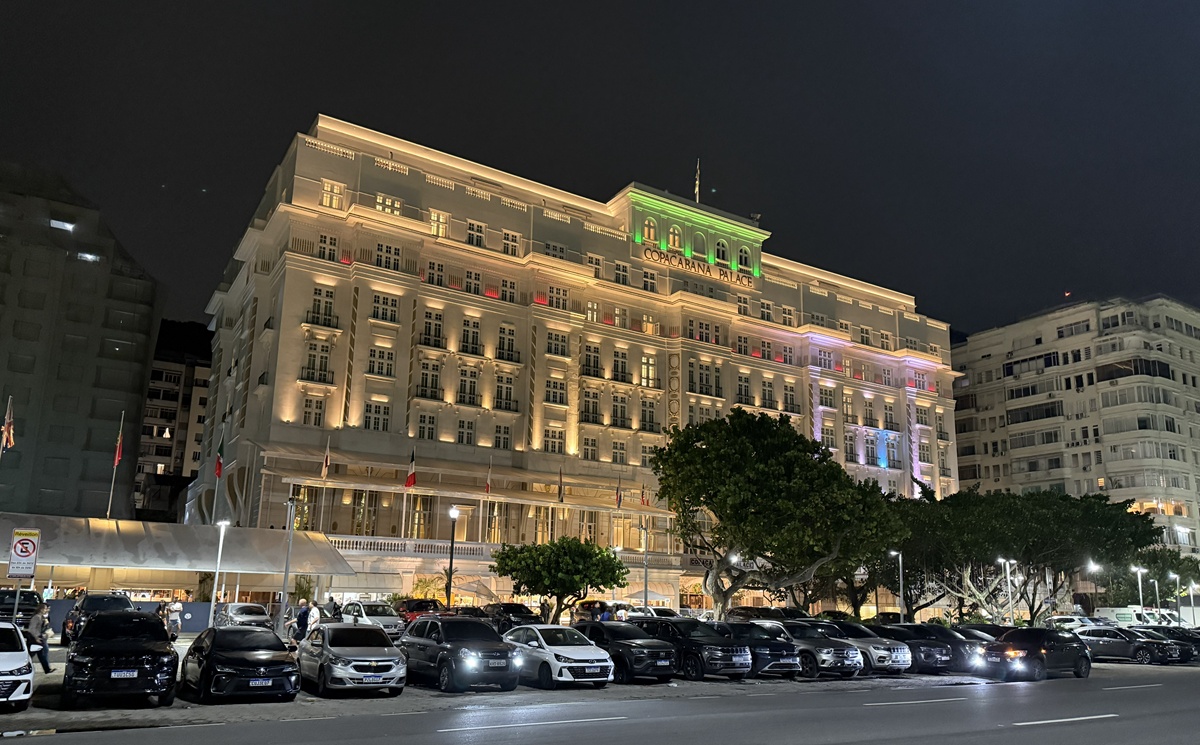
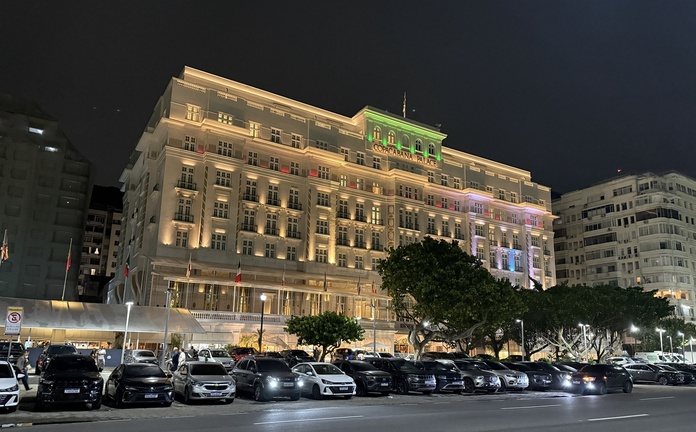
The Copacabana Palace, operated by Belmond, remains an indispensable reference.
Upon discovering this hotel, the sensation is immediate: that of entering a place steeped in history, where timeless elegance structures the experience.

I was struck by this ability to preserve the codes of the grand hotel while staying vibrant and waking up in the morning facing Copacabana Square, the site of New Year’s Eve celebrations.

The place continues to attract an international clientele in search of landmarks, with that almost cinematic dimension unique to Copacabana.


The Fairmont Rio de Janeiro Copacabana


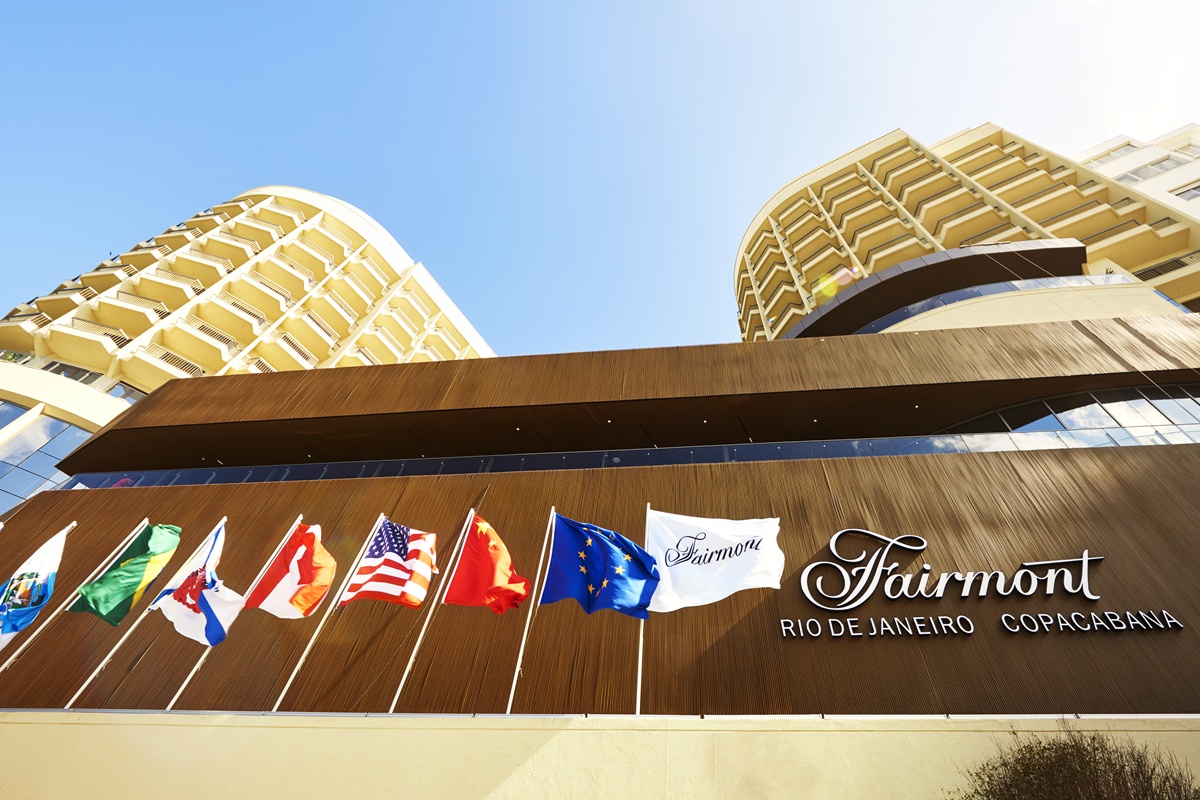
Le Fairmont Rio de Janeiro Copacabana dispose d'une connexion directe avec la plage - Photo : Fairmont Hotels

The Fairmont Rio de Janeiro Copacabana offers a more contemporary and open approach.

Its location between Copacabana and Ipanema gives it a particular energy.

I particularly appreciated direct beach access and the possibility to participate in water activities, which extend the experience beyond the hotel.

The atmosphere there is also more festive, especially in the late afternoon, with a real emphasis on bars, cocktails and spirits. All in all, this creates a complete, fluid and enjoyable experience.


The Janeiro Hotel, in Leblon


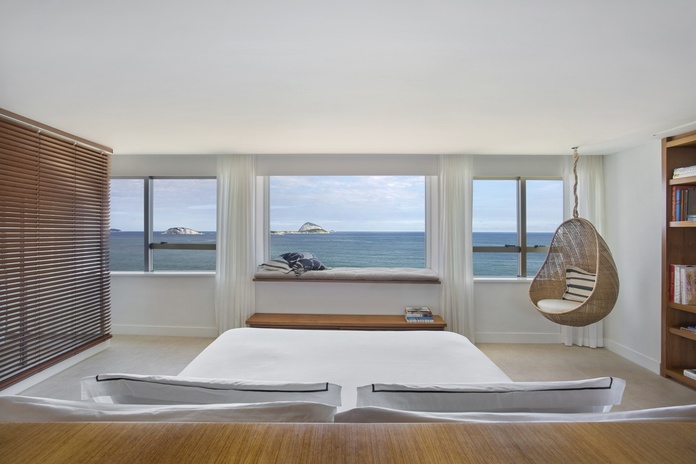
Au Janeiro Hotel, à Leblon, chaque élément est pensé dans une logique esthétique et culturelle - Photo : Janeiro Hotel

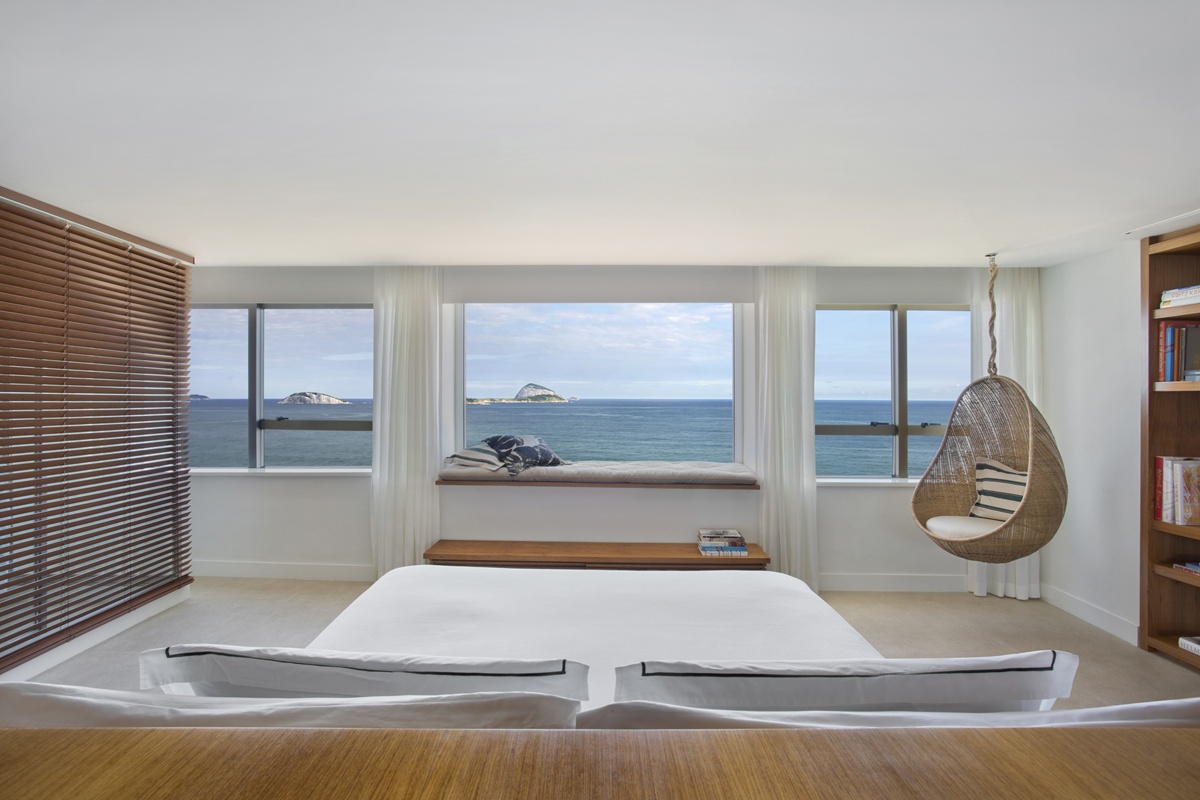
The Janeiro Hotel, in Leblon, is among the places that left the deepest mark on me.

Founded by entrepreneur Oskar Metsavaht, also the creator of the Osklen brand, the hotel carries a very personal vision of luxury.

Each element is conceived within aesthetic and cultural logic: artworks, furniture, down to the staff uniforms contribute to a coherent narrative.

I was particularly moved by this artistic dimension, but also by the direct connection with the neighborhood.

Leblon embodies a certain Carioca culture, more local, more subtle, and the hotel sits there with accuracy. The experience is intimate, fluid, deeply rooted in this Carioca lifestyle.


Four experiences, one city


To follow: Blumar, leading DMC in Brazil: generous hospitality as the signature of expertise serving the experience


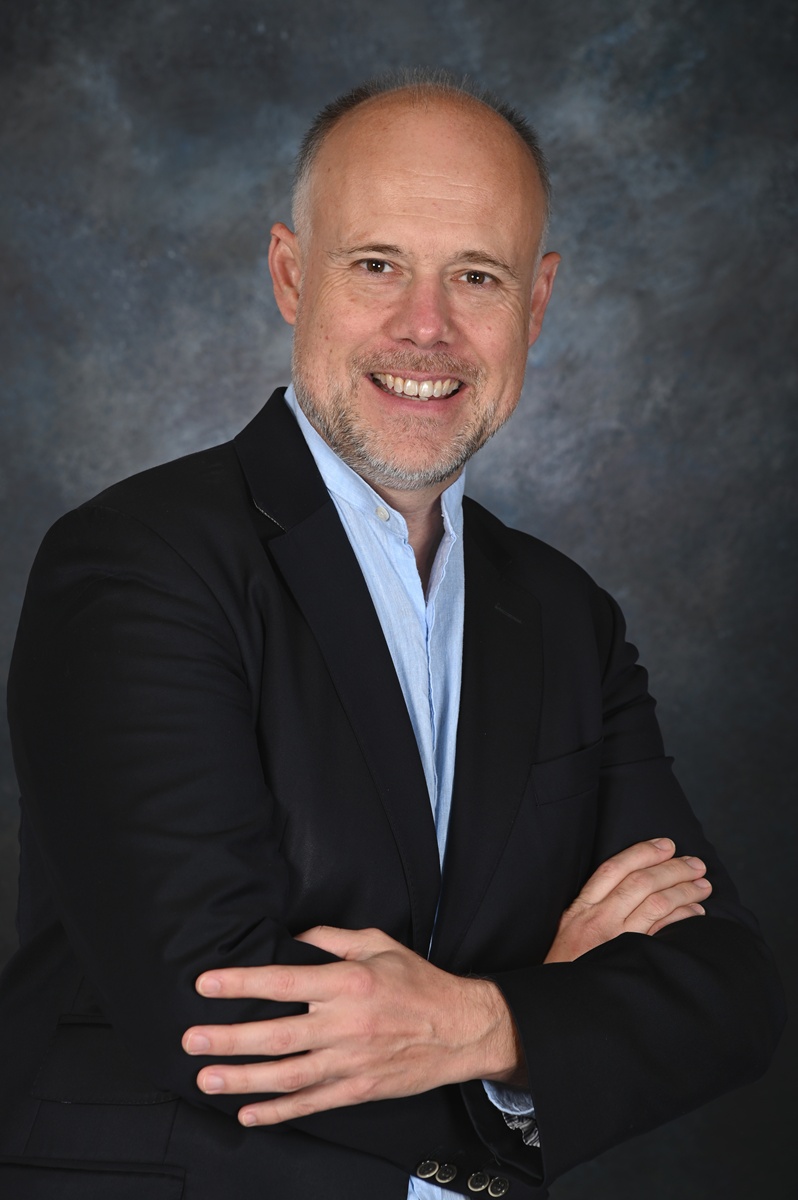
Laurent Delporte


Laurent Delporte - Delporte Hospitality

Laurent Delporte is the president and founder of DELPORTE Hospitality.

After 25 years of experience in luxury hospitality, notably within the Accor group, he combines visionary thinking, an international hospitality culture, managerial and operational skills and a network of independent experts to support decision-makers in hospitality to better serve their clients, teams and partners.

As both a recognized consultant in the hotel industry, an executive coach to leaders, and a speaker in the world of hospitality, he also runs the DH-Mag magazine dedicated to hotel trends and speaks at leading schools and fairs (HEC, Sup de Luxe, EquipHotel, Maison & Objets…).

Moreover, Laurent Delporte ranked 8th in the international ranking of hotel influencers in 2024 by the American magazine Global Hospitality and the International Hospitality Institute (IHI) based in the United States. He was also selected on the list of 25 luxury sector speakers worldwide.


Radisson Hotels Launches Its App on ChatGPT


Radisson Hotel Group s’associe à Accenture pour lancer une application de découverte hôtelière sur ChatGPT - Depositphotos.com @BongkarnGraphic

Hurtigruten


Radisson Hotel Group is accelerating its digital strategy by investing in a new distribution channel: conversational artificial intelligence.

The hotel group, supported by Accenture, is launching the @RadissonHotels app within ChatGPT, designed to simplify the search and selection of a property.

Accessible via a conversation with ChatGPT, the app covers more than 1,000 hotels across more than 100 countries. Travelers can express their request in natural language, specifying their destination, dates, needs, or preferences.

A user can thus search for a hotel for a family weekend in Amsterdam or request a property in Paris with a gym and a spa, for example. The tool then offers a selection of hotels that match the entered criteria.


Real-Time Rates and Availability

The app displays real-time availability and rates, along with key amenities and detailed information about the offered properties. An interactive map also helps locate the selected hotels.

For now, the booking journey continues on the Radisson Hotels website. Once a choice is made, the traveler is redirected to the group’s platform to finalize the reservation.

This approach aims to shorten the path from inspiration to purchase, as artificial intelligence tools progressively gain a place in travel planning.


Radisson Positions Itself in “Agentic Commerce”

For Radisson Hotel Group, this launch marks a new step in the development of agentic commerce, which means evolving commercial journeys toward experiences more guided by artificial intelligence and the intentions expressed by consumers.

The group notably relies on a study from Accenture indicating that 87% of travelers would be willing to use an AI-powered travel agent to find the best option. According to the same study, 71% expect that at least half of their hotel or air travel spend will be influenced by AI in the next twelve months.

Radisson Hotel Group also notes an evolution in the points of contact with travelers. Traditional channels, notably organic traffic and direct traffic to its website, must now contend with new entry points such as ChatGPT.

AI is profoundly transforming the way travelers search for and book their hotel stays, and we are determined to be at the forefront of this evolution“, declares Gianni Di Fede, Chief Commercial Officer of Radisson Hotel Group.


Technology Connected to the Group’s Data

The development of this application began with Radisson Hotel Group’s use of an MCP accelerator integrated into Accenture’s AI Merchant Center. This platform enables structuring and preparing content, availability, rates, and reservation data so they can be leveraged by AI systems.

Accenture also assisted the group in designing the user experience across different devices. Directly connected to Radisson Hotel Group’s systems, the app is thus able to present up-to-date information to users.

In the long term, the setup could be enriched with new features. Radisson Hotel Group is particularly considering greater personalization, the integration of loyalty programs, the ability to book directly within ChatGPT, as well as the management and modification of reservations and AI-assisted concierge services.


Amelia Brille Published by Amelia Brille TourMaG.com Editor
See all articles by Amelia Brille

  • picto Linkedin
  • picto email
Add TourMaG to your Google News feed Google Actualités icône  

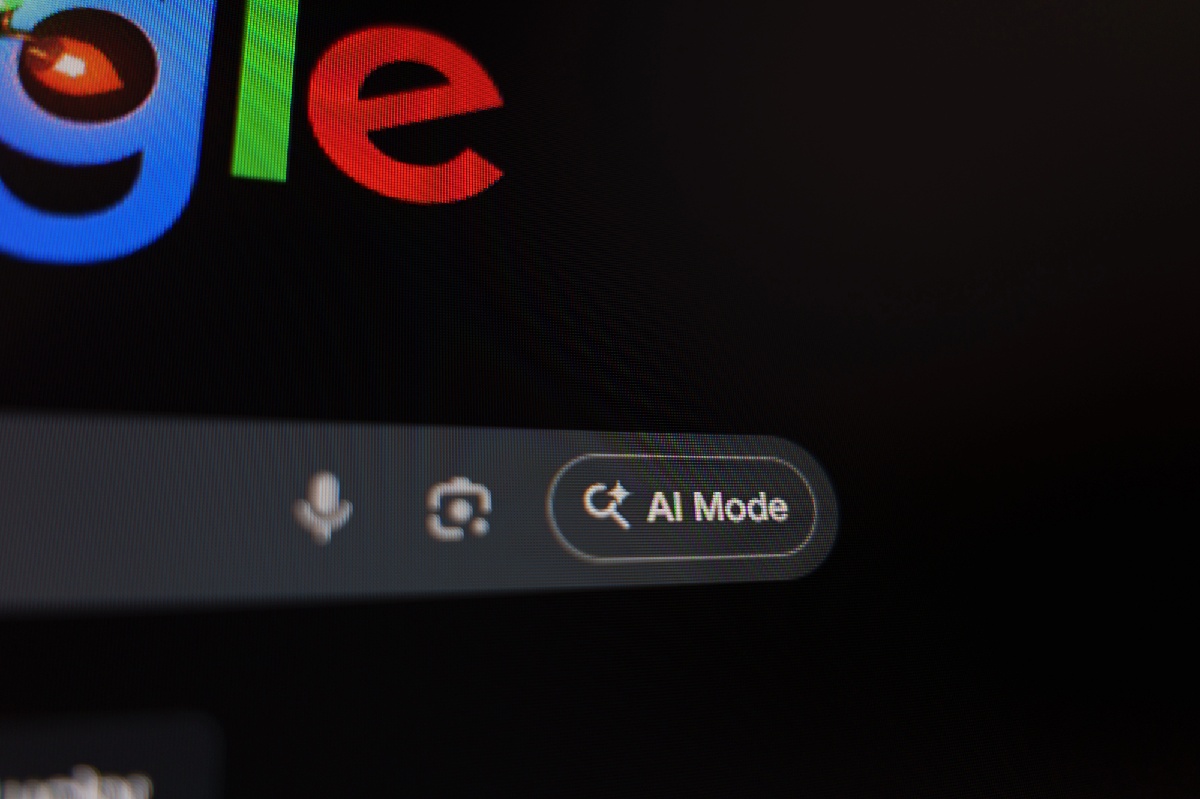
Google’s AI Mode Lets You Book Hotels Directly


Google permet désormais de réserver un hôtel directement depuis son Mode IA - Depositphotos.com  Auteur rokas91

Hurtigruten


Google déploie sa réservation hôtelière agentique dans son Mode IA. La fonctionnalité permet aux utilisateurs de rechercher un établissement en langage naturel, de comparer les offres, de sélectionner une chambre, de consulter les conditions d’annulation puis de finaliser la réservation avec Google Pay.

Pour l’heure, le dispositif est réservé aux réservations effectuées en anglais aux États-Unis et nécessite notamment d’être connecté à un compte Google, de disposer d’un moyen de paiement valide dans Google Pay et d’avoir une adresse américaine enregistrée dans Google Pay.

Une fois l’hôtel et la chambre sélectionnés, l’utilisateur choisit l’option « Continuer sur Google ». La réservation est ensuite effectuée auprès du partenaire intégré.

Google précise que l’hôtel ou l’OTA reste le marchand, traite le paiement, envoie la confirmation et assure le service après-vente. Les modifications, annulations et demandes de remboursement doivent donc être adressées directement au marchand.


Google ne gère pas l’après-vente

Google insiste également sur le fait que son IA ne réserve pas encore automatiquement un hôtel à la place du voyageur. L’utilisateur conserve la main sur le choix de l’établissement, de la chambre, la vérification des conditions et la validation du paiement.

Le groupe présente son rôle comme celui d’un facilitateur de la transaction, et non comme celui d’une OTA. Une position également relevée par Skift, qui souligne que Google ne récupère que les informations nécessaires à la réalisation de la réservation, comme le nom du client, le paiement, le nombre de voyageurs et l’établissement.

Parmi les premiers partenaires figurent Booking.com, Choice Hotels, Expedia, Hotels.com, IHG, Marriott, Priceline, Trip.com et Wyndham.

Pour Skift, cette évolution constitue surtout un premier test grandeur nature de la capacité de Google à faire passer son moteur de recherche de la phase d’inspiration et de planification à celle de la réservation, un terrain que le groupe avait déjà exploré avec son ancien outil « Book on Google », fermé en 2022.

Hôtels & Préférence Group Marks Its 25th Anniversary With a Record Year


le groupe Hôtels & Préférence signe une année record, Zoland Resort  photo by Hotel & preference

TAP Air Portugal


A subsidiary of the Louvre Group and the Jin Jiang International holding, Hôtels & Préférence consolidates its business model around independent four- and five-star properties.

The brand relies on a portfolio of 150 properties representing over 13,500 rooms spread across 19 countries, including its variations Unique Boutique Hôtels and the five-star TemptingPlaces Collection lifestyle lineup launched at the end of 2025.

Operationally, the chain maintains its premium pricing indicators with an average nightly rate held at €230 and an average booking basket of €430.


International Deployment and Strengthening of Leadership Teams

To support this phase of growth, the organization has strengthened its executive framework with the appointment of Arnaud Boivent to the position of Commercial & Development Director.

The network has also expanded its geographic footprint by inaugurating its first representation for the Middle East and North Africa (MENA) region in Dubai, under the leadership of Adil Jabrayilov, followed by a Bangkok office entrusted to Jean-Christophe Moreaux to steer development in Asian markets.

The group’s commercial ecosystem is also enriched by joining the loyalty program “I Want”, a scheme bringing together 36 million members aimed at generating direct booking flows to affiliated properties.


Portfolio Expansion with 16 New Franchised Addresses

The network has welcomed 16 new properties in recent months under the Hôtels & Préférence and Unique Boutique Hôtels brands.

Among these additions are the Château de Noirieux in the Loir Valley, France, the Palais d’Akwa in Côte d’Ivoire, the Hôtel Maison St. Charles in New Orleans, United States, as well as the wine-tourism complex Schuchmann Wines Chateau Villas & Spa in Georgia.

The expansion is also confirmed in the Chinese market with the arrival of two hotel sanctuaries located on UNESCO-listed sites: the Zuowang Hotel on Qingcheng Mountain and the Zoland Resort on Mount Emei.

MEININGER Hotels Accelerates Expansion, Targets 50 Properties by 2030


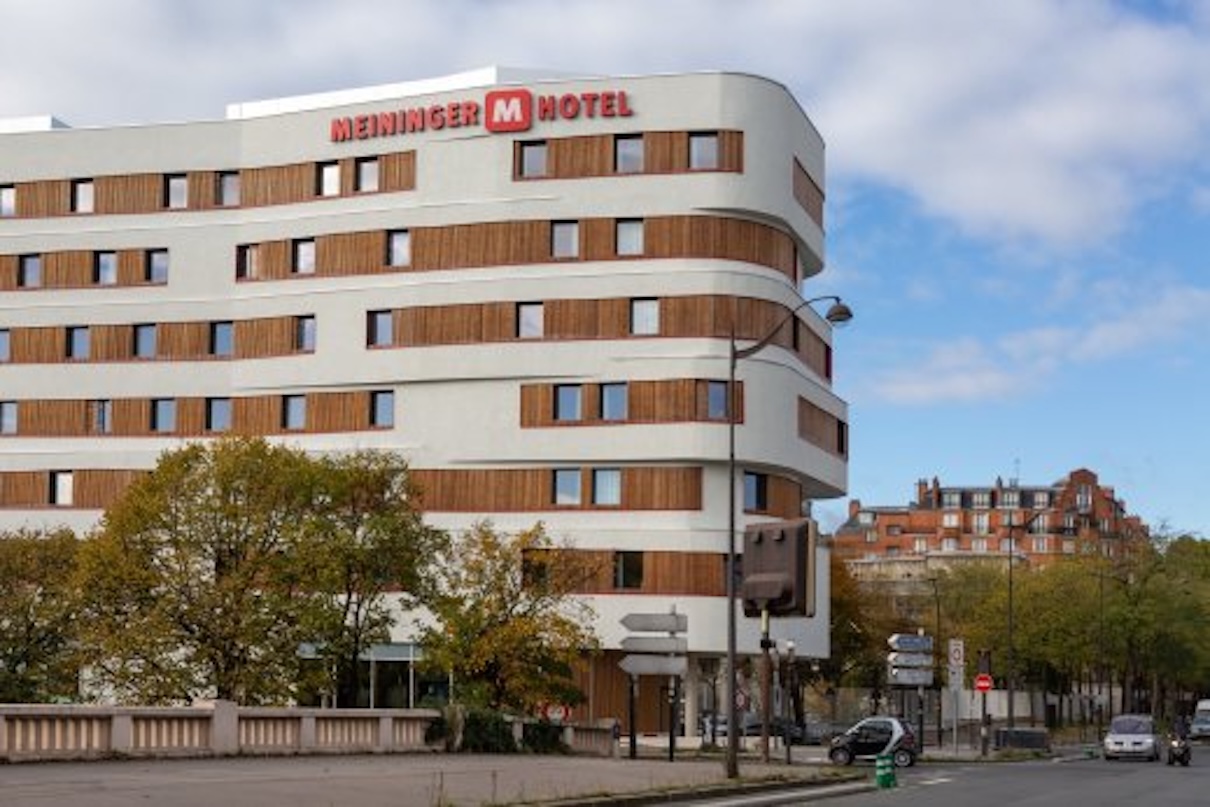
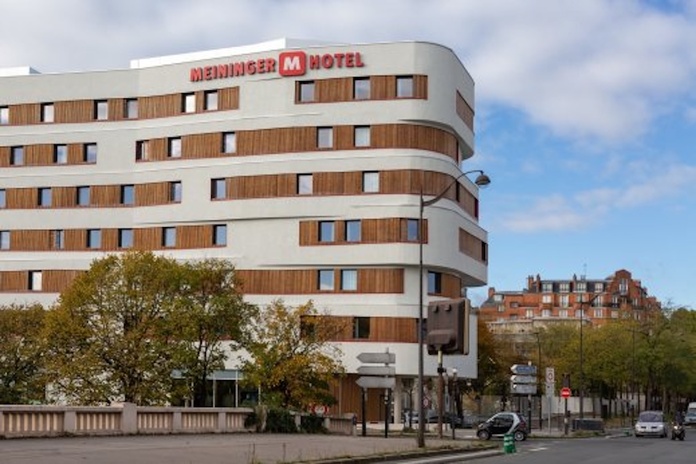
Extérieur de l’hôtel Meininger Paris - Photo : MEININGER Hotels

TAP Air Portugal


MEININGER Hotels is pursuing sustained growth ambitions.

The group, which blends the codes of traditional hospitality and hostel-style accommodations, closed its 2026 fiscal year (April 2025 to March 2026) with revenues exceeding €200 million, while reporting almost 4.6 million guest nights, up by about 2% year over year.

The average occupancy rate stood at nearly 80%, in a context marked by softer demand due to the absence of major international events and rising living costs.

“We have recorded solid growth in our revenue and earnings compared with the previous year. This performance underscores the structural robustness of our business model,” said Ajit Menon, CEO of MEININGER Hotels, in a release.

The group’s group bookings segment remains a growth driver for the company. It now accounts for between 20% and 25% of revenue and rose by 10% in the last fiscal year.


Expansion Driven by New Openings

The group currently operates 37 hybrid hotels across 27 European cities, representing nearly 6,000 rooms and over 21,000 beds. Its target is now to reach 50 properties by 2030, with a priority given to Southern and Eastern Europe markets.

After the opening of a new hotel in Barcelona on June 25, several inaugurations are already planned: Edinburgh and Tel Aviv in 2026, Strasbourg in 2027, followed by Madrid, Dublin and Porto in 2028.

For the 2027 fiscal year, MEININGER Hotels is targeting around 5 million guest nights. The group expects to benefit from a more favorable calendar, driven by major international trade shows, sporting events and international artists’ tours.

Alongside its real estate development, the brand continues investing in digital transformation. Its chatbot named MILA now handles a substantial portion of recurring customer inquiries, while online check-in roll-out aims to streamline arrivals and enhance operational efficiency.

The group also plans to roll out Mobile Key, enabling guests to access their room via their smartphone. This feature is expected to be available network-wide by the end of 2028.

Investments are also directed at internal tools, with the phased deployment of a new cloud-based HR platform intended to harmonize recruitment processes and employee management.


Renovations Planned in Paris, Marseille and Strasbourg

Beyond new openings, MEININGER Hotels is also advancing the modernization of its existing properties.

Renovations have already taken place in Frankfurt, Salzburg, Amsterdam and Copenhagen.

The MEININGER Hotel Berlin Mitte Humboldthaus has benefited from a full renovation of its rooms and public spaces, including the creation of a new bar.

In 2027, several properties will similarly undergo work, notably those in Munich, Vienna, Marseille and Paris.

According to Thomas Hagemann, COO of MEININGER Hotels, these renovations aim to harmonize the group’s standards and to offer a consistent guest experience across the entire portfolio.


Employee Retention and ESG Commitments

The group also highlights its achievements in human resources.

In 2026, staff retention rose by more than 10%, while the number of applications increased by 20%. MEININGER Hotels’ teams now bring together employees from around 90 nationalities.

On the environmental front, the company continues monitoring its greenhouse gas emissions to guide its CO₂ reduction actions.

For 2027, it plans to strengthen environmental training for its teams and to conduct climate risk analyses at certain properties to better integrate these issues into its development strategy.


Amelia Brille Published by Amelia Brille TourMaG.com Editor
See all articles by Amelia Brille

  • picto Linkedin
  • picto email
Add TourMaG to your Google News feed Google News icon  

Assas Hotels Opens Soléo Prado in Marseille City Center


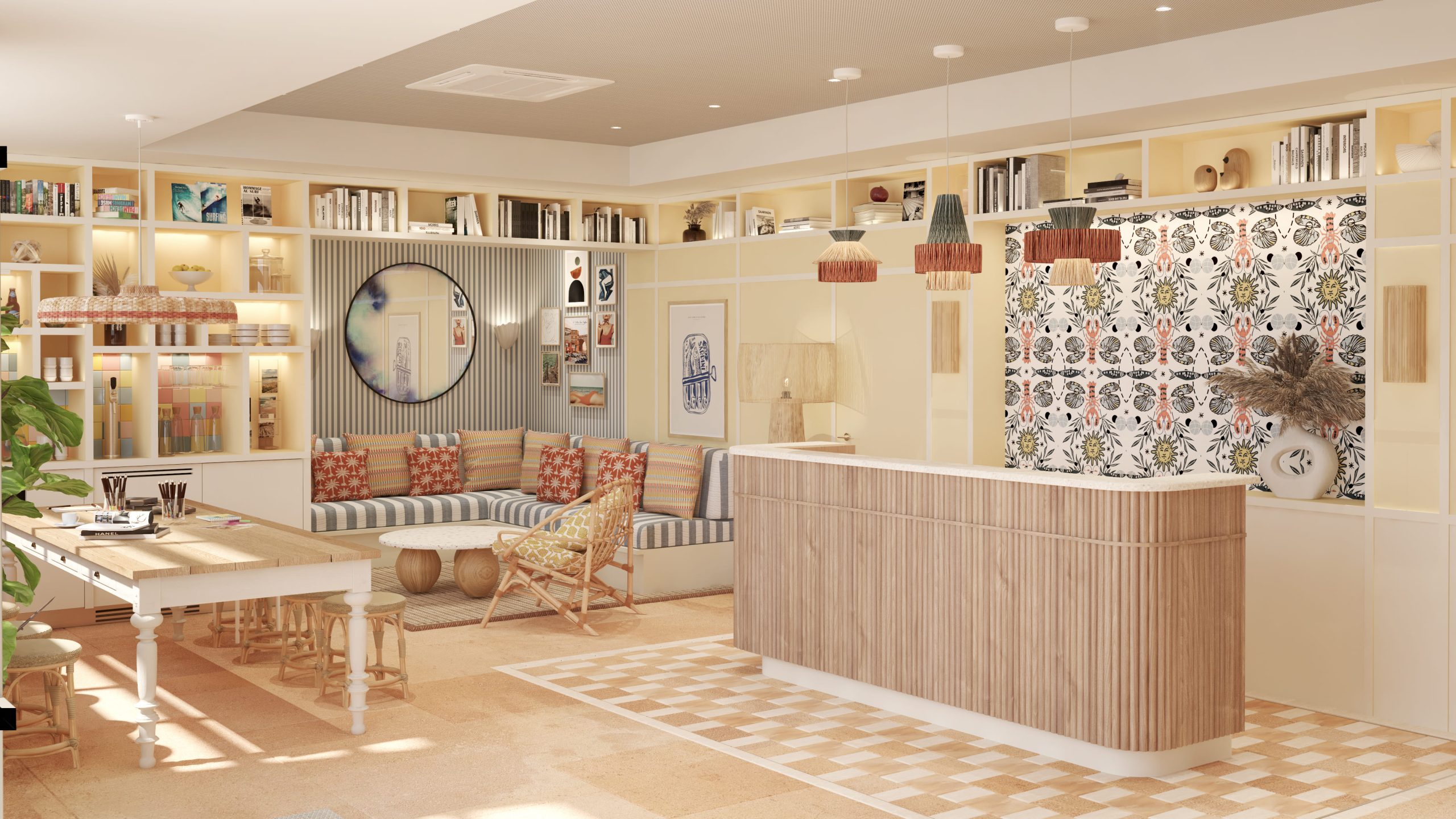
Assas Hotels inaugure le Soléo Prado au cœur de Marseille. Soléo Prado réception, photo by Soléo Prado

TAP Air Portugal


The Assas Hotels group officially announces the opening of Soléo Prado, its second Marseille address located just steps from the iconic Velodrome stadium.

Following the July 2025 inauguration of RockyPop in Marseille, the operator continues its expansion in the South of France by radically transforming a former Citadines hotel residence.

This ambitious project, led by project manager and director Philippine Razou, required nine months of comprehensive renovation to adapt the building to the evolving uses of modern hospitality.

Located at 9/11 Boulevard de Louvain, in immediate proximity to major transit routes and the Parc Chanot exhibition center, the hotel offers a flexible 98-key proposition, distributed among standard, superior, and executive rooms, as well as 18 apartments and studios equipped with kitchenette areas. This diversity enables it to welcome long-stay business travelers as well as families and groups of friends up to five people.


A design inspired by Marseille’s identity

The interior architecture, entrusted to Marie-Paule Clout, founder of the Noir Nuance agency, draws directly from the light and the Marseille way of living. The color palette revolves around hues of pastis yellow, calanque green, terracotta red, and azure blue.

The materials favor authenticity with an omnipresence of linen, raffia, raw or glazed terracotta, and light woods.

From the entrance, living spaces invite conviviality through a large lobby equipped with a self-service honesty bar offering coffee, syrups, and herbal teas.

At the rear of the establishment, a tree-lined terrace surrounded by flowering laurels provides a true calm cocoon away from the urban hustle and bustle. A fully equipped fitness room and a generous breakfast buffet blending homemade cakes and savory flavors complete the offerings.


Sustainable management on a daily basis

Soléo Prado integrates an environmental and social approach in line with the guidelines of the Assas Hotels group. The establishment aims to obtain the Green Key Label as well as a positive assessment via the FairScore audit by 2027. Concrete actions unfold daily through combating food waste, monitoring energy consumption, and promoting short supply chains.

In a biodiversity-preservation approach, the hotel has also banned nearly all of its cleaning chemicals in favor of an ozonated water system.

The property features an underground private parking with electric vehicle charging stations and a reception that is open around the clock.


Pricing positioning: the end of the puzzle for traveling families

The opening of Soléo Prado by the Assas Hotels group marks the introduction of a highly agile business model in the heart of Marseille’s Prado district.

The hotel offers family rooms with bunk beds or interconnecting rooms linked by a private vestibule that isolates noise. It maintains a very accessible average rate, typically between 120 and 130 euros per night for five people, excluding exceptional events.

For its business clientele and for hosting professional seminars, management chose not to invest in constructing bulky internal meeting infrastructures. The hotel has thus entered into a win-win commercial agreement with a local association located in office buildings facing the property.

The hotel rents and valorizes the workshops and meeting rooms of this organization when they are unused, allowing companies to lodge their staff at Soléo Prado while working just a stone’s throw away.


The story of Philippine Razou: from a life change to leading a hotel

Philippine Razou didn’t fall into the hotel industry right away.

This former Parisian chose to leave a permanent contract after business school and four years in human resources to pursue this sector out of passion.

Driven by a strong desire to undertake, she first learned the ropes of operational roles on the ground at a four-star property in Paris.

It was while exploring new opportunities that she seized the chance to partner with the Assas Hotels group to revive this former Citadines hotel residence, whose transformation potential immediately captivated her.

Philippine Razou thus led the nine-month construction as project manager, working in close collaboration with the management group throughout the renovation phase before officially taking the helm of the hotel for its opening.

Hilton Opens Two New Hotels in Greece and Iceland


Hilton poursuit l'expansion de son portefeuille européen avec l'ouverture de deux établissements - Depositphotos.com @josekube

TAP Air Portugal


Hilton continues to expand its European network. The group has just announced the opening of two new properties, one in Greece, and the other in Iceland, illustrating its strategy of growth in popular tourist destinations.

In Chania, on the Crete island, the group unveils the Hilton Chania Old Town Resort & Spa, marking Hilton Hotels & Resorts’ return to Greece.

Located immediately adjacent to the old town and the seafront, the property aims to attract an international clientele year-round.

At the same time, Hilton opens the Skáld Akureyri, Curio Collection by Hilton, the first property of the brand in northern Iceland. Situated in the heart of Akureyri, it relies on an identity strongly rooted in local culture.


La Canée : Hilton mise sur une destination ouverte toute l’année

With this opening, Hilton strengthens its presence in Greece, where the group now operates more than 50 hotels under various brands.

The Hilton Chania Old Town Resort & Spa comprises 85 rooms and suites. All feature a balcony with a private heated pool, while some also offer a private sauna and views of the Aegean Sea.

The property also includes an on-site rooftop infinity pool, a botanical garden, a spa developed in partnership with L’Occitane en Provence, a fitness center and several spaces dedicated to hosting meetings, seminars, weddings or private events.

On the dining front, several concepts are offered: a Mediterranean all-day restaurant, a rooftop with a pool, a sea-facing lounge as well as a Fauchon cafe-patisserie, marking its first presence in Greece.

According to Hilton, this new property aligns with a plan to help desaisonnalize the destination by developing an offering suitable for both leisure travelers and business guests.


En Islande, Curio Collection s’installe à Akureyri

More than 4,000 kilometers from Crete, Hilton also continues its expansion in the Nordic countries with the opening of the Skáld Akureyri, Curio Collection by Hilton.

The hotel comprises 71 rooms as well as 15 serviced apartments. Its concept draws on Icelandic literary heritage: the name Skáld refers to the poets and storytellers who hold an important place in the country’s culture. This identity is reflected in the interior design, the choice of materials and the artworks present in the property.

The Abba-labba-lá restaurant showcases Nordic cuisine crafted from local and seasonal ingredients. Two rooftop terraces, a fitness space and several reception areas complete the offering.

Located just a few minutes’ walk from Akureyri’s city center, the hotel also positions itself as a gateway to the main natural sites of northern Iceland, including the Diamond Circle, whale-watching excursions, ski resorts and the Northern Lights.


Amelia Brille Publié par Amelia Brille Rédactrice TourMaG.com
Voir tous les articles d’Amélia Brille

  • picto Linkedin
  • picto email
Ajoutez TourMaG à votre flux Google Actualités Google Actualités icône  

Assas Hotels Opens Lepoussin Hotel in the Heart of Cannes


Assas Hotels inaugure l'Hôtel Lepoussin au cœur de Cannes, Hôtel lepoussin Lobby reception, photo by Hotel lepoussin

TAP Air Portugal


Located about a ten-minute walk from the Croisette and the Palais des Festivals et des Congrès, this former standard aparthotel has undergone a complete overhaul to erase traces of its past.

Classified as four stars, the establishment now offers 72 rooms distributed across five categories (Classic, Comfort, Superior, Family, and Family Superior) capable of accommodating up to 6 people.

All the rooms are air-conditioned and equipped with NUXE welcome products, a TV with Chromecast, and optimal comfort for short or long stays. Pets (up to 15 kg) are also welcome, with special attention.


A Contemporary Reinterpretation of the Belle Époque

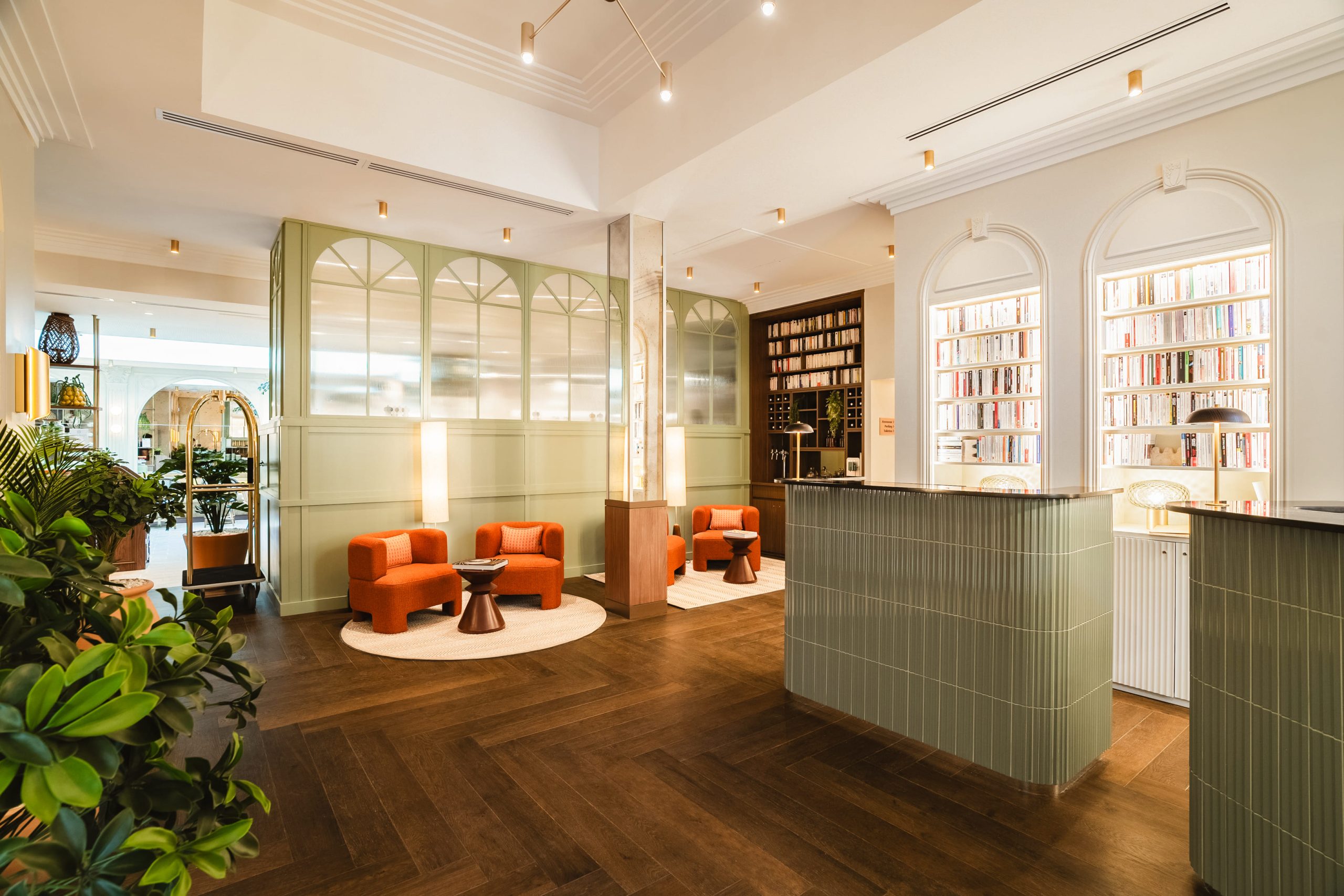
The interior architecture, entrusted to Marie-Paule Clout (founder of the Noir Nuance agency), unifies the historic neo-classical main façade with the more recent extensions from the 1990s around a timeless identity.

The decoration relies on a palette of natural tones (warm sand, light stone, saline hues) and noble materials such as parquet, walnut, wicker, stone, and linen.

From the Belle Époque-inspired welcome, the tone is set with a graphic parquet floor and elegant moldings. The breakfast area was designed beneath a wide glass roof, like a winter garden, incorporating an orange tree and a lemon tree kept in place.

The hotel also integrates a wellness space featuring an indoor pool, loungers, and a herbal tea bar, completed by a fully equipped fitness room.


A Clear-Cut Eco-Friendly Approach

In line with the policy of the Assas Hotels group, the Lepoussin Hotel implements concrete everyday actions to reduce its environmental impact.

The emphasis is on waste management and weighing, reducing food waste, and transparency about the local origin of breakfast products.

For the upkeep of the premises, the establishment has banned nearly all chemical products in favor of an ozone water system. The hotel aims for a comprehensive assessment via the FairScore audit by 2027. The site finally features a private parking lot equipped with electric charging stations.


Valentin Villatte, Operations Director

Valentin Villatte, the operations director, holds a bachelor’s degree from the Institute Vatel. He climbed the ranks of the hotel industry by serving as Executive Housekeeper at the National des Arts et Métiers in Paris, then as Director of Housekeeping during the opening of the Belle Plage hotel in Cannes.

After managerial stints at the Gray d’Albion Barrière in Cannes and at L’Îlot du Golf in Mandelieu-la-Napoule, he takes the helm of this new address of the Assas group.

Best Western Hotels & Resorts: A Summer Fueled by Last-Minute Bookings


Best Western Hotels & Resorts dresse le bilan des tendances de l'été 2026 - DepositPhotos.com, dvoevnore

TAP Air Portugal


The Best Western Hotels & Resorts group presents the initial activity trends for its French network for the summer season 2026.

A summer marked by last-minute bookings and the direct impact of high temperatures on the choice of stays.

While July recorded a more moderate start, the remainder of the season remains highly evolving under the influence of the “last minute” phenomenon.

In this context, The PACA region stands out as the network’s most dynamic destination, while the search for milder temperatures redirects a portion of flows toward Brittany, Normandy, Hauts-de-France and the Auvergne-Rhône-Alpes region.


Des trajectoires régionales contrastées selon les marchés

The analysis of network performance highlights highly heterogeneous results depending on geographic areas.

The Provence-Alpes-Côte d’Azur region remains the season’s main engine with a 6.6% rise in its gross revenue between July and September compared with the previous year.

On its side, after a hesitant start in July, Brittany records a 1.5% increase in August and September, benefiting from a shifting clientele seeking cooler temperatures, while Corsica maintains a stable attendance level despite higher tariffs.

By contrast, Île-de-France experiences more moderate activity, suffering the usual slowdown of summer business tourism and the disinterest of travelers in metropolises during heatwave episodes.


L’adaptation des infrastructures face aux fortes chaleurs

The surge of summer heat waves has become a decisive factor in choosing accommodations.

The hotel group indicates that more than 80% of its properties in France are equipped with air conditioning systems, which has driven a significant spike in bookings at these hotels during recent heat waves.

This infrastructure now welcomes both leisure travelers and teleworkers thanks to the deployment of their shared work spaces, myWO.