Hôtels & Préférence Group Marks Its 25th Anniversary With a Record Year


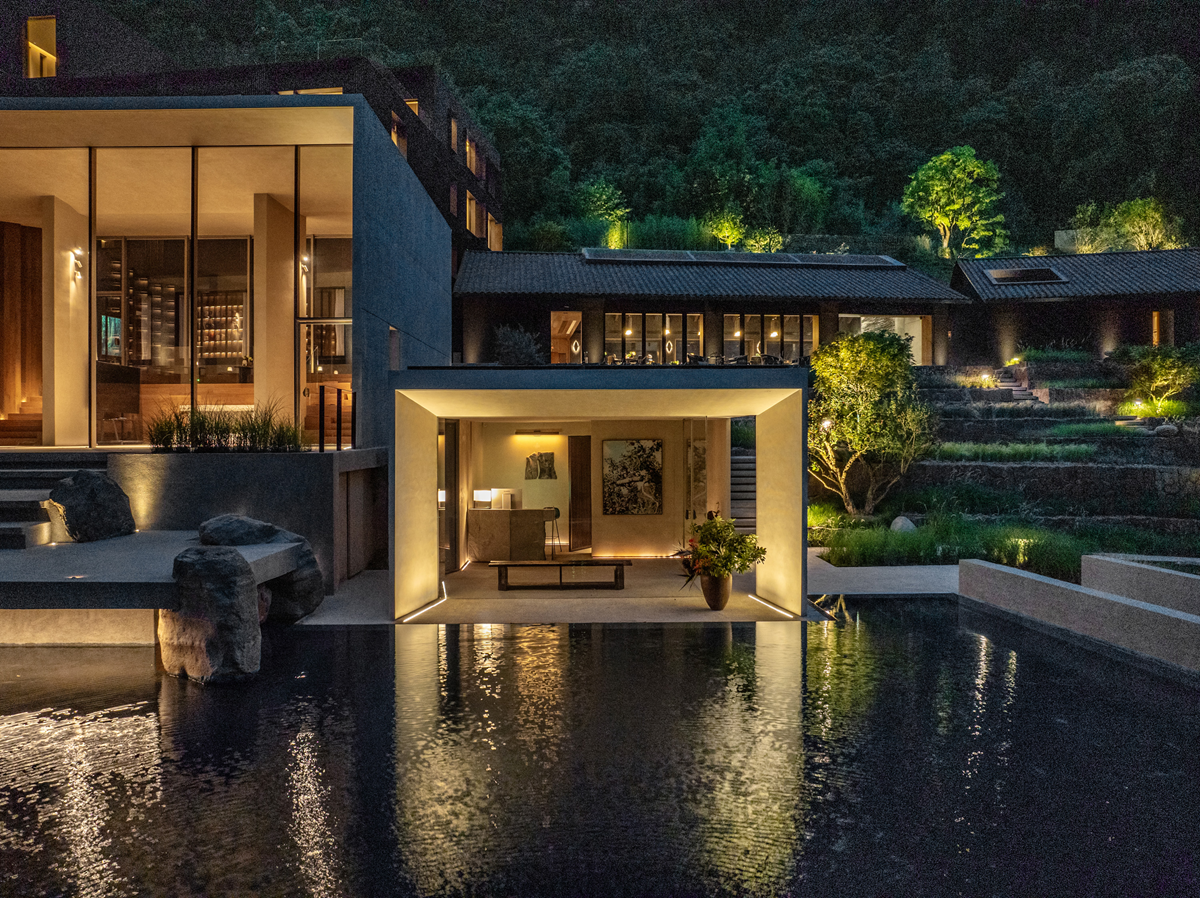
le groupe Hôtels & Préférence signe une année record, Zoland Resort  photo by Hotel & preference

TAP Air Portugal


A subsidiary of the Louvre Group and the Jin Jiang International holding, Hôtels & Préférence consolidates its business model around independent four- and five-star properties.

The brand relies on a portfolio of 150 properties representing over 13,500 rooms spread across 19 countries, including its variations Unique Boutique Hôtels and the five-star TemptingPlaces Collection lifestyle lineup launched at the end of 2025.

Operationally, the chain maintains its premium pricing indicators with an average nightly rate held at €230 and an average booking basket of €430.


International Deployment and Strengthening of Leadership Teams

To support this phase of growth, the organization has strengthened its executive framework with the appointment of Arnaud Boivent to the position of Commercial & Development Director.

The network has also expanded its geographic footprint by inaugurating its first representation for the Middle East and North Africa (MENA) region in Dubai, under the leadership of Adil Jabrayilov, followed by a Bangkok office entrusted to Jean-Christophe Moreaux to steer development in Asian markets.

The group’s commercial ecosystem is also enriched by joining the loyalty program “I Want”, a scheme bringing together 36 million members aimed at generating direct booking flows to affiliated properties.


Portfolio Expansion with 16 New Franchised Addresses

The network has welcomed 16 new properties in recent months under the Hôtels & Préférence and Unique Boutique Hôtels brands.

Among these additions are the Château de Noirieux in the Loir Valley, France, the Palais d’Akwa in Côte d’Ivoire, the Hôtel Maison St. Charles in New Orleans, United States, as well as the wine-tourism complex Schuchmann Wines Chateau Villas & Spa in Georgia.

The expansion is also confirmed in the Chinese market with the arrival of two hotel sanctuaries located on UNESCO-listed sites: the Zuowang Hotel on Qingcheng Mountain and the Zoland Resort on Mount Emei.
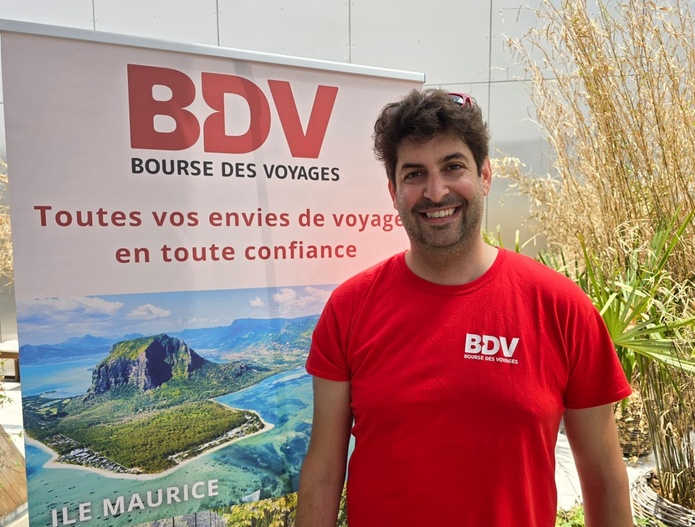
Raphaël Torro (PenguinWorld): 2026 Will Be a Frustrating Year


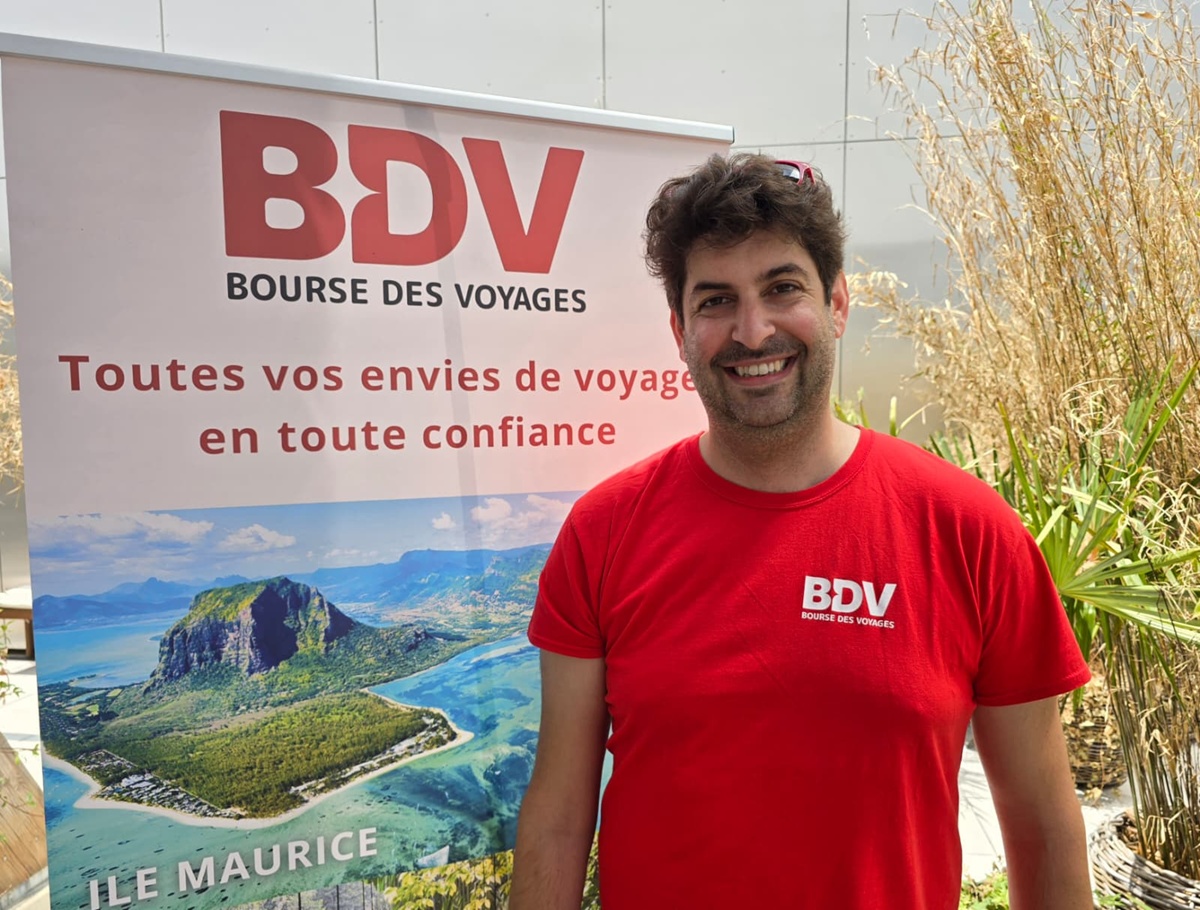
Raphaël Torro, Président de PenguinWorld : "2026 avait pourtant très bien commencé, mais des événements géopolitiques extérieurs sont venus casser cette dynamique. Au final, les résultats ne seront probablement pas à la hauteur, non pas parce que nous avons mal travaillé ou commis des erreurs, mais parce que le contexte s'est brutalement dégradé" - Photo CE

Costa Rica


TourMaG – It will soon be three years since PenguinWorld took over the brand, the site and the technology of BDV (Flight Exchange and Travel Exchange). What assessment do you draw?

Raphaël Torro : We relaunched Bourse des Vols fairly quickly because bringing it back online was easier for us. By contrast, Bourse des Voyages was a far more substantial project since everything had to be rebuilt.

We have also completely redesigned BDV’s identity, the logo having remained unchanged since its creation. We crafted a new logo, now used for both Bourse des Vols and Bourse des Voyages. The two brands continue to grow.

TourMaG – Besides flights, you’ve shown an appetite for trains. On Bourse des Voyages, you offer stays with accommodation + train; do these products find their audience?

Raphaël Torro: Indeed, on Bourse des Voyages we offer packages that include train travel, a service that, in my view, isn’t sufficiently highlighted. Many travelers are interested in this mode of transport, but price remains a significant hurdle.

There is therefore real work to educate customers. Users know this offering exists, but they often give up when they see the prices. With the exception of certain routes within France, train travel is not very competitive: a Paris–London trip can cost five to six times more than a flight.

Of course, the train has advantages: it directly connects city centers, it avoids airport constraints, and it enables a lower CO2 footprint. But in practice, these arguments often struggle to offset the price gap, which continues to hinder adoption by travelers.


“Since the announcement of an agreement, about two weeks ago, activity is gradually restarting”

TourMaG – What is the impact of the Middle East crisis on the group’s brands: BDV, Resaneo, or Quartier Libre, your in-house tour operator, specializing in guided tours in Europe?

Raphaël Torro :
We have clearly observed a sharp slowdown in bookings from the end of February. Week by week, the drop ranged from 20% to 40%, on both Bourse des Vols and Bourse des Voyages.

Since the announcement of an agreement, about two weeks ago, activity is gradually rebounding. We also notice that bookings for standalone flights restart a little earlier—two or three days earlier—than those for stays.

Today, we are seeing booking levels that are comparable, or slightly higher, than last year. However, this will not offset the losses recorded since March.

At Resaneo, the slowdown was more pronounced for B2C activities. We observe that the B2B market is more affected. Unlike customers who book directly online, travelers guided by an agent discuss itineraries, travel conditions and the geopolitical context.

When Gulf transits are mentioned, some hesitate more. Alternatives via European carriers exist, but they are often significantly more expensive.

As for Quartier Libre, we thought European destinations might fare better, but travelers simply stopped booking, mainly out of fear of not being able to return if the situation worsened or there was a fuel shortage.

We do indeed see a slight shift toward destinations perceived as safer, such as Norway, Iceland, Scotland, or Ireland, but the phenomenon remains limited.

For about two weeks now, bookings have picked up again, following the restart of standalone flight sales. Levels are slightly higher than those of 2025, but not enough to offset the delay, including for the upcoming summer’s departures.


“New long-haul bookings concern more the end of the year or 2027 than Summer 2026”


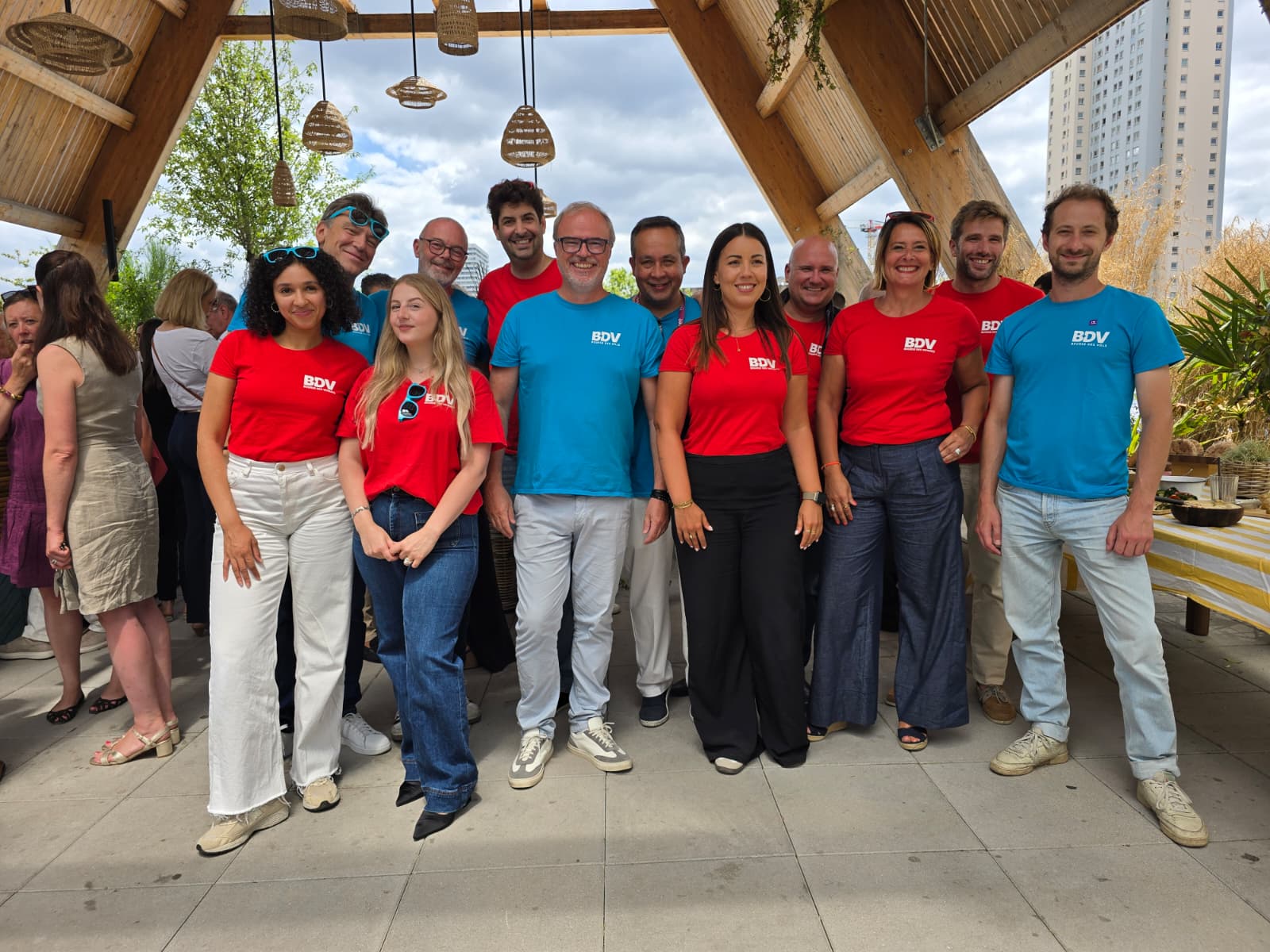
L'équipe du groupe PenguinWorld à l'occasion de la Terrasse Party qui se tenait le 1er juillet à l'Adidas Arena à Paris - Photo CE

TourMaG – What about air pricing; are fares trending downward?

Raphaël Torro : Ticket prices remain broadly comparable overall. They may drop by 2 to 3% if occupancy rates aren’t satisfactory, but there’s no meaningful decrease.

Airlines were very quick to apply fuel-related increases, even as they hedge against oil-price fluctuations. If oil prices stay down for a longer period, I’m not sure these surcharges will be removed as quickly.

For distributors like us, it’s a double blow: the fuel surcharge is treated as a tax and isn’t part of the remuneration base. On the flip side, we’re seeing a drop in average spend, as we sell far fewer long-haul trips.

Since the peace agreement was announced, bookings have picked up again, mainly for short- and medium-haul. Travelers remain more cautious about long-haul, which is typically planned several months in advance. A week-long European stay can still be decided quite last-minute, but a trip to the far reaches of the world isn’t really the case.


TourMaG – Gulf airlines have resumed operations. Could the lifting of restrictions by the Ministry of Europe and Foreign Affairs, particularly for the United Arab Emirates, give a new boost?

Raphaël Torro : It has already been several weeks that air connections have mostly resumed normally, with the exception of a few destinations like Iran.

The carriers were able to rely on bookings made before the conflict, which helped maintain a solid level of activity in June. As for orders, I’m not sure June will be a good month for these carriers…

New long-haul bookings concern more the end of the year or 2027, than Summer 2026. It’s not only a matter of geopolitics; there is, on one hand, the price effect, and on the other, as I explained, people don’t head to the other side of the world at the last minute.

For this summer, travelers are prioritizing closer destinations rather than major trips, which should return next year.


Quartier Libre: a Lapland circuit in Norway, Sweden and Finland

TourMaG – On Quartier Libre, are you preparing new offerings?

Raphaël Torro : We aren’t launching new destinations, but we are expanding our production, especially in Lapland.

We are developing a circuit that allows visitors to explore the various facets of this region. Lapland isn’t limited to one country: it spans Norway, Sweden and Finland.

The idea is to offer an itinerary faithful to our know-how, showcasing landscapes as well as the different cultures coexisting in these northern territories.

TourMaG – You had launched a train product for Scotland. Did it find its audience?

Raphaël Torro : No, unfortunately as I mentioned, the air alternative is cheaper, especially if you’re starting from the provinces. Scotland is well served by air. By train, you must go via Paris, then London, and finally Scotland.

Today, train travel remains more expensive than flying from a budgeting standpoint. For now, it targets a niche clientele: travelers who fear flying or who absolutely want to travel by train and have the means to do so.


Terrasse Party BDV

1 / 1


Raphaël Torro : “I’d say 2026 was a frustrating year”

TourMaG – The goal is also to develop new uses?

Raphaël Torro : Yes. We have already conducted initiatives, notably with France DMC Alliance, and the idea is to support tour operators in creating more products that integrate train travel.

TourMaG – How would you rate 2026 for the group?

Raphaël Torro : I’d call it a frustrating year. It had started off very well, but external geopolitical events disrupted that momentum.

In the end, the results will probably not meet expectations, not because we did not work well or made mistakes, but because the environment deteriorated abruptly. It’s always disappointing when you feel you’ve done the work but cannot reap the rewards.

TourMaG – You just organized your traditional “Terrasse Party.” What is the objective of this event?

Raphaël Torro : The idea is very simple: to share a good time with our partners.

Originally, this event mainly brought together airlines. Today, we have broadened it to include all PenguinWorld partners. It remains organized under the BDV umbrella, but the main aim is to thank our partners and suppliers in a friendly setting.

TourMaG – Why choose the Adidas Arena this year?

Raphaël Torro : Last year we gathered on the rooftop of the Accor Tower in Issy-les-Moulineaux to announce our partnership with Teldar, a wholly owned subsidiary, and because we try each year to showcase a distinctive venue, a terrace that our guests may not know.

This year we selected the Adidas Arena, home to Paris Basketball, with whom we are partners. It’s still a relatively little-known venue with a pleasant setting, well suited for such an event.


Céline Eymery Publié par Céline Eymery Rédactrice en Chef – TourMaG.com
Voir tous les articles de Céline Eymery

  • picto Facebook
  • picto Twitter
  • picto Linkedin
  • picto email
Ajoutez TourMaG à votre flux Google Actualités Google Actualités icône

Destination Provence Agreement: We Want an Attractive Provence All Year Round


L'objectif n'est plus uniquement d'attirer davantage de visiteurs, mais de mieux répartir la fréquentation dans le temps et sur l'ensemble du territoire - DepositPhotos.com, AleksTaurus

Costa Rica


Créé en 2015 à l’initiative de l’État, le Contrat de Destination Provence rassemble aujourd’hui 34 partenaires autour d’une ambition commune : renforcer l’attractivité internationale de la Provence tout en favorisant un développement touristique plus équilibré.

Pour Isabelle Brémond, directrice générale de Provence Tourisme, cette démarche collective constitue l’une des principales réussites du dispositif.

Au fil des années, le contrat a non seulement conservé ses partenaires historiques, mais il a également accueilli de nouveaux acteurs, à l’image des Saintes-Maries-de-la-Mer.

« Nous sommes aujourd’hui le contrat de destination qui réunit le plus grand nombre de partenaires en France », souligne-t-elle, mettant en avant un fonctionnement fondé sur la coopération plutôt que sur une structure administrative lourde.


Seasonal Balancing Without Distorting the Destination

Si la promotion internationale reste au cœur des missions du Contrat de Destination, la stratégie a sensiblement évolué ces dernières années.

L’objectif n’est plus uniquement d’attirer davantage de visiteurs, mais de mieux répartir la fréquentation dans le temps et sur l’ensemble du territoire.

Pour la directrice générale de Provence Tourisme, cette évolution répond autant aux attentes des habitants qu’à celles des voyageurs.

« La Provence est agréable toute l’année », rappelle-t-elle, estimant que développer les séjours hors saison permet à la fois de limiter la pression estivale et de créer de nouvelles retombées économiques pour les territoires.

Cette stratégie repose également sur une meilleure connaissance des clientèles internationales. Les campagnes sont désormais construites à partir d’analyses croisées portant sur les habitudes de voyage, le pouvoir d’achat ou encore les dessertes aériennes.

Les marchés de proximité, comme l’Espagne ou la Suisse, font ainsi l’objet d’actions spécifiques afin de renforcer leur fréquentation en dehors des mois d’été, tandis que les marchés plus lointains sont développés en lien avec les stratégies des aéroports de Marseille et Toulon.


Artificial Intelligence Enters Tourism Promotion

Parmi les nouveaux chantiers figure également l’intelligence artificielle. Pour Isabelle Brémond, les IA génératives deviennent progressivement un canal incontournable pour préparer un voyage, et bientôt pour réserver directement des prestations touristiques.

L’enjeu est donc de s’assurer que les données des hébergements, activités et destinations soient correctement référencées afin qu’elles apparaissent dans les réponses fournies par ces nouveaux outils.

Pour autant, la responsable estime que la technologie ne remplacera jamais l’expérience vécue sur place. « L’intelligence artificielle facilite l’information et demain la réservation, mais elle ne remplacera jamais les rencontres, la culture, la gastronomie ou l’hospitalité », insiste-t-elle.

Lire aussi : L. Bertounèche (Genial) : « L’intelligence artificielle ne remplacera jamais l’expérience du territoire »

Au-delà de ces évolutions technologiques, la feuille de route reste inchangée : préserver ce qui fait l’identité de la Provence.

Cela passe par le développement des mobilités douces, la valorisation des savoir-faire locaux, des circuits courts et d’un tourisme respectueux des habitants comme de l’environnement.

Pour Isabelle Brémond, la force de la destination réside avant tout dans son identité. Une Provence qui, rappelle-t-elle, est « tout un monde », façonnée par son histoire, ses paysages, son art de vivre et sa culture. Un patrimoine qu’il convient désormais de promouvoir sans le dénaturer.

Accor: A Remarkably Solid Start to the Year Ahead of the Middle East Conflict’s Impact


Accor : le RevPAR progresse de 5,1 % au 1er trimestre 2026 - Depositphotos.com Auteur T.Schneider

IFTM prenez RDV avec TourMaG


The hotel group Accor reported a revenue of €1.313 billion in the first quarter of 2026, up 2.3% at constant exchange rates, in an environment marked by geopolitical tensions, notably in the Middle East.

Revenue fell -2.7% on a published basis.

The Group once again posts growth that is solid and sustained“, says its CEO Sébastien Bazin, who highlights “the very strong momentum at the start of the year” that helped largely offset the effects of the regional conflict.

The first two months of the year were “remarkably solid“, continuing the momentum from late 2025, before the Middle East conflict disrupted activity from late February. The United Arab Emirates were notably affected, while other areas, such as Europe or Southeast Asia, benefited from robust demand.


RevPAR (revenue per available room) grows 5.1% year over year

RevPAR (revenue per available room) rises 5.1% year over year, driven mainly by price increases. Growth is particularly pronounced in the Americas (+9.1%) and in Asia-Pacific, while Europe shows a more modest advance (+2.7%).

The Premium, Midscale and Economy division posted €663 million in revenue, up 4.6% at constant currency. By contrast, the Luxury & Lifestyle segment declined slightly (-0.7%), largely due to perimeter effects related to disposals, the press release indicates.

Within this segment, Management & Franchise activity remains dynamic, with a 15.2% rise, driven by the network expansion and RevPAR growth.

During the quarter, Accor opened 48 hotels, representing more than 6,700 rooms. Over twelve months, net network growth stood at 3.8%. By the end of March 2026, the group counted 5,815 hotels and nearly 880,000 rooms, with a pipeline of 260,000 additional rooms.


The group remains attentive to the evolution of geopolitical tensions, whose impacts are “currently uncertain.” Nevertheless, Accor maintains that its “growth algorithm remains intact” and expresses confidence in its ability to improve performance over the course of the year.

At the same time, the group continues its financial initiatives, with a €450 million share buyback program announced for 2026, of which an initial tranche of €225 million was launched at the beginning of April.

Year 10 Internship and Summer Camp: Anglais in France Launches Several New Features (Video)


TourMaG – You are the founder of Anglais in France, but before that you were a teacher. What was your journey?

Jennifer Laur :
The path is fairly straightforward. I hold a licence in English and civilization, then I worked as a teacher, both with the national education system and at the Ministry of Agriculture. Later, this led to the creation of Anglais in France in 2008.

TourMaG – How did the idea of creating this agency come about?

Jennifer Laur :
With my family, we were host families for English girls coming from a Welsh secondary school. I really enjoyed welcoming these girls into our home and I found this work very interesting.

My mother was in contact with someone who had set up an agency in Versailles, and I already found that sector interesting. Then, with the rise of the Internet, I thought it was the right moment to take action.

TourMaG – At what point did you realize there was a real market?

Jennifer Laur :
Being a former civil servant, I didn’t really think in terms of a market. I mainly aimed to do something enjoyable for myself and to please people who wanted to learn English differently.

I also wanted to enable English speakers, mostly British, living in our rural areas to share their culture and their new life in France with the residents of their host country.


We launched a second-year internship called “Bridge’nWork”

TourMaG – Your concept is unusual: 100% English… but in France. How does it work?

Jennifer Laur :
The starting idea was to allow French people to connect with Britons living in France who hold a qualification to teach their language. As a teacher, that pedagogical aspect seemed essential.

The goal is to live an “English way” of life without crossing the Channel. These British families also understand cultural differences very well since they themselves are immigrants in France. They know how challenging certain situations can be when you don’t fully master the language or the cultural codes.

TourMaG – Do you address both young people and adults?

Jennifer Laur :
Yes, absolutely. The stays start from 12 years old and go up to 80, including students and professionals.

TourMaG – Do you learn English just as well in France as abroad?

Jennifer Laur :
It’s not necessarily the same approach. People who choose our stays often seek something very cocooning. We see more and more young people who refuse to go abroad for a first stay and who prefer to stay relatively close to home.

They need to feel reassured, to know they are only a few hundred kilometers from home and that they will be cared for all week within a family setting. There are no transportation logistics to manage, everything happens within a family environment.

TourMaG – What new features are you launching this year?

Jennifer Laur :
We have launched a second-year internship called “Bridge’nWork.” It allows high school students to come to our agency in Vazerac, in Tarn-et-Garonne, to practice professional English.

They meet British partners with whom we work daily and discover how Britons build their activity in France: administrative difficulties, language barriers, but also the entire Anglo-Saxon culture of associations.

For example, we have 100% English-language charitable bookstores or associations devoted to protecting stray cats. All of this associative fabric around animals is very developed in the United Kingdom and also represents an interesting cultural contribution.


Summer camps for the younger participants

TourMaG – And for the younger ones?

Jennifer Laur :
We have also created a mini summer camp in Vazerac, with a maximum of six youngsters and a native English-speaking animator.

There is always equestrian activity, English outings, and a very rural, family setting. It’s designed for youths who don’t yet feel ready to go abroad on a full family immersion on their own, and who want a first step before a more intensive stay.

TourMaG – CPF training programs are now capped at 1,500 euros. Is that a barrier for you?

Jennifer Laur :
Yes, clearly. It compels people to fund a larger portion of their training themselves. We can offer shorter trainings, but it’s a pity because a full week yielded very good results.

We already have an advantage by offering immersion in France. The trainers must have an activity number and be based in France. If they are not auto-entrepreneurs or micro-entrepreneurs, they must hold Qualiopi certification, which is very challenging for language schools located abroad.

TourMaG – Does offering stays in France shield you more from the current geopolitical context?

Jennifer Laur :
Yes, without a doubt. We haven’t seen a drop in demand; on the contrary, we think it could rise this year.

Our clients look for something very specific. The market has matured: people know exactly what they want and what they don’t want. Usually, when they contact us, they book a stay.

TourMaG – Yet the language-stay market has struggled since Covid…

Jennifer Laur :
Yes, the sector is generally struggling, but it depends a lot on destinations and the types of stays offered. We are in a period of transformation. Young people may want something different today, and we must reinvent the language stay of tomorrow.

TourMaG – How do you specifically imagine the language stay in ten years?

Jennifer Laur :
Very honestly, I don’t foresee it clearly. We discuss this a lot with my colleagues at UNOSEL, and it’s hard to project. Everything evolves very fast, just like travel agencies or tour operators. We must stay attentive to market evolutions and try to sense where the wind is blowing. Today, projecting ten years ahead is difficult.

TourMaG – And how do you see your company evolving?

Jennifer Laur :
We picture ourselves remaining a two-person team. We don’t aim to expand the agency beyond measure. The idea is above all to continue doing what we enjoy and to satisfy our clients. We like developing new products to adapt to the market, but we want to stay in France, notably to preserve the closeness with the host families we meet in person every two years. Human quality and tailor-made experiences remain essential for us.

TourMaG – Are your clients loyal?

Jennifer Laur :
Extremely so. Today we welcome younger siblings, cousins of former participants, and the like. Families find us mainly through Google and increasingly via AI. But more than anything, people want to speak directly with the founders. They seek that human contact.

We simply explain what we do, and if they connect with the concept, they book a stay.

China: Year of the Fire Horse Boosts Tourism Numbers [ABO]


Les autorités chinoises anticipent un record de 9,5 milliards de trajets passagers sur la période de 40 jours entourant les festivités du Nouvel An - DepositPhotos.com, yuliang11

CroisiEurope


As the chunyun period, the annual peak for travel tied to the Chinese New Year, has just begun in 2026, domestic tourism is experiencing the most spectacular yearly surge.

Rush to trains, to planes, to highways… The nine days of holidays granted to Chinese workers represent a golden opportunity to pack bags, hit the road, and visit family. And they indicate staggering crowds in transit hubs and at the legendary tourist sites.

Already, Chinese authorities are forecasting a record of 9.5 billion passenger trips over the 40-day period surrounding the festivities, up from 9.02 billion last year.

This speaks to the health of a sector that the government is keen to support in order to offset its tepid economic performance.

Also read: Young Chinese rediscover their traditions


Many foreign visitors

But resident populations are not the only ones elbowing their way through crowds and queuing for hours in shops.

From abroad, many visitors choose to come to China to experience the Spring Festival. Among them, the diaspora remains eager to return home.

Also read our series dedicated to diasporas
In the crowded streets of many cities, there are tastings of local specialties, traditional performances, festive customs, markets, popular parades, lit lanterns, etc. Immersion in a millennial culture is both vibrant and warm and guarantees a change of scenery. “It is also an ideal way to start the New Year,” newspapers claim.

For another proof of this momentum: according to data from the travel platform Qunar, the number of domestic flights booked during the New Year holidays by travelers with non-Chinese passports rose by nearly 30% year over year.


Korea, Singapore, Russia…

According to the head of public affairs at the travel platform Ctrip, Malaysia, the Republic of Korea, Singapore, Japan and Russia are among the main origins of visitors.

It should be noted that visa exemption policies covering 76 countries are playing a decisive role in this rebound: bookings from Russia alone soared by 471%, while trips by Korean tourists rose by 95% during the Spring Festival period.


Starting February 17, 2026, the Middle Kingdom has decided to extend its visa-exemption policy to ordinary passport holders from Canada and the United Kingdom. A measure set to last through the end of 2026.


The Chinese outbound market is rebounding


A major bottleneck

This two-way flow of travel to and from China, one of the defining features of the 2026 Chinese New Year, should not obscure that people from other nationalities are also traveling, notably Vietnamese, Thai, and Singaporean travelers who are pouring into neighboring destinations of the Middle Kingdom and creating traffic jams all around the region, and a novelty: scattering into the mountains as well.


Snow, the White Gold, to attract both domestic and international tourists

Important and forward-looking: the development of mountain tourism is spectacular.

For populations in Southeast Asia, now is the ideal moment to come to China and breathe the mountain air, enjoying leisure activities such as hiking and taking in exceptional panoramas.

Among them, Sichuan emerges as the most popular destination for travelers from Singapore, Malaysia, but also Indonesia, Thailand and even Australia where winters are increasingly warm.

For example, the newspaper China Daily notes the success of the “Dagu Glacier scenic area,” which drew nearly 140,000 visitors. According to border crossing data, one and a half million travelers crossed the border on December 2, 2025, a 48% increase.

In Harbin, one of the world’s largest ice and snow parks, during the 2024-2025 season, 90 million visitors were welcomed, including many Russians, Japanese and Koreans—about 20,000 per day. A record celebrated with international awards and explained by new direct air links and the opening of new facilities and activities.

In any case, the city claims revenues around $22 billion USD! A performance reflected in the growing enthusiasm for skiing. Had the Chinese leader promised to put 400 million people on the pistes?


A five-year strategy

If the Chinese press attaches so much importance to these movements, according to a leading researcher at the Tongcheng Institute of Research, this dynamic can be explained by several factors, including the rising value of the Chinese passport, the proliferation of visa-exemption agreements, and the improvement of international air connections from numerous Chinese cities.

He also notes that Chinese culture is generating increasing interest among young people abroad. “The Chinese New Year, as the most important traditional festival, naturally attracts those who want to experience an authentic encounter at the heart of Chinese culture,” he explains.

Meanwhile, the tourism minister recalls that 2026 marks the starting point of a five-year tourism development plan designed to raise the offer to international standards. Sources www.xinhuanet.com

Finally, remember that after a 2025 year guided by the Wooden Snake, 2026 is the Year of the Fire Horse—a remarkable convergence that occurs only once every 60 years!


Josette Sicsic - DR

Josette Sicsic, journalist, consultant, lecturer, has been observing the shifts of the world for more than 25 years to analyze their impact on the tourism sector.

After developing Touriscopie for over two decades, she remains at the frontline of current events, decoding the present to forecast the future. On the site www.tourmag.com, in the Futuroscopy section, she publishes several times a week forward-looking and analytical articles.

Contact: 06 14 47 99 04

Email: [email protected]

Record Year for Canada’s Largest Travel Trade Show


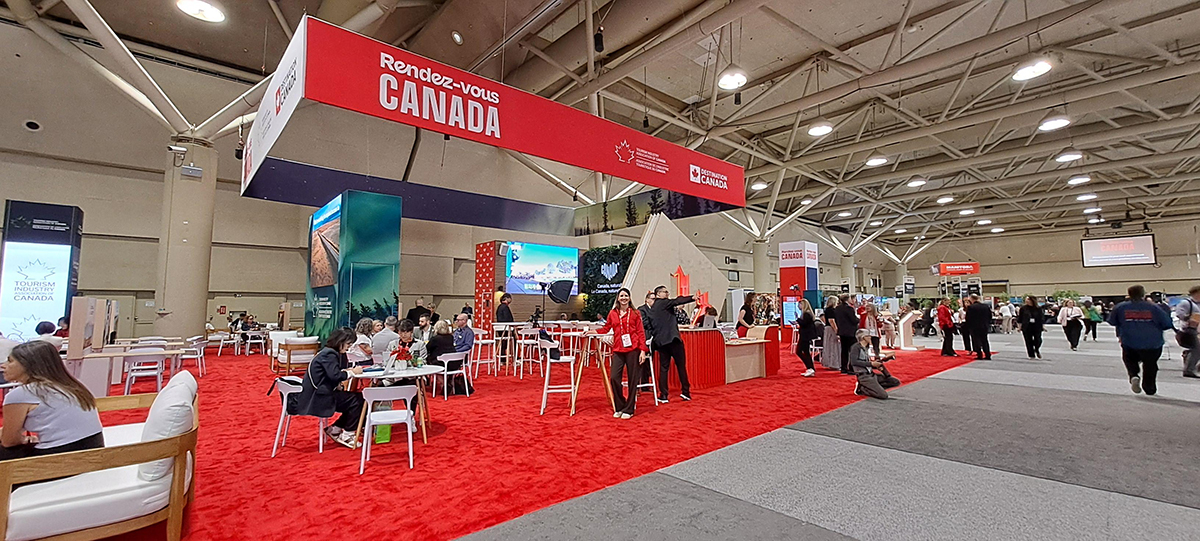
Stand de Destination Canada au salon Rendez-vous Canada 2026 © Destination Canada

CroisiEurope


Rendez-vous Canada est le plus grand salon touristique professionnel organisé par Destination Canada, l’office de tourisme du pays.

« In three days of meetings in Toronto, more than 60,000 appointments took place between international buyers and Canadian sellers, generating CAD 100 million in sales. » Gloria Loree, Senior Vice President of Marketing Strategy and Chief Marketing Officer for Destination Canada.

More than 500 international buyers traveled, 100 more than last year, from 24 countries including Destination Canada’s nine strategic markets: France as well as the United States, the United Kingdom, Germany, Australia, Japan, China, South Korea, and Mexico. The invited buyers represent tour operators, travel agencies, OTAs and Canadian receptive operators.


Fifteen French buyers traveled to Toronto

Among the fifteen French buyers attending Rendez-vous Canada this year were the major players in travel distribution and tailor-made journeys: Cercle des Voyages, eDreams ODIGEO, FRAM, Imagine Canada / JMB Voyages, Interkal’Air, Kuoni / Vacances Fabuleuses, La Route des Voyages, lastminute.com, Les Maisons du Voyage, Naar, Travel Abroad and Voyage Privé.

One of them, Antony Enault, explains: “As Head of North America Production at Cercle des Voyages, I find Rendez-vous Canada essential for developing new partnerships with Canadian suppliers, discovering the latest trends in North American tourism, and enriching our product range through direct exchanges with key players in the Canadian travel industry.”

This French delegation illustrates the growing interest of the hexagonal market for a destination that focuses on authentic, immersive experiences deeply connected to nature, vast spaces, and human encounters that define Canada’s identity.


A strategic meeting for tourism professionals

The event is built on pre-scheduled ten-minute business meetings between buyers and sellers. An efficient organization that allows professionals to concentrate months of sales prospecting into just a few days.

“This year, buyers were able to meet more than 900 sellers representing 628 Canadian companies: destinations, receptive operators, accommodations, carriers and experience providers from across the provinces and territories. It’s a unique opportunity!” comments Cyrielle Bon, Chief Executive Officer of Destination Canada in France.

In addition to the business meetings, participants could discover the province of Ontario through several familiarization trips before and after the fair, and through tours of Toronto during the event. These programs allowed international buyers to experience authentic experiences, open to nature and the human encounters that characterize the Canada brand.


Toronto, Ontario © Destination Canada


Toronto and the province of Ontario: a showcase of contemporary Canada

A cosmopolitan city and international gateway to the country, with direct air access from France, Toronto provides an ideal setting for urban explorers. A multicultural and dynamic metropolis, it fully embodies the image of modern Canada: open, creative, and oriented toward human experiences.

Wildlife watching, slow mobility, nature-based accommodations, Indigenous experiences, and multi-activity stays were among the products most sought by the French buyers in Toronto.

The host city treated them well: it is an ideal starting point for exploring Ontario, with Niagara Falls and wineries just 1.5 hours by road; the Muskoka chalet region 2 hours north; exploring lakes, rivers and streams on the way to Kingston and Gananoque toward the neighboring province of Quebec; and of course a visit to Canada’s federal capital: Ottawa!


Calgary, Alberta © Destination Canada


Meetings scheduled for 2027

Rendez-Vous Canada 2027 will celebrate the event’s 50th anniversary: we look forward to welcoming many of you from April 28 to May 1, 2027 in Calgary, Alberta!

Travel agencies, OTAs, and tour operators based in metropolitan France, please contact Maryse Normandeau, head of trade partnerships for Destination Canada in France: [email protected]. She will provide you with all the essential information to plan your visit to this fair.


Didier Arino (Protourisme): This Year, Price Is More Important Than Ever as the No. 1 Criterion


Didier Arino (Protourisme) : "le prix, premier critère de choix des vacances" - Photo Protourisme

Dream Yacht


TourMaG – We’re in early June, and indicators from travel operators are not in the green. Where do we stand on the latest figures?

Didier Arino:
First, let’s review the annual figures. For 2026, 40.2 million French people say they have gone on vacation or intend to go, which is 2 million fewer than in 2024.

For the summer, we moved from 800,000 canceling trips abroad to 1.5 million. Of the 10 million who had considered traveling abroad, that represents nearly 16%, and while that number may seem large, it is quoted as 16% in quotation marks.

When I say they are giving up on traveling abroad, we should also view this trend with caution. Some have renounced the foreign destination they initially envisaged, notably in Asia, but they remain uncertain. They say they are abandoning their stay as planned, but that does not mean they will not choose, at the last moment, a closer destination in Europe.


The trend of “less far, cheaper, shorter”

TourMaG – Do these figures show up in bookings?

Didier Arino:
Summer bookings remain subdued compared to previous years across most categories of accommodation, with the exception of camping, whose activity remains steady but not rising.

The trend of “ less far, cheaper, shorter ” is being confirmed. Vacationers are increasingly favouring destinations located about three hours from home, typically near major tourist catchment areas.

Accordingly, Lyon residents are leaning more toward the mountains, Ardèche, or the Occitan coast, Parisians toward the Norman and Breton coasts, while people in the North prefer the coast of Pas-de-Calais. This dynamic could penalize farther destinations, especially in the south of France, with the exception of areas like the Côte d’Azur that attract international clients.

TourMaG – Industry professionals are now waiting for last-minute sales. Will they trigger?

Didier Arino: For now, operators are indeed waiting for it to trigger… In my view, vacationers know there is still availability nearly everywhere and will therefore wait until the very last moment. If you’re leaving the following week, you might wait to know the weather forecast. This is, indeed, what we observed during the long weekends in May.

On the weekend when we had the heatwave, operators were at full capacity. There is also a psychological aspect at play: fuel under two euros per liter. For a single trip, this can amount to around twenty euros. In itself, it does not fundamentally alter the situation, but psychologically, the impact is enormous for consumers.

For the summer and last-minute bookings, the question remains whether they will manage to fully offset the delay observed so far. But with fewer people taking shorter stays… I don’t see how we could do better…


There will be good deals to be had!

TourMaG – The vacation budget is following the same downward curve…

Didier Arino:
Yes, the vacation budget is down by 150 euros. There will be a problem of consumption within tourist spaces: places of visits, paid activities, shops, restaurants… We see this in the trade-offs; vacationers will be very cautious.

TourMaG – Operators have launched flexible offers; could this boost demand?

Didier Arino: What was very poor to start with was airline communication. They first announced the implementation of fuel surcharges. In consumers’ minds, this added to the worries tied to the context and the risks of kerosene shortages. Naturally, this discourages booking. In the end, this communication, combined with rising tariffs, ended up destroying demand.

Now, tariffs are falling… There will inevitably be good deals to be had! Operators are right to promote because price sensitivity is decisive.

This year, price is proving to be more than ever the number one criterion. According to our survey, 71% of vacationers consider it decisive in their choice. We have moved away from a value-for-money logic or the search for experience and pleasure. Today, the dominant criterion is price above all.


For the French, holidays remain essential but they must be affordable

TourMaG – All observers agree that the sector is resilient and that the desire to travel remains intact… Do you share this view given what we’ve just discussed?

Didier Arino:
Holidays remain deeply rooted in the French way of life. Despite budget constraints, they continue to allocate an important share to travel. 55% of them say they are making sacrifices in other spending categories to be able to go, including food, home equipment, clothing, or even automobiles.

The reality, however, is that vacations are financed with what is left after all bills are paid. If every month you spend more on fuel, heating, or food, you inevitably have less money available to travel.

A CSP+ couple will not change their vacation for an extra 50 euros. But for a peri-urban family that has to drive long distances daily, pay for daycare, and absorb daily price increases, those 50 euros can make the difference. They are the ones who will adjust their vacation plans, or even rethink them completely.

This does not mean vacations are less important for these households. However, they may arbitrate differently: replacing a paid stay with free or low-cost activities, shortening the stay, or opting for two days at a leisure park to please the children. When 40% of vacationers modify their plans in this way, it inevitably affects the entire tourism ecosystem.

For the French, vacations remain essential but they must be affordable.

Vacationers tend to downgrade. The most upscale mobile homes are hard to fill, while there has never been as many bookings for bare pitches in campsites. In furnished rentals, it is mainly the mid-range and budget segments that are thriving. As for holiday villages, most are experiencing delayed bookings.

Contrary to what some sector players claim, the situation is not as favorable as they imply. At the same time, there is a rising prominence of short stays. At Center Parcs, for example, three- or four-day stays are expanding. The French continue to travel, but for shorter durations. The obvious consequence: the number of nights and long stays is likely to fall this summer, even if the total number of stays may not drop.


TourMaG – Luxury travel specialists also feel a chill. Prudence seems to be the watchword for business leaders, who are also constrained by the economic context.

Didier Arino:
It’s a reality… Some scale back, others think that with France’s deficit they will be taxed more and more, and then there is fear of the future… in short, this creates a kind of attrition.

In the business world, particularly among those directly exposed to the market, worry is real. Added to that are all sectors tied to real estate, which suffer from slower transactions and, consequently, a drop in activity. Retail is also heavily affected, with increasing difficulties and business failures.

There remain, within the partner networks, doctors, people who work in finance, tech and AI… Even accountants or lawyers are cautious. We have entered a recessionary cycle intensified by fear of tomorrow. Sometimes it’s irrational, but one thing is certain, the post-COVID euphoria is over.

And this could last, because 2027 is an election year with presidential elections.