
Logis Hotels Group: Eighth Consecutive Summer of Growth


Le Groupe Logis Hôtels signe son huitième été consécutif de croissance.  DepositPhotos.com/ Jirsak

MSC Croisières


The Logis Hôtels Group reports a 13% increase in its accommodation revenue during the summer season 2026, thus marking its eighth consecutive summer of growth.

This growth occurs in a context characterized by a modest rise in the average price, of 3%, while the average length of stay remained stable at 1.5 days.

The group also highlights the growth of international clientele, now the majority contributor to activity growth, as well as the evolution of destination choices in response to episodes of heat waves.


International Growth and the Quest for Cooler Climates Drive Activity

The international clientele rises by 19 % and now accounts for 41 % of customers, i.e., two percentage points more than in 2025. The French clientele remains dynamic as well, with a 9 % growth over the period.

Destination choices were influenced by the intense heat. The coastline shows an increase of 18 % and the mountains by 16 %, while the Grand Est records a rise of 32 %. The Normandy and Burgundy-Franche-Comté regions each advance by 18 %.

Air conditioning also becomes a more decisive criterion in choosing a place to stay: climate-controlled hotels exhibit eight percentage points higher growth.

Regarding areas affected by wildfires, dynamics were mixed. In Gironde, activity ends at -4 % and in the Landes at +4 %, after a more dynamic start to July. The group notes that nearly 75 % of pre-booked stays were maintained. In the Var, activity rises by 26 %, despite a slowdown inland linked to the fires.

For the return to the season, the outlook remains positive with 15 % more bookings, notably thanks to international clientele. Business clientele also grows by 11 %.


Arsenale Group Raises €300M to Accelerate Luxury Growth


Arsenale Group lève 300 M€ pour accélérer sa croissance dans le luxe - Depositphotos.com @ra2studio

MSC Croisières


Arsenale Group renforces its financial capacity.

The Italian group, active in the hotel and luxury travel sectors, announces that it has finalized the placement of a senior secured bond for the amount of €300 million.

With a four-year maturity, this bond carries a floating coupon indexed to the three-month Euribor, augmented by a margin of 7%.

The settlement date for the transaction occurred on June 30, 2026. The loan is also admitted to listing on the Vienna Stock Exchange.


Funding for the 2026-2030 Strategic Plan

The funds from this issue are intended to **contribute to financing Arsenale Group’s 2026-2030 strategic plan**. They will supplement the new equity provided by the group’s shareholders.

A portion of the amount raised will also be allocated to repurchasing preferred shares issued in 2022 with Oaktree Capital Management.

For Paolo Barletta, Chief Executive Officer of Arsenale Group, this operation should notably enable the group to have greater financial flexibility to support its development.

This operation constitutes a major milestone for the Arsenale Group and reinforces the strength of our long-term vision“, he notes.

According to the executive, the financing should allow the continued development of the group’s project portfolio and strengthen its position in the global luxury hotel market.


A New Step in the Growth Strategy

With this operation, Arsenale Group thus aims to support its long-term development ambitions, as the group continues to implement its strategy for the 2026-2030 period.

The success of the bond placement is presented by the group as an indicator of investor confidence in its positioning and growth prospects.

Pareto Securities assisted Arsenale Group as financial advisor in relation to this bond issue.


Amelia Brille Published by Amelia Brille TourMaG.com Editor
See all articles by Amelia Brille

  • picto Linkedin
  • picto email
Add TourMaG to your Google News feed Google Actualités icône  

Sun PhuQuoc Airways Entrusts European Sales Representation to TAL Aviation Group


Sun PhuQuoc Airways confie sa représentation commerciale en Europe à TAL Aviation Group - DepositPhotos.com, Iryna_Rasko

MSC Croisières


As part of its international expansion, Sun PhuQuoc Airways partners with TAL Aviation Group to structure its commercial presence in the European market.

Based on Phu Quoc Island, the airline, a subsidiary of the Sun Group, plans to grow its fleet to 32 aircraft by the end of 2026, including four widebodies, in order to strengthen its routes in Asia and to prepare its long-haul network.

The European market is strategically important to us as we develop our international network. The in-depth market knowledge and TAL Aviation’s strong relationships with industry professionals make it the ideal partner to support our long-term growth in the region,” says Tran Viet Loi, the commercial director of Sun PhuQuoc Airways.


A historic order of 40 Boeing 787-9 Dreamliners to support long-haul

This expansion strategy rests on a major investment plan to renew the fleet.

On February 18, 2026 in Washington, D.C., the airline formalized a contract worth $22.5 billion for the acquisition of 40 Boeing 787-9 Dreamliners.

This commitment represents the largest order of wide-body aircraft in the history of Vietnamese commercial aviation.

The gradual arrival of these aircraft will enable the operator to operate direct connections between Vietnamese hubs, Europe and other international destinations.

Gideon Thaler, CEO of TAL Aviation Group, welcomed the partnership: “We are delighted to represent Sun PhuQuoc Airways in Europe. This partnership reflects our commitment to delivering premier representation and distribution.”


Comprehensive management of sales and partnerships in Europe

TAL Aviation’s mandate includes activating travel agency networks, supporting reservations, and developing strategic partnerships with industry players.

The group will rely on its network of local agencies to establish the airline’s presence among European customers.

Through this framework, Sun PhuQuoc Airways aims to position Phu Quoc and the region’s major Vietnamese cities at the heart of tourist and business flows coming from Europe.

Custom Group Travel


© Únia Travel / Image générée par IA à titre illustratif

Hurtigruten


A Well-Functioning Group Tour Does Not Necessarily Need Replacing

An agency has been programming Andalusia for ten years. Seville, Cordoba, Granada: the itinerary is well-known, mastered, and continues to captivate.

The first instinct could be to search for a new destination. But is it really necessary?

The great classics remain powerful triggers of sales. For a traveler who discovers Andalusia, removing the Alhambra or the Cordoba Mosque-Cathedral in the name of originality would make little sense.

However, a good circuit can wear out in the way it is built or told.

It can be worthwhile to preserve its backbone and refine a few moments: another stop, a gastronomic experience, a special evening, a more immersive visit, or simply a pace that leaves more room for the destination.

Renewal does not always mean changing the product.

It can involve looking at a known product with a fresh eye.


Finding a New Reason to Travel

Take another very common scenario.

Clients who have already visited Lisbon and Porto. How can we rekindle their appetite for Portugal?

Adding yet another visit to Lisbon will probably not suffice. Yet Portugal can be rediscovered very differently depending on the guiding thread: gastronomy, heritage, traditions, inland areas, local festivals, vineyards, crafts, or less-programmed territories.

The destination hasn’t changed. The reason to return, yes.

That is where the inbound agency’s work truly begins.

What truly aligns with the agency’s clientele? How far to go beyond the classics? Which experience provides enough value to justify its cost? Is it feasible for 45 people? At what period? What impact on kilometers, meals, and schedules?

These trade-offs turn a good idea into a marketable group program.

Because a service can be wonderful on paper and much less relevant when one must integrate a coach, travel times, a reasonable daily pace, and lunch for 45 people. In group travel, originality must always pass the field test.


Being Different Does Not Mean Packing In More

This is probably the most common trap when a program needs a new breath.

An extra tasting. An unusual visit. A workshop. A local encounter. Taken separately, each of these elements may seem interesting. Put together, they can produce a day that is more expensive, longer and ultimately less enjoyable.

The right question is therefore not: “What more can we add?”

But rather: “What will truly change the perception of the journey?”

A single well-chosen encounter can be enough.

In Galicia, for example, discovering the work of mariscadoras, the women who harvest shellfish on the rías, lets you approach the destination through a trade, the local economy, the gastronomy and the relationship with the sea. The experience is simple in form, but it offers a different reading of the territory.

It is also from this reflection that certain Únia Signature creations were born: starting from a tradition, an event, a season, or a know-how to give a through-line to the stay.

The Fallas of Valencia, Temps de Flors in Girona or a program built around local flavors and traditions are not interesting simply because they are “different.” They become interesting when they provide a genuine reason to choose or rediscover the destination.

That is why originality does not need to be spectacular. It must be relevant above all.


When the Catalog No Longer Suffices

There are also requests that fall outside any brochure.

For example, an agency calls us with a very simple brief: “I have a group of botany enthusiasts. They want to discover lesser-known gardens and they don’t want a classic circuit. What can we build?”

From there, we search. Which gardens are truly worth the trip? How can they be connected without spending the whole day on the coach? What season should we depart? Where should we lunch? What is realistic for the group and for its budget? It is by working these details with the agency that the program takes shape.

That is where the customized group travel makes all the sense.

Sometimes, the result will be a completely new program. Sometimes, it will be enough to evolve an existing circuit. In both cases, the starting idea must be tested against the terrain to become a product that the agency can actually sell and operate with confidence.


An Itinerary to Evolve?

A program that works but is starting to lose momentum? Clients who already know the destination? A particular theme to transform into a group travel experience?

At Únia Travel, it’s precisely this part of the DMC’s work that we are passionate about: listening to the idea, challenging it when necessary, researching on the ground, and transforming it with you into a program tailored to your clients.


Why Are Women-Only Group Trips Growing in Popularity?

They set off on their own, but they don’t necessarily travel solo. For several years now, group travel designed for people who want to depart without their usual companions has been on a notable rise, particularly among women. The phenomenon crosses well beyond French borders and accompanies an evolution in lifestyle and travel habits.

On the occasion of Copines de Voyage’s ten-year anniversary, a historic pioneer and leader of the 100% female segment, we spoke with Alexiane Eymard, Deputy Chief Executive of Hello Travel – the group that owns the brand – and Vanessa Robbe, head of brand development for Les Aventureurs (the group’s mixed-gender variant), to understand who these new travelers are and what they seek in these group departures.

Who are today’s women who choose to travel with a group on their own?

Alexiane Eymard : There is no longer a single typical profile. Ten years ago, the traveler was usually 25, often single, and looking for people with whom to share life moments. Today, our traveler tends to be around 37. And most importantly, these are women who decide to travel on their own, which isn’t the same as traveling solo. Some are married or in a relationship, have children, and lead a very active social life.

But they no longer want to wait for their circle to be available, to share the same desires, or to have the same budget. That’s a lot of variables to synchronize. A few years ago, women tended to organize their vacations around their partner, their family, or their friends. Today, they grant themselves more of this freedom.

There are still women who have little support around them and for whom group travel represents an opening to the collective, but they are not the majority. The profile has really diversified. They are more often urban women living in large metropolitan areas and belonging to upper-mid socio-professional categories.

Does this willingness to travel alone mean they are seeking to meet new people?

Alexiane Eymard : That isn’t necessarily their primary intention. One should not caricature women’s desires. The same person might crave a wellness stay at one moment and, a few months later, a much more adventurous trip. Their aspirations evolve with their life moment, available time, or level of fatigue.

Nevertheless, the group forges bonds. What brings people together is primarily the shared desire to discover a destination and to experience the same thing. Profiles can be very different, with sometimes significant age gaps, but there is a sense of affinity tied to this common choice.

Is this logic also found among travelers in mixed groups?

Vanessa Robbe : Yes, although profiles and trips differ. Our clients are generally around 34 years old and about 60% are women. They are often not on their first trip and are already comfortable with a bit of rugged travel. Traveling in a group enables them to undertake a journey they wouldn’t necessarily have been able to do with their usual circle.

The difference is that with Les Aventureurs, the group is built around a genuine adventure experience. Some trips involve sleeping in a tent, going on a road trip with a roof tent, sailing or hiking, with a desire to venture further off the beaten path. Not everyone is seeking physical exertion or total discomfort. Some want to experience an adventure without necessarily pushing themselves into the red. That’s why there are different levels of commitment.

Can group travel actually help some women dare to do more?

Vanessa Robbe : Yes, especially for the more demanding experiences. Being surrounded by women can be reassuring. A woman who wants to, for example, summit Mont Blanc may fear in a mixed group that she’ll slow others down. Being among women who potentially share the same fears can be a trigger to take the plunge.

It isn’t necessarily about networking. It’s more about being with people who resemble us in certain ways and with whom we share the same apprehensions. The group can provide enough confidence to attempt an experience we might not have dared to undertake alone.

Does the search for a romantic partner sometimes factor into mixed groups?

Vanessa Robbe : It’s possible, as in everyday life, but here it isn’t the primary aim. People come first for the journey and the experience. If two people are meant to meet, it can happen, whatever the setting.

How do you measure the scope of this evolution?

Alexiane Eymard : Since the creation of Copines de Voyage in 2016 and Les Aventureurs in 2017, when Copines de Voyage began with two pioneering travelers, more than 100,000 trips have been sold by the two brands. Approximately 60,000 people have traveled with us. That means a substantial share return multiple times. Some veteran travelers have even joined us a dozen times, or more.

This loyalty also enables observing a shift in preferences. The early destinations that performed very well included Bali and Sri Lanka for long-haul trips, or Spain and Greece for closer destinations. But women who have already traveled multiple times are starting to drift toward destinations they might not have considered otherwise.

China is a good example. Mozambique is also a destination we are opening up, particularly for those who enjoyed Zanzibar but are now seeking something less touristy. This also shows that these travelers, as they accumulate experiences, do not necessarily want to endlessly revisit the same popular destinations. They are more willing to step off the beaten path to turn toward less obvious destinations.

Are new requests emerging?

Vanessa Robbe : Yes, we will offer trips that enable women to travel with their children. The idea is to allow those who face logistical and family constraints to travel nonetheless, alongside other mothers who share the same situation. They will be able to share a destination and a common experience, while traveling with their children.

Hôtels & Préférence Group Marks Its 25th Anniversary With a Record Year


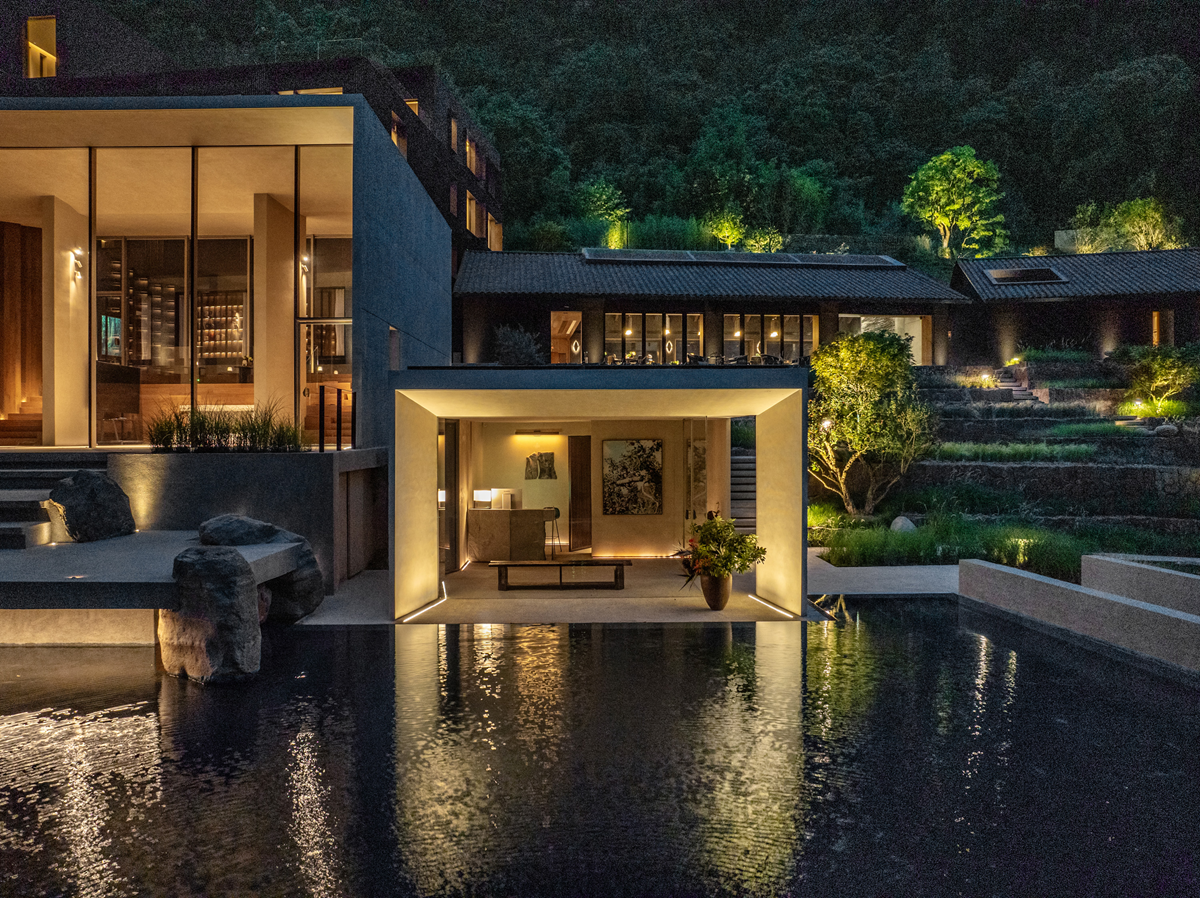
le groupe Hôtels & Préférence signe une année record, Zoland Resort  photo by Hotel & preference

TAP Air Portugal


A subsidiary of the Louvre Group and the Jin Jiang International holding, Hôtels & Préférence consolidates its business model around independent four- and five-star properties.

The brand relies on a portfolio of 150 properties representing over 13,500 rooms spread across 19 countries, including its variations Unique Boutique Hôtels and the five-star TemptingPlaces Collection lifestyle lineup launched at the end of 2025.

Operationally, the chain maintains its premium pricing indicators with an average nightly rate held at €230 and an average booking basket of €430.


International Deployment and Strengthening of Leadership Teams

To support this phase of growth, the organization has strengthened its executive framework with the appointment of Arnaud Boivent to the position of Commercial & Development Director.

The network has also expanded its geographic footprint by inaugurating its first representation for the Middle East and North Africa (MENA) region in Dubai, under the leadership of Adil Jabrayilov, followed by a Bangkok office entrusted to Jean-Christophe Moreaux to steer development in Asian markets.

The group’s commercial ecosystem is also enriched by joining the loyalty program “I Want”, a scheme bringing together 36 million members aimed at generating direct booking flows to affiliated properties.


Portfolio Expansion with 16 New Franchised Addresses

The network has welcomed 16 new properties in recent months under the Hôtels & Préférence and Unique Boutique Hôtels brands.

Among these additions are the Château de Noirieux in the Loir Valley, France, the Palais d’Akwa in Côte d’Ivoire, the Hôtel Maison St. Charles in New Orleans, United States, as well as the wine-tourism complex Schuchmann Wines Chateau Villas & Spa in Georgia.

The expansion is also confirmed in the Chinese market with the arrival of two hotel sanctuaries located on UNESCO-listed sites: the Zuowang Hotel on Qingcheng Mountain and the Zoland Resort on Mount Emei.

Radisson Hotel Group Opens New Hotel in Cannes


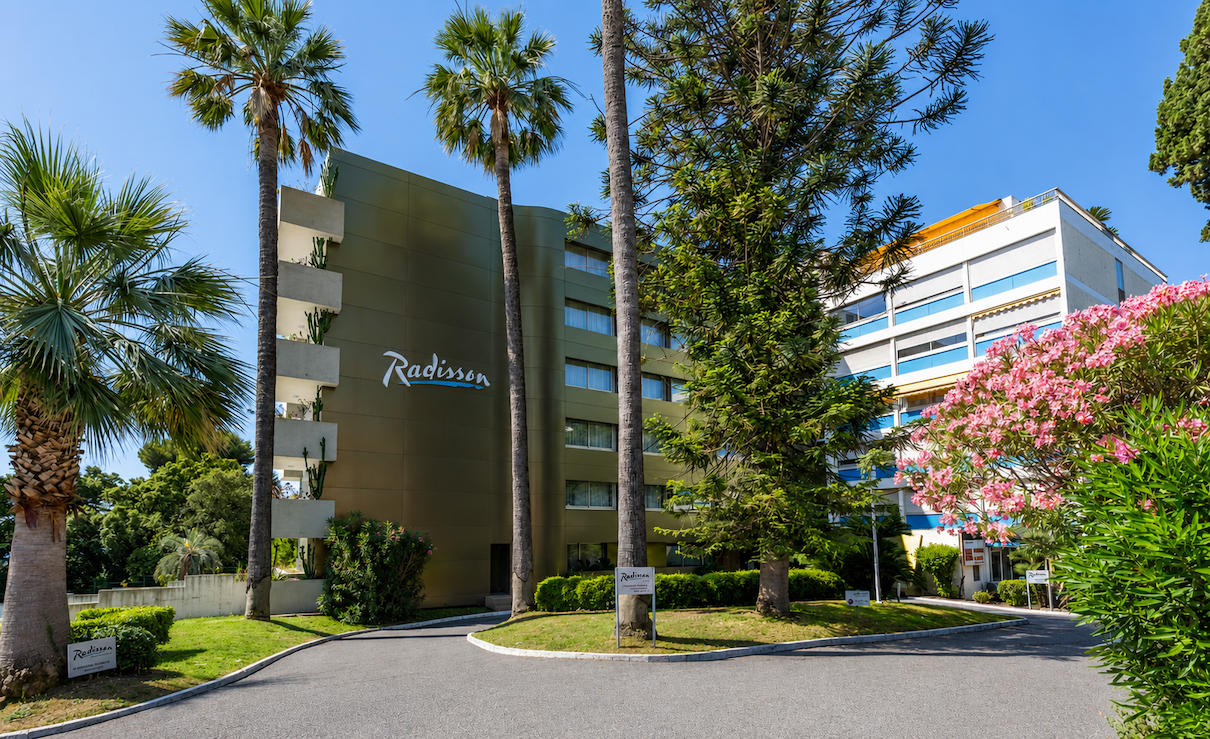
Radisson Hotel Group ouvre un nouvel hôtel à Cannes - Photo : Radisson Hotel Group

TAP Air Portugal


Radisson Hotel Group étoffe son portefeuille français avec une nouvelle adresse sur la Côte d’Azur.

The Radisson Hotel Cannes Seaside has just opened its doors on Docteur Raymond Picaud Avenue, near the Croisette, the Palais des Festivals et des Congrès, and the historic Suquet district.

This opening aligns with the group’s development strategy on a market considered a priority.

France remains one of Radisson Hotel Group’s strategic markets, while Cannes has established itself as one of the most renowned European destinations, for both leisure tourism and major events“, notes Yilmaz Yildirimlar, COO Managed Hotels Europe of Radisson Hotel Group.


Radisson : une offre pensée pour les clientèles loisirs et MICE

The establishment features 100 rooms, distributed across four categories (Standard, Superior, Premium and Junior Suite).

Inspired by the Mediterranean way of living, the décor emphasizes bright spaces and tones evoking the Côte d’Azur coastline. A portion of the rooms includes a balcony with views of the Mediterranean or the gardens.

The Radisson Hotel Cannes Seaside also aims to appeal to business travelers. Two modular meeting rooms, illuminated by natural light, can accommodate up to 150 participants for conferences, seminars or private events. They are equipped with audiovisual gear and complemented by a dedicated catering offer.

Outside, terraces and the pool provide additional spaces for hosting receptions or events overlooking the sea.


A Mediterranean-Focused Dining

The dining offer revolves around La Palma Restaurant & Bar, which showcases a Mediterranean cuisine crafted from regional products. The restaurant offers a breakfast buffet, a seasonal menu, and a selection of cocktails served on a terrace with panoramic views.

The establishment benefits from a location that allows visitors to quickly reach Cannes’ main tourist sites, from the Croisette to the Îles de Lérins, passing by the Suquet and the Palais des Festivals.

We are delighted to welcome our first guests to the Radisson Hotel Cannes Seaside. Every detail of the establishment has been designed to reflect the warmth and relaxed elegance of Mediterranean hospitality“, declares Samia Briki, the hotel’s general manager.

She adds that the establishment aims to welcome both business travelers and vacationers or guests coming to celebrate a special occasion.


Amelia Brille Published by Amelia Brille TourMaG.com Editor
See all articles by Amelia Brille
  • picto Linkedin
  • picto email
Add TourMaG to your Google News feed Google News icon  

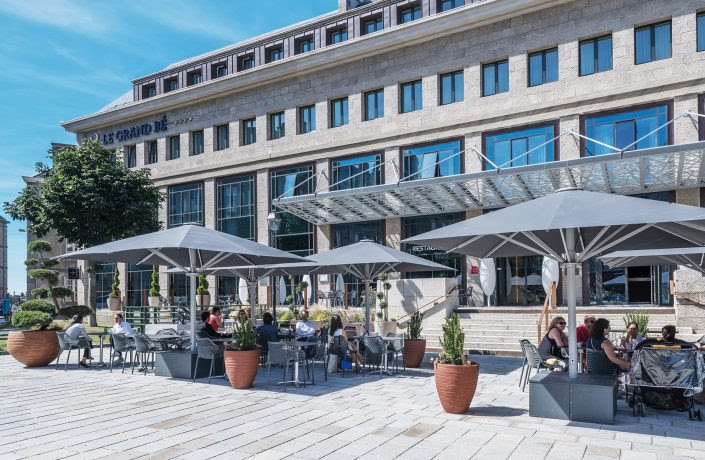
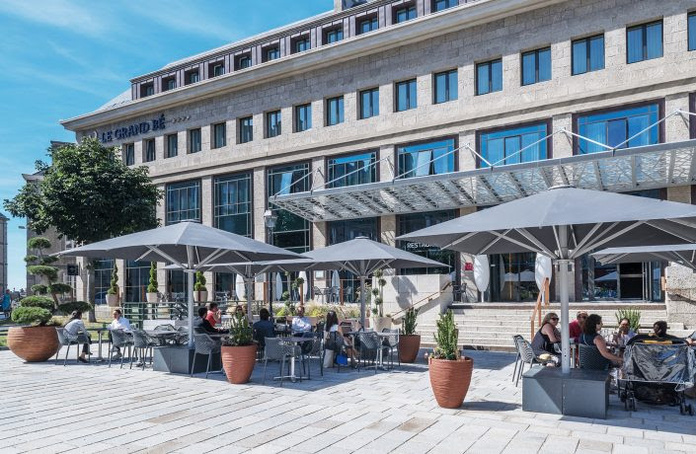
The Telegramme Group Acquires the 4-Star Le Grand Bé Hotel in Saint-Malo


Le Groupe Télégramme s'offre l'hôtel 4* « Le Grand Bé » à Saint-Malo - Photo : Groupe Télégramme

TAP Air Portugal


The Groupe Télégramme is accelerating its territorial growth strategy by investing in high-end hospitality.

On Friday, July 10, 2026, the group formalized the acquisition of the Grand Bé hotel, a 4-star establishment of reference located within the city walls in Saint-Malo, in close proximity to the future National Maritime Museum.

This operation marks a key milestone for the company, which intends to rely on its local roots and its multiple areas of expertise to consolidate the attractiveness of this major Saint-Malo address.

Ideally designed to appeal to both tourist and professional clientele, the property features a bar, a rooftop, dining spaces as well as a wellness area with a spa.

For business tourism, the hotel also offers facilities dedicated to seminars, meetings and corporate events.

As part of this overall business turnaround, the group integrates a industry-recognized professional with over twenty years of experience, Marc Scognamiglio, who will oversee the property’s future alongside the teams already in place.


Strong local and event-driven synergies on the horizon

Integrating the Grand Bé into Groupe Télégramme will generate clear complementarities with the acquiror’s historical lines of business, notably in the sectors of media, communications and events.

The group plans to capitalize on its deep knowledge of the region and on its network of partners to develop the professional seminars segment, maximize opportunities around business tourism and enrich the overall customer experience.

This ambition is directly shared by Régis Rassouli, Deputy CEO for Development of Groupe Télégramme: “Le Grand Bé is a renowned address for the quality of its welcome, its exceptional location and the commitment of its teams. Our ambition is to continue its development in the respect of its identity, by relying on the Group’s expertise to strengthen its attractiveness and support its evolution. ”

To support this modernization, a investment plan will begin by the end of 2026 and span 2027.

The budget envelopes will be primarily allocated to the complete renovation of the wellness space, to specific interior fittings and to the redesign of the decoration, while ensuring the venue’s historic assets are preserved.

According to Jean-Baptiste Pavin, CEO of Groupe Télégramme, “Le Grand Bé is an emblematic establishment that benefits from a history, an identity and a recognized know-how. Its acquisition illustrates our commitment to invest sustainably in value-creating projects that are useful to the territories.

Whether it is informing, supporting businesses or organizing major events, our ambition remains the same: to create connections, to deliver high-quality experiences and to contribute to the radiance of the territories in which we are involved.

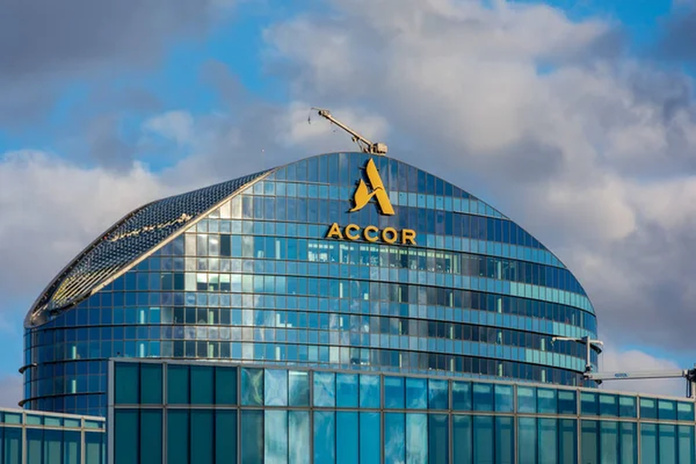
Accor and H World Group Expand Partnership to Bookings and Loyalty Programs


Accor et H World Group étendent leur partenariat aux réservations et à la fidélité

Costa Rica


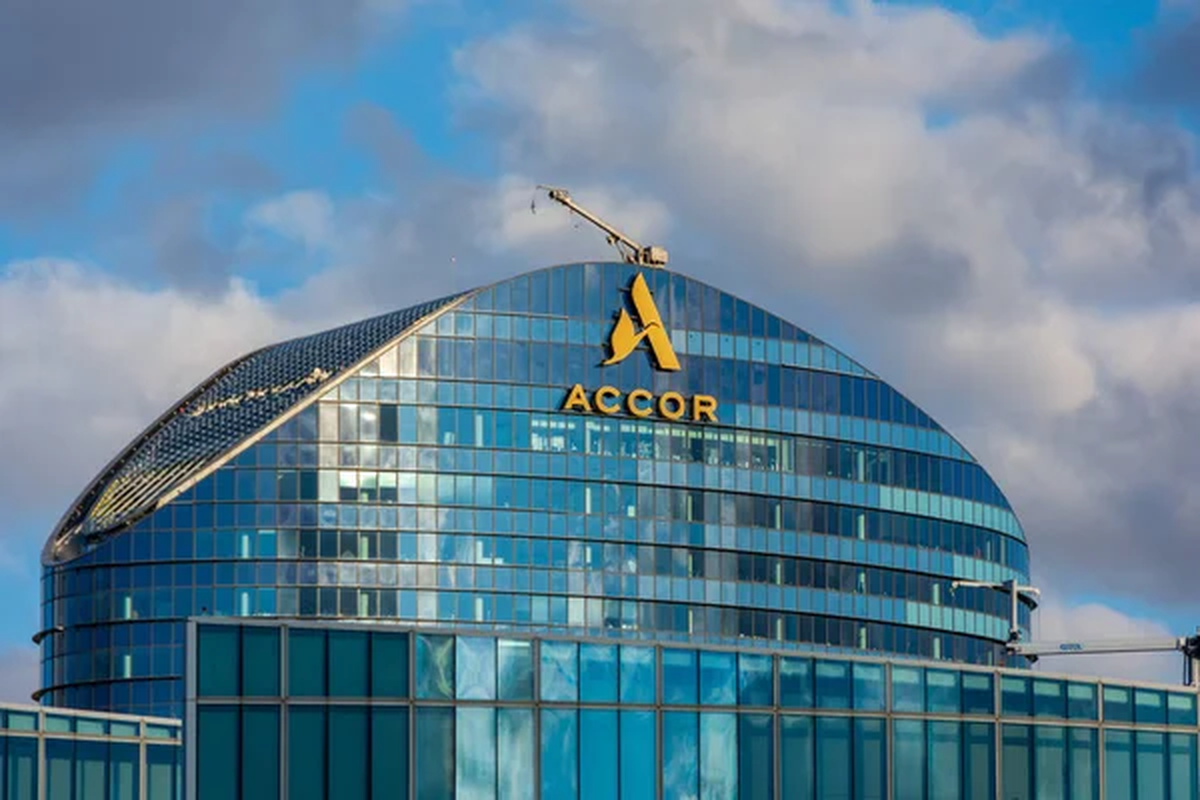
Accor et H World Group ouvrent un nouveau chapitre de leur alliance initiée en 2014. Ce partenariat étendu vise à élargir le choix d’hôtels et à croiser les avantages de fidélité pour les membres des programmes ALL Accor et H Rewards directement depuis leurs plateformes de réservation respectives.

Les deux programmes continueront toutefois, de fonctionner de manière indépendante, préservant leur propre identité.

Sébastien Bazin, Président-Directeur Général de Accor, a souligné qu’après leur accord de Master Franchise en 2014, ce nouvel accord représente une autre étape majeure visant à abolir les barrières géographiques, à améliorer la distribution et à enrichir leur écosystème de fidélité.

De son côté, Ji Qi, Président de H World Group, a qualifié ce partenariat d’évolution naturelle après plus d’une décennie de confiance mutuelle, ajoutant qu’en unissant leurs forces complémentaires, les deux groupes allaient créer plus de valeur pour les voyageurs, les propriétaires d’hôtels et les partenaires.


A phased rollout throughout 2026

The agreement rests on the complementarity of the two organizations: Accor’s global brand portfolio and international distribution network join forces with the direct-channel strength and H World’s extensive customer base in China.

H Rewards counts more than 310 million members, while ALL Accor totals nearly 120 million worldwide.

The rollout of this synergy will occur in successive phases during 2026. H World International hotels located in Europe and the Middle East will progressively become accessible to ALL Accor on the French group’s direct channels.

Conversely, the premium and luxury brands of Accor operating in mainland China will be integrated into H World’s platforms for H Rewards members. Travelers of both programs will thus begin benefiting from preferential rates, privileged status recognition and the accumulation of points during their stays at participating partner properties.

Inbound Tour Operator of Tomorrow: The Rise of Group Travel Strategy


© Únia Travel / Image générée par IA à titre illustratif

CroisiEurope


The group journey has not spoken its last word. It is evolving, just as travelers, agencies and the ways of discovering a destination are evolving. In a world where everything seems bookable in a few clicks, the need to travel together, to share an emotion, to discover a culture with others, and to feel accompanied remains profoundly current.

At Únia Travel, this conviction guides the vision of tomorrow’s receptive partner: a hands-on ally capable of helping agencies design travel experiences that are more personalized, more reliable and more meaningful.


Group travel answers a need that will not disappear

We sometimes hear that group travel is coming to an end, as if new generations will inevitably travel solo, organize everything online, and do without support. At Únia Travel, we do not share this view.

Group travel still has a future because it answers a profoundly human need: the need to share, to meet, to exchange and to experience something together with others. Traveling is not just about moving from one point to another. It is about creating shared memories, discovering a culture with a guided perspective, being surprised by a meeting, a tradition, a flavor or a local story that one might not have found alone.

Even future generations will crave connection. They will likely want travel that is freer, more immersive, closer to the local culture. They will want to understand more, experience deeper moments, and feel like actors in their own journey. But that does not mean the end of the group. It means the end of standardized groups.

The group journey of tomorrow will be more personalized, more flexible, and better aligned with travelers’ real profiles. For agencies, this evolution represents a real opportunity, but it also requires more guidance, more anticipation, and a precise knowledge of the terrain. This demand is especially important for French-speaking senior groups, where pace, comfort, quality of meals, travel times, and accompanying support play a crucial role in the success of the stay.


Tomorrow’s receptive partner can no longer be merely an assembler

For a long time, the role of a receptive partner could be summarized fairly simply: find the right hotels, book the restaurants, coordinate the guides, organize the visits and ensure the program runs smoothly on site.

These tasks remain essential. But today, they are no longer enough.

An agency expects more from its local partner. It needs a counterpart who understands its clientele, its commercial constraints, its deadlines, its positioning, and its objectives. A group program must not only be feasible; it must be coherent, legible, well-paced, adapted to travelers’ profiles, and attractive enough to sell.

For Únia Travel, this evolution is obvious: a receptif must do more than just organize a trip. It must help the agency sell it, secure it, and build customer loyalty. It must become the agency’s eyes and ears on the ground, anticipate constraints, and ensure that every choice serves the final experience of the group.

Receptives capable of advising, personalizing, anticipating, and securing will become even more indispensable partners for tourism professionals.


© Alena Darmel - Pexels


Personalization begins with listening

In a market where many offerings look alike, personalization becomes a genuine lever of differentiation for agencies.

At Únia Travel, this personalization starts with listening. Who are the travelers? What is their rhythm? What have they already visited? What level of comfort do they expect? Does the agency seek an accessible program, an original experience, an in-depth cultural circuit, or a proposal capable of surprising a loyal clientele?

The answer cannot be the same for everyone.

That is why Únia defends a simple idea: the product must adapt to the client, and not the other way around.

This approach requires field knowledge, proximity, and flexibility. A successful program is not necessarily the one that offers the most; it is the one that finds the right balance between discovery, comfort, pacing, pleasure, budget, and flow.

It is in this spirit of personalization and listening that Únia Travel develops more differentiated ideas, notably through the Únia Signature universe: proposals built around local flavors, celebrations, traditions, lesser-known experiences, or themes capable of giving real personality to the journey.


Technology at the service of the field, not in place of it

Talking about the tomorrow’s receptive partner also means talking about technology. But at Únia Travel, technology is not an end in itself. It only has value if it concretely improves the service provided to agencies and the smooth running of on-site operations.

This reflection particularly focuses on new tools that can facilitate exchanges with agencies, speed up certain communication steps, make proposals clearer, and simplify file tracking. The aim is to give professionals more legible, more practical, and easier-to-use supports in their own commercial work.

It also concerns how to better convey information to the various participants in a trip: internal teams, guides, drivers, local partners. A well-prepared, well-shared, and easily accessible file directly contributes to the stay’s success. In group travel, the quality of the experience depends as much on program design as on how precisely information circulates before and during the trip.

Technology should save time, streamline exchanges, organize information more effectively, and improve responsiveness. But it does not replace field knowledge, professional intuition, or human relationships.

A tool can speed up a response, but it cannot sense whether a program is too dense for a senior group, nor know whether a step is enjoyable in theory but not suited in practice. It does not replace the experience of a team that knows destinations, suppliers, the habits of French-speaking groups, and agencies’ expectations.

The modernity of tomorrow’s receptive partner will thus be hybrid: more tools, yes, but still more guidance. More speed, but without sacrificing quality. More structure, but without standardizing the travels.


Tell us about your projects: we are here to help you build them, adapt them, and succeed with them.


Le réceptif de demain : pourquoi son rôle devient plus stratégique pour les voyages de groupes

A receptive DMC agency specializing in the design and organization of tailor-made group trips, stays, and guided circuits in Andorra, Occitania, Spain and Portugal.

For your group projects, programmed itineraries, tailor-made stays, or specific requests:

[email protected]

[00376] 720 600

www.uniatravel.com

facebook instagram instagram

>> Únia Travel in the DESTIMAG Directory