Deadly landslide strikes UNESCO World Heritage site in Cappadocia

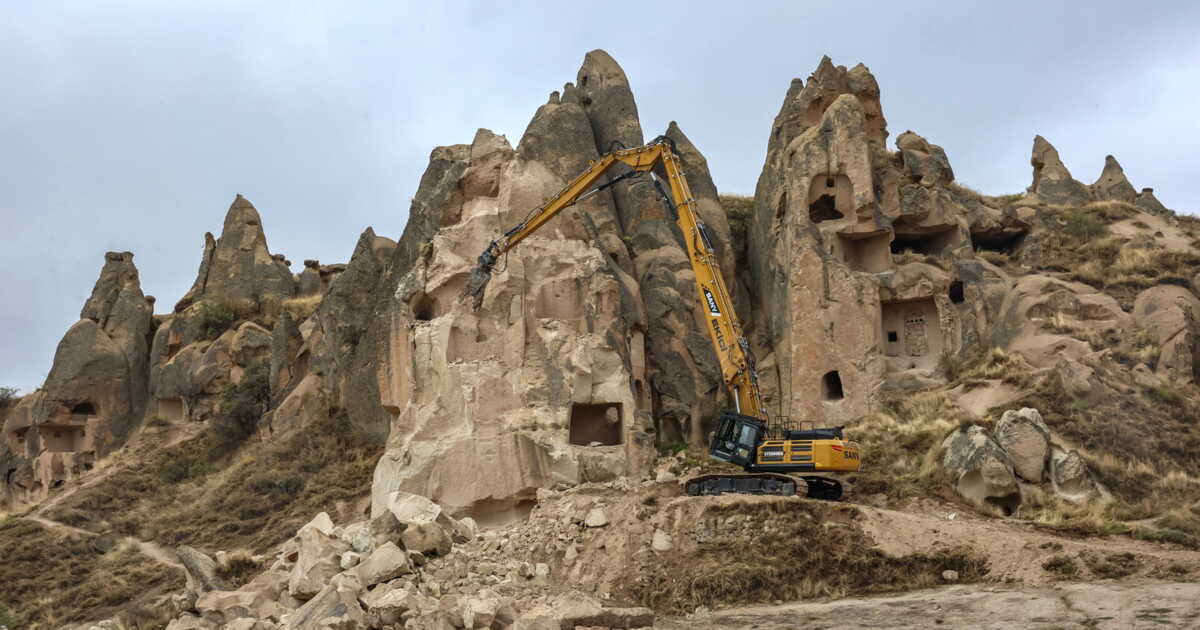
Three people, including a foreign national, were killed and five others injured when a rock column collapsed on Thursday at a UNESCO World Heritage site in Cappadocia, in central Turkey.

The site, which draws visitors from around the globe, hosts formations known as “fairy chimneys” formed by ancient volcanic activity. They are now destabilized by both natural processes and over-tourism.

A deadly rockfall in broad daylight

The bodies of three individuals, including one foreign national, were recovered beneath the stones, Nevşehir governor Huseyin Kok said. Five others were injured, authorities added, one of whom remained in hospital on Thursday evening.

The incident occurred at 15:15 local time (12:15 GMT) following “a rockfall caused by a landslide in the town of Göreme”, the governor specified.

An investigation has been opened by the Nevşehir prosecutor’s office and is due to begin Friday morning. The nationality of the foreign victim has not been specified.

Images from the Turkish news agency IHA showed a vast plume of dust rising beside a parking area, as well as the body of a victim trapped beneath a massive rock.

Bulldozers and rescuers, equipped with powerful flashlights, were at work well after nightfall, sometimes quieting the machines in hopes of catching the calls of potential survivors beneath the enormous blocks that had broken away from the cliff. “Our teams pulled back after determining that it was no longer necessary to continue the operations”, the governor said shortly after 7:30 p.m., implying that the toll was final.

A World Heritage site fragile under the pressure of tourism

The site has been on the UNESCO World Heritage list since 1985. It was also popularized by the on-site film “Winter Sleep” by Turkish director Nuri Bilge Ceylan, Cannes’ Palme d’Or winner in 2014.

“In a striking landscape shaped by erosion, the Göreme valley and its surroundings host rock-cut sanctuaries (…), troglodyte villages and underground towns, vestiges of a traditional human settlement whose beginnings date back to the 4th century”, the UN agency writes on its site.

But UNESCO also describes a place that would require serious, coordinated management. “Over-tourism and certain acts of vandalism have been reported and some incompatible constructions have been introduced”, it laments. Conservation plans and protection measures exist, but the situation calls for an integrated regional plan with “adequate financial, political and technical support”, the agency adds.

Studies completed in 2003 proposed that the site’s development respect natural zones “as they were declared in 1976”. In September of last year, local authorities took stock of the resumption of restoration work in 2024.

“Cappadocia is a very important destination, but it also has very fragile rock formations”, admitted the head of the site’s managing body, Aydoğan Cem Aslanbay, to the Daily Sabah newspaper. “We are doing everything we can to prevent further degradation.”

He noted that the site attracts roughly 4.5 million visitors each year and generates about $2.5 billion in revenue, drawing tourists from around the world, including hot-air balloon enthusiasts who can soar over this extraordinary landscape.

In 2024, a similar rockfall had occurred without any casualties.
Terra Panama: Custom-Tailored Solutions Take Shape on Site


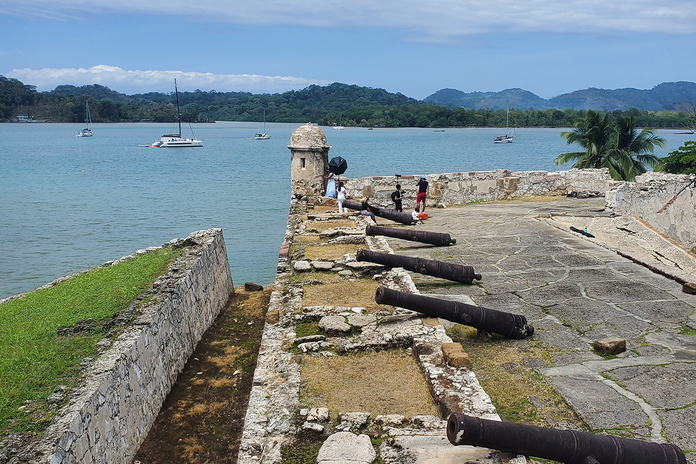
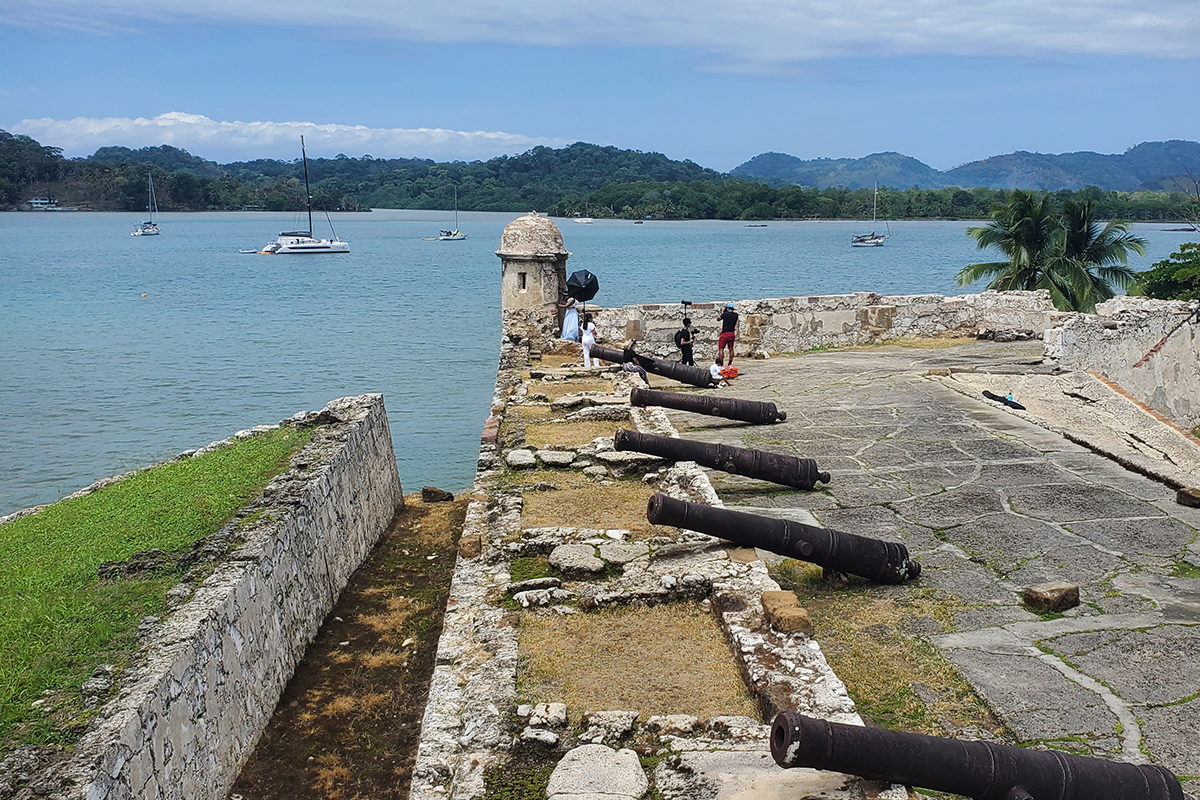
Depuis les remparts du fort San Lorenzo, entre forêt tropicale et mer des Caraïbes © Terra Panama

CroisiEurope


Know a Place Before Proposing It

A field reconnaissance teaches us things that a phone call or a description of an activity doesn’t always reveal: how long a transfer really takes and the condition of the road, when during the year a visit is most enjoyable, as well as the limits of an activity. We visit the accommodations, speak with the people responsible for welcoming travelers, and test experiences so that we can present them accurately to agencies. In Portobelo, for example, beyond discovering the fortifications, this ensemble of batteries and emblematic Spanish colonial forts invites you to immerse yourself in Congo culture, to the rhythm of drums and around local specialties such as the hojaldres and the carimañolas.


A Different Panama for Every Profile

For a family, we can emphasize minimal changes in accommodations and mix discoveries with free time. Around Bocas del Toro, a visit to a cacao plantation becomes a hands-on experience you can touch, smell, and taste, while a boat excursion lets you explore the islands at a pace suitable for children. The itinerary is then adjusted based on their ages, travel times, and the parents’ wishes.

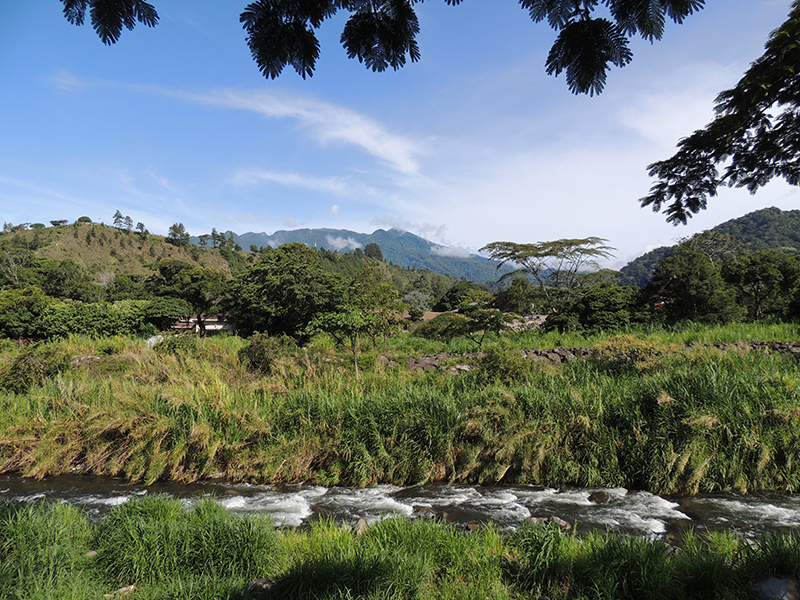
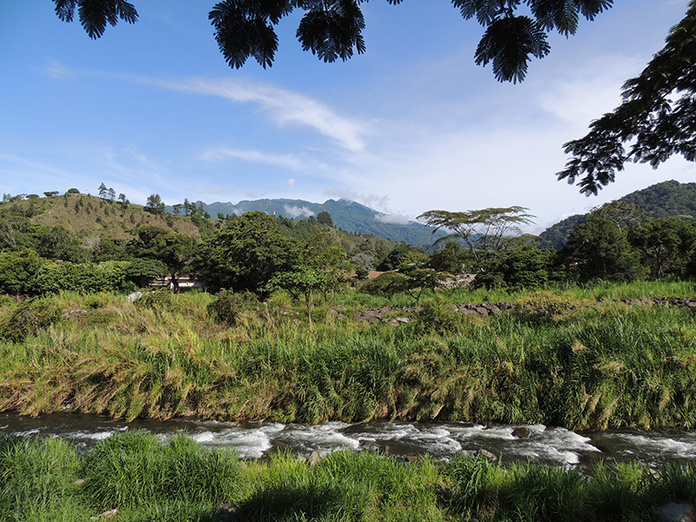
For nature-loving travelers, Volcán offers another way to discover the Chiriquí mountains. The trails around the village allow you to walk through highland forests, with opportunities to observe many bird species and enjoy the panoramas. Depending on the group’s level, we can propose an easy walk or a more demanding hike, then take the time to discover the rural landscapes and the agricultural cultures that define the region’s identity.


Dans les hauteurs de Chiriquí, Volcán dévoile un Panama plus frais, rural et montagneux © Terra Panama


A Destination That Continues to Evolve

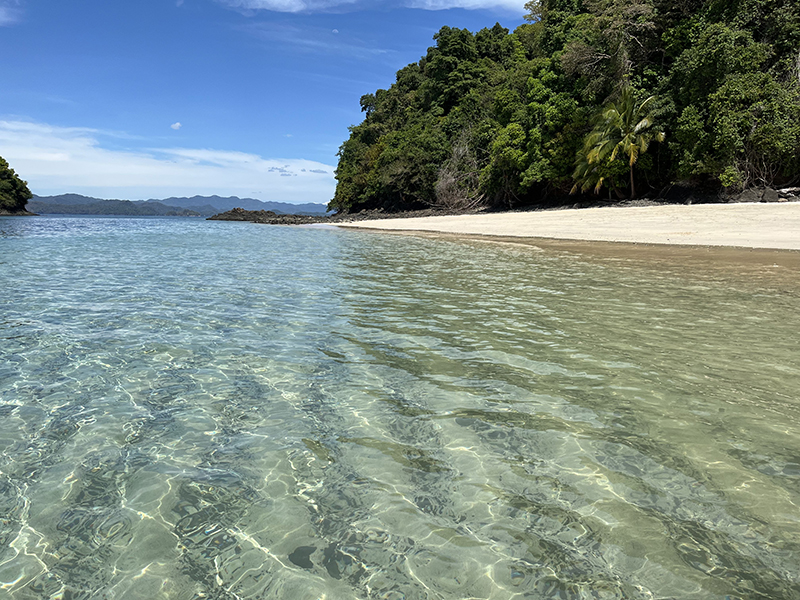
For adventurous travelers, the Santa Catalina region opens the door to Coiba National Park. A day at sea allows you to explore its underwater world through scuba diving or snorkeling, in a biodiversity-rich setting with 760 fish species and 33 species of sharks. It is also possible to organize hikes in the park to observe its wildlife and plant life. Formerly a penitentiary colony until 2004, the island was long sheltered from human activity, contributing to the richness of its ecosystems. To extend the experience, an on-site overnight stay can be considered as part of a suitable circuit, subject to park access conditions, now classified as UNESCO World Heritage.

For travelers with very specific interests, a bespoke approach can go much further. We have thus designed an experience around dendrobatidae (poison-dart frogs of the region) for a particular request: it required choosing the place, the guide, and the observation time, rather than just slotting a standard fauna outing into the program. This type of activity is prepared with our providers case by case beforehand to ensure smooth execution. It’s the kind of project we enjoy building with an agency when its client arrives with a well-defined passion.

For travelers with disabilities, adaptation begins before designing the stay. We construct experiences that can be tailored to individual needs, whether it’s mobility, pace, or the way of participating. We coordinate in advance with the agency and our providers to verify welcoming conditions and possible adaptations, in order to offer an accessible and authentic experience.

For a couple seeking a luxury journey, the exceptional lies in experiences you cannot have on a standard trip: a private, passionate naturalist guide to explore a territory in complete privacy, a night in an extraordinary location, or a day with no set schedule. Luxury then translates into meticulous attention to every detail, high-quality service, and the hospitality of our hosts, all contributing to a truly unique stay.


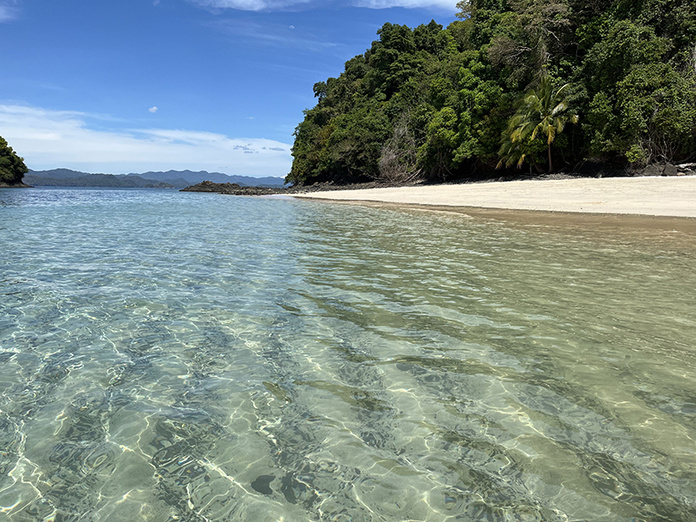
Au large de la côte pacifique, Coiba dévoile un monde préservé entre îles sauvages et eaux cristallines © Terra Panama


A Destination That Continues to Evolve

En août 2026, le Panama a lancé sa nouvelle marque pays, « Panamá, Anfitrión del Mundo », qui réunit tourisme, culture, investissement, exportation et durabilité dans une même démarche. Un projet de loi qui a pour but d’ encourager les investissements touristiques a également été présenté en septembre 2026. Depuis la fin de la crise sanitaire, le Panama est de plus en plus visité avec une croissance de près de 10% chaque année, passant de 2 millions en 2022, à 3 millions de voyageurs en 2025.

Pour nous, ces changements ne remplacent pas la connaissance quotidienne du terrain. Ils nous donnent seulement de nouvelles possibilités : une région qui devient plus facile à découvrir, ou un acteur local qui développe une activité. Nous continuons à parcourir le Panama parce qu’il nous surprend encore. C’est ainsi que nous pouvons construire des voyages véritablement adaptés aux attentes de chaque agence et de ses clients, tout en assurant leur bon déroulement et leur suivi une fois les voyageurs sur place.


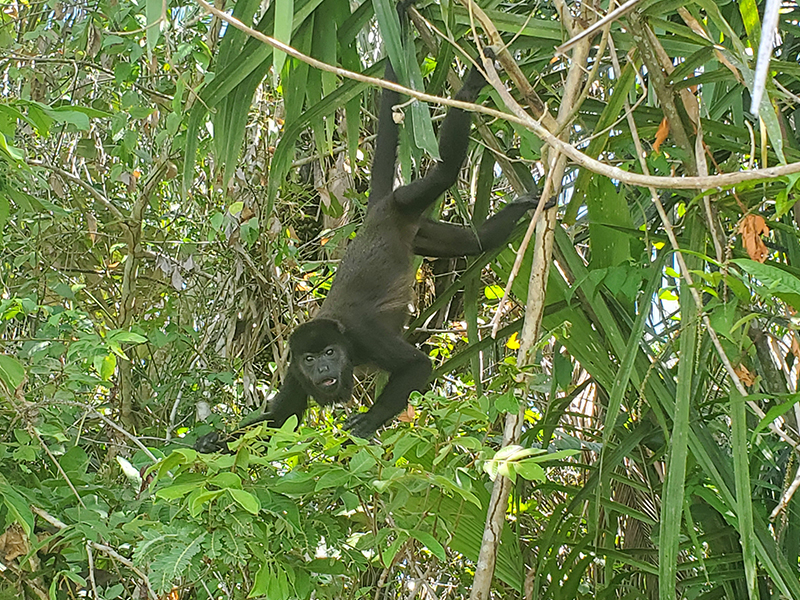
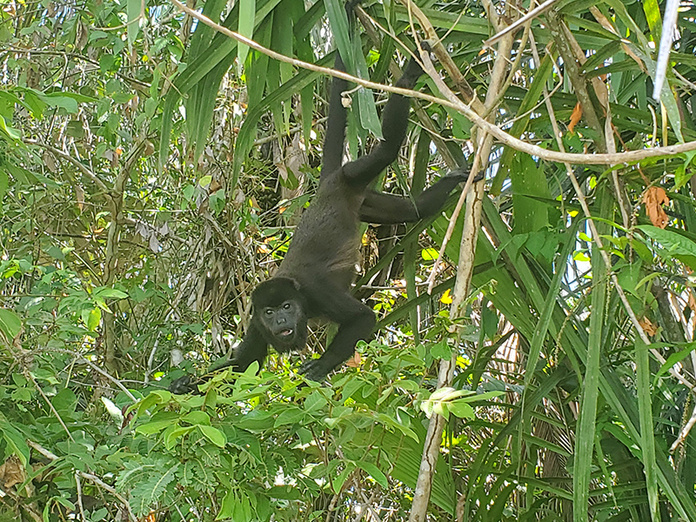
Dans la canopée panaméenne, le singe hurleur se laisse parfois apercevoir entre les feuillages © Terra Panama


Terra Panama : le sur-mesure prend forme sur le terrain
Retrouvez toute l’actualité du Panama :

● NOUVEAU – LinkedIn Terra Panama

→ 3 posts par semaine

● Blog Terra Panama

→ 1 à 2 articles par mois

Contactez-nous pour toutes vos demandes de séjours au Panama par mail :

[email protected]

par téléphone au +33 1 89 70 30 46

ou via nos réseaux sociaux

linkedin instagram

>> Terra Caribea dans l’Annuaire DESTIMAG


China Transforms Benin’s Historic Slave-Trade Site into a Marina

The Beninese government is seeking to transform what was once a pivotal site along the “Slave Route” into a sprawling port complex named “La Marina,” with the backing of China. This colossal project unfolds in Ouidah, a southern coastal town in Benin located about 40 kilometers from the economic capital Cotonou, and is being built by the state-owned Chinese company Yunnan Construction and Investment Holding Group.

According to the South China Morning Post, the works are financed by two loans extended by the Bank of China and the Industrial and Commercial Bank of China, totaling more than €257 million.

The tourist site, which is expected to open this year, features a 3,500-seat open-air arena, a life-size replica of a slave ship, luxury hotels including the Dhawa Ouidah, a four-star 132-room property, as well as 4 kilometers of underwater breakwaters designed to calm the sea for visitors.

Ouidah, a historic site at the heart of the slave trade

If this project is attracting attention, it is also because of the historical weight of the site. Ouidah, a coastal town located about forty kilometers west of Cotonou, was one of the main ports of the transatlantic slave trade.

Nearly 2,000,000 Africans enslaved were taken along the two-kilometer “Slave Route” connecting the place of sale to the beach, before passing through the “Door of No Return,” a monumental triumphal arch that still stands today at the spot where enslaved people boarded. By turning this historic site into a tourist complex, the Beninese government aims to attract Afro-descendant tourists from around the world.

Benin, a new arena of Chinese influence in Africa ?

This project sits within a broader Chinese strategy to expand influence across the African continent. Across Africa, Beijing has stepped up investments in cultural and tourist infrastructures. South China Morning Post recalls in particular funding for Senegal’s National Grand Theater, the Algiers Opera, and the modernization of Ghana’s National Theatre.

In the case of the La Marina project in Benin, it is the government itself that has entrusted the construction of the complex to Chinese state-owned enterprises. In the medium term, Cotonou hopes to raise the number of visitors to 3,000,000 per year.