
Delayed Flight and Ticket Repurchased by the Customer: Why Mediation Split the Difference [ABO]


Vol retardé et billet racheté par le client : pourquoi la Médiation a coupé la poire en deux - Depositphotos.com, dexteris

CroisiEurope


A traveler approached the Mediation following a significant delay on their return flight Tunis – Lyon in November 2024.

They requested reimbursement for the tickets repurchased in an emergency as well as compensation for the additional costs incurred.


The passenger had booked a stay in Tunisia as part of a package tour.

The return flight experienced a particularly long delay, estimated at more than 16 hours according to flight-tracking data.

Significant disruptions were reported at Tunis airport at the same time, linked to technical problems affecting operations.

Given the need to return to France on the scheduled date, the traveler purchased a ticket with another carrier for about €1,810.


What the texts say:

Legally, the Tourism Code provides that the organizer of a package tour is strictly liable for the proper performance of the services provided under the contract.

In case of non-performance of a service, the organizer must provide assistance to the traveler (accommodation, support during the wait, etc.).

The text also states that if the professional does not remedy the situation within a reasonable time, the traveler may address the issue themselves and request reimbursement of the necessary expenses. These costs must however remain proportional to the initial service.

In this case, purchasing a replacement airline ticket is justified by the need to return, but the amount is deemed high in light of the price of the initial package.

By contrast, the file shows that the assistance provided during the delay was insufficient.


What the Mediation Tourism and Travel recommends:

In these conditions, the Mediation determined that compensation was justified and recommended the partial reimbursement of the repurchased tickets to the amount of €905.07, i.e., about half of the sum spent.


Find all the practical cases from the Mediation Tourism and Travel by clicking HERE.

Living with Peacocks? A Small Italian Village Split on the Issue

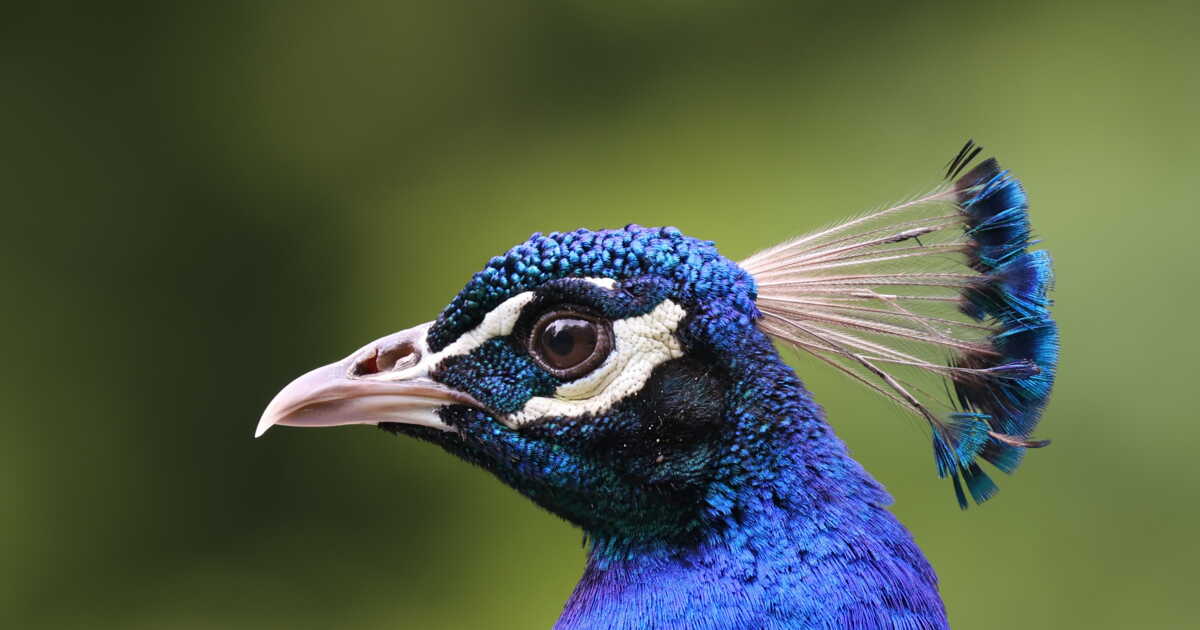
In a quirky take on Alfred Hitchcock’s The Birds, dozens of peacocks promenade through the streets of a small Italian village, driving residents crazy with their mating calls. We can see these birds, with their long iridescent tails, perched on roofs and fences in Punta Marina, a seaside village in the Emilia-Romagna region near Ravenna.

The city’s prestigious mosaics from the ancient era bear witness to the birds’ presence in the region for centuries. Although there has been no official census in the village, these birds are believed to number around 120 in Punta Marina, where no predator seems to bother them.

But for Marco Manzoli, 81, a retired bus driver, it is mainly troublemakers that produce a lot of droppings. “Their population has exploded over 30 years and is now too large: they disrupt sleep, hinder traffic and soil the ground with droppings that resemble ice cream, in which people end up walking.”, he told AFP TV.

Not far away, six peacocks stroll nonchalantly at a crossroads, admiring their reflection in parked cars and shop windows. “The peacocks climb onto cars… and scratch them,” adds Mr. Manzoli, fearing that “tourists will stop vacationing unless they have a garage to park their car”.

The baker Claudio Ianiero, 64, told AFP TV that the peacocks had long lived in a pine grove behind the village, but they had begun seeking shelter from predators by nesting in the gardens of abandoned houses. “There they have many natural enemies, such as wolves and foxes. Here, however, they have none, and they are proliferating at a pace that’s difficult to control”, he said.

The Formation of Two Camps

As a peacock approached the bakery window, eyeing the butter croissants on display inside, Ianiero dismissed alarmist reports in the media about an invasion, a health emergency, or a forced exodus of residents.

The baker, who specializes in peacock-shaped cookies among other specialties, says that residents have lived in harmony with these birds for years. These crest-bearing birds, with their countless shades of blue, are “something magical” for Punta Marina, he believes.

But for Mara Capasso, a 57-year-old supermarket cashier, the issue of peacocks “has split the town into two camps”. She notes that some neighbors are awakened every night by the birds’ mating cries. The peacocks should be “taken to pine forests, woods, places where they can live in their natural habitat, because they should never live on concrete”, she continues.

Over the years, the Ravenna city hall, which oversees Punta Marina, has considered various strategies for managing the bird population. A relocation attempt in 2022 failed, largely due to opposition from animal-rights groups. This initiative could well bear fruit today, as “we are receiving adoption offers from all over Italy”, assures Mr. Ianiero.

Although the municipality launched a 2024 campaign to raise awareness among residents and visitors about coexisting with peacocks, including a request not to feed them, Emanuele Crescentini, a local resident, thinks more needs to be done.

Mr. Crescentini, 50, has dubbed himself the “forest ranger” of the peacocks, roaming the streets to shield the birds from inhabitants’ anger. “There is plenty of space in Punta Marina, they could spread out everywhere without causing any trouble”, he notes. “We could set an example of smart and mature coexistence. It’s entirely possible”, he adds.