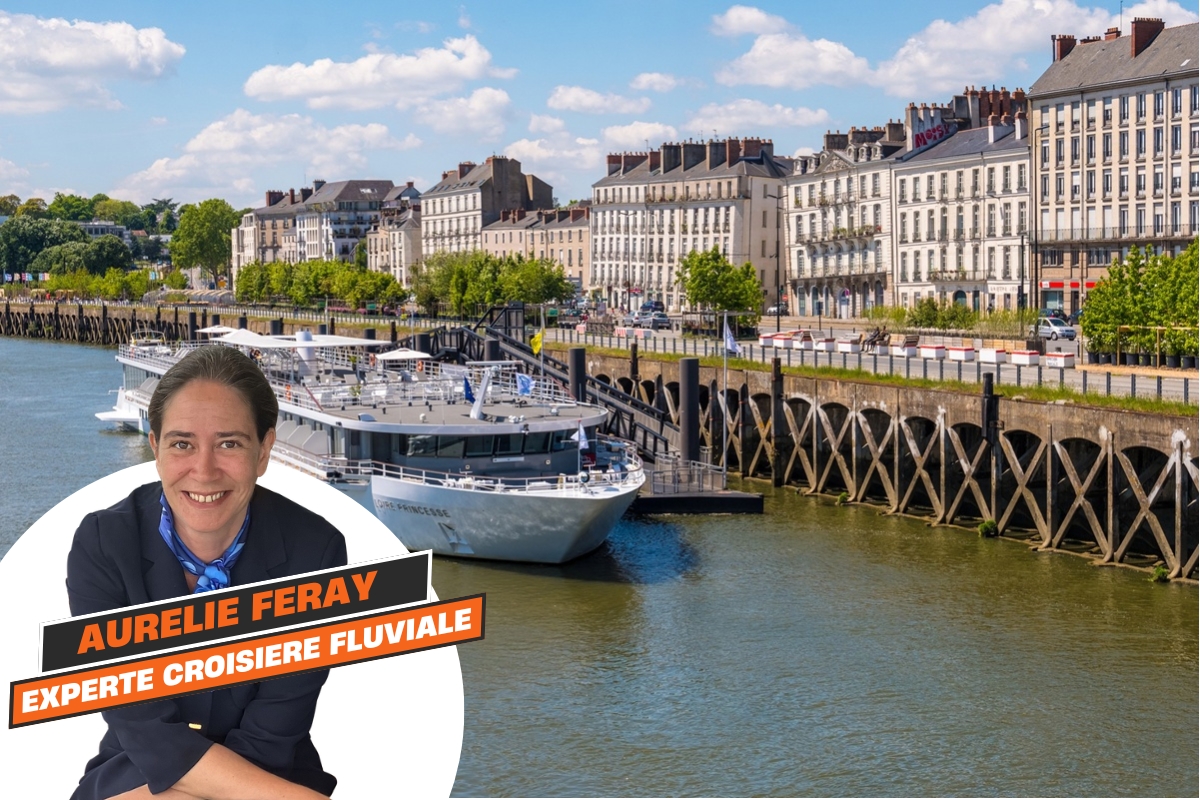


I didn’t wear the stripes, but I was in charge of my destination. For nearly twenty years, that sentence summed up my daily life as a port-of-call manager.
Over the seasons, some captains even greeted me with a smile: “The Pitbull of Caudebec has arrived!”
A nickname given with much affection, because they knew that, if I could help them, I would always do so. But they also knew that when it was time to remind a safety rule, enforce a procedure or settle a delicate situation, I would not yield.
At the time, this sometimes led to some lively discussions. Today, when I meet some of these captains, they tell me again about those little frictions, laughing. It just shows that they mostly gave way to a genuine relationship of trust.
I wasn’t a captain. I wore no insignia. Yet I was responsible for everything that awaited the ship on land. And that is perhaps the most beautiful definition of the job of a port-of-call manager.
Over the seasons, some captains even greeted me with a smile: “The Pitbull of Caudebec has arrived!”
A nickname given with much affection, because they knew that, if I could help them, I would always do so. But they also knew that when it was time to remind a safety rule, enforce a procedure or settle a delicate situation, I would not yield.
At the time, this sometimes led to some lively discussions. Today, when I meet some of these captains, they tell me again about those little frictions, laughing. It just shows that they mostly gave way to a genuine relationship of trust.
I wasn’t a captain. I wore no insignia. Yet I was responsible for everything that awaited the ship on land. And that is perhaps the most beautiful definition of the job of a port-of-call manager.
A profession that goes unnoticed… until it does not exist
 Contrary to common belief, a port-of-call manager isn’t there to greet a ship. They are there to prepare its arrival.
Well before the vessel docks, they coordinate local stakeholders, anticipate difficulties, share useful information and ensure that everyone has the elements they need to work calmly.
The captain is responsible for his ship, his crew, his passengers and on-board safety.
The port-of-call manager is responsible for onshore reception conditions.
Two different responsibilities, one common goal: to offer a smooth, safe and enjoyable call. And above all, to entice companies to come back!
Anticipate rather than repair
We often imagine that our job consists of solving problems. In reality, our greatest achievement is precisely preventing them.
I recall the commissioning of a new pontoon. The first vessel was due to arrive around four in the morning. I was on the quay. The Seine pilot, surprised to see me at that hour, said: “What are you doing here?” I simply replied: “It’s the first use of this pontoon. I want to see how the maneuver and the docking unfold.”
Once the boat was moored, I felt reassured. I knew I could tell the following captains that everything worked perfectly.
This scene perfectly sums up this profession: being present before a problem arises, checking before reassuring, observing before asserting.
A demonstration, works, a change in circulation, a power outlet out of service or important information for the crews… nothing should be discovered at the last minute.
And when an unforeseen event occurs despite everything, of course we must find a solution, but above all understand why it happened so it does not recur.
A procedure to clarify, information to convey earlier, an organization to adjust: every difficulty should help improve the next call.
I recall the commissioning of a new pontoon. The first vessel was due to arrive around four in the morning. I was on the quay. The Seine pilot, surprised to see me at that hour, said: “What are you doing here?” I simply replied: “It’s the first use of this pontoon. I want to see how the maneuver and the docking unfold.”
Once the boat was moored, I felt reassured. I knew I could tell the following captains that everything worked perfectly.
This scene perfectly sums up this profession: being present before a problem arises, checking before reassuring, observing before asserting.
A demonstration, works, a change in circulation, a power outlet out of service or important information for the crews… nothing should be discovered at the last minute.
And when an unforeseen event occurs despite everything, of course we must find a solution, but above all understand why it happened so it does not recur.
A procedure to clarify, information to convey earlier, an organization to adjust: every difficulty should help improve the next call.
The bridge between the shore and the sea
The port-of-call manager is above all a facilitator.
They understand the constraints of captains and crews, but also those of local authorities, tourism offices, merchants, sightseeing sites, technical services, quay managers and security services.
They must know how to speak all languages: the language of the shore, that of elected officials, that of tourism, and that of economic partners.
Their role is to circulate information, foster understanding and build a relationship of trust, because a successful call does not rest solely on a quay or infrastructures: it rests above all on the women and men who make it possible.
They understand the constraints of captains and crews, but also those of local authorities, tourism offices, merchants, sightseeing sites, technical services, quay managers and security services.
They must know how to speak all languages: the language of the shore, that of elected officials, that of tourism, and that of economic partners.
Their role is to circulate information, foster understanding and build a relationship of trust, because a successful call does not rest solely on a quay or infrastructures: it rests above all on the women and men who make it possible.
A deeply human adventure
For nearly twenty years, the captains taught me as much as I offered them. They knew their vessel inside out; I knew my territory inside out.
As the seasons passed, a genuine relationship of trust was built.
Some captains would simply call me on arrival: “Hello Aurélie, we’re arriving soon!”
Of course, we spoke about the call. But I also had the chance to share with them the major moments of their lives. I was invited to weddings, to baptisms, I shared their joys as well as their worries. I even received a photo of a newborn before the company was informed.
Sometimes, a simple glance or a simple call was enough to understand that we needed to adjust an organization or to convey information before it became a problem.
This trust, built call after call, is surely the most beautiful reward of this job. Because beyond the quays, the procedures and the schedules, there are above all women and men who pursue the same objective.
As the seasons passed, a genuine relationship of trust was built.
Some captains would simply call me on arrival: “Hello Aurélie, we’re arriving soon!”
Of course, we spoke about the call. But I also had the chance to share with them the major moments of their lives. I was invited to weddings, to baptisms, I shared their joys as well as their worries. I even received a photo of a newborn before the company was informed.
Sometimes, a simple glance or a simple call was enough to understand that we needed to adjust an organization or to convey information before it became a problem.
This trust, built call after call, is surely the most beautiful reward of this job. Because beyond the quays, the procedures and the schedules, there are above all women and men who pursue the same objective.
A responsibility in service of an entire destination
The port-of-call manager is probably one of the few professionals who works for cruise lines, crews, local authorities, tourism offices, merchants, sightseeing sites and, of course, passengers, all at once.
Their role is to bring together all these interests toward a common goal: a successful call.
When crews are well welcomed, they work in better conditions.
When local actors are informed and coordinated, visitors fully enjoy the destination.
When companies find reliable interlocutors, they naturally want to return.
Cruise passengers, for their part, generally will never meet the port-of-call manager. And that is rather good news. Because when a call is perfectly prepared, everyone can simply enjoy their day without imagining all that happened behind the scenes.
Passengers will carry memories of a wonderful discovery; companies will remember a destination where it is easy to work; and crews will run into, call after call, familiar faces.
Because at heart, a successful call is not only the one where no one noticed any difficulties. It is also the one where you want to return, as much for the destination as for the women and men who bring it to life.
Read also: Our special dossier dedicated to river cruising
Their role is to bring together all these interests toward a common goal: a successful call.
When crews are well welcomed, they work in better conditions.
When local actors are informed and coordinated, visitors fully enjoy the destination.
When companies find reliable interlocutors, they naturally want to return.
Cruise passengers, for their part, generally will never meet the port-of-call manager. And that is rather good news. Because when a call is perfectly prepared, everyone can simply enjoy their day without imagining all that happened behind the scenes.
Passengers will carry memories of a wonderful discovery; companies will remember a destination where it is easy to work; and crews will run into, call after call, familiar faces.
Because at heart, a successful call is not only the one where no one noticed any difficulties. It is also the one where you want to return, as much for the destination as for the women and men who bring it to life.
Read also: Our special dossier dedicated to river cruising
About Aurélie Feray
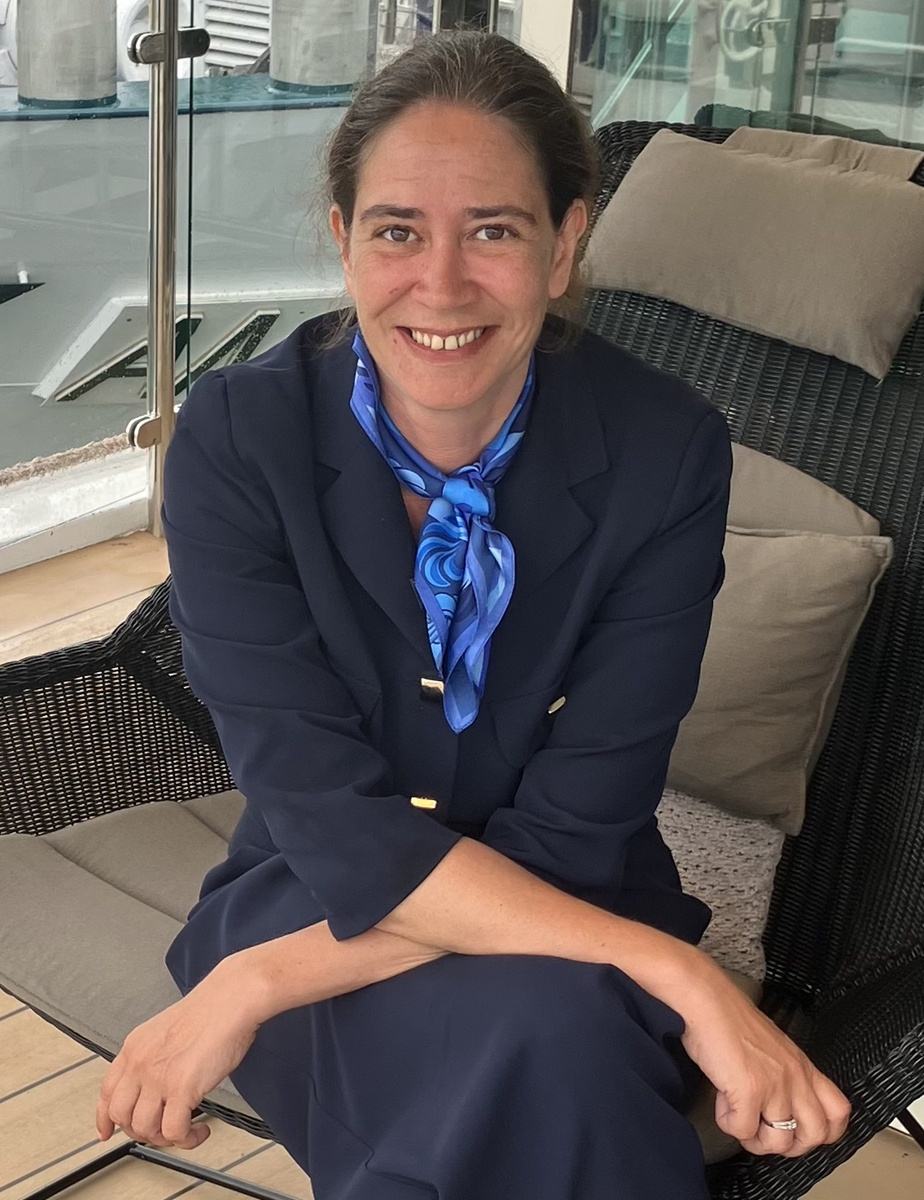
Founder of’AF Fluvial Conseil, Aurélie Feray supports territories and actors in river tourism on the challenges of port calls, passenger experience and tourism development.
Through her chroniques, she shares a ground-level view of the backstage of river tourism, the functioning of port calls and the links between boats, crews, destinations and travelers.
Contact : [email protected]
Through her chroniques, she shares a ground-level view of the backstage of river tourism, the functioning of port calls and the links between boats, crews, destinations and travelers.
Contact : [email protected]