
SAS Optimizes Ticket Prices with Amadeus AI


SAS optimise le prix de ses billets grâce à l’IA d’Amadeus - Depositphotos.com, Boarding2Now

Costa Rica


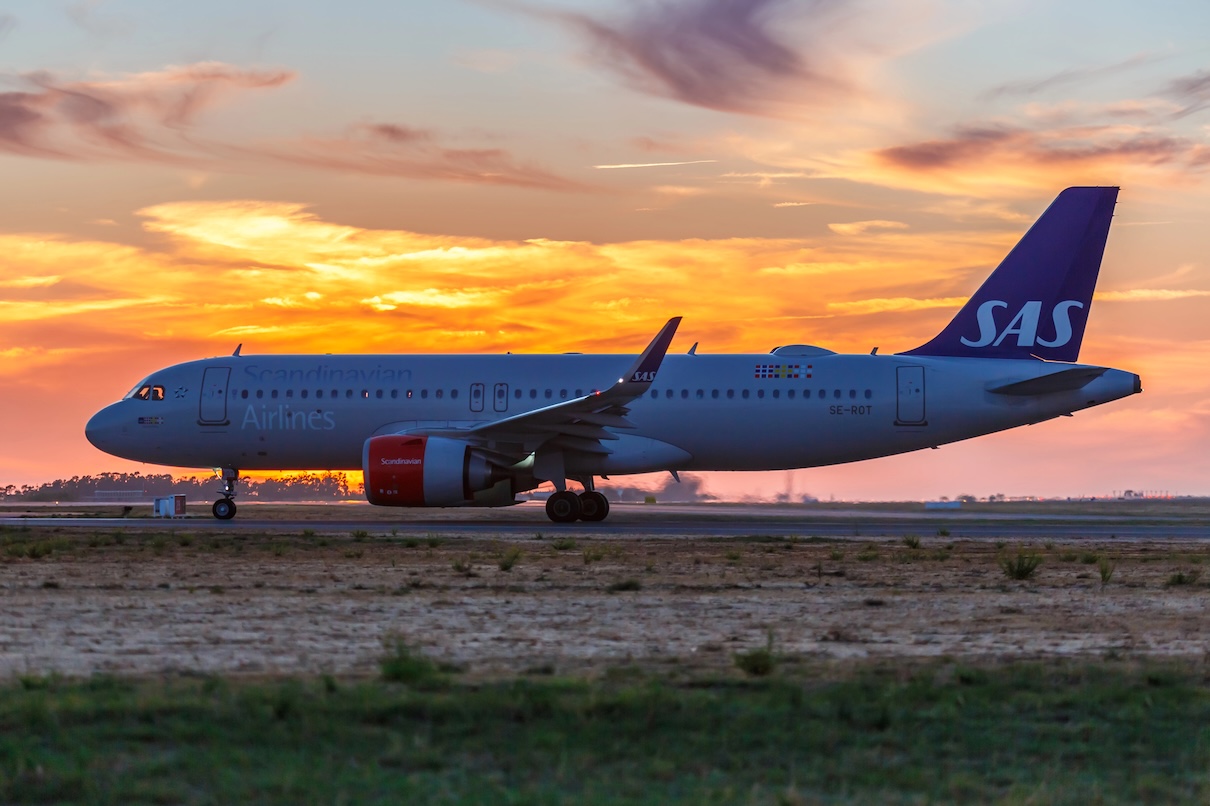
Scandinavian Airlines (SAS) s’appuie désormais sur l’intelligence artificielle pour optimiser la tarification de ses billets.

The airline has rolled out the Amadeus Air Pricing Optimization (AAPO) solution across its entire network.

In markets where the tool is already used via SAS’s website and its NDC distribution channels, Amadeus reports an average revenue uplift for the carrier of more than 3%. The technology provider does not specify the exact scope of markets involved nor the reference period used to measure this progression.

AAPO leverages artificial intelligence as well as real-time data to adjust fares according to demand and market context.

The objective is to enable SAS to gradually move away from a model based on booking classes with predefined fares, in favor of pricing that is more continuous and evolving.


Prices Adjusted More Gradually

For travelers, this evolution should especially make the booking experience more readable, according to Amadeus.

The prices can move more fluidly in response to demand, aiming to limit sharp gaps between different fare classes.

This approach should contribute to strengthening the transparency of the purchasing journey and passengers’ confidence when selecting their ticket.

The solution also enables commercial and revenue-management teams to reduce reliance on manual adjustments. Prices can be continuously modified as demand evolves, within pricing strategies and guardrails defined by the airline.


A Step in the Modernization of Air Distribution

With this deployment, Amadeus also aims to illustrate one of the growing uses of artificial intelligence in the aviation sector: analyzing large volumes of data to automate and refine certain commercial decisions.

The group says it intends to support this evolution within a governance framework anchored notably in its AI Office and through strategic partnerships.

For SAS, the challenge now is to continue integrating these tools into a more flexible distribution strategy while maintaining human oversight over the rules and boundaries that govern pricing.


Amelia Brille Published by Amelia Brille TourMaG.com Editor
See all articles by Amelia Brille

  • picto Linkedin
  • picto email
Add TourMaG to your Google News feed Google Actualités icône  

Delayed Flight and Ticket Repurchased by the Customer: Why Mediation Split the Difference [ABO]


Vol retardé et billet racheté par le client : pourquoi la Médiation a coupé la poire en deux - Depositphotos.com, dexteris

CroisiEurope


A traveler approached the Mediation following a significant delay on their return flight Tunis – Lyon in November 2024.

They requested reimbursement for the tickets repurchased in an emergency as well as compensation for the additional costs incurred.


The passenger had booked a stay in Tunisia as part of a package tour.

The return flight experienced a particularly long delay, estimated at more than 16 hours according to flight-tracking data.

Significant disruptions were reported at Tunis airport at the same time, linked to technical problems affecting operations.

Given the need to return to France on the scheduled date, the traveler purchased a ticket with another carrier for about €1,810.


What the texts say:

Legally, the Tourism Code provides that the organizer of a package tour is strictly liable for the proper performance of the services provided under the contract.
In case of non-performance of a service, the organizer must provide assistance to the traveler (accommodation, support during the wait, etc.).

The text also states that if the professional does not remedy the situation within a reasonable time, the traveler may address the issue themselves and request reimbursement of the necessary expenses. These costs must however remain proportional to the initial service.

In this case, purchasing a replacement airline ticket is justified by the need to return, but the amount is deemed high in light of the price of the initial package.

By contrast, the file shows that the assistance provided during the delay was insufficient.


What the Mediation Tourism and Travel recommends:

In these conditions, the Mediation determined that compensation was justified and recommended the partial reimbursement of the repurchased tickets to the amount of €905.07, i.e., about half of the sum spent.


Find all the practical cases from the Mediation Tourism and Travel by clicking HERE.


One Trip, One Ticket: The EU Project to Simplify Train Travel Unveiled in Brussels

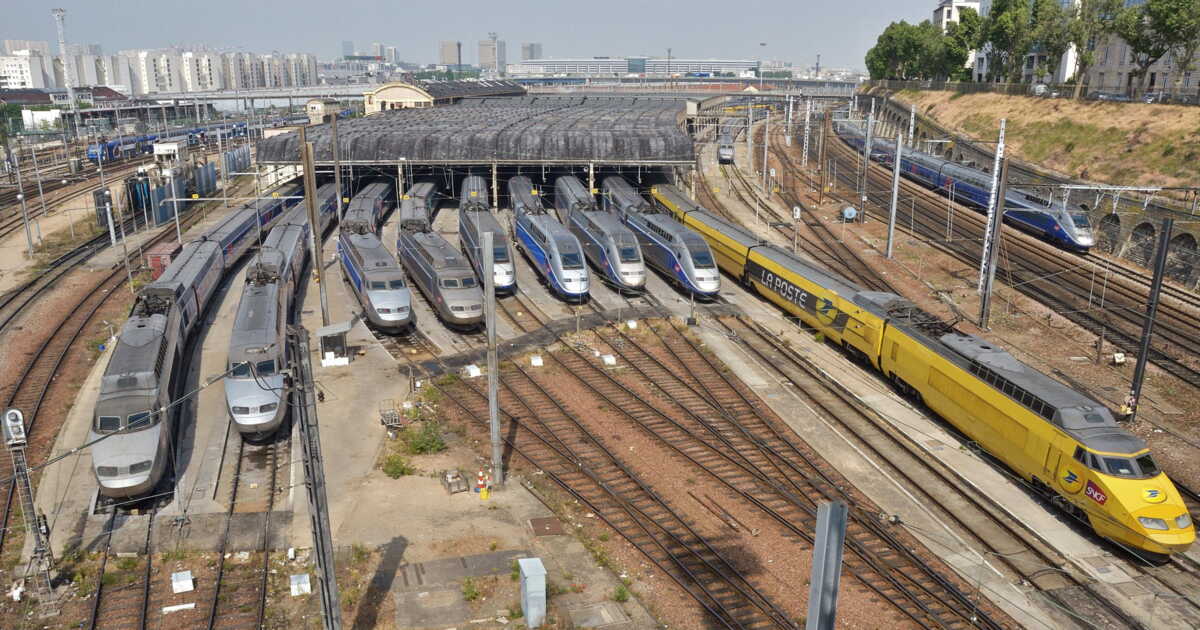
Streamlining train bookings has long been a perennial pipe dream in the European Union (EU), despite regular calls to end the fragmentation of the rail network across twenty-seven national systems, which makes travel unnecessarily complicated and costly.

The growth of rail, however, remains crucial for Europe’s climate ambitions. At the outset of her second term in July 2024, the President of the Commission, Ursula von der Leyen, had pledged a single, unified booking system.

To turn this ambition into reality, Brussels is poised, according to sources close to the matter, to table a proposal that would compel operators to sell the tickets of their rivals on their own websites and to share their data with booking platforms.

Currently, “booking cross-border rail travel in Europe remains unnecessarily complicated”, notes Vivien Costanzo, a German member of the European Parliament from the Social Democrats. “A European rail system needs simple reservations, reliable connections, and clear rights for passengers. It is only under these conditions that rail will become a genuine European alternative to short-haul flights”, she warns.

But the proposal is likely to meet fierce opposition from national operators. In Brussels, the “European Rail Community” (ERC), a lobby of EU operators, denounces an “unprecedented interference” by the Commission. “I know of no case where anyone is forced to sell a competitor’s product. Imagine Lufthansa being forced to sell Ryanair tickets”, says Alberto Mazzola, an ERC official interviewed by AFP.

The Network Has Shrunk

Train tickets in Europe are currently primarily sold by national operators. The new legislation would require them to display offers from other companies, enabling passengers to compare prices and book a trip in one go.

A 2025 YouGov survey for the NGO Transport & Environment (T&E) shows that nearly two in three people forego a trip because the booking process is too complex. Studies also indicate that booking a train journey takes on average 70% more time than booking a flight. “With more competition in rail, passengers will benefit from better services and lower prices”, says Jan-Christoph Oetjen, a centrist Member of the European Parliament.

The Commission should also update passenger rights in cases of missed connections, regarding compensation or flexibility to board the next train.

This initiative comes as the war in the Middle East has driven up kerosene prices and raised concerns about supply difficulties for the aviation sector during Europe’s peak tourist season. It could offer railway operators the “opportunity” to “change the narrative” around international train travel and to invest in improving services, believes Victor Thévenet of Transport & Environment.

Rail accounted for only 0.3% of the transport sector’s greenhouse gas emissions in Europe in 2022, compared with nearly 12% for civil aviation. But between 1990 and 2021, the EU railway network shrank by more than 12,000 kilometers, eurodeputies lamented in 2024, vowing to halt this trend.