Where to Travel to See the World’s Oldest Living Beings

What if your next trip could bring you face to face with living beings that have endured for thousands, even hundreds of thousands of years? From California’s forests to the depths of the Mediterranean, certain sites shelter exceptional witnesses to Earth’s history. Monumental trees, centenarian animals, and plants capable of surviving in extreme conditions offer as many discoveries for travelers eager to stray from the beaten path. Here are ten destinations listed by CNN where you can observe these astonishing survivors, sometimes at the heart of spectacular landscapes.

Des forêts américaines aux îles méditerranéennes, sur les traces des doyens végétaux

Head to California, in the western United States, to encounter one of the planet’s oldest living trees. In the White Mountains, the Western Bristlecone Pine, also known as the Methuselah Pine (Pinus longaeva), is believed to be around 5,000 years old. Regarded as the oldest non-clonal living organism known, it owes its name to the biblical figure famed for living 969 years. Its exact location remains secret to prevent damage, but a 7.2–kilometer hike through the Inyo National Forest allows visitors to discover other multi‑millennial bristlecones. Their gnarled silhouettes rise on arid ridges, in a landscape that reminds us some trees stood before the construction of the pyramids of Egypt.

Another atmosphere in Utah, where the Trembling Giant, or Pando, spans over more than 40 hectares. This colony brings together nearly 50,000 quaking aspen (Populus tremuloides) that are genetically identical, linked by a shared root system. It is therefore a single organism, with an age estimated at around 80,000 years. To discover this vegetal giant, travelers can stay in a campground located at the heart of the Fishlake National Forest. When the wind rustles the leaves of thousands of trunks, the sound of this forest takes on a unique dimension.

In Europe, head to Crete, Greece, where an olive tree in the village of Vouves still bears olives after about 2,000 to 3,000 years of existence. Its massive, weathered trunk attracts artists, politicians, and visitors fascinated by its longevity. A museum dedicated to traditional olive harvesting methods also reveals the importance of this tree in the island’s agricultural history, once at the heart of Minoan civilization.

In Germany, in Hildesheim, a rose about 1,200 years old grows against the Saint Mary’s Cathedral. According to tradition, it was planted in 815. Despite the bombings of the Second World War that left the building in ruins, it survived and now reaches more than nine meters in height. To see it in bloom, plan a visit at the end of May or the beginning of June.

Des Andes à l’Antarctique, des rencontres rares au bout du voyage

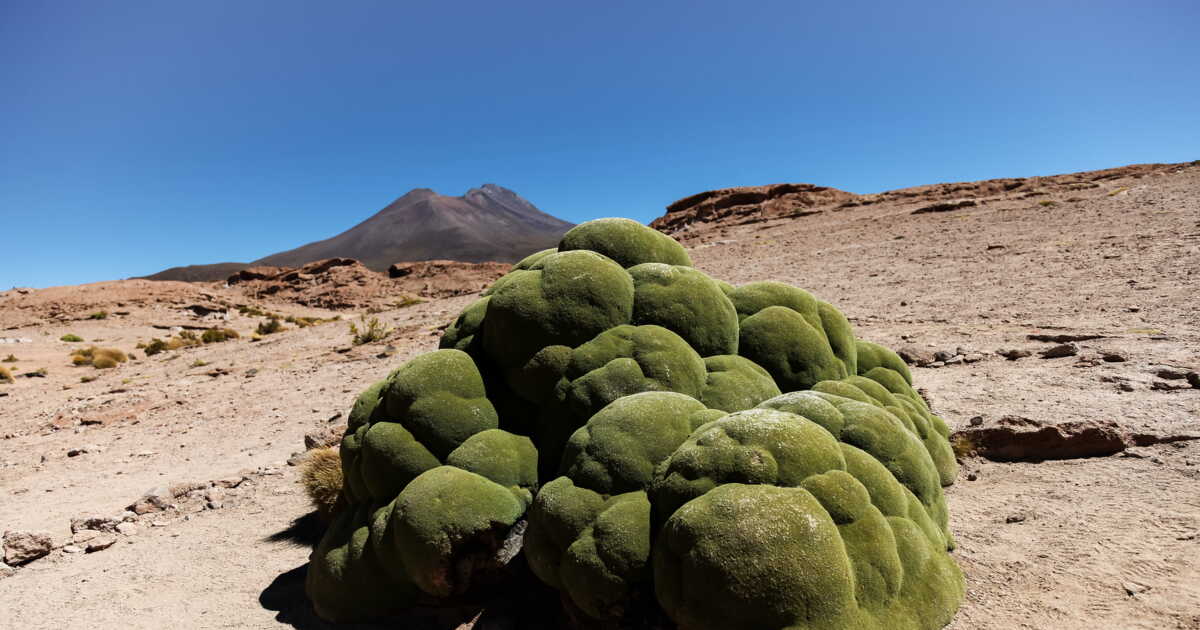
Fans of more unusual destinations can set off to explore the Andes, spanning Peru, Bolivia, northern Chile, and western Argentina. At high altitude, the yareta (Azorella compacta) forms vibrant green masses that resemble rocks covered with moss. This plant from the Apiaceae family withstands freezing temperatures, wind, and drought. Its growth is so slow that it gains only about one meter in a century. The largest specimens could thus reach 3,000 years. Once burned as fuel, it is now protected in several South American countries.

For an underwater discovery, head to Formentera, the smallest of Spain’s Balearic Islands. Off its shores, a posidonia meadow (Posidonia oceanica) stretches for nearly 16 kilometers. This organism, which reproduces clonally, would be around 200,000 years old and ranks among the oldest living organisms known. Diving and snorkeling allow exploration of this Mediterranean ecosystem. On land, visitors can also explore the island, discover its caves and lighthouses, far from the bustle of neighboring Ibiza.

For the more seasoned travelers, the journey can extend to Antarctica. In the icy waters of the McMurdo Sound, volcanic sponges (Anoxycalyx joubini) could have lived for around 15,000 years. Their age is estimated from their size and exceptionally slow growth. They can reach up to two meters tall and grow between 15 and 150 meters in depth, in a habitat populated by small crustaceans, worms and starfish. Only experienced divers, accompanied by operators capable of organizing dives under the ice, can hope to observe them.

Other encounters are more accessible. On Saint Helena, in the South Atlantic, Jonathan, a Seychelles giant tortoise, was born around 1832. Now about 194 years old, he still lives on the governor’s estate, where he was brought in 1882.

In the Pacific, Midway Atoll, northwest of the Hawaiian archipelago, hosts Wisdom, a Laysan albatross of about 75 years. Since its banding in 1956, the female is believed to have flown more than 4.8 million kilometers in her life and raised at least 30 chicks. The bird regularly returns to this atoll to breed, despite a journey marked by surviving a tsunami.

Finally, in Sri Lanka, the Mahamevnawa gardens in Anuradhapura host Jaya Sri Maha Bodhi, a sacred fig tree around 2,300 years old. Derived from a cutting taken from the tree beneath which Buddha is said to have attained enlightenment, it is regarded as the oldest planted tree with a documented date. Today, pilgrims and visitors still come to pay homage, especially on full moon days.

Whether hiking in the mountains, staying on islands, or setting off on polar expeditions, these destinations add a new dimension to travel: that of meeting organisms that existed long before us and whose preservation is a major challenge.
Rome: The Art of Living Beyond the Must-See Attractions


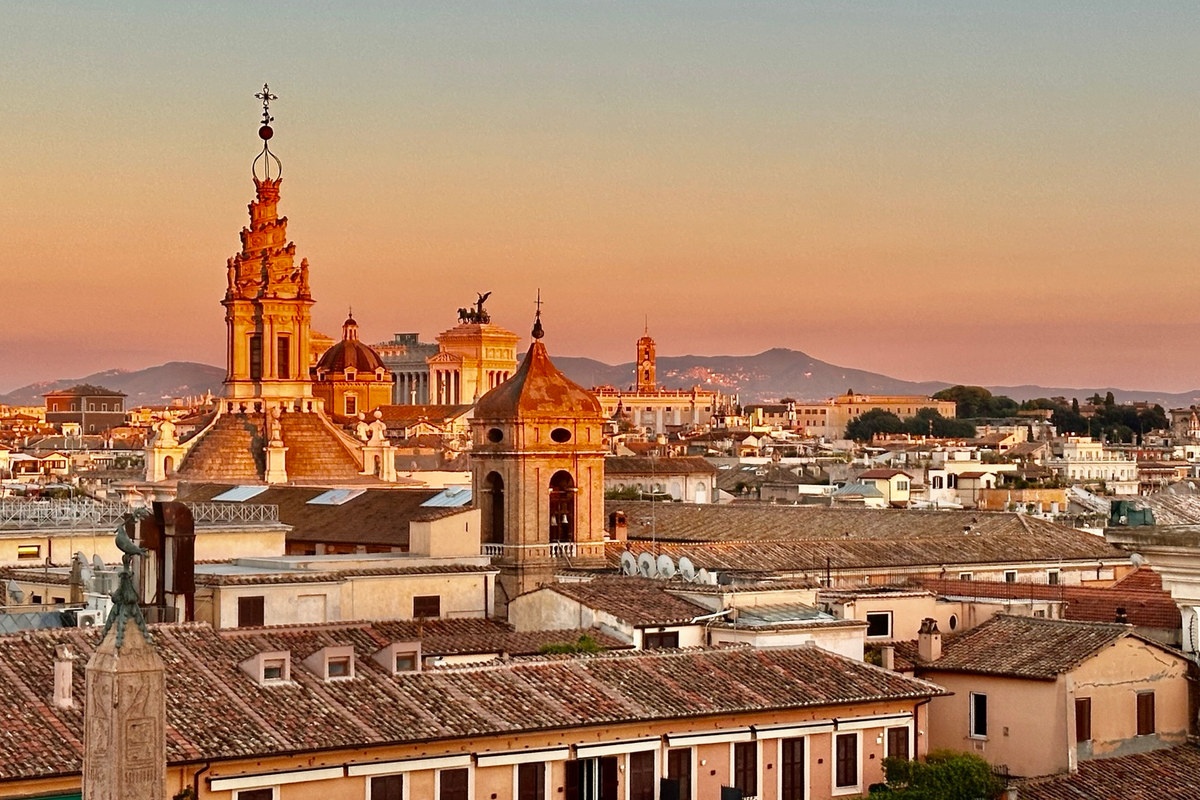
Les toits de Rome au coucher du soleil, depuis les terrasses de Borromini - Photo : Sébastien Cros

Aer Lingus


One evening in Rome, music ascends to our terrace from the gardens of the Palazzo Borghese.

Friends joined us downstairs. In the courtyard, a reception unfolds while a violinist accompanies the sunset. We had chosen our hotel with care; no one, however, could have booked this exact blend of light, music, and company.

None of this was on the itinerary. Yet it would become one of the most enduring memories of the stay.

The great monuments certainly had their place in the plan. The Colosseum, the Pantheon, Saint Peter’s, or the Spanish Steps remain must-sees, and it would be odd to claim a different way of traveling would skip them.

But three days in Rome also remind us that between these rendezvous there are moments harder to schedule, and they contribute just as much to the perception of a destination.


Before the monuments, a first encounter

Our first contact with Rome is a driver whose hesitant English does not hinder the conversation in the slightest. Even before our arrival, he sent a welcome message on WhatsApp.

At the airport, we find him among his colleagues, our names on his placard. Hair slicked back, a few days’ beard, he welcomes us warmly and immediately takes Rebecca’s suitcase, my Australian partner, into his care. Mine, I note with amusement, stays in my charge.

We do not always catch his phrases, but the exchange proceeds without difficulty. After a long journey from Australia, this way of receiving guests has already become part of the experience. Before the first façade or the first piazza, Rome has begun with a face.

A few days later, on the terraces of Borromini, another encounter provokes the same feeling. This time our waiter speaks impeccable English. When asked where he comes from, he flips back his long brown hair and reveals a tattoo on his neck: “Roma.” Roman, of course.

His pride makes us smile, as if the question had been almost superfluous. We had gone up for the view. Yet, this gesture remains as present in memory as the city’s rooftops. The panorama told of Rome seen from above; the tattoo said something else: the way some of its inhabitants still seem to belong deeply to their city.


A capital at a neighborhood scale


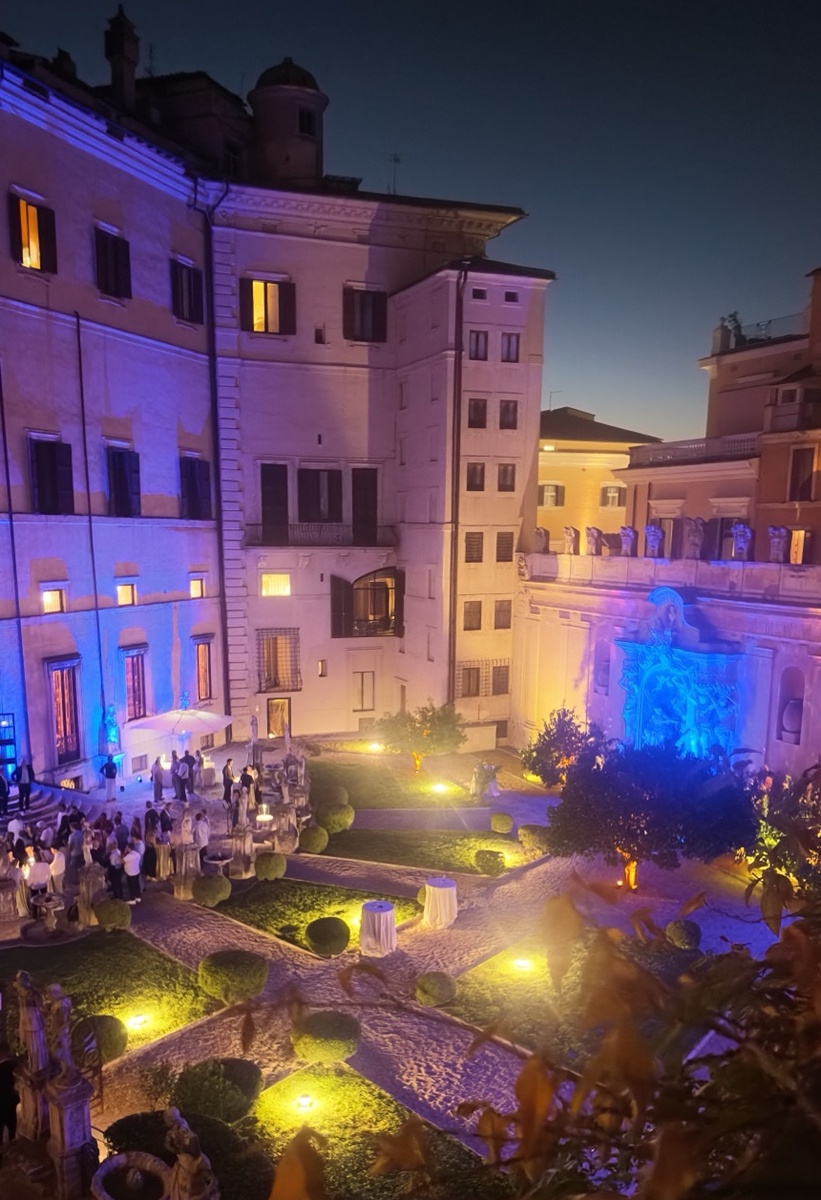
Réception dans le jardin du Palazzo Borghese, vue depuis la terrasse de la suite Borghese au Vilòn - Photo : Sébastien Cros

At six in the morning, it is the gulls that wake us. An espresso on the terrace of the room, the gardens of the Palazzo Borghese before us, and the capital seems to awaken with surprising gentleness.

For a few minutes, Rome takes on almost the dimensions of a Mediterranean town at neighborhood scale, rather than those of a large tourist capital.

This calm also stems from the choice of the anchoring point. Located on via dell’Arancio, in a small street in the historic center, the Vilòn allows walking to much of the center’s sights while, once the door is crossed, offering a real sense of withdrawal.

This is probably the right place for a hotel in a stay like this: not to become the destination, but to allow one to inhabit the city differently, to depart after a pause or to return without feeling they left the center.

Outside, the crowds are indeed present. So this is neither secret Rome nor a capital miraculously spared from tourism.

Yet, between the major visits, attention shifts to much more ordinary scenes: the fish stalls, the fruits and vegetables arranged with care, the elders continuing a conversation, the cafés taken at the counter, the cobblestones, the small fountains where one stops while walking.

Three days obviously cannot understand a city. They can, however, be enough to perceive a rhythm.

When I later ask Martina Avitabile, director of the Vilòn, about this almost village-like impression. She too mentions local shops, familiar faces, and neighborhood habits. “This coexistence between the monumental and what is most ordinary is, in my view, one of Rome’s greatest charms,” she explains.

The phrase sums up quite well what the stay ends up revealing: one can move in minutes from a monument that belongs to world history to a daily scene that could happen in a neighborhood where everyone still knows their routines.


Saint Peter’s, or the part impossible to program


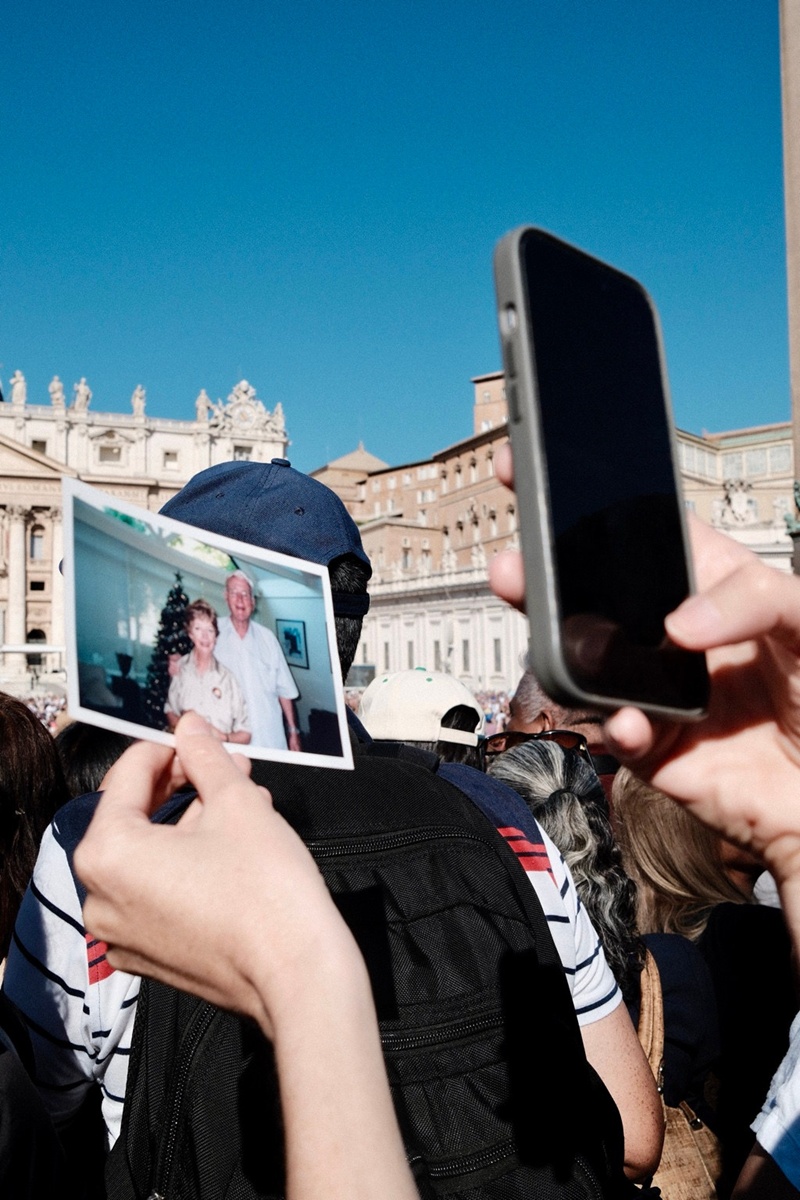
À Saint-Pierre, une photographie familiale accompagne une matinée devenue très personnelle - Photo : Sébastien Cros

On Wednesday, September 16, we head to Saint Peter’s and discover that a general audience of the pope is to be held on the square.

We had not built our stay around this appointment, distinct from a Mass, but decide to stay. When the papal mobile passes a few meters from us, the proximity is surprising.

A figure usually seen on a screen suddenly stands before us, in the middle of the crowd, less than five meters away. We had simply come to discover Saint Peter’s; we now witness a moment we had absolutely not planned.

For Rebecca, my Australian partner, this morning takes on an even more personal dimension. She holds in her hands a photograph of her grandmother, whose funeral takes place that same day in Australia. On St. Peter’s Square, this small portrait suddenly links two scenes separated by thousands of kilometers: a public gathering in the heart of Rome and a family goodbye on the other side of the world.

What was meant to be a visit becomes then a memory impossible to dissociate from the place. This scene speaks to nothing universal about Rome and cannot become a promise made to a traveler. It simply reminds us that an itinerary prepares the conditions of the journey, but it never fully determines what will become the main memory.


Preserving time, another form of personalization


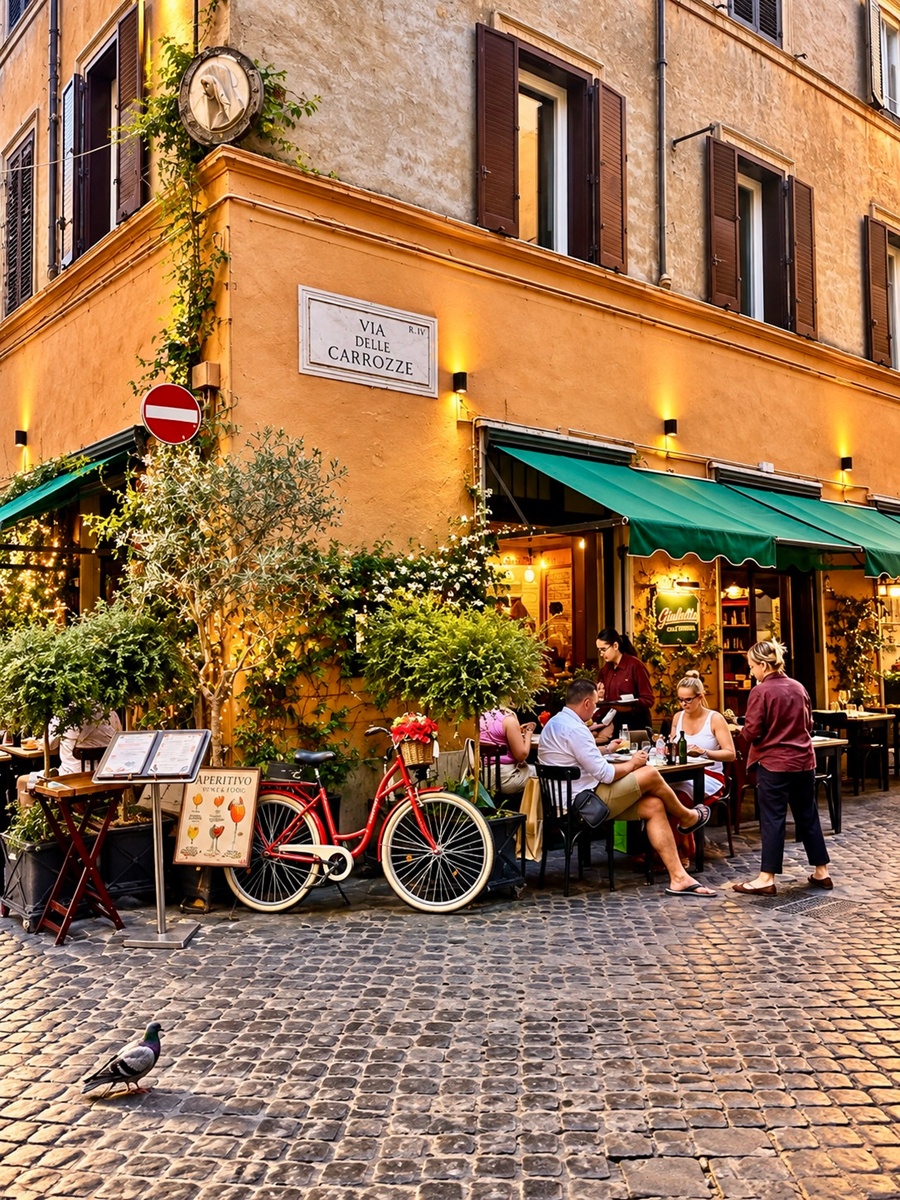
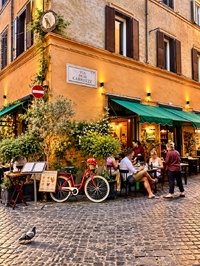
Une terrasse de café via delle Carrozze, dans le centre historique de Rome - Photo : Sébastien Cros

This is where the experience becomes interesting for the travel professional. It obviously isn’t about giving up on preparation.

In a city like Rome, choosing the right accommodation, understanding distances, booking the essential visits, and placing a few good addresses remains decisive.

But the advice can also be to not fill every available hour. A conversation may last longer than expected. A lunch may stretch. A square may tempt you to sit down rather than immediately move to the next stop.

A client may need to return to the hotel before resuming in the evening. Preserving this flexibility does not mean offering less: it acknowledges that customization concerns both the pace of the stay and its content.

Martina Avitabile summarizes this philosophy with a simple idea: leave “room for the unexpected.” A coffee can become a conversation, she explains, an aperitif can turn into dinner, and a ten-minute stroll can become sixty when the city gives you a reason to pause.

For a short break, perhaps this is where another way of advising Rome lies. Not necessarily seeking addresses unknown to all, nor stripping the city of its must-sees, but selecting what truly matters and allowing the traveler to keep enough freedom to encounter what wasn’t planned.

We arrived with a fairly precise idea of what we wanted to see. At departure, the monuments still appear in the photographs. But in the notes we took leaving the city, there are also the gulls waking, a chauffeur, a tattoo on a server’s neck, a photograph held on St. Peter’s Square, and a violin heard from a garden.

Rome had honored our plan. Happily, it had also managed to exceed it.

Can Travel Agencies Still Make a Living?


Devis, service... Pour Eric Beatens, "le temps n’est pas gratuit, il doit être payé" par le client ! - Depositphotos

Climats du Monde


When mention is made of IFTM, the older generation’s eyes brighten as they recall Deauville, the blessed era for a generation.

Champagne flowed freely there; the very upscale seaside resort was privatized by the industry, and even stars would come to energize memorable soirées. Since then, not that the show has lost its luster, but the industry has undergone several mutations that have strongly impacted its business model.

There was zero commission, NDC, the Internet, and the proliferation of online travel agencies. Then producers, notably tour operators, moved into BtoC distribution.

Throughout all this, travel agencies had to carve a path to continue to exist.

“From the moment I bought Centrale Voyages, in March 2024, to today, the fees charged by our agencies, i.e., the honoraria, have collapsed in the corporate sector.

We have reduced the invoicing of our fees touched by ten times over ten years. It is largely due to digital players.

These companies are in conquest mode and will seek to be profitable only in the long term. We still make a living with small businesses, with whom we have a close relationship
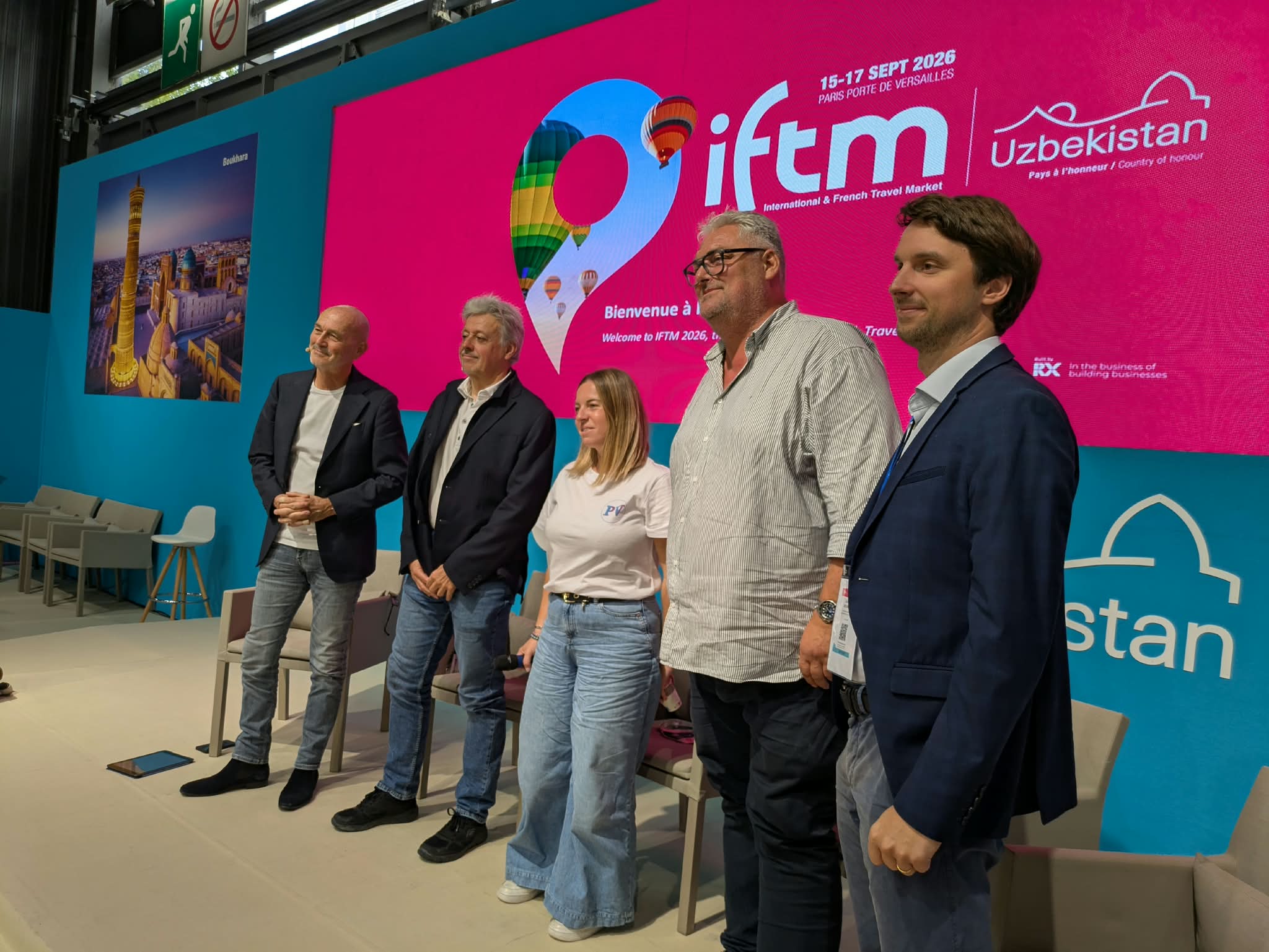
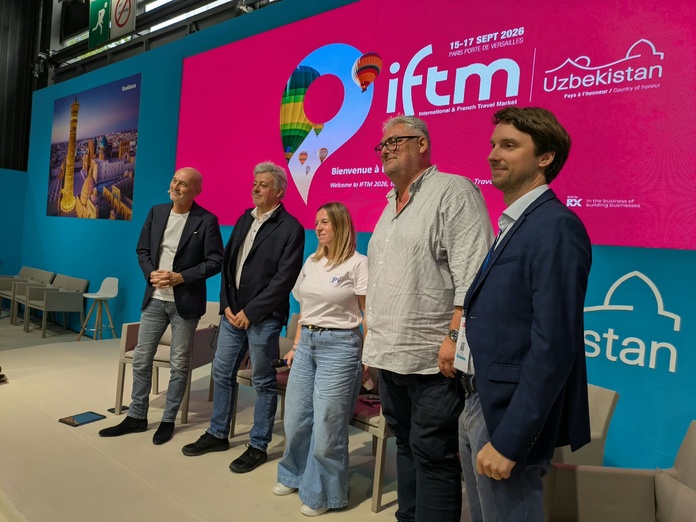
“, explained François Lévêque, CEO of Centrale Voyages, during the conference “Travel Agencies: How to Create Value?” organized at the IFTM on September 17, 2026.


Corporate agency: “we are reaching balance, albeit barely”

The tone on Plus Voyages is not exactly upbeat either.

The agency, which started out purely focused on leisure, has diversified into business travel to the point that this activity now accounts for 70% of its business volume.

A rapid growth that does not come without trade-offs.

“In corporate, we cannot margin. However, we can charge service fees, but the levels are so low that we cannot earn a living.

Then the suppliers’ commissions, we receive them at the end of the year, so we have to wait.

On this activity, we are reaching balance, albeit barely. The leisure side allows us to recover margin, around 10%, and the events side even more, around 25 to 30%, with higher margins“, continued Solenn Le Brazidec, the managing director of the agency.

A finding that seems to hold for mid-sized corporate agencies. The big players in the market, such as Amplitudes and others, manage to stand out thanks to their own technological solutions and volumes.

To improve this situation and generate margin, in order to keep teams in business travel, the leadership of Plus Voyages decided to launch a new brand in… leisure.

Legends of Africa offers tailor-made stays on the African continent, a way to generate added value. But the exercise is not always so straightforward.

Because, to exist, the new entity relies on online client acquisition, a process that comes with a cost and not only benefits.


Quotations, service… “Time is not free, it must be paid by the client!”


Pour François Lévêque, il existe encore "une quantité de services que nous n’arrivons pas à monétiser" - Photo : RP

“In our country, the notion of service is broadly hard to value. The availability of a service is the norm.

Traditionally, in business travel, we did not charge for our services. In leisure, I do not question our strategy of acquiring clients on the web, but we are asking a lot about quotes.

We take time to respond, share our expertise and know-how. It’s a bit as if all of this were being sold off, because we often do not receive responses from the people who contact us
“, asks Solenn Le Brazidec.

One observation that also applies to the press. For two decades, Internet taught readers that information was free. It nevertheless requires journalists, graphic designers and developments.

Information has a price. For those who want to support our journalists, subscription remains the best solution.

And that is what Eric Beatens, the president of Eric&TheTrip, is fighting against. “Time is not free; it must be paid. It is up to us to calculate the cost of the time spent on such or such request, in order to know what we can do and bill for it.

When I launched Eric and the Trip, I offered a travel advisory service, but I quickly stopped that, because the travel planner activity is not profitable. Bespoke travel is much more lucrative
“, he explains.


“A quantity of services we cannot monetize”

In 2023, Manor had established a pricing grid, akin to what banks or telecom operators in France implement. A bank transfer, an overdraft facility, a loan… nothing is free, and anyone who opens an account knows it.

If members did not really take hold of the subject, the initiative was interesting. It aimed to add value to what travel agencies do for their clients, be they business or leisure travelers.

“Today, everyone complains, but who offers something else? The only value proposition, in my exchanges with professionals, has been: prices must be increased. It is our responsibility to have a vision for the future and a business model“, Grégory Mavoian, then-president of the Manor network, explained.

We listed everything we do to create a catalog of pricing conditions. It isn’t fixed; it is evolving. It isn’t possible to sell at a loss; each service has a cost“.

It should be noted that, for certain services like rail, profitability is negative for corporate agencies.

On one hand, clients don’t want to pay anymore, but they request more and more technologies that require developments. On the other hand, suppliers pay commissions that increasingly resemble crumbs at the end of a meal, except for hegemonic players.

Under these conditions, it becomes very difficult to envision a bright future for this activity, which will probably end up affecting only a handful of companies, because salvation will come from volume.

“We are facing a quantity of services we cannot monetize. It occupies a large part of my time, but I have no answer to this problem, added François Lévêque.

We try to be differentiating, except that we do more or less the same thing. My job is to become more productive; I have no choice, otherwise we will disappear.

To increase our margins, we rely on remuneration of financial flows, and I go looking for pennies that linger everywhere. We are a bit at break-even. Without retrocommissions, we would have no value.

I feel that urgent situations are needed to demonstrate our value, but everything is quickly forgotten“, assessed the leader.


Increasing margins: agents face a “psychological barrier”

The two leaders confronting the financial downturn in business travel seek a remedy by developing leisure and the lucrative bespoke travel.

This lifeline must keep the entire operation afloat, thanks to the margins it yields, but also the cash flow generated by deposits.

For Éric Baetens, it’s time for the sector to assert itself and not be ashamed of making money.

“When I started, I turned to bespoke travel, because it is difficult to compare offers. The client has no reference point with other agencies. Standardized products will always be hard to margin.

After, regarding the margin to apply, at first I was at 13%, then, after the Covid period, I decided to raise it to 17%, due to costs and other factors. At the same time, Voyageurs du Monde achieves a margin of around 30%.

I didn’t tell my clients anything, these four points are almost painless for them. Except that this increase generated 30% more revenue. It allowed me to fund my accreditations, to pay the freelancer who handles these files.

The main hurdle is psychological; it is in our heads, us, the travel agents“, the travel agent confides, who also acknowledges that his case is specific because he is alone, without overhead or client acquisition costs.

By the way, according to Enterprises of the Voyage, new entrants who register do not come to compete with Booking or Airbnb, nor to impose a new technology.

They often rely on niches to develop their activity, thus benefiting from community involvement and effective word-of-mouth.

If the question of value is an eternal one, artificial intelligence comes to challenge the certainties that the web took thirty years to impose. In the corporate sector, this revolution is raising questions.

“In my view, AI is simply the continuation of SBT. At the time, we were already wondering about the impact on humans, and, let’s be honest, it is enormous. AI will have an impact on humans. With the implementation of Wondermiles, we reduced staffing needs by 35%.

In tourism, AI will help us gain productivity, because people always want to speak to a human and need someone to talk to on the phone or via video. Then trust remains paramount“, reassures Solenn Le Brazidec, the associate managing director of Plus Voyages.


Living with Peacocks? A Small Italian Village Split on the Issue

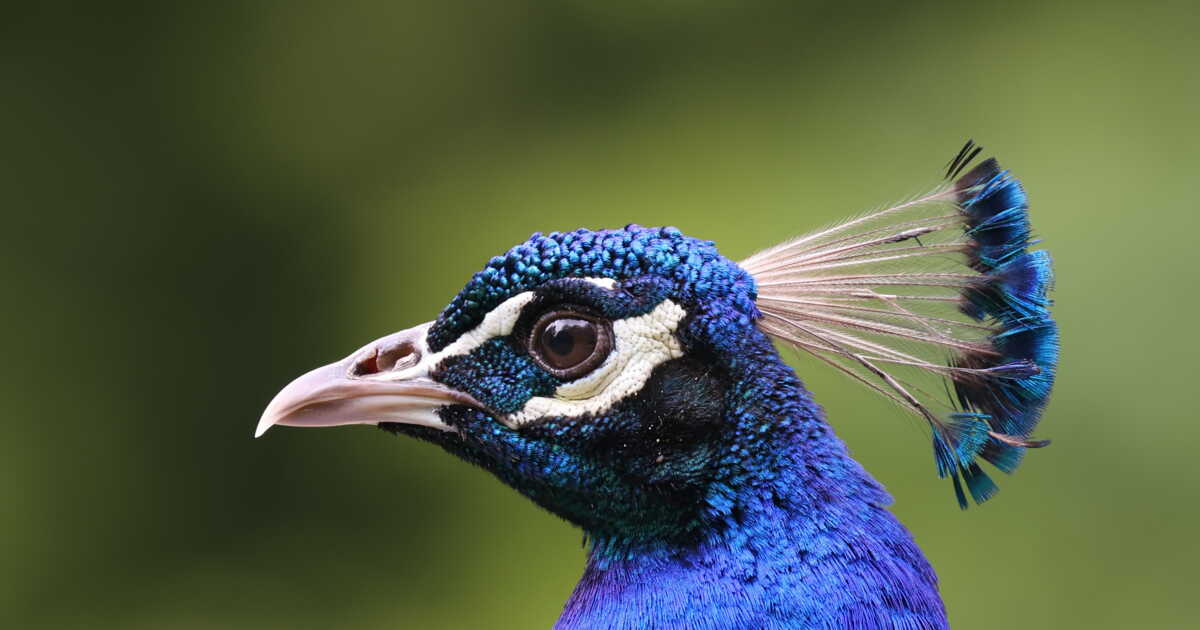
In a quirky take on Alfred Hitchcock’s The Birds, dozens of peacocks promenade through the streets of a small Italian village, driving residents crazy with their mating calls. We can see these birds, with their long iridescent tails, perched on roofs and fences in Punta Marina, a seaside village in the Emilia-Romagna region near Ravenna.

The city’s prestigious mosaics from the ancient era bear witness to the birds’ presence in the region for centuries. Although there has been no official census in the village, these birds are believed to number around 120 in Punta Marina, where no predator seems to bother them.

But for Marco Manzoli, 81, a retired bus driver, it is mainly troublemakers that produce a lot of droppings. “Their population has exploded over 30 years and is now too large: they disrupt sleep, hinder traffic and soil the ground with droppings that resemble ice cream, in which people end up walking.”, he told AFP TV.

Not far away, six peacocks stroll nonchalantly at a crossroads, admiring their reflection in parked cars and shop windows. “The peacocks climb onto cars… and scratch them,” adds Mr. Manzoli, fearing that “tourists will stop vacationing unless they have a garage to park their car”.

The baker Claudio Ianiero, 64, told AFP TV that the peacocks had long lived in a pine grove behind the village, but they had begun seeking shelter from predators by nesting in the gardens of abandoned houses. “There they have many natural enemies, such as wolves and foxes. Here, however, they have none, and they are proliferating at a pace that’s difficult to control”, he said.

The Formation of Two Camps

As a peacock approached the bakery window, eyeing the butter croissants on display inside, Ianiero dismissed alarmist reports in the media about an invasion, a health emergency, or a forced exodus of residents.

The baker, who specializes in peacock-shaped cookies among other specialties, says that residents have lived in harmony with these birds for years. These crest-bearing birds, with their countless shades of blue, are “something magical” for Punta Marina, he believes.

But for Mara Capasso, a 57-year-old supermarket cashier, the issue of peacocks “has split the town into two camps”. She notes that some neighbors are awakened every night by the birds’ mating cries. The peacocks should be “taken to pine forests, woods, places where they can live in their natural habitat, because they should never live on concrete”, she continues.

Over the years, the Ravenna city hall, which oversees Punta Marina, has considered various strategies for managing the bird population. A relocation attempt in 2022 failed, largely due to opposition from animal-rights groups. This initiative could well bear fruit today, as “we are receiving adoption offers from all over Italy”, assures Mr. Ianiero.

Although the municipality launched a 2024 campaign to raise awareness among residents and visitors about coexisting with peacocks, including a request not to feed them, Emanuele Crescentini, a local resident, thinks more needs to be done.

Mr. Crescentini, 50, has dubbed himself the “forest ranger” of the peacocks, roaming the streets to shield the birds from inhabitants’ anger. “There is plenty of space in Punta Marina, they could spread out everywhere without causing any trouble”, he notes. “We could set an example of smart and mature coexistence. It’s entirely possible”, he adds.

Casa Milà (La Pedrera) in Barcelona: Living in a Gaudí Masterpiece

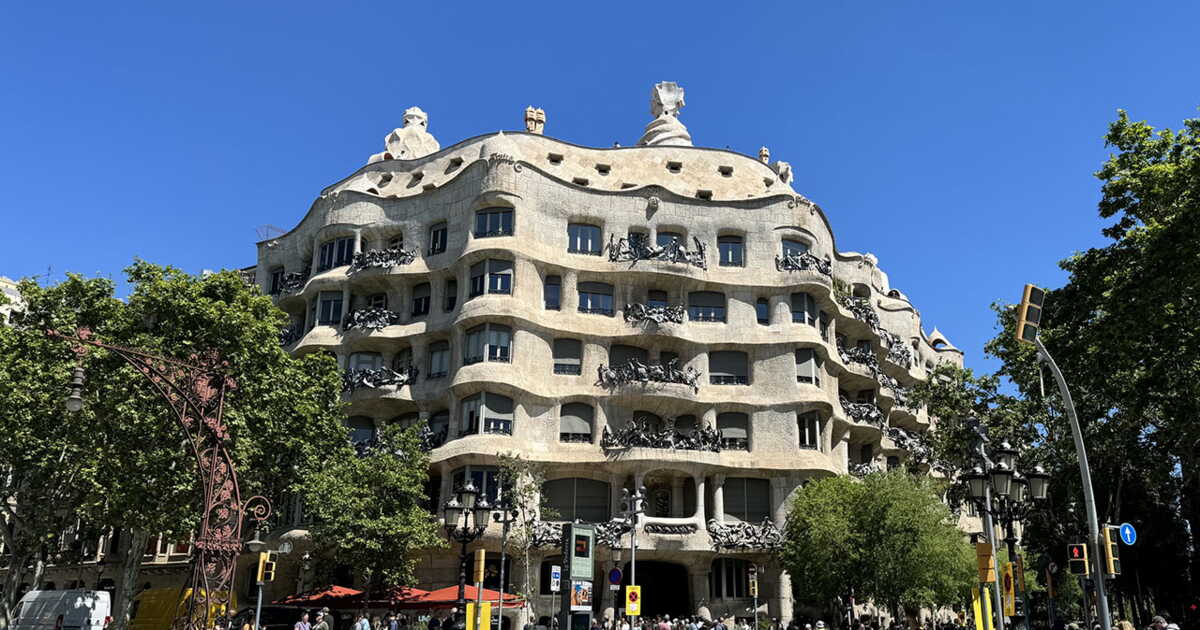
To enter her apartment, Ana Viladomiu, 71, must regularly push her way through, arms full of groceries, among a crowd of tourists queuing at the entrance of her building. Each year, more than a million people flock to 92 Passeig de Gràcia in Barcelona to visit Casa Milà. Referred to as La Pedrera (“the quarry”), because of its austere limestone façade, this structure is a masterpiece of the Catalan Modernism conceived by Antoni Gaudí between 1906 and 1912.

Ana, a writer who has lived here for forty years, has written novels set at La Pedrera and shares her daily life in this unusual place on Instagram; she would not move for anything in the world.

The Privilege of Living in Gaudí’s Pedrera, a Masterpiece of the Catalan Modernism

GEO magazine: How did you end up living in such a monument?