Exploring Indigenous Cultures in Australia’s Northern Territory

Summary


  • The oldest living cultures in the world


  • Kakadu, where the landscape tells the story of the Bininj and the Mungguy


  • The Tiwi, on islands where culture is lived daily


  • The Larrakia, guardians of Darwin’s territory

In Australia, Aboriginal culture is not confined to museums. It is still transmitted through languages, stories, ceremonies, and knowledge of the land. A reality particularly visible in the Northern Territory, where Aboriginal and Torres Strait Islander peoples account for 26.3% of the population, compared with 3.2% nationally. For several days, we traveled on assignment to meet three Top End peoples to understand how these cultures continue to live and reinvent themselves today.

The oldest living cultures in the world

Indigenous peoples have occupied Australia for at least 65,000 years. Long before the arrival of the British in 1788, the continent consisted of hundreds of distinct nations, each with their own language, traditions, territories, and social systems. To speak of “Aboriginal culture” in the singular is therefore misleading.

Despite this diversity, certain beliefs and values cross many communities. The most important is undoubtedly the relationship to Country. For Indigenous peoples, the land is not merely a geographic space. It gathers ancestors, animals, plants, waterways, sacred sites, and the narratives associated with them. Humans are not owners of it: they are its guardians.

This worldview is expressed notably through Dreaming stories, the “Time of Dreams.” Stories that recount the creation of the world by ancestral beings, shaping landscapes and establishing the rules that govern relationships between humans, animals, and nature.

Among these foundational figures, the Rainbow Serpent occupies a central place in many northern Australian traditions. Associated with water, fertility, and creation, it is said to have shaped rivers, billabongs, and certain landforms during its journeys.

The Indigenous societies also rely on highly developed kinship systems. A person’s identity is defined by their clan, family ties, ceremonial responsibilities, and sometimes their totem, associated with an animal species, plant, or natural element. Some rights and duties are transmitted through the father, others through the mother. Marriage rules are strictly regulated, and unions traditionally could occur only between certain categories of people.

In several northern Australian communities, some relationships are subject to avoidance rules. For example, an adult man should not speak directly to his mother-in-law. Other restrictions sometimes apply to siblings after puberty.

Kakadu, where the landscape tells the story of the Bininj and the Mungguy

Listed as a UNESCO World Heritage site for its natural and cultural riches, Kakadu is primarily the ancestral land of the Bininj and Mungguy. The site is co-managed by the traditional owners and Parks Australia.

Here, culture is omnipresent in the landscape. Every escarpment, every water point, and every floodplain holds a particular meaning and forms part of a complex network of stories handed down through generations.

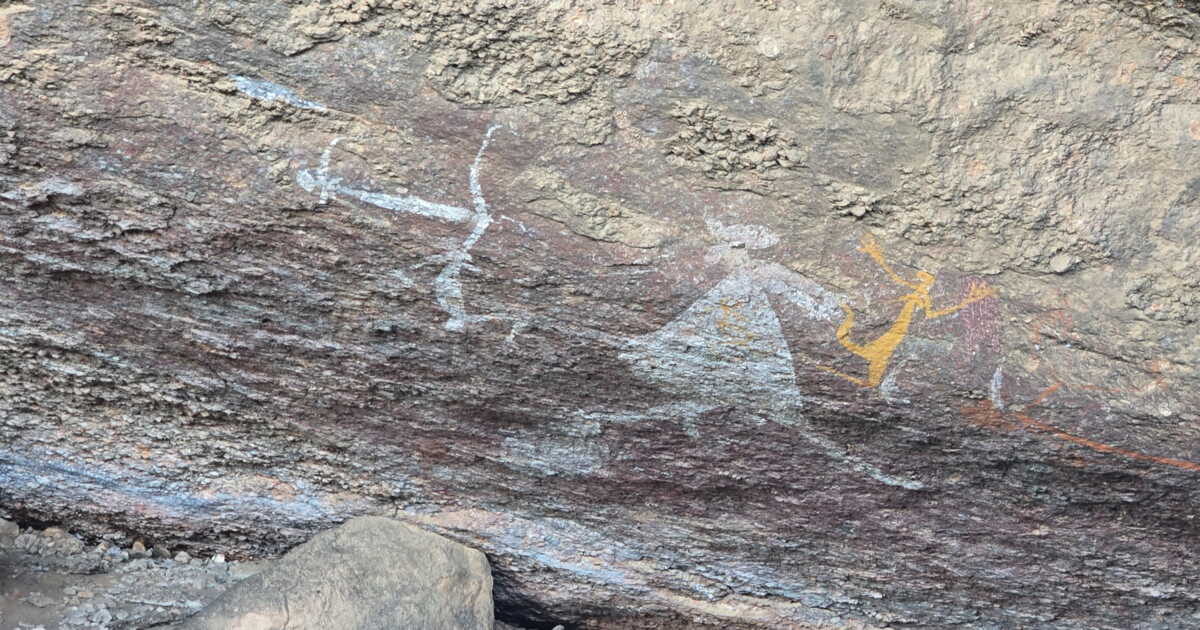
Visitors often discover this culture through the impressive sites of Ubirr and Burrungkuy. With thousands of paintings made across different eras— some dating back as far as 20,000 years— Kakadu hosts one of the world’s most significant concentrations of rock art.

The so-called “X-ray” style is perhaps the most famous. Artists depicted animals with their bones, organs, and internal anatomy. Barramundi, turtles, and crocodiles thus appear as true biological diagrams.

But this art is not limited to these depictions. Kakadu’s cliffs also house Mimi figures, spiritual beings described as extremely slender and living in rock crevices. According to the traditions of western Arnhem Land, they would have taught humans hunting, dancing, and painting.

There are also scenes of hunting, Dreaming narratives, and paintings illustrating early contacts with the Macassan fishermen from Indonesia and later with Europeans.

For the Bininj and Mungguy, these works are not merely artistic. They constitute real open-air libraries, meant to transmit knowledge about animals, the seasons, sacred places, and social rules.

This knowledge of the land is reflected in the way they observe the environment. Unlike the Western calendar, Kakadu residents distinguish six seasons. Each season is identified by precise cues: the flowering of certain plants, the arrival of migratory birds, crocodile behavior, and the rising waters.

These observations guide hunting, fishing, gathering, and the controlled burning practiced for millennia. Today, these knowledge systems still play a crucial role in managing the national park.

The Tiwi, on islands where culture is lived daily

To the north of Darwin, one must go by sea to reach the Tiwi Islands. The forests, beaches, and mangroves shape a world apart, long kept difficult to access from the mainland. The Tiwi have developed a distinctive culture there, with their own languages, stories, ceremonies, and codes of life.

Here, the sea is both a means of travel and a source of food. Fishing, hunting, and gathering remain part of the lives of some families. From a young age, people learn to recognize species, know where to find them, and when to harvest. This knowledge is passed on in the field, by accompanying parents or grandparents.

On the islands, the stories told overlay the landscapes. A rock, a beach, or a patch of forest may be associated with an ancestor, a Dreaming episode, or a particular rule. Places are thus never completely separated from the stories attached to them.

But it is especially during ceremonies that this culture takes on a spectacular dimension. The best known is the Pukumani, a funerary ritual organized after the death of a community member. The ceremony accompanies the deceased and marks the separation between the living and the one who has died. It mobilizes families, songs, dances, body painting, and ritual objects. Among these objects are the famous Pukumani poles, tall wooden posts erected around the grave. Carved and painted with motifs unique to Tiwi culture, they are made for a specific person and participate in the funeral rite.

Art is everywhere on the islands. Paintings, sculptures, textiles, and contemporary objects reuse motifs and stories passed down within the communities. Artists are now adapting them to new media and exhibiting them abroad. Contemporary creation thus becomes another way to carry Tiwi culture far beyond the islands.

The inhabitants live with their era: they go to school, work, use the Internet, and travel. But ceremonies, stories, language, and country-based knowledge continue to find their place in community life.

The Larrakia, guardians of Darwin’s territory

At first glance, Darwin has little in common with Kakadu’s wild landscapes or the Tiwi Islands. The capital of the Northern Territory lines up roads, buildings, shops, and residential districts. Yet beneath the modern city lies the ancestral territory of the Larrakia, the “Saltwater People.” The sea plays a central role in this culture, as do the rivers, mangroves, and lands surrounding the city.

Colonisation profoundly disrupted this relationship to the land. The establishment of the city, population movements, and policies imposed on Indigenous peoples reduced their access to lands and disrupted the transmission of their languages and practices. But Larrakia culture has not disappeared. Today it is experiencing a significant revitalization movement, driven especially by families, artists, and community organizations.

This culture is visible even in Darwin’s public spaces. Works of art, place names, ceremonies, and events help make the Larrakia history visible in a city where visitors could easily forget that they are on Indigenous land.

Darwin is also a meeting place for the Territory’s various cultures. Aboriginal people from Arnhem Land, the Tiwi Islands, the Kimberley, and the Australian interior live there, work there, or come to practice their art. The capital thus brings together languages, artistic styles, and traditions that are very different. In galleries and cultural centers, one can move in a few streets from a Tiwi work to a painting from Arnhem Land or to a desert artist’s creation.

The Museum and Art Gallery of the Northern Territory houses the National Aboriginal and Torres Strait Islander Art Awards (NATSIAA), which highlight the contemporary work of Aboriginal and Torres Strait Islander artists from the Torres Strait every year. The Larrakia Cultural Centre also sits within this dynamic. Its opening in September 2026 is intended to showcase to the public Larrakia cultural objects that have recently been repatriated after being kept abroad for decades.

Rights Long Denied

The Aboriginal and Torres Strait Islander peoples of the Torres Strait were long excluded from many civil rights in Australia. At the federal level, the right to enroll and vote in elections was granted to all Indigenous Australians in 1962. Queensland was the last state to grant them voting rights in local elections, in 1965. Enrollment and voting only became mandatory for Indigenous citizens in 1984.

A major turning point also occurred in 1967. In a referendum, more than 90% of voters approved a constitutional amendment allowing, among other things, the counting of Indigenous populations in the national census and giving the federal Parliament the power to legislate specifically on their behalf.

Since then, the rights and representation of the First Peoples have remained a key issue in Australian public life. In 2023, a referendum proposed embedding in the Constitution an “Aboriginal and Torres Strait Islander Voice,” a body to represent Indigenous peoples before Parliament and the federal government. The proposal was rejected by voters, with 39.94% of national votes in favor.

Despite legal and political advances, significant socio-economic gaps persist between Indigenous populations and the rest of the population. The national program “Closing the Gap” aims in particular to reduce these gaps in health, education, employment, housing, and safety. The Australian government publishes annually a progress report on achievements and remaining targets.

Beyond the ballot box, memory tensions also surface each year around January 26 (the date of the arrival of the First Fleet in 1788), Australia’s official national day. Called “Invasion Day” or “Survival Day” by its critics, this date has sparked a growing national debate, with Indigenous peoples and their supporters denouncing the celebration of the beginning of colonization and their dispossession.
Ningaloo Reef: Australia’s Other Great Barrier Reef Where Whale Sharks Swim

On the west coast of Australia, a vast coral reef stretches just a few meters from the shore, in waters of spectacular clarity. Much less known than the Great Barrier Reef that borders Queensland, Ningaloo Reef is by no means a supporting act: listed as a UNESCO World Heritage site, it harbors exceptional marine biodiversity and hosts each year some of the planet’s largest animals. Between desert, cliffs and turquoise lagoon, the spectacle unfolds both beneath the surface and on land, as we were able to observe during a report last June.

A coral reef perched at the edge of the desert

To discover Ningaloo Reef, one must head to the extreme northwest of Western Australia. The reef runs along the coast for hundreds of kilometers, from the vicinity of Coral Bay to Exmouth, at the entrance to Cape Range. Here, the landscape seems built around a striking contrast: on one side, the aridity and ochre reliefs of the peninsula; on the other, an intense blue ocean in which lies one of the world’s largest fringing reefs. The site is part of the vast Ningaloo Coast, listed as a UNESCO World Heritage site since 2011.

The term “barrier” requires clarification, however. Unlike the Great Barrier Reef, which is sometimes many tens of kilometers from shore, Ningaloo is a fringing reef: it grows directly along the coast, with a shallow lagoon between the shore and parts of the reef. This proximity is also a large part of its appeal for travelers. In some places, you only need to swim a few meters from the beach to find yourself above the corals and tropical fish, with just a mask and a snorkel. The shallow waters allow observing a multitude of shapes and colors without necessarily heading far for a dive.

And this reef is far from being merely decorative. UNESCO records more than 300 coral species, about 650 mollusk species, around 600 crustacean species, and more than 700 reef fish species. Among them are clownfish, parrotfish, butterflyfish, surgeonfish, angelfish, groupers and wrasses, but also barracudas that move above the reef. The site also counts more than 1,000 algae species. Alongside this underwater richness are sea turtles, marine mammals and numerous species of sharks and rays.

This concentration of life is explained in particular by Ningaloo’s geography and oceanography. Offshore, deep, nutrient-rich waters upwell toward the continental shelf, fueling the reef’s productivity. The Ningaloo Marine Park includes depths of up to 500 meters, with underwater canyons that could promote the upwelling of these cold, nutrient-rich waters.

The result is a highly productive ecosystem, set against a land environment just as remarkable. Behind the coast rises Cape Range, a limestone massif carved with gorges and canyons, while its subsurface hosts a vast network of caves and underground rivers. The Ningaloo Coast thus protects a broader whole than a reef: the interconnection between marine life, desert shoreline and the underground world makes its singularity.

When the giants of the ocean arrive at Ningaloo

But if there is a reason to come to Ningaloo, it is also because the reef functions as a vast migratory layover. Through the seasons, visitors change and the waters fill with silhouettes that grow ever larger.

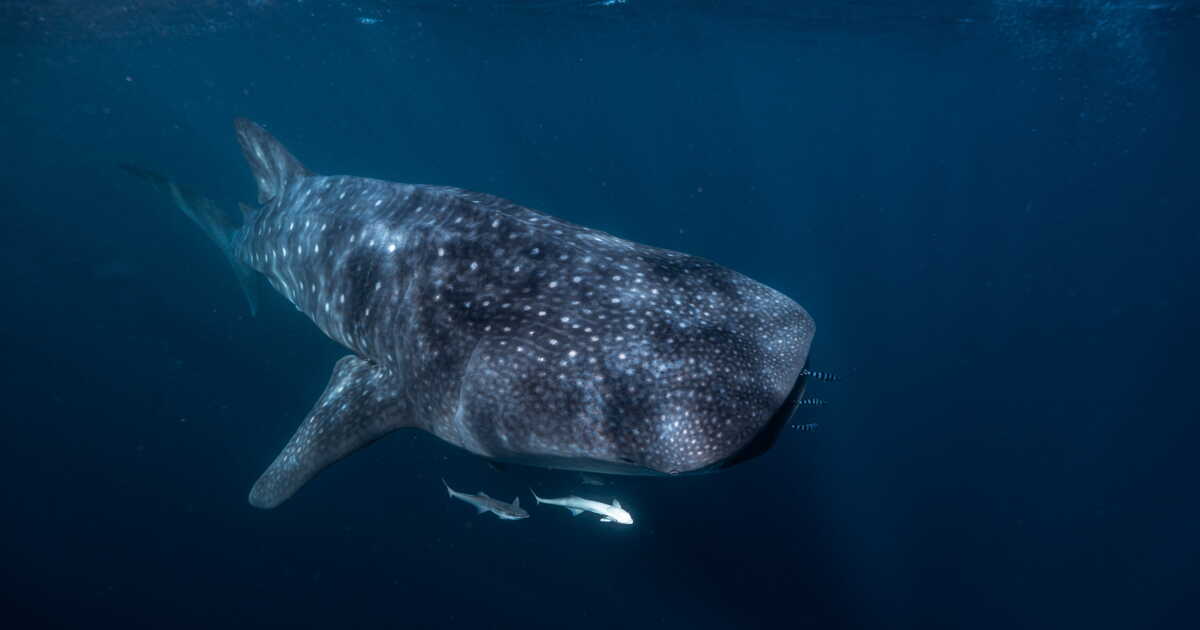
The most famous of these travelers is undoubtedly the whale shark. Each year, after the massive coral spawning period, a substantial amount of food becomes available in the reef waters. From roughly March to July, the world’s largest fish gather there to feed. UNESCO estimates that 300 to 500 whale sharks can gather each year off Ningaloo, which constitutes the largest documented gathering of this species. Most individuals observed at Ningaloo are, however, juveniles or subadults of about six to eight meters, still far from the maximum size (up to 18 meters) that the species can reach.

Despite their impressive size, these giants are perfectly harmless to humans, feeding mainly on plankton and small organisms filtered as they swim with their mouths open. Ningaloo is one of the few places in the world where you can swim with them under highly supervised and ethical conditions. Tours are conducted in small groups, at a regulated distance, never feeding the animals to attract them, so that this encounter does not disturb their natural behavior.

Then, when whale sharks begin to become less numerous, another procession of giants crosses the region. Humpback whales migrate through Ningaloo each year, traveling between their feeding grounds in the southern high latitudes and their northern breeding grounds. These cetaceans of around 15 meters pass through the marine park on their northbound journey, and again on their return south.

Unlike whale sharks, which mainly come to take advantage of a seasonal abundance of food, humpback whales thus use Ningaloo as a waypoint on a much longer route. Depending on the season, you may glimpse moving adults, groups gathering at the surface, or females with their young. From August onward, certain excursions also allow swimming beside them, a similarly well-regulated experience by authorized operators.

And the parade of giants does not stop there. The park also serves as a feeding area for other cetaceans, such as pygmy blue whales, which can reach about twenty meters. Reef manta rays about four meters across also frequent Ningaloo, both in the shallow waters of the lagoon and outside the reef. As for dugongs, these marine herbivores about three meters long and over 400 kg find in the calm and shallow lagoon waters favored feeding grounds. They feed notably on seagrass beds that develop on the sandy bottoms of the lagoon and can also use the area for reproduction, giving birth and raising their young. The coastal and offshore waters also host several dolphin species, including the bottlenose dolphin, the long-beaked dolphin, and the Electre dolphin.

To add to this diversity are several species of marine turtles, notably green, hawksbill and loggerhead turtles, which use the reef and its surroundings at different stages of their life cycles. UNESCO estimates about 10,000 nests laid each year along the coast.

At Ningaloo, the spectacle thus changes with the seasons and the depths: corals, tropical fish, turtles, rays and large animals take turns in a single ecosystem. It is this exceptional concentration of marine life, combined with the beauty of the reef and the landscapes that surround it, that makes the site’s uniqueness.

What to Do in Sydney: 10 Fun Activities and Outings in Australia’s Largest City

Nestled on the eastern coast of Australia, Sydney is a vibrant and dynamic city, seamlessly blending modernity with a rich historical heritage. World-renowned for its opera house and the Harbour Bridge, it also welcomes a culturally diverse tapestry and a multitude of unique experiences for visitors. Whether your stay is brief or extended, planning the best possible activities to fit your timeframe and budget is essential. What to do in Sydney? Let’s explore together, through a variety of ideas, the treasures this Australian metropolis holds.

1. Visit the Sydney Opera House

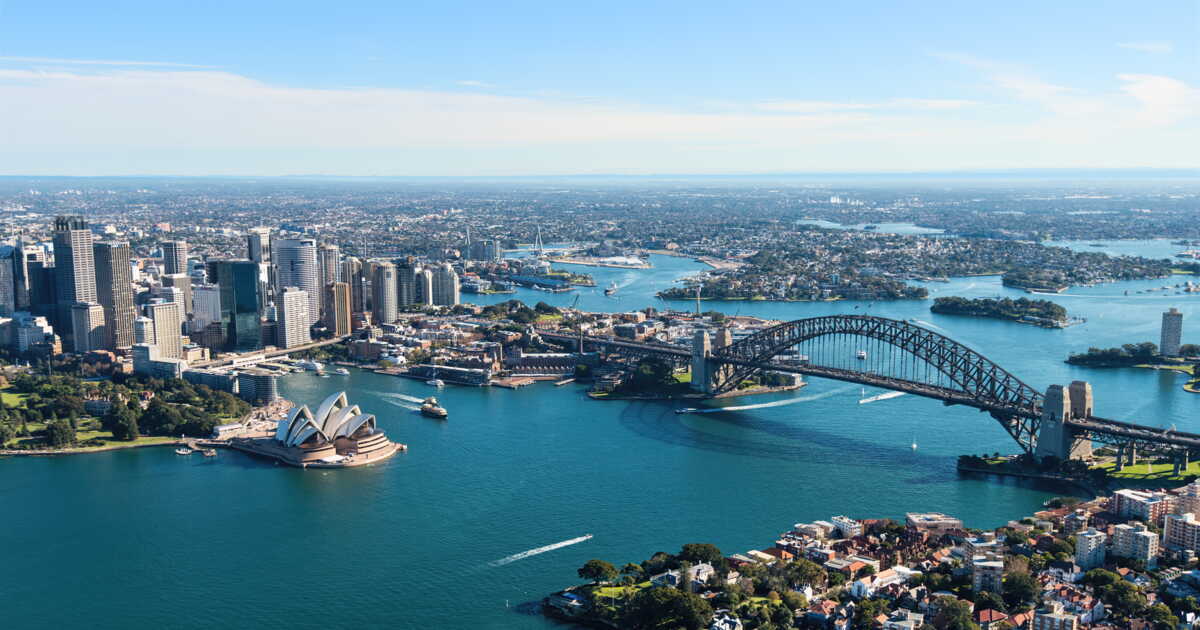
Beyond its iconic status, the Sydney Opera House stands as a cornerstone of any visit to Australia’s principal city and a major cultural landmark for the entire Oceania. A UNESCO World Heritage site, this emblematic 20th‑century structure embodies architectural innovation in its complex design and the bold silhouette shaped like sails. For travelers interested in architectural history or the performing arts, a guided interior tour reveals the technical challenges of its construction and opens access to the performance spaces, the backstage areas, and the technical galleries.

The experience can be extended by attending one of the numerous music, theatre, or dance performances offered throughout the year, making it a true hub where aesthetics, engineering, and contemporary creation converge. The Sydney Opera House integrates into a broader discovery itinerary of the city, alongside the Harbour Bridge, the botanical gardens, and iconic coastal sites like Bondi Beach, illustrating the balance between cultural heritage and natural surroundings in Australia’s tourism landscape.

2. Discover the Harbour Bridge

For travelers in search of a structured yet immersive urban experience, climbing to the summit of the Harbour Bridge in Sydney, via the guided BridgeClimb route, is an iconic activity offering sweeping panoramic views of the city, its bay, and major architectural landmarks such as the Sydney Opera House. This secured route is available in multiple formats, enabling visitors to understand the bridge’s technical features and its role in urban development.

For those who prefer a less physically intensive or logistically integrated approach to a walking itinerary, crossing the bridge on foot remains a relevant option. It allows admiring the bridge’s imposing architecture while gaining expansive views over the harbor, quays, and surrounding urban silhouettes. This site, now a symbol of national identity for Australia, sits at the heart of Sydney’s cultural and landscape infrastructures, bridging industrial heritage, active tourism, and contemporary urban space valorization.

3. Explore the Rocks

The historic district The Rocks, perched at the foot of the Harbour Bridge in the old heart of Sydney, is an essential stop for travelers looking to grasp the colonial origins of Australia. With its cobbled lanes, 19th‑century sandstone buildings, and ancient pubs, this area preserves an urban fabric that bears witness to the region’s earliest European settlements.

The Rocks is a preferred promenade, offering structured access to several cultural institutions, including museums that recount the social and urban history of the city, as well as guided heritage routes. Weekend artisan markets showcase a diverse array of local products, from textile crafts to contemporary design objects, all within a lively ambiance. This pedestrian environment, dotted with cafés, galleries, and quirky shops, embodies living heritage by balancing historical memory with cultural dynamism.

4. Relax at Bondi Beach

Bondi Beach, one of Sydney and Australia’s most iconic beaches, is a must for travelers seeking seaside activities within a structured and accessible setting. Its waves are renowned for consistency and power, attracting seasoned surfers and beginners alike, who can join local surf schools. Beyond surfing, Bondi is defined by a relaxed, friendly vibe, a strong local presence, and a thriving commercial fabric of cafés, restaurants, galleries, and community spaces.

Bondi is also the starting point for one of the region’s most beloved coastal walks, the Bondi to Coogee Walk, which traces clifflines and offers panoramic coastal views while linking several beaches and coves. This natural, safe, well-equipped environment provides diverse possibilities: swimming, sunbathing, sea‑view observation, or participation in sporting and cultural events. Integrated into an urban itinerary that includes major sites like the Sydney Opera House, the Harbour Bridge, or the neighborhood of The Rocks, Bondi Beach completes Sydney’s tourist offering by combining leisure, accessibility, and coastal promotion within a framework of urban and environmental quality.

5. Stroll through Darling Harbour

Darling Harbour, located along the edge of central Sydney, stands as a major hub of urban tourism and culture, designed as a true centre of entertainment with a wide range of offerings for a broad public. This redeveloped district features a cluster of modern attractions, including the Sea Life Sydney Aquarium, which delivers a structured exploration of Australian marine life through immersive installations. The lineup also includes several museums, cultural institutions, shopping complexes, and green spaces, forming a cohesive leisure and services ecosystem.

On the quays, restaurateurs contribute actively to the site’s vibrancy, offering a diversity of cuisines in an open waterfront setting. In the evening, Darling Harbour comes alive with light shows projected on the water and occasional events, boosting its nocturnal appeal within a strategy of enhancing the urban nocturnal landscape. This district, easily reachable on foot from the city centre, naturally fits into an itinerary that includes city landmarks such as the Sydney Opera House, Harbour Bridge, The Rocks, or Bondi Beach, adding a playful and family-friendly dimension to exploring Sydney, by connecting culture, entertainment, and urban energy.

6. Explore museums and galleries

Culture enthusiasts will find Sydney rich in museum offerings, centered around institutions that allow exploration of both artistic heritage and natural history of Australia. The Art Gallery of New South Wales, one of the country’s leading public galleries, houses a permanent collection spanning Australian, European, Asian, and Aboriginal art, while regularly hosting international temporary exhibitions.

Nearby, the Australian Museum, the oldest museum on the continent, focuses on natural sciences, anthropology, and regional biodiversity, with educational displays suited to all ages. These institutions, set in the city centre, blend seamlessly into an itinerary that highlights major Sydney landmarks such as the Opera, the Harbour Bridge, The Rocks, Darling Harbour, or Bondi Beach, adding an intellectual and heritage dimension to the tourist experience, structured around celebrating local cultures, visual arts, and scientific research.

7. Enjoy free activities in Sydney

For travelers looking to discover Sydney while keeping to a budget, the city offers a suite of accessible and varied free activities set within a high-quality tourist offering. A stroll through the Royal Botanic Garden, a vast bayside landscape, lets you appreciate the region’s botanical diversity while enjoying sweeping views of the Sydney Opera House and Harbour Bridge. The coastline invites walking along several routes, notably between Bondi Beach and Coogee, where cliffs, coves, and marine panoramas unfold.

For those interested in urban culture and architectural heritage, the Newtown and Paddington districts offer immersive experiences in contrasting atmospheres: street art murals, independent shops, Victorian houses, and local markets create a lively, accessible tapestry. These free options fit into a broader itinerary that pairs major cultural and natural highlights of Sydney, providing independence, participation, and inclusive discovery through observation, wandering, and authentic city exposure.

8. Navigate Sydney Harbour

Taking a ferry across the Sydney Harbour offers a structured, accessible way to approach the city from a scenic angle, while fitting into maritime transport infrastructure connecting the main coastal locales. The trip to Manly Beach, particularly beloved by travelers, blends efficiency with visual appeal, delivering a succession of iconic viewpoints on the Sydney Opera House, the Harbour Bridge, Circular Quay quays, and nearby coastal neighborhoods. This crossing also aids in understanding Sydney’s urban geography, organized around its natural harbor, while linking to a renowned promenade, shops, and coastal trails. The ferry thus becomes a standalone discovery tool, complementing land and pedestrian circuits that structure the city’s tourism offer. Integrated into an itinerary that includes other destinations such as Bondi Beach, The Rocks, Darling Harbour, and cultural institutions like the Art Gallery of New South Wales, this mode of transport provides a practical, contemplative, and economically accessible experience for a comprehensive exploration of Sydney’s urban and maritime landscape.

9. Take a day trip to the Blue Mountains

For a day trip outside of Sydney, the Blue Mountains offer a premier retreat for travelers seeking nature, altitude, and scenic heritage within a UNESCO World Heritage framework. Located about two hours away by rail or car, this region of New South Wales naturally extends the urban itinerary toward outdoor activities. The Blue Mountains National Park distinguishes itself with a variety of hiking trails winding through eucalyptus forests, dramatic gorges, and steep cliffs.

Key highlights include the iconic Three Sisters rock formations, panoramic lookouts like Echo Point, and altitude botanical gardens showcasing endemic flora. On-site facilities include interpretive centers and marked routes suitable for different fitness levels. This immersion into nature, complementary to city visits (such as the Sydney Opera House, the Harbour Bridge, or The Rocks), enriches the traveler’s overall experience by offering an ecological and geographical reading of the Australian landscape, structured around conservation, accessibility, and scenic observation.

10. Savor the local cuisine

Ending a day in Sydney with a culinary exploration adds a sensory and contemporary reading of the city, anchored in cultural diversity and the quality of local products. Renowned for its seafood freshness, particularly in coastal or bayside districts, Sydney also offers a wide range of international cuisines reflecting its cosmopolitan population. For a thematic gastronomic immersion, the Chinatown district offers a collection of restaurants, stalls, and markets dedicated to East Asian culinary traditions, while Tramsheds in Glebe presents a producer market model in an indoor setting, highlighting short supply chains and artisanal know-how.

These places, woven into the city’s vibrant neighborhoods, help shape a day’s end itinerary that blends tasting, local discovery, and social animation. In addition to daytime activities—whether cultural (at the Sydney Opera House or the New South Wales Art Gallery) or scenic (at Bondi Beach, Darling Harbour, or the Blue Mountains)—these gastronomic experiences contribute fully to Sydney’s plural identity, anchoring the traveler in the daily life of a dynamic metropolis, open and committed to culinary excellence.

Sydney is a city with many facets, ready to be explored at any time of year. From the iconic Opera House to the historic lanes of The Rocks, through the sun-kissed beaches of Bondi, each neighborhood reveals its own set of activities and experiences. Whether you seek relaxation or adventure, this Australian metropolis is sure to meet your expectations, offering a precious memory at every turn. Whether you choose a grand activity or an intimate discovery, Sydney promises a rich and varied exploration, ready to satisfy every visitor’s requirements.

How long does it take to visit Sydney? Building an itinerary tailored to urban and coastal diversity

The city of Sydney can be explored in several formats depending on the ambition of the trip. A stay of 3 to 5 days allows you to discover the essentials: the Opera House, the Harbour Bridge, the Royal Botanic Garden Sydney, and iconic beaches like Manly Beach. For a more immersive experience, a week enables deeper exploration of cultural neighborhoods, museums, markets, and even a few coastal excursions. The density of experiences on offer requires structuring your itinerary around priorities: nature, heritage, art, or gastronomy.

Is Sydney worth it? A metropolis where culture, nature, and architecture constantly converse

Asking whether Sydney is worth it is to assess a city’s ability to balance urban dynamism with access to natural spaces. As Australia’s economic capital, Sydney stands out for the quality of its infrastructure, the richness of its cultural programming, and the immediate proximity to maritime landscapes. Places like Manly Beach, reachable by ferry, or the Royal Botanic Garden Sydney by the port, illustrate this rare coexistence. For architecture and heritage enthusiasts, the Queen Victoria Building (QVB), carefully restored, embodies the city’s history within a living framework. Sydney thus presents itself as a complete destination—clear, varied, and coherent.

What unusual activities to do in Sydney: exploring the city differently, off the beaten path

Beyond the tourist icons, Sydney hides a wealth of unusual activities to weave into a Sydney guide. For example, you can take a surf lesson at Manly Beach, opt for a guided underground tour of the city’s historic tunnel network, or kayak at sunrise in the bay. Some contemporary art galleries tucked away in repurposed warehouses or urban farms set right in the city center offer a fresh perspective on the city of Sydney. These experiences invite you to step off the usual routes while remaining rooted in the local cultural reality.

What to do in Sydney when it rains: indoor itineraries and sheltered cultural discoveries

Even in the rain, Sydney presents a rich set of activities well suited to shelter and exploration. The Queen Victoria Building (QVB), a historic shopping arcade, pairs architectural exploration with covered browsing. Art, history, or natural science museums welcome visitors inside spaces suitable for all ages. The Royal Botanic Garden Sydney, while still accessible, takes on a different, calmer dimension under inclement weather, offering a serene space for contemplation. These places show that rain does not hinder discovery; it simply guides you toward another facet of the city.

What to do in Sydney in 2 days: a concise essentials for a short but dense stay

A 2-day stay in Sydney requires targeted choices. Day one could focus on exploring the Opera House, the Royal Botanic Garden Sydney, and a ferry crossing to Manly Beach, combining heritage, nature, and iconic viewpoints. Day two could be oriented toward museums, the Queen Victoria Building, or a stroll through The Rocks. Even in a brief timeframe, it’s possible to gain a coherent sense of this Australian city’s identity by adopting an efficient itinerary.

What to do in Sydney for free: accessible experiences in an open city

Sydney offers a range of free activities, including visits to the Royal Botanic Garden Sydney, public beaches like Manly Beach, and coastal walks such as the Bondi to Coogee Walk. Access to national galleries, artisan markets, and occasional cultural events also allows for city discovery without charge. These opportunities outline a generous and accessible destination, even without a large budget.

What to do in Sydney in the evening: urban lights and a dynamic cultural scene

When night falls, Sydney reveals a unique atmosphere where public spaces, cultural venues, and lively districts come alive. Evening strolls around Circular Quay or Darling Harbour offer iconic nocturnal panoramas. Numerous theatres, open-air cinemas, and concerts enrich the nights, while the illuminated Queen Victoria Building (QVB) remains a powerful visual landmark. As night deepens, the city does not slow down: it morphs into a more intimate and animated environment, inviting travelers to extend their discoveries with a vibrant urban energy.

This article was written with the help of artificial intelligence, then corrected, expanded, and validated by the editorial team.

Australia’s Smallest Town for Sale at a Surprising Price

What if owning an entire town cost less than buying a house or an apartment in some of the major metropolises? In Queensland, Australia, a remote settlement is seeking a fresh start and waiting for its future owner. Behind this unusual listing lies a village that is almost deserted yet equipped with surprisingly complete infrastructure. An unconventional opportunity that could also allow its buyer to instantly boost the number of residents.

An Entire Town for 400,000 Australian Dollars

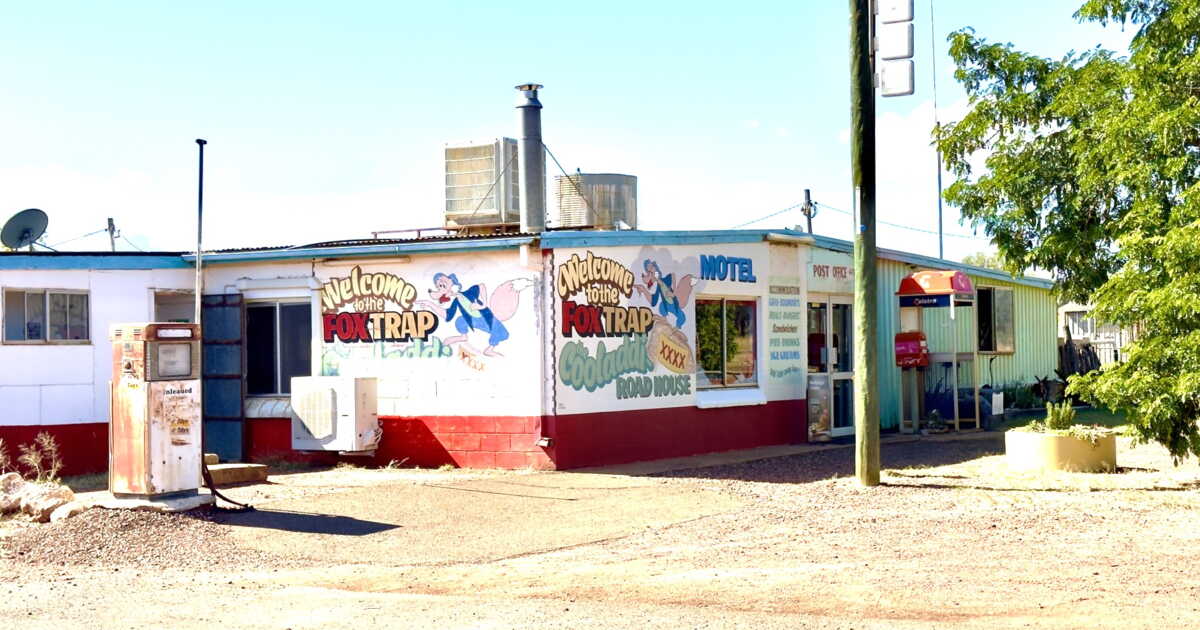
Tucked away in Queensland’s Outback, more than 800 kilometers west of Brisbane, the small community of Cooladdi is officially up for sale. The price is set at 400,000 Australian dollars, roughly equivalent to 240,000 euros. A sum that includes far more than land: the purchaser would also take over a four-bedroom roadhouse, a motel, a grocery store, a pub, and a four-star restaurant.

Cooladdi holds a rare distinction: with only two residents, it is considered Australia’s smallest town. The two current residents, Carol Yarrow and Jo Cornel, had bought the Foxtrap Roadhouse in 2023 with the aim of reviving the community for three years. As their project nears its end, Carol Yarrow now plans to retire while Jo Cornel wishes to relocate.

The number of inhabitants could, however, shift very quickly depending on who buys the town. Becky Jeisman, a Charleville Real Estate agent handling the sale, explains that “there are currently only two people living in Cooladdi. The population is calculated based on the number of people who own the Foxtrap”. She adds: “It’s the whole town, and if a group of four people buys it, then the population will double”.

A Prosperous Past and an Unconventional Lifestyle

Purchasing Cooladdi isn’t merely about acquiring several buildings. The future owners would also bear responsibility for a large part of the village’s essential services. They would serve as the postman, pub manager, shopkeeper, motel receptionist, and cook. Carol Yarrow sums up this versatility to The Guardian: “Restoration and the pub probably form the core of the work; we also handle mail delivery as part of the postal service”.

Despite this load, she looks back on the experience with fond memories. “I’ve always found that the best thing about it is the local community… the residents who live within roughly 70 kilometers and pass by the property”, she told the British outlet. This small town wasn’t always nearly deserted, though. At its peak, Cooladdi counted 270 residents. The town boasted a school, a butcher shop, a police station, and flourished thanks to the railway. But when the railway line was extended to Quilpie in 1917, its decline began.

“The lifestyle is relaxed”

The closure of passenger train services in 1967, combined with the decline of sheep farming, accelerated residents’ departures and the gradual disappearance of shops and public services. Today, despite this turbulent history, Cooladdi continues to welcome travelers thanks to its location on a busy Outback road that links several towns, notably Charleville, about an hour’s drive away and home to around 3,000 inhabitants.

Former residents remain attached to the place as well. Carol Yarrow tells The Guardian that “since the residents left—many settled in Charleville and the surrounding area—people who grew up here come back to visit the places they once knew”. And she concludes: “We see many travellers and wonderful locals passing through. It’s an exceptional community. The lifestyle is relaxed. All around us, there are only mulga trees.”