
River Tourism: How to Keep Surprising Repeat Visitors? [ABO]


Tourisme fluvial : les repeaters, comment continuer à surprendre ceux qui reviennent ? - Depositphotos.com Auteur Totof27

CroisiEurope


For a long time, I believed the most beautiful moment of a port of call was when passengers first arrive and discover a territory: their gaze, their curiosity and their wonder.

Then, as the seasons passed, I realized there was another category of travelers, just as fascinating. Those who returned. I remember hearing these few words repeatedly on the quays: « We have been here before… ».

This phrase could be followed by « …with another company », « …three years ago » or even « …it was our first cruise on the Seine ».

If these travelers returned, it was because they had kept an excellent memory of their previous cruise. But this loyalty brought with it a new responsibility. Would we manage to give them a new experience, without denying what had attracted them the first time?

Also read : River port manager: this behind-the-scenes role that makes all the difference


A loyalty that goes beyond the destination

When we return to the same region multiple times, our way of traveling naturally evolves. The first time, we discover the musts.

The second time, we seek more confidential places, a different ambiance, encounters, and more authentic experiences. We no longer simply visit a destination; we aim to live it differently.

In river cruising, this logic is a little different. Of course, you reconnect with a ship, a crew, a level of service and that distinctive atmosphere that left its mark on your first journey.

But you also reconnect with a river, landscapes, towns, villages, a heritage and emotions that made you want to return.

Major companies now offer itineraries across several rivers, sometimes in several countries. If a client decides to sail again on the Seine rather than discover the Rhine, the Danube, the Douro or the Rhône, it is because they were seduced not only by the company… but also by the territory it allowed them to discover.

Their loyalty is thus not tied solely to the boat, nor solely to the destination. It arises from the meeting of the two. Between the experience lived aboard and the one lived ashore. It is precisely this alchemy that makes loyal travelers so distinctive.


A challenge that destinations do not always see

Each morning, a ship docks. On board, some passengers discover the Seine for the first time. Others are already on their third, fourth or fifth cruise on this same river. The company often knows this information. It knows which passengers are returning.

The destination, however, almost always ignores it. Yet it will have to satisfy everyone: the traveler who is discovering, just like the one who returns. Thus, the same excursion must persuade, on the same day, a first-time visitor awed by the discovery… and a loyal traveler who already knows the classics.

Some might be tempted to renew excursions systematically. However, the must-sees remain must-sees.

After all, the Seine would not truly be the Seine without the Eiffel Tower, Monet’s Giverny, or the beaches of the D-Day landings.

These sites form part of the very identity of this cruise. They are often the reason travelers chose this itinerary. Removing them in the name of novelty would be a mistake. Yet thinking that they alone suffice would be equally misguided. The loyal traveler does not necessarily seek a new destination. They seek a new way to live it.

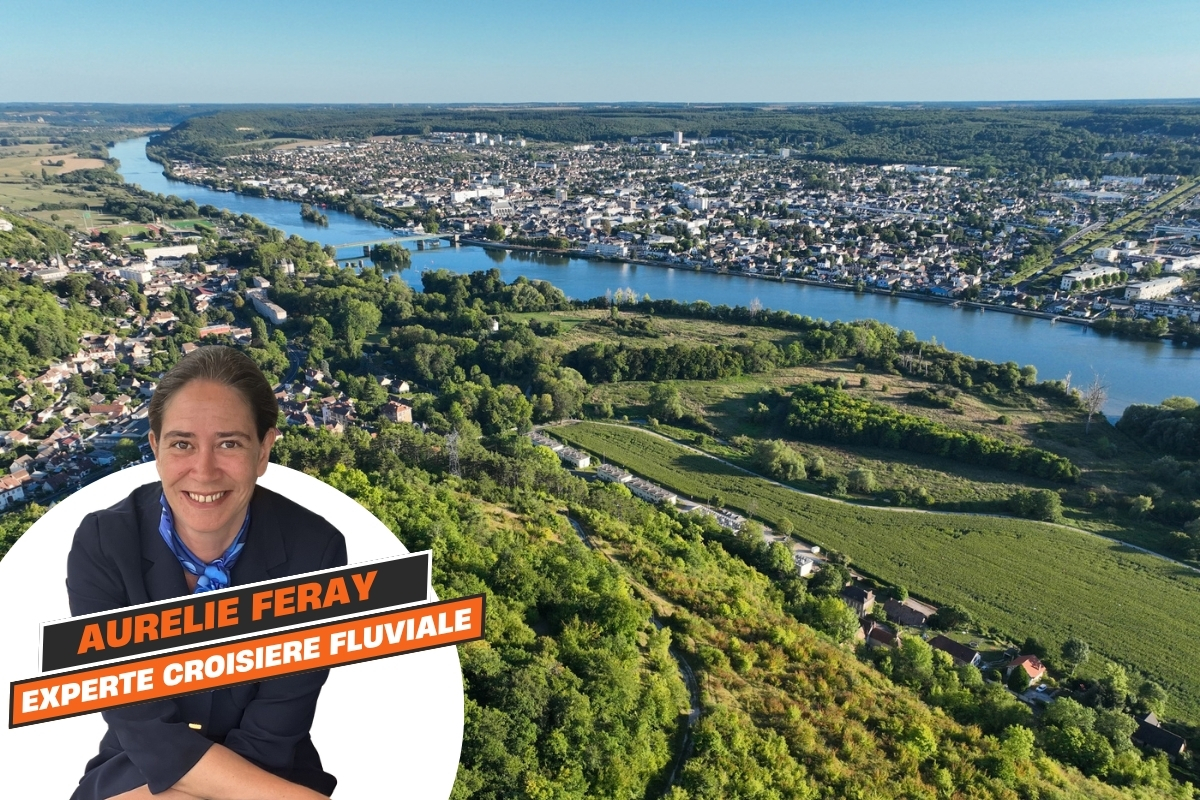
The one who has already admired Giverny might enjoy returning there. But they will be just as happy to extend their day in Vernon, meet a craftsman, discover the banks of the Seine, participate in a local event or simply spend more time strolling.

Every territory has stories just waiting to be told.


A tremendous opportunity for the regions

For destinations, this evolution represents a genuine opportunity. Meeting the expectations of loyal travelers is not merely about enriching an excursion.

It is also a chance to distribute flows more evenly, to showcase lesser-known places, to highlight artisans, producers, guides or events that struggled to find their place in traditional itineraries.

Each new experience offered gradually broadens the discovery of a territory. And it widens the economic ripple effects of the cruise. This reflection obviously concerns destinations.

But it also speaks to cruise companies. Destinations know their territory. They know which new experiences can be proposed, which partners deserve to be promoted, and which events can enrich a port call.

The companies, for their part, know their travelers. They know who discovers the river for the first time, who returns regularly, which excursions have already been done and what their clients’ interests are.

It is in this complementarity that perhaps lies one of the major challenges for river tourism in the future. It remains to ensure that this knowledge circulates more.

Without going so far as to customize every excursion, better sharing this information would already allow us to imagine more scalable offerings and to better anticipate passengers’ expectations.

About Aurélie Feray

Why São Jorge Is One of the Azores’ Most Surprising Islands

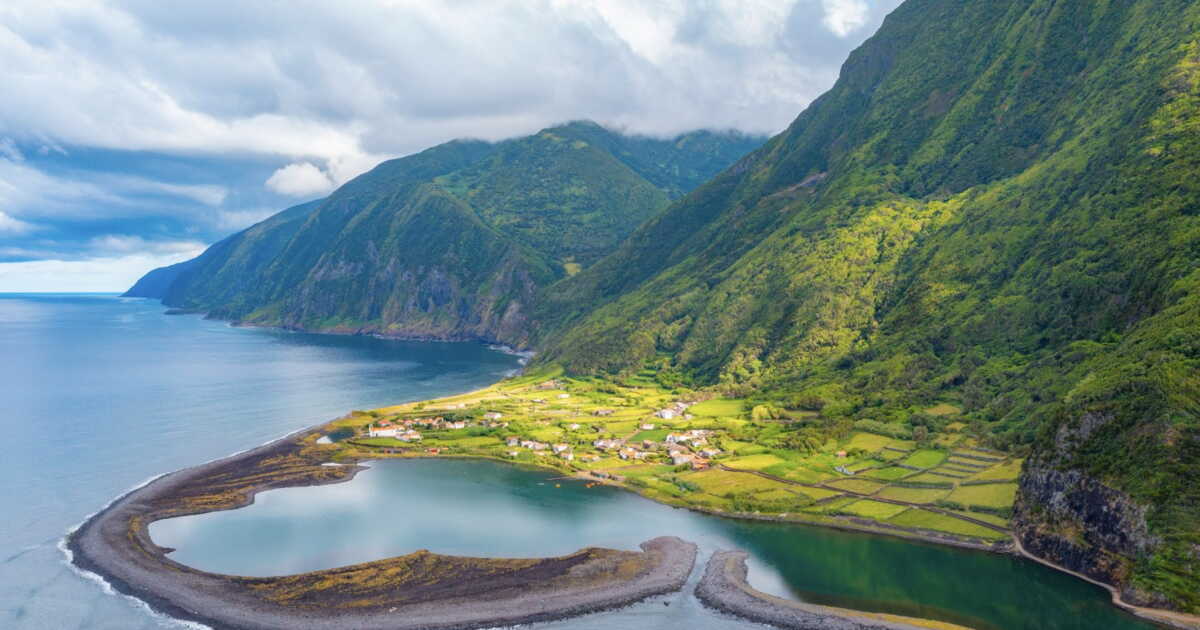
On this island, 55 kilometers long and barely seven wide, slender as a blade with its striking cliffs, 10,000 people have settled on geological formations typical of the Azores: the fajãs, coastal plateaus created by ancient landslides or lava flows.

Countries With the Biggest Tourism Growth Since 2019: The Surprising Ranking

The rebound of global tourism is not benefiting all countries equally. Between 2019 and 2025, some destinations have recorded a dramatic rise in international visitor arrivals, while others continue to struggle to return to their pre-crisis levels from the COVID-19 health emergency. New OECD data, compiled by the Visual Capitalist data-visualization platform, highlight the big winners… and the “laggards” of this rebound.

The Middle East, North Africa and South America Lead the Recovery

Australia’s Smallest Town for Sale at a Surprising Price

What if owning an entire town cost less than buying a house or an apartment in some of the major metropolises? In Queensland, Australia, a remote settlement is seeking a fresh start and waiting for its future owner. Behind this unusual listing lies a village that is almost deserted yet equipped with surprisingly complete infrastructure. An unconventional opportunity that could also allow its buyer to instantly boost the number of residents.

An Entire Town for 400,000 Australian Dollars

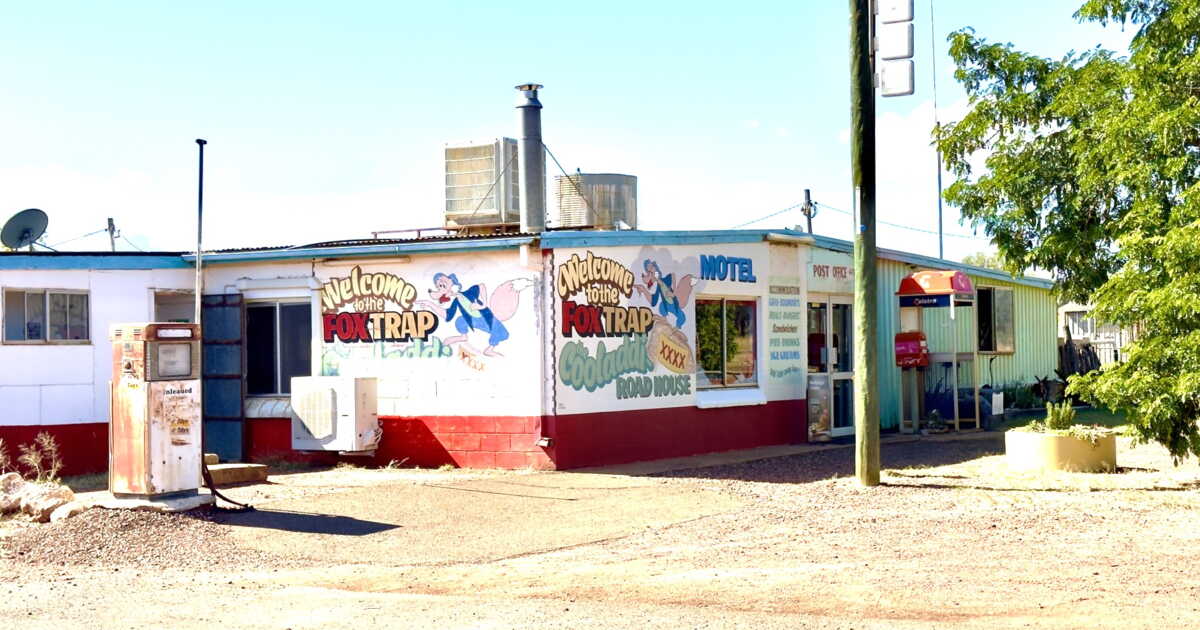
Tucked away in Queensland’s Outback, more than 800 kilometers west of Brisbane, the small community of Cooladdi is officially up for sale. The price is set at 400,000 Australian dollars, roughly equivalent to 240,000 euros. A sum that includes far more than land: the purchaser would also take over a four-bedroom roadhouse, a motel, a grocery store, a pub, and a four-star restaurant.

Cooladdi holds a rare distinction: with only two residents, it is considered Australia’s smallest town. The two current residents, Carol Yarrow and Jo Cornel, had bought the Foxtrap Roadhouse in 2023 with the aim of reviving the community for three years. As their project nears its end, Carol Yarrow now plans to retire while Jo Cornel wishes to relocate.

The number of inhabitants could, however, shift very quickly depending on who buys the town. Becky Jeisman, a Charleville Real Estate agent handling the sale, explains that “there are currently only two people living in Cooladdi. The population is calculated based on the number of people who own the Foxtrap”. She adds: “It’s the whole town, and if a group of four people buys it, then the population will double”.

A Prosperous Past and an Unconventional Lifestyle

Purchasing Cooladdi isn’t merely about acquiring several buildings. The future owners would also bear responsibility for a large part of the village’s essential services. They would serve as the postman, pub manager, shopkeeper, motel receptionist, and cook. Carol Yarrow sums up this versatility to The Guardian: “Restoration and the pub probably form the core of the work; we also handle mail delivery as part of the postal service”.

Despite this load, she looks back on the experience with fond memories. “I’ve always found that the best thing about it is the local community… the residents who live within roughly 70 kilometers and pass by the property”, she told the British outlet. This small town wasn’t always nearly deserted, though. At its peak, Cooladdi counted 270 residents. The town boasted a school, a butcher shop, a police station, and flourished thanks to the railway. But when the railway line was extended to Quilpie in 1917, its decline began.

“The lifestyle is relaxed”

The closure of passenger train services in 1967, combined with the decline of sheep farming, accelerated residents’ departures and the gradual disappearance of shops and public services. Today, despite this turbulent history, Cooladdi continues to welcome travelers thanks to its location on a busy Outback road that links several towns, notably Charleville, about an hour’s drive away and home to around 3,000 inhabitants.

Former residents remain attached to the place as well. Carol Yarrow tells The Guardian that “since the residents left—many settled in Charleville and the surrounding area—people who grew up here come back to visit the places they once knew”. And she concludes: “We see many travellers and wonderful locals passing through. It’s an exceptional community. The lifestyle is relaxed. All around us, there are only mulga trees.”