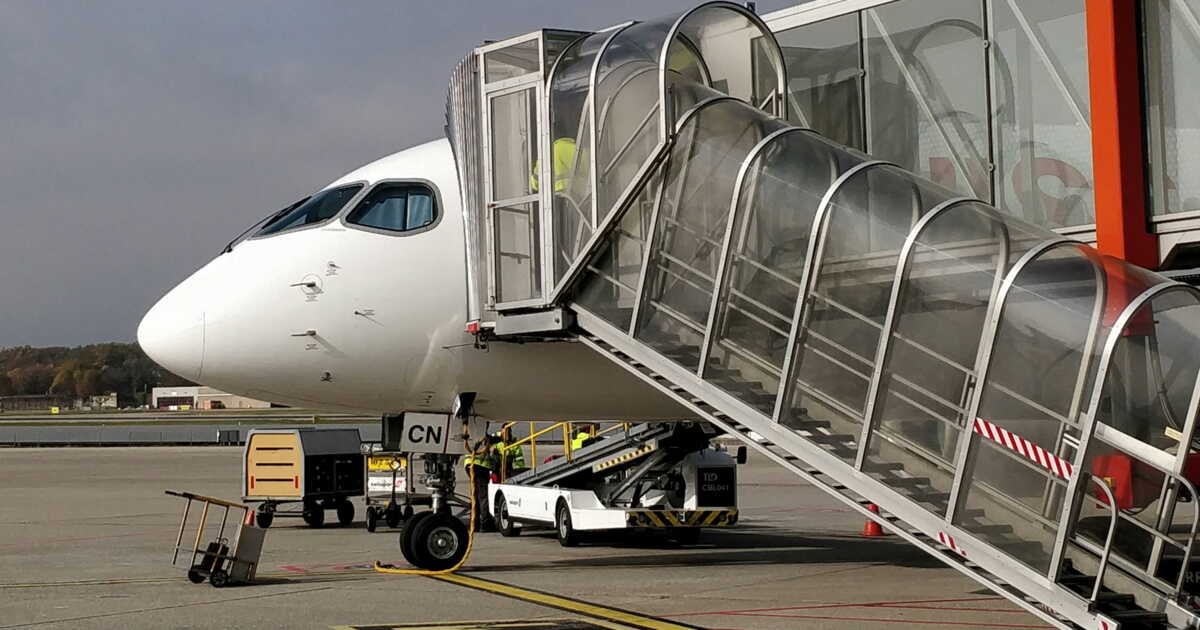
Overbooking, also known as over-reservation in France, is a practice used by airlines that involves selling more tickets than there are seats available on the plane. The principle rests on the assumption that a certain number of passengers will not show up for boarding. However, when all passengers do turn up, the airline is required to deny boarding to some travelers.
To avoid unpleasant surprises, our colleagues at the Washington Post advise checking that your plane ticket has been confirmed and that you are not on a waitlist. Check in as early as possible, typically 24 hours before departure. This signals to the airline that you intend to take the flight. Also arrive at the boarding gate well in advance. Late passengers, who risk missing the final call, may see their seats assigned to someone else.
In some cases, the airline may contact you directly to find out whether you would be willing to travel later or to offer compensation in exchange for giving up your seat.
How to obtain meaningful compensation once you have given up your seat?
In a full flight and overbooking scenario, the airline may first look for volunteers ready to relinquish their seats. While it is an inconvenience, the Washington Post notes that it can become an advantage for flexible travelers. “I got free purchases on Amazon for the rest of the year” shares with our colleagues Sally French, who agreed not to take her flight.
The travel writer at NerdWallet received 600 dollars in gift cards, as well as a seat on the next flight, which was scheduled only an hour and a half later. Another passenger interviewed explains that he received 1,000 dollars in travel credits, plus a hotel night and meal vouchers. Each airline seems to offer different forms of compensation, ranging from shopping vouchers to additional perks, including cash.
This option is mainly targeted at travelers without checked luggage and with a flexible schedule. Before agreeing, our colleagues remind you to check whether other flights to your destination are scheduled for the day and to negotiate the terms of compensation.
Denied boarding in France: what are your rights?
If you do not accept to give up your seat and the airline refuses you boarding due to lack of available seats, EU regulations provide assistance and financial compensation under certain conditions related notably to the route and the airline.
According to the Economy Ministry site, the amounts planned are 250 euros for flights of 1,500 km or less, 400 euros for certain flights over 1,500 km and up to 3,500 km, and 600 euros for international flights over 3,500 km. Compensation can be reduced by half if the arrival delay remains below certain thresholds.
Additionally, the airline must offer you a rerouting option to your destination as soon as possible, another flight on a later date, or a full refund if you decline the trip. If you take another flight, the airline must cover meals and refreshments, as well as accommodation in certain cases. The Public Service recommends keeping receipts and asking the airline for a written note outlining the steps to obtain the compensation.
If you have experienced a grievance and encounter difficulties in getting reimbursed certain expenses, file a complaint with the airline’s customer service. If there is no response, you can contact the Tourism and Travel Ombudsman.


 To render its opinion, the Mediation relied on the provisions of Article R. 211-9 of the Tourism Code. This text provides that when an essential element of the contract is modified before departure, the professional must inform the traveler of the proposed changes and give them the choice to accept them or terminate the contract.
