
Route 66 Road Trip in Arizona: From Oatman to Scottsdale


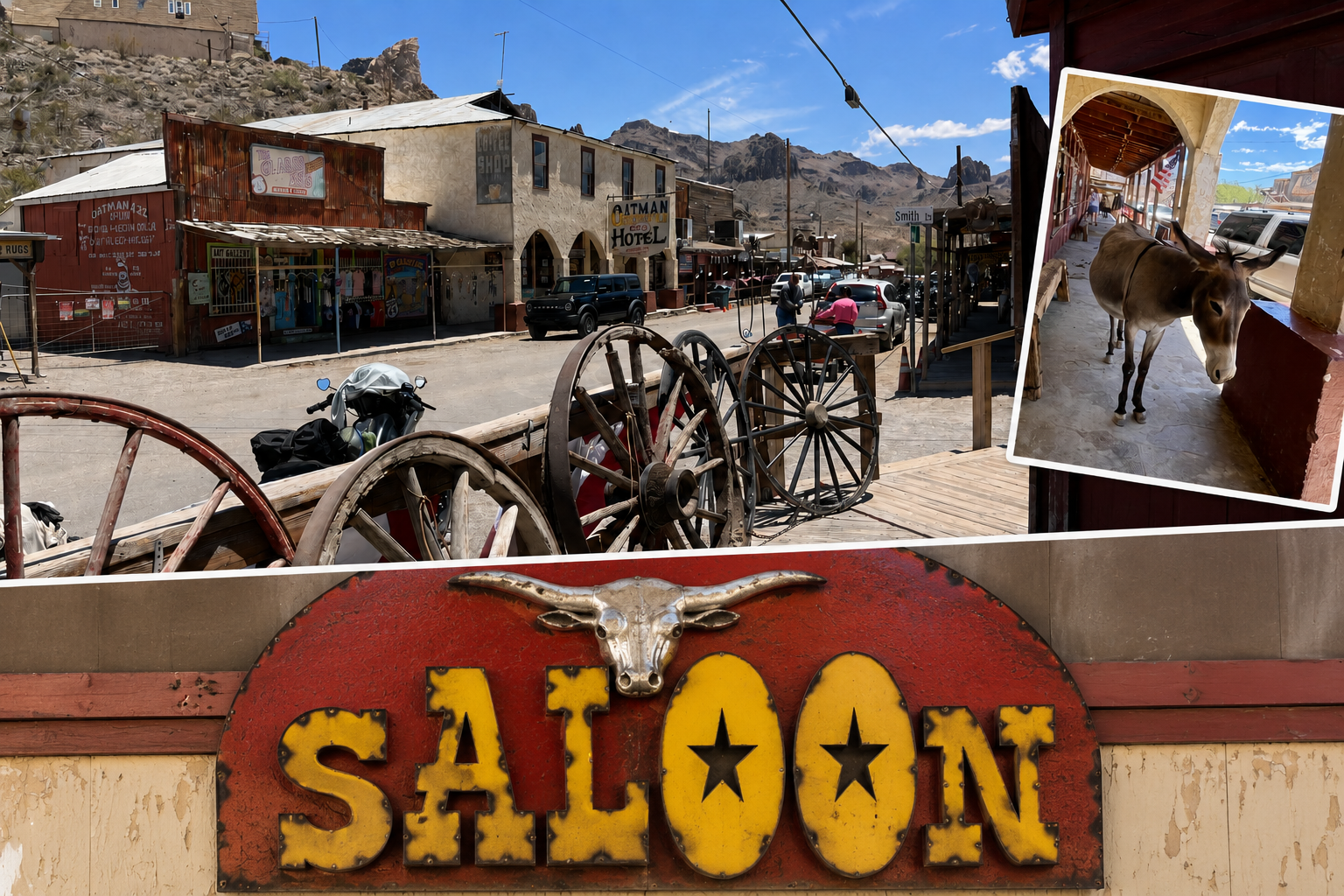
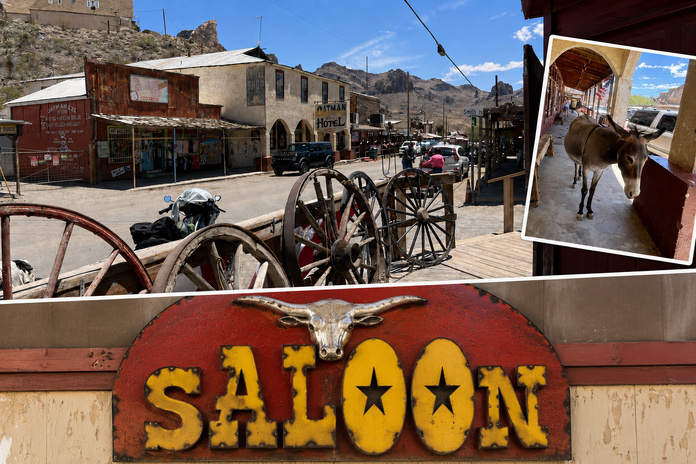
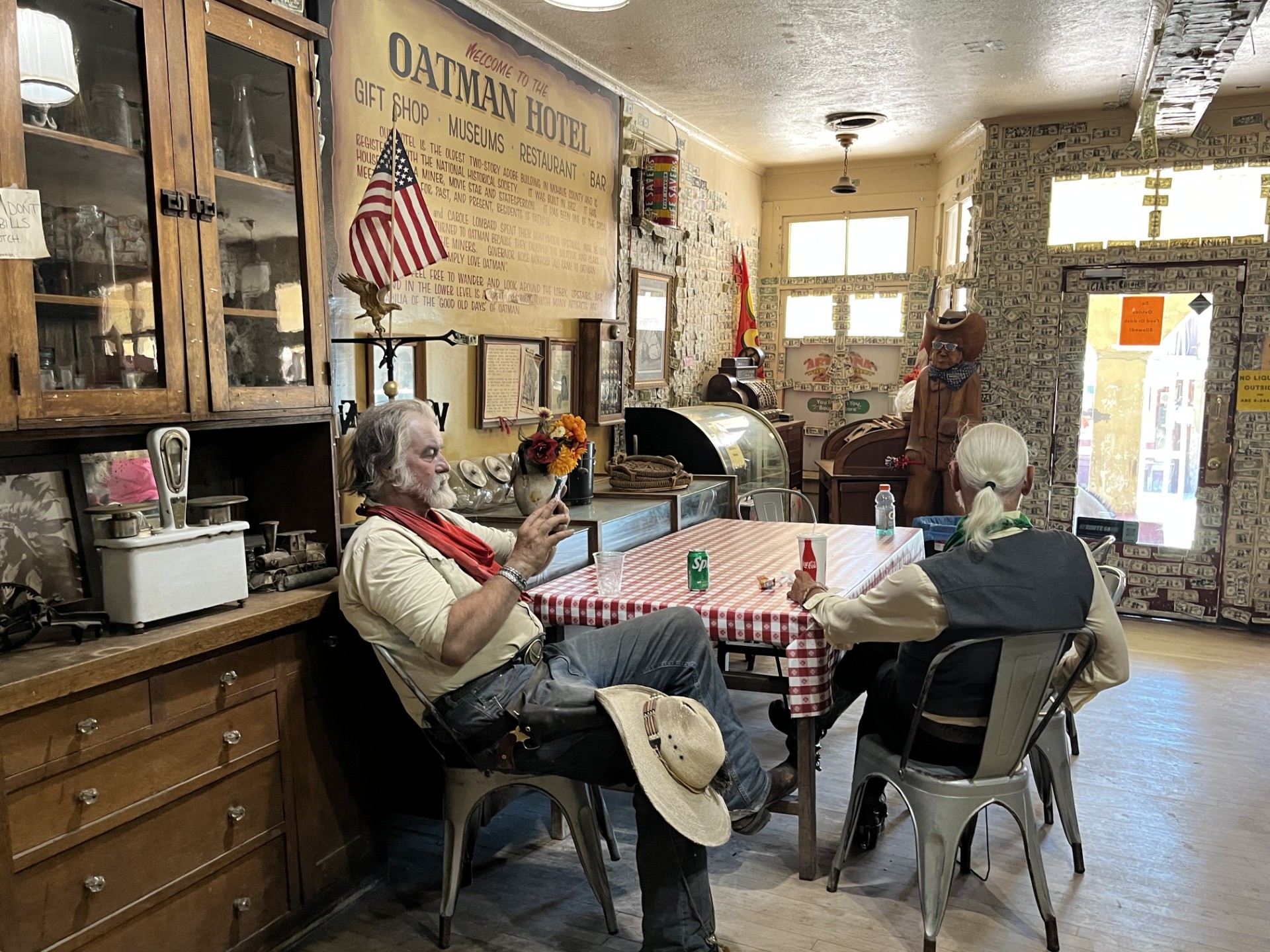
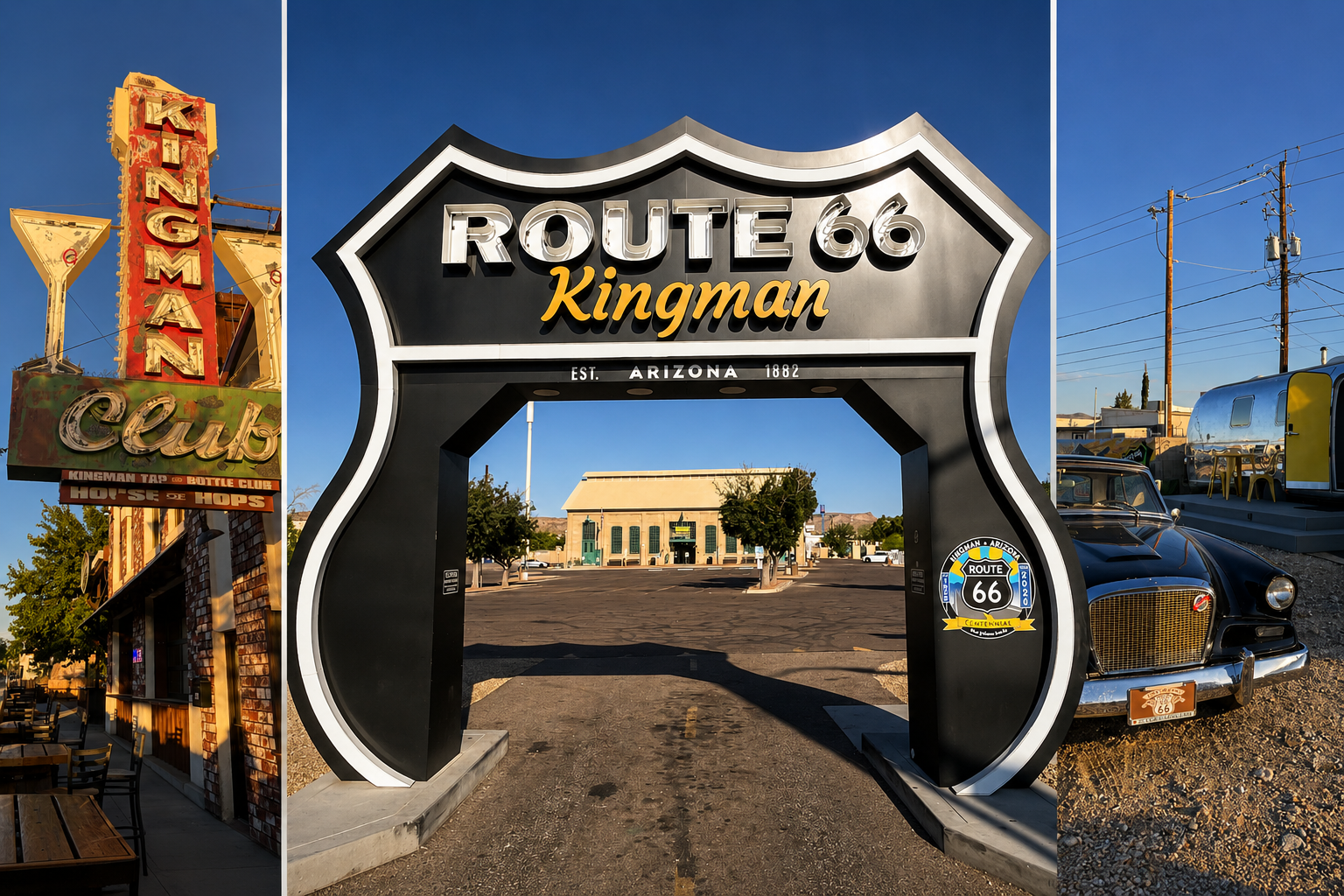
A Oatman, le temps semble s'être arrêté au moment de la conquête de l'Ouest - Photo : PB, composition générée par IA

CroisiEurope


Just after Newsberry Springs and its famous Baghdad Café (see the first part of our road trip), Route 66 enters Arizona where lies the land of the Navajo Nation.

The Navajos, however, are not encountered immediately.

Perched in the heart of the Black Mountains, the first settlement you meet is named Oatman. It is an old mining town where time seems suspended despite the influx of tourists.

Its history is closely tied to the conquest of the Far West: this village flourished, housing up to 10,000 inhabitants, after two prospectors found gold in the area in 1915. It declined after the mine closed.

Always filled with wooden buildings worthy of the finest western set pieces, Oatman offers a vivid immersion into the Western American imagination. Everything feels so authentic that you might imagine hearing gunshots. Of course, nothing like that happens!

Nowadays, this endangered town is being revived (a little) thanks to tourism. The donkeys wandering freely through its streets, and sometimes into the many, rather kitschy, souvenir shops, give it a distinctive publicity. They are the descendants of the pack animals abandoned by miners as they left.


In Oatman, Clark Gable’s Wedding Night


Lors de ses séjours à Oatman, Clark Gable jouait aux cartes avec les mineurs dans le Saloon - Photo : PB

Although it now sells ice cream, the Oatman Hotel has remained as it was.

In its saloon, the walls and ceiling are covered with dated and signed banknotes from the countless visitors.

And while some bar pillars still sit at the tables, rather than playing cards as in the past, they scroll for hours on their phones, beneath an old photograph of Clark Gable and his wife Carole Lombard.

No one knows if this is true or a legend. One thing is certain: Oatman boasts of hosting the wedding night of these two Hollywood stars after their secret marriage in Kingman in 1939. And of having seen them again, often, afterwards.

On occasion, Clark Gable is said to have played cards with the miners!


Kingman, “The Heart of Historic Route 66”


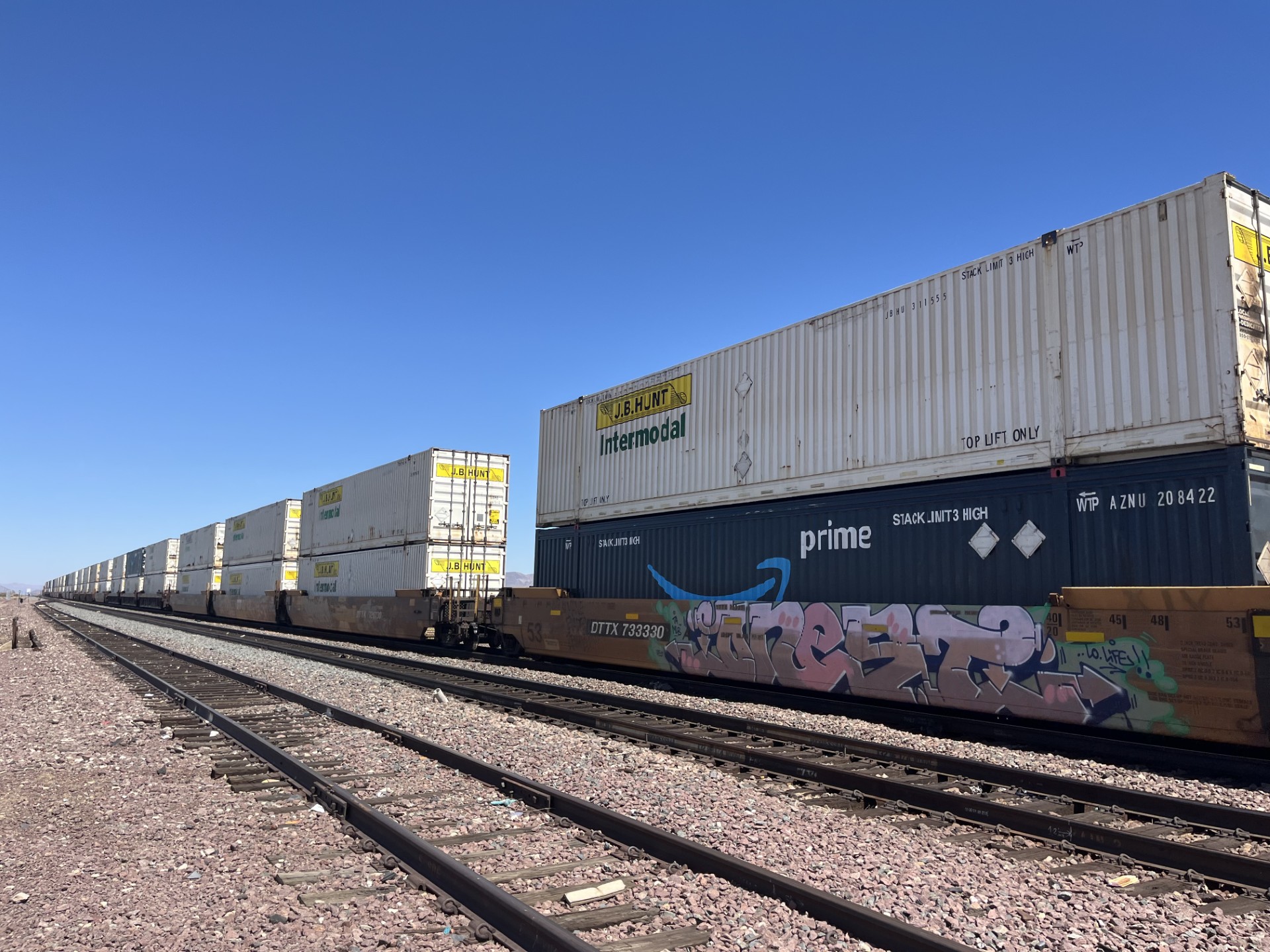
Toutes les 12 minutes, un train interminable passe encore à la gare de Kingman - Photo : PB

The next stop on Route 66 is Kingman.

Dynamised by a few notable enterprises, this 35,000-inhabitant town still cherishes its past. It presents itself as “The Heart of Historic Route 66”, nothing less!

At night, its atmosphere becomes quite magical thanks to the neon glow of its many shops.

By day, with its stone and brick buildings that have withstood the test of time, its traditional look as a road and especially railway hub becomes more evident: do the whistles of the endless convoys of the Atchison Topeka & Santa Fe Railroad still mingle every 12 minutes with the roar of cars on Andy Devine Avenue?

At 211 E on this avenue, Tin Can Alley On 66 offers original aluminum caravans fully reconfigured and air-conditioned where you sleep like a baby. At 1440 E on the same avenue, the historic El Trovatore Motel recalls having seen many Hollywood glories, starting with Clark Gable and Marilyn Monroe.

On the exterior wall of this establishment, a breathtaking 63-meter-long colorful mural now traces in pictures the entire Route 66 journey, from Chicago to Santa Monica.


In Kingman, the Black Arch of souvenir photos


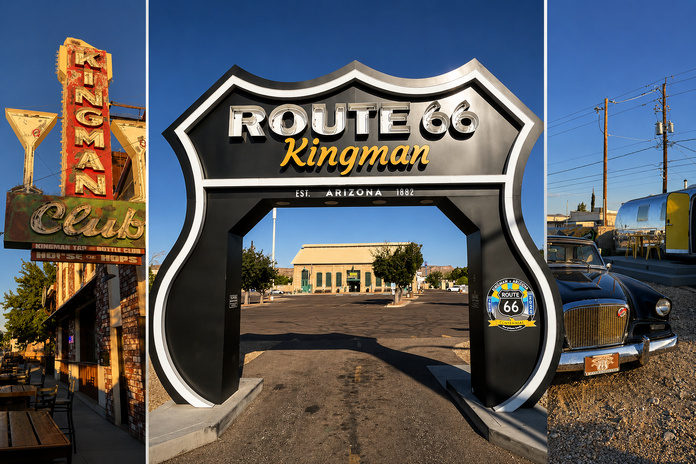
Dynamisée par la présence de quelques belles entreprises, Kingman n'en cultive pas moins la nostalgie de la Route 66 - Photo PB, composition générée par IA

Not far from there, in a imposing concrete building with handsome display windows, the Powerhouse Visitor Center serves as a treasure trove of tourist information. And as a must for souvenir enthusiasts.

Its Railroad Museum plunges visitors back into the grand adventure of the conquest of the West.

On site, two other museums compete in originality: the Arizona Route 66 Museum recounts the history, from the ancestral trails of Native Americans to the final routing of this mythical road, passing through the tracks used by settlers during the conquest of the West.

First in the world of its kind, the Route 66 Electric Vehicle also travels back in time, but… with its astonishing collection of electric vehicles: the oldest date from the early 20th century!

Facing the Visitor Center, Locomotive Park pays homage to Kingman’s rail past, featuring, as a guest star, steam locomotive No. 3759, a steel monster still ready to leap.

The most popular attraction in Kingman? It sits in the parking lot of the Visitor Center. It is an impressive black steel arch, stamped with Route 66. Tourists love posing in front of it!


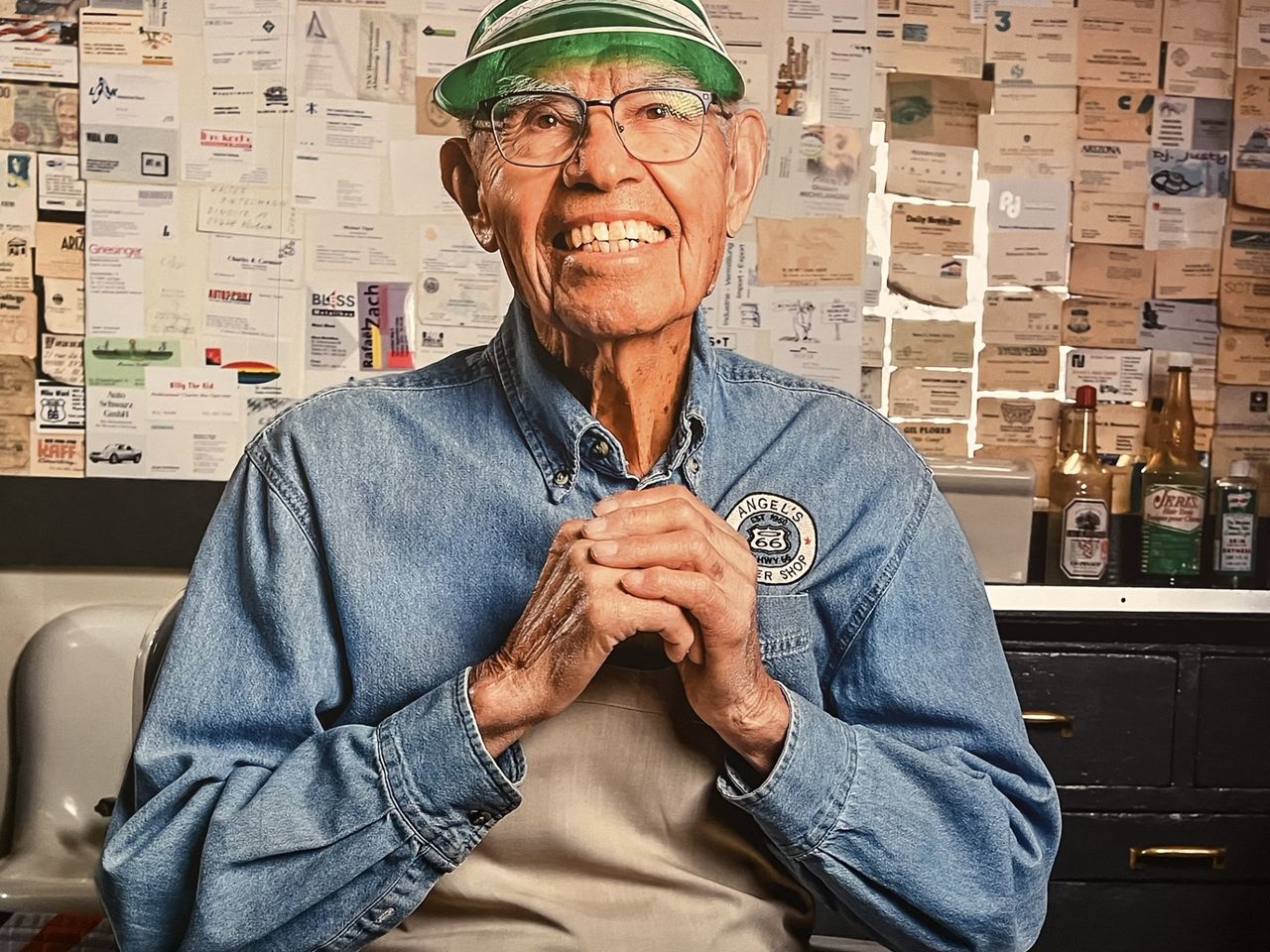
Angel Delgadillo, the celebrated “savior” of Seligman


Cette photo d'Angel Delgadillo, le "sauveur" de la Route 66, est exposée dans les rues de Seligman - Photo : PB

After this rite of passage to which we obviously sacrificed, we head to Seligman!

This town almost disappeared from the map after the construction of Interstate 40, which connected the East Coast to California.

In 2020, it counted only 446 inhabitants. It was saved by the famous Angel Delgadillo, alongside the Route 66.

On site, this local son now in his 90s is a real hero. His photo sits in front of his bric-a-brac shop while, leveraging his fame, his family now runs several stores on the main street where one can find touch-and-go restaurants, clothing shops, kitschy souvenirs and signs displaying life-size photos of Elvis Presley and Marilyn Monroe.

Old colorful cars from the 1950s-60s with headlights painted like big eyes, as in cartoons, complete Seligman’s decor. It is not unusual to see young women in shorts posing on the hood before heading to enjoy an ice cream!


Gateway to the Grand Canyon


Sedona, its red cliffs and energy vortices


Des dizaines de western ont été tournés à Sedona - Photo : PB

Not far from the Grand Canyon, other sites deserve a visit, starting with the ruins of a fortified citadel perched high up, built in the 12th century in Wupatki Park by the Pueblo Indians.

At that time, they cultivated corn and squash on lands made fertile by the latest volcanic eruptions of Sunset Crater, whose cone rises nearby in the sun-blasted grassy plain.

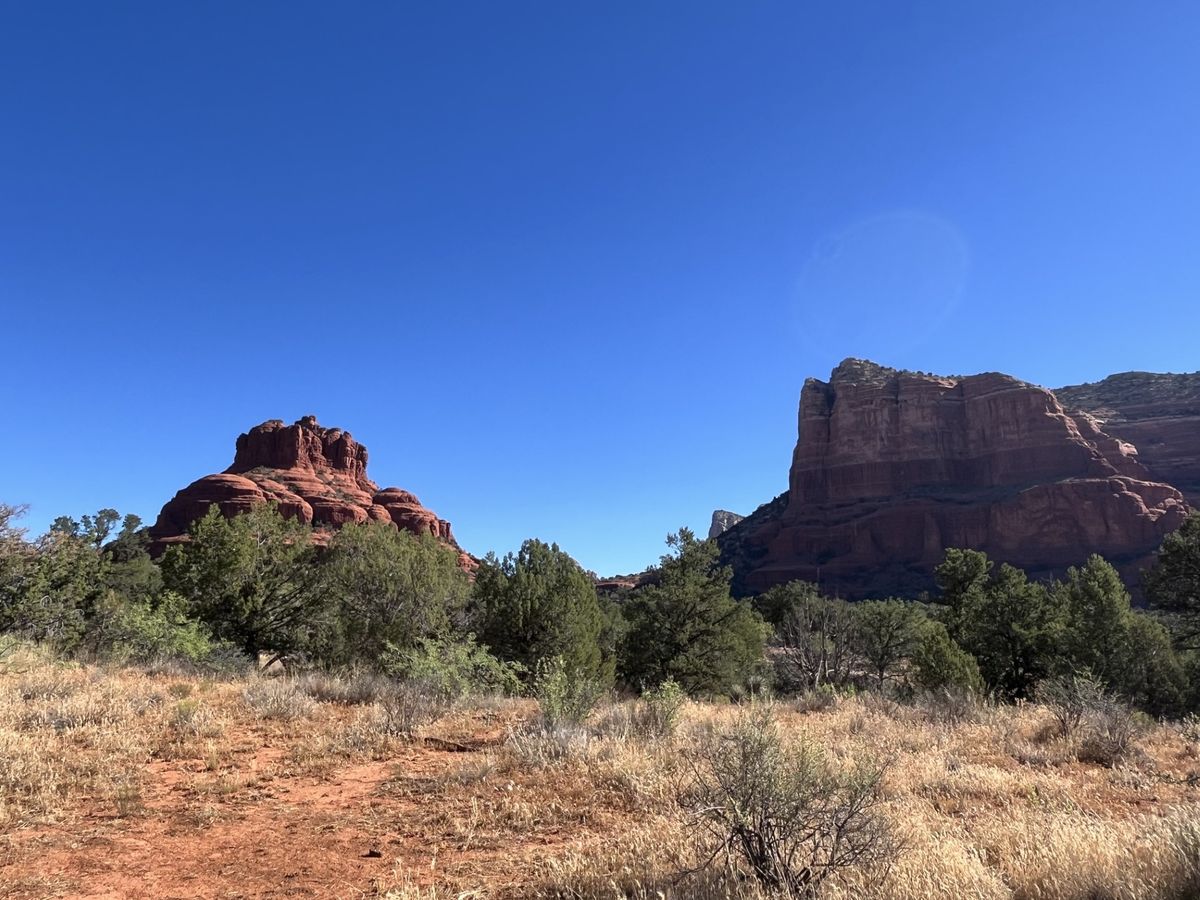
About fifty kilometers south of Flagstaff, the desert landscapes dotted with cacti and the red cliffs of Sedona are also worth the detour.

This town (12,000 inhabitants) is today the capital of the New Age, of yoga, meditation and energy vortices, but its superb landscapes are best known for the fact that more than 60 westerns were filmed here.

In the era of John Ford and John Wayne, Hollywood’s biggest stars worked a lot in Arizona, where lies the largest Native American reservation in the United States, the Navajo Nation, a people who arrived in the southwestern United States around 1300 to 1500.

Unfortunately, its most extraordinary site — Monument Valley and its towering sandstone fins set in a red desert — is two hours’ drive from Flagstaff.

During this road trip, we did not go there, nor to Winslow and Holbrook, the last two stopover towns in Arizona. Then, Route 66 crosses into New Mexico, and then heads into Oklahoma.


In Scottsdale, the nuances of the Museum of the West


Le Museum of the West de Scottsdale a ouvert en 2015 - Photo : PB

After turning away from Sedona and stopping at Taliesin West, the former residence-workshop (UNESCO-listed) of one of the world’s most famous architects, Frank Lloyd Wright (whose open-plan design and the blurring of inside and outside define his so-called “prairie” style), our journey ends in Scottsdale.

This city of 250,000 inhabitants stretches along the outskirts of the sprawling Phoenix, the capital of Arizona.

Nestled at the gate of the Sonoran Desert, Scottsdale offers much more than a single plunge into the American West. It is a destination in its own right, composed of spectacular nature, refined culture, inventive gastronomy, and a relaxed way of life.

Art galleries of all kinds and outdoor sculptures concentrate in its Old Town, with a Western feel… modernized.

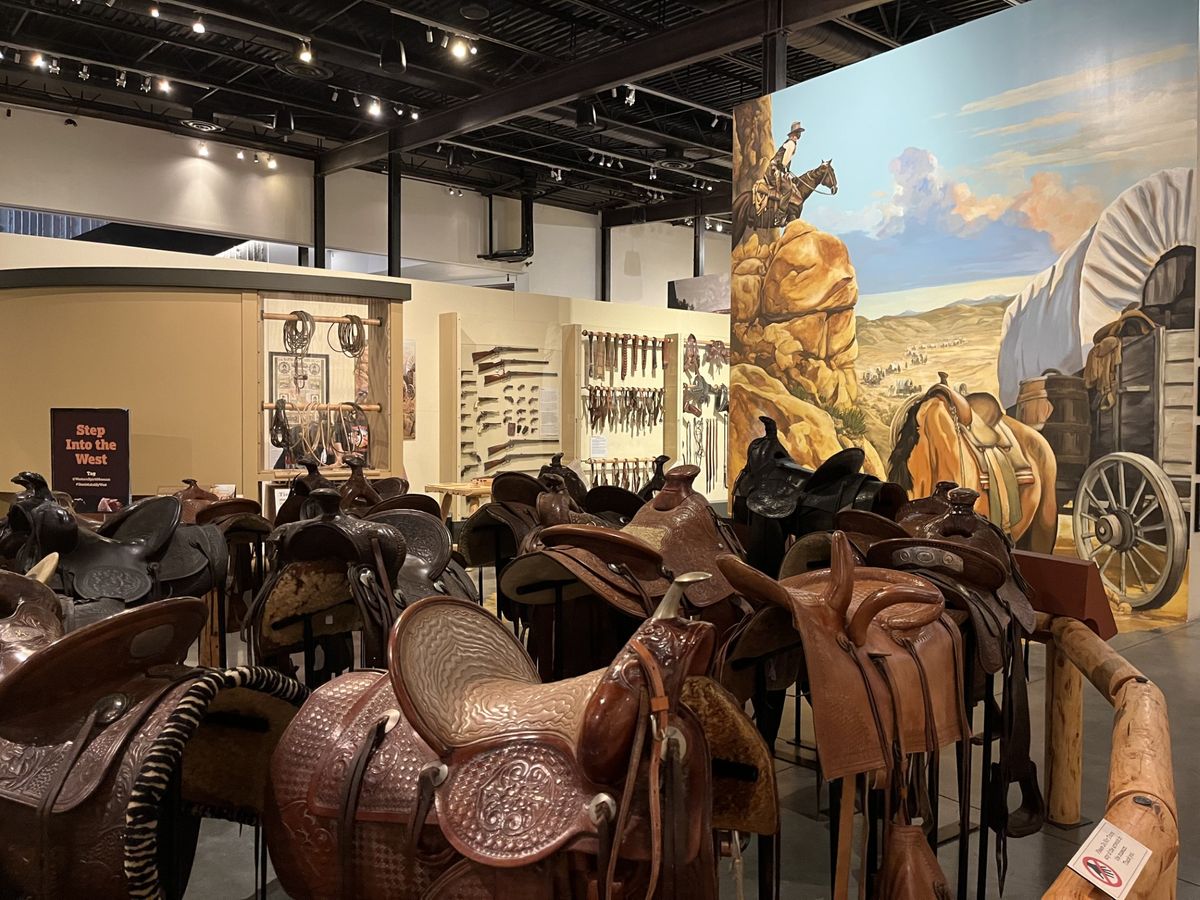
If it is pleasant to stroll there in the late afternoon (when it is cooler), it is even more fascinating to discover its Museum of the West.

Through a remarkable collection of objects, photographs and artworks, it highlights the richness of Native American cultures and tells the history — fascinating, often bloody but far more complex than is often said — of the conquest of the West.

It is with this leap through time that our journey ends. We took immense pleasure in crossing these vast spaces, these breathtaking landscapes, these towns still authentic, punctuated by endearing encounters.

Throughout the journey, the song “Route 66” composed by Bobby Troup and performed by the crooner Nat King Cole in 1946, then covered in 1961 by Chuck Berry, one of the pioneers of rock ‘n’ roll, kept ringing in our heads.

Its refrain said: “Get Your Kicks on Route 66”. In other words, “Get a kick on Route 66.” These three guys were right: you get your kicks on Route 66!


Useful Information


Aux Etats-Unis, les grosses voitures d'hier font encore rêver... - Photo : PB

– This road trip was organized by Brand USA with the help of Cercle des voyages. For more information, visit TheBrandUSA.com.

– To find travel ideas to the United States as well as resources to organize your stay, consult the sites AmericaTheBeautiful.com and www.visittheusa. See also the new American Originals content.

– To know the entry requirements and formalities for entering the United States, consult the page “Get facts. Get going.”

How to go there: many airlines serve the United States.

Among them, Air Tahiti Nui, which carried us to Los Angeles. Depart from CDG at 12:05. Arrive in Los Angeles at 14:17 (local time). Up to 7 flights per week in peak season.

For the return, we took an American Airlines flight from Phoenix (Arizona) to Los Angeles, where we boarded Air Tahiti Nui to Paris.


PAULA BOYER Published by Paula Boyer Head of LuxuryTravelMaG – TourMaG.com

See all articles by Paula Boyer

  • picto Twitter
  • picto Linkedin
  • picto email
Ajoutez TourMaG à votre flux Google Actualités Google Actualités icône

Artsy Tuscany: A Road Trip Off the Beaten Path


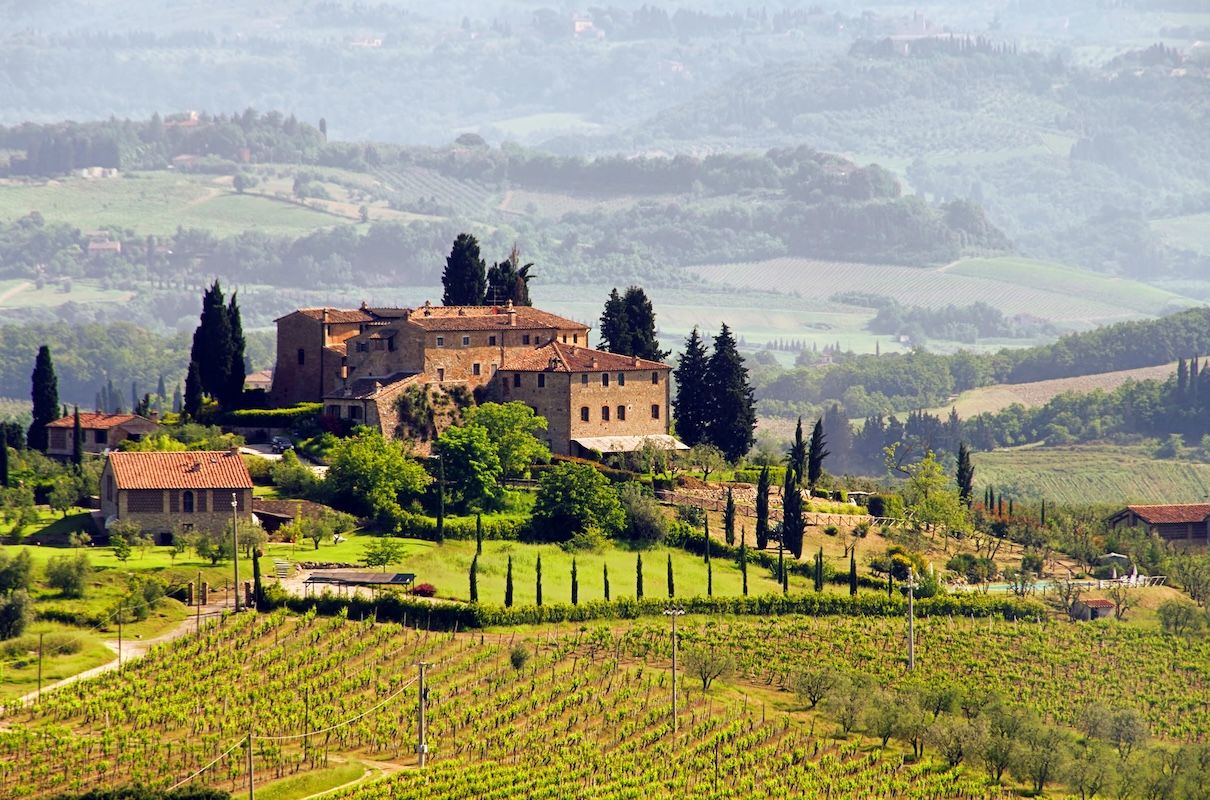
La Toscane autrement : quand l’art contemporain sublime la Renaissance - Depositphotos.com, Kassandra2

CroisiEurope


What would Michelangelo or Leonardo da Vinci say if they returned to the 21st century?

They would rediscover the sweet scent of Tuscany, its medieval villages and its cypress-hilled hills, so dear to today’s travelers…

No doubt they would also be pleased to see that art continues to reign supreme, with monumental works scattered across the countryside and the heart of towns.

Here lies one more reason of wonder — this region of plenty. For several years now, contemporary artists have left their mark here, peppering their creations in the wilds or in urban districts.

Like in Florence. With its Ponte Vecchio, its Uffizi Gallery and the Academy, the Tuscan capital is proud of its Renaissance heritage. But it also embraces contemporary art in several places.

In the Boboli Gardens, born under the Medici and the city’s most famous park, Igor Mitoraj’s monumental bronze head, cracked and monumental, towers among ancient and classical sculptures, in a striking contrast.


Florence, Enzo Pazzagli Art Park

In the Rose Garden, near the Michelangelo esplanade, the Belgian artist Jean-Michel Folon scattered bronze sculptures that dialogue with their surroundings. The view over the historic center from this park is also breathtaking.

To the south of Florence, there is another surprise at the Enzo Pazzagli Art Park. It gathers about 200 sculptures, most of which come from this metalworking specialist artist, who also created here “La Trinità,” a new installation of 300 cypress trees planted to form a face.

Forty minutes by car from Florence, Prato, a former textile city, is worth a detour for its Luigi Pecci Centre for Contemporary Art.

The design metallic edifice, crescent-shaped, encloses the original building and reveals permanent collections of visual arts and performing arts, cinema, design and fashion, as well as works by major artists of the 20th and 21st centuries (Jan Fabre, Anish Kapoor…).


In Prato, Exhibitions of International Renown

This Italian institution, a benchmark of avant-garde art, hosts annual exhibitions of international renown.

From the museum garden where works also stand, a contemporary art trail reveals about a dozen installations scattered around the city: the iron sculpture “Reflection of the Cosmic Order” by Eliseo Mattiacci; the circular steel-tube structure “Mazzocchio,” by Ben Jacober and Jannick Vu…

From Prato, head to Peccioli and its MACCA (Museum of Contemporary Art in the Open-Air), less than one hundred kilometers southwest of Florence. In this village in the Valdera, a valley rimmed with vineyards and olive groves, more than 70 installations are scattered through the streets and the surrounding nature.

The most spectacular? Sculptures three to nine meters tall representing human figures emerging from the earth, a metaphor for rebirth.

A stroll in Peccioli, whose houses line up neatly along a hilltop, also leads to a steel footbridge wrapped in a colorful “ribbon,” by Italian artist Patrick Tuttofuoco (Endless Sunset), and to a wall speckled with eyes photographs by Vittorio Corsini (Lo sguardo di Peccioli).


Andrea Bocelli and ArtInsolite

Do not miss in Ghizzano, a hamlet of Peccioli, the surprising Via Medio, or the Midway, by British artist David Tremlett: his wall drawings accentuate the windows of the houses on Via di Mezzo, echoing the greens and earthy browns of the surrounding hills.

Located about ten kilometers from Peccioli, Lajatico offers its reply. Here too, contemporary art transcends heritage. This momentum owes much to the famous tenor Andrea Bocelli. Born in Lajatico in 1958, he created the Teatro del Silenzio, a summer festival he himself described as the “Woodstock of Bel Canto.”

The contemporary art event ArtInsolite has been added there, drawing creators who have dressed the village’s buildings with their works, tracing an unusual “path of art.”


Monumental Sculptures in the Countryside

To see: the “restaurant of modern art,” a curious red altar topped by a sculpture, set in a vaulted rocky cave; a root-bulb curving emphatically against a wall of old stones.

Around the festival site, the arid countryside with rolling fields also hosts modern sculptures, a delicious blend of rural life and land art.

Further afield, here is Volterra. Close to San Gimignano, the famous village with its tall medieval towers, this substantial hilltown of Etruscan origin perched on a ridge is punctuated by palaces, churches and towers, overlooking a countryside sprinkled with monumental geometric sculptures (ring, arrow, stakes…).

Created by the artist Mauro Staccioli (1937-2018), a son of the region, they subtly punctuate the agricultural landscape, which shifts from green to straw-yellow with the seasons.


Louise Bourgeois and Daniel Buren in Gaiole in Chianti


Antinori and its Design Winery

About twenty kilometers before reaching the great Tuscan city, in San Casciano in Val di Pesa, the Antinori winery plays the design-winery card. Inaugurated in 2012, its bold cathedral-like form for wine makes generous use of local materials: terracotta, wood, glass…

A spectacular spiral staircase crowns it, and it overlooks the countryside from a terrace surrounded by vineyards planted with the Chianti’s signature grape, Sangiovese.

In the same family for 26 generations, the estate, with its Accademia (a collection of Tuscan artworks) and its Antinori Art Project (exhibitions by contemporary artists), embodies a regional, artsy culture carried to its pinnacle here.


Practical Information

The region is accessible by plane thanks to flights linking Paris and several French cities to Florence with Volotea, Vueling and Air France, or by train from Paris via Turin, in about ten hours.

The proposed itinerary forms a loop starting from Florence, passing through Prato, Valdera, Volterra, Capalbio, Montepulciano and Chianti.

In terms of accommodations, several charming addresses dot the route: the Pitti Palace al Ponte Vecchio, in Florence, pleases with its terrace overlooking the city; the Albergo Villa Nencini, near Volterra, occupies an elegant 17th-century residence; the Fattoria Biologica Poggio Foco, near Capalbio, offers an agritourism stay at the heart of a biodynamic farm; finally, Borgo Le Noci, in Gaiole in Chianti, provides a refined pause within the Tuscan wine landscapes.

Top 10 Used Cars for a Summer Road Trip

We have selected the ten used cars that fit these criteria, cross-checking reliability data from J.D. Power and ADAC with BPM Cars’ insights, a multi-brand dealership group that partnered with this ranking.

What Makes a Real Road-Trip Car

Four criteria separate the contenders. First, trunk space: below 450 litres and a family’s suitcases spill over onto the rear seat. Next, fuel consumption, measured at 130 km/h, which can vary widely between models of similar size. Comfort for long distances—seats, soundproofing, adaptive cruise control—makes the difference between arriving fresh or drained. Finally, reliability: a breakdown 800 km from home can ruin a holiday more reliably than poor weather. Our selection, focused on the brands distributed by BPM Cars’ network, the partner in this ranking, does not tell you how to plan the departure; the mandatory preparation steps, including maintenance, tires and equipment, are detailed in BPM Cars’ road-trip preparation guide. It indicates which car to put into the equation, and road safety recalls the non-negotiable rule: a break every two hours.

The Top 10 Road-Trip-Ready Used Cars for Your Vacation Drive

1. Volvo V60 (2018-2022)

The wagon that looks after its crew. Volvo’s seats are a benchmark that ten hours on the road confirm, and its safety equipment ranks among the most complete on the market. The 529-litre boot is square and swallows the vacation logistics. The D3 and D4 diesels, followed by the B4 mild-hybrids, cover the distance while calling for about 5.5–6.5 L/100 km on the highway. Price ranges from €22,000 to €32,000 depending on the year. Network maintenance isn’t cheap: a full history and a solid warranty are welcome at purchase.

2. Suzuki Swace Hybrid (2021-2024)

The wisest hybrid wagon of the moment, and the most overlooked: the Swace is the technical twin of the Toyota Corolla Touring Sports, produced on the same British assembly lines with the same 1.8 122 hp hybrid powertrain, reputed among the most durable on the market. About 5 to 5.5 L/100 km on long journeys, enough to link Paris to the Basque coast with a single tank, and the Crit’Air 1 badge to cross metropolitan areas. Its 596-litre boot swallows family luggage, and its conspicuity on the used market makes it a bargain, around €17,000 to €22,000. Discover the Suzuki universe at BPM Cars.

3. Alfa Romeo Stelvio (2020-2023)

The SUV that loves the road as much as you do. The sharpest chassis in its class, a responsive steering feel, and a sedan-like balance: the Stelvio turns winding national roads into driving pleasure, without sacrificing its 525 litres of boot. The 2.2-litre diesel from 160 to 210 hp stays thrifty over long stretches, around 6–7 L/100 km. Prices range from €28,000 to €40,000 for facelifted years from 2020 onward, the best finished and most reliable phase of the model’s career. A well-documented history is essential, as electronics can be finicky at times. Our used Stelvio guide details the versions to target.

4. Hyundai Santa Fe Hybrid (2021-2023)

The XL format for the family road trip: up to seven seats, a boot over 630 litres in five-seat configuration, and a 230 hp hybrid powertrain that remains smooth on long stretches, from the outskirts to the hairpins of the Cevennes. Like the Tucson, it comes with Hyundai’s five-year unlimited-mileage warranty, transferable to the second owner, a genuine safety net far from home. Expect to pay €30,000 to €40,000 depending on year and trim. Its size—about 4.80 metres—requires a little care in village parking, the only real bottleneck of all this space. Discover the Hyundai universe at BPM Cars.

5. Mercedes-Benz E-Class Estate (2018-2022)

The rolling palace of the ranking: 640 litres of boot space, reference-level sound insulation and a suspension tuned for long legs. The 220d diesel, powered by the reliable OM654 four-cylinder, runs down to around 5.5–6 L/100 km at a steady legal speed—an economical long-distance performer. Expect to pay between €28,000 and €42,000 depending on year and mileage. It’s the choice of travelling families and heavy-mile drivers; in town, its 4.93-metre length requires broad maneuvering. See the E-Class Estate at BPM Cars.

Good to know. Several models in this ranking regularly pass through BPM Cars’ guaranteed stock: a 200-point check, 12 to 36 months of warranty, and a complete maintenance history, so you can head off with peace of mind. Discover the used stock.

6. Hyundai Tucson (2021-2024)

The compact SUV that heads off on vacation with its warranty: five years of unlimited mileage, transferable to the second owner, ensuring travel coverage. Its boot ranges from 546 litres to 620 litres depending on engine, and its spacious cabin makes it a true family car, with hybrid versions showing smooth and economical behavior on long stints. Expect to pay €20,000 to €28,000. See our used Tucson guide to pick the right version.

7. Jeep Compass (2021-2023)

The road-trip spirit par excellence: generous ground clearance, rugged look, roomy interior and a 438-litre boot. The 1.3 turbo petrol with 130 or 150 hp gets the job done without fuss, and the plug-in hybrid 4xe adds all-wheel drive for steep forays. Prices range from €18,000 to €26,000 for recent years, with higher figures for 4xe. For the latter, check the charging history; the simple petrol remains the rational choice. See the Compass at BPM Cars.

8. Mercedes GLC (2020-2022)

The highway is its realm. Attentive soundproofing, long-haul seating and effective adaptive cruise: the GLC makes 1,000 kilometres down to the south a routine trip. ADAC places it at the top of its reliability class, and the OM654 diesels, the 200d and 220d, are frugal around 6.5 L/100 km at legal speed and among the brand’s most enduring. Expect to pay €32,000 to €45,000, avoiding the plug-in hybrid 350e from this period, which is less reliable. See the GLCs at BPM Cars.

9. Volvo XC60 (2018-2022)

The raised driving position of the SUV, plus extra Volvo comfort. The XC60 inherits the long-haul seats and safety repertoire of the V60 in a taller, more accessible package for children and grandparents alike, with a 505-litre boot. The D4 diesels and mild-hybrids B4 hold the distance, priced between €25,000 and €38,000 depending on year. The same recommendation as for its wagon cousin applies: a complete history and a solid warranty make a difference at purchase. Discover the Volvo universe at BPM Cars.

10. Suzuki Vitara (2019-2023)

The entry ticket for the road trip, between €14,000 and €22,000. Lightweight and frugal thanks to mild hybridization, available with AllGrip all-wheel drive for the Pyrenees’ tracks or Cévennes’ lanes, the Vitara offers high reliability and steady ADAC praise, inherited from a straightforward engine. Its 375-litre boot requires smart packing—soft bags rather than rigid suitcases—and highway noise isolation remains modest. For couples and small families who prioritize the itinerary over luxury, it’s freedom at the best price.

Our selection is made in partnership with BPM Cars. Family SUVs, wagons and recent hybrids pass weekly through the group’s guaranteed stock: 200-point check, 12 to 36 months warranty and a complete history delivered to the buyer. See the available vehicles.

Estate or SUV: Which Should You Pick for the Vacation Road?

For similar overall size, the estate retains the rational advantage: a lower center of gravity, better behavior when loaded, and highway fuel consumption about 0.5 to 1 L/100 km lower than a comparable SUV, thanks to aerodynamics at 130 km/h. The SUV answers with a higher driving position, more relaxed for many drivers, usable ground clearance off the pavement, and easier boarding for children and grandparents. Both schools have their champions in this ranking; to delve deeper, our used estate guide and our guide to 7-seat SUVs detail the best family profiles.

Also read on GEO: all our travel ideas.

Frequently Asked Questions

Which used car should you choose for a road trip?

Reliable choices combine large boot space, fuel efficiency and reliability: Volvo V60, Suzuki Swace Hybrid and Mercedes E-Class Estate on the wagon side; Alfa Romeo Stelvio, Hyundai Tucson or Santa Fe on the SUV side. For a tight budget, the Suzuki Vitara remains unbeatable from €14,000.

Which car uses the least fuel on the vacation road?

The Suzuki Swace Hybrid is the most economical in our lineup: around 5–5.5 L/100 km on long trips thanks to its proven hybrid chain. For diesels, a E-Class 220d or a GLC 220d drops to about 5.5–6.5 L/100 km at a steady, legal pace.

Should you service an used car before a road trip?

Yes, systematically: levels, tires, brakes, air conditioning and the timing belt/chain should all be checked before a long journey. A car purchased from a dealership, serviced and guaranteed like BPM Cars, leaves with these checks already done, making departure preparation simpler.

The ideal road-trip car isn’t the most expensive; it’s the one that arrives with no suspicious noises, all luggage aboard and passengers rested. A proven mechanical, a roomy boot and a transparent history: BPM Cars’ stock brings all three together.


See all BPM Cars opportunities

For short trips, prefer walking or cycling. #MoveLessPolluting

Sponsored article by BPM Cars. The editorial team did not participate in the production of this article.

Returning to France After a Long Trip: Why the Homecoming Is Often Harder Than Expected

Four years ago, they dropped everything: the apartment, the steady job, the car. They headed to Australia for what was meant to be the first big journey of their lives. Thibaut and Pauline, 25 and 26, didn’t know each other yet when they left France. A few weeks later, they fell in love and began traveling together.

At first, they stayed because they loved Australia and wanted to keep exploring the country. But when their visa could no longer be renewed, the return became unavoidable: “We told ourselves, it’s the end of Australia, a page is turning. We are going to travel for six months in Southeast Asia before returning to France.”

But as the deadline drew closer, concerns emerged: “What scares us is re-acclimating to the French system, explains Pauline. We are bilingual, we don’t want to lose our English and we are used to the Anglophone system, with a great openness in companies. Here, we focus more on our experience and our personality than on our diplomas. And I earn a better living.”

Finalement, au lieu de rentrer, le couple a postulé à un Programme Vacances-Travail (PVT) en Nouvelle-Zélande.

“Nous n’évitons pas à 100 % de rentrer en France, mais nous n’essayons pas d’y retourner non plus. Si nous ne trouvons pas de sponsor pour obtenir un visa en Nouvelle-Zélande, nous pensons déjà au Canada”, raconte le couple. Avec la distance, les aspects qui leur plaisent moins en France se sont accentués. Ils s’inquiètent du coût des loyers, de la qualité de vie, mais aussi du sentiment d’insécurité. Malgré les atouts qu’ils reconnaissent au pays, une part d’eux appréhende toujours l’idée d’y revenir.

Travel, Identity Change and Acclimatization

Pour de nombreux voyageurs, le retour est loin d’être une simple formalité. Après plusieurs années à l’étranger, retrouver sa vie d’avant peut s’avérer plus difficile qu’on ne l’imagine. Floriane, 32 ans, en a fait l’expérience.

Après plusieurs séjours à l’étranger pendant ses études, puis près de deux ans en Australie et un PVT en Nouvelle-Zélande, Floriane décide de rentrer en France en juin 2025 : “Je me suis dit : j’ai 31 ans, ça fait trois ans que je ne vis plus en France, je ne cotise pas pour la retraite, mon CV ressemble un peu à n’importe quoi… ce sont toutes ces questions qui m’ont fait revenir.” Pourtant, une fois en France, les doutes s’intensifient. Lorsqu’elle retrouve ses amis, le décalage est brutal : “Certains de mes proches me disaient : “On vient d’acheter l’appart” ou “On attend le bébé”. J’étais contente pour eux, mais je me prenais un coup de poignard à chaque fois, à me dire : “Mais merde, qu’est-ce que j’ai foutu ?”.

Peu à peu, elle remet en question ses choix, à commencer par son métier de journaliste. Mais ses doutes dépassent le cadre professionnel : ai-je bien fait de rentrer ? Dois-je repartir ? Mais où, et pourquoi ? Des interrogations qu’elle traverse seule, son expérience étant difficile à partager avec son entourage.

Bien vivre son retour en France est possible, à condition de l’anticiper. Le piège est de penser que revenir dans son pays d’origine ne nécessite aucun ajustement. Pour Matthieu Fouché, il faut anticiper ce changement sur le plan mental : « n arrive dans un nouveau pays, l’environnement est tellement différent qu’il y a forcément des modifications identitaires, explique-t-il. Cela entraîne souvent le sentiment d’évoluer positivement : apprendre de nouvelles choses, devenir quelqu’un que l’on apprécie à ce moment-là.”

Le retour implique alors un nouveau bouleversement, parfois appelé en psychologie « choc culturel inversé » : le fait de revenir dans un lieu censé être familier, mais qui semble soudain étranger. “Souvent, de retour d’ expatriation, on ne se rend pas compte de ce qu’il va se passer, explique Pascale Chazelle, coach certifiée dans l’accompagnement des conjoints expatriés. Il y a souvent une période de questionnement et une nécessité de se réinventer : les valeurs ont changé, la relation avec la famille ou les amis aussi, et se pose la question de qui je suis et quels sont mes projets.”

Living Well Upon Returning to France

Living well upon returning to France is possible, provided it is anticipated. The trap is to think that returning to one’s homeland requires no adjustment. For Matthieu Fouché, one must anticipate this mental shift: “When you’re preparing to go to a new country, you expect it to be difficult, that you’ll have to make an effort to meet people. And, well, you should have a bit of that same mental preparation before returning to France.”

This work can also involve introspection. Pascale Chazelle particularly recommends listing the skills gained abroad, to become aware of the evolutions you’ve undergone and to integrate this new identity.

After several years in Australia and Asia, Damien and Fanny, 31, decide to return. After a month of happiness at seeing their loved ones again, the blues arrive: “We were looking forward to our return to France, and yet after a month, ouch. Small depression,” recounts Damien. It’s the first time I’ve ever experienced this in my life. It hurts, I hadn’t seen it coming.

Alors, le couple prend une décision : faire les saisons en France. “C’était une manière pour nous de garder un peu ce côté backpacker, ajoute le jeune homme. Nous avons enchaîné les saisons dans le Sud-Ouest, puis fait une saison en Savoie et actuellement nous sommes du côté de Saint-Malo. Après cet été, je pense que nous allons essayer de nous poser définitivement.”

Si Damien et Fanny ont pu compter l’un sur l’autre, et sont aujourd’hui heureux d’être rentrés, certains voyageurs se retrouvent confrontés à l’incompréhension de leur entourage, renforçant leur sentiment d’isolement. Matthieu Fouché et Pascale Chazelle conseillent alors de se rapprocher de personnes ayant vécu des expériences similaires.

Cependant si le coup de blues s’installe dans le temps avec un réel impact sur la vie quotidienne, une difficulté à établir des liens avec les autres, une tristesse qui se rapproche des symptômes dépressifs, il convient de se faire accompagner par un psychologue.

Le retour en France n’est donc pas forcément un renoncement, mais peut devenir une nouvelle étape. Et si, malgré tout, l’envie de repartir se fait sentir, l’aéroport ne sera jamais bien loin.

War in the Middle East: A Tense Business Trip


De nombreux voyageurs d’affaires sont bloqués dans le Golfe, et en Asie, depuis le 28 février 2026, date de l’offensive américano-israélienne. @depositphotos/SIphotography

IFTM TourMaG Party


The joint operation conducted by Israel and the United States, launched on Saturday, March 28 against Iran, has led to the closure of the airspaces of Israel, Qatar, the United Arab Emirates, Bahrain and Kuwait, in addition to Iran’s. This development has severely disrupted international air transport and, by extension, the tourism industry, including the business travel segment.

“There were a lot of calls over the weekend. Our 24/7 services were overwhelmed, recalls Valérie Sasset, Chief Executive Officer of BCD Travel France. And it continued on Monday and Tuesday with a huge volume of client calls.”

Some agencies had to handle particularly delicate situations. “We have hundreds of people stuck in Tel Aviv for a week and others in Asia. They cannot return to Marseille. For now, we are waiting”, explains Philippe Korcia, Chief Executive Officer of Voyages Eurafrique.

Because the Gulf air hubs are major crossroads of global air transport, notably for connections to Asia. “Many of our clients departing from Nice and Marseille transit through Dubai”, he adds.

For other industry players, the impact remains more measured. “The start of the week was a bit tricky, but it’s nothing compared with what our leisure-market colleagues are facing”, notes Maxime Pialat, CEO of Supertripper, whose some clients stranded in Doha or Dubai were able to be repatriated.


Detours, New Tickets, and Improvised Solutions

In response to these disruptions, travel agencies had to act quickly to identify alternative routes and options.

Some organized repatriations via diverted itineraries. “For those stranded near Dubai, we diverted them toward Oman”, explains Philippe Korcia.

Other travelers had to embark on new flights, sometimes at very high prices. “We had to buy back tickets, sometimes one-way at crazy rates. Some returns from Asia cost between 3,000 and 4,000 euros,” he notes.

These unforeseen expenses now raise questions about who bears them. “Will airlines reimburse the full price of unused tickets? And will insurance cover it, or will it be treated as a force majeure case?” ponders the head of Voyages Eurafrique.

At BCD Travel, whose clients are predominantly large accounts, crisis management often channels through other avenues. “Generally, the safety and security partners of major companies take charge of repatriation operations,” explains Valérie Sasset.

Also read: International SOS: no signs of short-term resolution to the conflict

Some agencies managed to limit the damage as well. “As soon as we learned of the conflict, we mobilized immediately,” emphasizes José Martinez, CEO of Amplitudes. “We managed to rehouse almost everyone.”

For Sylvie Perez, owner of Mop Voyages and regional delegate for Selectour Midi-Pyrénées, the corporate side remained relatively under control. “On Qatar-transited flights, we recorded several cancellations. Fortunately, since these were often flexible tickets, refunds were full and straightforward.”

Also read : Sylvie Perez (Mop Voyages): “Despite the uncertainty, our clients value our support”


Business Travel Already Postponed

Beyond immediate crisis management, professionals are already anticipating the consequences over the coming months.

“The situation is quite anxiety-inducing for people who have to travel, estimates Valérie Sasset. Some trips to Asia are likely to be postponed.”

In the immediate term, many business trips are simply rescheduled. “Unless it is absolutely urgent, business travelers do not want to risk getting stuck on the other side of the world,” explains José Martinez.

Besides logistical constraints, travelers’ mindset is also shifting. “It’s never good for business,” summarizes Maxime Pialat. Beyond travel, this situation worries the global economy.

For the moment, sector players remain cautious about the real extent of the impact. “We’re watching this like milk on the fire,” concludes Valérie Sasset. However, it is still too early to precisely gauge the consequences on activity.


Caroline Lelievre Published by Caroline Lelievre Journalist – TourMaG.com
See all articles by Caroline Lelievre

  • picto Twitter
  • picto Linkedin
  • picto email
Add TourMaG to your Google News feed Google Actualités icône

Travel Explorer Challenge: Win a Round-the-World Trip for Two


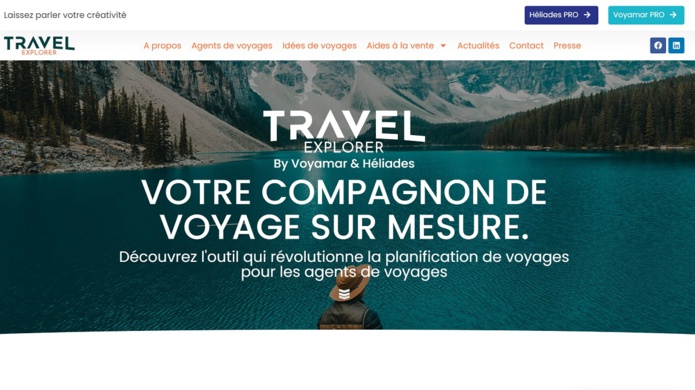
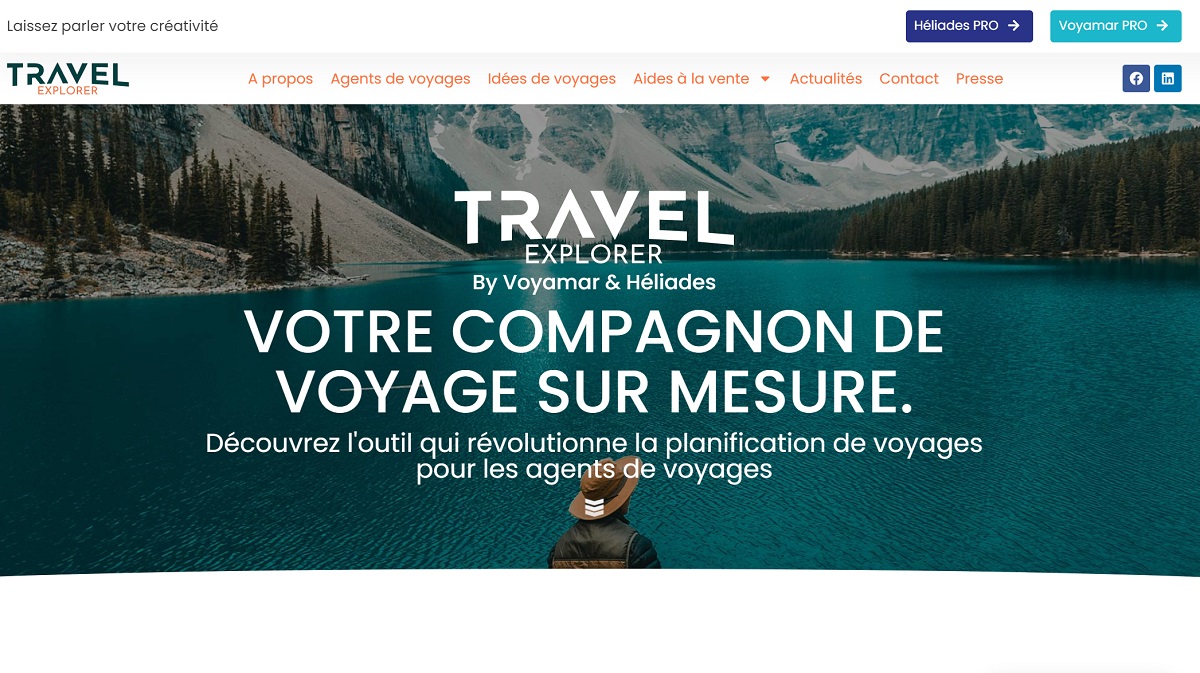
Travel Explorer lance un challenge de ventes pour les agences de voyages - Capture écran

IFTM


Travel Explorer, the new tool rolled out by Voyamar and Héliades for agencies, launches a sales challenge.

All partner agencies using Travel Explorer by Héliades and/or Travel Explorer by Voyamar are eligible to participate and all have a chance to win.

The one who achieves between May 2 and December 15, 2024 the highest cumulative business volume across both platforms, will have the opportunity to win a round-the-world trip for two*.

The journey will include six stops over three weeks. The announcement of the Travel Explorer sales challenge winner is scheduled for December 24, a moment to celebrate a wonderful Christmas!


Travel Explorer Challenge: a leg of the world tour unveiled each month

To motivate participants, one leg of the world journey will be revealed every month.

Aurélien Aufort, CEO of Marietton Développement, stated: “thanks to this entirely unprecedented sales challenge, we want to involve all of our partner agencies in taking ownership of our Travel Explorer tool and reward the best among them by giving one or two of its employees the opportunity to fulfill one of the wildest dreams of a travel agent: to embark on a world tour!

This initiative also allows us to demonstrate how Travel Explorer makes it easy to craft a perfect itinerary for their client and to close their sale quickly thanks to our dynamic availability and pricing.”


*Trip offered for two people including flights (economy class) and accommodations (standard category).

One Trip, One Ticket: The EU Project to Simplify Train Travel Unveiled in Brussels

Streamlining train bookings has long been a perennial pipe dream in the European Union (EU), despite regular calls to end the fragmentation of the rail network across twenty-seven national systems, which makes travel unnecessarily complicated and costly.

The growth of rail, however, remains crucial for Europe’s climate ambitions. At the outset of her second term in July 2024, the President of the Commission, Ursula von der Leyen, had pledged a single, unified booking system.

To turn this ambition into reality, Brussels is poised, according to sources close to the matter, to table a proposal that would compel operators to sell the tickets of their rivals on their own websites and to share their data with booking platforms.

Currently, “booking cross-border rail travel in Europe remains unnecessarily complicated”, notes Vivien Costanzo, a German member of the European Parliament from the Social Democrats. “A European rail system needs simple reservations, reliable connections, and clear rights for passengers. It is only under these conditions that rail will become a genuine European alternative to short-haul flights”, she warns.

But the proposal is likely to meet fierce opposition from national operators. In Brussels, the “European Rail Community” (ERC), a lobby of EU operators, denounces an “unprecedented interference” by the Commission. “I know of no case where anyone is forced to sell a competitor’s product. Imagine Lufthansa being forced to sell Ryanair tickets”, says Alberto Mazzola, an ERC official interviewed by AFP.

The Network Has Shrunk

Train tickets in Europe are currently primarily sold by national operators. The new legislation would require them to display offers from other companies, enabling passengers to compare prices and book a trip in one go.

A 2025 YouGov survey for the NGO Transport & Environment (T&E) shows that nearly two in three people forego a trip because the booking process is too complex. Studies also indicate that booking a train journey takes on average 70% more time than booking a flight. “With more competition in rail, passengers will benefit from better services and lower prices”, says Jan-Christoph Oetjen, a centrist Member of the European Parliament.

The Commission should also update passenger rights in cases of missed connections, regarding compensation or flexibility to board the next train.

This initiative comes as the war in the Middle East has driven up kerosene prices and raised concerns about supply difficulties for the aviation sector during Europe’s peak tourist season. It could offer railway operators the “opportunity” to “change the narrative” around international train travel and to invest in improving services, believes Victor Thévenet of Transport & Environment.

Rail accounted for only 0.3% of the transport sector’s greenhouse gas emissions in Europe in 2022, compared with nearly 12% for civil aviation. But between 1990 and 2021, the EU railway network shrank by more than 12,000 kilometers, eurodeputies lamented in 2024, vowing to halt this trend.

Campervan Rental: Why Roadsurfer Is the Ideal Last-Minute Road Trip Solution

What if the best trips were ultimately those we hadn’t really planned? As spring’s long weekends approach and summer holidays loom, more and more travelers are ditching ultra-planned stays in favor of more spontaneous getaways. This is where renting a converted van, or a motorhome, emerges as the ideal solution for vacationers seeking freedom, flexibility and adventure.

In this rapidly expanding world of nomadic travel, roadsurfer has established itself as the global leader in van-based journeys. Founded in 2016 in Munich, the company now counts over 10,000 vehicles distributed across nearly 100 agencies in 16 countries. Compact vans, converted campervans, or family motorhomes: the brand offers a modern, fully equipped fleet designed to simplify last-minute departures. With unlimited kilometers and a spontaneity-driven approach, roadsurfer presents a new way of traveling, where the destination matters less than the freedom to hit the road whenever the urge arises.

The spontaneous road trip for travellers seeking freedom

Setting off without a fixed program, adjusting the route according to the weather, or extending a stop by the ocean: the road trip answers a growing desire for flexibility. In recent years, travel has transformed. Holidaymakers now seek freer experiences that can adapt to their momentary wishes.
Renting a converted van fits perfectly with this trend. In just a few clicks, you can book a equipped vehicle and hit the road a few hours later. An ideal solution for off-the-cly weekend getaways as well as last-minute summer holidays.

roadsurfer has precisely built its offering around this spontaneity. The brand relies on recent, comfortable and fully equipped vehicles, with unlimited kilometers to travel without constraint. Compact vans for a duo getaway, converted vans for several weeks on European roads, or family motorhomes — each traveler profile can find the model suited to their adventure.

To simplify organization even further, the platform also offers detailed practical sheets to help travelers choose the vehicle that matches their project. A surfing weekend on the Basque coast, a crossing of the Alps, or an improvised loop through Tuscany do not require the same needs. roadsurfer thus turns motorhome rental into a simple, fluid, and immediately accessible experience.

Offices across France and Europe for last-minute departures

One of roadsurfer’s major advantages lies in its wide network of agencies, designed to facilitate spontaneous departures. In France, travellers can pick up their vehicle near major cities and airports: Paris, Lyon, Aix-Marseille, Bordeaux, Nantes, Toulouse, Lille, Nice or Strasbourg are among the main starting bases. The Geneva agency, located in the Pays de Gex, also makes a quick escape to Switzerland or the Italian Alps feasible.

This strategic presence greatly simplifies last-minute departures. Quick spell of good weather forecast ahead? A long weekend on the horizon? It is enough to book a vehicle and head toward the destination of choice.
All of Europe becomes a playable field. Thanks to the numerous roadsurfer agencies across the continent, travelers can easily imagine a road trip spanning several countries: along the Portuguese coast, exploring the Scandinavian fjords, crossing the Dolomites, or sleeping by Croatian lakes. This improvisational freedom is now one of the main attractions of renting a converted van.

roadsurfer spots: the platform that makes spontaneous wandering easier

To improvise a road trip also means being able to easily find where to sleep. It is precisely to answer this new way of traveling that roadsurfer developed roadsurfer spots, a platform for booking unusual sites across Europe.
The concept is increasingly appealing to nomadic travel enthusiasts: spontaneously booking a unique spot at a farm, a winery, a natural space, or with a private individual, often close to preserved landscapes. Available notably in France, Germany, Italy and Spain, the platform makes it easy to combine itinerancy and lodging without having to plan every step weeks in advance.

This approach reinforces the sense of freedom that accompanies motorhome rental and van rental. A sunset facing the Atlantic, a night amid Italian vineyards, or a wake-up in front of Austrian mountains can now be improvised on the fly of the journey.

More than just a vehicle rental company, roadsurfer thus positions itself as a true facilitator of spontaneous travel. A brand capable of turning a last-minute urge for escape into an immediate adventure, with this promise that has become rare: the ability to still depart without planning every detail, simply because the road calls.

With the GEO12 code, enjoy 12% off any booking for 2026 or 2027 (minimum 3 nights). Offer valid from May 5 to June 8, 2026.

Sponsored article by Roadsurfer. The editorial team did not participate in the production of this article.

Asia: The Major Festivals That Can Transform Your Trip into an Unforgettable Experience


Bhoutan © DTH Travel

Dream Yacht


In this quest for cultural immersion, festivals and traditional celebrations present a tremendous opportunity. For a few days, sometimes a few weeks, a destination reveals its most precious aspects: its beliefs, its traditions, its history, its creativity and its identity.

For tourism professionals, these events also constitute a powerful differentiating lever. Building an itinerary around a festival or a cultural event allows offering a unique experience, difficult to compare with a classic circuit, while giving real added value to the journey.

Asia, with its exceptional cultural diversity, offers year-round a multitude of celebrations that deserve to be integrated into programs for 2026 and 2027.


When an entire country goes into festive mode

Certain celebrations literally transform a destination.

In Bhutan, the famous Tshechus bring together local communities, monks and pilgrims around sacred dances performed in the fortress-monasteries of the Himalayan kingdom. The Paro Tshechu (18 to 22 March 2027) and the Thimphu Tshechu (21 to 23 September 2026) rank among the country’s most spectacular events.


Japon © DTH Travel

In Japan, the festival calendar rhythmically marks the seasons. From the monumental sculptures at the Sapporo Snow Festival in February to the majestic floats of the Gion Matsuri in Kyoto in July, and the timeless magic of cherry blossoms in spring, each period of the year offers a different view of Japanese culture.


Thaïlande © DTH Travel

In Thailand, the Yi Peng Lantern Festival of Chiang Mai (November 24-25, 2026) remains one of Asia’s most iconic experiences. Thousands of lanterns illuminate the sky simultaneously, creating an atmosphere filled with spirituality and emotion. If you wish to offer this experience to your clients, DTH Travel still has spaces available to attend this event.


Celebrations that tell a country’s soul

Beyond the spectacle, some events allow a glimpse into the spiritual and cultural dimension of destinations. In Cambodia, Pchum Ben, the Ancestors’ Festival, offers a rare immersion into Khmer Buddhist traditions. From October 10 to 12, 2026, families gather in pagodas to honor past generations.

A few weeks later, the country shifts to a completely different ambiance with Bon Om Touk, the Water Festival (November 23-25, 2026), which makes Phnom Penh pulse to the rhythm of boat races, concerts and popular celebrations.

In Malaysia, Thaipusam (January 22, 2027) impresses with the fervor of pilgrims climbing the Batu Caves’ famous steps in a spectacular display of faith.

In Sri Lanka, from July to October (peaking in August and September), the Minneriya Elephant Gathering is one of the year’s major highlights. Each dry season, herds of elephants gather around the Minneriya reservoir, producing one of Asia’s most impressive wildlife spectacles. The moment is especially striking in the late afternoon, when the animals arrive at the reservoir’s shores bathed in the sunset light. This natural phenomenon offers a unique immersion into Sri Lankan biodiversity and perfectly illustrates the link between nature, conservation, and responsible tourism.


Philippines © DTH Travel

The Philippines also offers a unique experience with the Sinulog, Ati-Atihan and Dinagyang festivals in January 2027. For several weeks, the streets transform into giant stages where music, dance and religious traditions blend.


The opportunity to craft unique journeys

However, building an itinerary around an event requires careful preparation. Festival periods often bring high hotel demand, specific logistical constraints and larger crowds. This is where local expertise becomes essential to select suitable accommodations and activities, or to combine the event with nearby less-visited destinations.

The goal is not merely to attend a celebration, but to allow travelers to understand its meaning and to experience it in the best possible conditions.

At DTH Travel, our local teams across 14 destinations in Asia assist tourism professionals in designing tailor-made itineraries that integrate these major cultural milestones, while preserving the authenticity and comfort of the experience.

Because beyond the destination itself, it is often the moments of celebration that leave the most lasting memories.

To imagine your next itineraries, the DTH Travel teams are at your disposal.


DTH Travel, your partner in Asia


Asie : les grands festivals qui peuvent transformer un voyage en expérience inoubliable
Mathilde Thrierr

[email protected]

www.dth.travel

facebook instagram linkedin

>> DTH Travel in the DESTIMAG Directory