On March 6, 2026, the South Korean carrier Korean Air will inaugurate its brand-new lounge at Los Angeles International Airport (LAX), inside the Tom Bradley international terminal.
In the lead-up to this opening, nearly 200 guests, partners and industry stakeholders were able to preview the renovated facilities as early as February 26.
Designed by the Singapore-based firm LTW Designworks, the new lounge represents an investment of 65 billion South Korean won and required 22 months of construction. It is the airline’s first renovated lounge abroad, ahead of the forthcoming integration of Asiana Airlines with Korean Air.
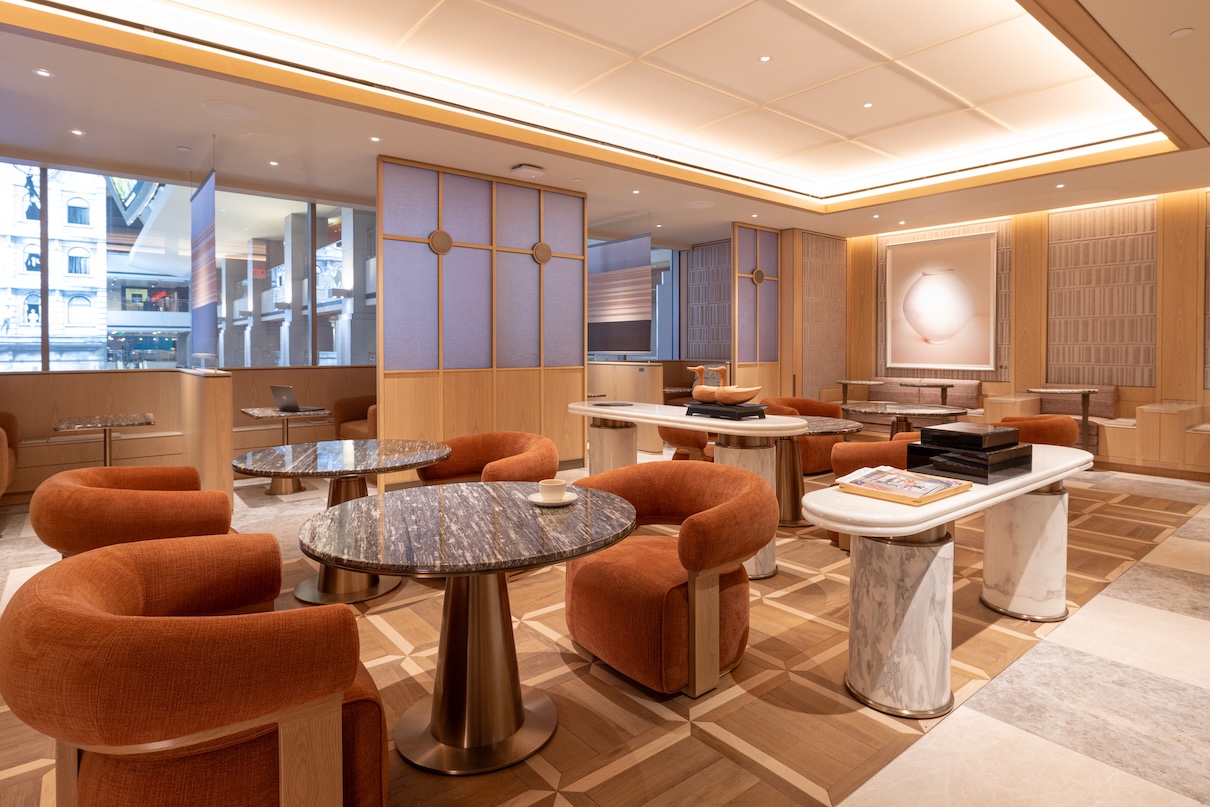
Covering a total area of 1,675 m², the space becomes the airline’s largest lounge operated outside South Korea. It unfolds across two levels: the First Class lounge on the 6th floor, and the Miler Club & Prestige Class lounge on the 5th floor.
An interpretation of “modern Korean luxury”
Located on the upper levels of the terminal, the lounge benefits from expansive glass walls and a terrace with a balcony offering a panoramic view of the airport’s interior.
The objective is to create an open and bright environment.
The interior design highlights wooden textures and stone materials, embodying a refined vision of modern Korean luxury.
The space is also enriched with traditional Korean artworks: Buncheong ceramics, brush-and-ink paintings, and Dalhangari jars, blending Eastern heritage with contemporary international aesthetics.
A reimagined premium experience
The First Class lounge includes two private suites, an à la carte dining service with dishes prepared to order, as well as a bar offering craft cocktails and premium beverages crafted by professional bartenders.
On the Miler Club and Prestige Class lounges, an open kitchen allows chefs to prepare dishes on site. The offering also highlights local products, including artisanal beers from Southern California and a signature Los Angeles coffee.
Miler Club passengers can order certain dishes directly from their seats thanks to a digital system accessible via a QR code. Beyond dining, the space includes work zones, family areas and showers.
LAX, a strategic hub
Los Angeles International Airport is Korean Air’s primary North American gateway and a key hub linking Asia, the United States and Latin America.
The lounge will be accessible to eligible Korean Air passengers as well as premium clients of SkyTeam alliance partner airlines, giving them the opportunity to experience the airline’s signature hospitality.
After LAX, Korean Air will continue upgrading its lounge network at its major global hubs. Another renovated lounge is set to be inaugurated later this year at John F. Kennedy International Airport (JFK) in New York.
“With the opening of this iconic lounge, Korean Air will further strengthen its presence at LAX while delivering a more refined and differentiated premium travel experience.
We will continue to invest in our services and our infrastructures to exceed the expectations of our international customers“, said David Pacey, executive vice president and head of in-flight services and lounges at the airline.
Published by Amelia Brille TourMaG.com Writer See all articles by Amelia Brille
Los Angeles, often nicknamed “the City of Angels”, is one of the most iconic cities in the United States. Located on the West Coast of California, it is world-renowned for its film industry, its famous beaches, and its vibrant lifestyle. With its legendary neighborhoods such as Hollywood, Beverly Hills, or Santa Monica, Los Angeles attracts millions of visitors every year.
1. Strolling along Hollywood Boulevard and its Walk of Fame
Strolling along Hollywood Boulevard, in the heart of the historic Hollywood district, is an essential first step for any trip to Los Angeles. The famous Walk of Fame, with its thousands of names from music, film and television engraved in the sidewalk, illustrates the power of the entertainment industry in the United States. As you walk this iconic artery, visitors encounter the façades of movie studios, shops dedicated to famous films, and entertainment spaces punctuated by film screenings or cultural events. Well served by public transportation, especially from Downtown Los Angeles, this vibrant neighborhood blends mythical past with current buzz.
Nearby, Hollywood Boulevard gives access to popular spots such as Runyon Canyon Park, with its hiking trails and spectacular views over Los Angeles, or attractions like blockbuster movie maps that extend the cinematic experience on site.
2. Climb to the Griffith Observatory for an unparalleled view of the Hollywood Sign
From the heights of Griffith Park, access to the Griffith Observatory allows you to gaze upon the expansive urban landscape of Los Angeles, with the iconic Mount Lee and its letters forming the famous Hollywood Sign in the background. This urban park is one of the most accessible places for a walk that is both cultural and panoramic.
Inside the observatory, the visit revolves around scientific exhibitions, a planetarium, and interactive displays that explain astronomy to all audiences. Ideal for families as well as the curious, this free venue offers an educational approach within a valued natural setting. Located not far from Beverly Hills and connected by public transportation or accessible by rental car, the observatory ranks among the city’s iconic places to visit when passing through the northeast business district. The spectacular views of Los Angeles, especially at sunset, amplify the appeal of a site that combines scientific culture with contemplation.
3. Immersing in the Universal Studios Hollywood universe
In Universal City, the theme park Universal Studios Hollywood offers a spectacular immersion into the behind-the-scenes of cinema. This amusement park, located near the historic Hollywood district, spans several hectares of the site, combining thrill rides, film-set recreations and a guided tour of the movie studios. The experience is designed for all visitor profiles, with themed zones inspired by famous films, live shows, and interactive zones such as Harry Potter, Jurassic World or Fast & Furious. For smooth access, online tickets are highly recommended, often including reduced-price tickets for children.
The site is accessible by rental car, from the major routes connecting the San Fernando Valley to Downtown Los Angeles, or by public transport. This park is a place where the boundaries between fiction and reality blur, in a format that blends leisure, spectacle and discovery of the Hollywood entertainment universe.
4. Relax on Venice Beach and Santa Monica’s beaches
The beaches of Santa Monica and Venice Beach, located along the coastline of the Pacific Ocean, embody two complementary faces of the Californian shoreline. Venice Beach, known for its lively Third Street Promenade, street performers, playgrounds, fitness spaces and artisanal markets, offers an eclectic and creative vibe rooted in the everyday life of Los Angeles’ trendy neighborhood.
A few miles away, Santa Monica stands out with its historic pier and the Pacific Park roller coasters, perfect for a family stroll or a playful break. These beachside spots are easily accessible by rental car or public transport, and offer a range of services from attraction tickets to shaded relaxation areas ideal for picnics. In summer as well as winter, they remain iconic anchors of the Californian lifestyle.
5. Exploring the Getty Center, a haven of artistic serenity
Perched in the hills northwest of Los Angeles, the Getty Center stands out for its contemporary art collections, its extensive European art holdings and its modernist architecture designed by Richard Meier. This cultural center, surrounded by landscaped gardens and free to enter, houses a permanent collection of paintings, sculptures and manuscripts spanning from the Middle Ages to modern art. Located near the business districts of Beverly Hills and served by shuttles from the parking area, the Getty offers a structured stroll through the history of art, with temporary exhibitions regularly refreshed, including works by Van Gogh or other renowned names.
The elevated location also provides spectacular views of Los Angeles, reinforcing the appeal of this cultural-guided visit. The site can easily be integrated into an itinerary starting from S Grand Ave, the Walt Disney Concert Hall or the galleries of the Arts District, forming a coherent route through the city’s major artistic institutions.
6. Attending an Arena-Filling NBA Game at Crypto.com Arena
The Crypto.com Arena, formerly Staples Center, stands as one of the major hubs of Los Angeles’ sporting scene, especially for NBA fans. This modern venue hosts games for the Lakers and the Clippers, and is part of a high-traffic dynamic during peak season, with sporting events, concerts and shows tied to international music stars. Easily reachable by public transit, the arena attracts a diverse audience from across the city, including from the San Fernando Valley or the coastal beaches, often by rental car.
To enjoy this experience in optimal conditions, it is advisable to purchase tickets online and plan your visit in the off-season, such as spring or autumn, periods more favorable in terms of crowds and climate. This central part of the city illustrates the strong link between show business and urban life in Los Angeles, in a setting that is both functional and iconic.
7. The Grove: An iconic place between shopping, relaxation, and popular culture
Located near North La Brea Avenue and just a few minutes from Hollywood’s historic district, The Grove stands as an emblematic spot in Los Angeles, blending shopping, leisure and urban heritage in a refined atmosphere. This open-air center, designed as a playground for all generations, regularly hosts outdoor film screenings, seasonal animations, and cultural events inspired by famous films shot in the region.
Two steps from Beverly Hills and Rodeo Drive, The Grove benefits from a strategic location, well served by public transport or reachable by rental car from downtown or the San Fernando Valley. Its shaded spaces, fountains, green areas and seating zones make it a popular spot for picnics, in a trendy Los Angeles neighborhood spirit, while also offering a gateway to the Arts District’s major collections or the Walt Disney Concert Hall on S Grand Ave.
8. Petersen Automotive Museum : a spectacular museum dedicated to automotive culture
On South La Brea Avenue, at the junction of North La Brea, the Petersen Automotive Museum stands as a global reference in the field of automotive museums. Its bold, corrugated-steel façade catches the eye in the urban landscape, signaling a place decidedly oriented toward design, technology and the history of mobility.
Inside, the museum features a permanent collection of exceptional vehicles: luxury cars, innovative prototypes, and iconic models arising from famous films, such as those seen in the blockbuster maps of Hollywood studios. With more than 100 cars on display across several floors, spread over thousands of square meters, the site ranks among the most significant collections of its kind in the United States. Online tickets are available, with family-friendly pricing, sometimes including reduced-price tickets for children.
A true guided tour of mechanical and cinematic culture, the Petersen offers a complete immersion into a key aspect of Los Angeles’ identity, at the crossroads of the business district, Hollywood’s historic district and the major shopping avenues.
9. California Science Center : learning science at the heart of Los Angeles
The California Science Center, located in Exposition Park a few steps from Downtown Los Angeles, offers a full educational experience in an accessible and stimulating environment. Designed as a scientific theme park, the center presents interactive exhibitions around physics, life sciences, space, and technology, suitable for all ages. The flagship attraction remains the Endeavour space shuttle, installed on several hectares of the site, which attracts aerospace enthusiasts as well as casual visitors. Online tickets, often offered at a reasonable price, allow easy planning, with tickets for children available for families.
With a rotating program every Tuesday of the month, the center positions itself as an essential part of any California trip, especially for those coming from Brea, downtown, or as a day trip from Runyon Canyon Park’s hiking trails. Ideally connected by public transport, the California Science Center integrates into an itinerary mixing science, education and discovery, in the heart of Los Angeles’ business districts.
What to do in Los Angeles in one day? An express immersion between beaches, iconic neighborhoods and panoramic views
Spending a day in Los Angeles is about chasing the essentials without losing the enchantment. Start with a sunrise at Santa Monica Pier, continue with a bike ride to Venice Beach, then dive into the glamour of Hollywood Boulevard. Treat yourself to lunch on Melrose Avenue, California, where mural art sits beside vintage shops. In the afternoon, head to the Griffith Observatory to admire the iconic Hollywood sign and enjoy a breathtaking view of the city. End with a sunset dinner on Sunset Boulevard. One day isn’t enough, but it can offer a taste of eternity in Los Angeles.
What is the most beautiful neighborhood in Los Angeles? A dive into Californian elegance
Among the many faces of the city, the most beautiful neighborhoods could well be Los Feliz or Silver Lake, with palm-lined streets, hillside homes and a bohemian-chic vibe. But it’s hard not to mention Beverly Hills, a jewel box of luxury and impeccably kept gardens, or Venice, more artistic and vibrant. Each neighborhood has its own energy, but all bear witness to that California attitude that blends laid-back charm, creativity and beauty. Los Angeles cannot be reduced to a single image; it is a mosaic of worlds to explore.
Quelles sont les activités insolites à faire à Los Angeles ?
Visit the Neon Museum or the Museum of Death, go on an architectural treasure hunt to the secret staircase of Bunker Hill, or glide along the Skyslide, a glass pane suspended 300 meters above the ground. Wander along Melrose Avenue, California to photograph the city’s most creative murals, or book a sunrise yoga session on the roof of a building. The soul of Los Angeles is precisely this ability to surprise, to invent, to re-enchant daily life.
What to do in Los Angeles at night? When the city lights up and reveals itself differently
As night falls, Los Angeles reinvents itself. Head to a Downtown rooftop to admire the city lights, attend a concert at the iconic Hollywood Bowl, or groove to the jazz clubs in Silver Lake. In Santa Monica, the boardwalk comes alive with musicians and food trucks, while Venice Beach takes on a bohemian vibe under the moonlight. In the evening, the city becomes more intimate, more vibrant, and Los Angeles’ attractions take on another dimension: more secretive, more sensual, always captivating.
Quelle est la meilleure période pour aller à Los Angeles ? Saisonnalité, climat et fréquentation à prendre en compte
The city benefits from a Mediterranean climate, with mild winters and dry summers. The months of May, June, September and October are particularly recommended: pleasant temperatures, long days and lower tourist density. Summer attracts more visitors, which can extend wait times at popular places and push up lodging prices. Winter, while quieter, can experience rainy spells, but does not significantly alter the possibilities for visiting.
Combien de jours faut-il pour visiter Los Angeles ? Adapter la durée du séjour à une ville étendue et multi-site
Three to five days allow you to cover the most emblematic sites: Hollywood, Santa Monica, Downtown, the film studios, as well as a few major museums like the Getty Center or the LACMA. However, to explore peripheral neighborhoods, beaches, parks or to undertake nearby excursions (Malibu, Pasadena, Griffith Park), a full week offers more flexibility. The transportation network is only partially developed, so travel logistics directly affect the pace of the visit.
Que faire à Los Angeles quand il pleut ? Activités culturelles et alternatives urbaines par temps couvert
Several major institutions welcome visitors in optimal conditions: the Getty Center, the Broad Museum or the California Science Center offer immersive and accessible experiences. Iconic cinemas such as the TCL Chinese Theatre or the independent cinemas of Westwood also allow you to discover the latest in cinema in its historic cradle. Additionally, many neighborhoods like Downtown, with its art galleries and arcades, or covered shopping centers such as The Grove or Westfield Century City, offer weather-protected itineraries.
This article was written with the help of artificial intelligence, then edited, expanded and validated by the newsroom’s journalists.
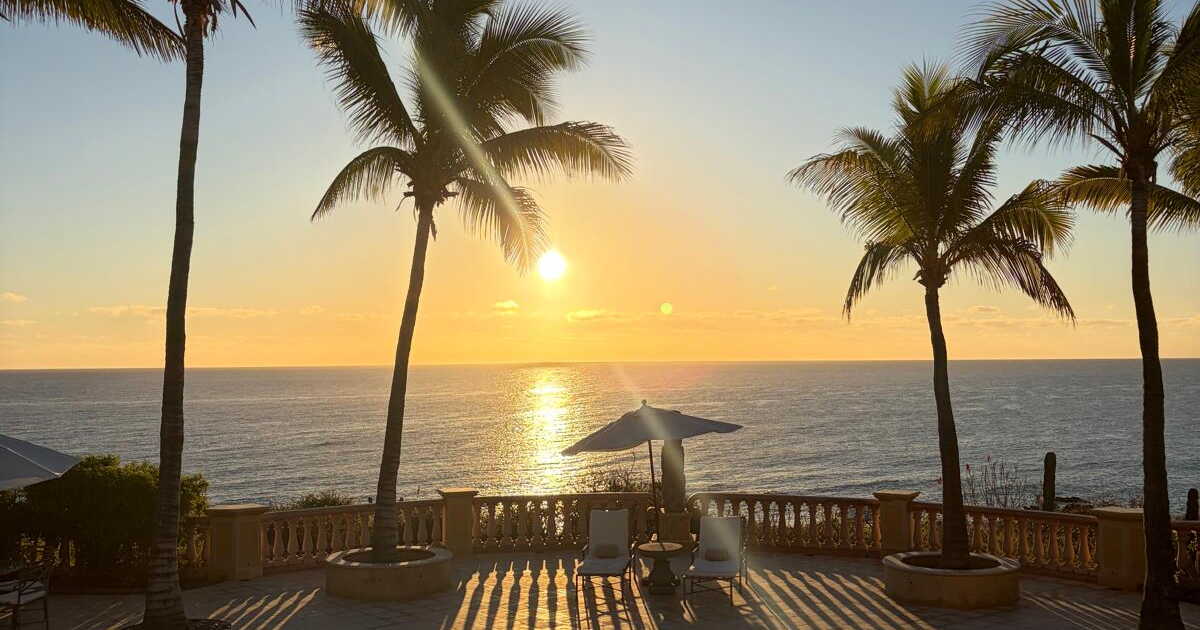
And you, could you sleep in a hotel room with no lock? In the Los Cabos region, on the wild coastline of Baja California, that is the experience offered by La Valise hotel. During a report conducted in February this year in Mexico, we discovered this discreet address tucked between desert and turquoise sea, far from the large resort complexes of Cabo San Lucas. Beyond its striking concept, the establishment also serves as a gateway to another facet of the Mexican state: wilder, more pristine and deeply oriented toward nature.
In Los Cabos, an unusual hotel amid nature
Lost between the desert and the Sea of Cortez, La Valise Los Cabos hardly resembles the properties that have built the region’s tourist reputation. The hotel, whose small buildings draw inspiration from Mexican haciendas and Mediterranean villas, comprises only nine rooms spread over a vast plot bordered by the sea, amid cacti and the dry vegetation characteristic of the East Cape.
Before becoming a hotel, the place was first conceived as a family retreat. For more than fifteen years, a family of artists, architects, and sculptors shaped the property by hand. The tiles were molded on site, the wood carved by hand, while objects from Mexico, Italy, France, and India gradually found their place. The place, powered entirely by solar energy, also accumulates historical curiosities. A long table that belonged to Mark Twain, the American author of The Adventures of Tom Sawyer, thus sits on the property. Some balustrades and moldings come from the former home of Jack Warner, one of the founders of Warner Bros. studios in Hollywood.
But while the place is beautifully decorated, some elements may surprise… starting with the total absence of a lock on the doors of the rooms! Upon arrival, this detail is utterly destabilizing. During our stay, the room did have two doors opening to the outside… but neither could be locked. The hotel explains this choice by the very history of the place, originally conceived as a family house open to nature rather than a conventional hotel. With only a few travelers present at any given time on the property, the operation relies more on a sense of isolation and trust than on visible security devices.
The quirky side is also evident in the layout of the rooms. In some “casas,” the shower sits directly in the garden, blurring the boundaries between indoors and outdoors. To wash, you must step out in a towel and cross your terrace to reach an open-air shower. A disorienting experience at first, especially at night, but one quickly becomes accustomed to it.
Perhaps a chance to encounter one of the region’s wildlife species that live on the property? Starting with foxes, herons, hummingbirds, deer, or even bobcats. As for seabirds, they seem particularly drawn to the mosaic marlin covering the bottom of the pool, occasionally diving to try to catch it.
But this remarkable establishment serves mainly as a starting point for discovering another facet of Los Cabos, far beyond its beachside image.
Between desert, whales and underwater worlds, Los Cabos reveals another facet of Mexico
Long associated with giant resorts and American tourism, Los Cabos also has a much wilder face. Located at the southern tip of the Baja California Peninsula, the region captivates with landscapes where the desert meets the Pacific Ocean and the Sea of Cortez.
The East Cape particularly illustrates this other facet of the destination. Here, roads traverse arid stretches dotted with gigantic cardon cacti before leading to almost-deserted beaches. Far from the bustle of Cabo San Lucas, this coast attracts travelers in search of nature and outdoor activities.
From December to April, whale watching is among the must-do experiences. Each winter, gray whales and humpback whales migrate to the waters of Baja California to reproduce. From the coast or on a boat excursion, it is not uncommon to catch sight of their impressive leaps out of the water.
Snorkelers and divers also find in the region some of the most beautiful seabeds in Mexico. About 45 minutes from the hotel, Cabo Pulmo National Park stands as one of the state’s natural jewels. This protected marine reserve hosts one of the few living coral reefs on the North American Pacific coast. Sea turtles, manta rays, tropical fish and sometimes even whale sharks roam these waters famed for their biodiversity. For our part, we had the opportunity to swim with a colony of sea lions.
Surfers too greatly appreciate the East Cape. Several beaches offer powerful waves and are much calmer than the ultra-popular spots in California or Australia.
On land, excursion possibilities are plentiful: hikes along desert trails, horseback rides facing the ocean, or explorations of the region’s more authentic villages. Unlike the sometimes very luxurious and festive image associated with Los Cabos, this part of the peninsula reveals a rougher, almost contemplative Mexico.
It is precisely this contrast that makes the experience so special. Between the desert’s silence, starry nights without light pollution and the omnipresence of the ocean, the stay can feel as if you are cut off from the world. A rare luxury in a destination that continues to grow in popularity.


 Published by Amelia Brille TourMaG.com Writer