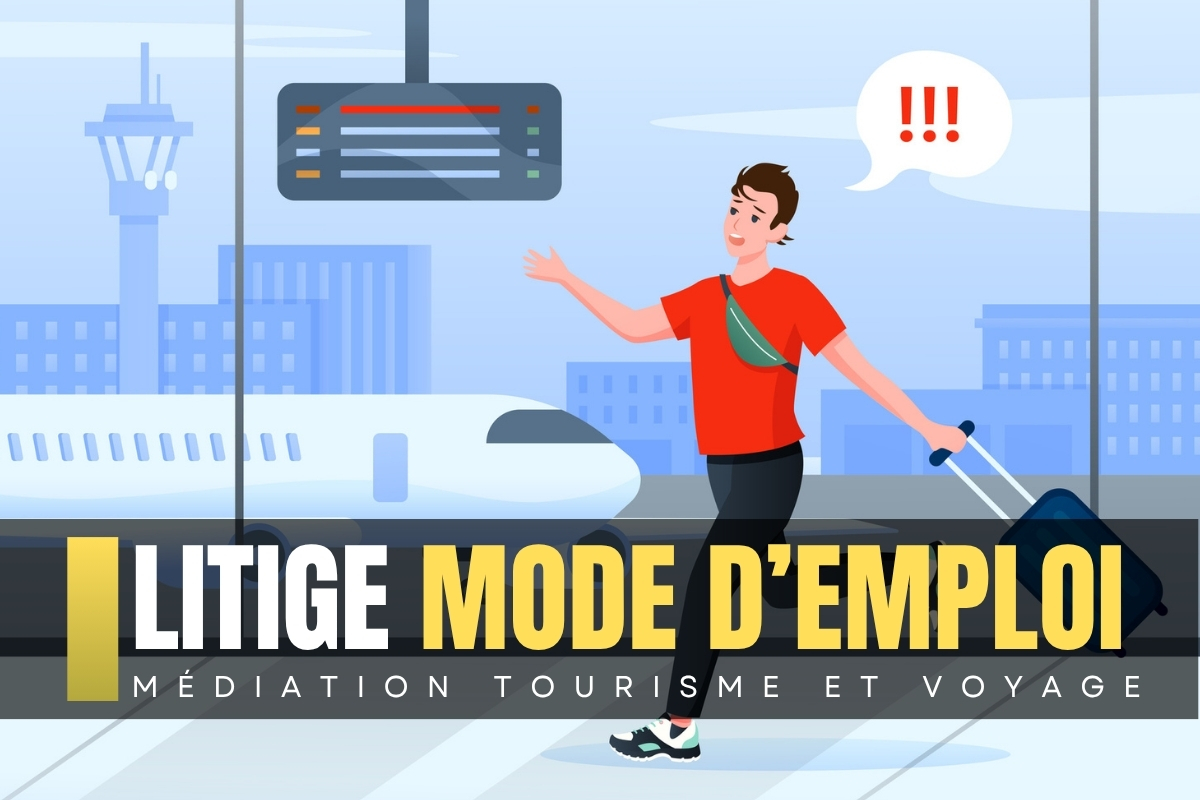


Four passengers were denied boarding on their Paris – Porto flight in July 2025. They sought reimbursement of their tickets as well as coverage for several expenses incurred following the incident.
The travelers had a confirmed booking on a flight to Portugal. They stated they arrived at the boarding gate at 20:10, citing an unusually long queue to access it.
According to them, boarding was refused due to an overbooking situation. They also indicated that a replacement flight had been proposed for the next day, at an additional charge of more than €1,200, an offer they declined.
The passengers also claimed reimbursement for ancillary expenses, notably a car rental they could not use at the destination, as well as parking, fuel and toll costs incurred for their rerouting.
On its side, the airline contested any overbooking and argued that the passengers had not presented themselves at the boarding gate in time.
The travelers had a confirmed booking on a flight to Portugal. They stated they arrived at the boarding gate at 20:10, citing an unusually long queue to access it.
According to them, boarding was refused due to an overbooking situation. They also indicated that a replacement flight had been proposed for the next day, at an additional charge of more than €1,200, an offer they declined.
The passengers also claimed reimbursement for ancillary expenses, notably a car rental they could not use at the destination, as well as parking, fuel and toll costs incurred for their rerouting.
On its side, the airline contested any overbooking and argued that the passengers had not presented themselves at the boarding gate in time.
What the texts say:
 Legally, European Regulation No. 261/2004 provides for compensation when a passenger is denied boarding against their will.
Yet this denial must be established. Indeed, under Article 9 of the Code of Civil Procedure, it is up to each party to provide the necessary evidence to support their claims.
In this case, no element of the file could establish the existence of an overbooking. Furthermore, the boarding passes indicated that the doors closed at precisely 20:10.
What the Tourism and Travel Mediation recommends:
The Mediation concluded that by arriving at that exact time, the passengers had not presented themselves within a window enabling actual boarding.
The airline’s general terms of carriage also specify that a passenger who does not present themselves at the gate in time may be refused carriage.
Finally, regarding car rental, parking or toll costs, the Mediation notes that Article 1231-3 of the Civil Code limits compensation to damages foreseeable at the time the contract was formed. These ancillary expenses could not be regarded as foreseeable by the carrier.
No legal basis was therefore found to require the airline to reimburse the tickets or the claimed fees.
The airline’s general terms of carriage also specify that a passenger who does not present themselves at the gate in time may be refused carriage.
Finally, regarding car rental, parking or toll costs, the Mediation notes that Article 1231-3 of the Civil Code limits compensation to damages foreseeable at the time the contract was formed. These ancillary expenses could not be regarded as foreseeable by the carrier.
No legal basis was therefore found to require the airline to reimburse the tickets or the claimed fees.
Find all practical cases from the Tourism and Travel Mediation by clicking HERE.