
On the French market, Australia-focused incoming operators form a diverse landscape with complementary positions.
Across Australia, a historic operator founded in Sydney and now owned by the Canadian Goway group since 2023, is today led by John Feenaghty, Managing Director.
JCM Destination Australia, established in 1998 by Jean-Christophe Merlant and present in Sydney, Cairns and Auckland, has repositioned itself on the MICE (Meetings, Incentives, Conferences, Events) segment and group operations, with a multilingual Francophone team.
Terra Australia, a relatively newer outfit, positions itself in premium tailor-made travel at a measured volume, exclusively B2B Francophone.
AOT Inbound is represented in France by Gary Paterson, General Manager Global Sales and Marketing, and Pan Pacific Travel by Sandra Feustel.
Among this diversity of approaches, Terra Australia embodies a singular stance: to refuse volume in order to preserve flexibility, to invest in long-term human relationships with Australian partners, and to defend a premium tailor-made approach rooted in field knowledge.
A perspective that deserves focus, at a moment when artificial intelligence is reshaping the production chains of tourism.
Across Australia, a historic operator founded in Sydney and now owned by the Canadian Goway group since 2023, is today led by John Feenaghty, Managing Director.
JCM Destination Australia, established in 1998 by Jean-Christophe Merlant and present in Sydney, Cairns and Auckland, has repositioned itself on the MICE (Meetings, Incentives, Conferences, Events) segment and group operations, with a multilingual Francophone team.
Terra Australia, a relatively newer outfit, positions itself in premium tailor-made travel at a measured volume, exclusively B2B Francophone.
AOT Inbound is represented in France by Gary Paterson, General Manager Global Sales and Marketing, and Pan Pacific Travel by Sandra Feustel.
Among this diversity of approaches, Terra Australia embodies a singular stance: to refuse volume in order to preserve flexibility, to invest in long-term human relationships with Australian partners, and to defend a premium tailor-made approach rooted in field knowledge.
A perspective that deserves focus, at a moment when artificial intelligence is reshaping the production chains of tourism.
Premium tailor-made is not what you think


 The first misconception to debunk: Australian premium tailor-made travel is not simply a sequence of five-star lodges.
“For me, premium FIT is about focusing on the experience, not just the five-star accommodations“, says Alexandre El-Habouz, France head of Terra Australia.
“When you return from a trip, you don’t remember where you slept. You remember the moments, the instants, the energies you perceived.”
So premium tailor-made is not, for Terra, about the category of lodging, but a strategic stance: putting the human at the heart of the journey, and designing each itinerary as a precise answer to a unique profile. “What we seek for our clients is that they come back with experiences that have made them evolve in the way they travel“, adds Christophe Napierai, cofounder of Terra Australia. “You come back from your trip a little different.”
The Terra model and its singularity
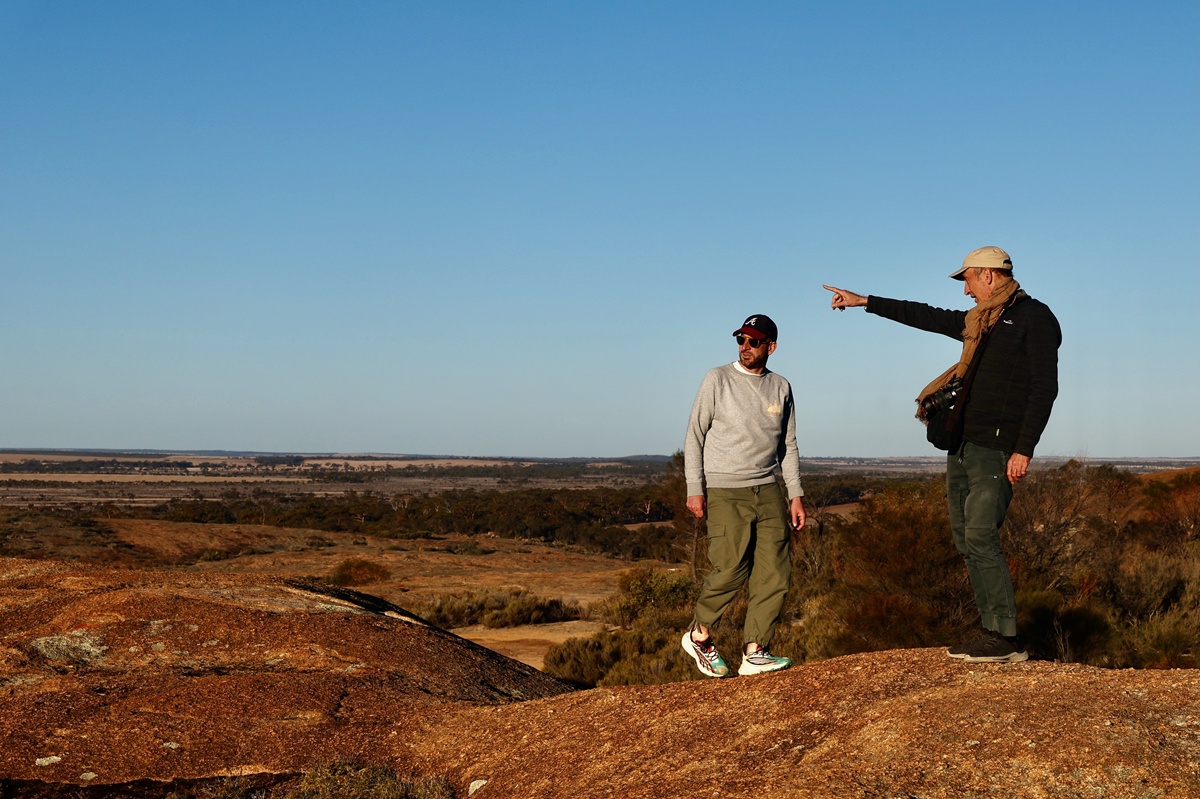
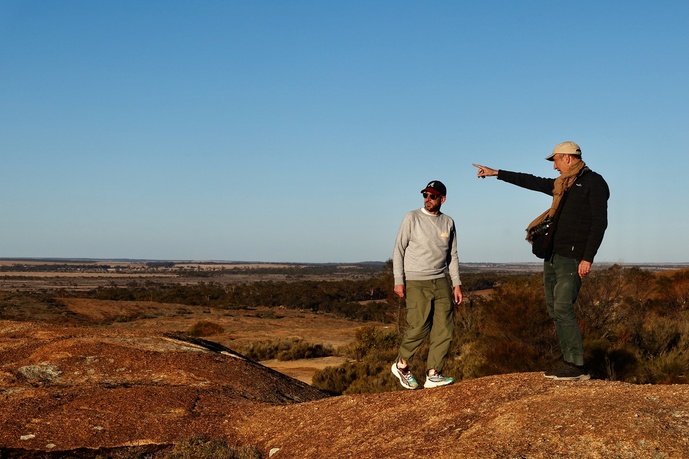
Terra Australia asserts a distinctive stance in the French market: a small, self-assured structure, 100% Francophone B2B, with a team split between France and Australia to ensure proximity to partner agencies. “Our size is our strength“, explains Alexandre El-Habouz.
“We cannot promise volume to an Australian partner. So we are obliged to build a relationship with them. This flexibility allows us to work with suppliers that other incoming operators cannot offer, sometimes because they are too small, sometimes because they do not want the classic inbound model.”
The example: a Pinnacles hotelier who refused major operators due to slow payments. “We pay immediately. It is this flexibility that allows us to work with very small structures.”
This philosophy translates on the distribution side into an intentional targeting: Terra works primarily with the Selectour network, and with smaller, more confidential outfits like Les Ateliers du Voyage, Continents Insolites or Amplitudes. “We will rather focus on small agencies that have a very strong relationship with their clients, a very loyal clientele. Our aim is not to push volume for its own sake. We love offering beautiful journeys, Australia as we love it.”
Also read: How is Australia really sold in 2026?
“We cannot promise volume to an Australian partner. So we are obliged to build a relationship with them. This flexibility allows us to work with suppliers that other incoming operators cannot offer, sometimes because they are too small, sometimes because they do not want the classic inbound model.”
The example: a Pinnacles hotelier who refused major operators due to slow payments. “We pay immediately. It is this flexibility that allows us to work with very small structures.”
This philosophy translates on the distribution side into an intentional targeting: Terra works primarily with the Selectour network, and with smaller, more confidential outfits like Les Ateliers du Voyage, Continents Insolites or Amplitudes. “We will rather focus on small agencies that have a very strong relationship with their clients, a very loyal clientele. Our aim is not to push volume for its own sake. We love offering beautiful journeys, Australia as we love it.”
Also read: How is Australia really sold in 2026?
The on-the-ground selection method
On the method side, it is Christophe Napierai who details the invisible work behind each program. “The first thing is that everything stems from our on-the-ground recognitions.
We spend every year time in Australia to discover new providers, new hotels, and new experiences. We invest heavily in the field.”
The Australian Tourism Exchange (ATE), the major annual B2B meeting for Australian tourism, complements this setup. “ATE helps to create links, to maintain human relationships, and not just exchanges of booking emails.”
The 2026 edition in Adelaide, in May last year, allowed Terra to multiply supplier meetings over four intense days.
Another essential filter: the eco-responsible dimension. “We ask all our providers to adhere to an eco-responsible charter.” A stance that resonates directly with Tourism Australia’s Green is Our Gold strategy recently launched. “We are completely aligned. Our objective is that travellers stay longer in Australia, that they are not rushed. Time is what matters most.”
We spend every year time in Australia to discover new providers, new hotels, and new experiences. We invest heavily in the field.”
The Australian Tourism Exchange (ATE), the major annual B2B meeting for Australian tourism, complements this setup. “ATE helps to create links, to maintain human relationships, and not just exchanges of booking emails.”
The 2026 edition in Adelaide, in May last year, allowed Terra to multiply supplier meetings over four intense days.
Another essential filter: the eco-responsible dimension. “We ask all our providers to adhere to an eco-responsible charter.” A stance that resonates directly with Tourism Australia’s Green is Our Gold strategy recently launched. “We are completely aligned. Our objective is that travellers stay longer in Australia, that they are not rushed. Time is what matters most.”
AI in tailor-made travel: the human frontier
By 2027, the Rugby World Cup will focus the French market’s attention on Australia. “It’s going to be a huge event“, anticipates Christophe Napierai. “We have agreements to have the possibility to resell tickets, so we are ready.”
This is an opportunity for French premium tailor-made travel to demonstrate what humans can still contribute in the face of a mass event. And to begin preparing the next air season now, in a routing landscape undergoing a major reconfiguration.
This is an opportunity for French premium tailor-made travel to demonstrate what humans can still contribute in the face of a mass event. And to begin preparing the next air season now, in a routing landscape undergoing a major reconfiguration.
Sébastien Cros
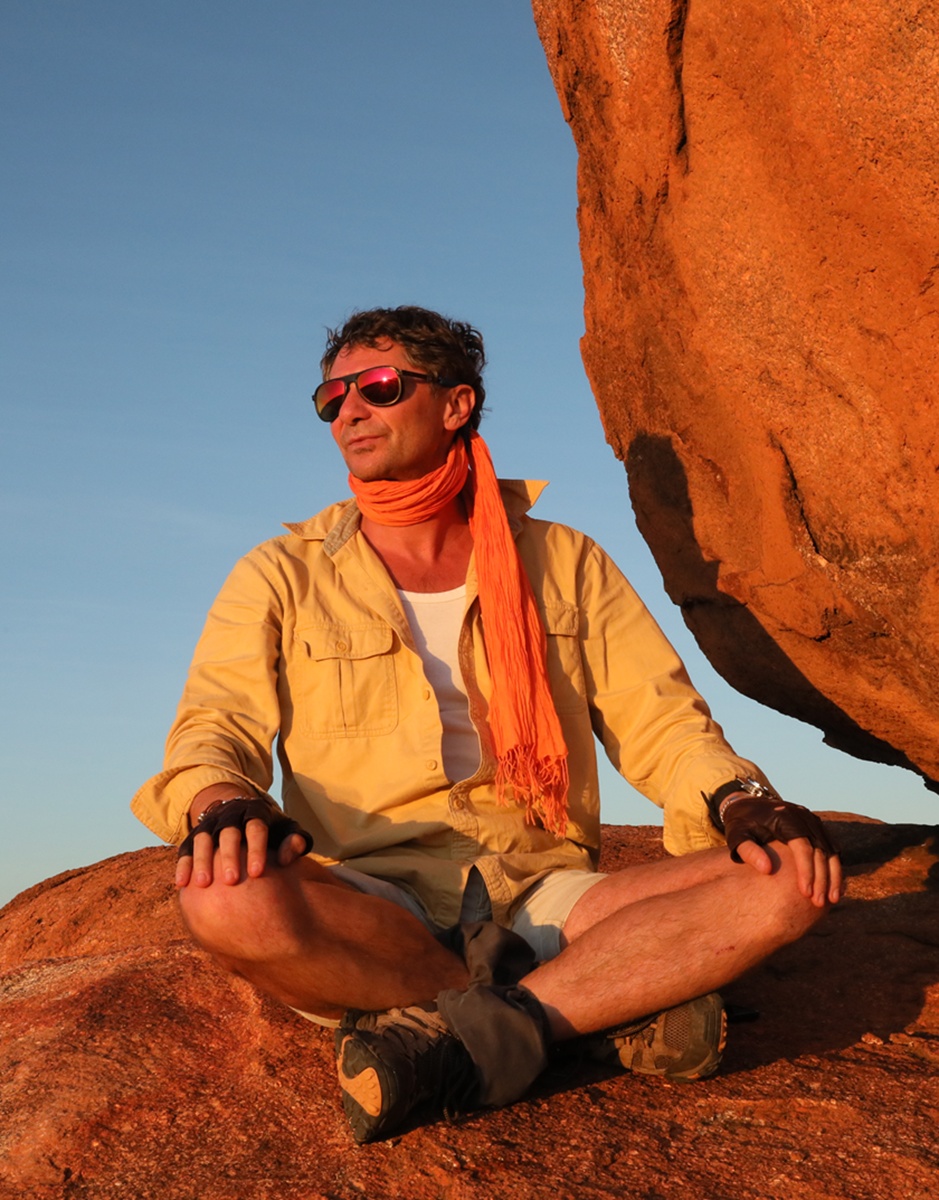
Sébastien Cros is an independent journalist and photographer based in Australia, and founder of WeTravelAustralia™.
After twenty-five years in the Australian tourism industry, notably as Managing Director of Across Australia (Goway group), he now dedicates his writing to editorial narratives focused on the destination, at the intersection of storytelling, photography, and on-the-ground perspective.
After twenty-five years in the Australian tourism industry, notably as Managing Director of Across Australia (Goway group), he now dedicates his writing to editorial narratives focused on the destination, at the intersection of storytelling, photography, and on-the-ground perspective.
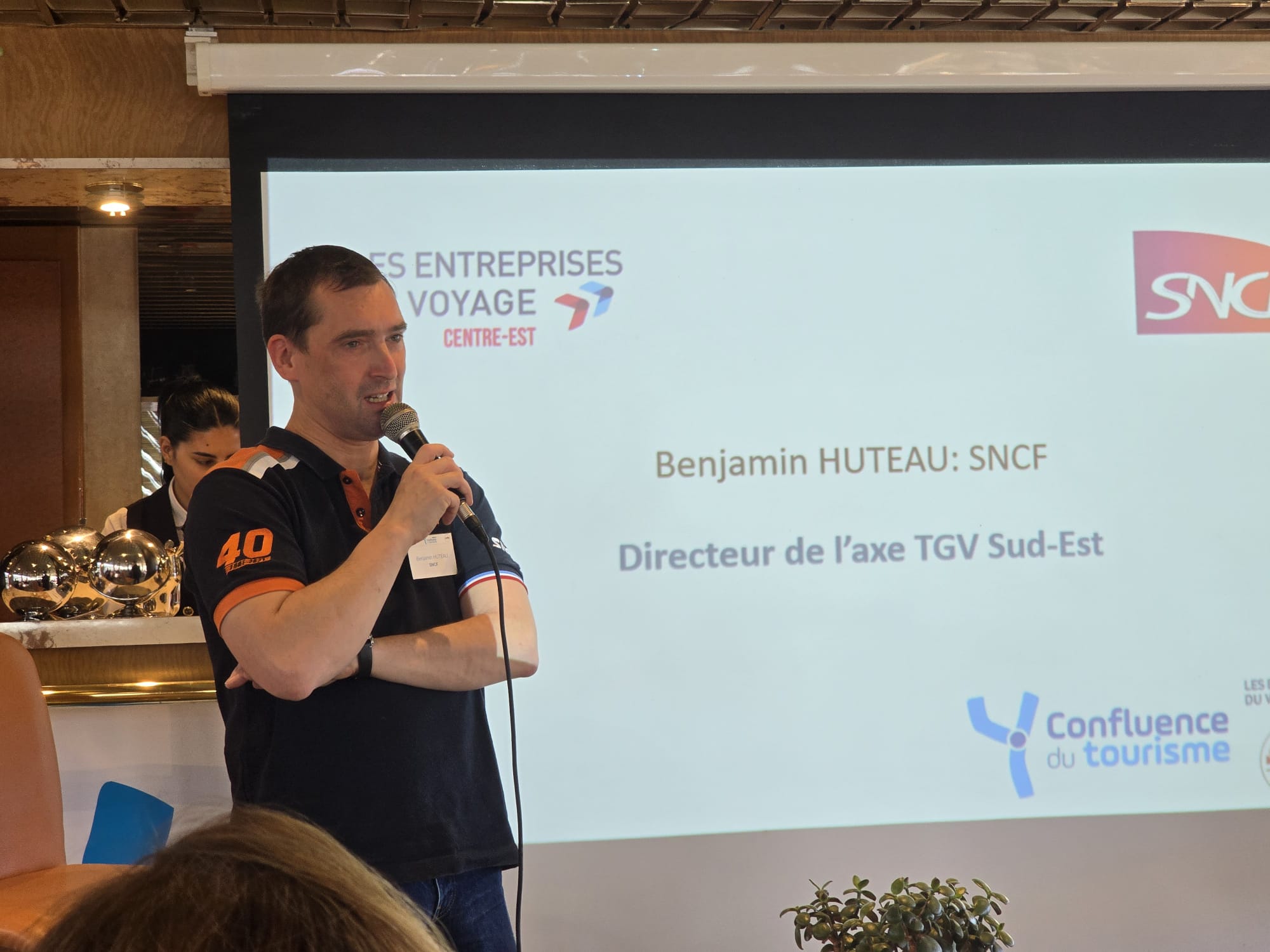




 Published by Céline Eymery