
Bali, Philippines and Malaysia: Stop Selling Unwanted Travel


© Canva by Holger Raukamp from Pexels

CroisiEurope


Bali: the destination everyone already feels they’ve seen before departure

Bali has become a case study.

Everyone markets it. Everyone knows it. Everyone thinks they know it.

Before even booking a ticket, travelers have already watched hundreds of videos of Ubud, photos of the Tegalalang rice terraces, sunsets at Uluwatu, and infinity pools on Instagram.

The real challenge isn’t to introduce Bali anymore.

The challenge is to restore Bali’s ability to surprise.

Today, the main obstacle to selling isn’t price or competition. It’s the illusion of knowledge.

The client arrives with a preconstructed image of the destination. An image often idealized, sometimes distorted, but above all extremely precise.

In response to this, many offers keep piling up the same steps, the same excursions, and the same sales pitches.

Result: programs become interchangeable.

Yet Bali remains one of Asia’s richest destinations. But its value no longer lies solely in the places visited. It lies in how we reveal them to visitors.



@ Canva by Nikada from Getty Images


Philippines: an extraordinary product that defies standards

The Philippines probably stands as one of the greatest paradoxes in Asian tourism.

Everyone agrees on the country’s exceptional beauty. Yet it remains often harder to sell than other, less spectacular destinations.

Why?

Because we still try to fit it into marketing schemes that don’t suit it.

The Philippines is not a classic circuit.

It isn’t a destination told through a logical sequence of steps.

It is an archipelago of more than 7,000 islands where each region possesses its own identity, its own rhythm, and its own personality.

Palawan isn’t Bohol.

Bohol isn’t Siargao.

Siargao isn’t Cebu.

And it is precisely this diversity that gives the country its strength.

Travelers don’t come solely for beaches or lagoons. They come seeking a sense of perpetual discovery, exploration, and freedom.

As long as the Philippines is sold as a simple beach circuit, it will remain commercially underexploited.

The destination isn’t complicated.

It’s our way of presenting it that has become so.


@ Canva by Nikada from Getty Images


Malaysia: the most rational destination… therefore the least told

Malaysia suffers from nearly the opposite problem.

It may be the most complete destination in Southeast Asia.

It is modern.

It is accessible.

It is multicultural.

It has excellent infrastructure.

It blends modern cities, historic heritage, tropical nature, and beaches.

On paper, everything seems perfect.

And yet, it often remains in the shadows of its neighbors.

Why?

Because it generates fewer immediate fantasies.

In a world ruled by imagery, destinations that grab attention are often those that tell the simplest stories.

Bali evokes wellness.

The Philippines evokes paradise.

Malaysia, by contrast, is more subtle.

It demands more storytelling.

It demands more explanations.

It demands more staging.

Malaysia isn’t underestimated by travelers.

It is under-told by the market.


@ Canva by Coleong from Getty Images


The real topic: clients no longer buy destinations

For a long time, selling a trip meant selling a place.

Today, this model is showing its limits.

Travelers don’t buy just a destination anymore.

They buy a projection.

They buy a future emotion.

They buy a story they will want to tell when they return.

They buy a sense of freedom.

They buy a feeling of exclusivity.

They buy the impression of living something that resembles them.

And that is precisely where the current misalignment lies.

A large portion of the tourism offering continues to describe itineraries while travelers seek experiences.

We keep selling kilometers while clients want memories.

We keep selling hotels while they seek emotions.



Bali, Philippines, Malaisie : arrêtons de vendre des voyages que personne ne veut vraiment acheter

Audrey Marc

Deputy Director France

+ 33 6 70 54 20 63

+ 33 1 61 30 30 06

[email protected]

jans.tours

>> JANS TOURS in the DESTIMAG Directory
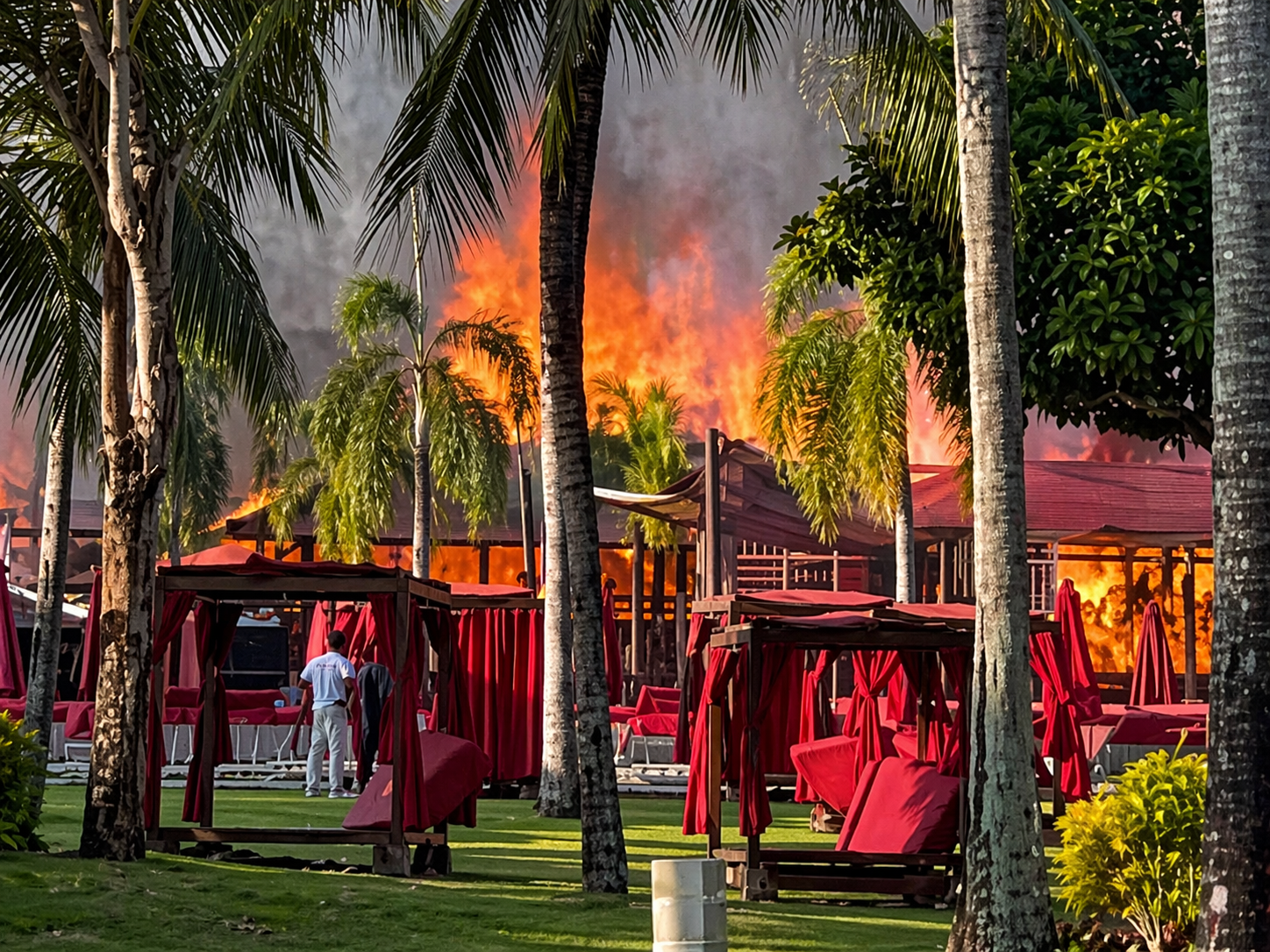

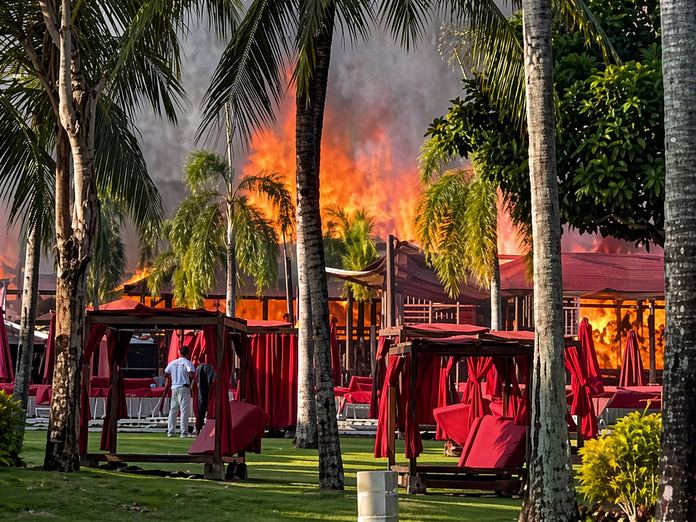
Fire Devastates Club Med Building in Bali


Aucun blessé n'est à déplorer après l'incendie du Club Med à Bali - Capture écran Spirit 45

IFTM prenez RDV avec TourMaG


No more than a scare for guests and staff at Club Med Bali.

The establishment, located on the Bukit Peninsula, in one of the country’s most luxurious seaside destinations, was struck by a violent fire on Friday morning, April 24, as reported by Spirit 45 on its social media channels.

The fire broke out on the second floor of the Agung restaurant, around 6:50 a.m., while the staff were preparing breakfast service. The flames spread very quickly. The images are spectacular.

It was in this establishment that continental buffets were served.


Fire at Club Med Bali: a building and its facilities reduced to ashes

In just a few minutes, the kitchen and the thatched-roof restaurant were completely ravaged and reduced to ashes.

Other dining options exist outside of the Agung, such as The Deck and Gourmet Lounge. It remains to be seen how meal service will now be organized without the main restaurant.

According to an Australian media, guests praised the staff and said they did not feel in danger during the operation.

The safety and well-being of our guests and our staff remain our absolute priority. We can confirm that everyone has been brought to safety and that no guest or staff member has been harmed,” said Michelle Davies, CEO of Club Med Pacific.

Local police say they have opened an investigation to determine the causes of the fire.

A chef mentions the possibility that a fryer containing oil that was too hot could have been the source of the blaze.

According to VOI, despite an initial rapid intervention using extinguishers, eight fire units were deployed on site, six of which belonged to Badung’s firefighting service.


Club Med Bali: 5,000 square meters of buildings ravaged

Nevertheless, a two-storey building of about 5,000 square meters was reduced to ashes. This includes the restaurant, but also facilities such as shops, photo spaces, meeting rooms, and accounting offices.

Operations seem to be returning to normal on site.

Two years ago, Club Med Punta Cana experienced a similar mishap.

Bali, Cuba, USA, Egypt: Tourism News Roundup [ABO]


La revue de presse internationale de la semaine - Depositphotos.com Auteur serezniy

CroisiEurope


In the May 2026 press review overview for the week starting June 1, 2026:

Global tourism continues to grow despite geopolitical tensions

Bali: the “taxi war” makes life harder for tourists

Egypt: tourism keeps advancing strongly in 2026

Madrid bets on tourism intelligence to manage its growth

United States: international flight prices are starting to come down

Cuba: major Spanish hotel groups retreat under American pressure

Tokyo: Shibuya now fines for street littering

A new 1,300 km railway line will connect Germany to the Ukrainian border

Hotels see an edge over booking platforms thanks to AI

Oddity! Off to “hell”: the 666 bus to Hel makes a grand return to Poland


Global tourism remains on the rise despite geopolitical tensions


Le tourisme international a progressé de 2 % au premier trimestre 2026, avec environ 307 millions de voyageurs dans le monde, selon ONU Tourisme. @depositphotos/potowizard

International travel grew by 2% in the first quarter of 2026, totaling around 307 million travelers worldwide, according to UNWTO.


Although the year began with solid momentum, the conflict in the Middle East slowed growth in March, triggering flight disruptions, higher oil prices and increased transport costs.

Europe and Africa posted the strongest results, while the Middle East saw a steep drop in arrivals (-14%).

Facing geopolitical uncertainty and rising travel costs, experts suggest tourists may favor closer destinations and seek better value for money. Despite these challenges, the industry continues to show global resilience.

Read more on untourism.int


Bali: the “taxi war” complicates life for tourists


Une bataille invisible entre VTC et conseils de village traditionnels fait gonfler les prix des courses des taxis. @depositphotos/OlgaGauri

In Bali, a long-standing conflict pits ride-hailing drivers using apps like Grab against the banjar, village councils that regulate traditional taxi activity. As a result, in some areas, VTC drivers refuse to pick up customers for fear of intimidation or assault.

Tourists are left with no option but to use local taxis, which are often much more expensive, with fares set by the banjar. According to the South China Morning Post, a large portion of the fare goes to these village councils. This situation also reflects growing economic tensions on the island as tourism slows in 2026.

More to read on the South China Morning Post site


Egypt: tourism continues its strong growth in 2026


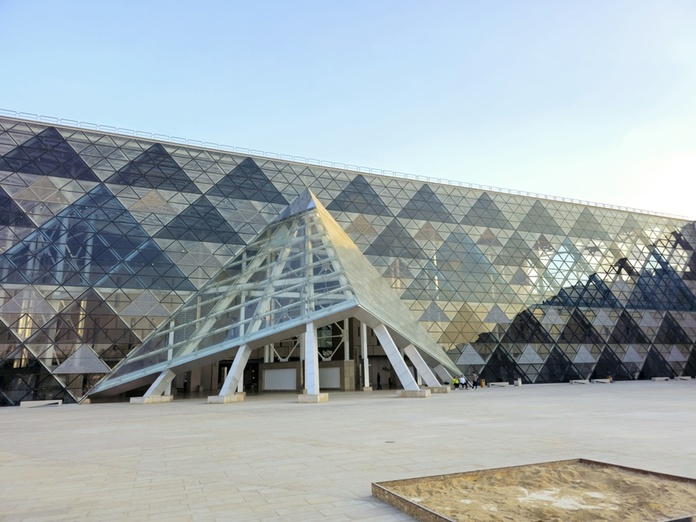
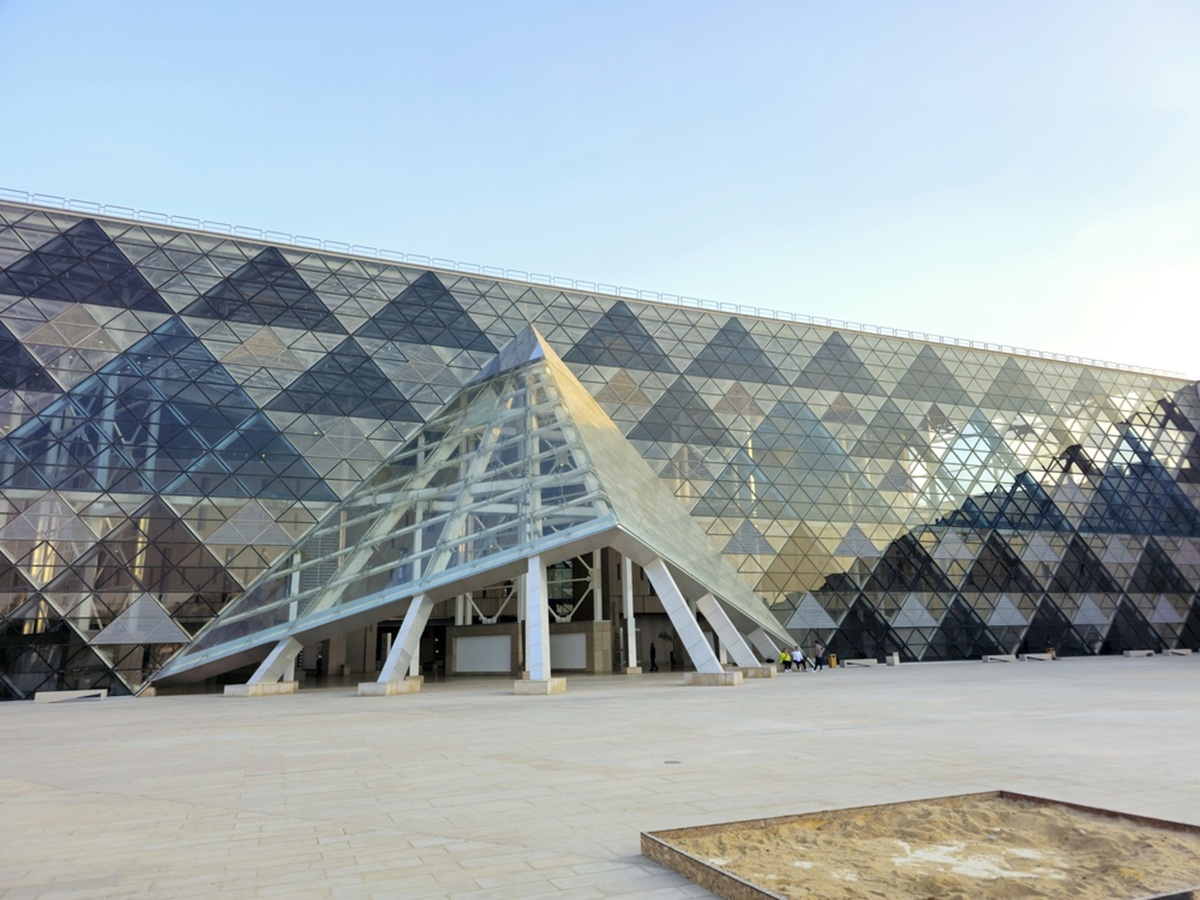
L’ouverture du Grand Musée Égyptien au Caire a boosté l’activité touristique du pays. @depositphotos/Tamer_Soliman

Egypt welcomed 6.1 million tourists from January to April 2026, a 7% increase compared with the same period in 2025.

The country’s success is partly explained by the opening of the Grand Egyptian Museum in Cairo, the appeal of the Red Sea coastal resorts, and prices deemed competitive by international travelers.

Backed by substantial international promotion, Egypt now targets an ambitious goal: to reach 30 million visitors per year by 2030.

An article from traveldailynews.com


United States: international flight prices are starting to come down


Cuba: major Spanish hotel groups retreat under American pressure


Les groupes espagnols Meliá et Iberostar ont annoncé l’arrêt d’une partie importante de leurs activités hôtelières à Cuba.@depositphotos/sepavone

The Spanish groups Meliá and Iberostar have announced the closure of a large portion of their hotel activities in Cuba, in response to the sanctions imposed by the Trump administration.

This withdrawal comes amid a grave tourism crisis in Cuba. The country recorded nearly a 56% drop in tourist arrivals at the start of 2026, while several airlines have reduced or suspended flights to the island.

An article from euronews.com


Tokyo: Shibuya now fines for street littering


L’arrondissement de Shibuya, au cœur de Tokyo, verbalise les personnes qui jettent des déchets dans les espaces publics.@depositphotos/sepavone

The Shibuya ward, at the heart of Tokyo, has begun imposing fines on people who discard waste in public spaces. Since June 1, 2026, offenders face a 2,000-yen fine (about $12.50) as part of a campaign to curb illegal dumping.

Authorities say the problem has worsened with rising tourist numbers and street-level consumption around Shibuya’s busy railway hubs. Around fifty officers will patrol to issue fines. Meanwhile, take-away food and beverage shops must now provide trash bins for customers.

Read on nhk.or.jp


A new 1,300 km railway line will connect Germany to the Ukrainian border


La compagnie tchèque Leo Express lancera le 25 juin 2026 une nouvelle liaison ferroviaire directe de plus de 1 300 kilomètres, qui reliera la ville polonaise de Przemyśl, à la frontière ukrainienne, à Francfort et son aéroport.@depositphotos/jonnysek

The Czech company Leo Express will launch on June 25, 2026 a new direct rail link of more than 1,300 kilometers, one of the longest in Europe.

The train will connect the Polish city of Przemyśl, near the Ukrainian border, with Frankfurt and its airport, passing through Krakow, Prague, Dresden and Leipzig.

This daily line aims to strengthen links between Western and Eastern Europe while facilitating access to Ukraine.

Passengers will have on board Wi‑Fi, power outlets, air conditioning and dining services on this nearly 19‑hour night ride.

An article from euronews.com


Hotels see an edge over booking platforms thanks to AI


Selon des experts, les groupes hôteliers pourraient mieux tirer parti de l’intelligence artificielle que les agences de voyages en ligne (OTA).@depositphotos/Jirsak

At the IHIF hotel conference in New York, several analysts highlighted that hotel groups could leverage artificial intelligence more effectively than online travel agencies (OTAs).

According to Barclays, hotels enjoy a major advantage thanks to their loyalty programs, their customer data, and the strength of their brands — areas where AI could boost personalization and customer relations.

Even though excitement around AI remains measured in the hotel industry, professionals already see significant potential to improve operational efficiency and commercial performance. Analysts, however, caution that the real impact of AI on traveler spending and the hotel sector is still in its early stages.

A Skift.com briefing


Insolite ! Off to “hell”: FlixBus brings back the 666 bus to Hel, Poland


FlixBus relance la mythique ligne de bus 666 vers la station balnéaire de Hel, en Pologne. @depositphotos/philipus

Good news for travelers who enjoy dark humor and unusual selfies: the legendary bus route 666 to the seaside town of Hel, Poland returns this summer thanks to FlixBus. This link of more than 1,300 km will connect Krakow to the Hel Peninsula on the Baltic coast, passing through Warsaw and several popular vacation stops.

Known for years as “the bus to hell” due to the wordplay between Hel and hell, the route had become a real tourist and social media magnet.

Discontinued in 2023 after religious protests, bus 666 is revived today with an explicit wink from FlixBus, which bets on humor as much as on the appeal of this highly popular summer destination.

Read on euronews.com