Bali: the destination everyone already feels they’ve seen before departure
Bali has become a case study.
Everyone markets it. Everyone knows it. Everyone thinks they know it.
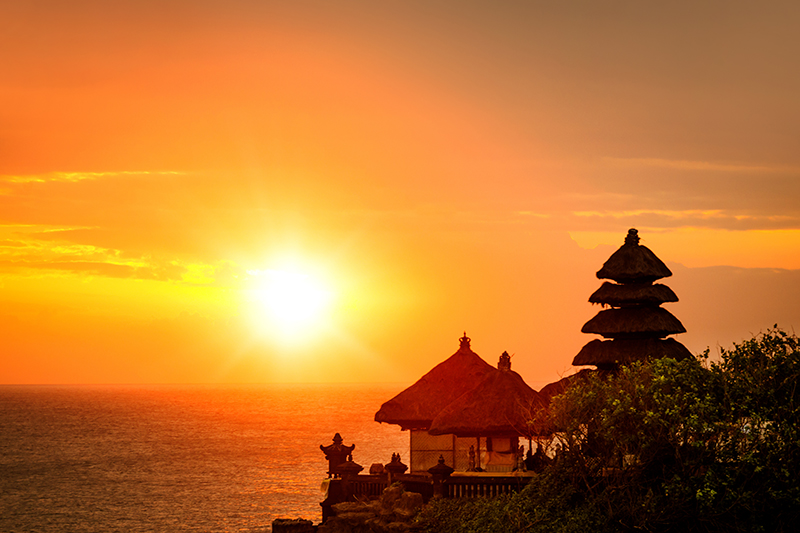
Before even booking a ticket, travelers have already watched hundreds of videos of Ubud, photos of the Tegalalang rice terraces, sunsets at Uluwatu, and infinity pools on Instagram.
The real challenge isn’t to introduce Bali anymore.
The challenge is to restore Bali’s ability to surprise.
Today, the main obstacle to selling isn’t price or competition. It’s the illusion of knowledge.
The client arrives with a preconstructed image of the destination. An image often idealized, sometimes distorted, but above all extremely precise.
In response to this, many offers keep piling up the same steps, the same excursions, and the same sales pitches.
Result: programs become interchangeable.
Yet Bali remains one of Asia’s richest destinations. But its value no longer lies solely in the places visited. It lies in how we reveal them to visitors.
Philippines: an extraordinary product that defies standards
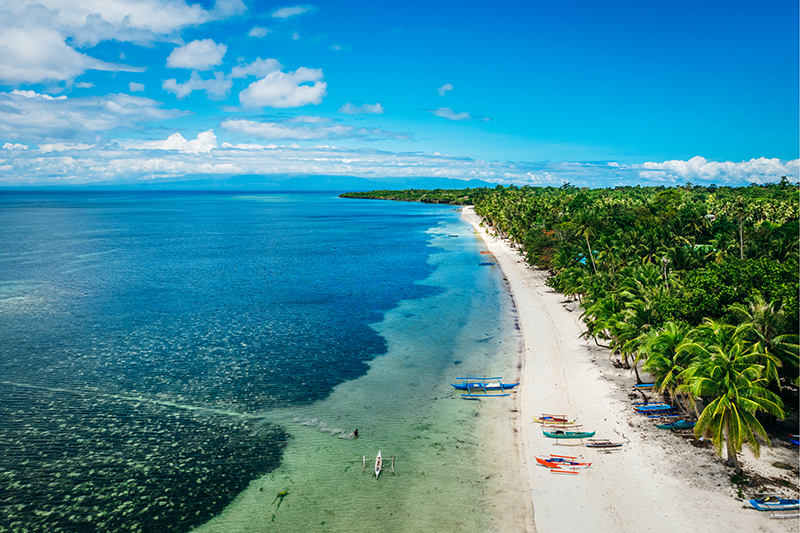
The Philippines probably stands as one of the greatest paradoxes in Asian tourism.
Everyone agrees on the country’s exceptional beauty. Yet it remains often harder to sell than other, less spectacular destinations.
Why?
Because we still try to fit it into marketing schemes that don’t suit it.
The Philippines is not a classic circuit.
It isn’t a destination told through a logical sequence of steps.
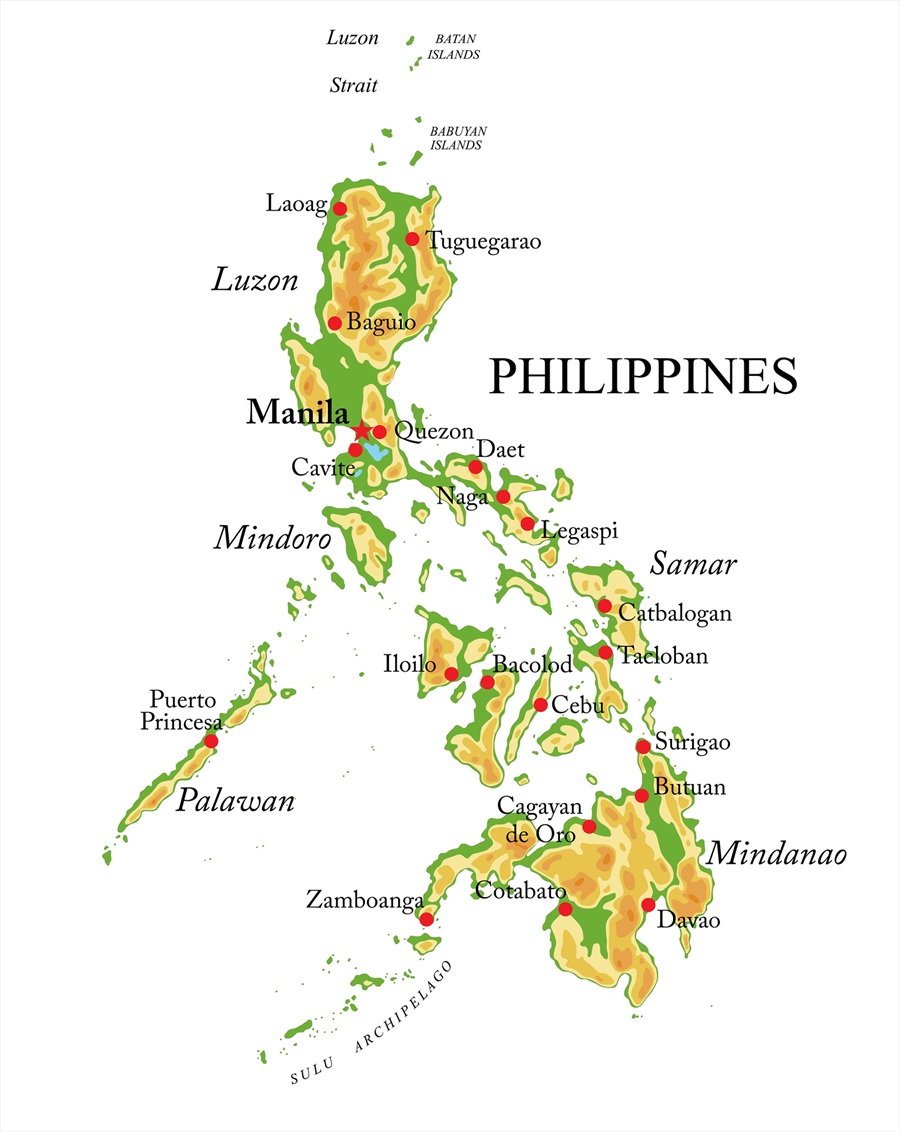
It is an archipelago of more than 7,000 islands where each region possesses its own identity, its own rhythm, and its own personality.
Palawan isn’t Bohol.
Bohol isn’t Siargao.
Siargao isn’t Cebu.
And it is precisely this diversity that gives the country its strength.
Travelers don’t come solely for beaches or lagoons. They come seeking a sense of perpetual discovery, exploration, and freedom.
As long as the Philippines is sold as a simple beach circuit, it will remain commercially underexploited.
The destination isn’t complicated.
It’s our way of presenting it that has become so.
Malaysia: the most rational destination… therefore the least told
Malaysia suffers from nearly the opposite problem.
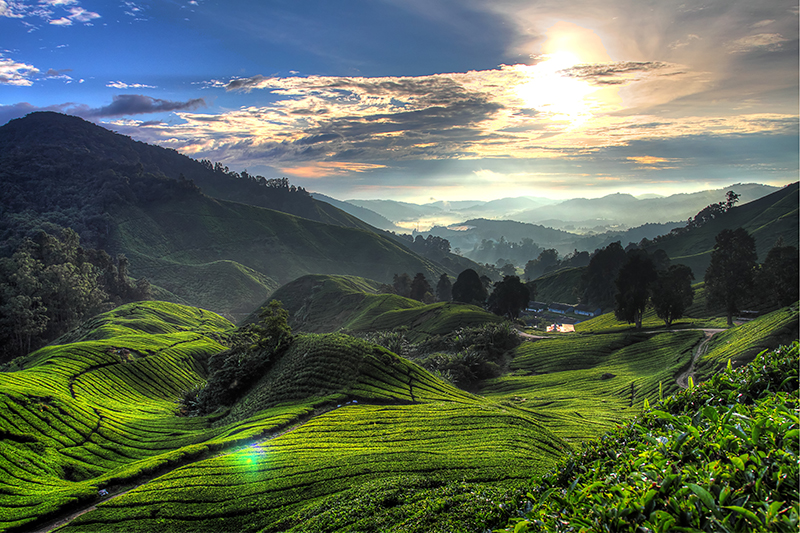
It may be the most complete destination in Southeast Asia.
It is modern.
It is accessible.
It is multicultural.
It has excellent infrastructure.
It blends modern cities, historic heritage, tropical nature, and beaches.
On paper, everything seems perfect.
And yet, it often remains in the shadows of its neighbors.
Why?
Because it generates fewer immediate fantasies.
In a world ruled by imagery, destinations that grab attention are often those that tell the simplest stories.
Bali evokes wellness.
The Philippines evokes paradise.
Malaysia, by contrast, is more subtle.
It demands more storytelling.
It demands more explanations.
It demands more staging.
Malaysia isn’t underestimated by travelers.
It is under-told by the market.
The real topic: clients no longer buy destinations
For a long time, selling a trip meant selling a place.
Today, this model is showing its limits.
Travelers don’t buy just a destination anymore.
They buy a projection.
They buy a future emotion.
They buy a story they will want to tell when they return.
They buy a sense of freedom.
They buy a feeling of exclusivity.
They buy the impression of living something that resembles them.
And that is precisely where the current misalignment lies.
A large portion of the tourism offering continues to describe itineraries while travelers seek experiences.
We keep selling kilometers while clients want memories.
2. Lose Yourself in the Bacuit Archipelago at El Nido
3. Admire the Historic Rice Terraces of Banaue
4. Explore the Underwater Worlds of Coron
5. Stroll Through the Colonial Town of Vigan
What is the most beautiful place in the Philippines? Between islands, lagoons and mountains
What budget to plan for 15 days in the Philippines? Realistic estimate to discover the essentials
What to do in the Philippines in 15 days? Suggested itinerary for the archipelago
How long should you travel in the Philippines for a balanced discovery?
What to do in the Philippines as a family? Kid-friendly activities and a safe itinerary
What to do in the Philippines when it rains? Cultural and indoor alternatives
What to know before traveling: visas, Manila, islands and what not to do in the Philippines
With thousands of islands spread between the South China Sea and the Pacific Ocean, the Philippines invites you to tailor a trip to your liking. Whether you love paradise beaches, hiking, or villages rich in history, certain stops stand out as true must-sees.
1. Surrender to Boracay’s Beaches
The island of Boracay, located in the Visayas archipelago in the Philippines, has established itself as one of Southeast Asia’s most renowned beach destinations. Its fame rests mainly on White Beach, a strand over four kilometers long, characterized by its very fine white sand and shallow turquoise waters.
This exceptional natural setting makes it a popular spot for sunbathing as well as for water sports such as windsurfing, kayaking, or scuba diving. At nightfall, the beach comes alive with a structured nightlife, powered by numerous bars, restaurants, and musical events. The combination of well-developed tourist infrastructure, natural beauty, and accessibility makes Boracay a must-stop on any travel itinerary to the Philippines.
2. Lose Yourself in the Bacuit Archipelago at El Nido
El Nido, located in the northern part of Palawan, stands as one of the Philippines’ most emblematic natural jewels. It is distinguished by hidden lagoons, sheer karst formations, and coves that are hard to reach from land. The exploration of the Bacuit Archipelago surrounding it is mainly done by boat, with organized tours that reveal secluded beaches, sea caves, and snorkeling spots.
The richness of its underwater life, in crystal-clear waters, attracts divers of all levels. With growing environmental protection policies, El Nido aims to balance tourism with the preservation of its ecosystems, making it a top destination for travelers seeking spectacular landscapes and responsible adventure.
3. Admire the Historic Rice Terraces of Banaue
The Ifugao rice terraces, located in Banaue in the northern part of the island of Luzon, are among the oldest forms of agriculture still in operation in the world. They bear witness to an ancestral know-how handed down from generation to generation by indigenous peoples. Over 2,000 years old, these landscape structures sculpt the mountains, forming an ingenious irrigation network that makes use of natural water sources.
Local guided tours not only help you better understand traditional farming techniques but also allow contact with the Ifugao communities who keep this living culture alive. An exceptional site, at the crossroads of nature and human heritage.
4. Explore the Underwater Worlds of Coron
Coron, located north of Palawan, stands out as one of the Philippines’ best diving sites, notably thanks to its famous World War II Japanese wrecks. Submerged between 10 and 40 meters, these sunken hulls form spectacular artificial reefs, loved by both experienced divers and beginners.
The underwater realms, exceptionally rich, harbor remarkable biodiversity: schools of sardines, manta rays, turtles, and occasionally whale sharks cross paths with visitors in waters of stunning clarity. Beyond diving, Coron also captivates with karst lakes like Kayangan and Barracuda, accessible on excursions, which add to the raw charm of this sea-and-memory oriented destination.
5. Stroll Through the Colonial Town of Vigan
Vigan, located on the island of Luzon, is one of the rare well-preserved examples of Spanish colonial urban planning in Asia. UNESCO-listed, the city unfolds its cobbled streets, houses with Hispanic-inspired architecture, and wood-and-stone buildings that bear witness to its prosperous mercantile past.
A carriage ride through the historic Calle Crisologo district lets visitors soak in this atmosphere of a bygone era, among antique shops, house-museums, and baroque churches. Far from the big cities, Vigan captivates with its authenticity and its ability to fuse cultural heritage with daily local life.
What is the most beautiful place in the Philippines? Between islands, lagoons and mountains
Determining the most beautiful place in the Philippines is subjective, given the archipelago’s wealth of natural gems. However, the island of Palawan, especially its marine landscapes around El Nido and Coron, is often cited as a leading candidate. Its karst cliffs, turquoise lagoons, and vibrant reefs make it a reference for nature lovers.
Other regions, such as Siargao for its wild beaches or Banaue with its terraced rice fields, also deserve mention. The Philippine landscape, whether maritime or mountainous, combines remarkable biodiversity with a sense of a protected haven, and it is this variety that makes the entire archipelago admirable.
What budget to plan for 15 days in the Philippines? A realistic estimate to discover the essentials
For a 15-day stay in the Philippines, you should budget for local transport (boats, domestic flights, buses), accommodations, meals, and activities, in addition to your international flights. On average, for a comfortable mid-range experience, budget between 600 and 1,300 euros per person on-site (excluding the international flight), depending on the level of activities desired.
A portion of this budget covers island-hopping, one of the most expensive items. You should also consider the cost of marine excursions, diving, and entry fees for nature parks. This budget provides a reasonable margin while ensuring a smooth and comprehensive trip.
What to do in the Philippines in 15 days? A proposed itinerary for the archipelago
An itinerary of 15 days in the Philippines should combine nature, culture, and island relaxation. Start in Manila to soak up history and urban contrast, then head to Palawan (El Nido, Coron, Puerto Princesa) for spectacular marine scenery and the famous underground river.
Next, spend a few days in Cebu or Bohol to enjoy beaches, the tarsier sanctuaries, or the iconic Chocolate Hills. End with Siargao or Camiguin for moments of renewal. This itinerary allows for travel time and rest. It can be tailored to interests: diving, hiking, cultural discoveries, or simply relaxing.
How long should you travel in the Philippines for a balanced discovery?
The ideal duration to visit the Philippines depends on your priorities, but two weeks at a minimum are recommended to journey across different islands without rushing. Three weeks allows for a broader range of experiences — coastlines, mountains, forests, and local culture — and helps avoid overly strenuous travel.
For a first trip, a compromise of 15 to 21 days provides a solid base: exploring the main archipelagos, immersing in the landscapes, time for rest, and exploration off the beaten path. A short stay in the Philippines (less than 10 days) limits how far you can go geographically.
What to do in the Philippines with family? Kid-friendly activities and a secure itinerary
The Philippines offer numerous opportunities for a family journey: easy hikes in Palawan or Bohol, strolls on sandbanks, exploration of underground rivers, or visits to wildlife sanctuaries for children. Accommodation options are often family-friendly (bungalows, villas with several bedrooms).
It is advisable to favor islands with good infrastructure (reliable transport, reasonable healthcare). For the younger ones, plan longer stops, avoid night travel, and tailor activities to the family’s pace to ensure a pleasant experience for everyone.
What to do in the Philippines when it rains? Cultural and indoor alternatives
During the rainy season, certain regions of the Philippines experience frequent downpours, making outdoor activities more uncertain. In these moments, focus on cultural and indoor visits: museums, historic churches, art centers, covered markets, or craft workshops.
In Manila, for instance, the National Museum or Intramuros offer sheltered escapes. Many hotels and resorts also provide indoor activities (cooking classes, spa, performances). This approach helps you make the most of rainy time while continuing to explore Philippine culture.
What to know before traveling: visas, Manila, islands and what not to do in the Philippines
Before planning a stay in the Philippines, note that many visitors can enter visa-free for a tourist stay of up to 30 days. For longer stays or other purposes, advance formalities are required. In Manila, be prepared for heavy traffic, contrasting neighborhoods and unpredictable weather.
As for the Philippine islands, some are hard to access or depend on tides and weather conditions. Finally, what not to do in the Philippines includes disrespecting protected zones, marine pollution from plastic waste, or ignoring religious customs: respect sacred sites, do not touch objects of worship without permission, and refrain from smoking in enclosed public places.
This article was drafted with the help of artificial intelligence, then corrected, expanded, and validated by the editors of the editorial staff.
This Monday morning, June 8, 2026, a powerful earthquake struck the Philippines.
It originated offshore, south of the archipelago, near Mindanao, the second-largest island of the country, which is home to more than 26 million people. It was 7:37 a.m.
The damage is extensive, with several buildings collapsed. An official tally reported 15 dead and several people wounded.
Additionally, a tsunami alert has been issued. Waves could affect the coasts of the Philippines, Indonesia, Taiwan, and could even reach Japan.
The Philippine president urged residents to seek higher ground on the island. In Indonesia, evacuation notices were broadcast in several areas of Sulawesi.
General Santos International Airport Closed Until Further Notice
France’s foreign ministry has updated its travel advisory and urges French citizens to remain vigilant.
The Quai d’Orsay specifically recommends verifying that their accommodations show no damage that could compromise their safety.
Moreover, following the tsunami alert, it is strongly advised to evacuate the archipelago’s coastal zones. Travelers are urged to strictly follow the local authorities’ instructions and the bulletins issued by the Philippine Institute of Volcanology and Seismology.
Recall that General Santos International Airport, located on Mindanao Island, is closed until further notice. Until then, 17 flights have been canceled.