


Contemporary luxury is no longer defined solely by visible signs of prestige. It unfolds in the quality of the lived experience, in the precision of support, and in the ability to forge a fair relationship with a destination.
In Rio de Janeiro, this evolution takes on a particular dimension. The city does not simply host visitors: it engages, it connects, it transmits a culture of hospitality deeply rooted in its identity.
In this context, certain players play a decisive role, often behind the scenes. Their mission is to transform the richness of a destination into coherent, seamless, and memorable experiences.
Blumar sits among these benchmark operators, capable of blending international standards with a nuanced understanding of the local terrain.
The encounter with Bruno Teixeira, Business Manager of the receptive agency in Rio de Janeiro, immediately illuminates this reality.
From the first exchanges, a quality stands out with evident clarity: genuine availability, constant attention, and a way of relating that goes beyond the professional frame. Kindness is not presented here as a pose, but as a natural disposition.
The advisory becomes a conversation, the expertise a transmission, and the welcome an experience in itself.
Also read: Brazil: generous hospitality as a lever for transforming luxury tourism
Forty Years of Expertise at the Service of a Destination
 Founded more than forty years ago, Blumar has gradually established itself as one of the leading players in Brazil’s luxury tourism.
The company has built itself on an in-depth knowledge of the country, developing an approach that goes beyond mere logistical organization to give travel real meaning.
Initially focused on the destination of Búzios, a seaside resort north of Rio, Blumar expanded its scope to cover the entire Brazilian territory.
Today, the operator covers more than thirty destinations, from the Amazon to the Pantanal, from Fernando de Noronha to Ouro Preto. This national reach is a significant advantage in a country where distances, regional cultures, and operational realities require fine expertise.
This ability to grasp Brazil in its diversity rests on a strong belief: the quality of a stay depends first on the women and men who make it possible. The company relies on experienced local teams, capable of translating the expectations of international travelers while respecting the cultural specificities of each region.
An Integrated Approach to Luxury Travel
In Rio de Janeiro, Blumar collaborates with the market’s most renowned hotels.
The Belmond Copacabana Palace, a true institution inaugurated in 1923, embodies heritage and service excellence. The Fairmont Rio presents a contemporary interpretation of international hospitality, integrated into the Carioca context. The Janeiro Hotel, located in Leblon, offers an immersion in a neighborhood that has become one of the nerve centers of the city’s cultural and gastronomic life.
Also read: Rio de Janeiro: a collection of hotels that embody different cultures of luxury
lodging is, however, only one component of the experience.
Blumar has structured a global offering covering all segments of luxury tourism: individual trips, groups, incentive programs, congress and event management, and onshore services for international cruise lines, including Crystal Cruises.
This organization rests on proprietary digital infrastructure, allowing partner agencies to access availability, itineraries, and visual content directly. In a market where responsiveness and precision are essential, this tool represents a decisive operational lever.
Experience as the Heart of the Value Proposition
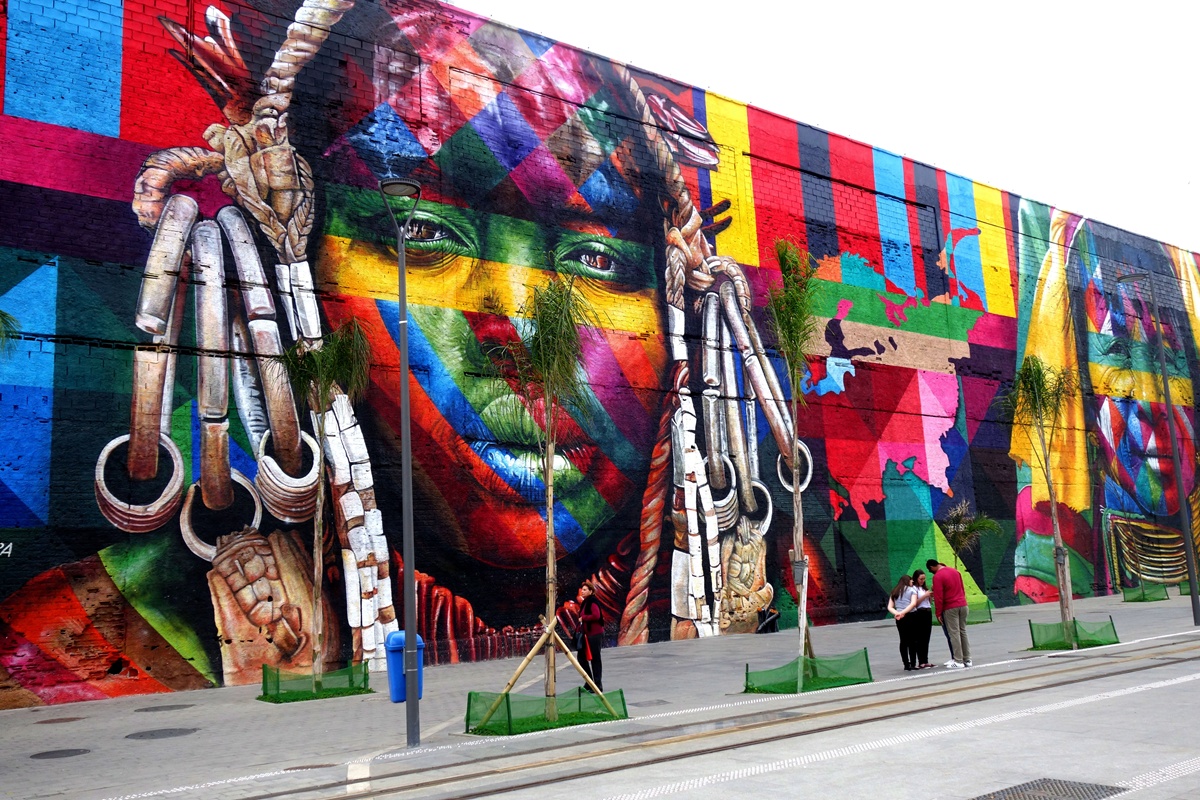
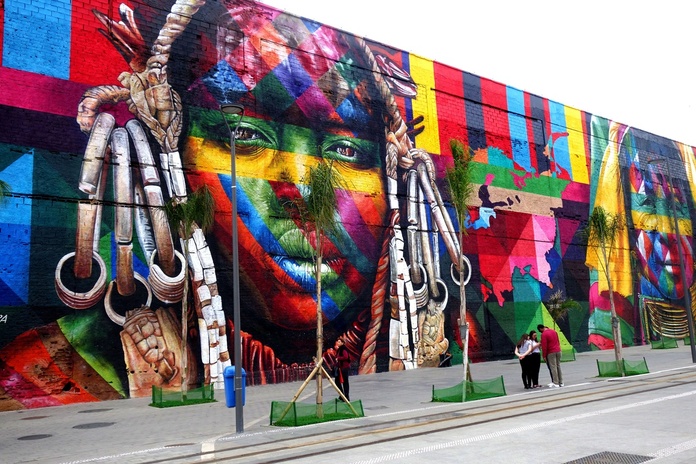
The private experiences segment occupies a central place in the expectations of high-end travelers. Blumar has developed an offering that meets this shift by prioritizing access, personalization, and cultural depth.
In Rio de Janeiro, this approach translates into experiences such as private tours of UNESCO World Heritage sites, privileged access to Christ the Redeemer via trails through Tijuca Forest, helicopter flights over Guanabara Bay, and behind-the-scenes immersions in Carnival.
These proposals fit into a narrative of exploring the territory, where each experience contributes to a deeper understanding of Brazilian culture.
As Bruno Teixeira notes, “our clients benefit from guidance by experienced local guides who know the city inside out, its neighborhoods, rhythms, and codes. It is this knowledge that transforms a good stay into a memorable experience.”
This approach highlights a fundamental truth of contemporary luxury: value lies not only in access, but in the quality of interpretation.
Responsibility and International Recognition
Kindness as the Foundation of Sustainable Hospitality
Rio de Janeiro provides a valuable lens on the evolution of contemporary luxury. The city shows that excellence rests not only on mastering standards, but on the quality of the relationships built between people.
Through players like Blumar, this reality takes a concrete form. Technical expertise, structured offerings, and knowledge of the territory lay solid foundations. But the difference is found elsewhere.
It lies in this willingness to welcome without calculation, to listen without filters, to advise with discernment. Kindness then becomes a standalone competence. It is not decreed; it is embodied.
In a sector seeking meaning and authenticity, this approach opens a clear perspective: hospitality of tomorrow will not be limited to organizing experiences. It will need to be able to create connections, transmit a culture, and leave a lasting imprint.
In Rio, this reality is evident. Blumar offers a structured reading of it. Bruno Teixeira provides a deeply human embodiment.
Laurent Delporte
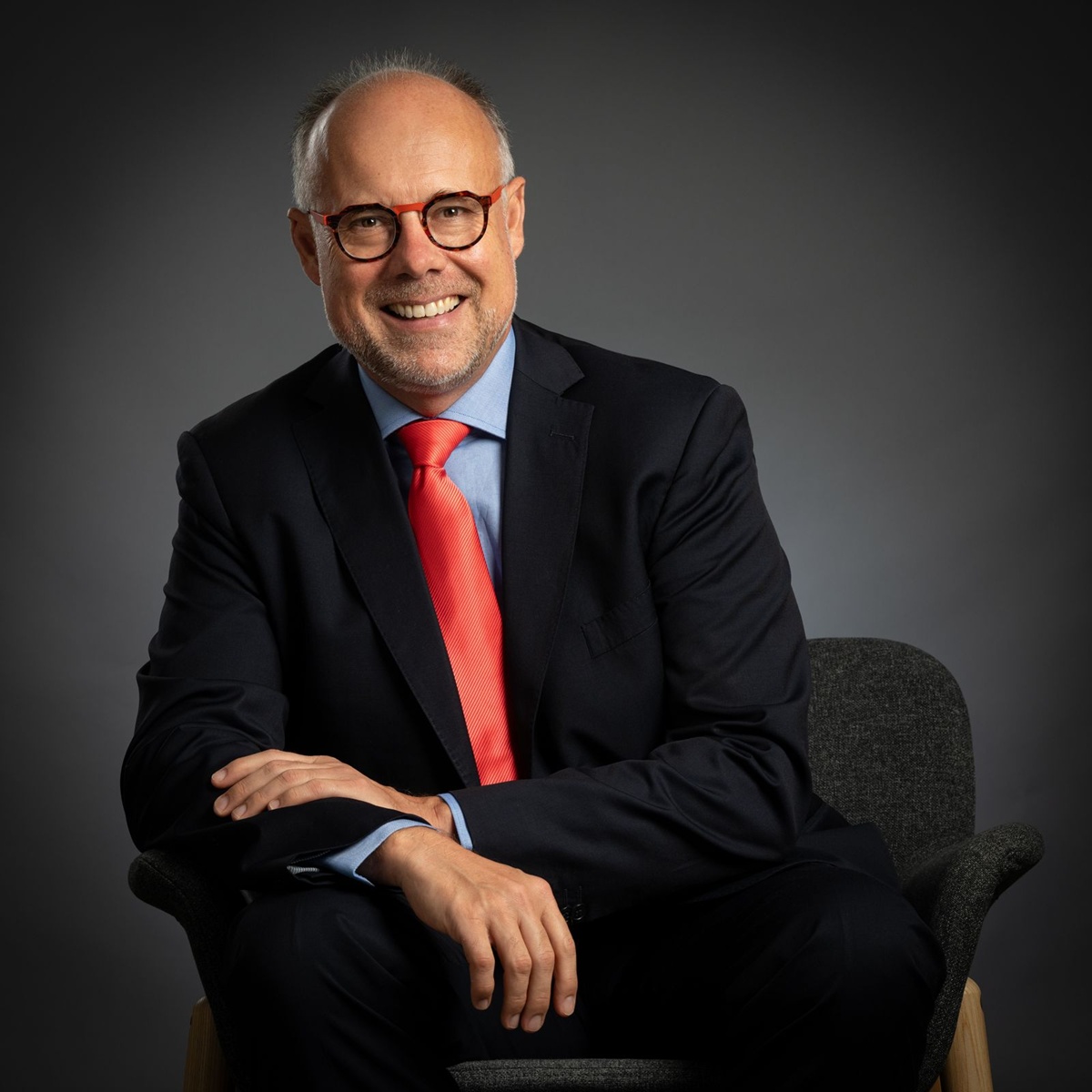
Laurent Delporte is the president and founder of DELPORTE Hospitality.
After 25 years of experience in luxury hospitality, notably within the Accor group, he combines visionary thinking, an international hospitality culture, managerial and operational skills, and a network of independent experts to support decision-makers in hospitality for the benefit of their clients, staff, and partners.
As a recognized consultant in the hospitality industry, an executive coach for leaders, and a speaker in the world of hospitality, he also directs the magazine DH-Mag dedicated to trends in hospitality and speaks at major schools and trade shows (HEC, Sup de Luxe, EquipHotel, Maison & Objets…).
Moreover, Laurent Delporte ranked 8th in the international ranking of hospitality influencers in 2024 by the American magazine Global Hospitality and the International Hospitality Institute (IHI) based in the United States. He was also named among the 25 luxury-sector speakers worldwide.