
Arsenale Group Raises €300M to Accelerate Luxury Growth


Arsenale Group lève 300 M€ pour accélérer sa croissance dans le luxe - Depositphotos.com @ra2studio

MSC Croisières


Arsenale Group renforces its financial capacity.

The Italian group, active in the hotel and luxury travel sectors, announces that it has finalized the placement of a senior secured bond for the amount of €300 million.

With a four-year maturity, this bond carries a floating coupon indexed to the three-month Euribor, augmented by a margin of 7%.

The settlement date for the transaction occurred on June 30, 2026. The loan is also admitted to listing on the Vienna Stock Exchange.


Funding for the 2026-2030 Strategic Plan

The funds from this issue are intended to **contribute to financing Arsenale Group’s 2026-2030 strategic plan**. They will supplement the new equity provided by the group’s shareholders.

A portion of the amount raised will also be allocated to repurchasing preferred shares issued in 2022 with Oaktree Capital Management.

For Paolo Barletta, Chief Executive Officer of Arsenale Group, this operation should notably enable the group to have greater financial flexibility to support its development.

This operation constitutes a major milestone for the Arsenale Group and reinforces the strength of our long-term vision“, he notes.

According to the executive, the financing should allow the continued development of the group’s project portfolio and strengthen its position in the global luxury hotel market.


A New Step in the Growth Strategy

With this operation, Arsenale Group thus aims to support its long-term development ambitions, as the group continues to implement its strategy for the 2026-2030 period.

The success of the bond placement is presented by the group as an indicator of investor confidence in its positioning and growth prospects.

Pareto Securities assisted Arsenale Group as financial advisor in relation to this bond issue.


Amelia Brille Published by Amelia Brille TourMaG.com Editor
See all articles by Amelia Brille

  • picto Linkedin
  • picto email
Add TourMaG to your Google News feed Google Actualités icône  

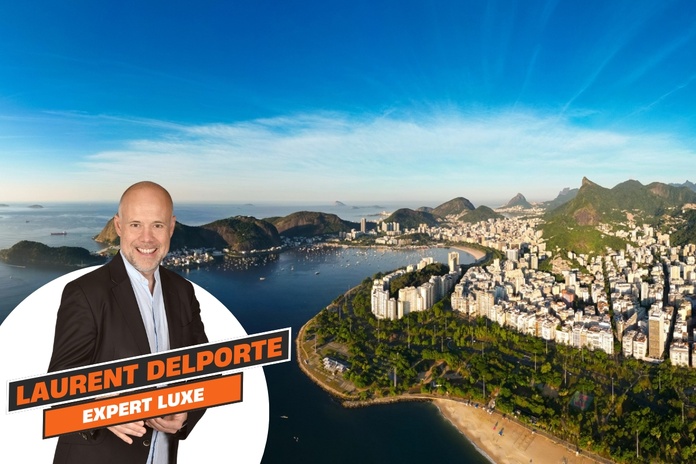
Brazil: Generous Hospitality as a Driver of Transformation in Luxury Tourism [ABO]


Au Brésil, l’hospitalité n’est pas une construction récente. Elle s’inscrit dans la culture, dans les comportements et dans la relation à l’autre - DepositPhotos.com, dabldy

Hurtigruten


Brazil has always nourished a powerful imagination, spanning nature, history, and the relationship with others.

This imagination is not unfamiliar to French culture. Since the 16th century, France has shown interest in this territory, notably through the episode of France Antarctique in the bay of Rio de Janeiro.

This long-standing relationship echoes in literature, notably with Rouge Brésil by Jean-Christophe Rufin, which traces this encounter between two worlds. The narrative highlights what still today makes Brazil unique: the capacity to welcome, to blend cultures, and to forge a different relationship with others.

This historical and cultural link between France and Brazil goes beyond the frame of the narrative.

It is reflected in certain architectural influences, in the cross perspectives between the two countries, but also in how French travelers today approach the destination.


A redefining of luxury around experience, relationship and the identity of places

In the context of luxury tourism, this relationship takes on a particular dimension.

It enables French professionals – agencies, investors, hoteliers – to better understand a destination that, while deeply different, shares a common sensitivity around culture, the art of living and hospitality.

Long perceived through partial prisms, sometimes reduced to its structural challenges or to its most iconic images, Brazil today asserts itself as one of the most distinctive destinations in international tourism.

This evolution is neither a fashion trend nor a marketing repositioning. It is part of a long-term movement led by players who have progressively organized the country’s upscale transition.

This transformation does not merely rely on opening new hotels or upgrading infrastructure. It rests on a deeper change: a redefinition of luxury around experience, relationship and the identity of places.

At the heart of this transformation, the Brazilian Luxury Travel Association (BLTA) plays a central role. Created in 2008, the association now brings together 66 hotels and 8 DMCs across 39 destinations throughout the country.

Its mission goes far beyond promotion. It aims to structure a vision of Brazilian luxury, define its standards and carry its voice on the international stage.


A paradigm shift: from product to experience

The international luxury sector is undergoing a structural evolution. Value is no longer measured solely by the quality of equipment or the standardization of service. It shifts toward the ability to create a singular, embodied, and memorable experience.

Brazil presents a strong uniqueness in this context: hospitality is not a recent construction there. It is embedded in culture, in behaviors and in the relationship to others.

This reality constitutes a major competitive advantage. Camilla Barretto, CEO of the BLTA, offers a clear reading: « This is not an obvious luxury. It is a luxury combined with authenticity. If you go to Brazil, you won’t find this place anywhere else. »

This approach redefines the selection criteria for agencies and clients. The choice of a destination no longer rests solely on its level of equipment, but on its ability to create .


A complex territory that requires strong expertise

The main challenge for Brazil lies in its complexity. A continent-country, it cannot be approached as a homogeneous destination.

Each region has its own codes, operational constraints and opportunities.

For travel agencies, this reality implies an increased need for qualified intermediation. Value no longer lies solely in booking, but in the ability to build a coherent, smooth itinerary tailored to the client’s profile.

This is precisely where the Brazilian market is progressing. Actors, including the BLTA, have helped raise the overall level of professionalism by creating standards, networks and selection tools.

The development of tools such as the Mystery Shopper Audit, based on more than 240 criteria, responds to a key expectation of international buyers: transparency of quality.


Emblematic references that structure the perception of luxury


Generous hospitality as a competitive advantage

One of the most differentiating elements of Brazil lies in its relational culture.

The welcome goes beyond mere service. It is expressed in a way of being, in spontaneity, and in a natural attentiveness to others.

Camilla Barretto summarizes this specificity: « We do not pretend to welcome people. We smile at them.In Brazil, it’s open, it’s free, it’s vibrant. »

This dimension corresponds to what I call generous hospitality. For tourism professionals, this notion represents a strategic lever. It allows creating differentiating experiences without resorting to artifices or excessive investments.

It also constitutes a loyalty driver. A strong relational experience creates a lasting memory, well beyond the material elements of the stay.

Read also : Luxury hospitality: the three keys to creating an experience that leaves travelers with a lasting impression


Sustainability and preservation: a central challenge

The upgrading of Brazil goes hand in hand with a major challenge: preserving the authenticity of its territories. The development of luxury tourism cannot come at the expense of ecosystems and local cultures.

This question becomes central for investors and operators.

The BLTA has integrated this dimension by setting an ESG certification objective for all its members by 2029, in line with the Global Sustainable Tourism Council standards.

This positioning responds to growing expectations from international clients, but also to a long-term requirement: maintain the country’s attractiveness.

Read also: Hospitality: the luxury of tomorrow will be sustainable or no longer


What to remember: Brazil, a strategic market to structure with precision

– Brazil is entering a decisive phase of its tourism development. The country has unique assets: diverse landscapes, rich culture, natural hospitality. The challenge is no longer to discover these assets, but to structure them.

– For travel agencies, Brazil offers a clear opportunity: to propose differentiated experiences with high emotional value, in a market still under construction.

For investors and operators, the question is more strategic: how to develop a luxury offering while preserving the country’s essence? The answer lies in a fine understanding of what makes Brazil’s singularity. This singularity rests on a simple truth: luxury is not limited to what is seen. It is played out in relationships, attentiveness, and the ability to create connection.

– Generous hospitality is not a concept. It constitutes a real competitive advantage, already present, still partly untapped.

– Brazil does not seek to catch up with the great international luxury destinations. It offers something else: a more human, more embodied, more memorable experience. A territory that does not ask to be transformed, but to be understood.


To follow: Rio de Janeiro: a collection of hotels embodying different cultures of luxury


Laurent Delporte


Laurent Delporte - Delporte Hospitality

Laurent Delporte is the president and founder of DELPORTE Hospitality.

After 25 years of experience in luxury hospitality, notably within the Accor group, he combines a visionary spirit, an international hospitality culture, managerial and operational skills, and a network of independent experts to support decision-makers in hospitality in service of their clients, employees and partners.

As a recognized consultant in the hotel industry, an executive coach to leaders, a speaker in the world of hospitality, he also runs the DH-Mag magazine dedicated to trends in the hotel industry and speaks at leading schools and trade shows (HEC, Sup de Luxe, EquipHotel, Maison & Objets…).

Moreover, Laurent Delporte ranked 8th in the international ranking of hotel influence in 2024 by the American magazine Global Hospitality and the International Hospitality Institute (IHI) based in the United States. He was also selected in the list of the 25 luxury sector speakers worldwide.


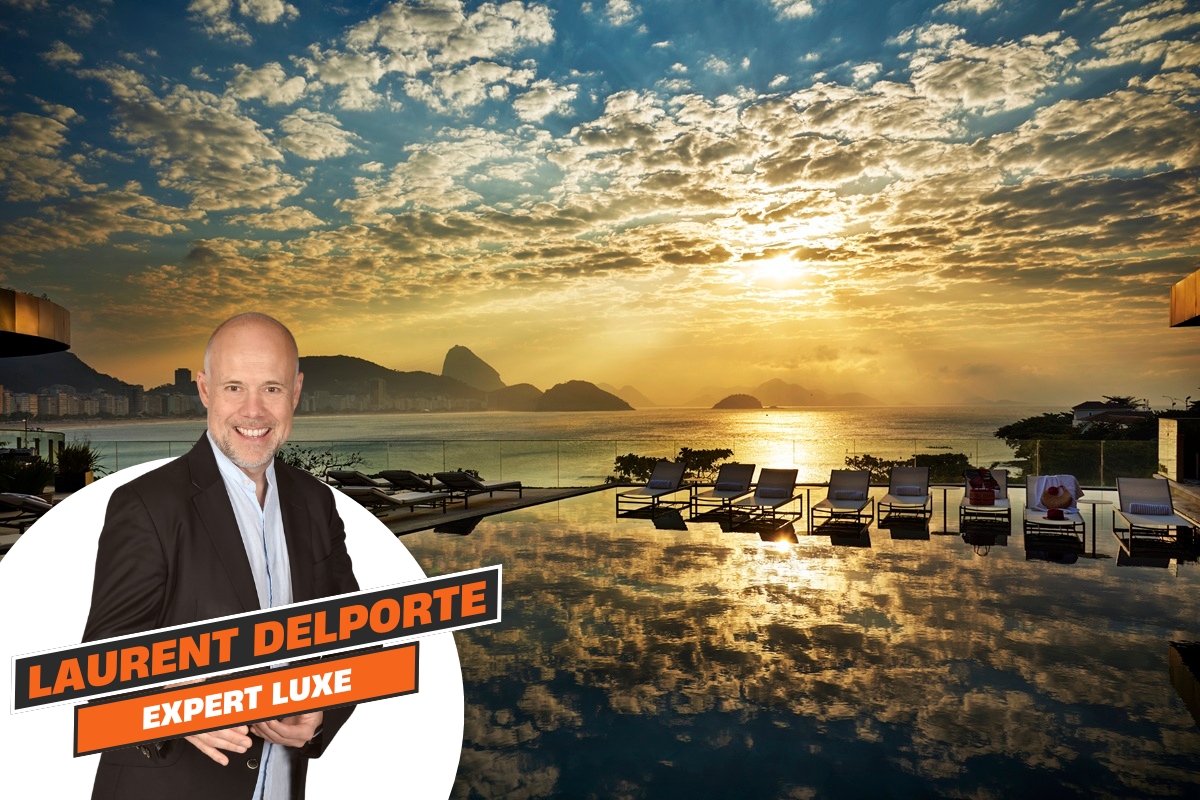
Rio de Janeiro: A Collection of Hotels Embodying Diverse Luxury Cultures


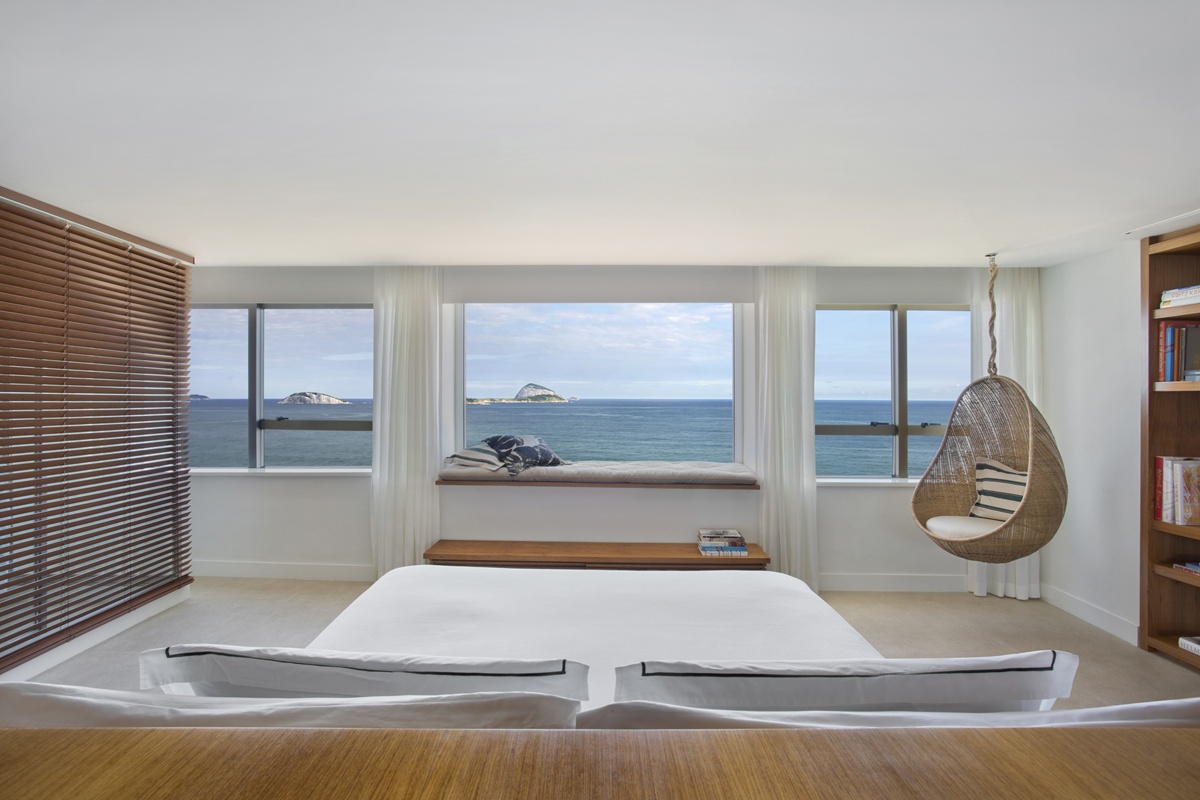
Rio de Janeiro dévoile une diversité d’expériences hôtelières, où chaque établissement propose sa propre vision du luxe - Photo : Fairmont Hotels

Hurtigruten


Rio de Janeiro offers a particularly rich reading of hotel luxury.

The city does not present a single model, but a diversity of approaches that I observed while staying and visiting several iconic properties.

This variety helps understand how luxury can be expressed in different ways, while remaining deeply tied to the identity of the places.

Read also: Brazil: generous hospitality as a lever for transforming luxury tourism


The Copacabana Palace


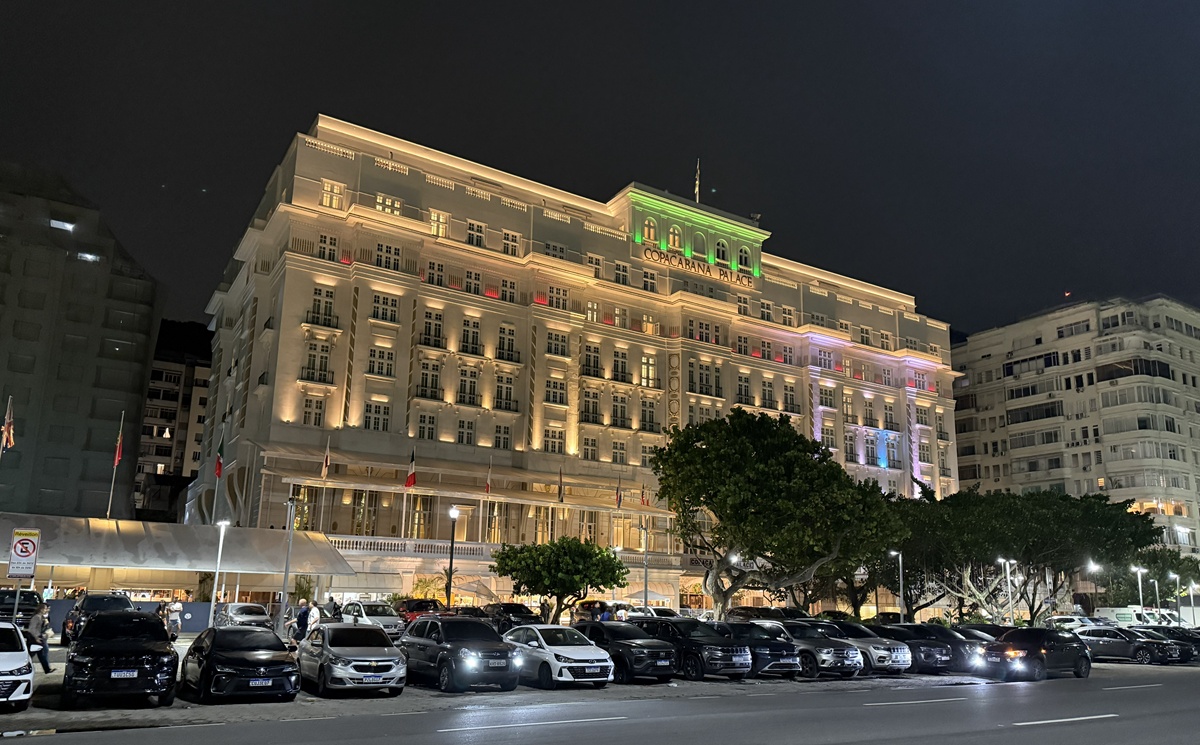
Le Copacabana Palace continue d’attirer une clientèle internationale en quête de repères - Photo : LD

The Copacabana Palace, operated by Belmond, remains an indispensable reference.

Upon discovering this hotel, the sensation is immediate: that of entering a place steeped in history, where timeless elegance structures the experience.

I was struck by this ability to preserve the codes of the grand hotel while staying vibrant and waking up in the morning facing Copacabana Square, the site of New Year’s Eve celebrations.

The place continues to attract an international clientele in search of landmarks, with that almost cinematic dimension unique to Copacabana.


The Fairmont Rio de Janeiro Copacabana


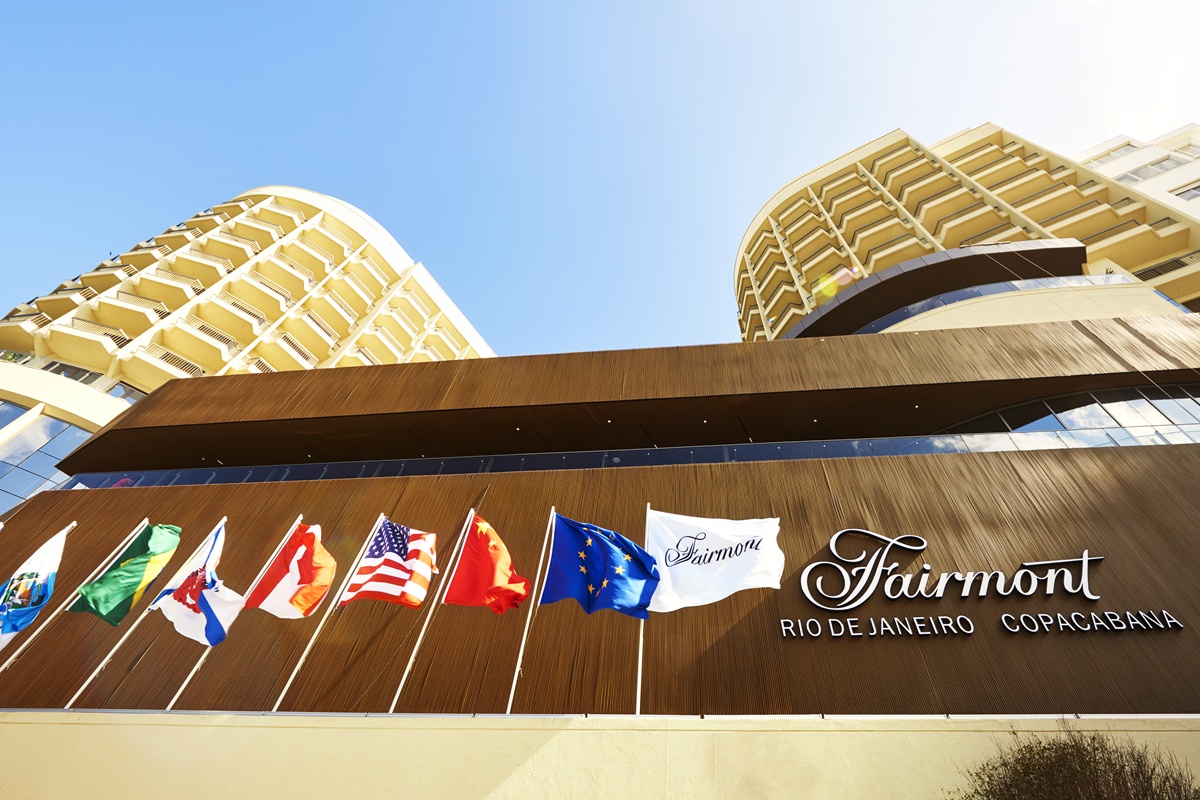
Le Fairmont Rio de Janeiro Copacabana dispose d'une connexion directe avec la plage - Photo : Fairmont Hotels

The Fairmont Rio de Janeiro Copacabana offers a more contemporary and open approach.

Its location between Copacabana and Ipanema gives it a particular energy.

I particularly appreciated direct beach access and the possibility to participate in water activities, which extend the experience beyond the hotel.

The atmosphere there is also more festive, especially in the late afternoon, with a real emphasis on bars, cocktails and spirits. All in all, this creates a complete, fluid and enjoyable experience.


The Janeiro Hotel, in Leblon


Au Janeiro Hotel, à Leblon, chaque élément est pensé dans une logique esthétique et culturelle - Photo : Janeiro Hotel

The Janeiro Hotel, in Leblon, is among the places that left the deepest mark on me.

Founded by entrepreneur Oskar Metsavaht, also the creator of the Osklen brand, the hotel carries a very personal vision of luxury.

Each element is conceived within aesthetic and cultural logic: artworks, furniture, down to the staff uniforms contribute to a coherent narrative.

I was particularly moved by this artistic dimension, but also by the direct connection with the neighborhood.

Leblon embodies a certain Carioca culture, more local, more subtle, and the hotel sits there with accuracy. The experience is intimate, fluid, deeply rooted in this Carioca lifestyle.


Four experiences, one city


To follow: Blumar, leading DMC in Brazil: generous hospitality as the signature of expertise serving the experience


Laurent Delporte


Laurent Delporte - Delporte Hospitality

Laurent Delporte is the president and founder of DELPORTE Hospitality.

After 25 years of experience in luxury hospitality, notably within the Accor group, he combines visionary thinking, an international hospitality culture, managerial and operational skills and a network of independent experts to support decision-makers in hospitality to better serve their clients, teams and partners.

As both a recognized consultant in the hotel industry, an executive coach to leaders, and a speaker in the world of hospitality, he also runs the DH-Mag magazine dedicated to hotel trends and speaks at leading schools and fairs (HEC, Sup de Luxe, EquipHotel, Maison & Objets…).

Moreover, Laurent Delporte ranked 8th in the international ranking of hotel influencers in 2024 by the American magazine Global Hospitality and the International Hospitality Institute (IHI) based in the United States. He was also selected on the list of 25 luxury sector speakers worldwide.


Pearl Resorts Debuts New Film Highlighting Its Vision of Polynesian Luxury


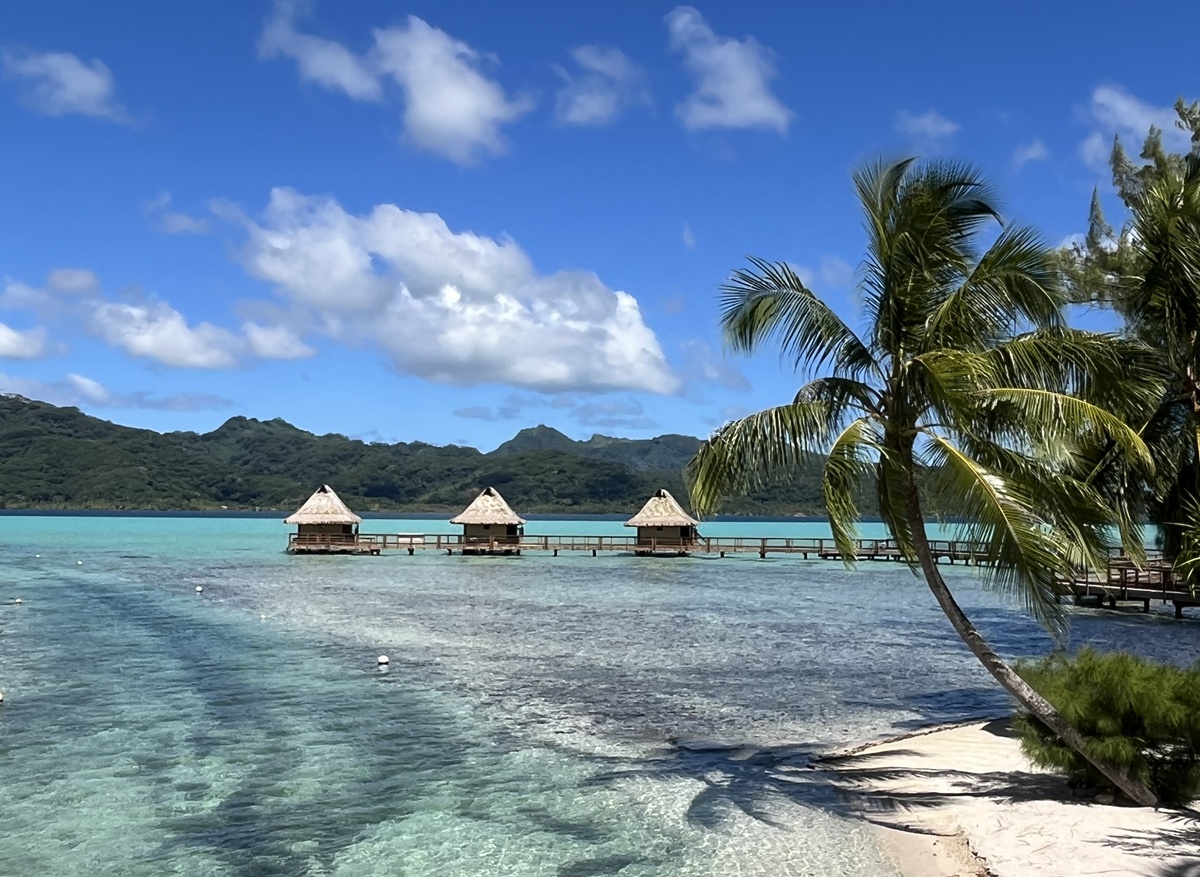
Pearl Resorts unveils a new brand film dedicated to French Polynesia and the identity of its properties.

Through this video, the group seeks to present a travel vision centered on cultural immersion, natural landscapes, and Polynesian hospitality.

The film showcases the destination’s various facets beyond the images traditionally associated with lagoons and overwater bungalows. Volcanic reliefs, lagoons, the ocean, as well as the traditions and encounters with local populations take a central place in this production.

This video marks the first installment in a new content series that will progressively highlight Pearl Resorts’ five properties.

The group thus intends to present its hotels as the different stages of an itinerary across the Polynesian archipelagos, from the Marquesas Islands to the Tuamotus, including the Windward Islands and Vahine Private Island.


A Definition of Luxury Oriented Toward Experience

According to Pearl Resorts, this approach aims to elevate a travel experience built on discovering local culture, the transmission of know-how, and the authenticity of exchanges.

Through this new film, Pearl Resorts also asserts its concept of luxury, which it associates more with the lived experience than with material offerings.

The group highlights a hospitality model inspired by Polynesian culture, where sharing, transmitting knowledge, and human relationships play a significant role in the experience offered to travelers.


Amelia Brille Published by Amelia Brille TourMaG.com Editor
See all articles by Amelia Brille

  • picto Linkedin
  • picto email
Add TourMaG to your Google News feed Google News icon  

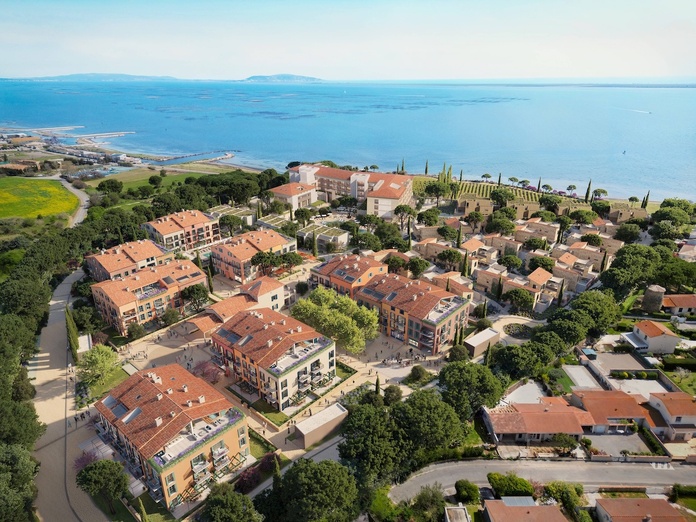
Marriott International to Launch Its First The Luxury Collection Resort in Marseillan, France


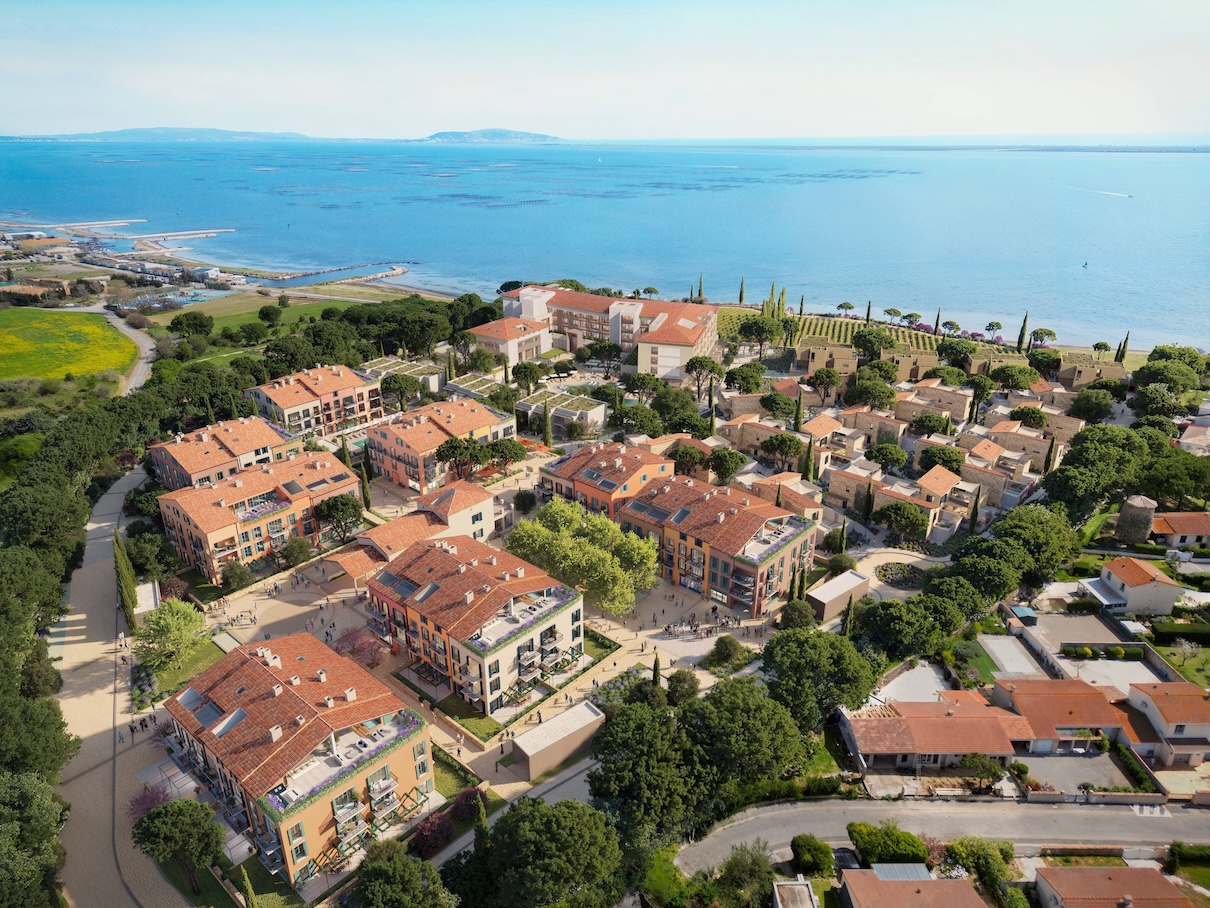
Marriott International et Propriétés & Co prévoient d'ouvrir en 2029 un complexe hôtelier et résidentiel haut de gamme à Marseillan - Photo Marriott International

Costa Rica


Marriott International continues to expand its luxury portfolio in France.

The American group has signed an agreement with Propriétés & Co to develop a The Luxury Collection resort complemented by branded residences in Marseillan, in the Hérault region.

Set on a site spanning more than six hectares along the Thau lagoon, the complex is slated to open according to the announced timetable in 2029. The project aims to integrate with the local fabric and to highlight the maritime, viticultural and landscape heritage of this Languedoc destination.

The forthcoming complex will feature a 72‑room hotel as well as 189 branded residences intended for owners and travelers. The residential offering will include lagoon‑front villas, pool villas, garden suites, apartments and penthouses.

Residents will benefit from access to the resort’s infrastructures and services within a hybrid hospitality and luxury real estate model.

On the dining front, nine concepts are planned, including an oyster and sashimi bar, a fine‑dining restaurant, a French café and a vineyard‑centered bar.

The program also features a 2,000 m² spa and wellness center inspired by Roman baths, several swimming pools, an art gallery and retail outlets.


A first for The Luxury Collection in residential development

For Marriott International, this operation marks a strategic milestone in the French market. The project will represent the group’s first branded residences in France.

The signing of this project marks an important milestone for Marriott International as we continue to expand our luxury portfolio in Europe’s most coveted resort destinations,” notes Alexandra Goguet, Vice President Development France & Benelux at Marriott International, in a press release.

The group believes Marseillan brings together the attributes sought by international clientele thanks to its natural setting, cultural heritage and position within the leisure destination segment.

For his part, Miguel Espada, president of Propriétés & Co, explains that the ambition is to create “a European benchmark in the resort realm” by leveraging local identity rather than transforming it.


An architecture inspired by Mediterranean heritage

The architectural concept is entrusted to Slowlife Architects, while the interior decoration will be carried out by the Spanish designer Lázaro Rosa-Violán.

The ensemble will draw inspiration from the region’s winegrower houses, featuring stone façades, wooden shutters, wrought iron details and terracotta tones. The interiors will emphasize natural materials, craftsmanship and the codes of luxury hospitality.

Located about 35 minutes from Montpellier-Méditerranée Airport, the resort will offer views over the Thau lagoon, Mont Saint-Clair, Sète and the Mediterranean Sea.

The site also highlights the territory’s natural strengths, with more than 300 days of sunshine per year, a network of cycling paths and nearly 8,000 hectares of protected natural spaces.

Upon opening, scheduled for 2029, the Marseillan complex will become the fourth property in France under The Luxury Collection brand, following the Prince de Galles, a Luxury Collection Hotel; Hôtel de Berri Champs-Élysées, a Luxury Collection Hotel; and the Hotel du Couvent, a Luxury Collection Hotel.


Amelia Brille
Published by Amelia Brille TourMaG.com Editor

See all articles by Amelia Brille

  • picto Linkedin
  • picto email
Add TourMaG to your Google News feed
Google Actualités icône

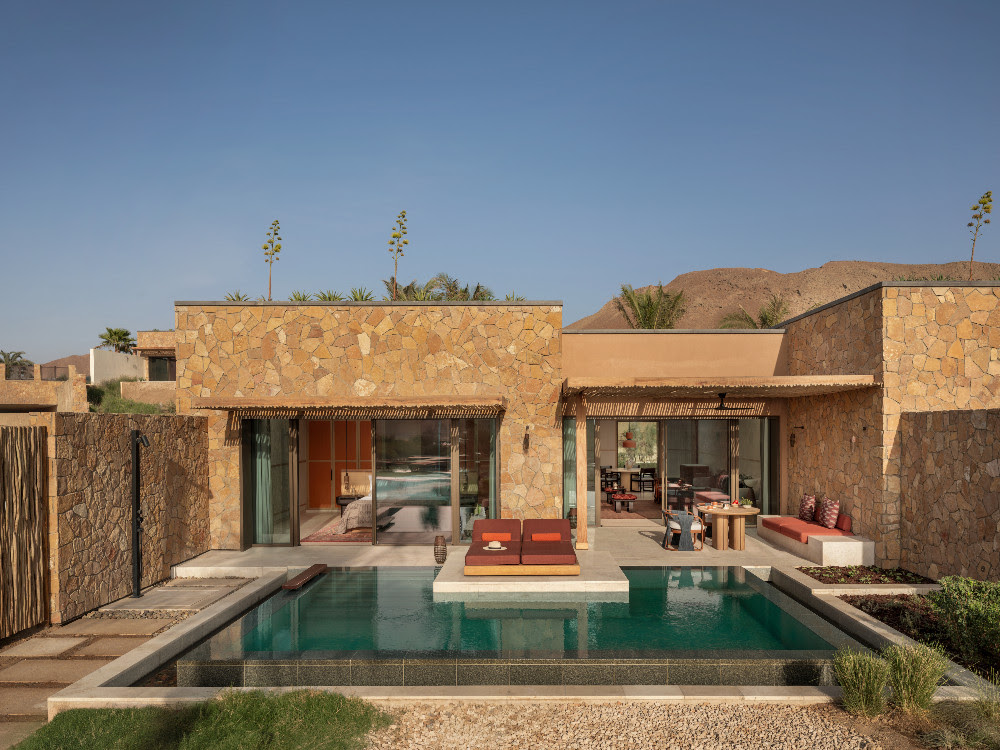
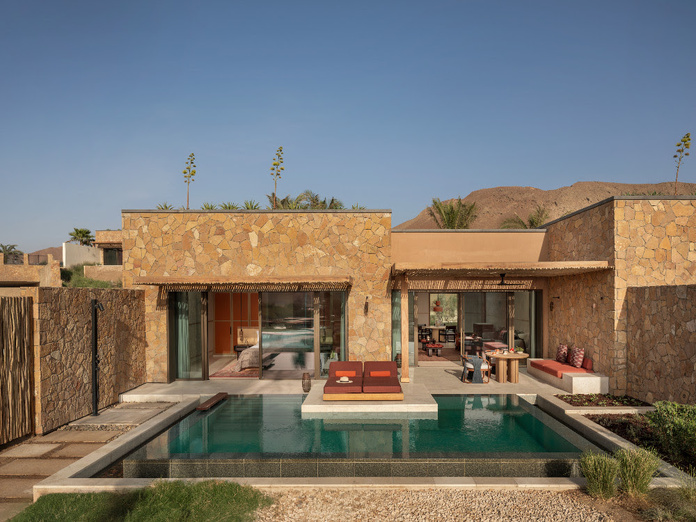
Saudi Arabia: Six Senses Opens Its Second Luxury Sanctuary


Arabie Saoudite : Six Senses implante son deuxième sanctuaire de luxe, Six senses AMAALA, photo by Six senses

Costa Rica


The Six Senses brand opens its second property in Saudi Arabia, following the launch of Six Senses Southern Dunes.

This project is set on a coastal site spanning 4,140 m², notable for its cliffs and mangroves, in a region where tourist infrastructure and local service standards are still being developed.

Neil Palmer, Chief Operating Officer of Six Senses, comments on this opening: « AMAALA offers us an exceptional seafront setting to bring this philosophy to life. Here, well-being naturally fits into the rhythm of each day, allowing our guests as well as our residence owners to slow down, reconnect, and experience the Red Sea in a profoundly human way. »

The property is led by Bryce Seator, General Manager, and can be reached by road from AlWajh Airport in 45 minutes or by air via the Red Sea International Airport.


Infrastructure, Dining and Environmental Features

The wellness offering rests on a 1,100 m2 spa featuring treatment rooms with lagoon views, an outdoor Watsu pool, a sound dome, and a longevity area equipped for cryotherapy and PEMF therapy.

The complex’s dining is provided by three main venues. The Soraya restaurant offers Nippo-Latin American fusion cuisine, while the Joud space serves Mediterranean and Middle Eastern specialties.

To complement this culinary offering, the Beach Shack focuses on seafood and grilled dishes. In keeping with local specifics, the menu features only botanical beverages, infusions and non-alcoholic fermented drinks.

Environmentally, the establishment uses solar energy and aims for LEED Platinum certification for its construction methods. The teams have also established a technical space, named Earth Lab, which serves as a venue for recycling workshops and the making of artisanal products.

Luxury Cruises: A New Clientele Follows Hotel Brands Out to Sea


Croisières de luxe : les marques hôtelières séduisent une nouvelle clientèle - Photo CE

CroisiEurope


According to the latest data published by Global Travel Collection (GTC), cruises operated under hotel brands now account for 5% of upcoming bookings made by its network of luxury travel advisors.

A segment still limited in volume, but it carries a very high-end positioning, with an average price of $40,000 per booking.

For French professionals, Global Travel Collection (GTC) remains a relatively little-known player. A subsidiary of the American Internova Travel Group, it is nevertheless one of the world’s largest networks of advisers specializing in luxury travel. The company unites more than 1,500 advisors who serve a high-end clientele.


“A customer who has been loyal to a hotel brand for fifteen years now boards the ship of that same brand”

One of the main lessons from this study concerns the traveler profile. According to GTC, this new clientele is not made up of seasoned cruisers climbing up the ladder, but of customers loyal to prestigious hotel brands who are taking their first cruise.

It is about creating a category, not changing one,” explains Angie Licea, president of Global Travel Collection, in the press release.

A customer loyal to a hotel brand for fifteen years now boards the ship of that same brand, with the same expectations as on land. He does not compare offers with other cruises. He finds the familiar and reassuring experience in a new environment,” she adds.

The average price of these cruises stands at $40,000, roughly four times the average price of a traditional ocean cruise, according to GTC.


The American cruise market is expected to continue growing in 2026

Beyond branded cruises, GTC notes a strong uptick in the yacht segment. Sales would have increased by around $3 million in a year.

According to the data disclosed, the American cruise market is expected to keep growing in 2026, with: an overall 5% growth; 25% growth for river cruises; 40% for yacht cruises.

Global Travel Collection, for its part, says it has recorded a 14% rise in its sales across all cruise segments, nearly three times the market’s expected growth.

The cruise sector has lost its former reputation faster than almost any other category we track. The ceiling on luxury sea travelers’ spending has risen substantially, and the brands investing in this market are the main reason,” concludes Angie Licea.

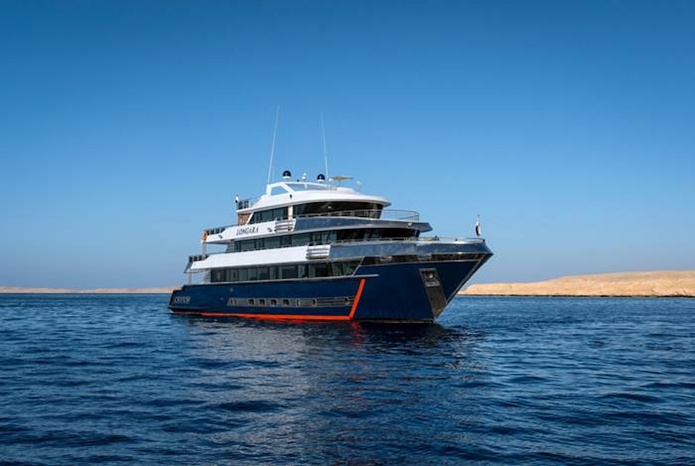
DUNE Debuts Longara, a Luxury Red Sea Diving Yacht


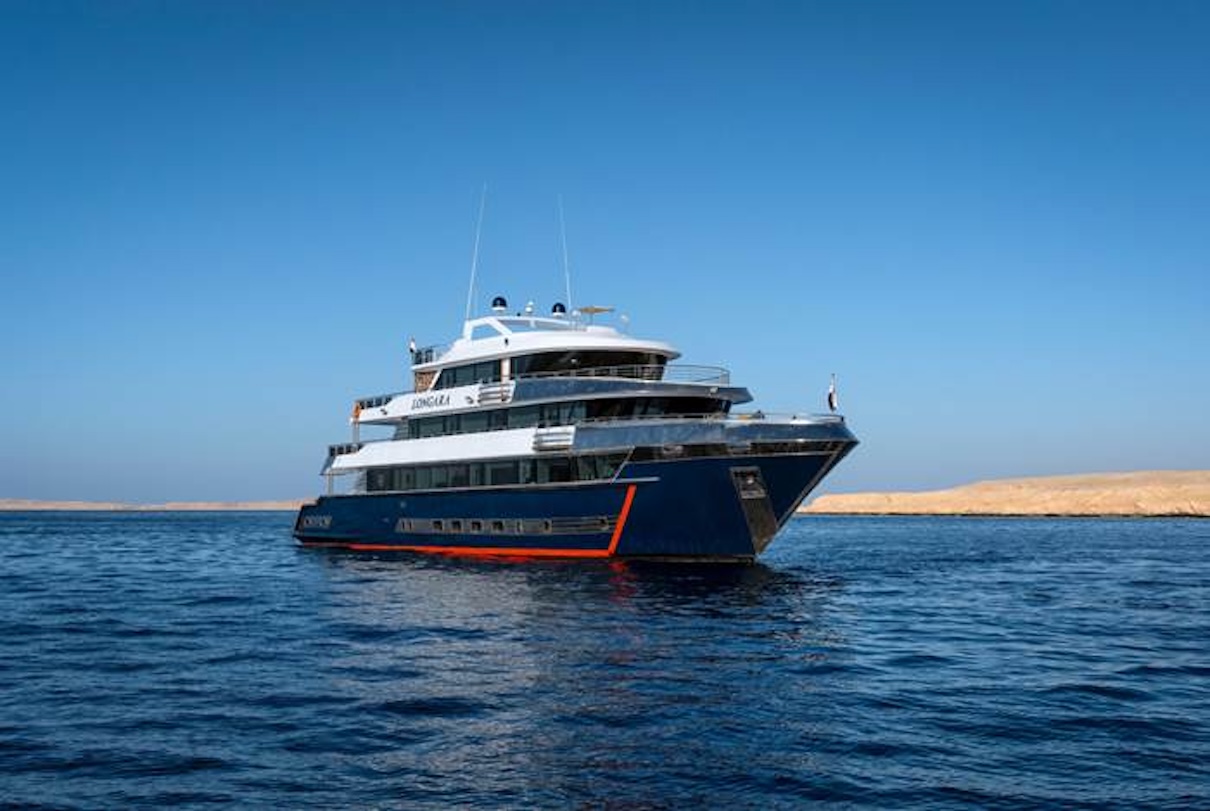
DUNE franchit un nouveau cap avec Longara - Photo DUNE

CroisiEurope


After more than thirty years of activity in the diving sector, DUNE continues to raise the bar of its offer.

The Marseille-based company has just launched Longara, a 43-meter yacht designed for diving cruises in the Red Sea.

Starting from the 2026 season, three itineraries will also offer a gastronomic experience conceived with the two-Michelin-starred chef Michel Portos.

The project fits within a broader trend of upscaling sea experiences, where comfort, gastronomy and service become integral components of the journey.


A 43-meter yacht dedicated to diving

Inaugurated in April 2026, Longara constitutes the new showcase for DUNE.

The yacht features 15 cabins and hosts a crew of 13 members, including three chefs and two dive guides.

With Longara, we want to offer an exceptional experience in the Red Sea: sites among the most spectacular in the world, attentive service and an atmosphere that is both friendly and refined, as well as wellbeing or leisure activities for accompanying guests“, explains Steeve Hans, CEO of DUNE.

The offering is thus aimed at divers, but also at companions who do not necessarily practise this activity. The yacht must provide them with alternative activities, in a shared-stay logic.


A collaboration with Chef Michel Portos

From autumn 2026, DUNE will add a gastronomic dimension to the Longara experience. Chef Michel Portos, a two-star Michelin chef, will design a specific culinary offer for three cruises scheduled between 2026 and 2027.

A passionate scuba diver since his adolescence, the chef will combine this personal experience with cuisine focused on local products and short supply chains. Menus will be prepared using seasonal ingredients, in an eco-responsible approach.


Three departures planned between 2026 and 2027

Three gastronomic cruises guided by Michel Portos are planned aboard Longara :

from November 28 to December 5, 2026;

from December 26, 2026 to January 2, 2027;
>

from May 29 to June 5, 2027.


Amelia Brille Publié par Amelia Brille Rédactrice TourMaG.com
Voir tous les articles d’Amélia Brille

  • picto Linkedin
  • picto email
Ajoutez TourMaG à votre flux Google Actualités Google Actualités icône  

Alma Mundi Accelerates Diversification into B2B and Luxury Travel


Alma Mundi accélère sa diversification entre B2B et voyages premium - Photo Alma Mundi

IFTM prenez RDV avec TourMaG


From the outset, Alma Mundi positioned itself on different experiences.

Its historical specialty remains Finland, and notably Lapland, with thematic stays in GIR.

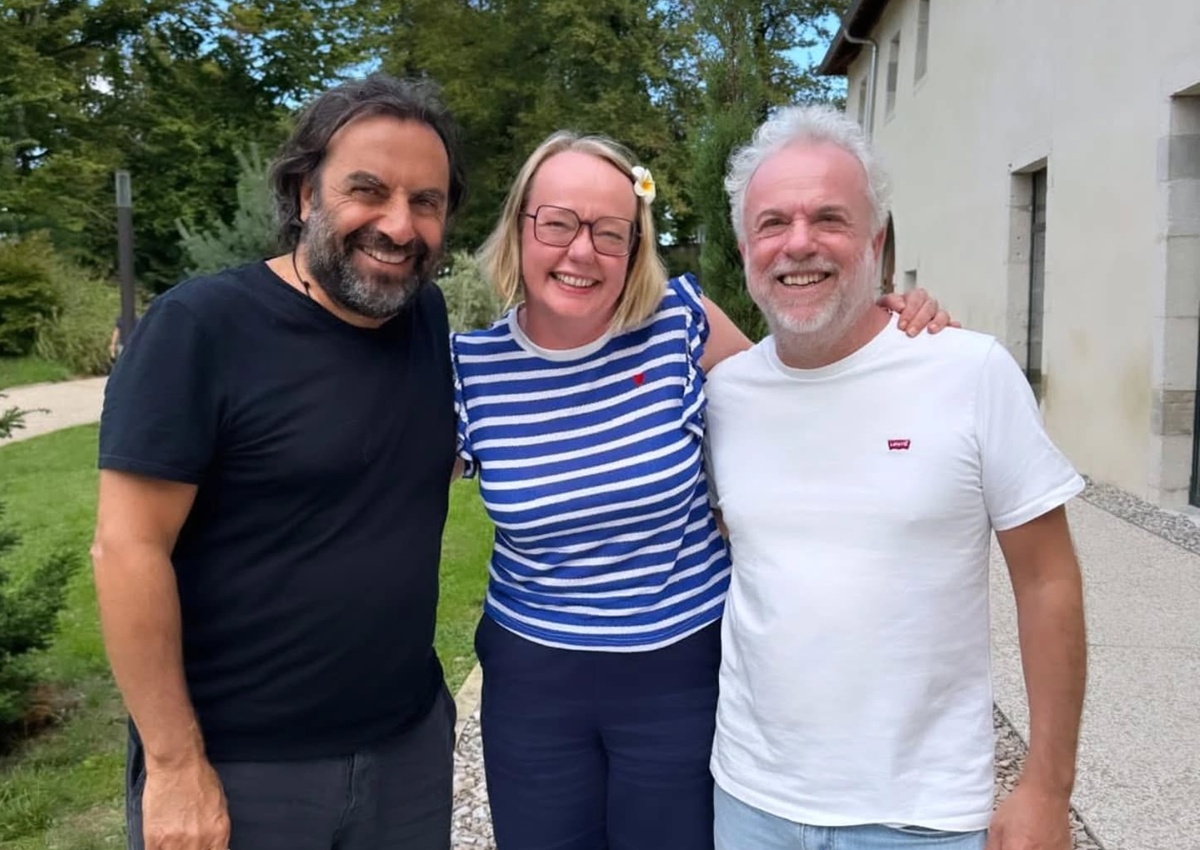
« I am half Finnish; I was keen to open up to this culture », explains Tanja Duhamel, founder of Alma Mundi.

These trips, organized for about a decade with philosopher Frédéric Lenoir, are today the most in-demand. In 2025, they accounted for nearly half of the agency’s clients, i.e. 300 out of 700 clients of the tour operator.

But Alma Mundi is not limited to this destination. The agency also offers wellness stays with a distinctive approach. « You don’t just come to relax; you come to learn how to take care of yourself », summarizes its founder. Participants discover simple practices that can be reproduced at home, such as breathing or self-massage.

The offering also includes seminars open to the general public, on varied themes such as astrology, pet bereavement or an annual meeting with a a medium. « The idea is to cultivate an open mind », explains Tanja Duhamel.

The thematic cruises and a few longer journeys—always centered on a theme—complete the collection. In total, the agency organizes between 15 and 20 stays per year, with roughly 700 clients and a turnover near 1.7 million euros.


The kerosene shortage, a shadow over the outlook

Like many players in tourism, Alma Mundi must adapt to an unstable environment. The war in the Middle East, for example, has so far only a limited impact. « We are not positioned in those areas », states the leader.

However, other issues worry her more, such as rising fuel costs and tensions in air transport.

Another challenge: customer behavior has changed. « They book either very early or very late », she notes. This complicates planning and requires constant adaptation.

The sale of trips in France is also under discussion. Today, only one trip is offered, around chestnuts in Ardèche, in partnership with the Rustica store. « It isn’t easy to find a viable economic model in France », acknowledges Tanja Duhamel, in particular because high prices deter some clients.

In this context, networking becomes essential. Tanja Duhamel has joined Les Entreprises du Voyage and Femmes du Tourisme. « It’s important to exchange and support each other in the sector », she explains.


Several Development Avenues

For the coming years, Alma Mundi aims to develop a B2B activity by offering its seminars to companies. « The objective is to create experiences that are useful for teams, around well-being and personal development », explains Tanja Duhamel.

A second axis concerns B2B2C, with the establishment of partnerships with travel agencies to distribute its themed stays. The tour operator plans to enter the outreach phase as soon as the new season begins.

Finland remains a priority. After Lapland in winter and autumn, Alma Mundi aims to offer new stays in spring and summer, particularly in the southern part of the country.

Finally, the agency is positioning itself in higher-end travel. It intends to offer every year a “trip of a lifetime”. « The idea is to go to destinations that everyone dreams of, but in guided conditions, with a strong theme that makes sense for the participants. The first Polynesian experience was successful, with stays marketed from 13,000 euros per person. »

Frédéric Lenoir will be part of the journey. « We will address his preferred themes, while also delving into Māori culture and the wisdom of Indigenous peoples. »

Despite market uncertainties, Alma Mundi continues its growth by staying true to its positioning: offering different, more personal, and meaningful travel.


Caroline Lelievre Publié par Caroline Lelievre Journaliste – TourMaG.com
Voir tous les articles de Caroline Lelievre

  • picto Twitter
  • picto Linkedin
  • picto email
Ajoutez TourMaG à votre flux Google Actualités Google Actualités icône

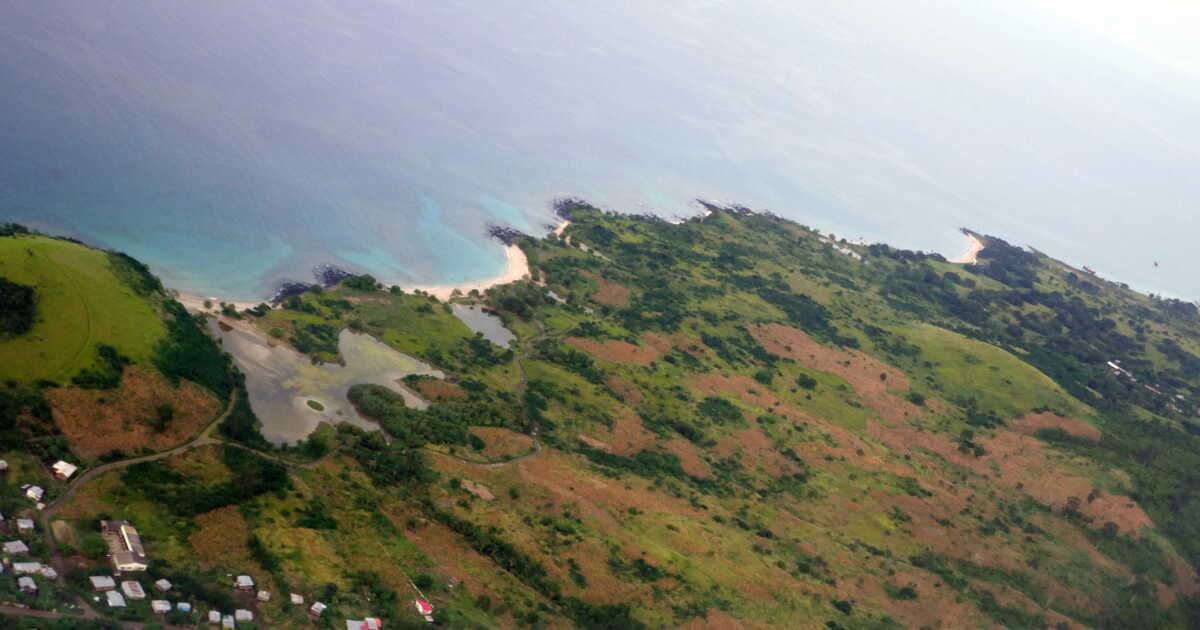
Chocolate, Slavery, and Luxury Tourism in São Tomé and Príncipe: 5 Things to Know

Voters in São Tomé and Príncipe, a small island state in central Africa, are set to head to the polls on Sunday, July 19, 2026 to elect their president. A former Portuguese colony that became an independent state in 1975, São Tomé and Príncipe is a Lusophone archipelago located in the Gulf of Guinea with around 200,000 inhabitants, renowned for its cocoa and coffee production. Here are five things to know about the country.

1. “The Chocolate Island”

Cocoa is deeply rooted in the history of São Tomé and Príncipe, and the island of São Tomé earned the nickname “The Chocolate Island”. By the end of the 19th century, the archipelago was the world’s leading producer with nearly 35,000 tonnes per year. On the slopes of an extinct volcano overlooking the Atlantic, the cocoa, derived from plants imported by the Portuguese in the 18th century, grows in a lush landscape. The fertile soils of São Tomé do not require fertilisers or pesticides.

But after independence in 1975, “the Portuguese left with their know-how, epidemics struck the cocoa and the State redistributed land to former workers without any oversight. Production collapsed,” explained to AFP Maria Nazaré Ceita, a historian at the University of São Tomé. Likewise, São Tomé and Príncipe has long been a hub of coffee culture and remains so, with production smaller but oriented towards high quality. The production of vanilla and pepper has recently developed.

2. Slavery and Colonization

“Who has shown this long path? This path to São Tomé ?”, asked the famous Cape Verdean singer Cesária Évora in her 1992 song Sodade, in memory of her Cape Verdean compatriots forcibly brought to work on the São Toméan plantations. The islands of São Tomé and Príncipe were colonized by the Portuguese from the late 15th century. They were the scene of a violently brutal slave trade, initially aimed at the intensive cultivation of sugar cane and then cocoa and coffee.

Thousands of men and women from Central Africa were forced into servitude to work on the plantations. According to historians, São Tomé and Príncipe was a hub of the transatlantic slave trade: around six million people are believed to have been deported from the island at that time. With the abolition of slavery in 1876, “contractual workers” were then brought—often by force—from Angola, Mozambique, Cape Verde, Gabon or Congo.

3. Paradise Beaches and Luxury Tourism

With luxuriant nature and paradisiacal beaches on these volcanic islands where nearly 600 species of plants have been catalogued, the country has all the makings of a small paradise. Yet underdeveloped infrastructure, challenges in investing in the tourist sector, and the cost of travel hinder the development of tourism in the archipelago. Visiting during the dry season is a luxury: a round trip from Lisbon costs around 1,500 euros. Tourism aimed at a wealthy clientele has therefore grown, with several luxury hotels in the archipelago, including three five‑star properties.

4. The Oil Hope

Launched in the early 2000s, oil exploration has given rise to many hopes in the country. Several international companies, including the French group TotalEnergies in 2024 or Brazilian Petrobras in 2023, have secured offshore exploration licenses. “Commercial production is expected after 2030,” according to the energy sector lobbying group African Energy Chamber, “subject to fruitful discoveries and a sustained influx of investments.”

5. A Model of Democracy in Africa

After attempts at coups in 2003 and 2009, the parliamentary regime has stabilized, and the country has established itself as a model of parliamentary democracy in Africa. One coup attempt, quickly foiled by the army, did nevertheless occur in November 2022. Since the introduction of multi-partyism in 1991 after 15 years of a Marxist one-party regime, two parties have dominated São Toméan political life and jostle for power, the Independent Democratic Alternative (ADI, centre-right), and the Movement for the Liberation of São Tomé and Príncipe – Social Democratic Party (MLSTP-PSD, centre-left), born from the former single party.