
Brazil: Generous Hospitality as a Driver of Transformation in Luxury Tourism [ABO]


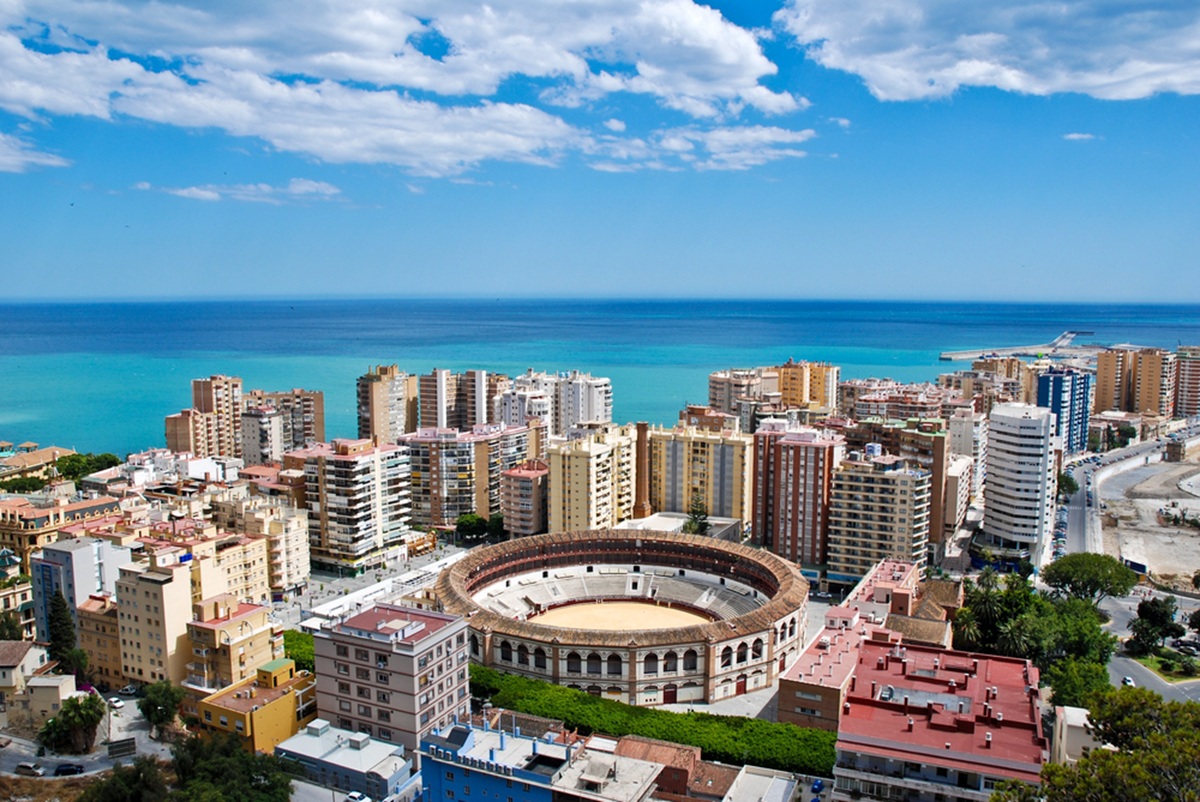
Au Brésil, l’hospitalité n’est pas une construction récente. Elle s’inscrit dans la culture, dans les comportements et dans la relation à l’autre - DepositPhotos.com, dabldy

Hurtigruten


Brazil has always nourished a powerful imagination, spanning nature, history, and the relationship with others.

This imagination is not unfamiliar to French culture. Since the 16th century, France has shown interest in this territory, notably through the episode of France Antarctique in the bay of Rio de Janeiro.

This long-standing relationship echoes in literature, notably with Rouge Brésil by Jean-Christophe Rufin, which traces this encounter between two worlds. The narrative highlights what still today makes Brazil unique: the capacity to welcome, to blend cultures, and to forge a different relationship with others.

This historical and cultural link between France and Brazil goes beyond the frame of the narrative.

It is reflected in certain architectural influences, in the cross perspectives between the two countries, but also in how French travelers today approach the destination.


A redefining of luxury around experience, relationship and the identity of places

In the context of luxury tourism, this relationship takes on a particular dimension.

It enables French professionals – agencies, investors, hoteliers – to better understand a destination that, while deeply different, shares a common sensitivity around culture, the art of living and hospitality.

Long perceived through partial prisms, sometimes reduced to its structural challenges or to its most iconic images, Brazil today asserts itself as one of the most distinctive destinations in international tourism.

This evolution is neither a fashion trend nor a marketing repositioning. It is part of a long-term movement led by players who have progressively organized the country’s upscale transition.

This transformation does not merely rely on opening new hotels or upgrading infrastructure. It rests on a deeper change: a redefinition of luxury around experience, relationship and the identity of places.

At the heart of this transformation, the Brazilian Luxury Travel Association (BLTA) plays a central role. Created in 2008, the association now brings together 66 hotels and 8 DMCs across 39 destinations throughout the country.

Its mission goes far beyond promotion. It aims to structure a vision of Brazilian luxury, define its standards and carry its voice on the international stage.


A paradigm shift: from product to experience

The international luxury sector is undergoing a structural evolution. Value is no longer measured solely by the quality of equipment or the standardization of service. It shifts toward the ability to create a singular, embodied, and memorable experience.

Brazil presents a strong uniqueness in this context: hospitality is not a recent construction there. It is embedded in culture, in behaviors and in the relationship to others.

This reality constitutes a major competitive advantage. Camilla Barretto, CEO of the BLTA, offers a clear reading: « This is not an obvious luxury. It is a luxury combined with authenticity. If you go to Brazil, you won’t find this place anywhere else. »

This approach redefines the selection criteria for agencies and clients. The choice of a destination no longer rests solely on its level of equipment, but on its ability to create .


A complex territory that requires strong expertise

The main challenge for Brazil lies in its complexity. A continent-country, it cannot be approached as a homogeneous destination.

Each region has its own codes, operational constraints and opportunities.

For travel agencies, this reality implies an increased need for qualified intermediation. Value no longer lies solely in booking, but in the ability to build a coherent, smooth itinerary tailored to the client’s profile.

This is precisely where the Brazilian market is progressing. Actors, including the BLTA, have helped raise the overall level of professionalism by creating standards, networks and selection tools.

The development of tools such as the Mystery Shopper Audit, based on more than 240 criteria, responds to a key expectation of international buyers: transparency of quality.


Emblematic references that structure the perception of luxury


Generous hospitality as a competitive advantage

One of the most differentiating elements of Brazil lies in its relational culture.

The welcome goes beyond mere service. It is expressed in a way of being, in spontaneity, and in a natural attentiveness to others.

Camilla Barretto summarizes this specificity: « We do not pretend to welcome people. We smile at them.In Brazil, it’s open, it’s free, it’s vibrant. »

This dimension corresponds to what I call generous hospitality. For tourism professionals, this notion represents a strategic lever. It allows creating differentiating experiences without resorting to artifices or excessive investments.

It also constitutes a loyalty driver. A strong relational experience creates a lasting memory, well beyond the material elements of the stay.

Read also : Luxury hospitality: the three keys to creating an experience that leaves travelers with a lasting impression


Sustainability and preservation: a central challenge

The upgrading of Brazil goes hand in hand with a major challenge: preserving the authenticity of its territories. The development of luxury tourism cannot come at the expense of ecosystems and local cultures.

This question becomes central for investors and operators.

The BLTA has integrated this dimension by setting an ESG certification objective for all its members by 2029, in line with the Global Sustainable Tourism Council standards.

This positioning responds to growing expectations from international clients, but also to a long-term requirement: maintain the country’s attractiveness.

Read also: Hospitality: the luxury of tomorrow will be sustainable or no longer


What to remember: Brazil, a strategic market to structure with precision

– Brazil is entering a decisive phase of its tourism development. The country has unique assets: diverse landscapes, rich culture, natural hospitality. The challenge is no longer to discover these assets, but to structure them.

– For travel agencies, Brazil offers a clear opportunity: to propose differentiated experiences with high emotional value, in a market still under construction.

For investors and operators, the question is more strategic: how to develop a luxury offering while preserving the country’s essence? The answer lies in a fine understanding of what makes Brazil’s singularity. This singularity rests on a simple truth: luxury is not limited to what is seen. It is played out in relationships, attentiveness, and the ability to create connection.

– Generous hospitality is not a concept. It constitutes a real competitive advantage, already present, still partly untapped.

– Brazil does not seek to catch up with the great international luxury destinations. It offers something else: a more human, more embodied, more memorable experience. A territory that does not ask to be transformed, but to be understood.


To follow: Rio de Janeiro: a collection of hotels embodying different cultures of luxury


Laurent Delporte


Laurent Delporte - Delporte Hospitality

Laurent Delporte is the president and founder of DELPORTE Hospitality.

After 25 years of experience in luxury hospitality, notably within the Accor group, he combines a visionary spirit, an international hospitality culture, managerial and operational skills, and a network of independent experts to support decision-makers in hospitality in service of their clients, employees and partners.

As a recognized consultant in the hotel industry, an executive coach to leaders, a speaker in the world of hospitality, he also runs the DH-Mag magazine dedicated to trends in the hotel industry and speaks at leading schools and trade shows (HEC, Sup de Luxe, EquipHotel, Maison & Objets…).

Moreover, Laurent Delporte ranked 8th in the international ranking of hotel influence in 2024 by the American magazine Global Hospitality and the International Hospitality Institute (IHI) based in the United States. He was also selected in the list of the 25 luxury sector speakers worldwide.


Brazil, Spain, Rail Travel: This Week in Tourism News [ABO]


La revue de presse internationale de la semaine - Depositphotos.com Auteur serezniy

Hurtigruten


Au sommaire de la revue de presse de la semaine du 24 août 2026 :


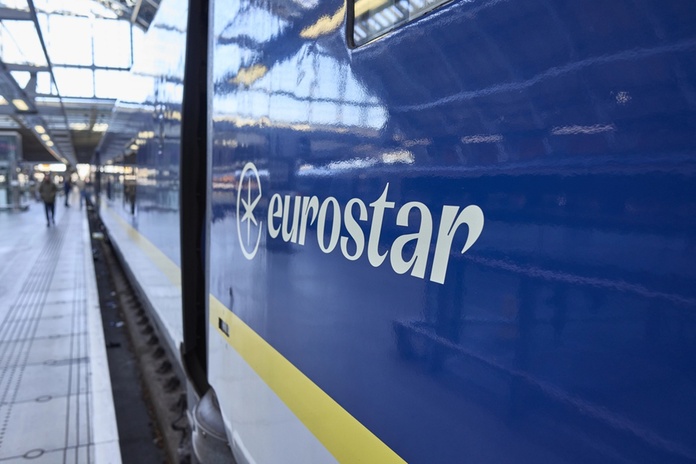
Eurostar bientôt concurrencé sur le tunnel sous la Manche

Brésil : le voyage d’affaires accélère

Thaïlande, Australie, Japon : les choix de voyage varient selon les générations

European Sleeper met le cap sur la Scandinavie

EF World Journeys courtise enfin les agences de voyages

Israël : le tourisme international reprend de la hauteur

En Espagne, le « flex living » séduit aussi les plus de 50 ans

Voyages d’affaires et réunions : la frontière s’efface

Insolite ! À Los Angeles, bientôt des taxis pour éviter… les bouchons


Eurostar soon facing competition on the Channel Tunnel


D’ici 2030, la concurrence devrait se développer sur la liaison ferroviaire entre Londres et l’Europe pour atteindre jusqu’à 55 allers-retours quotidiens. @depositphotos/jonkempner

La liaison ferroviaire entre Londres et l’Europe pourrait fortement se développer d’ici 2030, avec jusqu’à 55 allers-retours quotidiens, soit environ un train toutes les 15 minutes.

Eurostar devrait faire face à l’arrivée de Virgin Trains et de Trenitalia, qui prévoient respectivement leurs premiers services en 2030 et 2029.

Un troisième acteur, Gemini Trains, ambitionne également de se lancer. Cette concurrence pourrait accroître l’offre et faire baisser les tarifs, mais plusieurs obstacles restent à lever, notamment les autorisations réglementaires et la capacité des gares et infrastructures.

Plus à lire sur politico.eu


Brésil : le voyage d’affaires accélère


Le Brésil connaît un fort développement du voyage d’affaires. @depositphotos/iveklitch.gmail.com

Le Brésil s’impose comme l’un des marchés les plus dynamiques du voyage d’affaires.

Selon la GBTA, les dépenses corporate devraient atteindre 35,8 milliards de dollars en 2026, soit une croissance de 13,8 %, la plus forte parmi les 15 principaux marchés mondiaux.

Une dynamique qui accompagne celle du tourisme international : les recettes des visiteurs étrangers ont progressé de 12,1 % au premier semestre, à 5,6 milliards de dollars.

Plus à lire sur abouttravel.ch


Thailand, Australia, Japan: travel choices vary by generation


Les attentes des jeunes voyageurs diffèrent d’une génération à l’autre. @depositphotos/luckybusiness

Une étude basée sur plus de 4 700 réservations met en évidence des différences entre Gen Z et Millennials. La Thaïlande arrive en tête chez les plus jeunes, devant l’Australie, l’Indonésie et le Vietnam, tandis que les Millennials privilégient l’Australie, la Thaïlande et le Japon.

Budget, réseaux sociaux, recherche de destinations moins fréquentées et dispositifs comme le visa vacances-travail expliquent en partie ces écarts.

Plus d’informations sur le site euronews.com


EF World Journeys finally courting travel agencies


Israel: international tourism rebounds


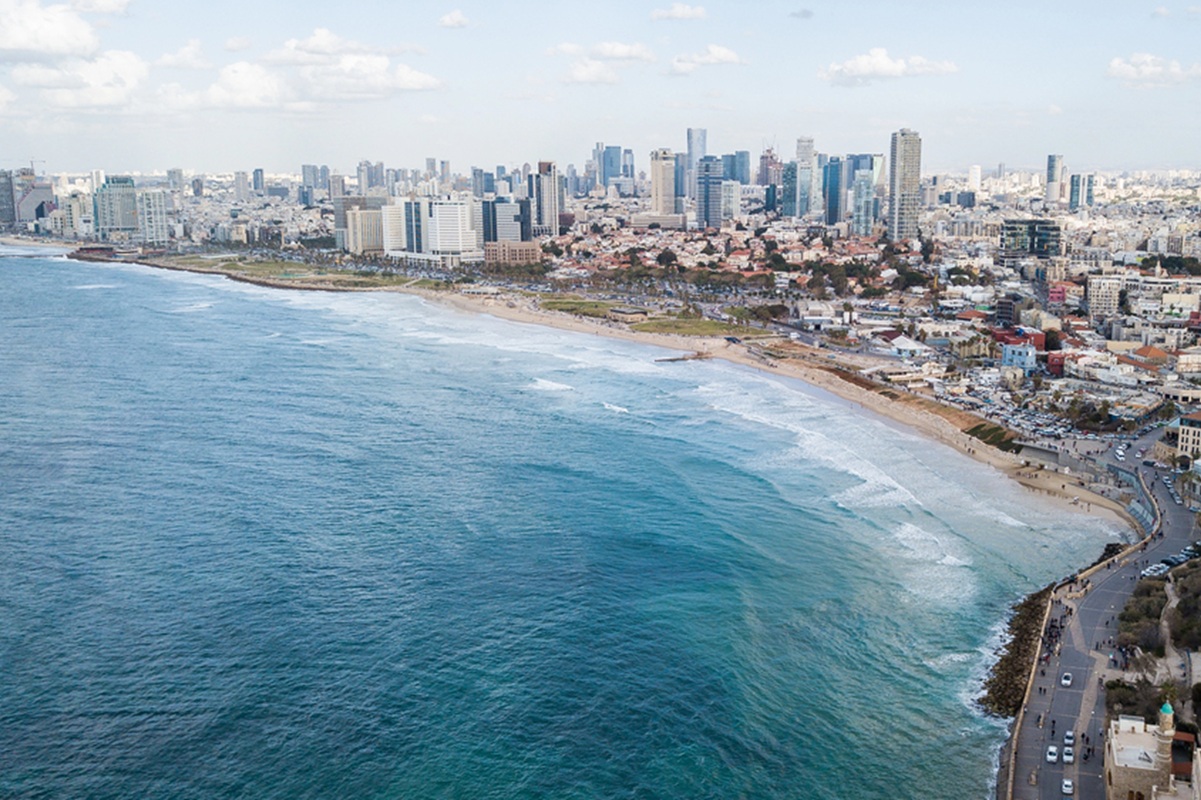
En Israël, les hôtels ont enregistré 395 000 nuitées de touristes en juillet 2026, soit une hausse spectaculaire de 139 % sur un an.@depositphoto/VeronikaGorBO

Le tourisme international en Israël semble retrouver des couleurs : les hôtels ont enregistré 395 000 nuitées de touristes en juillet 2026, soit une hausse spectaculaire de 139 % sur un an.

Sur les sept premiers mois de l’année, le nombre de nuitées atteint 1,7 million, contre 1,5 million en 2025.

La reprise semble également s’accélérer, avec une moyenne mensuelle de 247 000 nuitées sur les trois derniers mois, contre 181 000 auparavant.

A lire sur traveldailynews.com


In Spain, the “flex living” also appeals to those over 50


En Espagne, les plus de 50 ans, séduits par les logements flexibles.@depositphotos/marimar8989

Le logement flexible change de cible en Espagne : longtemps associé aux étudiants et jeunes actifs, il attire désormais aussi les plus de 50 ans, séduits par l’autonomie, les services et les espaces partagés.

Selon Cando Living, le parc espagnol devrait doubler d’ici 2028, passant de 19 000 à près de 39 000 logements. Madrid concentre une grande partie des nouveaux projets, tandis que le secteur attire de plus en plus d’investisseurs.

Un article du site hosteltur.com


Business travel and meetings: the boundary is blurring


La frontière entre voyages d’affaires et réunions s’estompe. @depositphotos/kasto

Les voyages d’affaires et les réunions d’entreprise pourraient bientôt se gérer sur une même plateforme. Avec l’acquisition de TROOP, spécialiste de la planification de réunions, Spotnana veut réunir déplacements individuels, événements, réservations et dépenses.

Une tendance qui se confirme : plus de 60 % des responsables voyages et achats supervisent désormais à la fois les voyages et les réunions, contre 50 % en 2025. De quoi donner aux travel managers un terrain de jeu encore plus vaste !

Plus à lire skift.com


Insolite ! À Los Angeles, bientôt des taxis pour éviter… les bouchons


Les Américains feront-ils mieux que les Français ? Parviendront-ils à transporter les visiteurs en taxis volants pendant les JO de 2028 ? @depositphotos/rikitikitao@gmail.com

Pour les JO de 2028, Los Angeles pourrait proposer une solution très californienne aux embouteillages : prendre les airs !

Un premier « vertiport » accueillera des taxis volants électriques d’Archer Aviation, capables de transporter quatre passagers.

Le trajet entre Burbank et le SoFi Stadium passerait ainsi d’environ une heure en voiture à 14 minutes dans les airs.

Une idée qui rappelle les JO de Paris 2024 : la France avait elle aussi prévu des taxis volants, mais le projet s’était finalement soldé par un échec et 2,9 millions d’euros de dépenses publiques. À Los Angeles, les taxis volants auront donc une petite revanche à prendre !

Une info à lire sur euronews.com

Minas Gerais: Brazil’s New Authentic Signature | Passion Brazil


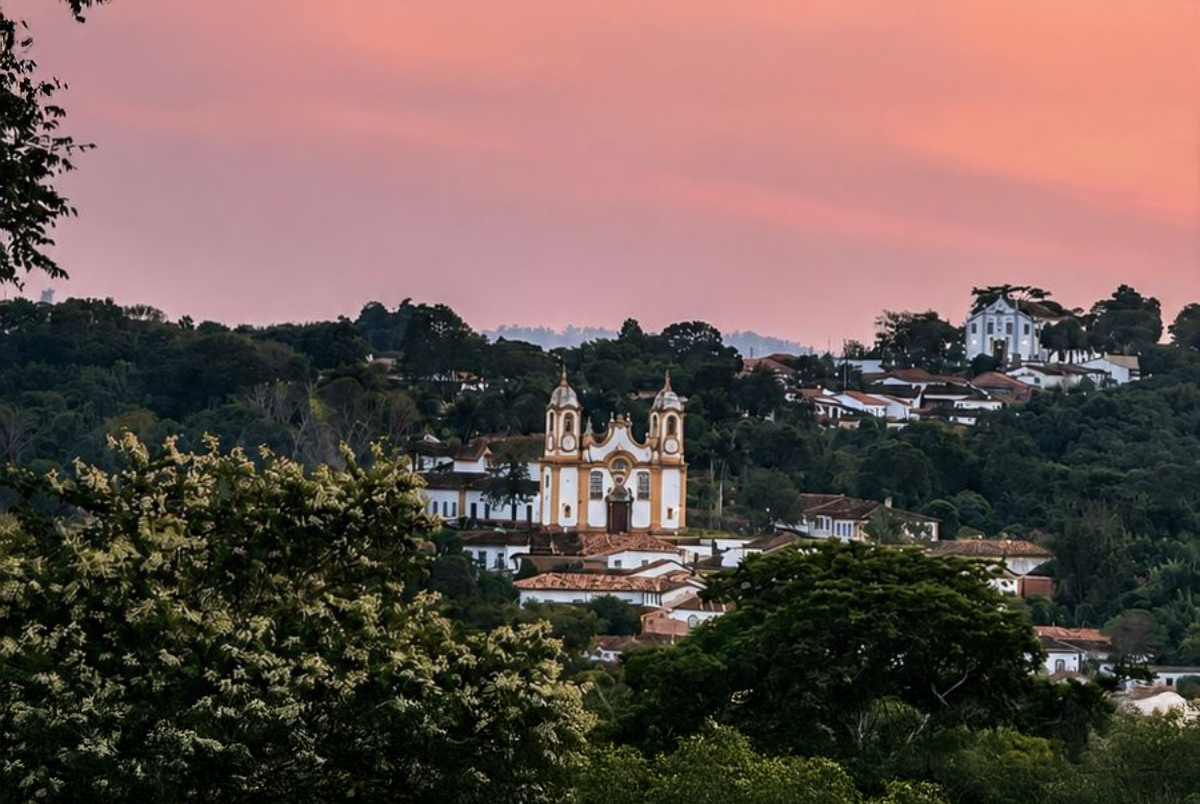
Tiradentes © Passion Brazil - Lorenna Teodoro

Hurtigruten


A Destination Shaped by Its Artisans

Along the journey, one clear observation emerges: Minas Gerais reveals itself primarily through the women and men who uphold its traditions.

Behind every stop, artisans, producers, and families pass down their know-how and preserve the region’s cultural identity, a strong guarantee of authenticity to craft differentiating itineraries.


Tiradentes and Bichinho: Terroir and Craftsmanship

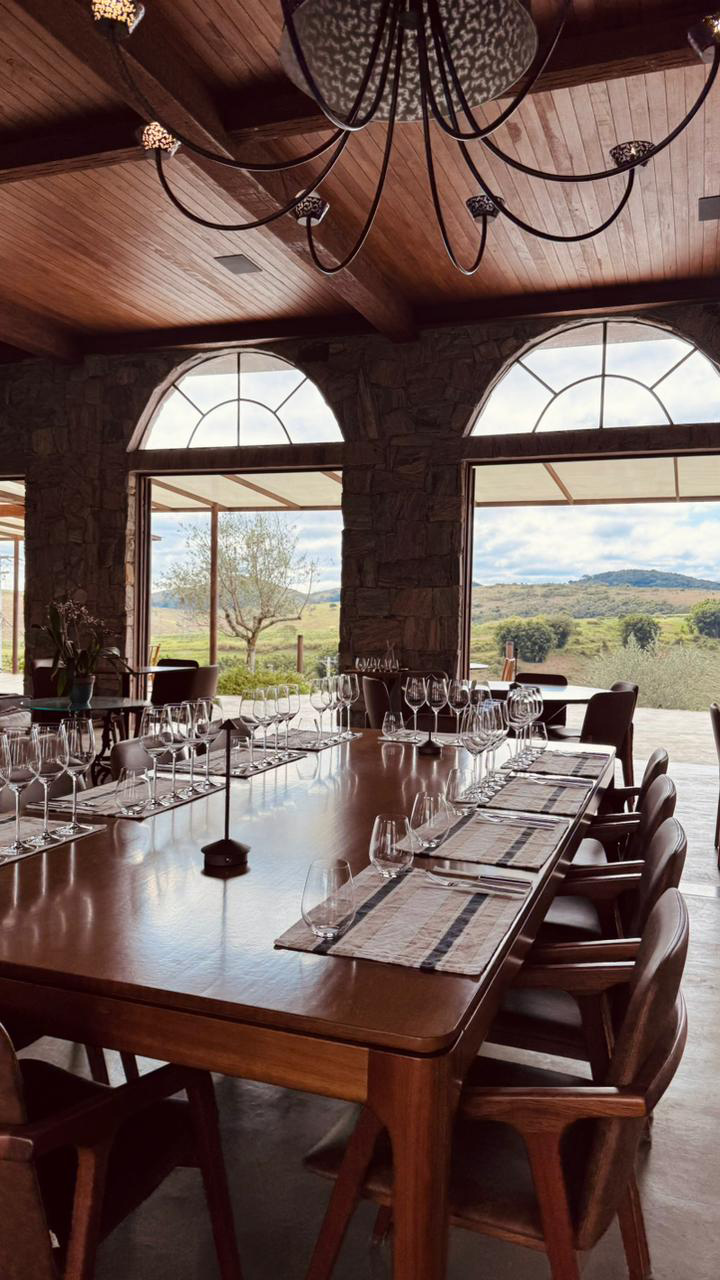
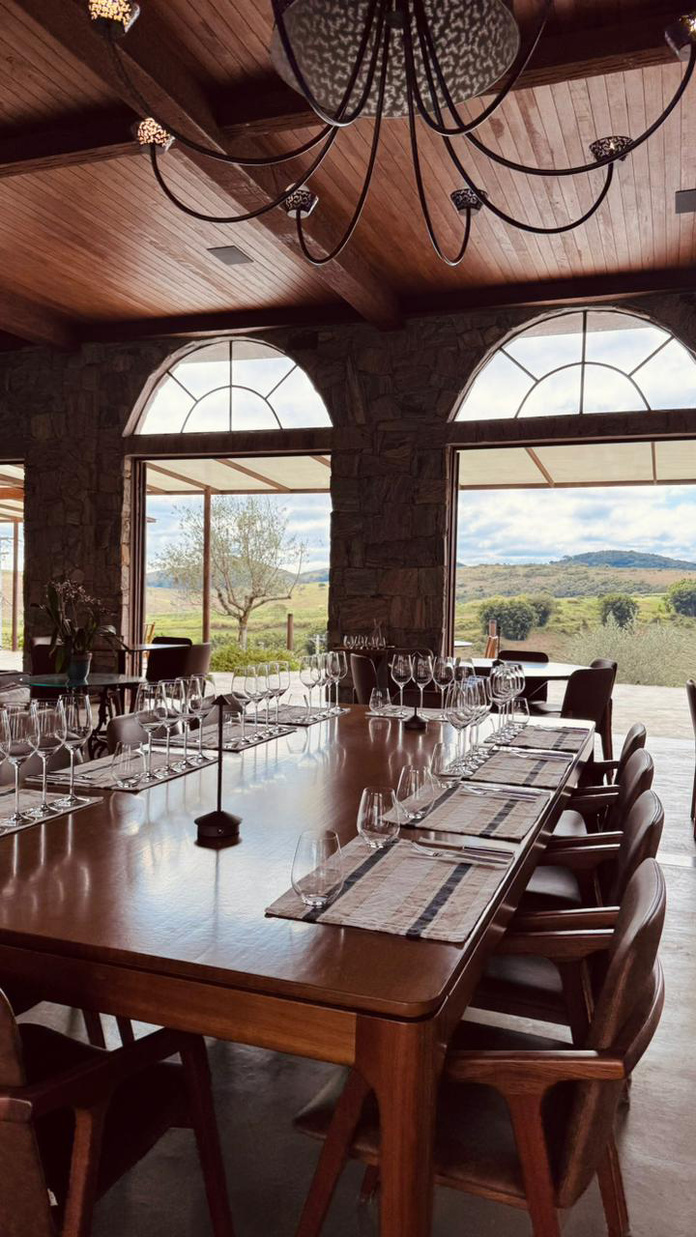
Starting from Rio and along the road to Tiradentes, a tasting at the heart of a winery offers a full immersion into the local terroir. Arriving in the bucolic colonial town of Tiradentes, the rolling landscapes readily lend themselves to horseback riding. The encounter with a prize-winning cheese producer helps illuminate why Minas cheese is today regarded as one of Brazil’s great culinary icons.


Dégustation dans un vignoble à Tiradentes © Passion Brazil - Lorena Teodoro


A few kilometers away, the village of Bichinho illustrates the richness of local craftsmanship: workshops, galleries and shops bear witness to a living know-how, where wood, metal and stone work are an integral part of daily life.

Our suggested partner hotels:

• Solar da Ponte

• Villa Allegra

• Tiradentes Boutique Hotel

• Bowi Hotel Conceito


Ouro Preto: Beyond Baroque Heritage

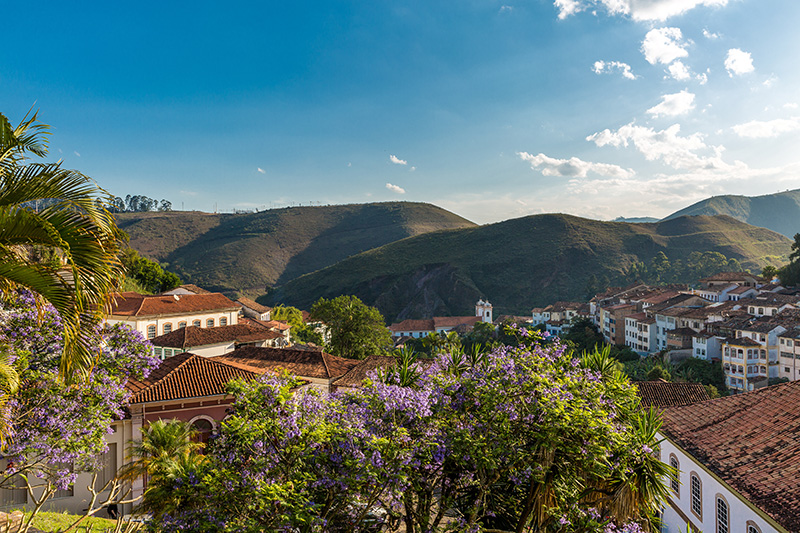
Famed for its UNESCO-listed heritage, Ouro Preto reveals another facet through visits to former gold mines, encounters with local artists, and the discovery of soapstone sculpture—a tradition that continues to shape the region’s identity and enriches the cultural experience offered to your clients.

Our suggested partner hotels:

• Solar do Rosário

• Solar da Opera

• Pousada do Mondego


Ouro Preto © Shutterstock


Serra Do Cipó: Minas’ Wild Face

Farther north, Serra do Cipó unveils a wilder Minas Gerais. Kayaking or cycling outings, hiking, waterfalls, and archaeological sites adorned with prehistoric rock art captivate nature and adventure enthusiasts. Several local initiatives focused on agroforestry, organic farming, and sustainable tourism offer meaningful experiences that foster authentic exchanges with local communities.

Our lodging pick: Capim do Mato Pousada & SPA, whose contemporary architecture gracefully integrates with its natural surroundings. Refined rooms, an excellent dining, and a breakfast that is particularly well-crafted make it one of the region’s finest addresses.


Structure Your Programs with Passion Brazil


Contacts


Minas Gerais : la nouvelle signature authentique du Brésil, par Passion Brazil

Laure Drouvot

SALES EXECUTIVE

+ 55 21 3959.4346 / 2549.8457

[email protected]

Passion Brazil


Pour les demandes d’individuels sur mesure : [email protected]

Pour les demandes de groupes et départs garantis : [email protected]

>> PASSION BRAZIL in the DESTIMAG Directory


Brazil: International Tourists Spent $6.5 Billion in Seven Months


Le Brésil poursuit sa dynamique touristique en 2026 - Depositphotos.com, dabldy

TAP Air Portugal


The international tourism continues to weigh on the Brazilian economy.

According to data published Thursday, August 27, 2026 by the Central Bank of Brazil, foreign visitors spent 6.543 billion US dollars between January and July 2026, compared with 5.977 billion dollars over the same period in 2025.

Receipts generated by international tourists thus rose by 9.4% year on year.

They cover expenditures related to accommodation, dining, excursions, transportation and even commerce across the country’s various destinations.

In the single month of July, expenditures by international visitors reached 899 million US dollars.


Nearly 6 Million Foreign Visitors

This growth in receipts accompanies an increase in the number of international travelers welcomed to Brazil. Nearly 6 million foreign tourists entered the country during the first seven months of 2026.

Air transport represents the main entry point to the international market. Arrivals by air rose by 12% between January and July 2026, compared with the same period of the previous year.

Over the entire seven-month period, air travel accounted for more than 68% of international arrivals in Brazil. That share even rose in July, with more than 77% of foreign tourists entering the country by air.

This predominant role of air travel underscores the importance of international connectivity in supporting tourist flows to the various regions of Brazil.


International Tourism as an Economic Lever

For Bruno Reis, president of Embratur, the Brazilian agency in charge of promoting international tourism, the results illustrate the economic impact of tourism beyond the travel sector alone.

When an international tourist chooses Brazil, the impact of that trip touches several sectors of the economy“, he says. According to him, the 6.5 billion dollars spent in the first seven months of the year testifies to the importance of this activity for the regions.

The diversification of promoting Brazilian destinations should also allow, according to the official, to circulate tourist expenditures across different sectors and across several regions of the country.

With nearly 6 million international visitors welcomed since the start of the year and revenues up by almost 10%, Brazil thus confirms the growth of its international tourism activity in 2026.


Amelia Brille Published by Amelia Brille TourMaG.com Editor
See all articles by Amelia Brille

  • LinkedIn icon
  • email icon
Add TourMaG to your Google News feed Google News icon

What to Do in Brazil: 5 Must-Do Activities and Outings

Summary


  • 1. Explore the natural wonders of Brazil, immersed in nature


  • 2. Discover Brazil’s paradise beaches, surfing, relaxation and coastal scenery


  • 3. Immerse yourself in Brazilian culture: a trip to Brazil and cultural diversity


  • 4. Visit Brazil’s cities and their famous monuments


  • 5. Participate in traditional festivals and local events in Brazil


  • Where should I go for my first trip to Brazil to discover the best of the country?


  • What budget should I plan for 15 days in Brazil based on the experiences chosen?


  • Where to go in Brazil in December to fully enjoy the seasons?


  • Where to go in Brazil as a family for a trip suitable for everyone?

The Brazil, a vast and diverse country, attracts travelers with landscapes ranging from golden beaches to lush rainforests and vibrant cities. Renowned for its rich culture and cuisine, Brazil offers a wide variety of activities to satisfy all kinds of travelers.

1. Explore the natural wonders of Brazil in an immersion into nature

Brazil is an exceptional land for a trip to Brazil to discover the planet’s greatest natural wonders. Among these treasures, the Iguazu Falls lead the list, with dozens of thunderous cascades cutting the border between Brazil and Argentina, a UNESCO World Heritage site that every explorer should witness up close. Nearby, boat excursions let you sense the raw power of these falls.

Further on, the Amazon invites you to traverse its network of canoe routes and trails on treks to observe breathtaking biodiversity. Finally, the Pantanal, the largest wetland in the world, offers a unique opportunity to spot jaguars, capybaras, and a multitude of birds in their natural habitat, thus enhancing the appeal of your Brazil stay.

2. Discover the paradise beaches of Brazil, surfing, relaxation and coastal landscapes

The Brazilian coastline is among the longest in the world, ideal for a Brazil trip focused on sea, sun, and sea-framed adventures on islands. The Fernando de Noronha archipelago, a World Heritage Site, enchants with its crystal-clear waters, perfect for diving and observing marine life.

Along the continental coast, Jericoacoara, known to surfers and kite-surfers, offers vast beaches ideal for water sports or sun-drenched relaxation. The beaches of the Bahia state, with their laid-back vibe, complete this coastal tableau, while iconic beaches such as Copacabana and Ipanema in Rio de Janeiro remain must-sees for anyone seeking to combine beach, urban life, and local culture during a Brazil stay.

3. Immerse yourself in Brazilian culture : a journey through Brazil and cultural diversity

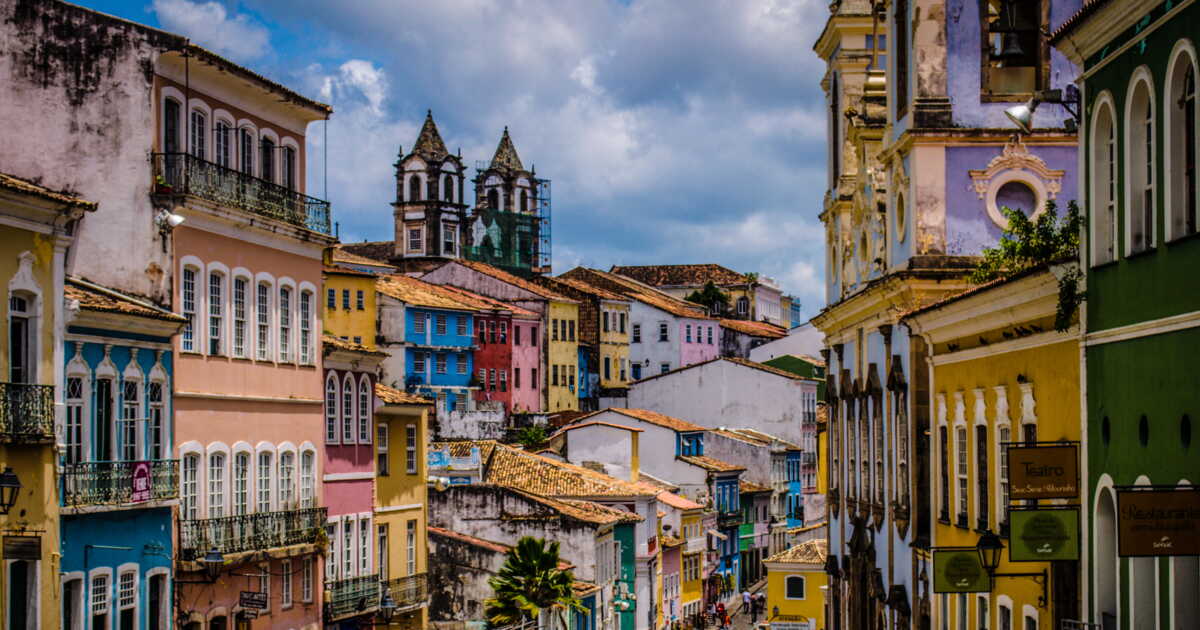
A trip to Brazil is also a deep immersion into a vibrant culture shaped by African, European, and Indigenous influences. In historic cities, you will discover the Portuguese colonial architecture that structures many old centers, making every urban stroll enriching and memorable. Salvador de Bahia, for example, blends historic settings with lively festivals where music and dance invite you to understand the Brazilian soul.

In Rio de Janeiro, the music scene pulses to the rhythm of samba while the local cuisine (feijoada, moqueca or caipirinha) reveals the convivial spirit of Brazil. From São Paulo to other metropolises, museums and galleries complement this cultural panorama, making your stay in Brazil rich and complete.

4. Visit Brazil’s cities and their famous monuments

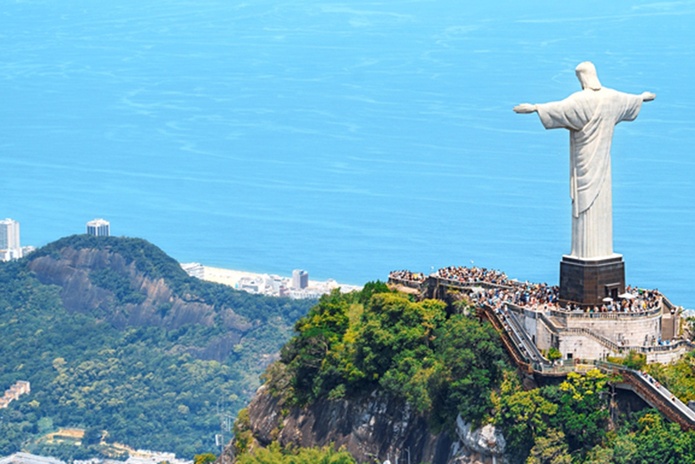
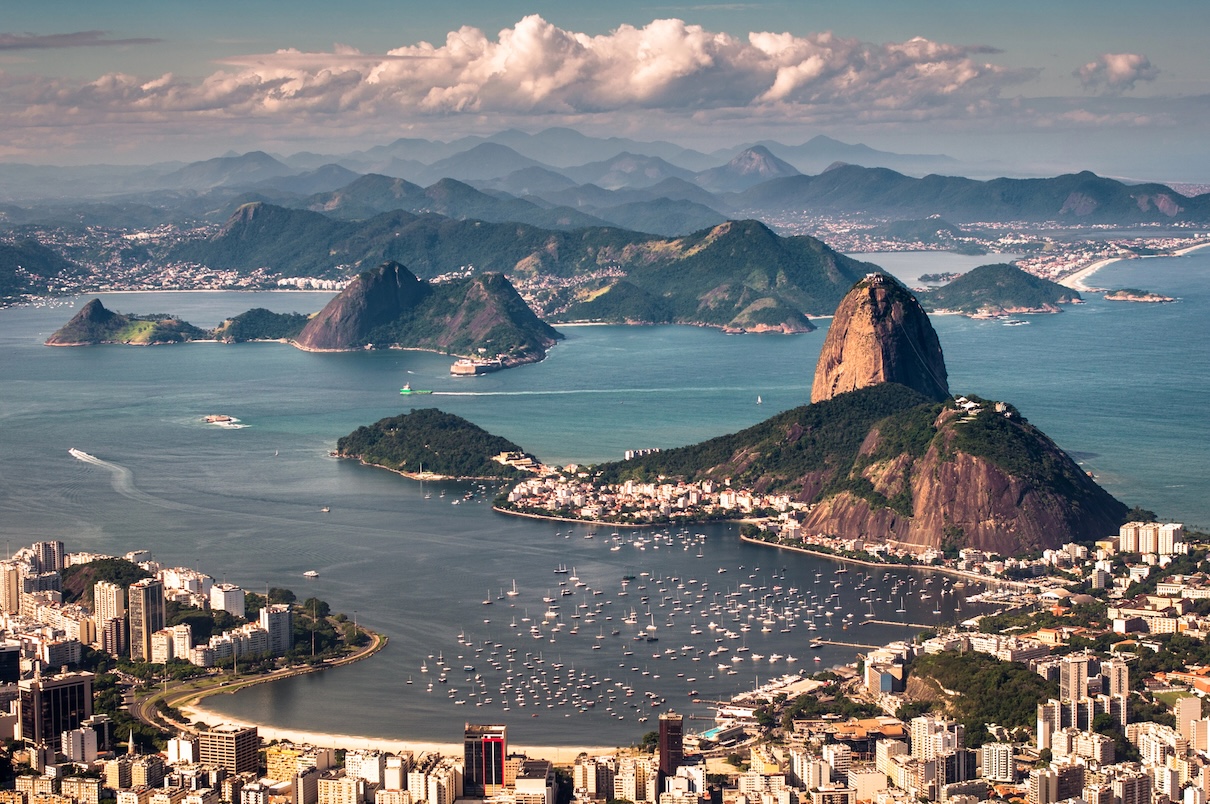
Brazil’s major cities are essential stops on a journey through the country, blending culture, history, and spectacular viewpoints. In Rio de Janeiro, don’t miss the famous Sugarloaf Mountain, an iconic promontory overlooking Guanabara Bay, as well as the statue of Christ the Redeemer watching over the city from the summit of Corcovado.

These urban visits offer breathtaking views of the contrasts between natural spaces and metropolitan zones. Continue your discovery in towns like Ouro Preto or Olinda, where Portuguese colonial architecture is beautifully preserved, recalling the country’s deep history. Each city in Brazil adds another essential facet to your understanding of this vast territory.

5. Participate in traditional festivals and local events in Brazil

Attending local festivities is an incomparable way to experience an authentic Brazilian journey, paced by unique celebrations. Carnival, especially in Rio de Janeiro or Salvador, is renowned worldwide for its colorful parades, energetic music, and spectacular costumes. Other traditional holidays, such as São João in the Northeast, demonstrate communities’ attachment to regional customs.

In summary, Brazil is a country of contrasts where the diversity of activities suits every traveler. From spectacular beaches to the Amazon rainforest, through vibrant cities and rich culture, each region offers fascinating discoveries. By exploring these activities, you will gain a comprehensive overview of what Brazil can offer, while planning your trip in an informed and practical way.

Where should I go for my first trip to Brazil to discover the best of the country?

For a first immersion in Brazil, it is advisable to combine iconic and complementary stops. Rio de Janeiro remains an essential entry point, with its famous Sugarloaf Mountain and urban beaches that embody the Brazilian spirit. Next, exploring the Amazon allows you to discover primeval forests listed as a World Heritage Site and a unique biodiversity.

For coastal scenery lovers, destinations like Jericoacoara entice with their dunes and sunsets. This varied itinerary guarantees a rich and balanced discovery of Brazil, between lively metropolises, preserved nature, and breathtaking panoramas.

What budget should I plan for 15 days in Brazil based on the experiences chosen?

Estimating the budget for 15 days in Brazil largely depends on itinerary choices and activities. A mixed stay including visits to Rio de Janeiro, explorations in the Amazon, and a stop at the Pantanal will require careful planning. International flights to Brazil often constitute the largest portion of the budget, followed by domestic travel, especially if one combines cities and distant natural areas.

For a 15-day trip to Brazil, it is reasonable to budget overall for accommodation, meals, guided excursions, particularly in natural areas like the Amazon and the Pantanal, as well as transfers: typically around €1,500 to €2,200 per person for an economical and autonomous option, €2,500 to €4,000 for a mid-range stay with internal flights and charming hotels, and €4,500 to €6,500 or more for a high-end immersive experience with private guides.

Incorporating World Heritage sites can also influence costs, but it enriches the cultural experience. Structuring your budget accordingly helps maximize discoveries with no financial surprises.

Where to go in Brazil in December to fully enjoy the seasons?

December in Brazil marks the start of summer in the southern hemisphere, with high temperatures and a rainy season gradually beginning in some regions. It is an ideal time to join Rio de Janeiro, where beaches come alive and festivals are in full swing. The Northeast offers a hot and dry climate suitable for paradise beaches, while areas such as Jericoacoara, known for its desert-like landscapes, shine particularly under December sun.

Exploring the Amazon can be impressive in this season, even though humidity increases; the lush vegetation and wildlife remain on the scene. Those wishing to venture into the Pantanal in December should plan their itinerary considering the seasonal rainfall. Thus, December destination choices allow you to discover Brazil’s varied faces, from vibrant cities to vast natural expanses.

Where to go in Brazil with family for a family-friendly trip?

A family-friendly trip to Brazil requires a balance between safety, a diverse range of activities, and accessibility. Rio de Janeiro is among the favored destinations with its beaches like Copacabana and Ipanema, perfect for relaxation and seaside strolls. Parks, museums, and green spaces are also integral to a successful family stay.

For nature lovers, stops in World Heritage-listed areas or in the Pantanal appeal to both young and old with wildlife safaris and expansive horizons. By planning an itinerary that combines culture, beach, tropical nature, and gentle adventures, a family trip to Brazil becomes a rewarding and memorable experience.

This article was written with the help of artificial intelligence, then corrected, expanded, and validated by the editors of the newsroom.