
Emirates Launches Cabin Crew Recruitment Drive in Five French Cities


Emirates lance une campagne de recrutement pour ses équipages dans cinq villes françaises, Depositphotos.com photo by Photo by gordzam

TAP Air Portugal


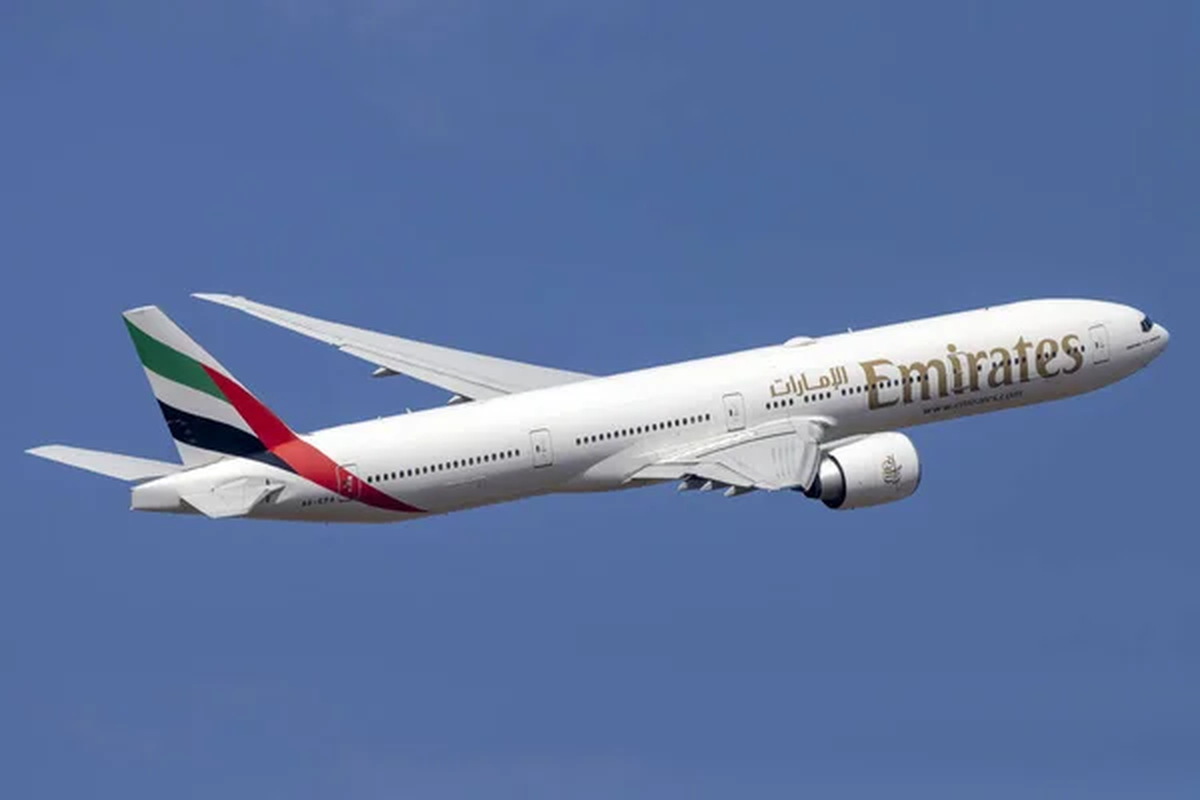
Emirates is seeking new candidates in France to join its cabin crews.

The recruitment sessions will be held successively in Marseille on July 6, in Paris on July 16, in Bordeaux on July 18, in Lyon on July 20, and finally in Toulouse on July 29. These open-house days offer applicants a chance to secure a position with the Dubai-based airline.

The company is looking for profiles to greet passengers and ensure onboard safety by applying regulatory procedures. Those selected will then relocate to the United Arab Emirates and undergo training at the carrier’s training center.

All cabin crew members will benefit from a competitive salary, free company housing and medical coverage.


Practical details for participating in the selection sessions

The assessment process will span a full day for each selected city. Applicants must submit their online application dossier with a CV written in English and a recent photo.

The organization advises pre-registering online to facilitate the reception process, even though walk-in presentations without an appointment remain welcome on the day.

Emirates’ teams will inform the preselected candidates during the day about the timing of the assessments and any additional interviews.

New recruits will then work in an international environment that brings together more than 148 nationalities speaking 72 languages.


A stronger presence on the French aviation market

This recruitment drive coincides with maintaining a significant level of activity for the airline within the national territory. The company currently operates 35 weekly flights to French passengers from three major regional airports.

This schedule includes three daily Airbus A380 services from Paris, a daily A380 rotation from Nice, and a daily Airbus A350 flight from Lyon.

To date, the airline operates a modern fleet of more than 280 wide-body aircraft and counts more than 360 aircraft on order to support its global expansion.


What If the Real Barrier to Recruiting French Cabin Crew Was… English?


Recrutement PNC : beaucoup de candidats français maîtrisent les règles de la langue anglaise mais bloquent lorsqu'il faut improviser une réponse - Depositphotos.com, garagestock

IFTM prenez RDV avec TourMaG


Ten years ago, a B2 level in English sufficed to join a French airline.


Candidates would obtain their certification, tick the box, and move on to the next step.

Today, the rules have changed.

The official criteria remain the same, but recruiters now verify what a certificate does not always measure: the ability to hold a fluent conversation.

This shift comes as France shows a marked lag in spoken expression.

According to the EF English Proficiency Index 2025, the French rank 32nd out of 35 European countries for spoken English. A heavy handicap in a sector where interviews are increasingly conducted in English.


French Companies Raise Their Requirements

En 2022, Air France demandait un niveau B1 avec listening (compréhension orale) et reading (lecture) uniquement. Le speaking (expression orale) n’était pas encore exigé.

 

En 2024, les critères ont évolué : la compagnie demande désormais soit un a minimum B2 on the LILATE, soit un Linguaskill score de B2 dans chacun des trois skills (compétences).
Pour l’anecdote, la majorité des candidats retenus chez Air France et HOP! en 2026 et accompagnés par l’organisme de formation SkySuccess affichaient un niveau C1 au LILATE.

Le TOEIC, dans sa version la plus courante, ne teste que le listening et le reading, pas l’expression orale. Une version avec les 4 skills existe et est acceptée chez French Bee.

Le TOEIC classique n’est d’ailleurs plus accepté par le groupe Air France. Linguaskill et LILATE évaluent les 4 compétences, et les compagnies exigent cette option.

French Bee, qui a récemment ouvert une campagne de recrutement, accepte le Linguaskill B2 ou le TOEIC B2, tous deux avec les 4 skills. Pour le LILATE, le seuil de recevabilité est fixé à C1.

Lors du salon SFMA, plusieurs compagnies françaises et internationales expliquaient que les candidats titulaires d’un C1 étaient valorisés. Certaines testaient même l’anglais directement sur leur stand.

Lire aussi : TOEIC, Linguaskill, LILATE : quelle certification d’anglais choisir pour devenir PNC ?


32nd out of 35 in Europe: the French handicap

The EF English Proficiency Index 2025 measures, for the first time, the four language skills separately. The French results are unequivocal.

In reading comprehension, France scores 555 points. In speaking, it drops to 456 points. Close to a 100-point gap. This gap places France at the 32nd position out of 35 European countries for spoken English. Only Moldova, Turkey, and Italy perform worse.

A Cambridge Assessment English study, echoed by Le Figaro, confirms this finding: the average level of French people in English is around B1. Yet airlines require a minimum B2. Bridging this gap is real.

The explanation is well known. For decades, the French school system prioritized grammar and reading at the expense of speaking.

Many candidates master the rules of the language but freeze when they have to improvise an answer.


Find all articles by Rémi Duchange by clicking here.


How do candidates close the gap?


A challenge for the sector

Against the rankings, the French paradox becomes clear.


French applicants often possess solid theoretical knowledge. But the skill where France ranks 32nd in Europe is precisely the one recruiters prioritize in evaluations.


This raises a question for the sector. With more than 25,000 annual recruitments according to GIFAS and 678 000 cabin crew members to recruit worldwide by 2034 according to the CAE 2025 study, the level of spoken English among French candidates remains a challenge to overcome.


Who is Rémi Duchange?


Rémi Duchange - Photo : SkySuccess

Rémi Duchange is the cofounder of SkySuccess, a Qualiopi-certified training organization dedicated to future cabin crew, with nearly 15 years of experience in aviation, including roles as a PNC, cabin chief, and instructor within an international airline.


With his team, he offers a human, bilingual (French/English) and individualized approach: preparation for the LILATE and Linguaskill certifications, personalized recruitment coaching up to hire.


For four years, SkySuccess has helped more than 1,000 students join an airline. The organization supports all profiles, with or without a CCA, beginners or seasoned, thanks to a tailor-made method.


Backed by more than 50,000 followers on Instagram and LinkedIn, as well as its newsletter, Rémi daily shares on his career hub job openings for PNC and ramp agents, as well as tips for succeeding in aviation recruiting.

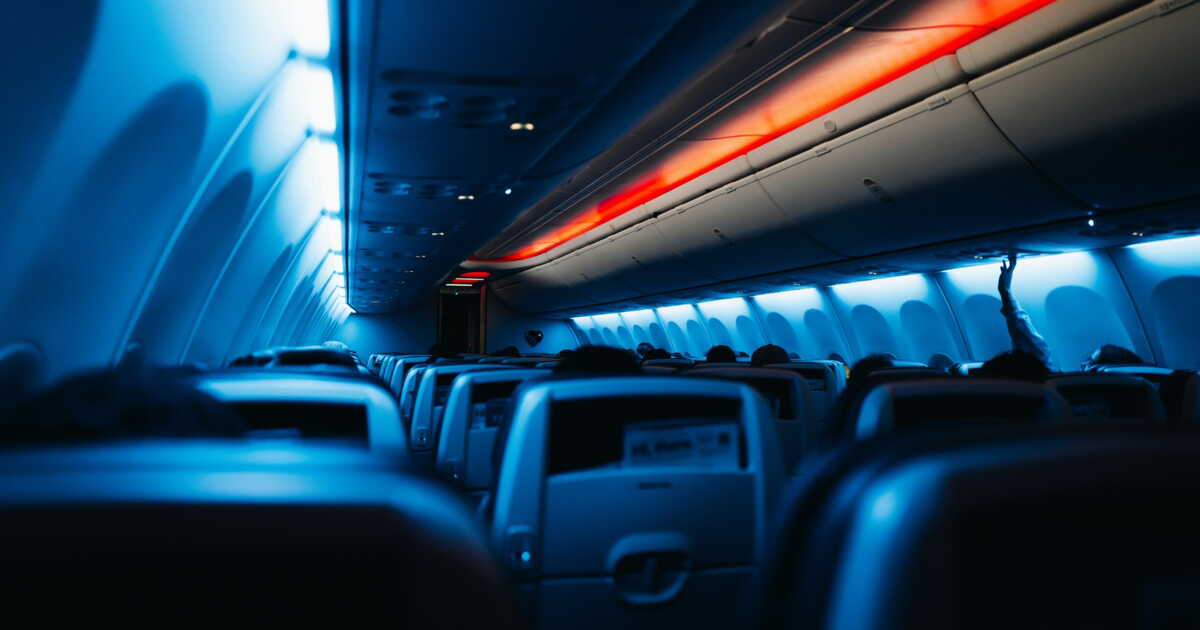
Why Are Cabin Lights Dimmed During Takeoff and Landing?

If you’ve ever flown — or you’ll be taking to the skies this summer for a vacation — you’ve probably noticed something remarkable: during takeoff and landing, the cabin lights are switched off. It’s not to create a zen ambiance in the cabin or to reassure passengers terrified by these stages of the flight. There is a real scientific reason behind it, explains Condé Nast Traveller India.