Taiwan: Seaweed Harvesters Await the Next Generation as Youth Flee to the Cities

At 72, Wu Feng-chiao, one of the last people in Taiwan who harvests seaweed to transform it into jelly, remains unfazed by the waves crashing over her. “It can be painful and dangerous”, acknowledges the septuagenarian who has spent more than half a century gathering seaweed along the rocky Pacific shoreline.

When this generation of “hainu”, or “sea women”, can no longer continue, this activity risks fading away. Young Taiwanese prefer to live in the city rather than in the island’s remote northeast. A choice that astonishes Wu Feng-chiao. “When you have that in your blood, you naturally want to learn, don’t you?”, she wonders in her Magang village.

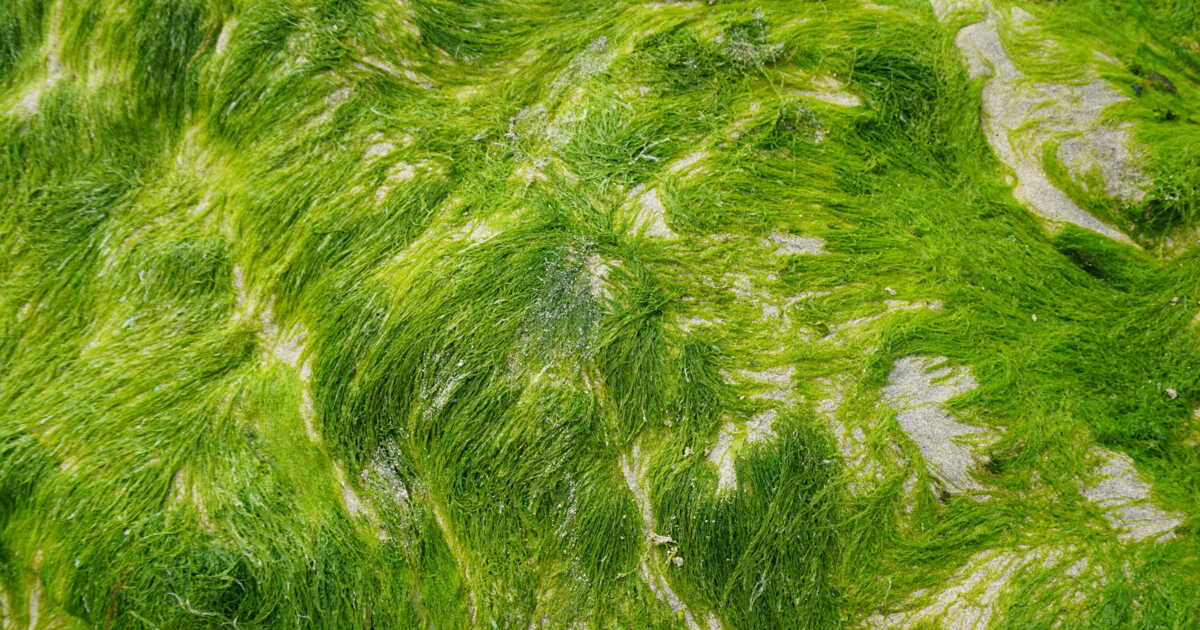
At the eastern edge of the coastline, the “sea women” pile up the “stone flowers” — the name given to this alga in Taiwanese and Mandarin — in nets. They then return home carrying heavy sacks, spread the seaweed on the ground, and remove impurities.

Under the sun, they take nearly four days to dry completely, before being washed several times and boiled to extract the gelled substance known as agar-agar.

Once dried, 300 grams of algae of the Gelidium genus can yield about fifty bottles of a refreshing agar-agar-based drink, sold for around $1.30 (1.14 euros) apiece. Floating near the shore with a mask and a wetsuit, Ms. Wu enthusiastically shares the lessons drawn from decades of practice. Her father passed this knowledge on to her when she was a teenager. “Seaweed grows around the big rocks — when there are big waves, you have to move away quickly” to avoid them, she explains.

Resisting Real Estate Developers

“If a wave hits you, you can be injured”, she warns. She carries her bag of about 20 to 25 kilograms on her narrow shoulders, as she walks on steep and slippery rocks. “It’s a hard job (…) the toughest part is bringing the seaweed back. They’re very heavy and the shoulders hurt afterward”.

Their activity, a relic of Japanese colonial rule, is similar to that of the “haenyeo,” free divers from South Korea, though Taiwanese women do not venture as far underwater. Today, only four women still regularly harvest the “stone flowers” in Magang village, according to Ms. Wu, and all are over 70 years old.

“How many more years can we go on? We really hope that young people will return and take up the torch”, she worries. “We do not want this tradition to disappear”.

Beyond social shifts, the seaweed itself is becoming scarce, “especially this year”, notes Ms. Wu without offering a cause. Real estate developers have begun to build in this peaceful coastal village, but “we continue to resist them”, she asserts. “If we are all forced to leave, there will be only a handful of people left”.

In 2018, the inhabitants founded the Sandiaojiao Cultural Development Association to preserve Magang’s stone houses and keep the hainu tradition alive. Despite the obstacles, Ms. Wu is far from giving up. “Sometimes, I simply can’t resist. Like yesterday, I hadn’t planned to go, but when I saw how calm the sea was, I couldn’t help myself”.

France’s Most Creative Cities

France was crowned with the title of “Creative Country of the Year 2026” last February at the Cannes Lions International Festival of Creativity, underscoring France’s influence in the realm of creativity. But beyond this global recognition, which French cities truly embody this momentum? A new study conducted by Adobe sheds light, analyzing close to 200 French communes.

To construct this ranking, several criteria were scrutinized in detail. For example: the number of self-employed workers in creative sectors, the presence of cultural education institutions, venues dedicated to culture, festivals, museums, as well as job openings and independent creative studios or agencies.

Cannes tops the ranking

It is the city of Cannes that finishes at the top of the list with a score of 9.67/10. The azure-coast city stands out thanks to an impressive concentration of cultural events. With 31 festivals for under 75,000 inhabitants, the city led by David Lisnard demonstrates remarkable density, and the study shows that more than six times as many festivals were held there as in Versailles, and almost as many as Grenoble, despite Grenoble’s twofold greater population.

Its appeal is also grounded in its cultural infrastructure. The municipality hosts 28 cultural venues, which is higher per capita than Lille or Paris. In terms of employment, the city records 374 openings in creative industries, a notably high volume given its size. This performance also mirrors the weight of the Cannes Film Festival, a major global cinema event.

Versailles, queen of job opportunities

Ranked second, Versailles owes its excellent score to a particularly dynamic job market in the creative sectors. The city totals more than 8,500 creative job openings, i.e., more than 22 times the volume observed in Cannes and more than 40 times that of Avignon. It also records more than 27,000 self-employed workers, one of the highest figures in the ranking behind Paris. Unlike Cannes, Versailles relies less on cultural events, as only five festivals and 26 cultural venues are listed there.

Avignon, cultural bridge?

In third place, Avignon confirms its well-established reputation as a cultural hotspot. Its overall score of 8.9/10 rests largely on its significant number of events and infrastructures. The city hosts no fewer than 47 festivals and 59 cultural venues for fewer than 100,000 inhabitants, which represents a proportionally higher festival density than Lille or Grenoble, and more than double the festivals per inhabitant compared with Paris. The standing of Avignon as a national reference is further strengthened by the influence of the Festival d’Avignon, which is scheduled this year from Saturday, July 4, to Saturday, July 25, 2026.

Grenoble bets on innovation

Fourth in the ranking, Grenoble combines innovation, design, and culture. The city counts 53 cultural venues, 35 festivals, and six museums, the largest number of museums among the top five cities. It also hosts two higher education institutions specializing in the cultural sector. With nearly 1,000 self-employed creative workers and more than 340 job openings in the creative industries, Grenoble attracts profiles oriented toward technology and creation.

Lille, the North’s Creative Engine

Fifth in the ranking, Lille emerges as one of the country’s most dynamic cultural metropolises. Indeed, the northern city records 84 cultural venues, the second-largest total in the top 10 after Paris, along with 51 festivals and 40 independent creative studios or agencies. Lille also houses more than 2,600 self-employed professionals in creative trades, further confirming its status as a true hub for the northern region.

Paris, far down the ranking…

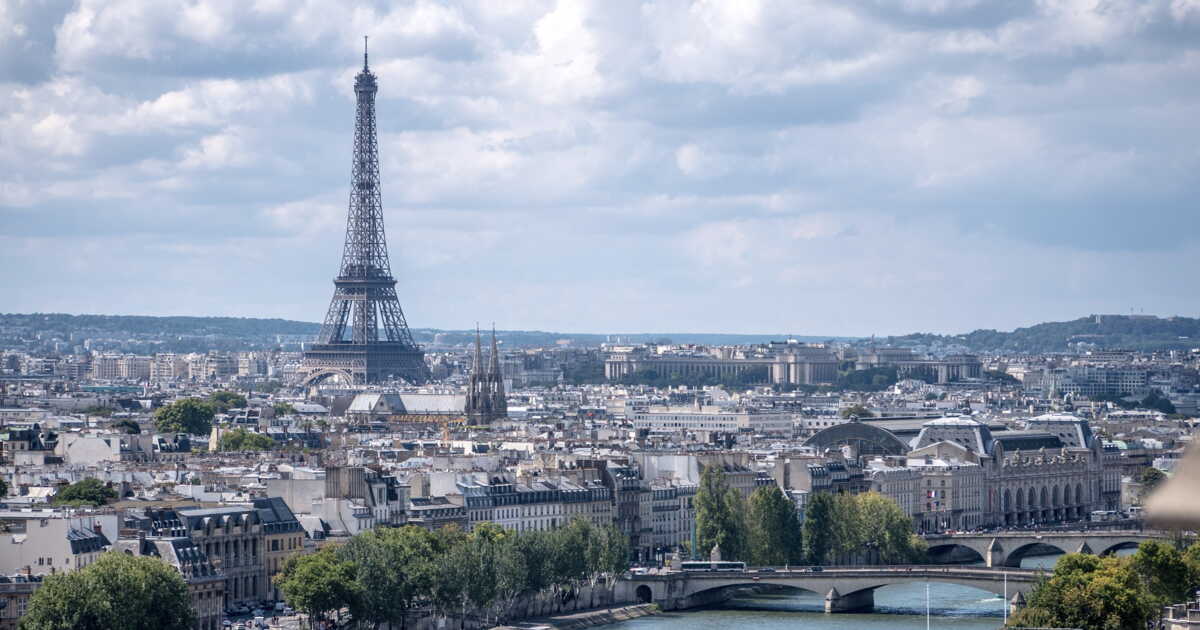
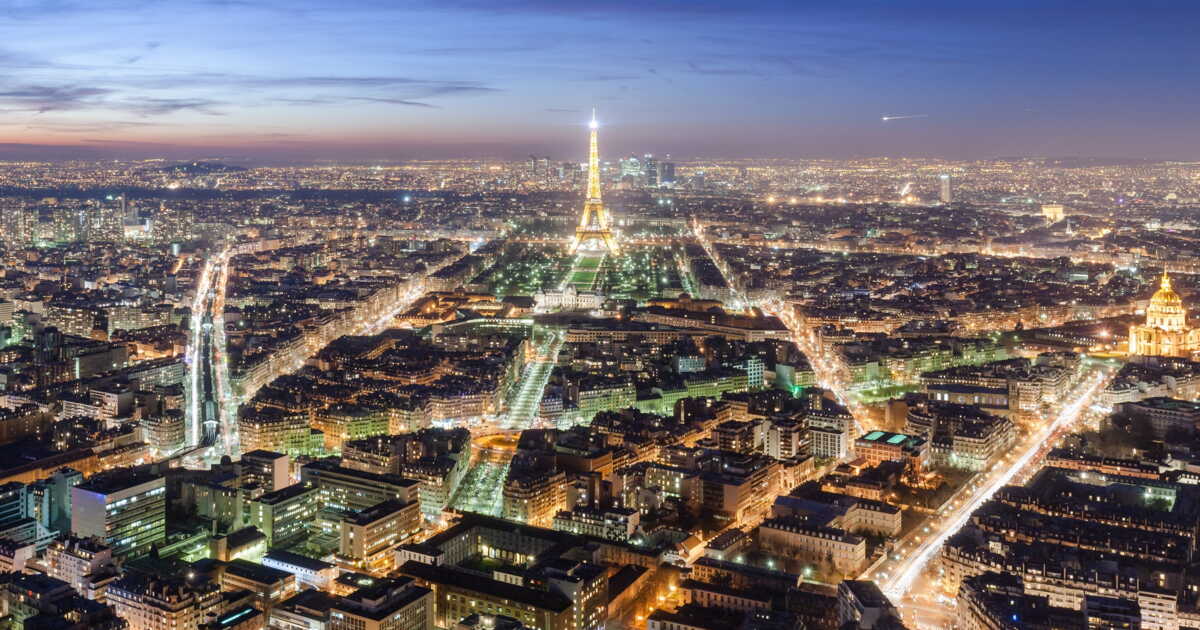
Despite its image as a global cultural capital, Paris only ranks 14th, with a score of 8.41/10. On paper, however, the City of Light dominates every indicator: 622 cultural venues, 299 festivals, 50 museums, more than 28,000 self-employed workers, and 382 studios or creative agencies. Yet its enormous population, with 2,103,778 Parisians, slightly dampens these performances when measured per inhabitant.

Thus, Cannes shows nearly three times as many festivals per inhabitant, while Avignon exhibits a noticeably higher cultural density. Paris remains, however, the city that concentrates the most professional opportunities, with over 3,800 openings in the creative industries. At the opposite end of the ranking, Saint-Laurent-du-Maroni finishes last with a score of 0.68/10. The commune suffers from a substantial shortage of cultural infrastructure and records no identified job openings in the creative industries…

The World’s Best Dining Cities for 2026, According to Time Out

When we travel, we love to discover new cultures, traditions, and landscapes. Yet gastronomy also holds a central place in the experience, since it allows us to explore new flavors, spices, and combinations of foods that can sometimes be surprising, reflecting a country’s identity and history. That is why each year Time Out publishes a ranking of the best gastronomic cities for food lovers eager to spark their palates on their next getaway.

This ranking is based on a survey conducted with more than 24,000 residents across 150 cities worldwide, covering the overall quality of the local culinary scene, the cost of restaurant meals, and residents’ favorite addresses. According to Virginia Gil, Time Out’s editor-in-chief in the United States, “the cities on the list are not only today’s gourmet destinations; they are places that have drawn travelers seeking good meals for decades.”

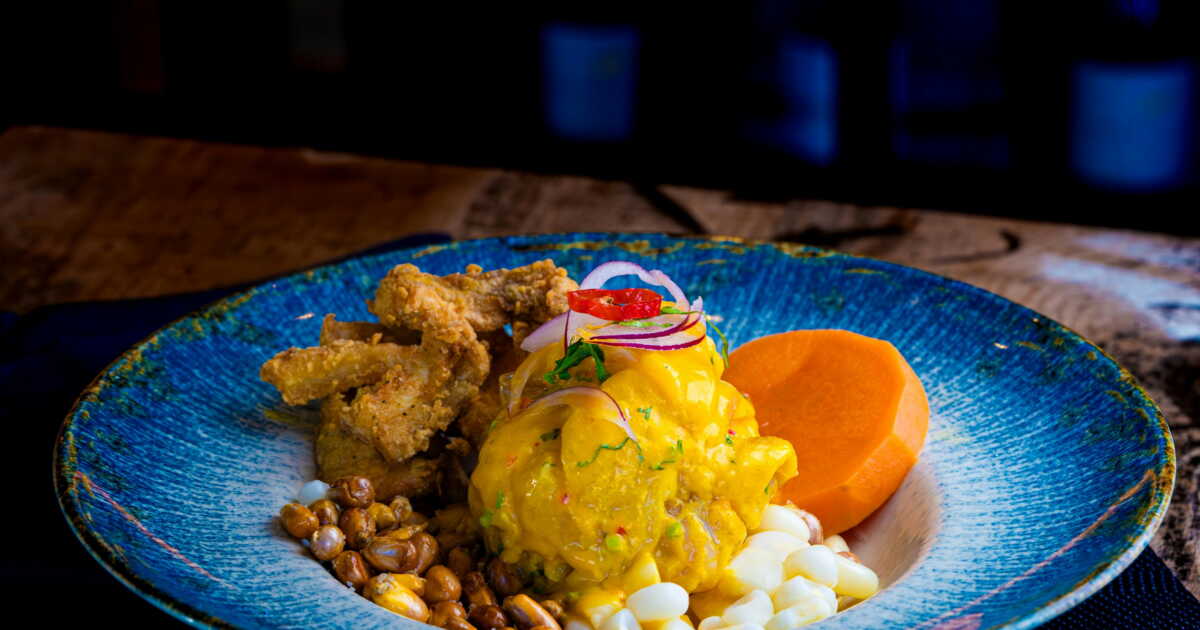
The thousands of responses gathered were then cross-checked with the assessment of Time Out’s culinary experts panel. It is Lima, Peru, that has been crowned the best gastronomic city in 2026 with 70% of the votes. Regarded as the culinary capital of Latin America, this coastal metropolis is particularly renowned for seafood specialties such as ceviche and the cause Limeña, a refined layered cold potato dish.

Only One French City Made the List, And It’s Not Paris

In second place, Bangkok returns for the second year running, whose major culinary asset is its famous street food, illustrating how fully local flavors can express themselves. The Thai city is followed closely by Mexico City, whose culinary scene is a true gastronomic melting pot, where Mexican, Asian, and French influences mingle across many neighborhoods. You’ll also find Michelin-starred restaurants as well as local street markets there.

The ranking continues with, in fourth place, London, regarded as one of the most diverse culinary cities in the world, Barcelona, whose gastronomy bears the strong influence of its Mediterranean heritage, and Ho Chi Minh City, where haute cuisine makes its mark. Australia then appears in seventh position with Melbourne, whose cafés have been named among the city’s highlights. Beij ing, Athens and Lisbon complete the top 10 of this list.

The sole French city on the list is Marseille, occupying the 18th spot. It is acknowledged for a culinary scene already worldwide-renowned and more diverse than ever. Pioneering establishments such as Café des Épices and La Mercerie are particularly cited. Just ahead of it, one finds Cape Town, Osaka, Bangalore, Naples, New York, Hong Kong and Buenos Aires. The final two rungs of the ranking go to Copenhagen and Medellín. The destinations where cuisine is celebrated are thus numerous across the globe.