Experience the Real Australian Bush Life Near Darwin at This Lodge

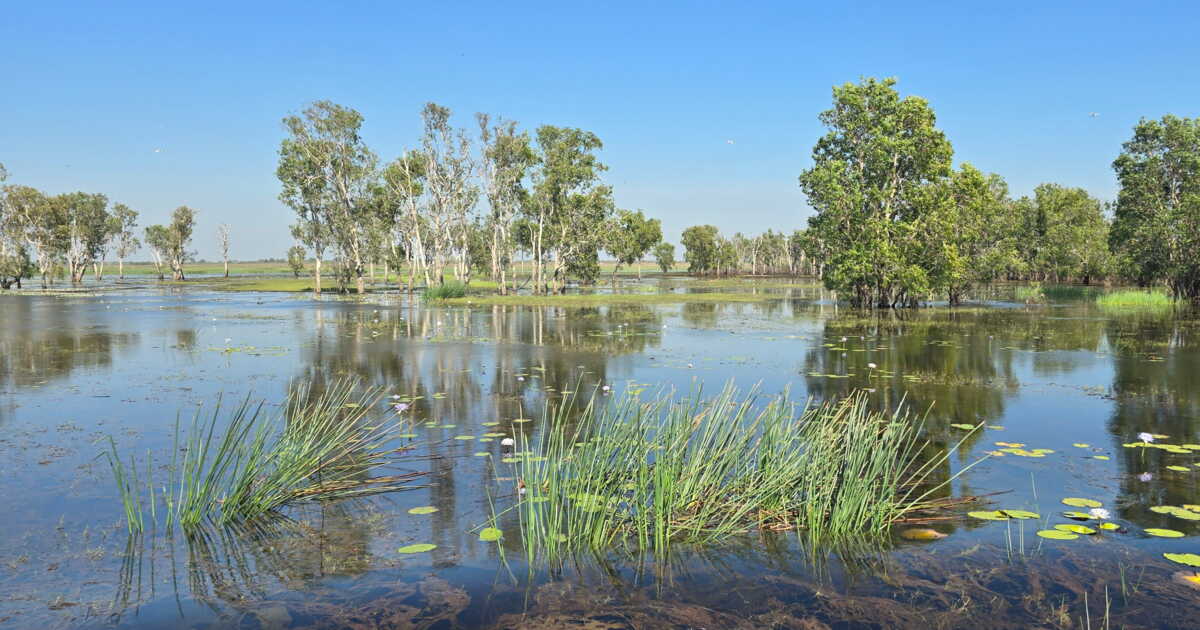
After a stretch of red dirt road, less than two hours from Darwin, the landscape gradually reveals a different face. Fences fade into tall grasses, termite mounds rise in the middle of the plains, and wetlands become the realm of birds and crocodiles. In June, while we were filing a report in the Northern Territory, we discovered the Finniss River Lodge, nestled at the heart of a vast cattle operation. An immersion accessible right at the core of Australia’s Top End.

In a Real Australian Family Station

The Finniss River Lodge story begins with Leo Venturini in 1987, when he purchases this enormous property spanning more than 20,000 hectares. Nearly forty years later, it still belongs to the family and functions first and foremost as a cattle station typical of the region, with around 4,500 head of cattle. Since 2022, however, the family business has diversified with the creation of the lodge, steered by his granddaughter, Olivia.

Staying at the Finniss River Lodge thus means stepping into the workings of a genuine cattle station. The wet season measures its reach. When rains push the water levels up by several meters, the roads can disappear under the floodwaters and cut the property off from the rest of the world. An airstrip enables the arrival of a small plane, and a helipad is also planned for helicopters. Large tanks collect rainwater, enabling the lodge to be entirely autonomous in its water supply.

With six rooms only and a pool facing the floodplains, the place can accommodate at most a dozen guests. Two guided excursions are organized each day, in the morning and late afternoon, and the small capacity makes it possible to travel with a guide in a very small group, or even individually. The station can be explored by 4×4 or by boat, observing the animals, discovering the different ecosystems of the property (floodplains and wetlands, paperbark forests, wooded savannas, pockets of rainforest, and coastal and mangrove zones) or learning about the station’s work. Depending on the season, one can witness the cattle gathering, see the animals move through the enclosures, or participate in certain tasks.

And then there is the “Cows and Canapés.” At sunset, visitors join a small group for the pre-dinner apéritif with a group of fewer than a hundred cattle selected for their particularly sociable temperament. The cows come of their own accord, seeking strokes, and some do not hesitate to lick hands or legs. A rather unconventional way to discover Brahman cattle, recognizable especially by the shoulder hump and their long ears. Native to tropical regions, they endure the intense heat and the harsh conditions of northern Australia.

From Giant Termite Mounds to Crocodiles, Wildlife to Discover

But the cattle are far from the only animals encountered here. The lodge’s guides are invaluable allies for discovering this wildlife: with so few visitors, you can take the time to pause, observe, and above all learn things that would easily escape an untrained eye. Without a guide, a termite mound might be just a big dirt bump at the edge of a track. But with someone who knows the bush, it becomes the starting point for a true lesson on insects, their organization, and the architecture of their habitat.

Did you know, for instance, that some Top End termite mounds reach six to eight meters tall, growing by about a meter every ten years? Inside, the termites construct a genuine network of galleries that allows them to regulate temperature naturally. Heat enters through certain parts of the mound, air circulates through the galleries, and exits through other openings. This natural ventilation system keeps interior temperatures much steadier, despite the scorching heat outside. This architecture is all the more remarkable because it is built and maintained continuously by tiny insects.

And these structures serve other species as well. The forest kingfisher (Todiramphus macleayii) uses the termite mounds to install its nest. To carve the entrance, the small bird darts at the wall with its beak leading, striking repeatedly in violent blows. And as our guide explained, it is this same bird that inspired an invention seemingly unrelated to the Australian bush: the nose of the Japanese Shinkansen.

In the 1990s, engineer Eiji Nakatsu sought to solve a problem faced by high-speed trains: when they entered a tunnel, they produced a large pressure wave that caused a deafening roar as they exited. By studying the shape of the kingfisher’s bill, particularly its streamlined profile, he conceived this principle to design the nose of the Shinkansen 500. The new shape significantly reduced the pressure wave and noise, while improving the train’s energy efficiency.

Even around the lodge, there’s no need to search far to find other inhabitants. At dawn and dusk, wallabies are everywhere, while Corella cockatoos number in the dozens in front of the rooms. More generally, the property is a paradise for birdwatchers, its wetlands and papyrus swamps hosting more than 1% of the world’s population of certain water birds (such as the semipalmated canaries), which classifies the site as an aquatic ecosystem of high conservation value.

Then comes the crocodile, the undeniable star of the Top End. On the property, you can observe the two species present in northern Australia: the saltwater crocodile (Crocodylus porosus) and Johnston’s crocodile (Crocodylus johnstoni). The former is decidedly more aggressive and imposing. It can live in freshwater, brackish, or marine waters. The latter, smaller, stays mainly in rivers, billabongs, and freshwater wetlands. In an airboat, the guide also explains how the station’s inhabitants live with these predators.

A coexistence that comes with its share of surprises: it is not uncommon to see cattle wading into water bodies, despite the presence of the reptiles. There are even occasions when cows are killed by them. But when temperatures rise, they do not hesitate to venture into the water, where they find both cooling and food.

Near Darwin, the Finniss River Lodge thus offers a concrete glimpse into the daily life of the extreme north of the country, between cattle farming and wildlife. A first approach before continuing on to Litchfield and Kakadu National Parks.
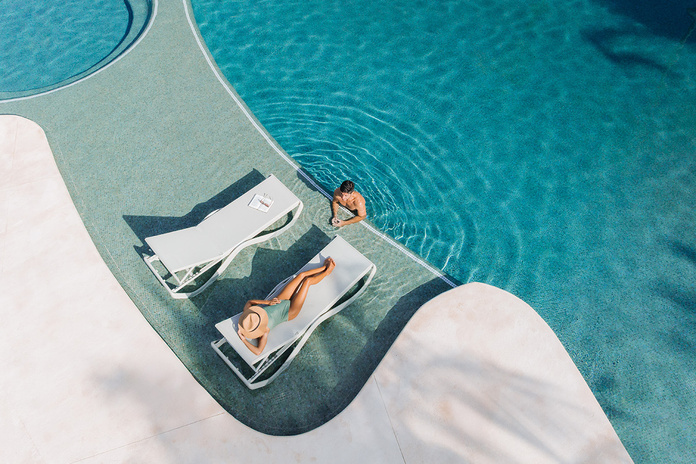
Bahia Principe Escape – Adult-Only Getaway for a Total Disconnection from Everyday Life


© Bahia Principe Hotels & Resorts

Hurtigruten


Disable routines. Leave your obligations behind. Here begins the calm and the reconnection with oneself. Our Escape hotels are designed for those seeking a true disconnect in iconic sunny seaside destinations. Adult-only hotels where you can escape everyday life, whether alone, as a couple or with friends. It is not just a simple break. It’s about finding yourself again. And yes, you deserve it.

In complete freedom, fully. Holidays Fully & Freely.


Bahia Principe Escape in a Few Words

Adults-only exclusivity, absolute freedom – The resorts are reserved for adults, designed to allow guests to disconnect from daily life and fully enjoy their stay, at their own pace.
Cuisine tailored to their tastes – Themed restaurants, varied buffets and culinary experiences to satisfy every craving, from breakfast to dinner.
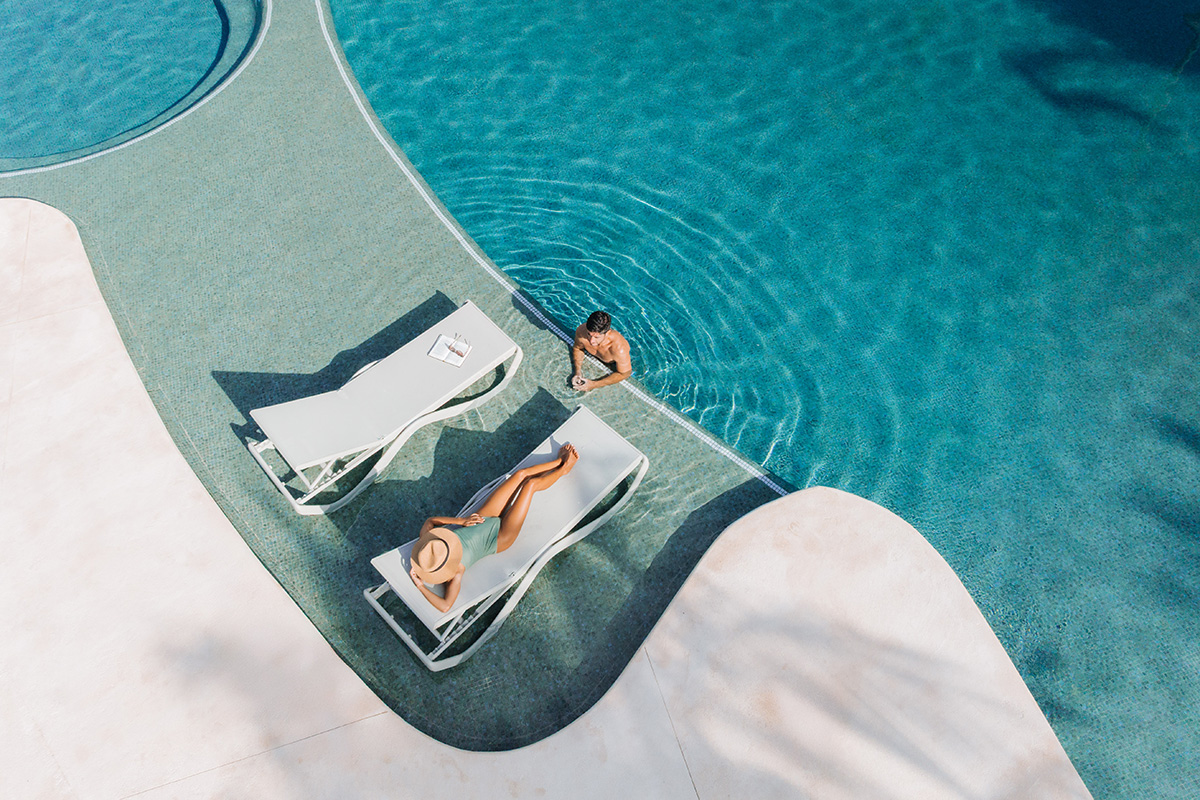
Between privacy and vastness – Paradise beaches and spectacular pools invite guests to unwind, soak up the sun, and savor every moment.
Time for themselves, with extra well-being – Spas, wellness areas and gyms offer numerous possibilities to refresh and take care of oneself.
Evenings that awaken the senses – Live music, entertainment and themed nights extend the experience and add a festive touch to adult getaways.


Three Destinations, Three Ways to Escape

Today we present three emblematic destinations: Spain, the Dominican Republic, and Mexico. Discover our Adults Only resorts, among the highest-rated properties in our portfolio, especially valued for their service quality, privileged setting, and experiences crafted for an adult clientele.


BAHIA PRINCIPE ESCAPE TENERIFE****, Spain


© Bahia Principe Hotels & Resorts

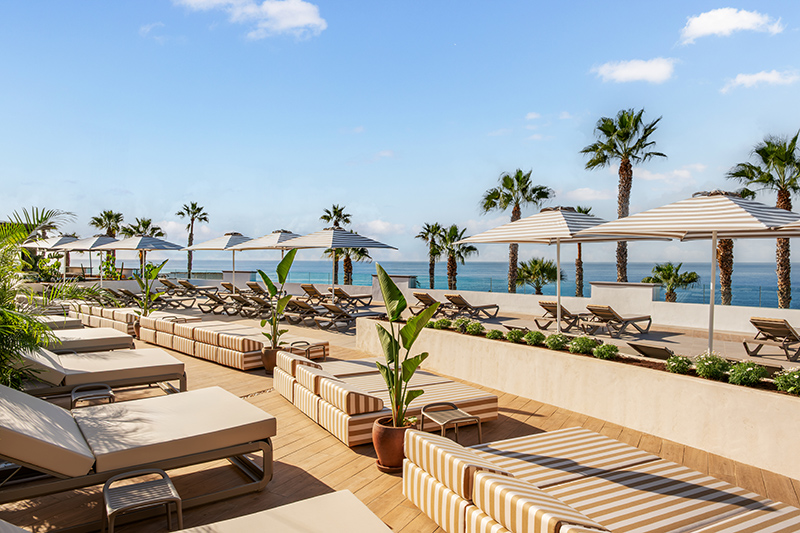
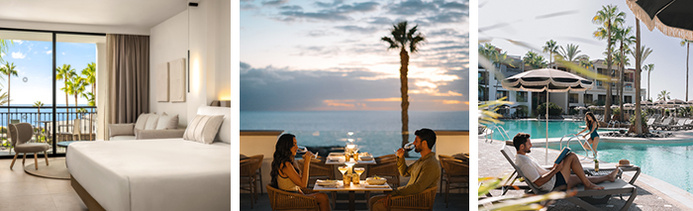
Panoramic ocean views, authentic flavors, and intimate spaces designed for absolute relaxation — in Costa Adeje, discover the Bahia Principe Escape Tenerife, reopened recently after a full renovation.

Entirely redesigned in a contemporary and elegant style, the property nonetheless preserves its iconic and breathtaking Atlantic Ocean views.

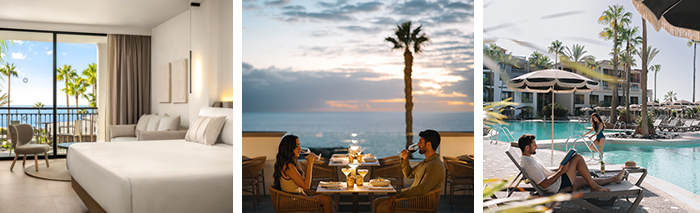
This Adults Only (+16 years) hotel offers 268 rooms and draws inspiration, in its architecture, from the island’s natural elements. The crystal-clear Atlantic waters, the underground springs, the Teide’s spectacular geomorphology, and Tenerife’s characteristic vegetation subtly integrate into the design and atmosphere of the hotel.

The establishment features a stunning main pool, several bars tailored to different times of the day, a modern fully equipped gym, and rooms designed to offer absolute comfort. The lobby, a true architectural masterpiece, pays homage to Teide through its shapes and materials.


© Bahia Principe Hotels & Resorts


BAHIA PRINCIPE ESCAPE BOUGANVILLE ***** , Dominican Republic


© Bahia Principe Hotels & Resorts

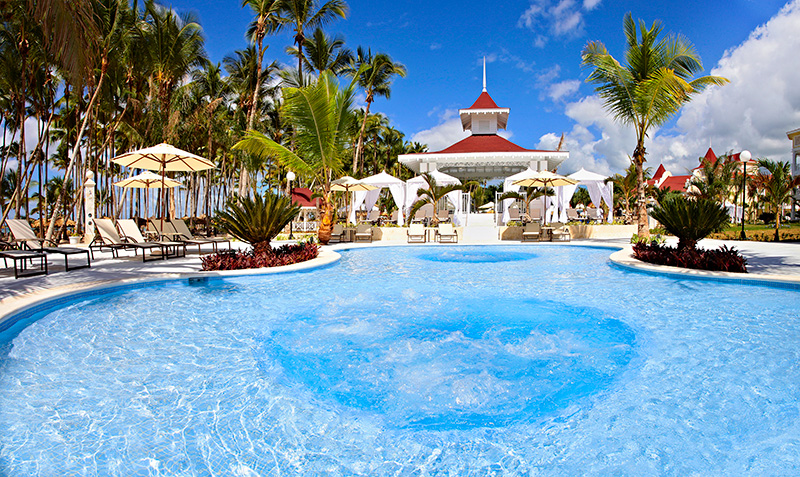
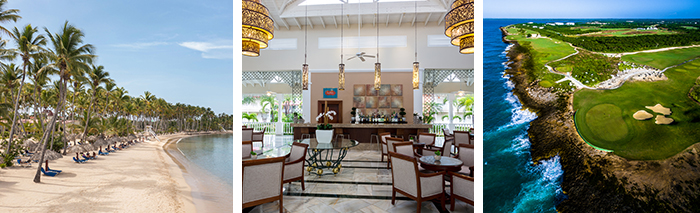
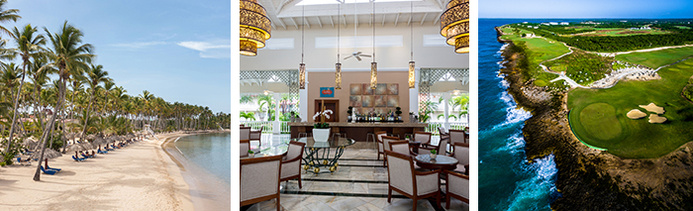
Intimate and inviting, the Bahia Principe Escape Bouganville is an Adults Only (+18) resort located in La Romana, in a privileged setting facing a private palm-fringed bay. Its traditional architecture, peaceful environment and numerous relaxation spaces make it a particularly suitable address for guests seeking calm and exclusivity in the Caribbean.

The hotel offers various pool spaces, moments of seaside relaxation, as well as a varied gastronomic offering combining international flavors and local specialties. Guests can also enjoy wellness activities and a wide range of services within the resort.


© Bahia Principe Hotels & Resorts


Among its main assets, golf takes a premier place, with a PGA-level course accessible to guests wishing to combine a seaside stay with a sporting experience.

The La Romana location also allows visitors to discover the destination’s riches and alternate between resort relaxation and excursions, notably to Santo Domingo and nearby cultural sites.

An Adults Only resort to recommend to travelers seeking a restful stay, a privileged setting and a Caribbean experience in gentle tones.

Discover the Bahia Principe Escape Bouganville universe through this video :


BAHIA PRINCIPE ESCAPE TEQUILA***** , Mexico


© Bahia Principe Hotels & Resorts

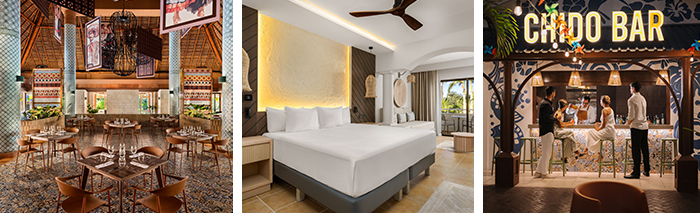
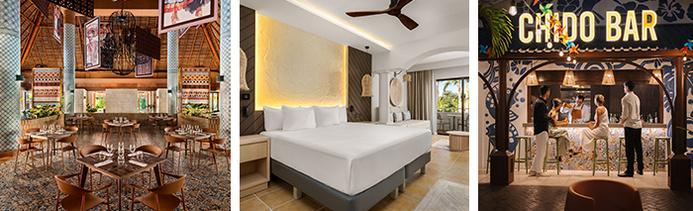
Here, Mexico defies explanation: it is to be celebrated. Here, you don’t simply come to rest: you come to experience Mexico with all your senses. The Bahia Principe Escape Tequila is an Adults Only (+18) resort where every moment invites you to disconnect and fully enjoy the moment, where Mexican culture becomes a true experience through gastronomy, art, music and theming nights that pace the stay. The frescoes, local-color design and the energy that animates the spaces create a distinctive atmosphere, where every space tells a story.

The days revolve around pools with lively atmospheres, a gastronomic offering inspired by Mexican flavors and numerous activities allowing guests to discover the essence of the destination.

At nightfall, the resort changes pace and reveals another facet, with shows, themed evenings, live music and immersive experiences inspired by Mexico’s tradition and contemporary creativity. Here, entertainment is not a mere add-on: it is an integral part of the experience.


© Bahia Principe Hotels & Resorts


The expanded access to the resort complex services, proximity to the Caribbean Sea, and experiences such as world-class golf or dedicated wellness spaces complete a stay where celebration and relaxation naturally coexist. The Bahia Principe Escape Tequila targets adults seeking more than a simple seaside stay: a vibrant, cultural and decidedly festive Mexican experience, where every day can end… wherever the party takes you.

Let yourself be guided through the hotel and dive into its universe with this video :


For More Information about Bahia Principe Hotels & Resorts :


Bahia Principe Escape -  Déconnexion totale réservée aux adultes pour échapper du quotidien
Claudia Fontana

Marketing Manager

[email protected]

Anne-Sophie Lesur

Sales Director France

[email protected]

Site web : www.bahia-principe.com

facebook linkedin instagram youtube


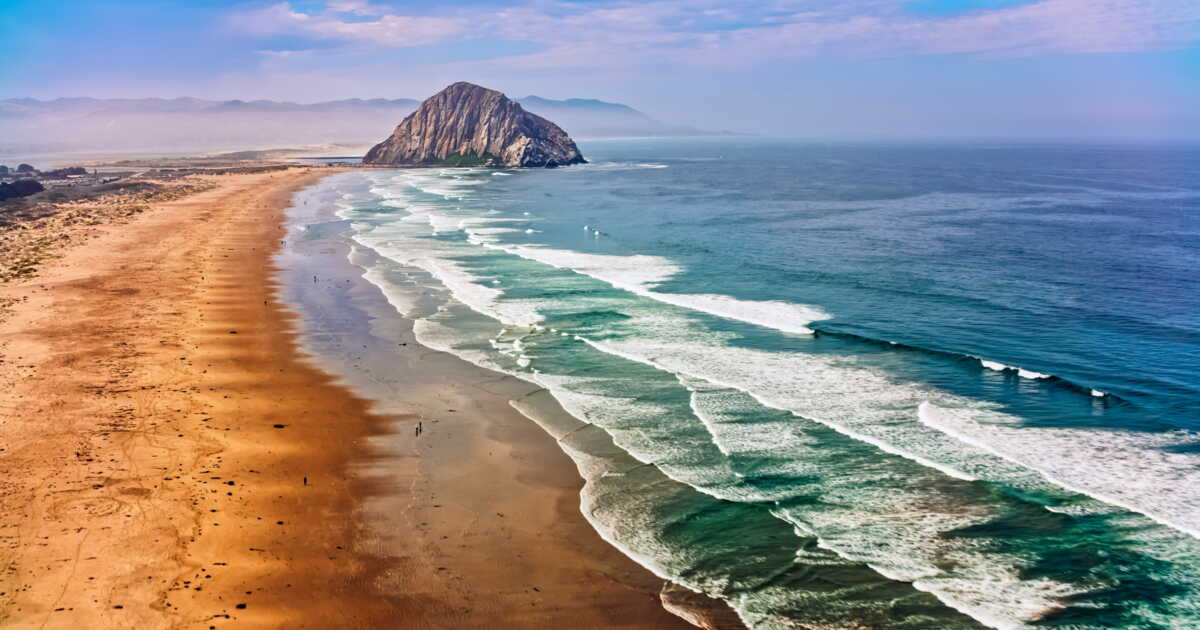
Secret California: The Sweet Life Away from the Crowds

Summary


  • From “flower power” to “farmers markets”


  • The Local Flavor


  • Old Objects, New Life


  • Lodi, Wine Differently


  • “Life is too beautiful to hurry”


  • A land of plenty where the hippies made their home


  • Morro Bay, Sacred Nature


  • From desert to Sequoias, the spirit of Indigenous peoples lingers

Spring has taken up residence in Sacramento, about a 90‑minute drive north of San Francisco. Along brick buildings covered with colorful murals, people stroll with iced coffee in hand, in the cool river air and the scent of honeysuckle. At 1215 19th Street, in the artsy Midtown district, Patrick Mulvaney goes from table to table on the terrace of the restaurant bearing his name. Local caviar, house‑made smoked salmon, crackling pork with miso and apple butter, all washed down with sparkling wines… For more than twenty years, this jovial sixty‑something in his eternal Hawaiian shirt has been the local face of the Slow Food movement, born in 1986 in Italy to counter the threat of fast foods. “Our valley is America’s pantry,” he boasts. “Tomatoes, grapes, rice, apricots… I can cook in the evening with fruits and vegetables picked that morning!” Several times a week, the chef stocks up about 20 km away, at the Soil Born urban farm on the banks of the American River. This 22‑hectare operation on public land has been cultivated since 2001 by an association that runs weekly markets and feeds the surrounding schools and restaurants with organic, seasonal vegetables.

From “flower power” to “farmers markets”

Life in Cantal’s High Pastures: The Buron Experience

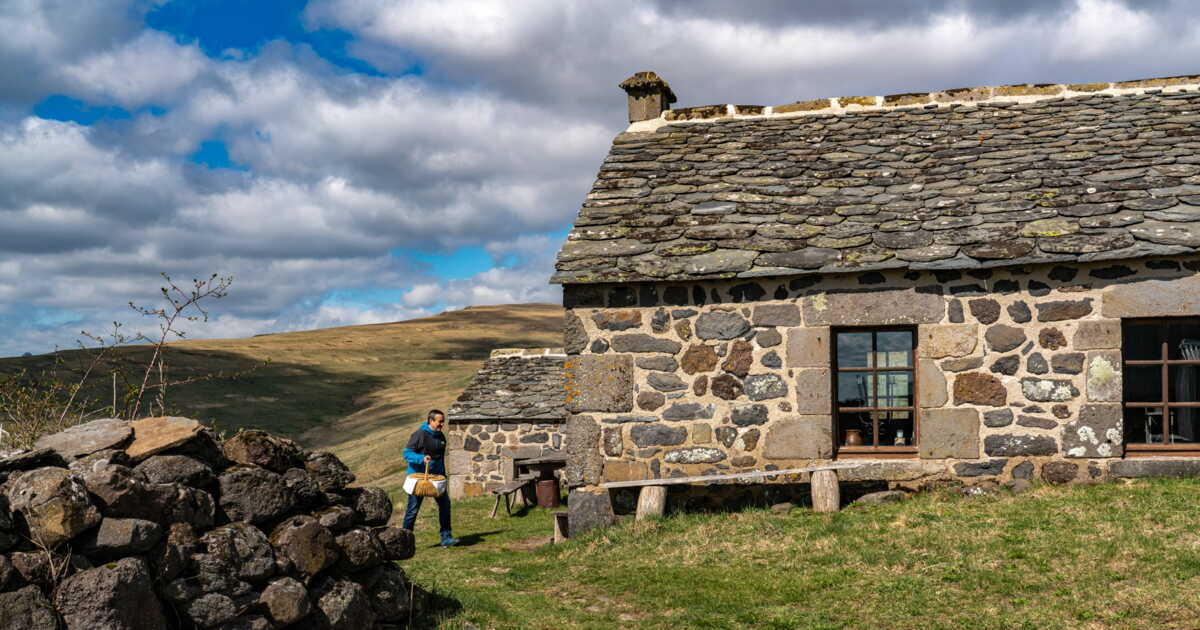
Leaving the village of Pailherols, a tranquil hamlet of 140 inhabitants with its pretty stone houses and mid-mountain pastures (about 1,000 meters above sea level), Vincent Fages’ old, rattling Land Rover, 49 years old, begins up the gentle track that leads to the Puy de Bâne (“horn” in patois), a summit that softens into the horizon. In his trunk, three gourmet baskets, which will await his clients upon their arrival. They make the journey on foot: it is while walking that the ascent toward the high pastures is most enjoyed, crossing the aptly named Beauté stream, moving from forest to pasture, then the sudden appearance, after two hours of hiking, of the buron de Bâne, an old residence that stands as the mountain’s last watchtower.

The Authentic Taste of Cantal

Le saviez-vous ?

Less known than the burons, the chibottes or tsabones (“cabins” in the local patois) are, however, characteristic of Haute-Loire. In the 18th and 19th centuries, these dry-stone little houses served as tool huts or seasonal shelters for winegrowers on their plots. Around Vals-près-le-Puy, two walks—the Chibottes path (6.5 km) and the Chibottes circuit (2.5 km)—allow visitors to discover thirteen of these small structures, recognizable by their ogival roofs. Not very comfortable, these huts were gradually abandoned in the 1920s-1930s.

➤ Article published in GEO magazine no. 569, “Rejuvenating in Auvergne,” July 2026.

➤ Do you love GEO? Then to miss nothing, discover our subscription plans to receive GEO at home every month with ease.

We Are Here as Guests: Observe Without Leaving a Trace — The Daily Life of a Patagonia Guide

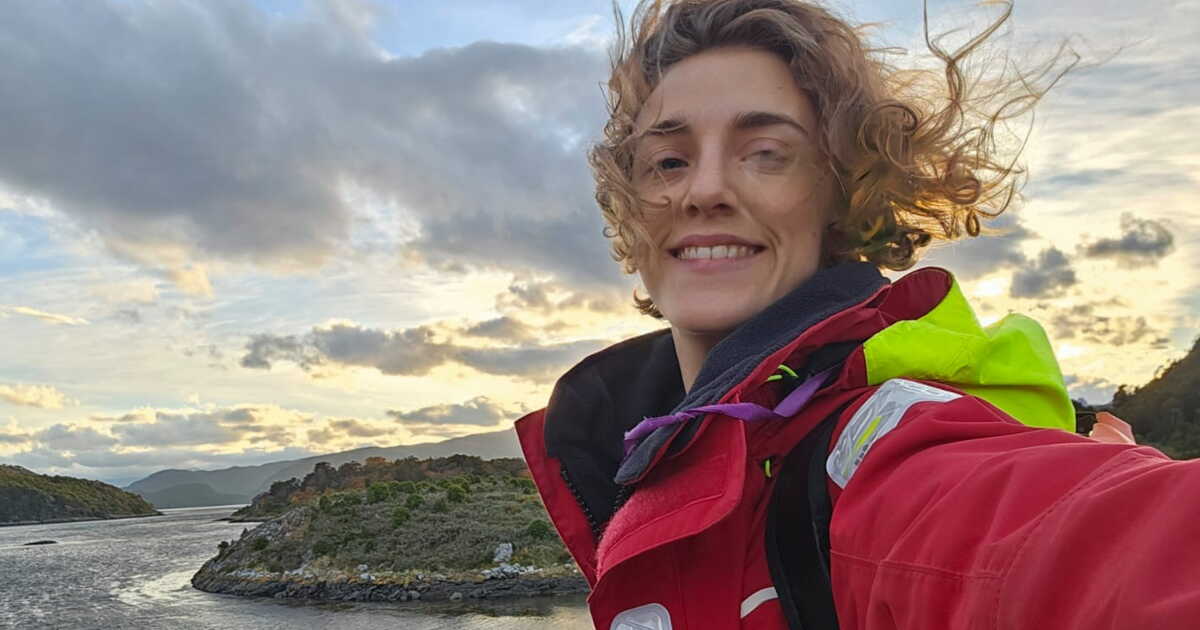
Angeles Rodriguez chose to live far from home for several months each year, in one of the most remote regions on Earth. Holding a PhD in Biology from the University of Buenos Aires, this 34-year-old biologist has made Patagonia her prime field of observation by becoming a guide for Australis, the Chilean expedition cruise company. From Wulaia Bay to Cape Horn, through a maze of fjords, glaciers and isolated islands, she accompanies travelers in the discovery of extraordinary nature.

A life in step with nature

What does life at the edge of the world look like? For Angeles Rodriguez, every day is unique. Between daily outings to accompany travelers in the field, on-board lectures, and assigning tasks to her team, the biologist divides her time among numerous missions. Two excursions are scheduled each day to allow travelers to explore the Tierra del Fuego archipelago, in the wake of the great explorers.

“I’ve always had a very strong connection with nature, and thanks to my training as a biologist, I bring a very particular approach to guiding”, explains her. Angeles wants above all to help passengers connect with the environment, teaching them to look closely at the world around them. “Too often, people are so excited to be in a place like this that they don’t know where to direct their gaze, nor what to pay attention to”, she adds.

Learning to Look

Across her expeditions, Angeles escorts travelers through some of Patagonia’s most spectacular landscapes. The Tuckers Islets, home to Magellanic penguins, the entrance to the Beagle Channel, and the discovery of the famous “Glacier Avenue” with its glaciers descending from the Darwin Cordillera, Cape Horn National Park and its lighthouse keeper, Wulaia Bay—a historic site that was one of the Yámanas’ largest villages—and the Magellan Forest. A beauty that overwhelms. So Angeles takes her time.

In Ainsworth Bay, the day begins with a walk through the subantarctic forest near the Marinelli Glacier. “I ask travelers to look at the glacier, this extraordinary natural phenomenon unfolding before their eyes. When they are truly present in the world before them, we can begin to reflect. Why does this cloud move around that mountain in such a way? What happens to the air? Is it warm or cold? How is this air linked to the glacier and the environment in general?”, asks Angeles.

And her job doesn’t stop at guiding on land. “Once back on board, we offer lectures on the history of the Magellan Strait’s discovery, on nature, glaciology or the different peoples of Patagonia”, she details. It’s an opportunity for the team to deepen certain topics but also to engage in conversations with passengers. “These are true moments of sharing and we have very interesting discussions”, she explains.

The boats on which Angeles Rodriguez works sail the hidden fjords of Patagonia

Protecting Patagonia from human activities

Yet the beauty of the landscapes cannot hide a darker reality. Patagonia is facing a large-scale threat: fish farms. A danger to local biodiversity in particularly sensitive natural areas. “A few years ago, a company attempted to establish such a farm in the Beagle Channel, which houses very rich marine ecosystems. Facing opposition from the Argentine and Chilean governments, the project was abandoned”, explains Angeles Rodriguez. Other farms are nevertheless still present elsewhere in the country.

The country is not spared from climate change either. Angeles observes this reality daily in her work. “Temperature changes affect the entire environment. Glaciers melt faster, and that also alters aquatic ecosystems”. This is also part of the messages she tries to convey to passengers. “We must strive to have as little impact as possible on the environment we visit. I remind them that we are guests here. We can observe, but we must leave no trace”, she insists.

An ever-new eye

Despite the years, Angeles does not tire of her working setting. “What strikes me most are always the whales. At each encounter with these giants of the sea, I feel the same emotion: when facing a creature of such size, you feel incredibly small”, the guide confides.

Observation of glaciers, which represents a major part of her journeys, also holds a special place in her heart. “I like to think each glacier has its own personality. They are all unique and, as they continually evolve, they never quite look the same from one visit to the next,” exults Angeles, before adding: “The most spectacular moments, however, remain the great calvings: when huge blocks of ice detach from the glacier and plunge into the water. Witnessing such a scene is always a striking experience.”

Emotions that, far from fading over time, still fuel her passion for these extreme territories. “This is a very special line of work, one in which you commit for the long term and build deep connections with this environment. It truly marked a turning point in my life”, concludes Angeles.

Discover the fjords and hidden trails of Patagonia

  • How to get there: Access via Santiago, Chile or Buenos Aires, then flights to Punta Arenas or Ushuaia.
  • Cruises operated by Australis, with zodiac excursions.
  • Main itineraries: Sailing between Punta Arenas and Ushuaia, crossing the Beagle Channel, exploring Tierra del Fuego and Cape Horn.

This interview was made possible by the Chilean expedition cruise company Australis.