
The competition is entering its final stretch.
The five finalists of the 9th edition of the Travel Agents Cup Junior are now known. They were selected after a first stage based on a candidacy video, five tourism studies students have earned their place for the grand final.
They will meet on Thursday, September 17, 2026 at 1:30 PM, on the stage of Arena by Uzbekistan at IFTM, to try to convince a jury of tourism professionals and, in the process, the public.
A feature of this edition: the scenarios the candidates must respond to were allocated by random draw ahead of the final. A way to place the five students facing the same challenge: to show reactivity, creativity and above all the ability to place themselves in the shoes of a true professional in sales and travel advice.
The five finalists of the 9th edition of the Travel Agents Cup Junior are now known. They were selected after a first stage based on a candidacy video, five tourism studies students have earned their place for the grand final.
They will meet on Thursday, September 17, 2026 at 1:30 PM, on the stage of Arena by Uzbekistan at IFTM, to try to convince a jury of tourism professionals and, in the process, the public.
A feature of this edition: the scenarios the candidates must respond to were allocated by random draw ahead of the final. A way to place the five students facing the same challenge: to show reactivity, creativity and above all the ability to place themselves in the shoes of a true professional in sales and travel advice.
The finalists are …
Petina Buadi, Saint Pierre Institute Brunoy
Axelle Garcia, ISTHIA Toulouse
Julien Gleizes, IFC Montpellier
Isaline Monnier, IMS Nantes
Thalia Renoud, ISTHIA Toulouse
Axelle Garcia, ISTHIA Toulouse
Julien Gleizes, IFC Montpellier
Isaline Monnier, IMS Nantes
Thalia Renoud, ISTHIA Toulouse
Four minutes to convince
There is no question of reciting a memorized speech. The final is above all immersive, dynamic, and close to the conditions of a real customer experience.
Each of the five candidates will begin with a video prepared in advance, intended to present their background, their school, and their mentor teacher. They will then propose, on stage, a complete customer experience linked to the scenario assigned to them.
Time will be limited: four minutes per candidate, without notes, to convince the jury. Quality of speech, creativity, dynamism, ability to engage their interlocutor… All the ingredients will be brought together to distinguish the young talents.
A genuine test of public speaking, where they will have to transform a few minutes on stage into an experience sufficiently convincing to win over both professionals and the audience.
Each of the five candidates will begin with a video prepared in advance, intended to present their background, their school, and their mentor teacher. They will then propose, on stage, a complete customer experience linked to the scenario assigned to them.
Time will be limited: four minutes per candidate, without notes, to convince the jury. Quality of speech, creativity, dynamism, ability to engage their interlocutor… All the ingredients will be brought together to distinguish the young talents.
A genuine test of public speaking, where they will have to transform a few minutes on stage into an experience sufficiently convincing to win over both professionals and the audience.
A panel of professionals to decide among the candidates
For this 9th edition, the finalists will be evaluated by a jury composed of tourism professionals:
Marie Allantaz, IFTM
Annette Masson, FFTST
Christine Fumeau, CDMV
Pascale Missoud, AJT
Claire Quartieri, Leclerc Voyages and winner of the Travel Agents Cup 2025
Dominique Abiven, Futuroscope, representing leisure parks
The jury will notably have the responsibility of electing the three best promoters of Destination France.
But professionals won’t be the only ones to have a say. As every year, the public can also vote for its favorite via an Instagram poll. A prize will also be awarded to the fifth finalist.
So who will succeed Cloe Triaud, winner of the previous edition, and claim this 9th Travel Agents Cup Junior? See you on September 17 at IFTM to find out.
Marie Allantaz, IFTM
Annette Masson, FFTST
Christine Fumeau, CDMV
Pascale Missoud, AJT
Claire Quartieri, Leclerc Voyages and winner of the Travel Agents Cup 2025
Dominique Abiven, Futuroscope, representing leisure parks
The jury will notably have the responsibility of electing the three best promoters of Destination France.
But professionals won’t be the only ones to have a say. As every year, the public can also vote for its favorite via an Instagram poll. A prize will also be awarded to the fifth finalist.
So who will succeed Cloe Triaud, winner of the previous edition, and claim this 9th Travel Agents Cup Junior? See you on September 17 at IFTM to find out.
 Published by Amelia Brille TourMaG.com Editor
 See all articles by Amelia Brille


Add TourMaG to your Google News feed 


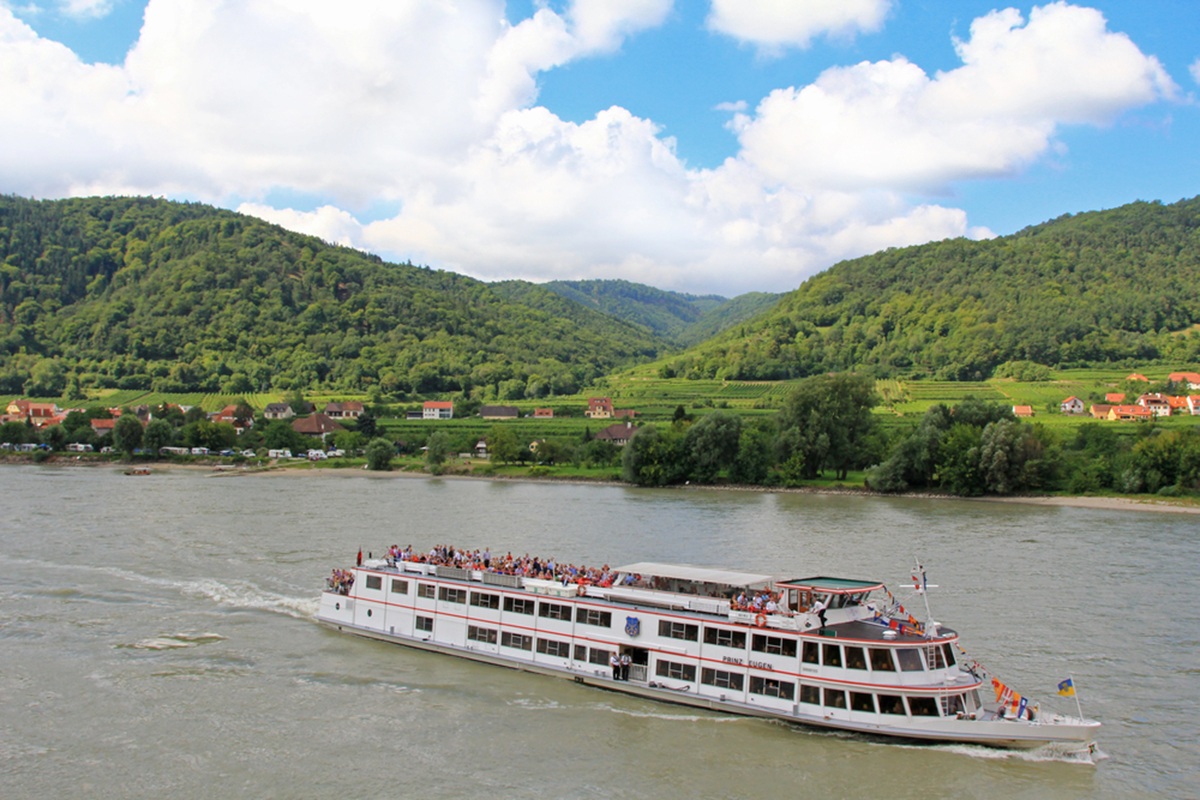
 The drought and heatwaves affecting Europe are driving down the water levels of the Danube and Rhine, disrupting certain river cruises.