
Travelers’ Concerns Evolve: Health, Cancellations, and Assistance Top the List


© Sharmaine Monticalbo / Pexels

CroisiEurope


The behavior of French travelers has profoundly changed in recent years. Repeated flight delays and cancellations during peak periods, extreme weather events that disrupt certain stays, geopolitical tensions and an increased sensitivity to health issues have made safety and flexibility genuine booking criteria.

This evolution directly challenges tourism professionals.


Key takeaways:

● Travelers place increasing importance on health, cancellation policies, and assistance before booking a stay.

● Unforeseen events related to transport, geopolitical situations, weather events or medical issues reinforce this demand for security.

● Tourism professionals are tasked with better informing their clients about available protection solutions.


Health remains the primary concern before a trip

The medical costs abroad can reach tens of thousands of euros depending on the destination, especially in the United States or Southeast Asia. Travelers are also increasingly aware that a single incident—a appendicitis, a bad fall while hiking, or several days in hospital after food poisoning—can quickly upset a trip’s budget. This financial reality has heightened attention to health considerations before departure.

Access to care and cost of consultations

In many destinations, access to care is neither immediate nor free for a foreign national. A simple consultation can cost several hundred euros outside the European Union, and hospitalization can quickly become a major expense. The European Health Insurance Card offers partial coverage in member countries, but it does not apply outside the European area.

Facing these realities, travelers ask more about protections available before leaving. Comparing various travel insurance options, such as those offered by AXA Travel Insurance, helps identify guarantees suited to the destination, the type of stay, and the traveler’s profile, depending on the chosen coverage.

Medical assistance and repatriation

The medical repatriation represents one of the highest cost items in case of a serious accident abroad. Depending on the type of trip and the destination, arranging it may require a medically equipped aircraft and international coordination.

Longer stays, itinerant travel, and the growth of outdoor activities also contribute to increasing attention to this coverage.

Travelers are increasingly aware that national social protection does not cover these situations. On-site medical assistance, available 24/7, has thus become a criterion of choice for a growing share of travelers, especially for trips outside the Schengen area or family journeys.


Cancellations and transport disruptions worry travelers more

In Europe, Regulation CE 261/2004 obliges airlines to compensate passengers for significant delays or flight cancellations caused by them, but these obligations do not cover every possible scenario.

Trip cancellations and financial consequences

A trip cancellation rarely results in a full refund without strings attached. Cancellation fees vary by providers, timing, and general sale conditions. For a stay worth several thousand euros, the financial loss can be significant. Travelers are increasingly proactive at booking, checking cancellation terms offered by agencies and tour operators.

Delays, strikes and weather events

Disruptions linked to crew strikes, or airspace closures are not always subject to compensation obligations by carriers.

These so-called “extraordinary” events are often excluded from European regulatory frameworks. Travelers must then cover extra costs themselves: hotel nights, meals, a new ticket. This reality fuels a growing demand for flexibility and additional guarantees, depending on the type of trip involved.


Assistance has become a real reassurance criterion

Recent studies on traveler behavior show that assistance and handling of unforeseen events occupy an increasingly important place in the criteria for selecting travel protection. Beyond financial compensation, travelers primarily seek quick and easily accessible support when an incident occurs abroad.

It means being able to readily contact a human interlocutor, able to provide advice and help reorganize the trip in case of disruption, or to coordinate on-site procedures. This rising emphasis on service is reshaping how offers are evaluated, whether for business travel or leisure stays, depending on the traveler’s profile.


Beyond price, a more holistic approach to traveler protection


FAQ on travelers’ protection expectations

What are today the main concerns of travelers before departure?

Travelers cite health, cancellations, and transport disruptions as the main worries. These concerns vary by destination, trip type, and traveler profile. The availability of responsive assistance has also become an important decision factor, especially for long-haul stays.

Do carriers cover all contingencies in case of disruption?

No. The European Regulation CE 261/2004 imposes compensation obligations on airlines for delays or cancellations caused by them, but it excludes extraordinary circumstances such as external strikes, extreme weather conditions, or airspace closures. In those cases, additional expenses remain the passenger’s responsibility, unless extra guarantees are purchased.

Is a bank card enough to cover travel contingencies?

High-end bank cards sometimes include assistance or cancellation protections, but their limits, waiting periods, and exclusions vary by bank and card type. They do not automatically cover all risks, notably high medical costs outside Europe or medical repatriation. It is advisable to check the exact terms before traveling.

How are travel agencies adapting to new protection expectations?

Tourism professionals are progressively incorporating a protection advisory into their sales process. This involves better information on formalities, greater transparency about included guarantees, and personalized support before and during the trip. The digitization of assistance services also facilitates real-time management of unforeseen events.
The Coolest Neighborhood in the World in 2026 Is in South Korea, Only One French Neighborhood Makes the List

It is a valuable gauge for your upcoming travels. Each year, Time Out magazine releases its ranking of the world’s best neighborhoods. Places where locals feel understood, supported by their neighbors and shopkeepers, and where tourists can discover a real sense of authenticity. Time Out’s experts, each in their own country, have compiled the list of the planet’s coolest districts.

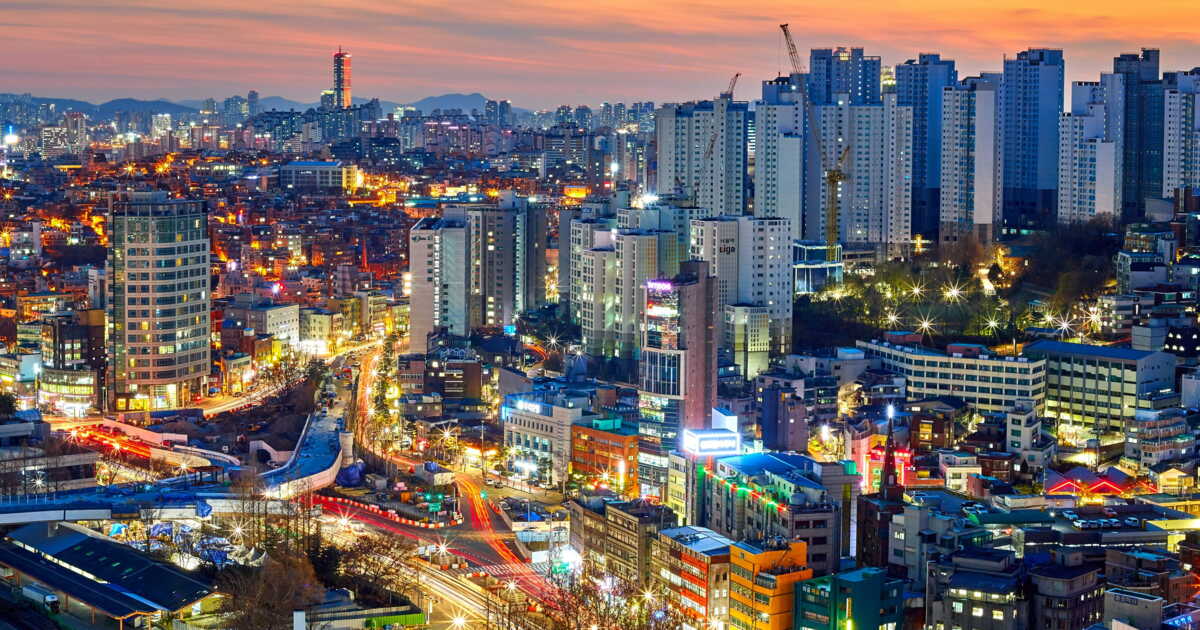
The big winner this year is Jongno 3-ga. This district in Seoul, the capital of South Korea, captivated Time Out editors with its narrow lanes and affordable shops. You’ll find small stalls for a quick bite, cafés to linger in all afternoon while enjoying pastries, and shops selling jewellery, clothing or perfumes. According to the publication, autumn is the best season to visit Jongno 3-ga. The gingko trees are then crowned with orange hues.

Rabat earns its moment in Time Out’s ranking

In second place, the Ocean neighborhood in Rabat, Morocco. Time Out particularly appreciates the seafront promenade lined with palm trees. The spot is mainly beloved by locals for the moment, but that is beginning to change slightly, with the installation of large hotels and cultural centers, partly aimed at tourists. In third place sits Neos Kosmos, in Athens. It’s the first European district to appear on the list. It’s best to avoid visiting there in summer.

According to the magazine, the American neighborhood worth a detour is Chinatown, in Los Angeles, in fourth place. The editors applaud its ability to “constantly reinvent itself” while continuing to “honor its history.” A place where you can find both long-standing Asian shops and restaurants and newer, trendy coffee shops. It’s best to visit during the Lunar New Year celebrations to see the parade!

The coolest neighborhood in Paris is in the 12th arrondissement

To see the first, and only, French neighborhood on the list, you have to scroll down to 30th place. There you’ll find the Aligre district in the 12th arrondissement of Paris. The authors of the ranking praise its famous covered market — which has existed since 1779 — its shops and its distinctly familial and welcoming atmosphere.

The full ranking is available on Time Out’s site. It could give you ideas for your next adventure, or perhaps for a weekend in a European city.

Why the D-Day Beaches and Cathar Castles Were Inscribed on the UNESCO World Heritage List

The Normandy D-Day beaches and the Royal Fortresses of Languedoc in the south of France, better known by their former name ‘Cathar Castles’, were inscribed on Sunday as UNESCO World Heritage.

Across just over 80 km of coastline, between the Manche and Calvados departments in the northwest of France, the Allied D-Day beaches of June 6, 1944 were the scene of a decisive battle to liberate Europe from Nazism and bring World War II to an end.

These beaches “are directly and physically associated with the Landing (…) which played a decisive role in the liberation of Western Europe from Nazi occupation”, recalled a representative of UNESCO’s International Council on Monuments and Sites (Icomos) at the session in Busan, South Korea. This ensemble of sites “symbolically commemorates the immense human sacrifice that was made to overturn an authoritarian occupation deeply rooted in Europe”, she continued.

The nomination concerned the five D-Day beaches known by their code names Utah, Omaha, Gold, Juno and Sword, but also Pointe du Hoc, site of decisive fighting, the German Longues-sur-Mer artillery battery, and the artificial port of Arromanches-les-Bains, known as Port Mulberry, made up of enormous concrete caissons built in England to facilitate Allied logistics.

Numerous military cemeteries and commemorative monuments are associated. “We’re super happy, because we didn’t believe it would happen”, said AFP to the president of the Normandy Region, Hervé Morin, who was present in Busan for this bid launched in 2006. “There is no more prestigious label than this” he praised, estimating that it could bring 20% more tourists to the sites. “An immense pride for Normandy and for France!” rejoiced the Minister of the Armed Forces, Alice Rufo, on X.

Two inscriptions, two histories that marked France

The president of the Aude department, Hélène Sandragné, also welcomed UNESCO’s listing of the Royal Fortresses of Languedoc, calling it a “lever” for tourism and economic development. “It will increase our attractiveness and Aude needs it”, she told AFP.

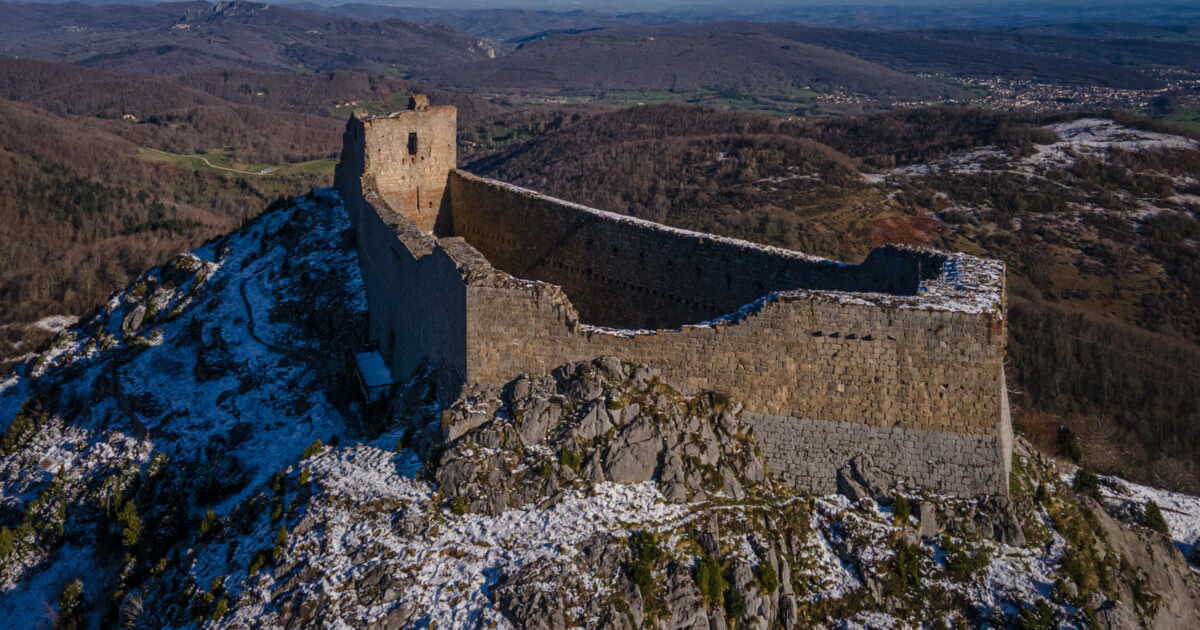
Often perched atop steep rocky crags, the eight fortresses, including Montségur in Ariège and Peyrepertuse or Quéribus in Aude, were built after the Albigensian Crusade (1209-1229), when part of Languedoc fell under royal domain.

Some of these sites had previously served as refuges for the Cathars accused of heresy. With these fortresses, the King of France aimed to keep an eye on the local population still deemed dissident and to monitor the Kingdom of Aragon, located just a few tens of kilometers from Quéribus or Peyrepertuse.

The fortresses were administered by a seneschal based in the Cité of Carcassonne, itself rebuilt at the same time and already inscribed on the World Heritage list in 1997. Considered as an “central element of the defensive system”, its castle and ramparts are also part of these eight monuments now on UNESCO’s list.

“These fortresses attest to the exceptional adaptation of military architecture to topographical constraints and the emergence of new forms of territorial organization by the French monarchy”, UNESCO said.

“Irony of history, these fortresses which yesterday broke the rebellious ardor of the people of Languedoc will give them a new momentum tomorrow” also declared Mrs. Sandragné, who sees in this distinction an asset for the “preservation and restoration” of these citadels.

For Fabrice Chambon, a guide at Montségur castle, where more than 200 “heretics” were burned in 1244 before the fortress we visit today, the erasure of the word “Cathar” has “moved quite a few people”. A petition by opponents to this renaming was signed by nearly 9,400 people.

With these two new sites inscribed on the World Heritage list, “France now has 56 UNESCO-listed properties. It is a pride, but also a responsibility”, said the Culture Minister Catherine Pégard to AFP.