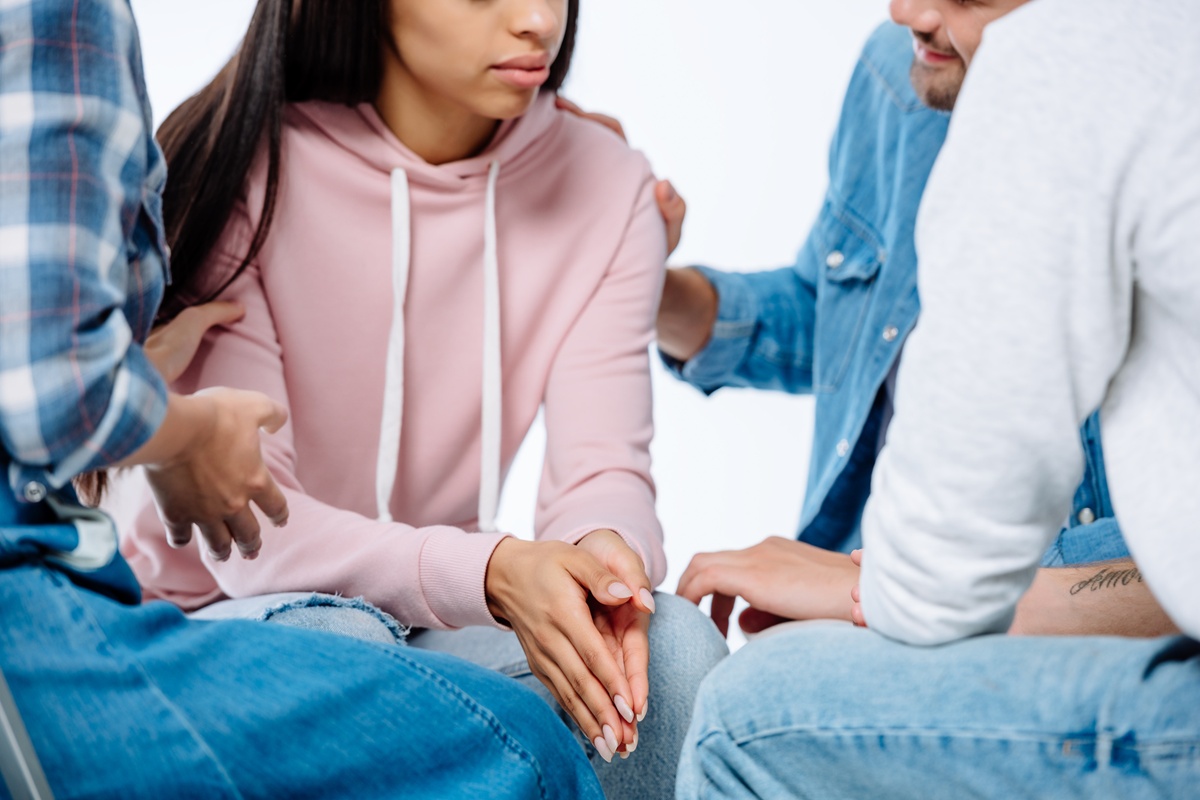


Professionals in educational stays are increasingly confronted with situations related to the mental health of young people.
This finding, reported by UNOSEL members (National Union of Organizations for Educational, Linguistic and Language-Training Stays), led the association to develop a tool dedicated to stay facilitators and directors.
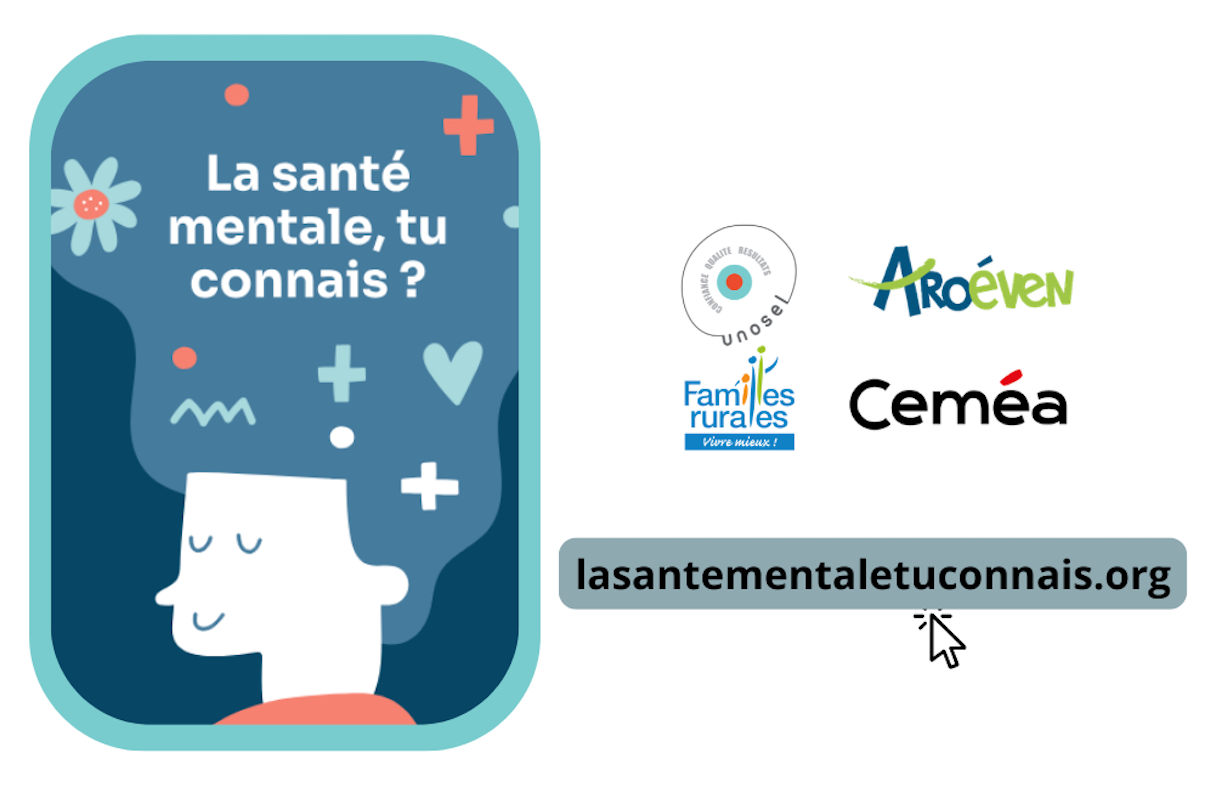
After a first version launched in March 2025, the organization now unveils a fully redesigned web application, created in partnership with the Federation of Aroéven, Familles Rurales and the CEMEA, with the support of the Ministry of Youth.
Freely accessible, the web application was designed to meet the specific constraints of holiday camps, language stays and other collective stays for minors.
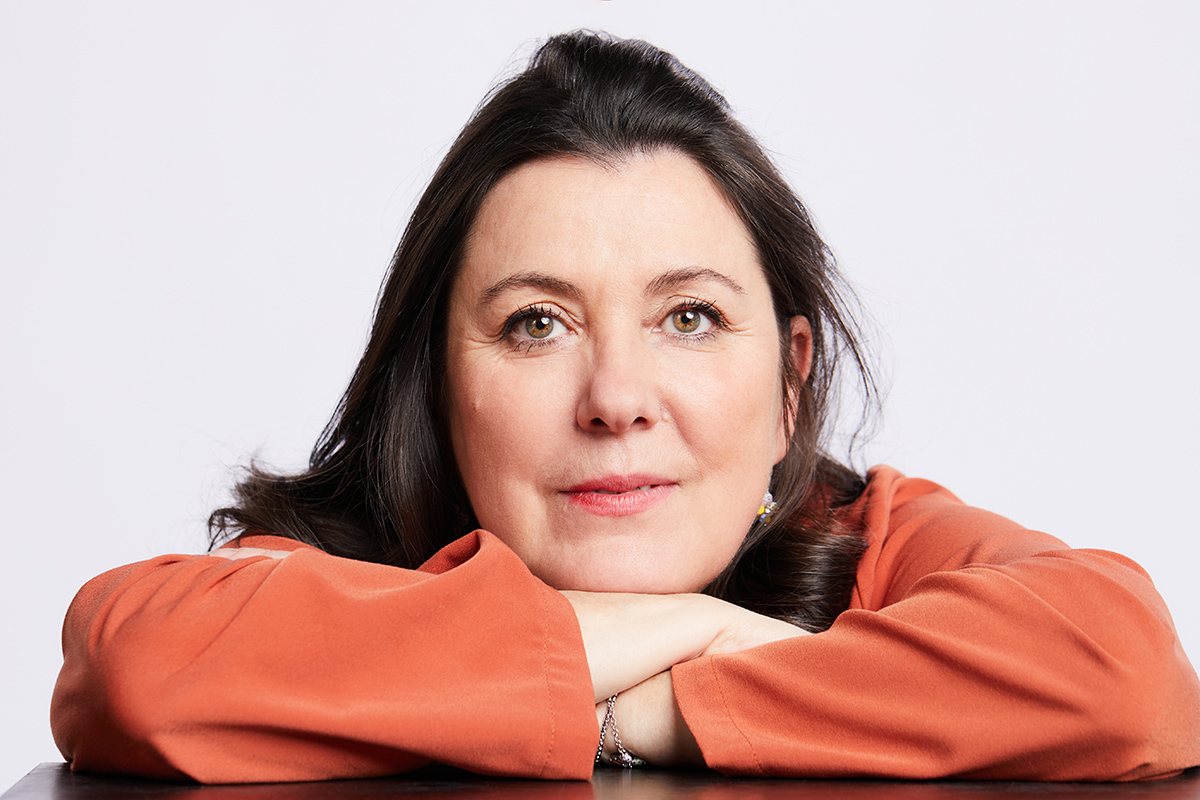
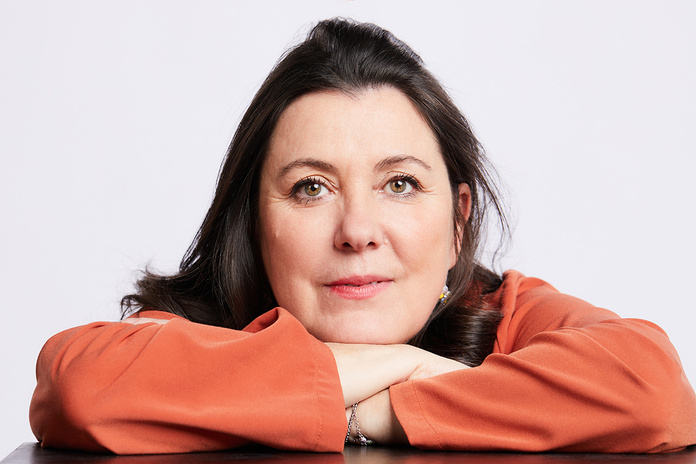
“We have observed, thanks to feedback from our member organizations, that the stay counselors and directors were facing youths presenting increasing mental health difficulties, particularly since the post-Covid period“, explains Sabine Bonnaud, general delegate of UNOSEL.
This finding, reported by UNOSEL members (National Union of Organizations for Educational, Linguistic and Language-Training Stays), led the association to develop a tool dedicated to stay facilitators and directors.
After a first version launched in March 2025, the organization now unveils a fully redesigned web application, created in partnership with the Federation of Aroéven, Familles Rurales and the CEMEA, with the support of the Ministry of Youth.
Freely accessible, the web application was designed to meet the specific constraints of holiday camps, language stays and other collective stays for minors.
“We have observed, thanks to feedback from our member organizations, that the stay counselors and directors were facing youths presenting increasing mental health difficulties, particularly since the post-Covid period“, explains Sabine Bonnaud, general delegate of UNOSEL.
A tool designed for on-the-ground realities
The goal is not to turn activity teams into healthcare professionals, but to provide them with simple reference points to adopt the right reflexes.
“The idea is to give facilitators a first slate of knowledge in about twenty minutes to understand what mental health is, to know the main conditions, and above all to know how to respond,” explains Sabine Bonnaud.
The application gathers practical sheets, videos, additional resources, and links to specialized organizations.
Users can consult it before departing on a stay to train quickly, but also during the stay, directly from their smartphone.
In case of doubt about a situation, they can access in a few clicks thematic sheets, notably on eating disorders or risky behaviors, as well as the steps to follow and the contacts to reach.
“The idea is to give facilitators a first slate of knowledge in about twenty minutes to understand what mental health is, to know the main conditions, and above all to know how to respond,” explains Sabine Bonnaud.
The application gathers practical sheets, videos, additional resources, and links to specialized organizations.
Users can consult it before departing on a stay to train quickly, but also during the stay, directly from their smartphone.
In case of doubt about a situation, they can access in a few clicks thematic sheets, notably on eating disorders or risky behaviors, as well as the steps to follow and the contacts to reach.
More and more frequent situations
According to UNOSEL, the difficulties faced by activity teams have grown in recent years. “We have had very strong field feedback from our member organizations, who explained that they were welcoming more and more young people who were not well off, sometimes without their situation being noted on the health form“, stresses Sabine Bonnaud.
Some situations involve youths already followed before their departure, but whose treatments or difficulties were not communicated to the organizers.
Others appear directly during the stay. “Feeling unwell does not stop because you pack your suitcase and get on a train. Anything that can happen in daily life can also happen in a holiday camp.”
Being away from the family environment can sometimes encourage the expression of difficulties that had been invisible until now. “Young people make huge efforts to hide their suffering on a daily basis. On stay, in a new environment, they may confide more or reveal signs that had not been detected before.”
In the most concerning situations, families are informed and the usual health procedures are implemented.
Some situations involve youths already followed before their departure, but whose treatments or difficulties were not communicated to the organizers.
Others appear directly during the stay. “Feeling unwell does not stop because you pack your suitcase and get on a train. Anything that can happen in daily life can also happen in a holiday camp.”
Being away from the family environment can sometimes encourage the expression of difficulties that had been invisible until now. “Young people make huge efforts to hide their suffering on a daily basis. On stay, in a new environment, they may confide more or reveal signs that had not been detected before.”
In the most concerning situations, families are informed and the usual health procedures are implemented.
A free tool open to all organizers
The first version of the tool, developed in 2025, had already been widely adopted by several stay organizers, who integrated it into their training.
“Being an facilitator comes with a lot of responsibility. Many are 16 or 17 years old, have just obtained their BAFA, and may confront very complex situations. Providing them with a simple and engaging tool is a real support“.
The application is free and does not require UNOSEL membership or membership in the partner associations to access it. The content was developed with INFIPP, a training organization specialized in providing its scientific expertise and validating the disseminated content.
UNOSEL already plans to evolve the platform based on user feedback after the summer holidays and upcoming stays.
“We welcome field feedback to progressively enrich the application with new practical cases and situations encountered by the teams,” says Sabine Bonnaud.
“Being an facilitator comes with a lot of responsibility. Many are 16 or 17 years old, have just obtained their BAFA, and may confront very complex situations. Providing them with a simple and engaging tool is a real support“.
The application is free and does not require UNOSEL membership or membership in the partner associations to access it. The content was developed with INFIPP, a training organization specialized in providing its scientific expertise and validating the disseminated content.
UNOSEL already plans to evolve the platform based on user feedback after the summer holidays and upcoming stays.
“We welcome field feedback to progressively enrich the application with new practical cases and situations encountered by the teams,” says Sabine Bonnaud.
 Written by Amelia Brille TourMaG.com Editor
 See all articles by Amelia Brille


Add TourMaG to your Google News feed 


 In the forefront of these places that foster encounters with “the beautiful,” museums are no longer content with simply engaging the public; they now pair the experience with a palette of wellbeing practices capable of multiplying positive sensations in our brain and body.