From the week’s press review dated August 31, 2026:
Spain: Europe’s leading destination for overnight stays in the first half of the year
Thailand: visa-free stays reduced to 30 days
The battle for Chinese tourists now unfolds in AI responses
Istanbul: hair transplant tourism is now focusing on the experience
Mexico accelerates its hotel expansion
Ryanair trims its ambitions amid soaring fuel prices
Southwest Airlines accelerates its premium shift
Odd! Cruises: long-haul travel scales up
Spain: Europe’s leading destination for overnight stays in the first half of 2026
Spain tops the European ranking for tourist overnight stays in the first six months of 2026, just ahead of Italy, according to Eurostat data.
The European Union logged 1.321 billion overnight stays between January and June. The data also measure the dynamics of domestic and international visitors by country.
A note: hosteltur.com
Thailand: visa-free stays reduced to 30 days
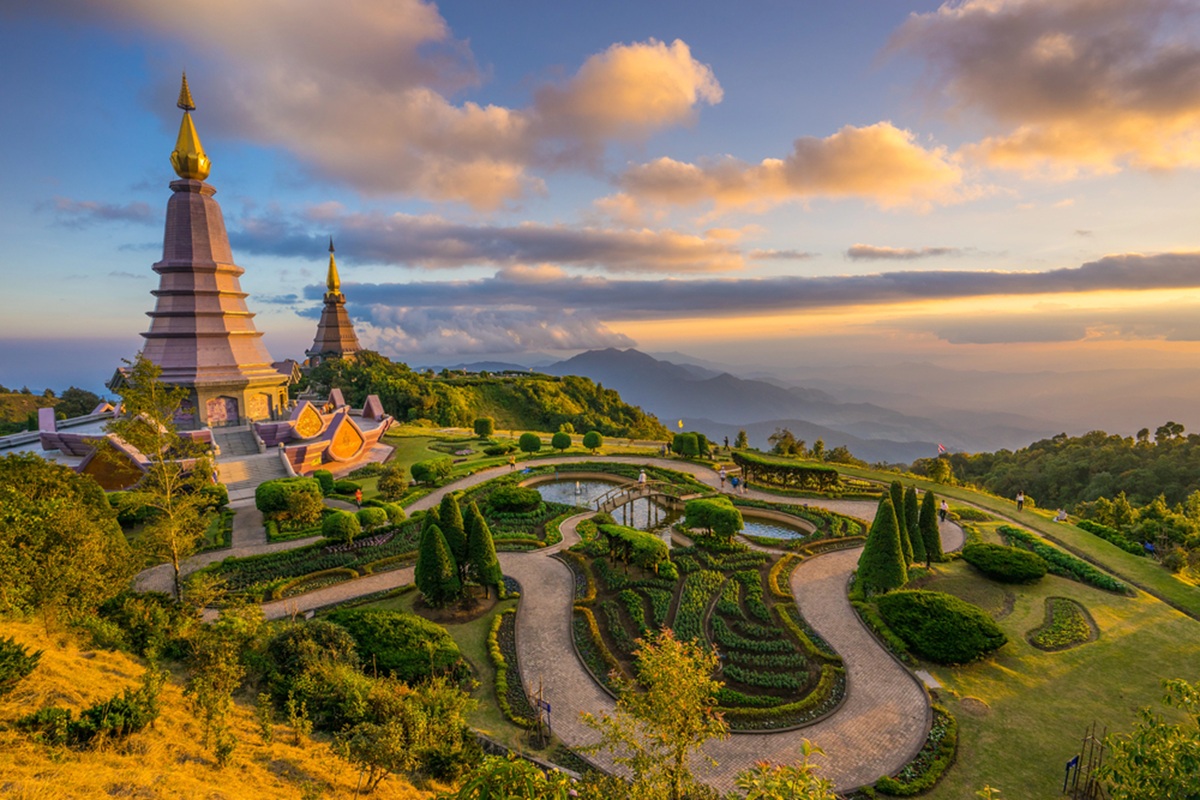
From September 15, 2026, Thailand will cut visa-free stays from 60 days to 30 days for nationals of 60 countries, including France.
The measure aims to curb abuses of the scheme and visa runs. Land entries will also be limited to two per year for most of the affected countries.
Source: bangkokpost.com
The battle for Chinese tourists now plays out in AI responses
A study conducted on five major Chinese chatbots shows that AI could profoundly reshape the competition between destinations. The challenge is no longer merely to be chosen by the traveler, but to be cited by AI in its initial selection.
For tourism offices, airlines, hotels and agencies, a new challenge thus emerges: to optimize their visibility with AI so as not to disappear from the “shortlists” generated before the traveler even starts their search.
More information on the site skift.com
Mexico accelerates its hotel expansion
Ryanair trims its ambitions amid soaring fuel prices
Ryanair lowers its 2027 traffic target from 216 million passengers to 214 million and will broadly maintain capacity this winter to limit losses.
The airline, whose 80% of fuel needs are hedged through March 2027, warns that the sustained rise in oil could weaken less-protected competitors and lead to a noticeable increase in European fares.
More information can be found on the Reuters website
Southwest Airlines accelerates its premium shift
Southwest Airlines will open its first premium lounges by the end of 2027, with at least 11 deployments planned.
Linked to a new premium credit card, these lounges illustrate the carrier’s pivot as it seeks to attract a more affluent clientele and gradually distance itself from its historic low-cost model.
Read on nytimes.com
Odd! Cruises: long-haul travel scales up
The Regatta kicks off a record-breaking 371-day cruise, with 220 port calls in 62 countries, offered at around €65,700 per person.
An ultra-premium product offered by Explorations by Norwegian that illustrates the growth of long-duration cruises and new offerings targeting a high-spending clientele.
With a clearly experience-driven approach focused on creating authentic and deeply human experiences, Xplore Mexique positions itself as a key partner for discovering Mexico in a different, authentic way. A specialist in tailor-made travel, the agency designs exclusive, high-value itineraries for tour operators and tailor-made travel agencies, enabling them to offer their clients unique, personalized, and safe stays. Because of a lack of knowledge or fear of promoting the destination due to security concerns in certain regions, travel agencies often focus on beach stays along the Riviera Maya, offering only a few excursions from the hotel. Xplore helps agencies offer more than a simple beach stay, with alternatives such as self-drive circuits or chauffeur-guided private tours with a French-speaking guide. Xplore can guide the travel agent according to budget, the clients’ desires and their expectations, taking the time to explain each step and providing a quote with a highly detailed day-by-day program.
The Treasures of Yucatán
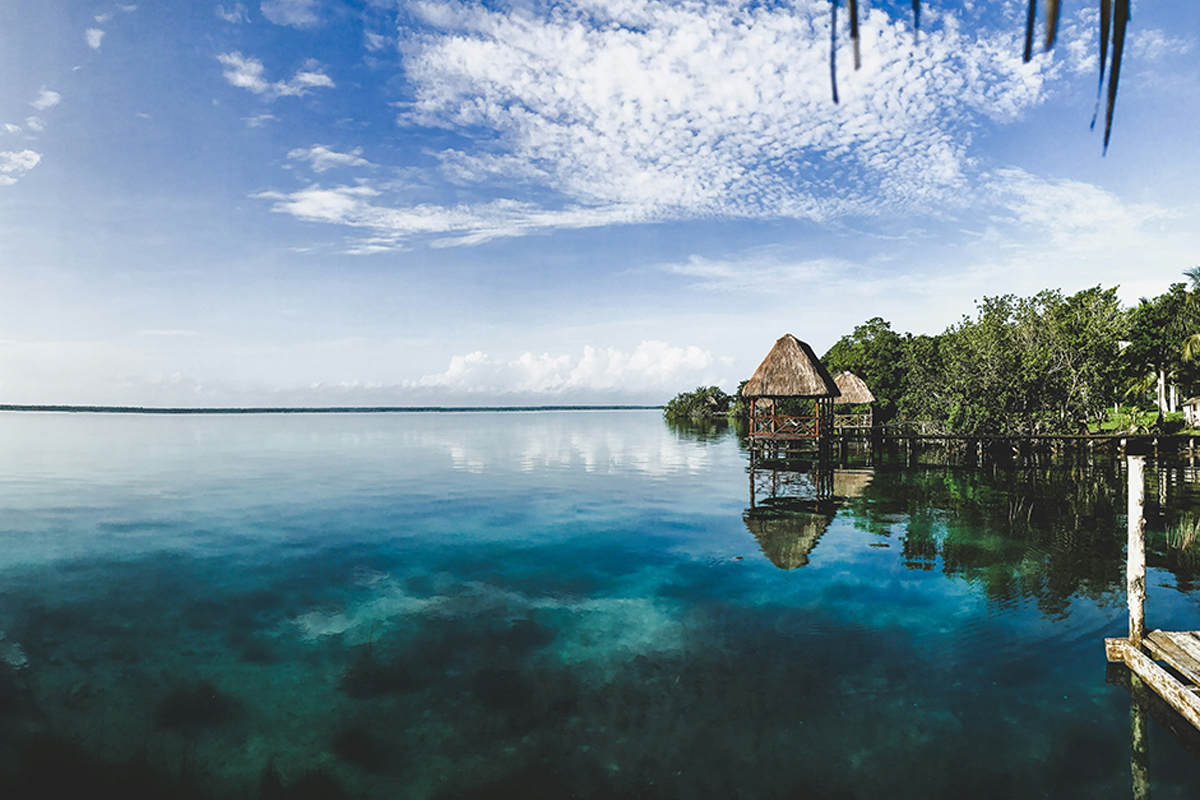
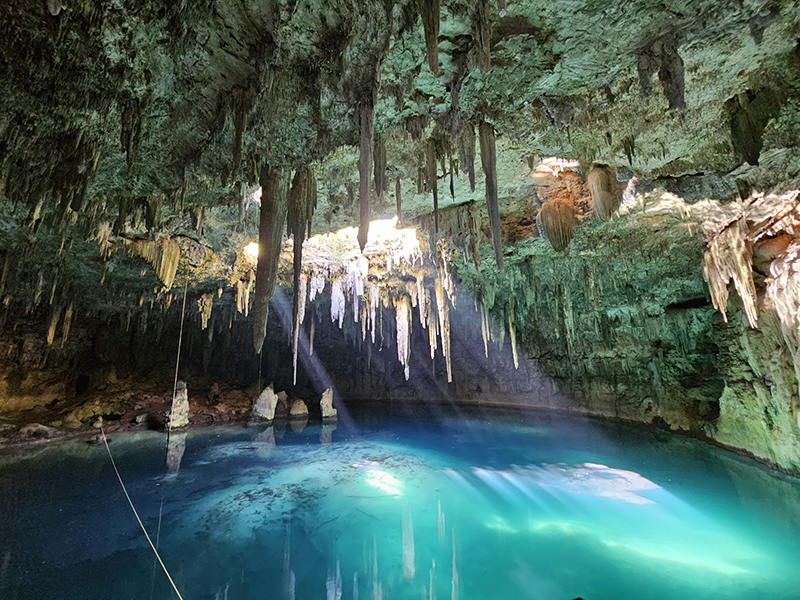
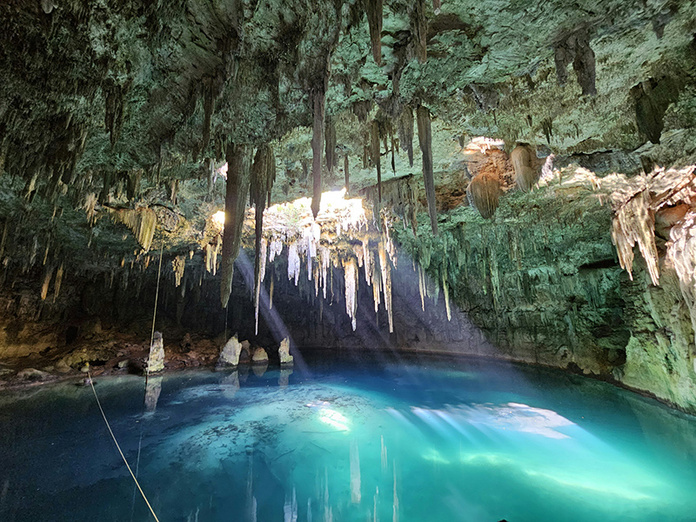
Far from the country’s busiest zones, Xplore Mexique offers an immersion into the heart of a more authentic and preserved Yucatán, where Maya traditions still express themselves fully within generous nature. Travelers discover places of charm and mystery such as the colonial towns of Mérida and Valladolid or the secret cenotes scattered through the jungle. Major archaeological sites like Uxmal and Chichen Itza and natural reserves such as Rio Lagartos, Sian Ka’an, or the Bacalar lagoon are part of the essential steps and visits of this journey, which can be done as a guided group tour or as a self-drive. Indeed, thanks to its relatively flat map and the incomparable security in the rest of the country, the Yucatán Peninsula lends itself perfectly to the self-drive formula. Clients are supported remotely by part of the on-site team who assist them seven days a week via WhatsApp, ensuring a high-end concierge service.
In Mérida, the cultural capital of Yucatán, colonial architecture blends with Maya heritage and a vibrant artistic atmosphere flourishes. The itinerary continues toward Valladolid, a city with a spiritual character deeply rooted in local traditions. Here, travelers discover colorful markets, partake in ancient cultural rituals and soak up daily life shaped by Yucatán hospitality.
In the villages and haciendas of Yucatán, time seems suspended: traditional houses, artisan workshops, textile or culinary know-how, and encounters with local communities reveal another, more intimate and vibrant side of Mexico. Finally, the stay ends at the heart of emblematic archaeological sites, such as Uxmal, less famous than the renowned Chichen Itza, but also listed as UNESCO World Heritage, where majestic pyramids and ancient temples bear witness to the grandeur of the Maya civilization.
The accommodations selected reflect this authenticity, notably in historic haciendas or lodges integrated into nature, combining traditional charm with contemporary comfort. This unique itinerary attracts travelers seeking beauty, meaning, and emotion, through local cuisine, cultural immersion, spectacular landscapes, and millennial heritage.
The Cultural and Natural Riches of Chiapas
Located at the border with Guatemala, the state of Chiapas stands out for its lush nature, a deeply living cultural heritage, and remarkable archaeological wealth. This mountainous region captivates with its primary forests, generous cacao plantations, dense jungles, and iconic Maya sites. A land of ancestral traditions, Chiapas is also home to a large Indigenous population—nearly a third of its inhabitants—who carry on a unique cultural legacy, offering travelers an authentic and vibrant immersion in the heart of Mexico.
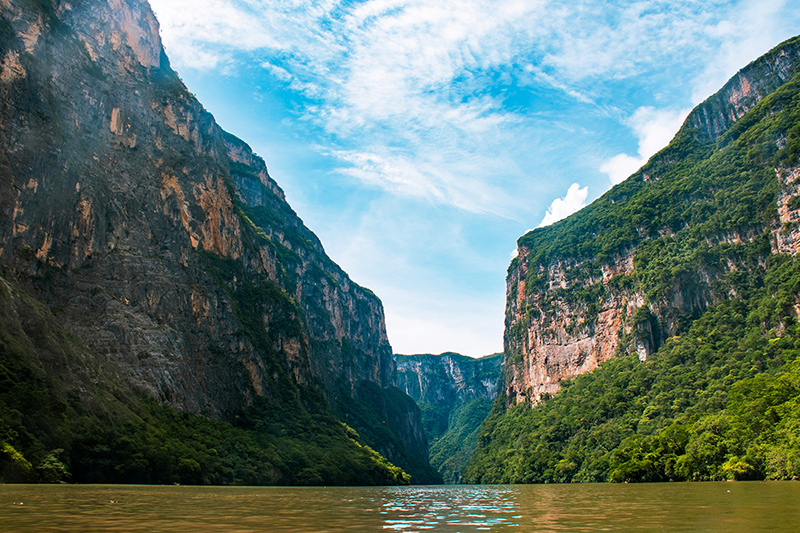
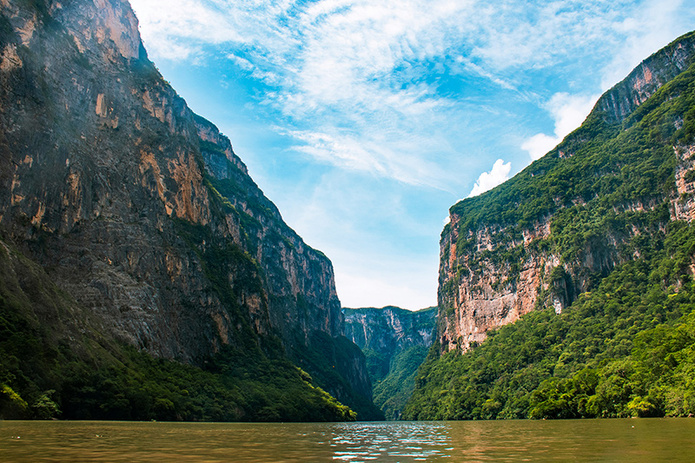
The enthusiasts of vast spaces will be seduced by Chiapas’ abundant nature, where flora and fauna of incredible diversity thrive. Among the must-see wonders, the Sumidero Canyon stands out as one of Mexico’s most spectacular sites, with vertigo-inducing cliffs rising more than 500 meters above the river. Further south, Lake Montebello unveils a collection of azure lakes, a true sanctuary of tranquility once an important site for the Maya organization.
As you travel through Chiapas, you will discover ancient crafts, authentic gastronomy, and a palpable Maya presence at every moment. The region is also rich in colonial towns, the most emblematic being San Cristóbal de las Casas. Nestled in the heart of a pine-wooded valley, this timeless city charms with its mild climate, cobbled streets, colorful markets, and old houses. A true stronghold of Indigenous cultures, it is surrounded by traditional villages such as Chamula and Zinacantán, essential to understanding the soul of Chiapas.
Exploring Chiapas is a genuine journey through time, a deep immersion in the living Maya heritage. Xplore offers an immersion into a Maya family by taking part in a private cooking class.
Culture and Gastronomy in Mexico City and Surroundings
Mexico is often overlooked as merely a gateway to the country: it is a fascinating capital, vibrant with culture, pre-Columbian history, and colonial heritage. It is an essential first step to dive into the heart of Mexican identity.
The former Aztec capital and symbolic center of the country, Mexico hosts a cultural heritage of exceptional richness: the Museum of Modern Art, the National Anthropology Museum, pre-Hispanic history collections, and Frida Kahlo’s Blue House. The city also stands as a true open-air museum of architecture, blending colonial buildings, pre-Hispanic ruins, and contemporary skyscrapers. Getting lost in its historic center offers a succession of surprising discoveries and lets you ride the wave of the city’s vibrant energy.
Famous for its colonial architecture and pre-Hispanic memory, Mexico is also one of the beating hearts of Mexican gastronomy. Here you can savor Guerrero cuisine as well as cochinita pibil, and pozole, a traditional corn-based soup and meat dish, a true culinary emblem. It’s an opportunity to sample the many Taquerias and Mezcalerias the city has to offer!
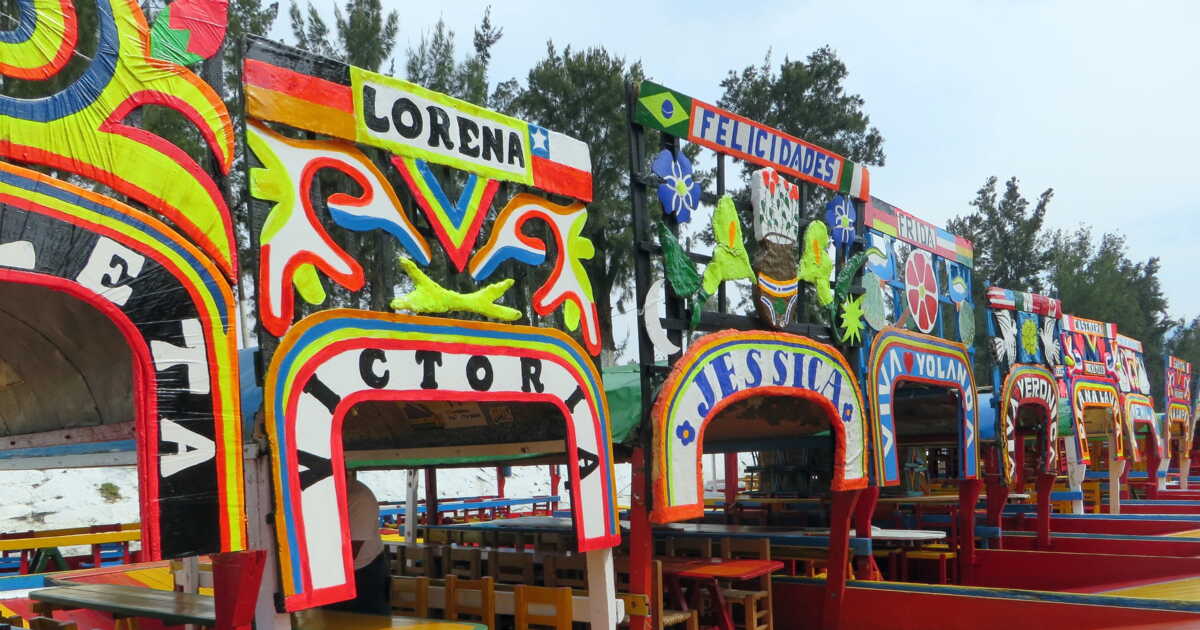
To the south of the city lie the famous Xochimilco canals, the last vestige of the vast water network built by the Aztecs. Often nicknamed the Mexican Venice, this enchanting place is explored aboard trajineras, colorful boats gliding between floating gardens, mariachi musicians, street vendors, and families celebrating, especially on weekends.
Just a few hours from Mexico City stand some of the country’s most emblematic ruins: Teotihuacan with the pyramids of the Sun and Moon, as well as the remarkable sites of Cacaxtla and Xochicalco, grand witnesses of pre-Hispanic civilizations. Xplore particularly offers a sunrise hot-air balloon flight over this exceptional site.
Xplore Mexique, the Leading Mexico Travel Specialist
Discover all offers, travel advice and inspiration here
Mexico City, a fascinating megacity where history blends with a buzzing present. This city with a thousand facets is an invaluable cultural crossroads, offering a multitude of activities ranging from pre-Columbian ruins to contemporary artistic performances. You dream of discovering the treasures of the Mexican capital, but you wonder what to do in Mexico City during your stay? Let’s explore together ten must-see activities and outings.
1. Discover the Plaza de la Constitución and its surroundings
Exploring the Zócalo of Mexico City, also known as the Plaza de la Constitución or the Zócalo, means stepping into the political, religious, and cultural heart of Mexico City. Surrounded by major monuments, this main square perfectly illustrates the layering of eras.
The Metropolitan Cathedral, a masterpiece from the colonial era, faces the National Palace, whose Diego Rivera frescoes trace the city’s history from its pre-Hispanic roots to the Revolution. A few steps away, the ruins of the Templo Mayor, remnants of Tenochtitlan, recall the grandeur of the ancient Aztec capital.
This area serves as a central starting point for any visit to the historic center, whether reached on foot, by the Mexico City Metro, or via the Metrobús, with easy access from hostels or from Mexico City’s airport.
2. Stroll through the neighborhoods of Coyoacán and Condesa
Wandering the tree-lined streets of Coyoacán reveals one of the city’s cultural favorites. This village-like neighborhoodstill marked by the presence of Frida Kahlohosts the Casa Azul, one of the best places to understand the artist’s life and her influence in Latin America. Lively squares, markets, galleries and cafés provide many landmarks for an afternoon of strolling.
Only a few Metro stops away, the Condesa and Roma Norte districts reveal another side of the capital, with renovated skyscrapers, urban parks, Art Deco architecture, and alternative cultural scenes. Parks such as Parque México or Jardín Pushkin provide a tranquil setting between two urban explorations.
3. Explore the National Museum of Anthropology
The National Museum of Anthropology, located at the heart of the Chapultepec Castle Park, is a major reference for pre-Hispanic culture in Latin America. This iconic museum, accessible via the Mexico City Metro, showcases a large part of the treasures from pre-Hispanic cities such as Teotihuacan, Tenochtitlan, and the Zapotec and Maya civilizations.
The journey, organized around a central courtyard, reveals stelae, bas-reliefs, monumental sculptures, and ritual objects, in clear and immersive museography. The institution is also renowned for its ability to make dense content accessible, making it well-suited for both enthusiasts and families. This visit, ideally slotted into an afternoon, remains one of the best things to do in Mexico City.
4. Navigate on a trajinera in Xochimilco
Riding a trajinera on Xochimilco lets you discover the last remnants of the channel network of the pre-Hispanic city of Tenochtitlan. A World Heritage Site, this area lies to the south of Mexico City and offers a festive, cultural, and convivial experience.
The colorful boats, sometimes animated by mariachi musicians, wind between chinampas, those ancient floating agricultural plots. Local cuisine can be enjoyed on board or from the itinerant vendors, in an atmosphere that blends rural traditions with shared enjoyment.
This outdoor excursion is particularly recommended on weekends or for a family afternoon. Access is facilitated by the Metro, supplemented by a short taxi ride or local bus.
5. Attend a lucha libre show
Lucha libre, the city’s emblematic sport tradition, is an integral part of Mexican cultural life. At Arena México, considered the cradle of this discipline, masked wrestlers—athletes and performers—turn matches into captivating stage performances.
Each bout, rhythmically punctuated by the crowd’s cheers, is a moment of popular communion, mixing humor, tension, and meticulously choreographed acrobatics. This unique experience, usually held in the evening, is easily accessible by the Mexico City Metro and can be added to a city exploration during a long weekend.
For a complete package, some agencies even offer excursions that include the ticket, transportation, and explanations of the codes underpinning this show so deeply rooted in Mexican identity.
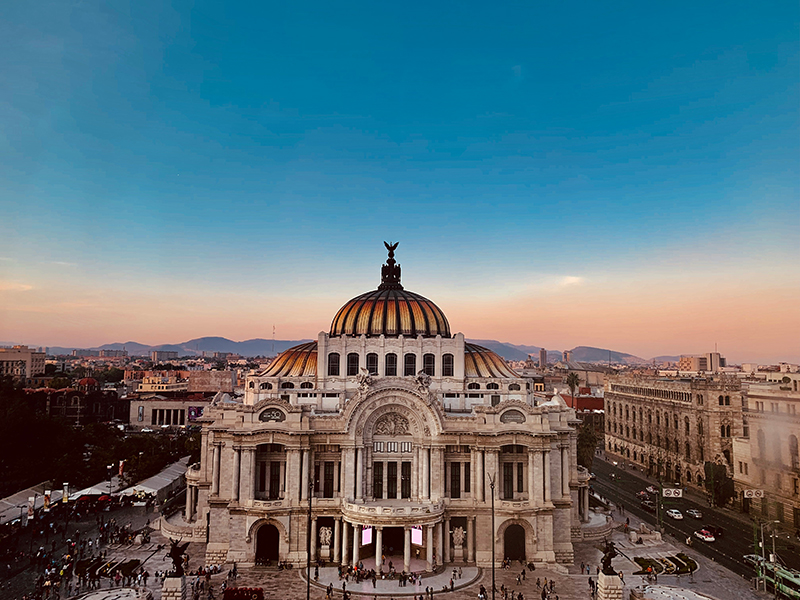
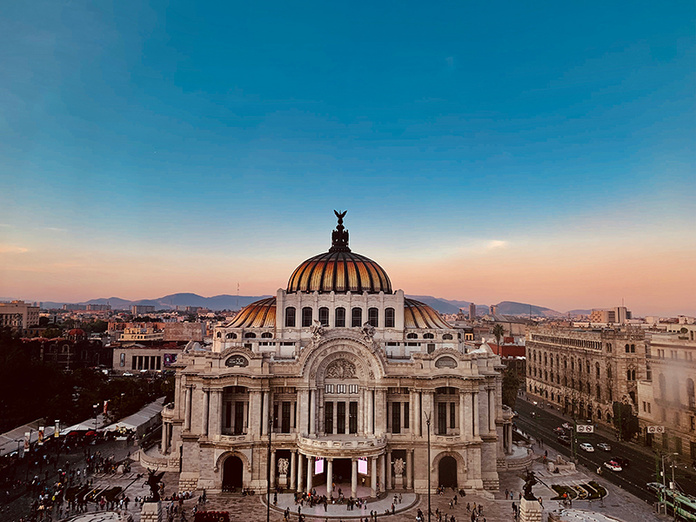
6. Behold the Palacio de Bellas Artes
The Palacio de Bellas Artes, located just steps from the Alameda Central, stands as a symbol of Mexico City and a premier venue for the arts in Latin America. This elegant building with eclectic architecture blending Art Nouveau and Art Deco hosts both temporary exhibitions and permanent performances, including the renowned Mexican folkloric ballet.
Inside, the monumental frescoes by Diego Rivera, Orozco, and Siqueiros offer a striking panorama of the country’s social and political history. The site is accessible by the Mexico City Metro, and its visit easily fits into a cultural stroll through the historic center or the skyscraper district, where the Torre Latinoamericana also stands, offering a unique vantage point over the capital. This palace remains a favorite architectural and cultural highlight for many visitors.
7. Savor the local gastronomy
Tasting Mexico’s local gastronomy means exploring a culinary tradition recognized by UNESCO, rich in flavors and history. In every neighborhood, stalls offer tacos al pastor, tlacoyos, esquites, and other specialties that have made Mexico City famous.
The Craft Market of Coyoacán, in particular, offers a lively and authentic atmosphere to taste the classics. For bolder experiences, the Mercado de San Juan is renowned for its exotic products, prized by chefs and gourmets. This sensory discovery is done on foot, or via the Mexico City subway lines, which facilitate access to many neighborhoods famed for their culinary offerings. An afternoon savoring street specialties can become a true journey within a journey.
8. Take a day trip to the Teotihuacán pyramids
A day trip to the Teotihuacan pyramids is a must to understand the grandeur of the pre-Hispanic city located about fifty kilometers north of the capital. This World Heritage archaeological site houses the impressive Teotihuacan pyramids: the Pyramid of the Sun, nearly seventy meters tall, and the Pyramid of the Moon, which dominates the Avenue of the Dead. These structures testify to the urban and religious advances of a mysterious civilization that preceded the Aztecs.
Visiting Teotihuacan in Mexico also means discovering reliefs, ancient paintings, and ceremonial temples. This full-day excursion, often organized with pickup from central hotels or hostels, is one of the best things to do for any traveler keen on major archaeological sites on the continent.
9. Enjoy parks and green spaces
The city of Mexico City isn’t limited to its museums and monuments: it also hosts some of the world’s largest urban parks, true oases of nature amid dense urban life. Chapultepec Park, often likened to Central Park, is a park with historic buildings, including Chapultepec Castle, and houses several renowned museums. Walks, picnics, and cultural activities enliven this vast green space that spans several square kilometers.
Other parks, such as Parque México in Condesa or the more intimate Pushkin Garden, offer everyday relaxation spaces highly valued by locals. Accessible via the Mexico City Metro or the Metrobús, these green spaces allow for recharging between cultural visits, reminding us that nature retains a significant role in this vast city.
10. Discover local festivals and events
The richness of Mexico City’s cultural calendar is evident through its numerous festivals, some of which are recognized far beyond borders. Day of the Dead, for example, turns the city into a theater of symbols, colors, and memory, with parades, altars, and exhibitions across the historic center.
But throughout the year, events dedicated to the arts, cinema, literature, or music enliven places such as the Palacio de Bellas Artes, the Antiguo Colegio de San Ildefonso, and major squares like the Zócalo de Mexico. These moments are as many opportunities for visitors to experience the city differently, at the pace of its inhabitants. Keeping up with dates can add an unexpected favorite to a weekend or extended stay.
11. Explore the basilica of Santa María de Guadalupe
Visiting the Basilica of Santa María de Guadalupe helps understand one of the most important dimensions of spirituality in Mexico. Located north of the city, near a park with buildings of different religious eras, this basilica attracts millions of pilgrims from across Latin America each year. The architectural complex blends modernity with colonial heritage, in a place marked by devotion and history.
12. Stroll through the La Ciudadela Market of Arts and Crafts
The La Ciudadela market of arts and crafts, often regarded as the most emblematic artisanal market in Mexico City, is a must for discovering the wealth of local crafts. It offers a wide selection of handmade items — embroidered textiles, pottery, traditional toys, or sculptures — reflecting the identity of different regions of the country.
Conveniently reachable from the historic center or Alameda Central, this covered market also allows you to meet artisans and observe traditional techniques. A perfect spot for a half-day excursion that can be combined with a visit to the National Museum of Anthropology or a stroll along Paseo de la Reforma, balancing cultural discovery with leisurely wandering.
13. Admire the architecture of the Soumaya Museum
The Soumaya Museum, recognizable for its daring architecture, ranks among the top things to see in Mexico City for art lovers. Housing an impressive private collection — from Rodin to Dalí, including European and Mexican painters — this striking building with a contemporary design sits in a neighborhood dominated by skyscrapers, illustrating the modernity of a city in constant evolution.
Admission to the museum is free, making it an ideal stop for a cultural afternoon, especially as a complement to a visit to the Museo Nacional de Antropología or a stroll through the historic center. Easily reachable by the Mexico City Metro, the Soumaya Museum enriches your discovery of the capital with a renewed view of its artistic dynamism.
In summary, Mexico City is a destination that captivates with its diversity and cultural wealth. From its picturesque neighborhoods to its historic sites and flourishing dining scene, the city offers a multitude of activities for every taste. By exploring these diverse facets, you’ll discover why Mexico City isn’t just a city to visit, but an adventure to experience to the fullest.
Is it safe to travel to Mexico? A legitimate question to better prepare your stay in the capital
As in any big city, some precautions are advisable, especially in peripheral areas and at night. However, the main tourist areas — the historic center, the Zócalo (also called Zócalo de Mexico), the museums, the urban parks, and archaeological sites like Teotihuacan — benefit from a reinforced police presence. Using the Mexico City Metro, the Metrobús, or private services with organized pickup is common and enables efficient travel. Staying in hostels, central hotels, or near Mexico City’s airport also makes it easier to arrange a guided trip. Safety thus rests as much on information as on the traveler’s common sense.
What to do in Mexico City with kids? Cultural and playful activities for families
Among the essentials, the Chapultepec Castle located in the park of the same name offers an immersion into the colonial era, while being easily accessible by the Mexico City Metro. At its feet, the National Museum of Anthropology, with its life-sized reproductions, its bas-reliefs, and its immersive staging, arouses curiosity even in the youngest visitors. Not far away, some of the world’s largest urban parks provide outdoor breaks. In the historic center, children will enjoy street performances on the Plaza de la Constitución, the murals by Diego Rivera, or the discovery of lucha libre. On weekends, a family excursion to the Teotihuacan pyramids a few kilometers to the north completes an experience that is both cultural and entertaining.
This article was drafted with the help of artificial intelligence, then corrected, expanded, and validated by the newsroom’s journalists.




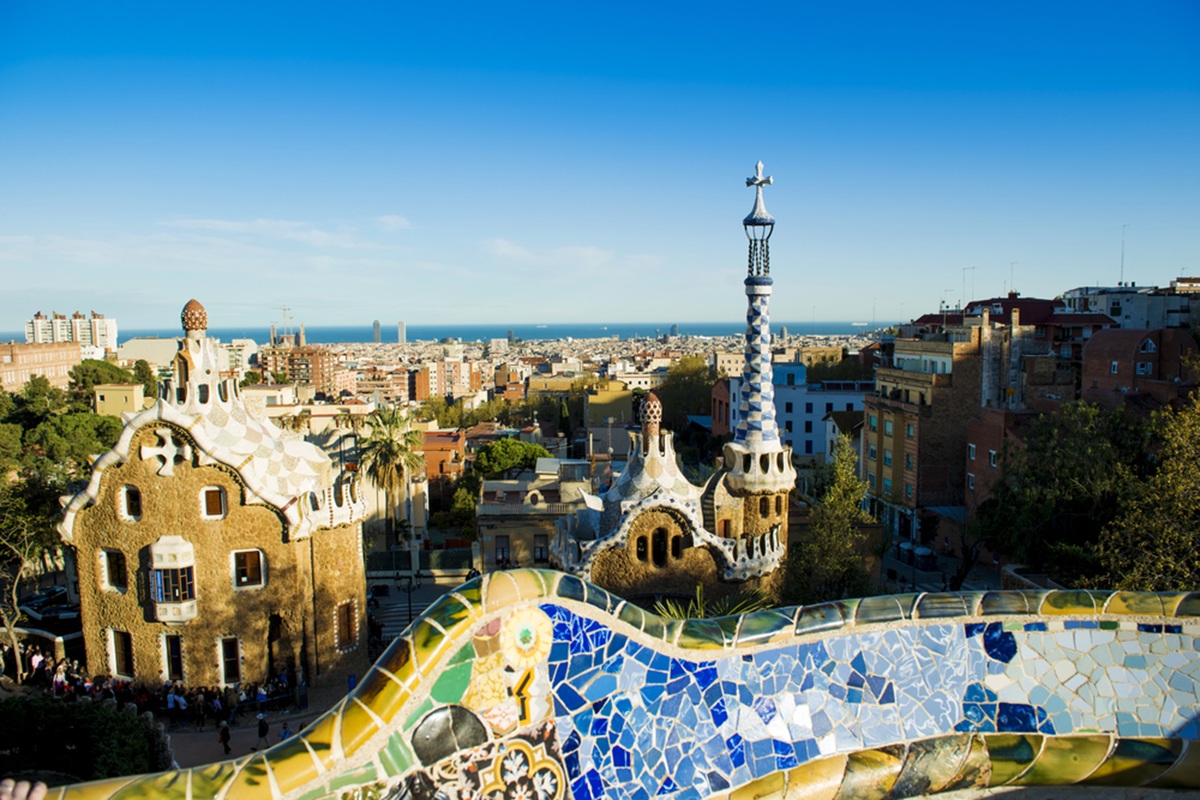
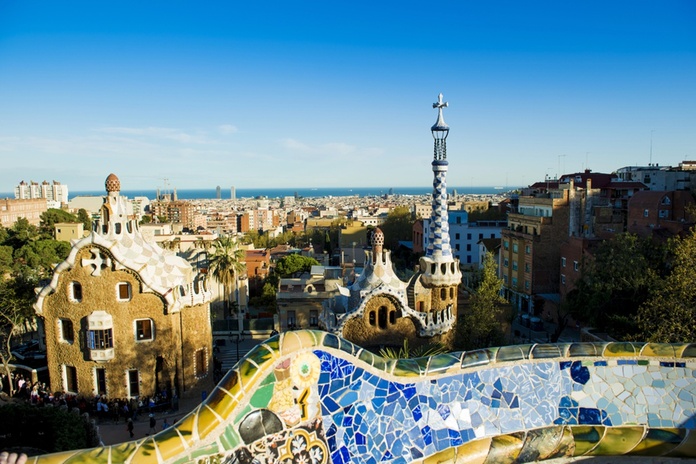
 Spain tops the European ranking for tourist overnight stays in the first six months of 2026, just ahead of Italy, according to Eurostat data.