Trip.com Group et Seat Unique Group ont conclu un partenariat mondial pour proposer des formules d’hospitalité officielles et des expériences VIP à des millions de voyageurs internationaux.
Cette collaboration répond à l’augmentation des déplacements touristiques liés aux événements musicaux et sportifs, les données de Trip.com Group indiquant d’ailleurs que 66 % des voyageurs de la région Asie-Pacifique ont déjà planifié des vacances à l’étranger pour assister à un concert.
L’accord permet désormais d’intégrer de manière fluide des billets VIP pour de grands concerts, des matchs de football ou des Grands Prix de Formule 1 directement sur la plateforme de réservation.
Robin Sherry, PDG de Seat Unique Group, souligne l’importance stratégique de cette alliance : « La façon dont les gens voyagent évolue. De plus en plus, l’important n’est plus seulement la destination, mais les expériences vécues sur place. En nous associant à Trip.com Group, nous offrons à des millions de voyageurs l’accès à des expériences premium officielles lors de certains des plus grands événements sportifs, musicaux et de divertissement au monde, via une plateforme qu’ils connaissent déjà et en laquelle ils ont confiance. »
Cette collaboration permet aux voyageurs de réserver des prestations d’hospitalité issues directement d’un réseau de plus de 140 détenteurs de droits officiels.
Pour ces partenaires (clubs de football, organisateurs et salles de spectacle), l’accord ouvre un canal de distribution direct auprès d’une très large audience internationale planifiant déjà des séjours vers le Royaume-Uni et l’Europe.
A direct distribution channel connected to the major players in sports and entertainment
L’offre premium qui sera déployée sur Trip.com dans les prochains mois s’appuie sur des relations directes avec des entités de premier plan telles que l’Arsenal FC, le Real Madrid, l’AC Milan, l’Everton FC, Co-op Live, KMJ Entertainment ainsi que la majorité des Grands Prix de Formule 1.
De plus, Seat Unique Group bénéficie du soutien de figures du sport et du divertissement via des structures comme The Players’ Fund et The Artists’ Collective. Parmi ces soutiens figurent notamment Harry Kane, Ben Stokes, Dame Jessica Ennis-Hill ou encore Jack Whitehall.
M. Bo Sun, directeur marketing de Trip.com Group, résume cette ambition : « Le voyage axé sur l’expérience redéfinit la manière dont les gens planifient leurs séjours. Les voyageurs organisent de plus en plus leurs excursions autour des moments qui comptent le plus pour eux. Les événements en direct illustrent parfaitement cette évolution. Grâce à ce partenariat, nous permettons aux fans de se rapprocher de certaines des expériences les plus passionnantes au monde dans les domaines du sport, de la musique et du divertissement. »
4. Dive into the Heart of Ranomafana National Park
5. Venture into the Bemaraha Tsingy Strict Nature Reserve
6. Experience a Cultural Immersion in Antananarivo
7. Discover Nosy Sakatia Island
8. Visit Lemurs’ Park
9. Hike in Mantadia National Park
10. Marvel at Tsingy Rouge Park
Is Madagascar Worth Visiting? A Destination with Unique Biodiversity to Discover with Preparation
What Budget to Plan for 15 Days in Madagascar? Between Local Realities and Logistical Costs
How Much Time Does It Take to Visit Madagascar? The Scope of a Trip on an Island Continent
What to Do in Madagascar with Children? A Pedagogical Adventure at the Heart of Accessible Nature
Off the African coast, Madagascar unfolds as a land where each region reveals a different face. From hikes in spectacular ranges, to paradisiacal islands and encounters with wildlife found nowhere else, the island offers a multitude of experiences that captivate both nature enthusiasts and travelers in search of authenticity.
1. Lose Yourself in Isalo National Park
Located in the southwest of Madagascar, the Isalo National Park is one of the island’s most iconic natural sites, renowned for its spectacular rock formations, its deep canyons and its semi-desert landscapes with western-style scenery.
Spanning over more than 80,000 hectares, this eroded sandstone massif houses a remarkable biodiversity, at the crossroads of , offering a privileged viewing framework for numerous endemic species, notably lemurs, chameleons or rare birds.
By combining geological advantages, ecological richness and accessibility, the Isalo Park meets the expectations of travelers keen to discover the diversity of Malagasy landscapes while engaging in responsible and guided tourism.
2. Walk the Fine White Sands of Nosy Be
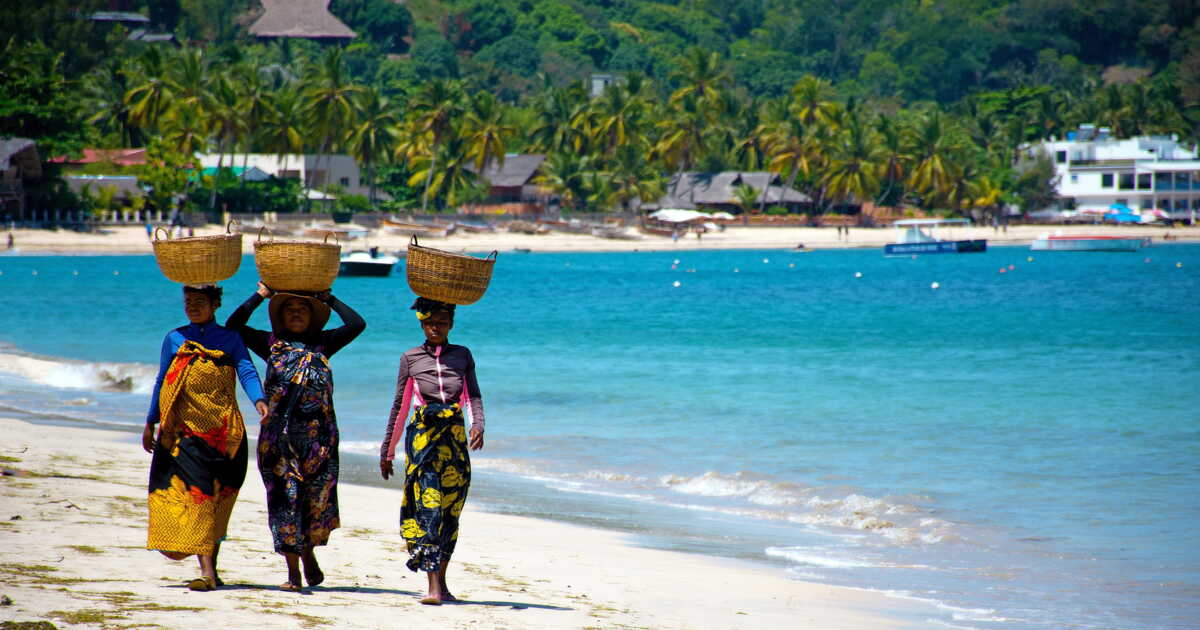
Nosy Be, an island located northwest of Madagascar, stands as one of the major seaside destinations in the Indian Ocean, famed for its white-sand beaches, its turquoise waters and its atmosphere conducive to relaxation as well as marine exploration.
The conditions are ideal for snorkeling or scuba diving, with pristine coral bottoms hosting a diverse fauna, ranging from tropical fish to sea turtles. The island, however, is not limited to its coast: a trip to the Lokobe Nature Reserve allows observing endemic species in a protected forest ecosystem.
This site complements the experience by offering a broader view of Malagasy biodiversity, accessible from a territory that is welcoming, preserved and well-structured for nature tourism. Nosy Be thus meets the expectations of travelers seeking a balance between seaside leisure, wildlife observation and ecological discovery in a safe setting.
3. Be Enchanted by the Avenue of the Baobabs
Near Morondava, on Madagascar’s west coast, the Avenue of the Baobabs stands as one of the island’s most iconic natural sites, designated a natural monument. Lined along a red dirt track, these Grandidier’s baobabs, reaching up to 30 meters tall, form a striking perspective, especially at sunset, when the tall trunks cast oversized shadows on an almost motionless landscape.
True place of contemplation, this avenue is loved by photographers and nature lovers, for both its aesthetics and symbolic significance. These trees, remnants of a once-dense forest now vanished, form Madagascar’s living heritage, carrying myths, oral traditions and major ecological concerns. A visit there offers more than a visual moment: it is a silent encounter with the island’s natural and cultural history, a must for those seeking to understand the soul of Malagasy scenery.
4. Dive into the Heart of Ranomafana National Park
Listed as a UNESCO World Heritage site, the Ranomafana National Park, located in the central-eastern region of Madagascar, represents one of the island’s green lungs richest in biodiversity. Its humid tropical forest, typical of the eastern region, hosts an exceptional concentration of endemic species, including several lemur species. The marked trails, winding between waterfalls, tree ferns and giant bamboos, offer a full sensory immersion at the heart of an ecosystem still largely preserved.
The rare birds, the chameleons and the lush tropical flora compose an ecological environment of great complexity, conducive to naturalist observation as well as scientific research. By combining biological richness, scenic beauty and educational dimension, the Ranomafana Park stands out as an essential destination for travelers seeking ecotourism, enabling a direct connection with Madagascar’s wild and authentic nature.
5. Venture into the Bemaraha Tsingy Strict Nature Reserve
Listed as a UNESCO World Heritage site, the Bemaraha Tsingy National Park, located in western Madagascar, hosts an exceptional karst relief shaped by limestone erosion over millions of years. These sharp formations, known as “tsingy”, draw a spectacular mineral landscape, characterized by jagged peaks, deep crevasses and suspended bridges offering dizzying viewpoints.
Accessible via marked and guided circuits, the site is particularly enjoyed by fans of technical hiking and light climbing, within a safe yet demanding setting. This geological labyrinth also houses remarkable endemic biodiversity, with lemurs, bats, and numerous nesting bird species that have adapted to this inhospitable environment. By blending geomorphological interest, athletic challenge and ecological richness, the Bemaraha Tsingy become a top destination for travelers curious about rare landscapes, where nature expresses itself with a raw and unique force.
6. Experience a Cultural Immersion in Antananarivo
Antananarivo, Madagascar’s capital, concentrates the historical, cultural and social layers of a country with many faces. Built on a series of hills, the city unfolds through its steep alleys, its red-brick traditional houses and its colonial buildings, witness to a plural past.
A visit to the Queen’s Palace, an iconic monument perched on the heights, helps illuminate the Malagasy monarchy’s organization and its role in national history. Local markets, such as Analakely, offer a sensory immersion, between fragrant spices, colorful crafts and lively urban life.
On the flavor side, Malagasy cuisine blends African, Asian and European influences, and is discovered through lively street food and more traditional establishments. By combining historical heritage, bustling everyday life and access to local culture, Antananarivo stands as an essential gateway to understanding Madagascar, which as a whole is a complete destination, rich in diverse landscapes, unique ecosystems and authentic encounters.
7. Discover Nosy Sakatia Island
Nosy Sakatia, a small confidential island off Nosy Be, presents itself as a perfect spot for travelers seeking authenticity. Far from the tourist bustle, this charming place hosts wild beaches, intact coral reefs and exceptional underwater biodiversity.
Accommodations on Madagascar’s island are few but carefully chosen, some boasting the comfort of a chic hotel facing the lagoon. It’s a paradise for lovers, ideal for a rendezvous with the sea, sea turtles, or peaceful sunsets. With a hotel comparison tool, organizing a stay on this large island becomes easy, where understated luxury blends with pristine nature, in one of the favorite spots for couples seeking tranquility.
8. Visit Lemurs’ Park
Lemurs’ Park, located about 22–25 km southwest of Antananarivo on the RN1 toward Imerintsiatosika, is an accessible and educational place, perfect for travelers wishing to discover Madagascar’s flora and emblematic species in a semi-natural setting. This private park, home to several lemur varieties, including the Coquerel’s sifaka, offers an easy stroll through a wooded area where species roam freely.
The site, well equipped, provides an excellent introduction to Madagascar’s biodiversity for young and old. It also offers an opportunity to raise awareness about species preservation, while enjoying the warm hospitality of the surrounding hotels.
9. Hike in Mantadia National Park
The Mantadia National Park, not far from Andasibe, is a preferred hiking spot at the heart of Malagasy flora, where humid and dense forests shelter endangered endemic species. This wild territory attracts naturalists, photographers and hikers seeking an immersion in an environment evoking a tropical Jurassic Park.
The richness of the ecosystems there is striking, from crystal-clear rivers to shaded trails dotted with rare orchids, chameleons and the mythical crowned ibis. The park is known for housing the largest living lemur: the indri indri. Away from the standard circuits, it is an ideal place to combine beautiful natural discoveries with an immersion in Madagascar’s unique landscapes.
10. Marvel at Tsingy Rouge Park
The Tsingy Rouge Park, located near Diego-Suarez, stands out for its spectacular geological formations: red clay peaks sculpted by erosion, in a canyon with Martian-like scenery. This place steeped in natural history makes a great discovery for fans of unusual landscapes. The park fits well into a route connecting the Amber Mountain, the northern beaches and traditional villages. It is also a perfect spot for photographers seeking striking contrasts, especially at dawn.
Is Madagascar Worth Visiting? A Destination with Unique Biodiversity to Discover with Preparation
Asking whether it is advisable to go to Madagascar essentially asks about the conditions for traveling in a country that is both fascinating and demanding. The island offers exceptional biodiversity, contrasting landscapes and a distinctive culture, but it requires careful planning. Tourism infrastructure varies by region, and travel can be long. However, well-visited areas such as Nosy Be, Sainte-Marie or the highlands remain accessible and relatively well supervised.
Regarding whether visiting Madagascar is dangerous, the answer is nuanced: the country is generally safe for informed travelers, provided health advice is followed, certain isolated night routes are avoided, and travel is conducted with reputable operators. Travel there becomes a rare, meaningful and authentic experience.
What Budget to Plan for 15 Days in Madagascar? Between Local Realities and Logistical Costs
The budget for 15 days in Madagascar largely depends on the level of comfort sought and the chosen itinerary. For an independent traveler combining mid-range accommodations, internal transfers and a few organized excursions, a budget of roughly 1,500 to 2,200 euros per person (excluding flights) provides a realistic baseline. Domestic flights, needed to connect major regions (such as Antananarivo, Nosy Be or Sainte-Marie), weigh on the overall budget.
Food, ground transport and mid-range accommodations remain affordable. It is advisable to book certain services in advance, especially in peak season, and to allow a margin for logistical surprises, common on the island. Madagascar remains a destination with a favorable cost-to-discovery ratio, if its particularities are anticipated.
How Much Time Does It Take to Visit Madagascar? The Scope of a Trip on an Island Continent
For a first structured discovery, combining the highlands, a coastal zone (East or Northwest) and one or two nature reserves, it is advisable to plan at least three weeks. In two weeks, a more targeted itinerary can be considered, notably by focusing on the northwest (Nosy Be, Nosy Sakatia) or the east (Sainte-Marie, Canal des Pangalanes). Traveling in Madagascar means accepting long travel times, logistical hiccups, but also the reward of access to exceptionally pristine natural environments.
What to Do in Madagascar with Children? A Pedagogical Adventure at the Heart of Accessible Nature
Exploring Madagascar with children can be an enriching yet demanding experience. Some regions, well served and safe, are suitable for family tourism. The Lemurs’ Park, about thirty kilometers from Antananarivo, allows discovering several lemur species in a semi-natural environment, with trails suitable for the younger ones.
On the coast, the tranquil beaches of Nosy Be or Sainte-Marie offer safe settings for relaxation. Many guided excursions let children discover wildlife, botany and local ways of life. Traveling with children in Madagascar requires preparation, but yields concrete and formative discoveries in a living, immersive and often welcoming environment.
This article was written with the aid of artificial intelligence, then corrected, expanded and validated by the editors of the editorial team.
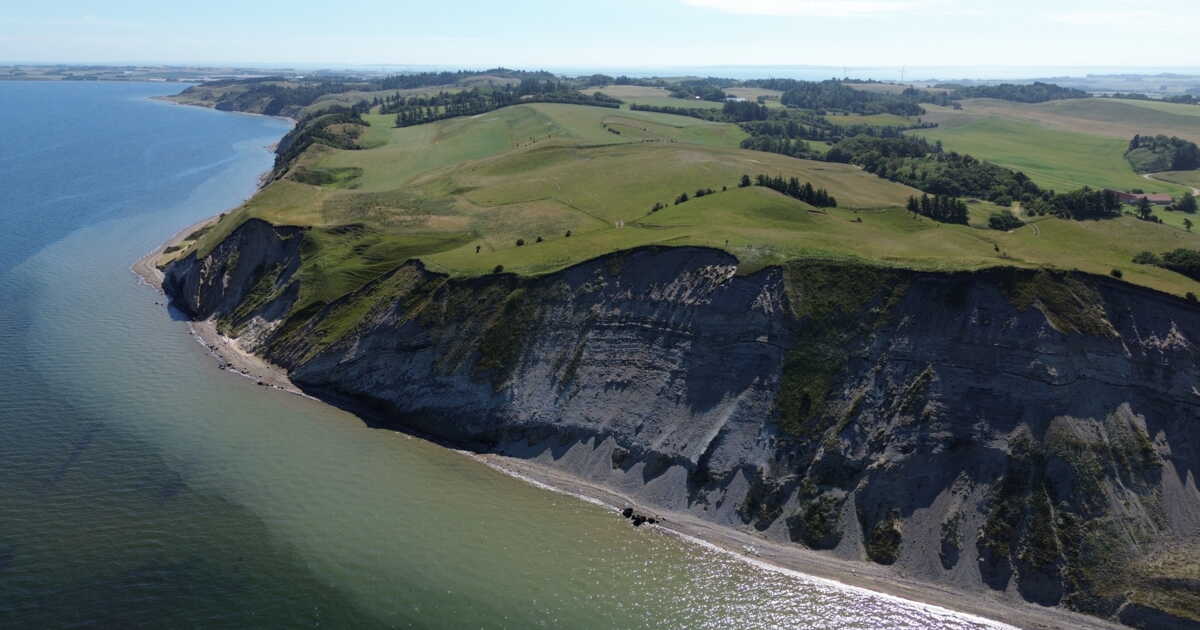
Two Danish coastal cliffs, where paleontologists have unearthed fossils of prehistoric animals dating back 55 million years, are due to join UNESCO’s World Heritage List at the end of July.
The two cliffs of Hanklit and Knudeklint, overlooking the Limfjord in the northwest of Denmark, have long been known for their fossils “exceptionally well preserved” of primitive insects, birds, and more than 80 species of fish, including ancient ancestors of the mackerel and the herring.
Remarkably well-preserved fossils dating back 55 million years
“It’s quite unique”, notes Jan Audun Rasmussen, a researcher and curator at the Mors Museum, and co-author of the UNESCO bid. “These fossils allow us to highlight the evolution of many lineages of fish and birds”, he told AFP.
Fifty-five million years ago, Denmark was submerged under water, and the Limfjord’s clay-rich, oxygen-poor seabed formed a time capsule for fish, birds and turtles which, after dying, sank to the seafloor.
“There was no oxygen for the invertebrates, those small animals that lived on the seabed and fed on the carcasses of dead animals” explained Audun Rasmussen at the foot of Hanklit, the towering 60-meter cliff. This environment was conducive to an “excellent” preservation of fossils, he said.
UNESCO and the International Union for Conservation of Nature (IUCN) have recommended listing them as a World Heritage site. The 196 member states of the UN organization are set to review the nomination this week in Busan (South Korea).
A natural laboratory to better understand climate warming
Beyond a glimpse into a distant past, Hanklit and Knudeklint could also offer lessons for the future, in the face of warming. The rock layers of the cliffs bear witness to a spectacular climate-warming event about 56 million years ago — one of the greatest climate catastrophes in Earth’s history — during which a massive release of greenhouse gases raised global temperatures by 5 to 8 degrees Celsius.
“Obviously, warming leads to many changes in animals” says Laura Jane Cotton, of the Danish Natural History Museum.
The fossils from the Limfjord cliffs — including specimens dating from the time of that event and from the subsequent period — provide researchers with the “best analogue of modern warming”. “It’s a clearer snapshot of that environment at that precise moment”, she tells AFP. “Even if we cannot say exactly which species went extinct and when, we can get a sense of the species that disappeared very suddenly from that environment”, the specialist notes.
Si cette candidature est approuvée, les falaises de Hanklit et de Knudeklint, situées sur les îles de Mors et de Fur dans le fjord, deviendraient le cinquième site naturel du Royaume du Danemark à bénéficier du statut de patrimoine mondial de l’Unesco — dont l’un se trouve au Groenland. Les discussions concernant une candidature ont débuté dès 2010.
La région est prisée des chasseurs de fossiles amateurs, et les “trésors” que sont Hanklit et Knudeklint sont tous deux protégés depuis des décennies par la législation danoise.
Thomas Olesen, chef de projet pour la commune locale de Skive, estime qu’une reconnaissance de l’Unesco donnera un coup de pouce bienvenu au tourisme, en particulier sur la petite île de Fur, qui n’abrite que 700 habitants. “Espérons que cela aura un effet très positif sur l’économie locale”, déclare M. Olesen, depuis le sommet de la falaise de Knudeklint, haute de 30 mètres.
In this webinar, Iceland Travel provides an overview of its brand and of the different tours it offers in French. As a leading DMC in Iceland, Iceland Travel offers a wide range of escorted tours, self-drive adventures, and short stays, allowing every traveler to discover, in their own way, the magic of the Land of Fire and Ice.
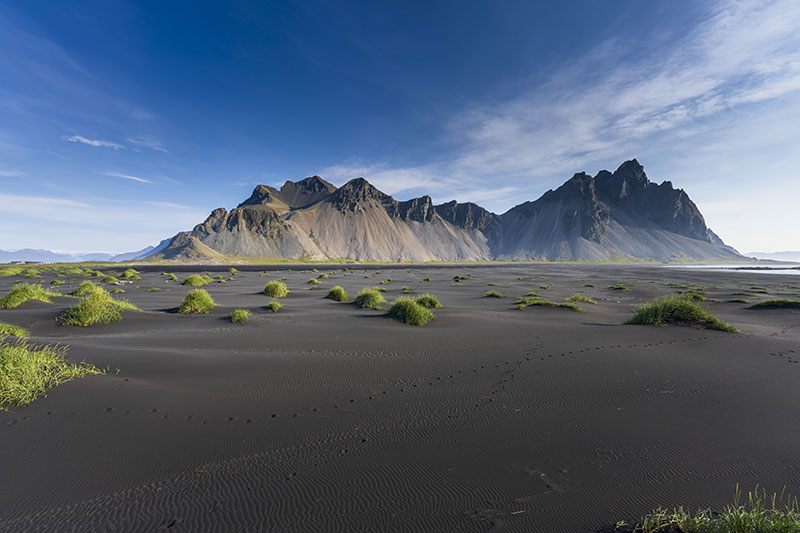
Winter is an ideal season to visit Iceland and witness the unique spectacle of the Northern Lights. In summer, Iceland becomes the land of the Midnight Sun, offering up to 24 hours of daylight per day to explore its wonders. Travelers can fully experience the beauty of these two seasons by joining itineraries that promise unforgettable memories of Iceland’s grand landscapes and fascinating nature.
The Iceland Travel team also shares valuable information about its wide range of French-language experiences, including the Hidden Energies and Northern Lights itineraries as well as Classic Iceland. Iceland Travel offers exceptional opportunities to fully discover the destination and immerse in all the magic of Iceland.
Nos autres outils pour les professionnels du tourisme
Please find below some tools and resources about the Iceland Travel brand : ✔ Iceland Travel Hub
✔ Online brochures
✔ FAQs
Qui sommes-nous ?
Iceland Travel is a DMC offering a range of premium experiences carefully crafted for its visitors. Whether you come to witness the incredible Northern Lights or to marvel at otherworldly landscapes, Iceland Travel is the most experienced company for unforgettable bespoke experiences and self-drive itineraries in Iceland.
With a clearly experience-driven approach focused on creating authentic and deeply human experiences, Xplore Mexique positions itself as a key partner for discovering Mexico in a different, authentic way. A specialist in tailor-made travel, the agency designs exclusive, high-value itineraries for tour operators and tailor-made travel agencies, enabling them to offer their clients unique, personalized, and safe stays. Because of a lack of knowledge or fear of promoting the destination due to security concerns in certain regions, travel agencies often focus on beach stays along the Riviera Maya, offering only a few excursions from the hotel. Xplore helps agencies offer more than a simple beach stay, with alternatives such as self-drive circuits or chauffeur-guided private tours with a French-speaking guide. Xplore can guide the travel agent according to budget, the clients’ desires and their expectations, taking the time to explain each step and providing a quote with a highly detailed day-by-day program.
The Treasures of Yucatán
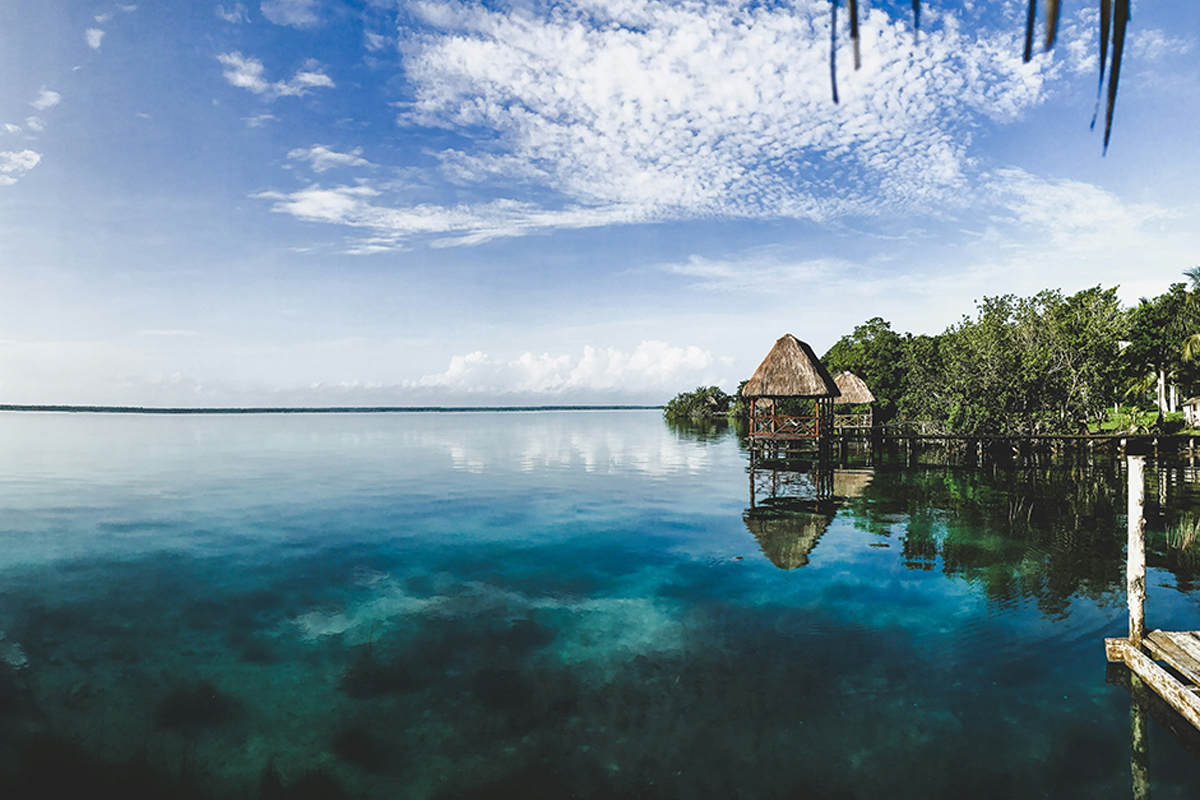
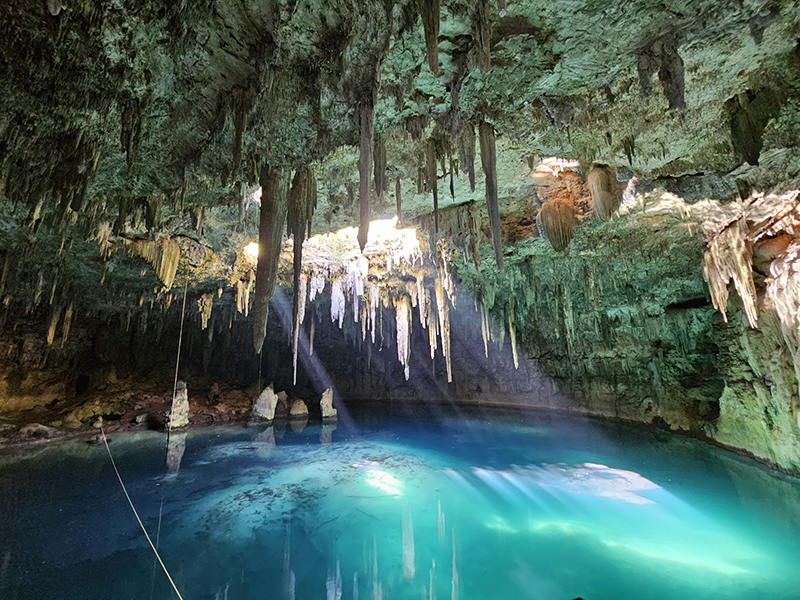
Far from the country’s busiest zones, Xplore Mexique offers an immersion into the heart of a more authentic and preserved Yucatán, where Maya traditions still express themselves fully within generous nature. Travelers discover places of charm and mystery such as the colonial towns of Mérida and Valladolid or the secret cenotes scattered through the jungle. Major archaeological sites like Uxmal and Chichen Itza and natural reserves such as Rio Lagartos, Sian Ka’an, or the Bacalar lagoon are part of the essential steps and visits of this journey, which can be done as a guided group tour or as a self-drive. Indeed, thanks to its relatively flat map and the incomparable security in the rest of the country, the Yucatán Peninsula lends itself perfectly to the self-drive formula. Clients are supported remotely by part of the on-site team who assist them seven days a week via WhatsApp, ensuring a high-end concierge service.
In Mérida, the cultural capital of Yucatán, colonial architecture blends with Maya heritage and a vibrant artistic atmosphere flourishes. The itinerary continues toward Valladolid, a city with a spiritual character deeply rooted in local traditions. Here, travelers discover colorful markets, partake in ancient cultural rituals and soak up daily life shaped by Yucatán hospitality.
In the villages and haciendas of Yucatán, time seems suspended: traditional houses, artisan workshops, textile or culinary know-how, and encounters with local communities reveal another, more intimate and vibrant side of Mexico. Finally, the stay ends at the heart of emblematic archaeological sites, such as Uxmal, less famous than the renowned Chichen Itza, but also listed as UNESCO World Heritage, where majestic pyramids and ancient temples bear witness to the grandeur of the Maya civilization.
The accommodations selected reflect this authenticity, notably in historic haciendas or lodges integrated into nature, combining traditional charm with contemporary comfort. This unique itinerary attracts travelers seeking beauty, meaning, and emotion, through local cuisine, cultural immersion, spectacular landscapes, and millennial heritage.
The Cultural and Natural Riches of Chiapas
Located at the border with Guatemala, the state of Chiapas stands out for its lush nature, a deeply living cultural heritage, and remarkable archaeological wealth. This mountainous region captivates with its primary forests, generous cacao plantations, dense jungles, and iconic Maya sites. A land of ancestral traditions, Chiapas is also home to a large Indigenous population—nearly a third of its inhabitants—who carry on a unique cultural legacy, offering travelers an authentic and vibrant immersion in the heart of Mexico.
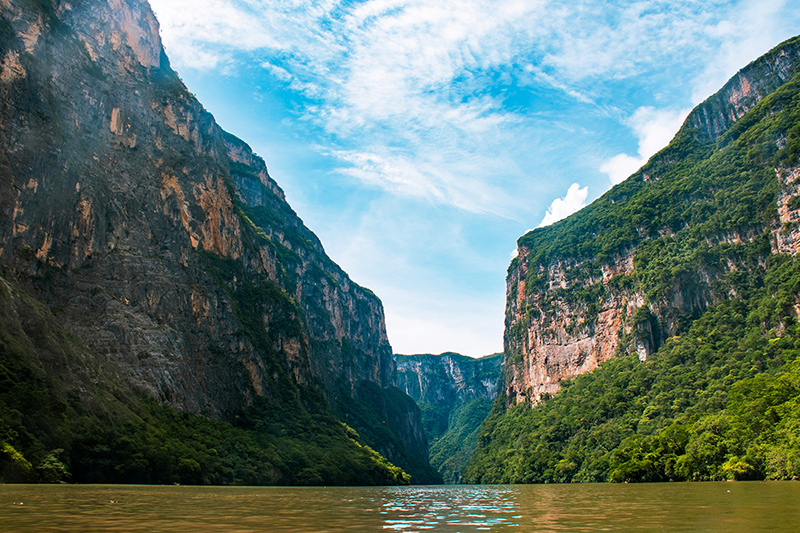
The enthusiasts of vast spaces will be seduced by Chiapas’ abundant nature, where flora and fauna of incredible diversity thrive. Among the must-see wonders, the Sumidero Canyon stands out as one of Mexico’s most spectacular sites, with vertigo-inducing cliffs rising more than 500 meters above the river. Further south, Lake Montebello unveils a collection of azure lakes, a true sanctuary of tranquility once an important site for the Maya organization.
As you travel through Chiapas, you will discover ancient crafts, authentic gastronomy, and a palpable Maya presence at every moment. The region is also rich in colonial towns, the most emblematic being San Cristóbal de las Casas. Nestled in the heart of a pine-wooded valley, this timeless city charms with its mild climate, cobbled streets, colorful markets, and old houses. A true stronghold of Indigenous cultures, it is surrounded by traditional villages such as Chamula and Zinacantán, essential to understanding the soul of Chiapas.
Exploring Chiapas is a genuine journey through time, a deep immersion in the living Maya heritage. Xplore offers an immersion into a Maya family by taking part in a private cooking class.
Culture and Gastronomy in Mexico City and Surroundings
Mexico is often overlooked as merely a gateway to the country: it is a fascinating capital, vibrant with culture, pre-Columbian history, and colonial heritage. It is an essential first step to dive into the heart of Mexican identity.
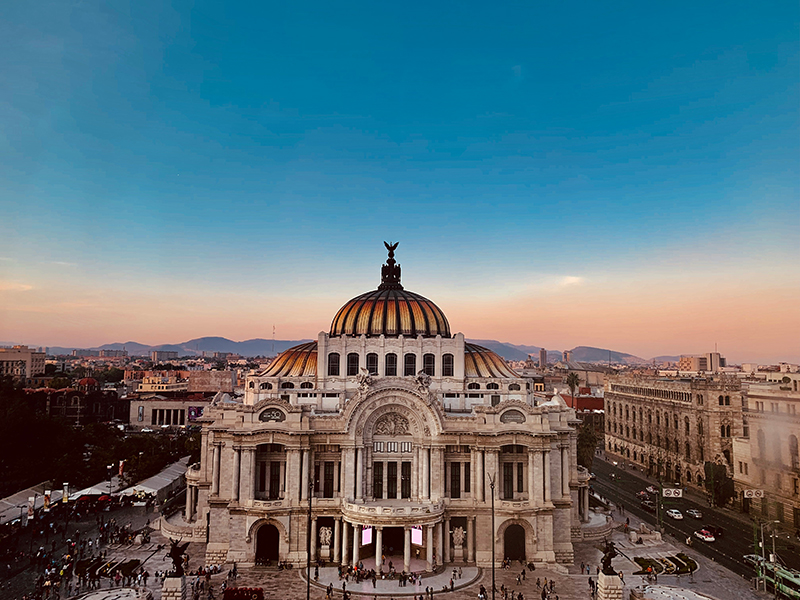
The former Aztec capital and symbolic center of the country, Mexico hosts a cultural heritage of exceptional richness: the Museum of Modern Art, the National Anthropology Museum, pre-Hispanic history collections, and Frida Kahlo’s Blue House. The city also stands as a true open-air museum of architecture, blending colonial buildings, pre-Hispanic ruins, and contemporary skyscrapers. Getting lost in its historic center offers a succession of surprising discoveries and lets you ride the wave of the city’s vibrant energy.
Famous for its colonial architecture and pre-Hispanic memory, Mexico is also one of the beating hearts of Mexican gastronomy. Here you can savor Guerrero cuisine as well as cochinita pibil, and pozole, a traditional corn-based soup and meat dish, a true culinary emblem. It’s an opportunity to sample the many Taquerias and Mezcalerias the city has to offer!
To the south of the city lie the famous Xochimilco canals, the last vestige of the vast water network built by the Aztecs. Often nicknamed the Mexican Venice, this enchanting place is explored aboard trajineras, colorful boats gliding between floating gardens, mariachi musicians, street vendors, and families celebrating, especially on weekends.
Just a few hours from Mexico City stand some of the country’s most emblematic ruins: Teotihuacan with the pyramids of the Sun and Moon, as well as the remarkable sites of Cacaxtla and Xochicalco, grand witnesses of pre-Hispanic civilizations. Xplore particularly offers a sunrise hot-air balloon flight over this exceptional site.
Xplore Mexique, the Leading Mexico Travel Specialist
Discover all offers, travel advice and inspiration here
It’s precisely this diversity that makes the country an irresistible proposition for those seeking authentic and unforgettable experiences.
In a world where travelers increasingly seek personalization, authenticity, and connection, Portugal presents itself as the ideal setting for incentive programs, corporate events and tailor-made trips. At IN TOURS PORTUGAL, our mission is to transform every journey into an intimate encounter with the true Portuguese spirit, especially when summer is in full swing.
A Summer of Tradition and Discovery
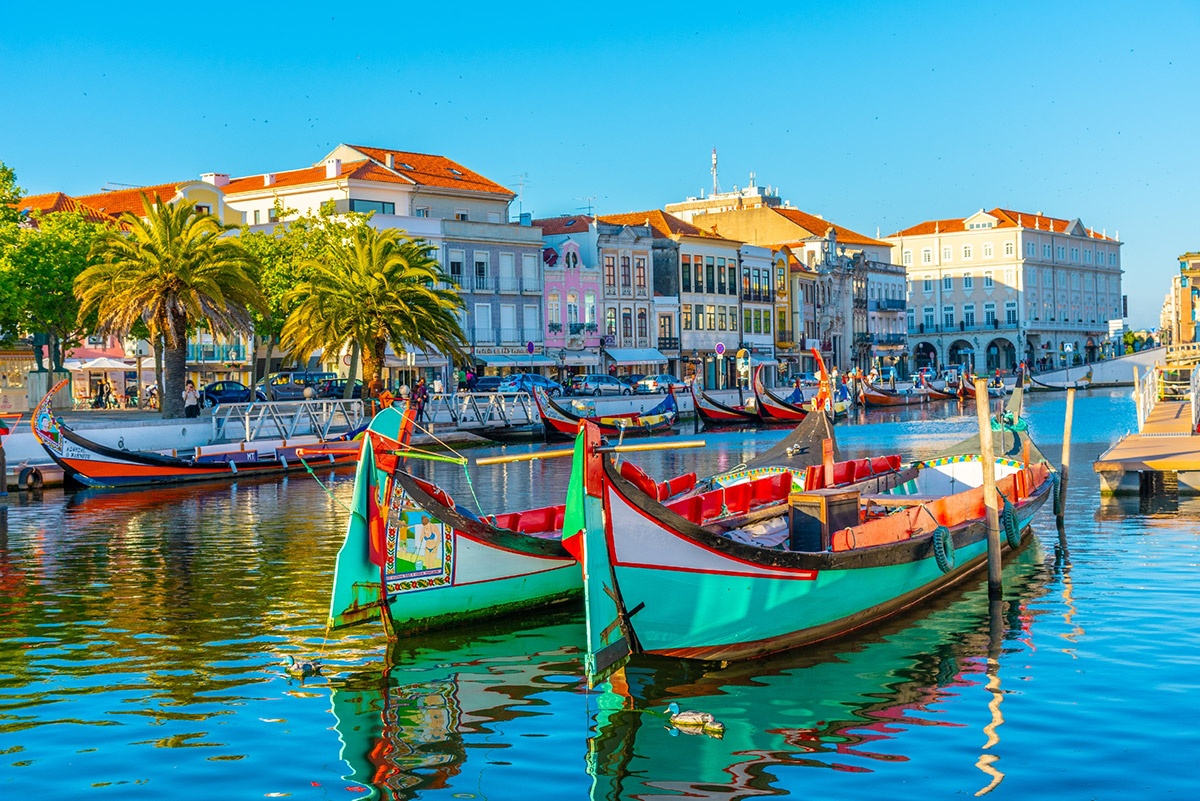
It is easy to fall in love with Portugal in summer. Of course, the beaches of the Algarve, the Costa Vicentina, and Comporta remain iconic, but the true charm also lies in discovering less obvious corners, in living traditions and in experiences that go far beyond the crowds.
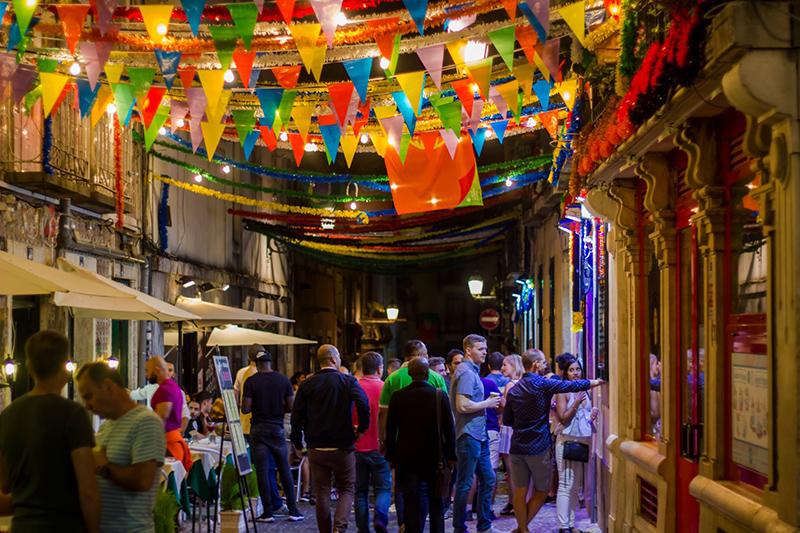
During the summer months, historic villages come alive, local markets overflow with fresh produce and the streets light up with local celebrations. Everywhere, there is a celebration. In Lisbon, the aroma of grilled sardines blends with the music of neighborhood fêtes, while in Porto the sky is illuminated by the colorful balloons of the São João festival. In Alentejo, the warmth invites serenity, long outdoor dinners and leisurely strolls between vineyards and golden fields.
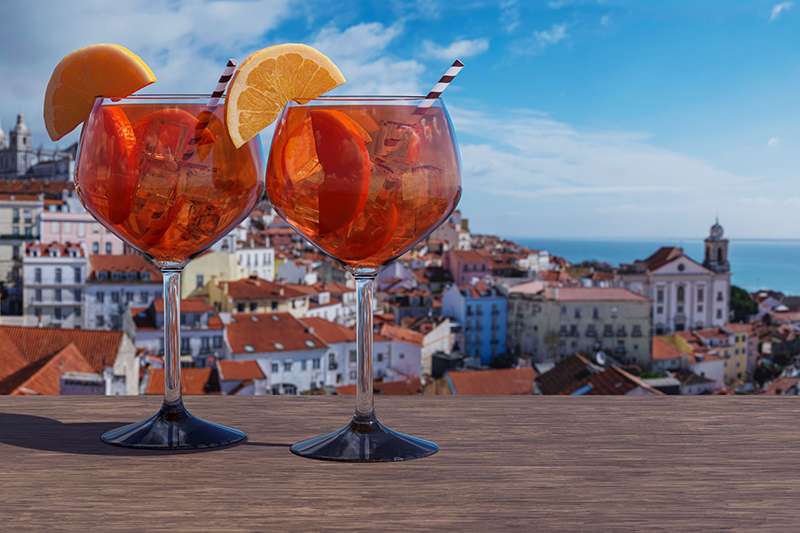
For travelers seeking authenticity, Portugal in summer offers a lifestyle that encourages slowing down. There is time to enjoy a glass of wine on a riverside terrace, time to explore villages where tradition remains intact, and time to admire unforgettable sunsets from rooftops overlooking historic cities.
A Destination to Experience
Summer in Portugal is an invitation to active discovery. Sailing trips on the Tagus or the Douro, exclusive regattas on the Atlantic, hikes along cliffs or bike rides through vineyard valleys, the country offers a wide variety of experiences blending nature, adventure and well-being.
For those who prefer a more cultural summer, the historic centers of Portuguese cities are true open-air museums. In Lisbon, the Alfama and Mouraria districts preserve the soul of the city with their labyrinthine lanes, centuries-old azulejos and hidden miradouros. In Porto, Ribeira remains a living postcard, but it is in creative workshops, wine caves and renovated markets that the city reveals its most contemporary face.
At IN TOURS PORTUGAL, we craft these authentic and tailor-made experiences with meticulous attention to detail, tailored to each group and objective. We offer personalized itineraries that showcase the best of Portugal in summer—whether through exclusive dinners in historic palaces, private sunsets in secret venues, outdoor activities or gastronomic programs celebrating the season’s flavors.
The Value of Human Encounters
What truly makes Portugal special is the warmth of its people. Summer is the season when the country opens its arms even wider, with sincere hospitality and smiles freely offered.
More than destinations, IN TOURS PORTUGAL offers encounters. We work with local producers, artisans, chefs, guides and hosts who are passionate about sharing their stories and culture. It is these people who make the difference and render each program unique and unforgettable.
Portugal, especially in summer, is a place where human connections naturally form—around a shared table at a local market, during a tile-painting workshop, on a sunset boat ride, or in spontaneous conversations with those who know how to tell their country.
A Strategic Destination for Travel Agencies
Today, Portugal is a highly competitive destination for travel agencies and event organizers. Its air connectivity, quality infrastructures, safety, award-winning gastronomy and wide range of unique experiences make it a strategic choice for leisure and business tourism.
Portugal is a destination suited to both small exclusive groups and large-scale events, with options ranging from charming boutique hotels to contemporary venues and outdoor spaces offering spectacular views.
At IN TOURS PORTUGAL, we provide travel agencies with our in-depth knowledge of the country, our creativity and our network of trusted partners. We work closely with our clients to create personalized programs that surprise and add value, while ensuring dedicated and flexible service.