MTS Globe Egypt: Growing Popularity Among French Travelers


A Destination Driven by an Exceptional Momentum
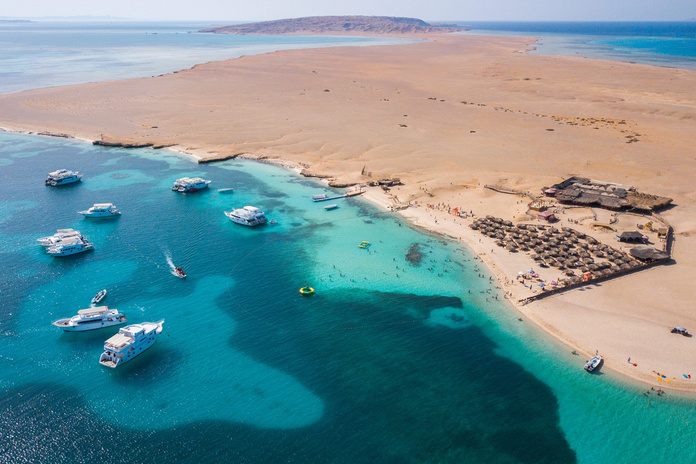

L’île de Giftun, Hurghada, Égypte © Shutterstock

Climats du Monde


With 19 million international visitors welcomed in 2025, Egypt confirms its status as an essential destination. The French market fully participates in this momentum, driven by the appeal of cultural tourism, year-round sun-filled stays, and the opening of the Grand Egyptian Museum (GEM).

One of the destination’s main strengths lies in its diversity. In a single trip, visitors can combine cultural discovery, a Nile cruise, and a beach stay.

Three major regions particularly attract French clients:

• Cairo and Giza, with the pyramids, the Sphinx and the new Grand Egyptian Museum (GEM)

• Upper Egypt, where cruises between Luxor and Aswan allow visitors to discover the most famous treasures of ancient Egypt

• The Red Sea, with destinations such as Hurghada, Marsa Alam and Sharm El Sheikh, valued for their beaches, hotel infrastructures and exceptional underwater life

This unique blend of culture, relaxation and adventure explains Egypt’s growing appeal to French travelers.


Why Egypt Is More Appealing Than Ever to French Travelers
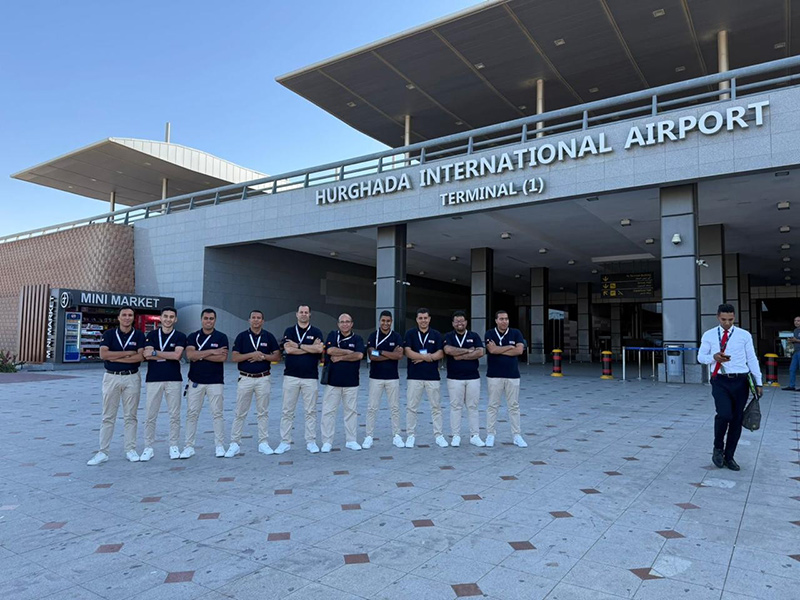

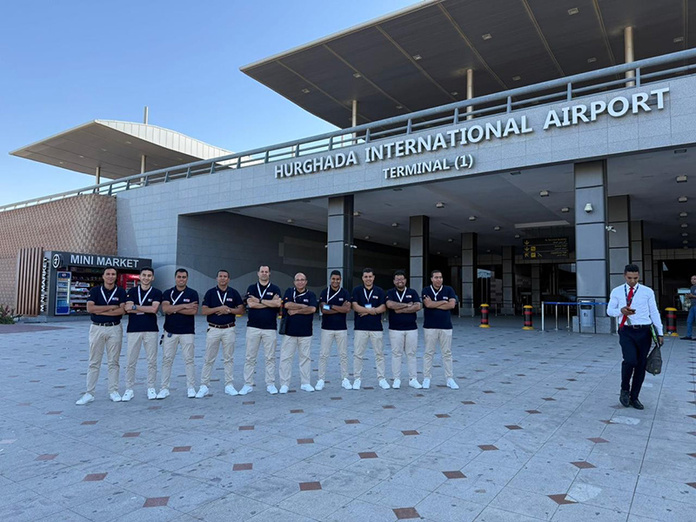
Personnel de l'aéroport © MTS

Beyond the richness of its tourism offering, Egypt captivates French clients thanks to its excellent value for money. The destination offers a wide range of all-inclusive hotels and French-speaking clubs, ranging from family-friendly establishments to high-end resorts, particularly concentrated in the Red Sea coastline resort towns. The presence of French-speaking staff during excursions and within on-site support teams is a real asset, facilitating the vacation experience for visitors throughout their stay. This combination of accessibility, comfort and service quality greatly contributes to the destination’s growing appeal to the French market.


MTS Globe Egypt, a Reference Partner

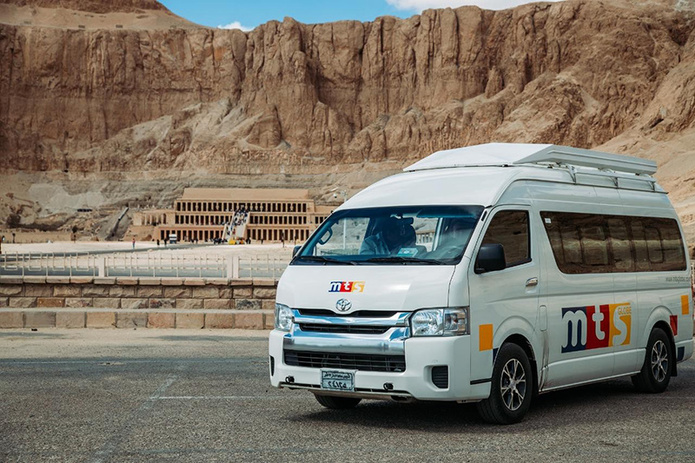
Transferts MTS © MTS

MTS Globe Egypt offers its services across all major tourist zones of the country. Thanks to its in-depth on-the-ground knowledge, operational excellence and product expertise, the team supports its B2B clients on a daily basis, both for FIT and for Groups.

With a portfolio of more than 400 hotels under contract, MTS Globe Egypt covers all of the country’s strategic destinations:

• Hurghada

• Sharm El Sheikh

• Marsa Alam

• Cairo

• Luxor

• Aswan

• Alexandria

The services offered include, notably:

• Hotel contracting

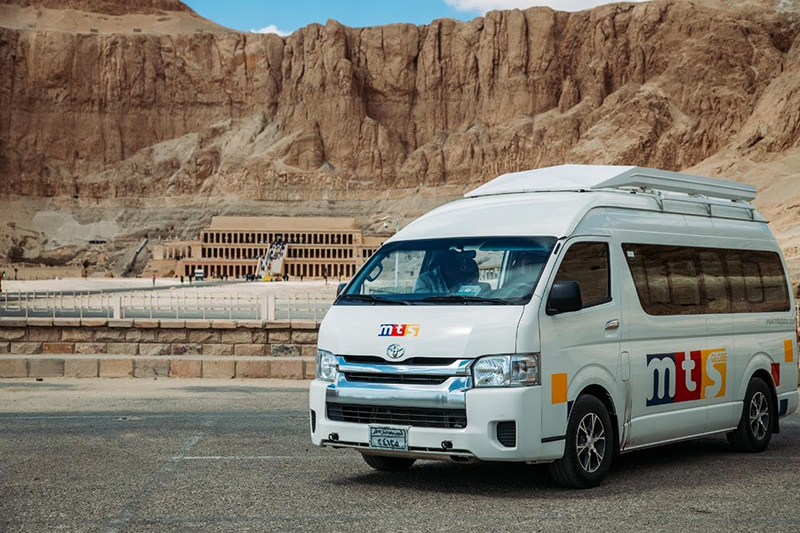
• Airport transfers and transportation services

• Welcome and arrival assistance

• Excursions and activities

• Tailor-made programs and combined circuits

• Nile cruises

• Destination assistance and support

French-speaking representatives accompany travelers throughout their stay to ensure a smooth and high-quality experience from arrival to departure.


The MTS Globe Egypt Team

The MTS Globe Egypt team relies on solid operational experience and a thorough knowledge of the destination to guarantee partners and their clients high-quality services.

Amr Shahine Amr Shahine
Service & Commercial Manager
[email protected]
>> MTS Globe in the DESTIMAG Directory
Slow Travel and Solo Travel Are Growing in Popularity Among Europeans


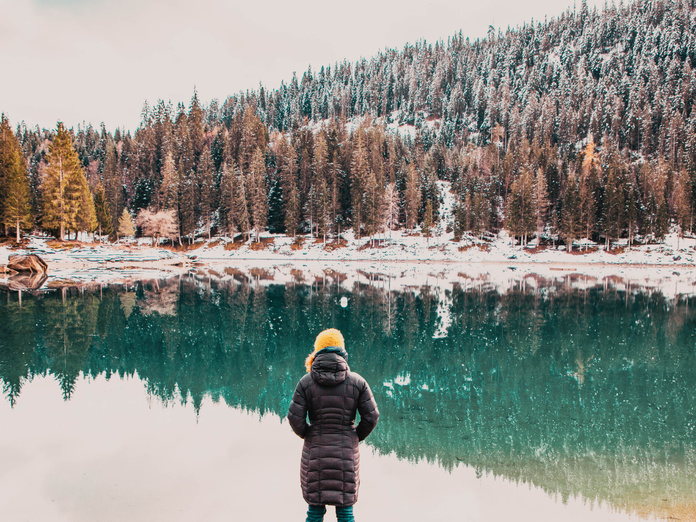
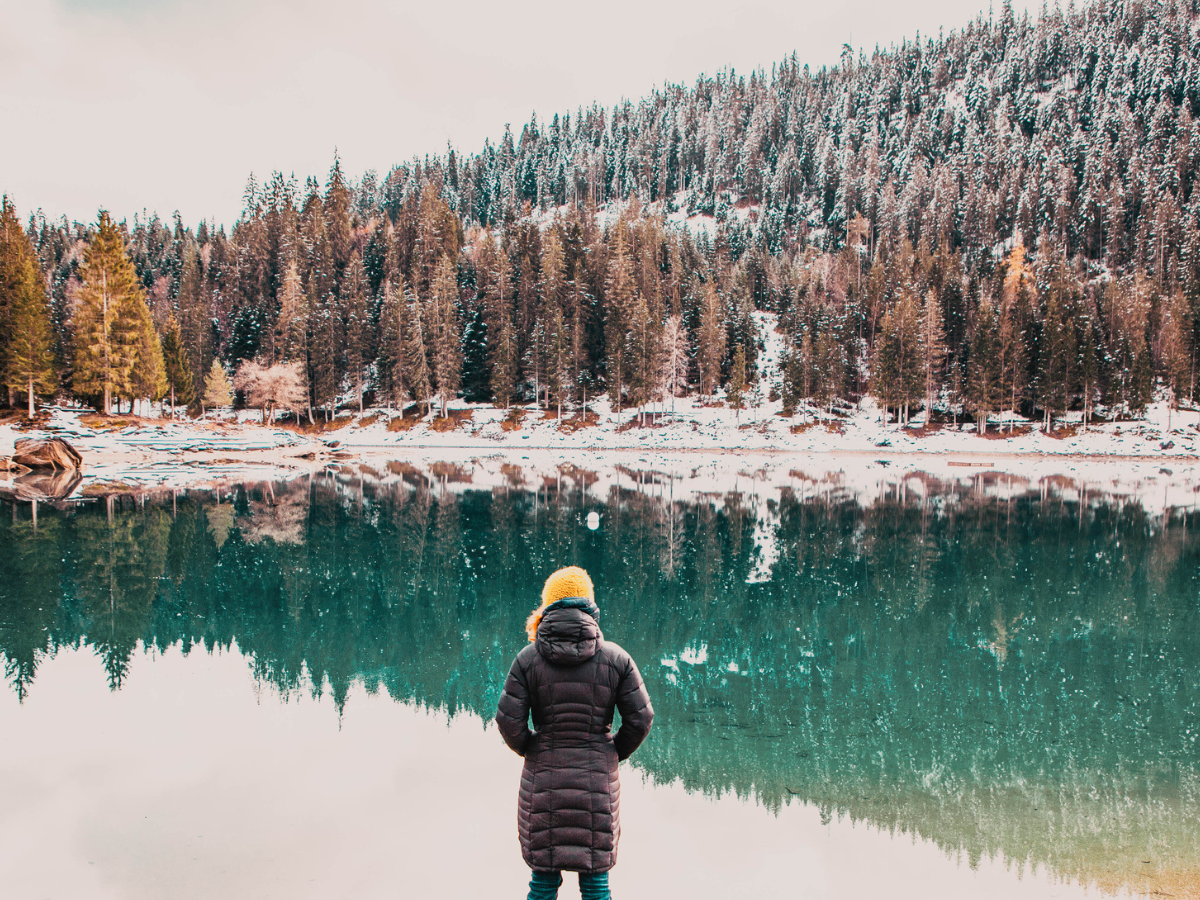
Le slow travel et le voyage en solo progressent - DepositPhotos.com, melis82

MSC Croisières


Dertour Group publie les résultats d’une étude consacrée aux nouvelles façons de voyager des Européens.

Réalisée auprès de 8 000 personnes dans 13 pays européens, l’enquête met notamment en évidence l’intérêt pour des séjours plus lents et pour le voyage en solo.

Parmi les personnes intéressées par le slow travel, 58,5% souhaitent prendre davantage leur temps pour découvrir une destination sans se sentir pressées.

Pour 52%, ce mode de voyage est associé au bien-être et à la réduction du stress.


A quest for disconnection

La déconnexion numérique apparaît également comme une motivation importante.

48,9% des répondants considèrent les vacances comme une occasion de s’éloigner des réseaux sociaux et des sollicitations numériques. Cette proportion dépasse 50% chez les 25-44 ans.

Le rapport souligne aussi l’émergence du profil du voyageur JOMO (Joy of Missing Out), qui privilégie un nombre limité d’expériences plutôt qu’une accumulation de visites.


Solo travel is on the rise

Près de 30% des personnes interrogées envisagent de voyager seules dans les douze prochains mois.

Cette proportion atteint 37,6% chez les célibataires, tandis qu’environ un quart des personnes en couple ou mariées envisagent également un voyage en solo.

La France figure parmi les marchés les plus favorables à cette tendance, avec 32,2% des répondants envisageant un voyage seul, derrière l’Allemagne et la Suède.

Les voyageurs solo séjournent par ailleurs en moyenne 10,4 jours, contre 8,9 jours pour l’ensemble des voyageurs, et partent davantage hors saison.

Dertour Group indique enfin développer des offres adaptées à ces nouvelles attentes, avec notamment des circuits « GowiththeFlow », les Blue Cruises d’I.D. Riva Tours ou encore le concept hôtelier Slow Glamour d’ananea.

Why Are Women-Only Group Trips Growing in Popularity?

They set off on their own, but they don’t necessarily travel solo. For several years now, group travel designed for people who want to depart without their usual companions has been on a notable rise, particularly among women. The phenomenon crosses well beyond French borders and accompanies an evolution in lifestyle and travel habits.

On the occasion of Copines de Voyage’s ten-year anniversary, a historic pioneer and leader of the 100% female segment, we spoke with Alexiane Eymard, Deputy Chief Executive of Hello Travel – the group that owns the brand – and Vanessa Robbe, head of brand development for Les Aventureurs (the group’s mixed-gender variant), to understand who these new travelers are and what they seek in these group departures.

Who are today’s women who choose to travel with a group on their own?

Alexiane Eymard : There is no longer a single typical profile. Ten years ago, the traveler was usually 25, often single, and looking for people with whom to share life moments. Today, our traveler tends to be around 37. And most importantly, these are women who decide to travel on their own, which isn’t the same as traveling solo. Some are married or in a relationship, have children, and lead a very active social life.

But they no longer want to wait for their circle to be available, to share the same desires, or to have the same budget. That’s a lot of variables to synchronize. A few years ago, women tended to organize their vacations around their partner, their family, or their friends. Today, they grant themselves more of this freedom.

There are still women who have little support around them and for whom group travel represents an opening to the collective, but they are not the majority. The profile has really diversified. They are more often urban women living in large metropolitan areas and belonging to upper-mid socio-professional categories.

Does this willingness to travel alone mean they are seeking to meet new people?

Alexiane Eymard : That isn’t necessarily their primary intention. One should not caricature women’s desires. The same person might crave a wellness stay at one moment and, a few months later, a much more adventurous trip. Their aspirations evolve with their life moment, available time, or level of fatigue.

Nevertheless, the group forges bonds. What brings people together is primarily the shared desire to discover a destination and to experience the same thing. Profiles can be very different, with sometimes significant age gaps, but there is a sense of affinity tied to this common choice.

Is this logic also found among travelers in mixed groups?

Vanessa Robbe : Yes, although profiles and trips differ. Our clients are generally around 34 years old and about 60% are women. They are often not on their first trip and are already comfortable with a bit of rugged travel. Traveling in a group enables them to undertake a journey they wouldn’t necessarily have been able to do with their usual circle.

The difference is that with Les Aventureurs, the group is built around a genuine adventure experience. Some trips involve sleeping in a tent, going on a road trip with a roof tent, sailing or hiking, with a desire to venture further off the beaten path. Not everyone is seeking physical exertion or total discomfort. Some want to experience an adventure without necessarily pushing themselves into the red. That’s why there are different levels of commitment.

Can group travel actually help some women dare to do more?

Vanessa Robbe : Yes, especially for the more demanding experiences. Being surrounded by women can be reassuring. A woman who wants to, for example, summit Mont Blanc may fear in a mixed group that she’ll slow others down. Being among women who potentially share the same fears can be a trigger to take the plunge.

It isn’t necessarily about networking. It’s more about being with people who resemble us in certain ways and with whom we share the same apprehensions. The group can provide enough confidence to attempt an experience we might not have dared to undertake alone.

Does the search for a romantic partner sometimes factor into mixed groups?

Vanessa Robbe : It’s possible, as in everyday life, but here it isn’t the primary aim. People come first for the journey and the experience. If two people are meant to meet, it can happen, whatever the setting.

How do you measure the scope of this evolution?

Alexiane Eymard : Since the creation of Copines de Voyage in 2016 and Les Aventureurs in 2017, when Copines de Voyage began with two pioneering travelers, more than 100,000 trips have been sold by the two brands. Approximately 60,000 people have traveled with us. That means a substantial share return multiple times. Some veteran travelers have even joined us a dozen times, or more.

This loyalty also enables observing a shift in preferences. The early destinations that performed very well included Bali and Sri Lanka for long-haul trips, or Spain and Greece for closer destinations. But women who have already traveled multiple times are starting to drift toward destinations they might not have considered otherwise.

China is a good example. Mozambique is also a destination we are opening up, particularly for those who enjoyed Zanzibar but are now seeking something less touristy. This also shows that these travelers, as they accumulate experiences, do not necessarily want to endlessly revisit the same popular destinations. They are more willing to step off the beaten path to turn toward less obvious destinations.

Are new requests emerging?

Vanessa Robbe : Yes, we will offer trips that enable women to travel with their children. The idea is to allow those who face logistical and family constraints to travel nonetheless, alongside other mothers who share the same situation. They will be able to share a destination and a common experience, while traveling with their children.

Coolcations: Cooler Destinations Beating the Heat Are Growing in Popularity

25°C in full sun, with occasional crosswinds welcome: in the face of extreme heat, vacationers are steering more toward destinations known to be cooler. But is this trend enough to permanently alter the geography of global tourism?

“The visitors I’ve hosted this year told me they were coming to escape the intense heat of southern Europe”, explains to AFP Terje Viblom Pedersen, a tour guide who leads expeditions in Sweden’s southeast.

Cool destinations enjoy growing interest

Tourists are “amazed when they arrive here”, he describes, painting a picture of maximum temperatures under 30°C. “When I tell them we’re in the peak of the summer season, they’re surprised”, because “there is plenty of space and the atmosphere is relaxed”.

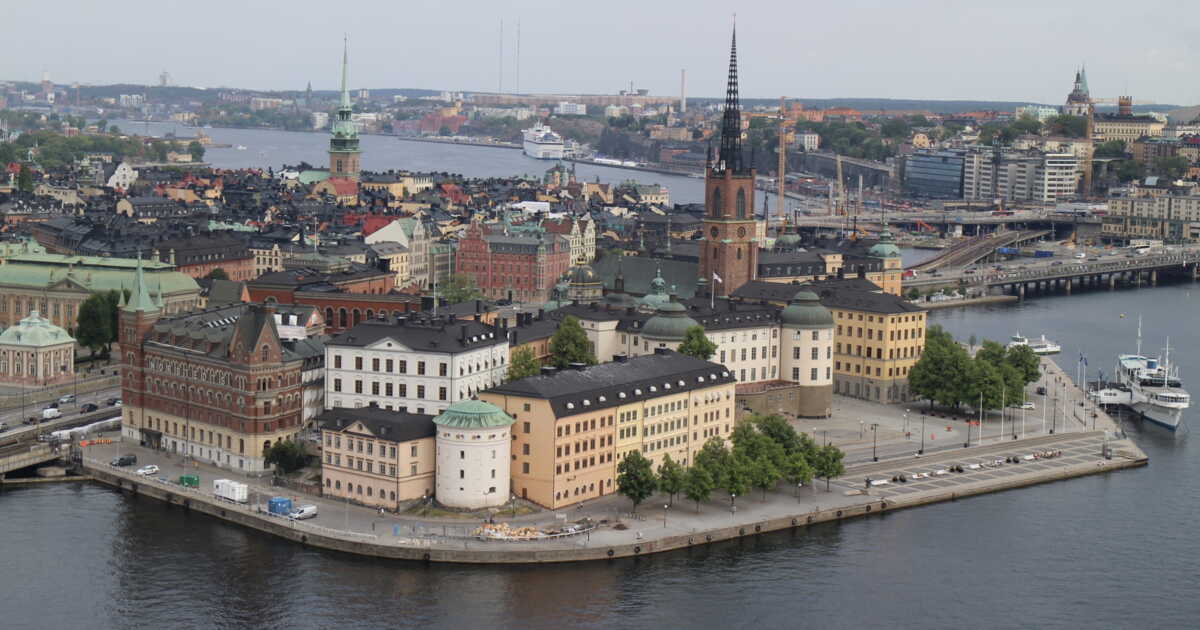
In Stockholm’s old town, just before the rain, a couple of French tourists share the moment as well. Daniel and Florence Gastaldi, recently retired, had booked their trip in the spring, before the heat waves hit. Nevertheless, “being from Marseille, we’re quite happy to find the coolness here”, they say.

The trend of “coolcations”, a concept born from blending cool (fresh) with vacations, seems to be solidifying year after year.

In France, “towns like Saint-Claude in the Haut-Jura (in the east of the country) recorded much higher July tourist numbers than in previous years”, explains Jean-Pascal Chopard, director of Jura Tourisme. “Because at altitude, there is a noticeable cooling in the evening and at night, which makes stays much more livable.”

In Normandy too, the effect is felt. “There has always been a habit of leaving Paris on weekends to come to the Calvados coast when it’s hot (…) . And the daily attendance has become denser” during heat waves, adds Karl Joly, director of Calvados Attractivité.

When one sweats heavily, other countries beyond the Mediterranean rim begin to dream. On the Hotels.com France platform, searches for bookings to Copenhagen, Denmark jumped 246% since the first heatwave of May, and those for Dublin, Ireland rose 151%.

A trend echoed in the United States, notes Jonna Robertson, travel advisor at Fora Travel. According to data from this American travel startup, “Oslo has recorded a 154% year-over-year growth in bookings, Helsinki 124%”, while Alaska (USA) or Patagonia (Argentina) could also benefit, explains the expert, founder of Coolcation Adventures.

The sun’s pull remains an attraction that is hard to dethrone

Can this enthusiasm nonetheless reshape the geography of international tourism? After all, Southern Europe, cheaper than the north, remains at the top of favored destinations.

“All European countries have seen an increase in tourist arrivals and there is no discernible trend tied to the heat”, says Swedish tourism professor Stefan Gossling.

“Temperature is one aspect people consider when they go on vacation. But there are many other factors. Italy isn’t Denmark in terms of culture, environment, or price. All of this means people do not easily switch destinations when they have a preferred one”, he adds.

The Norwegian tourism promotion agency confirms: “Our recent surveys of visitors show that about one in five foreign tourists view cooler summertime temperatures as part of the reasons to choose Norway.” Yet, it reminds, “climate is only one of many factors that influence travel decisions”, to which safety, nature, accessibility, air links, and exchange rates are added…

Attendance figures continue to underscore the prominence of warm-weather countries. Greece, for instance, last year posted its best year in visitor numbers, as did Spain.

For Spain, spending by both local and foreign tourists had already risen by more than 8% in the second quarter of 2026, according to data published by Exceltur, the association that brings together the main Spanish tourism companies.

Jonna Robertson, meanwhile, expects a seasonal shift and departures toward warmer countries in spring or autumn, aiming to avoid both overtourism and exhausting temperatures.