

Spain Heat Wave: Why You Should Stay Vigilant Before Your Summer Vacation

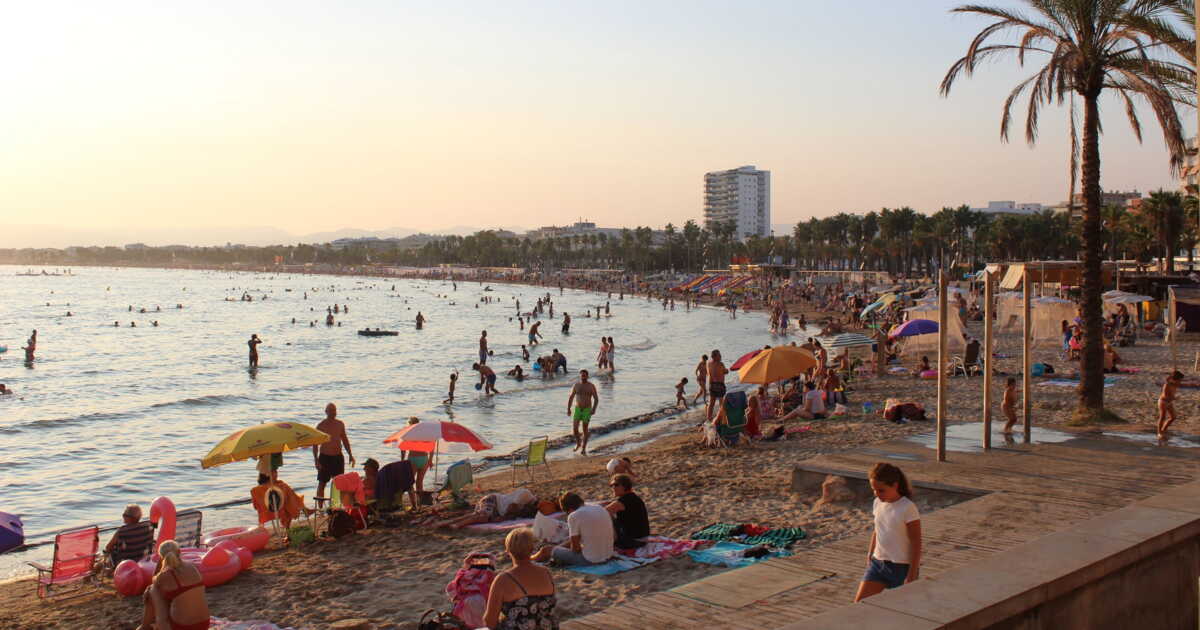
Barcelona, Marbella, Granada… Spain ranks among the most popular summer destinations for travelers each year. But this summer, vacationers will need to exercise extra vigilance. Indeed, a fresh heatwave is set to strike the country, bringing extreme temperatures and several associated risks. Spain’s national meteorological agency, AEMET, foresees the heat wave intensifying, with temperatures expected to climb to a peak on Thursday, July 30, 2026. This comes after a summer that has already been exceptionally hot, with average temperatures from early June to mid-July about 3.3°C above the seasonal norm, making it one of the hottest starts to summer ever recorded in Spain.

According to forecasts, southern regions are expected to be the most affected, notably Andalusia and popular tourist destinations such as Seville. Forecast models indicate temperatures could reach 47°C or 48°C in parts of the region, approaching or surpassing the all-time Spanish record of 47.6°C recorded in Córdoba province in August 2021. Some parts of Catalonia are also expected to see temperatures well above 40°C in the coming days, and popular tourist hubs like Malaga could experience peaks around 45°C. It is therefore strongly advised to check the weather regularly, especially if you are traveling to one of the affected areas, so you can take precautions.

Is it reasonable to travel to Spain this summer?

In addition to the heatwave, several wildfires have also ravaged various regions of southern Europe, notably in Spain. In Almería, Andalusia, a fast-spreading blaze has claimed at least 12 lives and destroyed more than 6,600 hectares. It ranks among the deadliest fires the region has seen in recent years. Another fire broke out in Aragon, near Zaragoza, burning about 15,400 hectares since it began on July 15. In the province of Guadalajara, the La Mierla fire has already consumed over 32,000 hectares. In total, these fires forced the evacuation of 34 municipalities.

The European Commission has deployed this year what it describes as its most substantial wildfire-fighting arrangement, mobilizing 777 firefighters from 14 countries, along with 22 water-bombing planes and 5 helicopters, in high-risk areas, notably in Spain, France, Portugal, Italy, Greece, and Cyprus. For the moment, the Foreign, Commonwealth & Development Office (FCDO) has issued no travel advisories against heatwaves or wildfires in Spain, and no major disruption to air traffic has been reported in connection with the current fires.

However, conditions can change rapidly during a heat wave; it is therefore advised to check your airline’s website before departure and to follow local news once on site, especially if you are headed to Andalusia, Aragon or Castilla-La Mancha. If you are traveling during the hottest parts of the day, take precautions by avoiding sun exposure from around 11 a.m. to 3 p.m., staying hydrated, applying sunscreen, and wearing light clothing.

Cancelling Your Trip to Spain: What Are Your Rights?

Facing the current situation, you might decide to opt for another destination for your summer holidays after all? Here is what you need to know before canceling your stay, along with the rights you have. Refunds and cancellations are generally possible only if the government officially advises against travel to the region, in cases of a nearby wildfire near your accommodation, or if your flight or transport is canceled due to a fire.

Moreover, if you booked your vacation through a travel agency, don’t hesitate to contact them to explore the options available to you. Some agencies may offer flexible solutions even without a formal cancellation, especially if your destination is near a fire. However, remember that canceling as a precaution, in the absence of an official travel advisory against travel, makes obtaining a refund unlikely.

Coolcations: Cooler Destinations Beating the Heat Are Growing in Popularity

25°C in full sun, with occasional crosswinds welcome: in the face of extreme heat, vacationers are steering more toward destinations known to be cooler. But is this trend enough to permanently alter the geography of global tourism?

“The visitors I’ve hosted this year told me they were coming to escape the intense heat of southern Europe”, explains to AFP Terje Viblom Pedersen, a tour guide who leads expeditions in Sweden’s southeast.

Cool destinations enjoy growing interest

Tourists are “amazed when they arrive here”, he describes, painting a picture of maximum temperatures under 30°C. “When I tell them we’re in the peak of the summer season, they’re surprised”, because “there is plenty of space and the atmosphere is relaxed”.

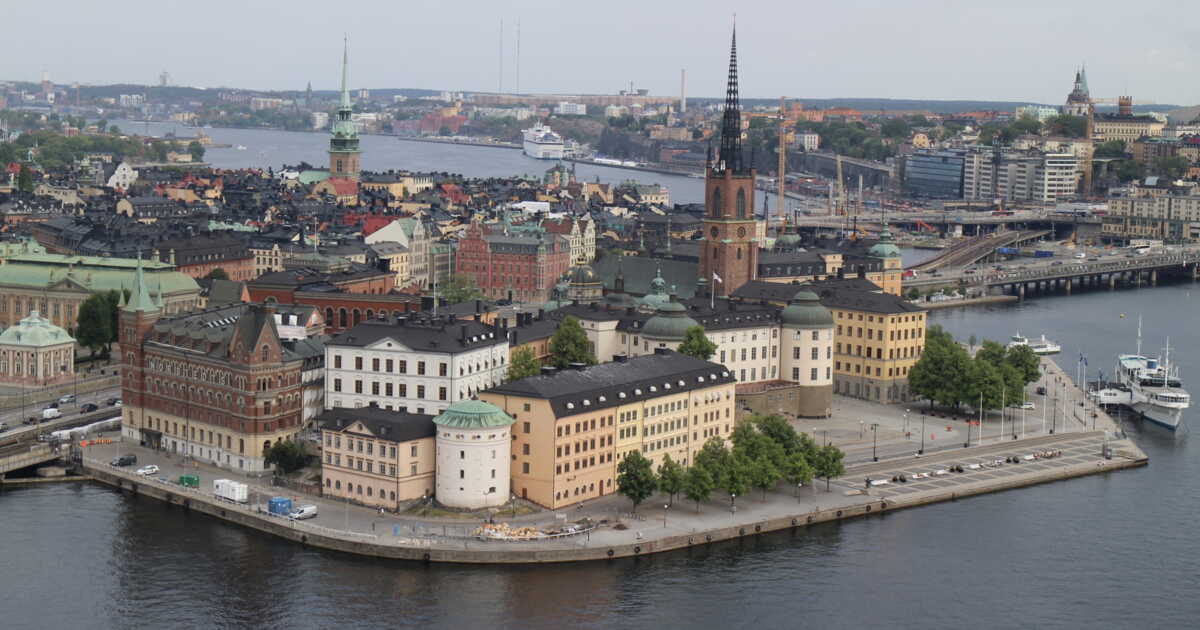
In Stockholm’s old town, just before the rain, a couple of French tourists share the moment as well. Daniel and Florence Gastaldi, recently retired, had booked their trip in the spring, before the heat waves hit. Nevertheless, “being from Marseille, we’re quite happy to find the coolness here”, they say.

The trend of “coolcations”, a concept born from blending cool (fresh) with vacations, seems to be solidifying year after year.

In France, “towns like Saint-Claude in the Haut-Jura (in the east of the country) recorded much higher July tourist numbers than in previous years”, explains Jean-Pascal Chopard, director of Jura Tourisme. “Because at altitude, there is a noticeable cooling in the evening and at night, which makes stays much more livable.”

In Normandy too, the effect is felt. “There has always been a habit of leaving Paris on weekends to come to the Calvados coast when it’s hot (…) . And the daily attendance has become denser” during heat waves, adds Karl Joly, director of Calvados Attractivité.

When one sweats heavily, other countries beyond the Mediterranean rim begin to dream. On the Hotels.com France platform, searches for bookings to Copenhagen, Denmark jumped 246% since the first heatwave of May, and those for Dublin, Ireland rose 151%.

A trend echoed in the United States, notes Jonna Robertson, travel advisor at Fora Travel. According to data from this American travel startup, “Oslo has recorded a 154% year-over-year growth in bookings, Helsinki 124%”, while Alaska (USA) or Patagonia (Argentina) could also benefit, explains the expert, founder of Coolcation Adventures.

The sun’s pull remains an attraction that is hard to dethrone

Can this enthusiasm nonetheless reshape the geography of international tourism? After all, Southern Europe, cheaper than the north, remains at the top of favored destinations.

“All European countries have seen an increase in tourist arrivals and there is no discernible trend tied to the heat”, says Swedish tourism professor Stefan Gossling.

“Temperature is one aspect people consider when they go on vacation. But there are many other factors. Italy isn’t Denmark in terms of culture, environment, or price. All of this means people do not easily switch destinations when they have a preferred one”, he adds.

The Norwegian tourism promotion agency confirms: “Our recent surveys of visitors show that about one in five foreign tourists view cooler summertime temperatures as part of the reasons to choose Norway.” Yet, it reminds, “climate is only one of many factors that influence travel decisions”, to which safety, nature, accessibility, air links, and exchange rates are added…

Attendance figures continue to underscore the prominence of warm-weather countries. Greece, for instance, last year posted its best year in visitor numbers, as did Spain.

For Spain, spending by both local and foreign tourists had already risen by more than 8% in the second quarter of 2026, according to data published by Exceltur, the association that brings together the main Spanish tourism companies.

Jonna Robertson, meanwhile, expects a seasonal shift and departures toward warmer countries in spring or autumn, aiming to avoid both overtourism and exhausting temperatures.

European Destinations to Escape the Summer Heat

As heat waves become more frequent in Europe, many vacationers rethink their summer plans. Rather than chasing sun at any price, they now favor destinations where temperatures stay pleasant even in the height of summer. This trend, dubbed “coolcation,” favors maritime, mountainous, or Nordic regions. From the Anglo-Norman islands to the vast Nordic expanses, several areas stand out as preferred refuges for a cool vacation.

Islands and Coasts Betting on Cool Temperatures

Just a few tens of kilometers from the French coast, Jersey and Guernsey offer an immediate sense of escape without requiring a long journey. Thanks to the influence of the English Channel, temperatures generally remain mild during the summer. Jersey particularly charms with the diversity of its landscapes: long sandy beaches, sheer cliffs, natural swimming pools revealed at low tide, and small fishing harbors compose a setting conducive to outdoor activities. Surfing, stand-up paddleboarding, kayaking, or coastal hiking allow visitors to fully enjoy an environment where the ocean is ever-present.

The Guernsey archipelago, which also includes Herm, Sark, and Alderney, attracts travelers seeking calm. Cliff-top trails offer spectacular views of the sea, while secluded coves and narrow country lanes invite you to slow your pace. The Anglo-Norman atmosphere, inherited from its distinct history, further enhances the sense of escape. A destination that notably charmed Victor Hugo in his time.

Further north, western Sweden constitutes another destination particularly suited to hot summers. Its vast archipelago, stretching along the Bohuslän coast, is dotted with fishing villages with colorful houses, rocky islets, and traditional ports. Summer temperatures are often cooler than those observed in southern Europe. Between cycling trips, boat excursions, swimming in often chilly seas, and sampling local seafood, the region offers a vacation style focused on nature and simplicity.

For those wishing to stay in France, Brittany remains a reliable choice. Thanks to its Atlantic-facing coastline, it generally escapes the intense heat that affects other regions of the country. Areas such as the Gulf of Morbihan, the Pink Granite Coast, or the environs of Lorient allow you to enjoy beaches, coastal trails, and nautical activities in conditions often more comfortable than in the Mediterranean.

Heading for the Mountains and the Great Northern Outdoors

The mountainous landscapes also serve as a coveted refuge during periods of heat. Nestled in the heart of the Austrian Alps, Innsbruck blends urban heritage with direct access to the mountains. From the city center, several ski lifts enable quick access to the surrounding summits. Travelers can thus alternate cultural visits, panoramic hikes, and breaks by alpine lakes where the air remains markedly cooler than in the lowlands.

In the Pyrenees, the Andorran town of Canillo captivates with its preserved environment. Surrounded by green valleys and mountain lakes, it offers an ideal setting for walkers, mountain bikers, and outdoor enthusiasts. The altitude helps maintain pleasant temperatures even during heat events affecting neighboring regions.

Ireland also ranks among the most popular destinations for fans of the “coolcation.” Temperatures there generally stay moderate throughout the summer, which fosters road trips across the island’s spectacular landscapes. Vertigo-inducing cliffs, lakes, mountains, coastal roads, and colorful villages compose a scenery particularly cherished by nature lovers. This mild climate makes it possible to multiply outdoor activities without suffering from intense heat.

Finally, it would be hard to speak of cool vacations without mentioning Iceland. With summer temperatures typically ranging between 10 and 15 °C, the Nordic island stands as one of the emblematic destinations of this new way of traveling. Monumental waterfalls, glaciers, volcanoes, black-sand beaches, fjords, and geothermal springs offer landscapes unique in Europe. A striking contrast to Mediterranean destinations, which explains travelers’ growing interest in a more breathable summer.