The MSC World Europa will not be heading to the Middle East during the 2027-2028 winter season. MSC Cruises has decided to keep its vessel in the Western Mediterranean, where it will offer seven-night itineraries.
The company is thus making a substantial adjustment to its original program. Marseille will be among the embarkation ports for the MSC World Europa, alongside calls planned in Barcelona, Genoa, Civitavecchia, Messina, and Valletta.
This retention strengthens MSC Cruises’ winter offering from France. It also confirms the company’s intention to operate one of its newest ships in the Mediterranean year-round, a vessel that entered service in 2022.
The MSC World Asia will serve the French Antilles
The scope of movement is not limited to the Mediterranean. The MSC World Asia, due to enter service in December 2026, will head to the southern Caribbean for the winter of 2027-2028.
The new vessel will offer seven- and fourteen-night cruises from Fort-de-France, Pointe-à-Pitre, and Bridgetown.
The itineraries may notably include calls in Saint Lucia, Grenada, Saint Martin, Antigua and Barbuda, Saint Kitts and Nevis, Dominica, as well as Saint Vincent and the Grenadines.
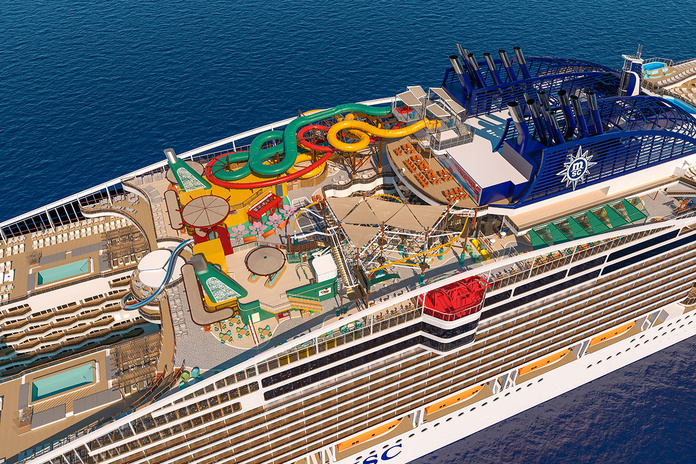
This positioning will give French and Caribbean markets direct access to MSC Cruises’ new flagship. The MSC World Asia will notably incorporate some elements already present on other ships in the World class, to which will be added new attractions such as Cliffhanger, a swing installed above the sea.
Bookings initially made aboard the MSC Meraviglia will be transferred to the MSC World Asia. Customers will be contacted individually if this substitution also affects their itinerary.
At the extreme north of Australia, Darwin doesn’t resemble any other capital city in the country. We discovered this city in the Northern Territory during a June report, in the heart of the dry season. Between Aboriginal heritage, influences from Asia, a turbulent history and wild nature on the city’s doorstep, Darwin has a character all its own. A destination deserving of time to linger.
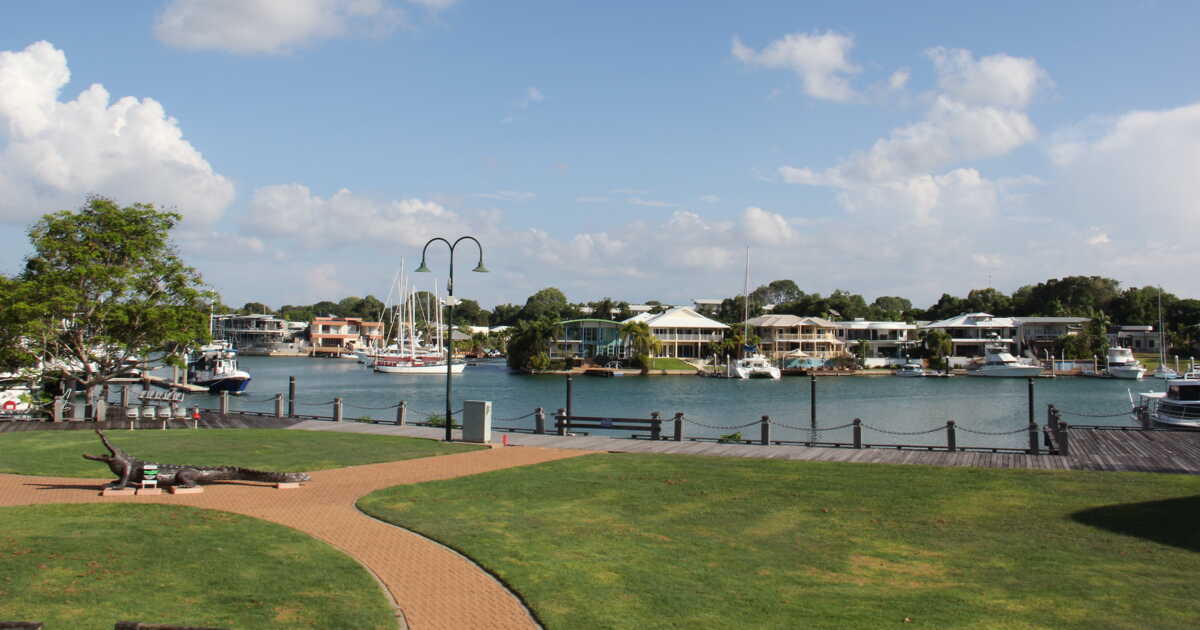
Darwin is the capital of the Northern Territory, a vast region at the center and north of Australia that spans more than 1.4 million square kilometers. The city sits in the Top End, the territorial north, on the edge of the Timor Sea, close to Southeast Asia. It is even closer to Jakarta than to Canberra. With a little over 80,000 residents, Darwin has the scale of a mid-sized city rather than a major Australian capital.
Darwin, a Small Capital Marked by Its History
Its location gives it a tropical climate that largely shapes local life, altering how people live with the changing seasons. The dry season, from May to October, brings hot but pleasant days, little rainfall, and limited humidity. The wet season, from November to April, is characterized by intense heat, high humidity, heavy rains, and violent storms. But to understand Darwin, one must look further back. Long before Europeans arrived, the region was inhabited by the Larrakia, the “Saltwater People”, whose territory stretched around the port and coastline.
They maintained exchanges with neighboring peoples, such as the Tiwi, the Wagait, and the Wulna, while navigators from present-day Indonesia had been frequenting these shores for centuries. The European history of the town begins in the 19th century. In 1839, the HMS Beagle enters the port now called Darwin Harbour. Its commander, John Lort Stokes, christens it in honor of his former voyage companion Charles Darwin. The naturalist, however, never actually visited the region. Thirty years later, a European settlement is founded under the name Palmerston. Then the discovery of gold at Pine Creek in 1871 accelerates the city’s development.
Darwin also holds memory of two catastrophes that deeply shaped its history. On February 19, 1942, during World War II, Japanese forces bombarded the town, marking the first air attack on the Australian mainland. About 250 people were killed and several hundred more were wounded. Today, the Darwin Military Museum and several historic sites allow visitors to revisit this major chapter of Australian history.
Then, on the night of December 24–25, 1974, Cyclone Tracy wrecked the city. Much of it was destroyed and tens of thousands of residents had to be evacuated. The reconstruction that followed transformed Darwin and partly explains its current architecture, which is far newer than that of many other Australian cities. To discover this history, a guided tour can be particularly interesting. Darrel Trueman of Darwin Gourmet Tours offers itineraries dedicated to World War II, to gastronomy, and to street art.
A City Where Cultures Meet
Its history partly explains why Darwin is today one of the most multicultural cities in Australia. More than 60 nationalities and 70 different ethnic origins are represented here. This diversity is reflected in the restaurants, markets, and events that fill the year. It’s hard to grasp it better than by tasting laksa. This spicy Southeast Asian noodle soup has become a real institution in Darwin, to the point that the city dedicates an international festival to it every year. During the Darwin International Laksa Festival, restaurants, cafes, and other establishments compete over their own recipes, while locals vote for their favorite bowl.
But the most important cultural dimension is that of the First Nations peoples. The Northern Territory counts more than 100 Aboriginal languages and dialects. In Darwin, the Larrakia occupy a central place, but the city also serves as a gateway to the many cultures of the Top End. This cultural richness today translates into numerous transmission and revitalization projects. Artists, associations, communities and cultural institutions contribute to keeping languages, crafts, and traditional narratives alive.
The Museum and Art Gallery of the Northern Territory hosts the National Aboriginal and Torres Strait Islander Art Awards (NATSIAA), which highlight yearly the contemporary work of Aboriginal and Torres Strait Islander artists from the Torres Strait. The Larrakia Cultural Centre also aligns with this momentum. Its opening, announced for 2026, should allow the public to view Larrakia cultural objects that have recently been repatriated after being kept abroad for decades.
To go further, head to the Tiwi Islands. There you discover a culture different from that of the Larrakia, through a true immersion: traditional dance around the fire, presentations of history and traditions, an introduction to Tiwi motifs, encounters with artists, and a visit to a museum dedicated to the community’s history. An opportunity to better understand the impact of war on the Tiwi and the transformations their culture has undergone.
Another essential stop: Kakadu National Park, UNESCO World Heritage site for its natural and cultural riches. It’s a destination for its landscapes, wetlands and wildlife, but also for the history of the Aboriginal peoples who have inhabited these lands for thousands of years. The park shelters numerous rock art sites, including Ubirr and Burrungkuy (Nourlangie). To explore the sites with a guide, the CYAROUND agency and their guide Jack Tanner offer experiences that combine nature discovery with an understanding of First Nations culture.
From Sunset to the Bush, Experiences Not to Be Missed
Darwin can also be discovered through a multitude of experiences, sometimes surprising! Among the must-sees, the sunset at Mindil Beach is an institution. At day’s end, locals and tourists gather at the market just behind the beach to buy something to eat, then settle on the sand to watch the sun disappear on the horizon. And when the spectacle ends, everyone claps. Even when it rains, the Top End doesn’t stop. The wet season is notably the season for barramundi, the emblematic fish of northern Australia, at the heart of Million Dollar Fish, a competition held in the Northern Territory.
The idea is quite wild: some barramundis are specially tagged before being released, and the fishermen who manage to catch one can win up to one million Australian dollars. For those who want to approach the fish without going fishing, the Barramundi Experience NT offers a striking and entertaining encounter with large, rescued-from-farming individuals. Some exceed a meter in length and can even be caressed and fed by hand!
And for those who love genuinely quirky experiences, Darwin has another rather surprising specialty: the Heli Pub Crawl. Offered by Airborne Solutions, this helicopter/pub tour lets you reach several venues, some of them very isolated in the wild. Between drinks, the passengers fly over the coastline, the wetlands and the tropical landscapes.
The region can also be discovered through its agricultural production. The Northern Territory is Australia’s leading mango producer, accounting for about 52% of national production. In the region, harvest time brings festivals like the NT Mango Festival, featuring tastings, contests, and culinary preparations around the fruit. A tasty way to explore one of the Top End’s iconic products.
But perhaps the most striking thing is how easy it is to leave Darwin and find yourself in nature. Less than two hours by road from the city—or 45 minutes by helicopter—the Finniss River Lodge plunges visitors into a vast wild territory. Located on a sprawling cattle station, the lodge lets guests discover the life of an Australian outpost while getting to know the local wildlife.
Crocodiles, wallabies and birds populate the surroundings, while cattle are an integral part of the experience. At sunset, you can even enjoy an aperitif among particularly friendly cows! Far from a mere stopover, Darwin deserves to be lingered over before venturing further into the Top End.
3. Enjoying diverse and varied gastronomic delights
4. Immersing in the buzz of metropolises
5. Relaxing and recharging
6. Embarking on adventures to lesser-known destinations
7. Discovering historical and archaeological heritage
8. Appreciating the diversity of marine ecosystems
9. Participating in festivals and cultural events
10. Contribution to responsible and sustainable tourism
What budget to plan for traveling in Asia?
What to do in Asia as a couple?
What to do in Asia with children?
Asian countries: incomparable cultural and geographical diversity
Asian islands: between preserved nature and island spirituality
Traveling in Asia: between living traditions and modern discoveries
Asian monuments: living witnesses of millennia-old civilizations
Whether you are an experienced traveler or planning your first journey to Asia, this vast continent holds a multitude of captivating experiences.
1. Discovering spiritual and religious culture
Asia is a vast continent where the local culture expresses itself deeply through its ancient religions and beliefs. To discover Asian spirituality is to visit sacred places and iconic sites such as Angkor Wat in Cambodia, Borobudur in Indonesia, World Heritage-listed landmarks, or the renowned Fushimi Inari Shrine in Japan.
These monuments invite reflection on the foundations of civilizations shaped by history, much like Phnom Penh’s historical heritage or the spiritual imprint left by the Mughal Empire with the Taj Mahal in India. For history enthusiasts, every emblematic site in Asia becomes a gateway to myths, rites, and philosophies that still structure daily life in many countries across the continent, from the bustling Thai temples to the most remote Laotian villages.
2. Exploring exceptional natural landscapes
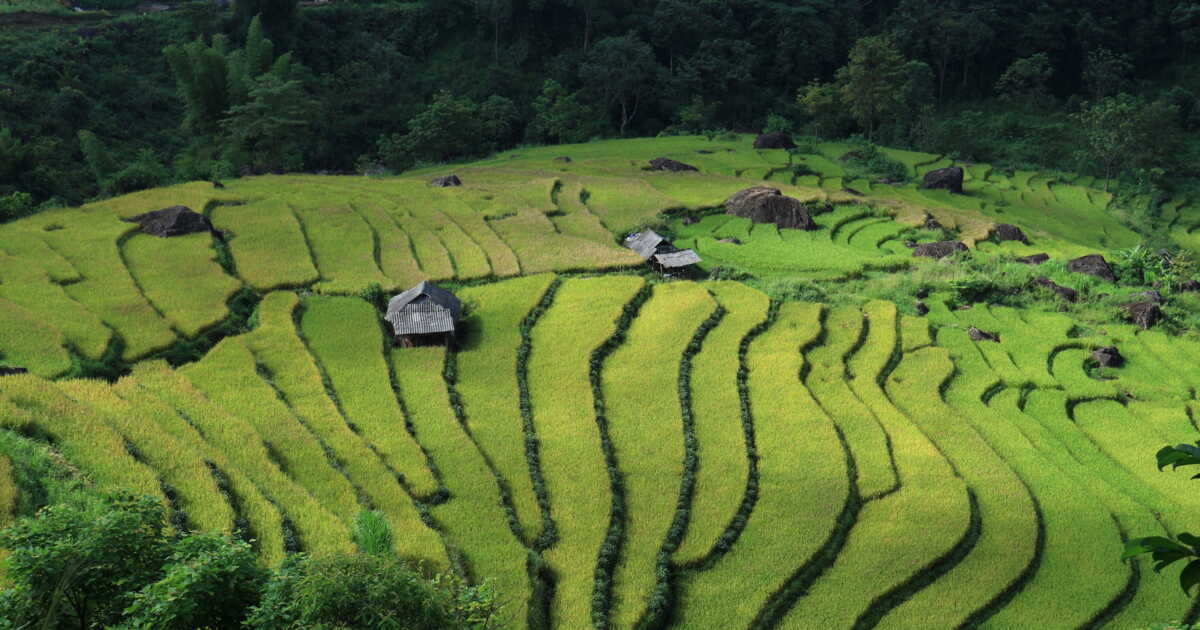
The Southeast Asia region, rich in natural beauty, offers a range of landscapes among the most fascinating on the globe. From the summit of a towering Indonesian volcano to the terraced rice fields of Vietnam, and the karst peaks of Halong Bay in Vietnam, every trip to Asia reveals breathtaking panoramas.
South of Thailand, boat excursions in the Phang Nga Bay let you admire limestone islands rising from the water, while in Laos, jungle treks provide privileged access to a still-pristine nature. These areas of Asia, accessible with minimal effort, allow you to appreciate the variety of landscapes, from deserted beaches to dizzying peaks, far from mass tourism, and represent a smart starting point for exploring the continent.
3. Enjoying diverse and varied gastronomic delights
The culinary richness of Asia alone is a reason to travel. Traveling in Asia often doubles as a culinary journey, as regional cuisines reveal beautiful places where discovery happens through taste. From Vietnamese pho to Indian curries, and the street foods of Thailand, local culture expresses itself in every dish.
In Tokyo, the capital of Japan, cuisine reaches levels of refinement, while in Cambodia one can explore typical markets in Phnom Penh and sample produce rooted in rural traditions. Learning to cook on-site, in a Laos village or in Chiang Mai, extends the experience and yields more than memories: a tangible understanding of an art of living grounded in history.
4. Immersing in the buzz of metropolises
Asian metropolises concentrate technological modernity and cultural depth. A trip to Hong Kong or Singapore reveals dynamic cities where colonial legacies mingle with futuristic districts, while Japan illustrates a captivating coexistence of preserved island traditions and hyper-modernity. These places embody both the past and present of a continent in constant transformation.
In Tokyo, ancient temples sit beside glass towers, illustrating a harmonious coexistence of spirituality and innovation. In Phnom Penh, the city bears witness to Cambodia’s turbulent and often painful history, while in Bangkok urban fervor is felt in floating markets or lively backstreets in the city center. These surprising countries offer visitors immersion in a plural society marked by contrasts and resilience.
5. Relaxing and recharging
Asia has emerged as a premier destination for wellness and reconnection. In the southern Thailand, stays combining traditional massages, yoga, and deserted beaches invite you to disconnect. In India, the cradle of yoga, sacred places conducive to meditation—such as Rishikesh or Varanasi—await. In Bali, Indonesia, off the beaten path, retreats unfold in green settings at the foot of volcanoes, far from mass tourism.
These practices, sometimes rooted in ancient traditions, integrate into a balanced and rejuvenating lifestyle. The effort becomes introspective, the destination becomes self-care, and every journey in Thailand, India, or Indonesia becomes a step on the path to well-being.
6. Embarking on adventures in lesser-known destinations
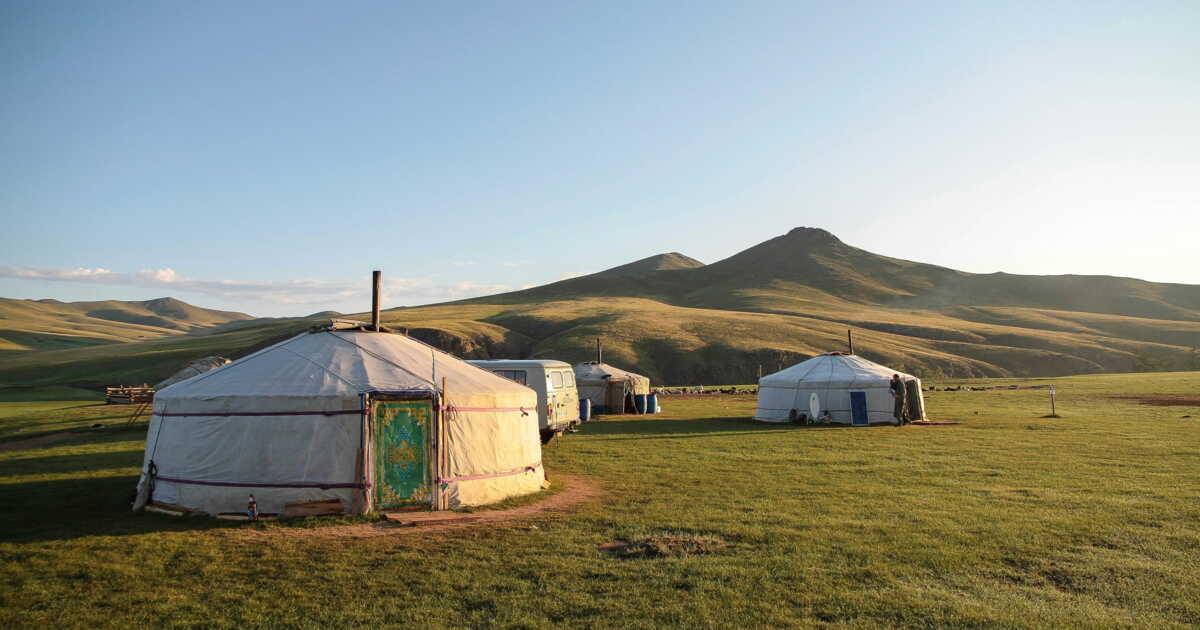
Exploring Asia beyond the well-trodden routes captures the continent’s essence. The principal island of Luçon in the Philippines, the steppes of Mongolia, or the rainforests of Borneo offer an authentic voyage through varied landscapes still largely untouched by mass tourism.
These Asian places, thanks to their remoteness, enable direct contact with local ethnic groups, immersion in remote villages, and access to a preserved local culture. The Muang Ngoi Neua village, the lands of Sri Lanka, and the wild regions of Cambodia embody this Asia—rich in encounters and lessons in simplicity. Traveling in these areas means choosing a different way to discover Asia—respectful, patient, and deeply humane.
7. Discovering the historical and archaeological heritage
Asia stands out for the density and richness of its historical heritage. Each place tells a story, often complex, sometimes tragic, always fascinating. From the Ayutthaya ruins in Thailand, remnants of a powerful kingdom, to the turbulent history of Vietnam, each site offers a lesson in architecture, politics, and faith. In Phnom Penh, Cambodia’s painful past finds expression in its museums and memorials.
In India, Mughal constructions such as the Taj Mahal illustrate the grandeur of an empire that left a mark on the subcontinent. These emblematic sites, scattered across South and Southeast Asia and often World Heritage-listed, are not mere attractions.
8. Appreciating the diversity of marine ecosystems
Asia’s marine ecosystems harbor remarkable biodiversity, especially within protected areas of Vietnam, the Philippines, or the Indian Ocean. Boat excursions in the Phang Nga Bay, diving among the reefs of Tubbataha, or exploring the atolls of the Maldives are immersive experiences accessible to travelers keen to discover another facet of the Asian continent.
These paradisiacal panoramas, bordered by deserted beaches, allow the observation of rare species like sea turtles in still-pristine environments. It is also an opportunity to enrich an Asian itinerary with an ecological and scientific dimension, complementing cultural or historical routes.
9. Participating in festivals and cultural events
Asian festivals are moments of convergence between past and present, religion and celebration, in countries where tradition remains deeply rooted. The Lunar New Year in China or Vietnam, Holi in India, or the lantern festival Loy Krathong in Thailand are major highlights of regional cultural life.
Joining these celebrations means approaching a living local culture, made of rites, music, dances and shared symbols. These events are ideal for a collective experience, at the heart of cities or in villages, at the pace of the people and their traditional pastimes.
10. Contributing to responsible and sustainable tourism
Engaging in sustainable tourism in Asia means combining discovery with responsibility. Whether through eco-volunteering in Indonesian parks, preserving sacred sites, or participating in community programs in Laos, Asian journeys can have a positive impact.
Choosing responsible accommodations, favoring off-the-beaten-path destinations, understanding local ethnic groups, or promoting iconic sites without over-visiting helps protect the varied landscapes and traditions. This choice demands an effort, but it offers the guarantee of a more authentic journey aligned with current challenges of world heritage and biodiversity.
In summary, Asia offers a stunning range of activities that meet all desires and tastes. Whether for cultural discoveries, outdoor adventures, or moments of relaxation, the Asian continent is a vast stage of enriching experiences. By planning your trip carefully, you can make the most of this multi-faceted continent while respecting local customs and supporting sustainable development.
What budget should you plan for a trip to Asia?
Planning a budget for a trip to Asia largely depends on the countries you visit and the style of stay you envision. In this region, the spending range is particularly wide: a backpacker can discover the beautiful corners of Laos, Cambodia, or Vietnam, while more comfortable travel is easier to achieve in Thailand, the “land of smiles,” or in Japan, where transport and accommodation costs are higher.
On average, a balanced trip typically ranges from 15 to 100 euros per day, depending on comfort level and season. It is wise to budget for boat trips in Phang Nga Bay, jungle hikes, or visits to World Heritage sites like the Taj Mahal in India or Halong Bay in Vietnam.
A journey through Thailand or off-the-beaten-path Indonesia can remain accessible while offering invaluable cultural and natural richness. Asia, with its landscape diversity and varied ways of life, allows you to adapt your budget to your pace and priorities.
What to do in Asia as a couple?
For a trip for two, Asia provides a setting conducive to discovery and shared experiences. Sunsets on the beaches of southern Thailand, boat excursions off Phang Nga, or walks through Laos villages such as Muang Ngoi offer precious moments.
History-loving couples will appreciate the wealth of heritage in India or Cambodia, where Phnom Penh’s history or the majesty of the Taj Mahal in India embody the continent’s memory and spirituality. For a more introspective experience, a journey to Japan invites serenity through sacred places, zen temples, or diverse cityscapes like Kyoto or Tokyo.
Between Indonesia’s active volcanoes, the islands of the Indian Ocean, and Asia’s spots where mass tourism remains limited, couples can craft a tailored itinerary at the right time—blending local culture, sea-side moments, and suspended experiences.
What to do in Asia with children?
Traveling in Asia with kids is both enriching and accessible. Southeast Asian countries like Thailand and Vietnam, or Sri Lanka in South Asia, are especially well suited for family trips thanks to their friendly infrastructures, hospitality, and favorable climate.
Younger travelers can marvel at the spectacular Halong Bay panoramas, see orangutans in Indonesia’s natural reserves, or join boat trips along Cambodia’s desert beaches. Laos’ villages offer direct contact with preserved ethnic groups and accessible local culture.
A family trip is also a chance to introduce younger generations to the continent’s diversity, gastronomy, and history—from Vietnam’s turbulent past to Hong Kong’s colonial heritage. Asia emerges as a safe, educational, and unforgettable adventure ground for both young and old.
Asian countries: incomparable cultural and geographical diversity
Asian countries cover a mosaic of civilizations, landscapes, and traditions among the richest in the world. From Japan to Mongolia, via Thailand, India, Vietnam, Cambodia, and Indonesia, each destination stands out for a strong local culture. You will encounter spirituality at sacred places, Indonesia’s volcanic heights, Sri Lanka’s paradisiacal panoramas, and the diverse landscapes from Laos to Mongolia.
These Asia itineraries offer a glimpse into the continent’s human richness, where tradition and modernity coexist. This surprising continent remains a paradise for culture, nature, and history lovers, inviting you to traverse vast wild expanses and ascend impressive peaks, all while preserving curiosity and the sense of wonder that accompanied you on day one.
Asian islands: between preserved nature and insular spirituality
Each Asian island embodies a unique identity: the beaches of southern Thailand, the temples of Bali, the volcanic landscapes of Java, or the rice terraces of Luzon in the Philippines. These main islands and their more secret neighbours form a network of destinations that blend natural beauty, local culture, and iconic Asian landmarks.
Far from mass tourism, they invite you to discover majestic World Heritage sites such as Borobudur in Indonesia or Anuradhapura in Sri Lanka. The varied panoramas—beaches, mountains, forests, and temples—create a rare diversity in a single region. Whether for jungle hikes, seaside moments, or a deep nature immersion, these islands remain a cornerstone of travel in Asia.
Traveling in Asia: between living traditions and modern discoveries
Traveling in Asia means traversing a continent of contrasts, where urban modernity blends with millennia-old civilizations. Asian journeys offer a starting point to explore the most fascinating Asian locales: the Angkor temples, the Taj Mahal in India, and the imperial cities of Vietnam.
At each step, Asia reveals a local culture of exceptional richness, from Bangkok’s markets to Laos’ villages, from the varied stretches of rice paddies to sacred places perched on mountainsides. Thanks to the diversity of its surprising countries, Asia stands as a destination where you combine effort, contemplation, and learning. This continent allows anyone to absorb the beauty of the world without losing the human dimension of travel.
Asian monuments: living witnesses of millennia-old civilizations
Asian monuments embody the continent’s memory, shaped by spirituality and the power of ancient empires. From the Angkor temples to the Forbidden City, from the Taj Mahal in India, a Mongol-era heritage, to the shrines of Japan, these emblematic sites testify to a fascinating history.
History buffs will find here a unique diversity: Cambodia, India, Japan, Vietnam, and China each offer their own architecture and symbolism, often World Heritage-listed. These emblematic places in Asia, frequently perched high in the mountains or nestled in breathtaking landscapes, extend the memory of the peoples and form an essential introduction to any cultural exploration of the continent.
This article was drafted with the help of artificial intelligence and subsequently refined, completed, and validated by the editorial team.
A heatwave has settled over Europe since the end of May 2026. It strikes populations in suffocating waves as the summer holidays begin. A new vacation trend is already emerging—the “coolcation.” The idea: travel to places where the heat does not crush the mind and body. And this tourism reality in the midst of climate change has also reached Asia, which, according to the World Economic Forum, is warming twice as fast as the rest of the world.
In Japan—where temperature records had already been broken in the summer of 2025—CNN reports that this new reality has even given rise to a new word: kokusho-bi or “cruelly hot day.” But beyond the semantics, it is the whole range of tourism practices that is evolving in Asia. More and more travelers are willing to engage in activities very early in the morning or in the evening to avoid the daytime heat, for example. The company Get Your Guide has already noted a 70% surge in these time slots, CNN reports.
Last-Chance Tourism Is Taking Shape
It is hard to give up certain activities or outings because of the heat when you have come from very far—and paid a lot—to discover a region of the world. Especially since some destinations are widely threatened by climate change and are certainly in their last years as tourist destinations. This is the case for the Maldives, or the Pacific islands, for example.
To remain competitive and attractive despite heat waves, floods, or storms, all induced by global warming, destinations must redouble their ingenuity. In some countries, tourists are redirected from one region to another, milder between June and August—a period during which most of the Northern Hemisphere is on vacation. This is how, for example, the Hokkaido region in Japan has seen an increase in visitation in recent years.
Mongolia: A New Leading Asian Destination?
Tourist sites face another problem: the lack of regularity in the seasons and the difficulty of forecasting variations in climate and temperature. In Nepal, hotels have hired staff responsible for assessing climate risks year-round. Some hiking routes are thus closed for long months.
Other Asian countries are benefiting from this search for coolness. In the first half of 2026, the number of tourists rose by 33% in Mongolia. And authorities expect this rate to grow exponentially in the years to come. They are investing heavily in the construction of hotels and leisure activities in the capital, Ulaanbaatar.
Want to share your view on climate change in France?Participate in the photo contest The Climate Eye!
Asia a lancé un grand challenge de ventes dédié à l’Australie.
“Le Défi Australie”, c’est son nom, récompensera les agents de voyages les plus prescripteurs de la destination chez le voyagiste.
Les cinq meilleurs agents ayant effectué des réservations entre le 1er novembre 2024 et le 30 juin 2025 pour des voyages en Australie d’Asia, auront la chance de partir en novembre 2025 à la découverte de l’Ouest australien et de tester le nouveau vol direct de Qantas.
Asia est en effet le premier tour-opérateur à s’être positionné dès l’été 2024 sur le nouveau vol direct de Qantas reliant Paris à Perth ! Le président du tour-opérateur, Guillaume Linton, nous avait d’ailleurs partagé ses impressions lors de l’un des tous premiers vols fin Juillet
Ce trajet en Dreamliner 787, positionné en amorce des jeux Olympiques de Paris, permet pour la première fois dans l’histoire de l’aviation commerciale, de joindre l’Australie en moins de 16 heures depuis Paris !
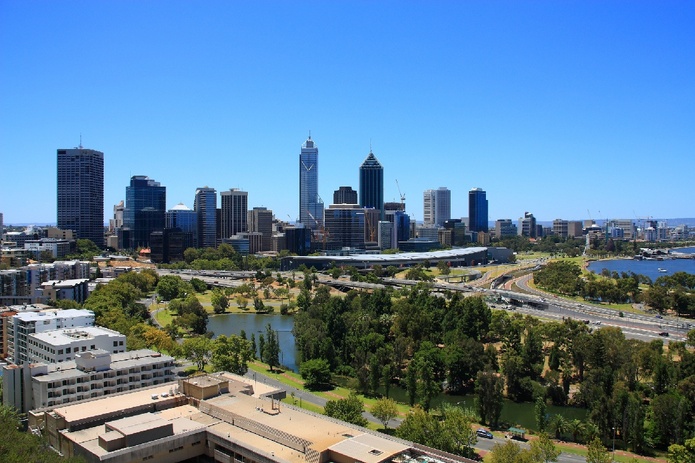
L’Australie Occidentale, dont Perth est la capitale, état le plus ensoleillé du pays, offre une porte d’entrée idéale pour explorer l’Australie d’ouest en est. Dans cette optique, Asia a intégré pour ses départs 2025 en petits groupes, ce vol Paris/Perth à ses 2 circuits Tentations, avec une nouveauté : La Grande Traversée de l’Australie.
Western Australia, the New Gateway
This long journey of 22 days/19 nights offers a complete immersion down under. Limited to 16 participants, this voyage thus starts in Western Australia, a vast region still relatively unknown to French travelers, yet spectacular in many ways.
On the program: the dynamic yet relaxed city of Perth, the preserved Rottnest Island, a true natural sanctuary famous for its quokkas and its paradise beaches, and the possibility of a side trip to Fremantle, a charming port city renowned for its lively markets and trendy cafés, where street art is found at every corner.
The itinerary continues through the Northern Territory, from the Top End to the Red Centre, weaving between rock-art sites, Aboriginal ceremonial places, billabongs paradise of birdlife, natural waterfalls and ochre canyons, before reaching the reefs of the Great Barrier Reef and the Daintree Rainforest around Cairns in Queensland.
The journey also includes exploring the great metropolises of Sydney and Melbourne, the Blue Mountains National Park and the Great Ocean Road, in the southeast of the country. A trip with a French-speaking guide who combines Australia’s finest natural and cultural treasures.
For nearly 40 years of programming, Asia also aims to be the specialist in Australia autodrives (by car, 4×4 and motorhomes), with a whole palette of road or off-road itineraries, for all budgets and assembled to measure by the operator’s team of expert tour planners, all duly certified “Aussie Specialists”.
The most deserving travel agents will be able to discover a preview of these wild landscapes along the western coast!
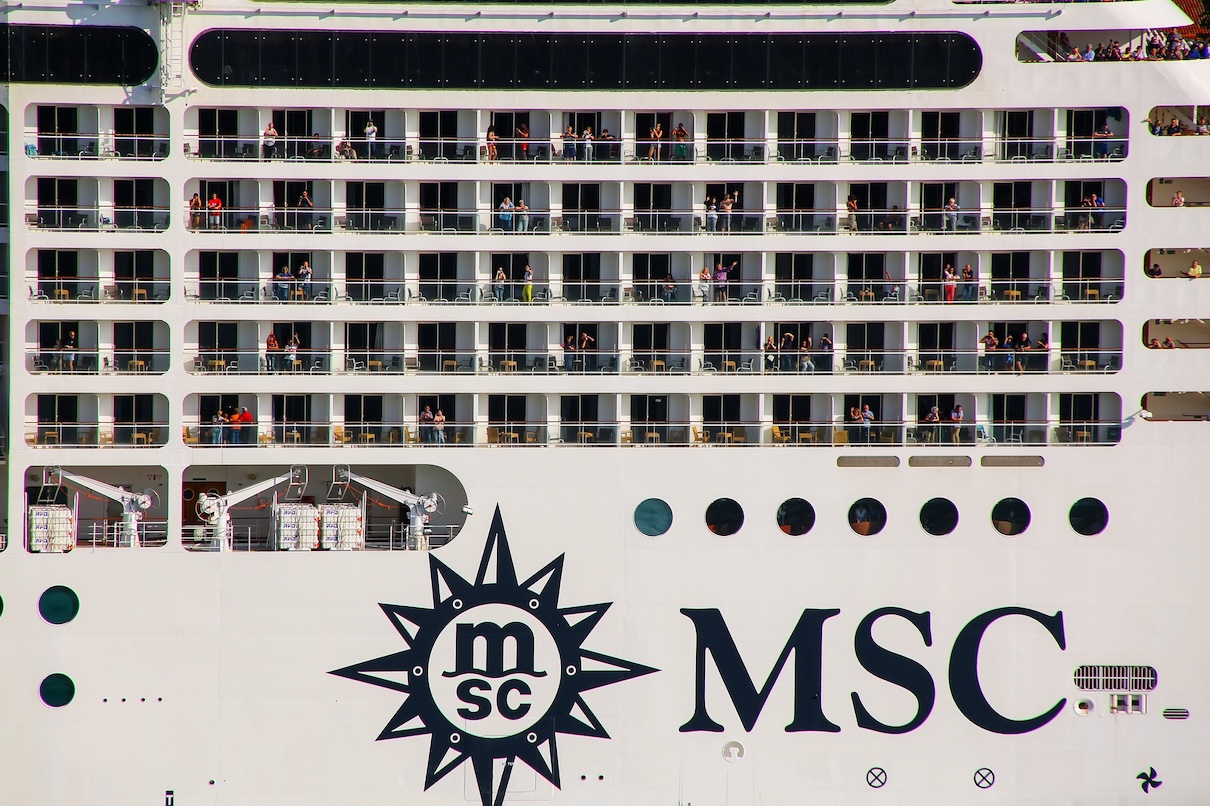
Six months before its inaugural voyage, MSC Cruises is stepping up its communications around its new flagship, the MSC World Asia.
The liner will be officially christened on November 28, 2026 in Le Havre, before kicking off its inaugural Mediterranean season on December 4. As the third unit of the World Class lineup, this next‑generation vessel underlines the company’s innovation strategy.
Inspired by Asian cultures in its design and ambience, it promises an experience blending entertainment, gastronomy and family leisure, while serving several major Mediterranean ports: Barcelona, Marseille, Messina, Civitavecchia (Rome), Naples and Valletta.
The christening in Le Havre will bring together international tourism players, the company’s partners and media for an evening that will be both traditional and modern. This choice also underscores the strategic importance of the French market for MSC Cruises.
Gianni Onorato, CEO of MSC Cruises, highlights the momentum of the World Class range: “Our ships are enjoying remarkable success… MSC World Asia marks a new milestone in this journey“, emphasizing continuous innovation and the enhancement of the passenger experience.
The ship’s command has been entrusted to Captain Paolo Benini, praised for his recent experience aboard the MSC Euribia and his leadership abilities.
Six flagship experiences
As its entry into service approaches, the company reveals six major attractions that will structure the onboard leisure offering:
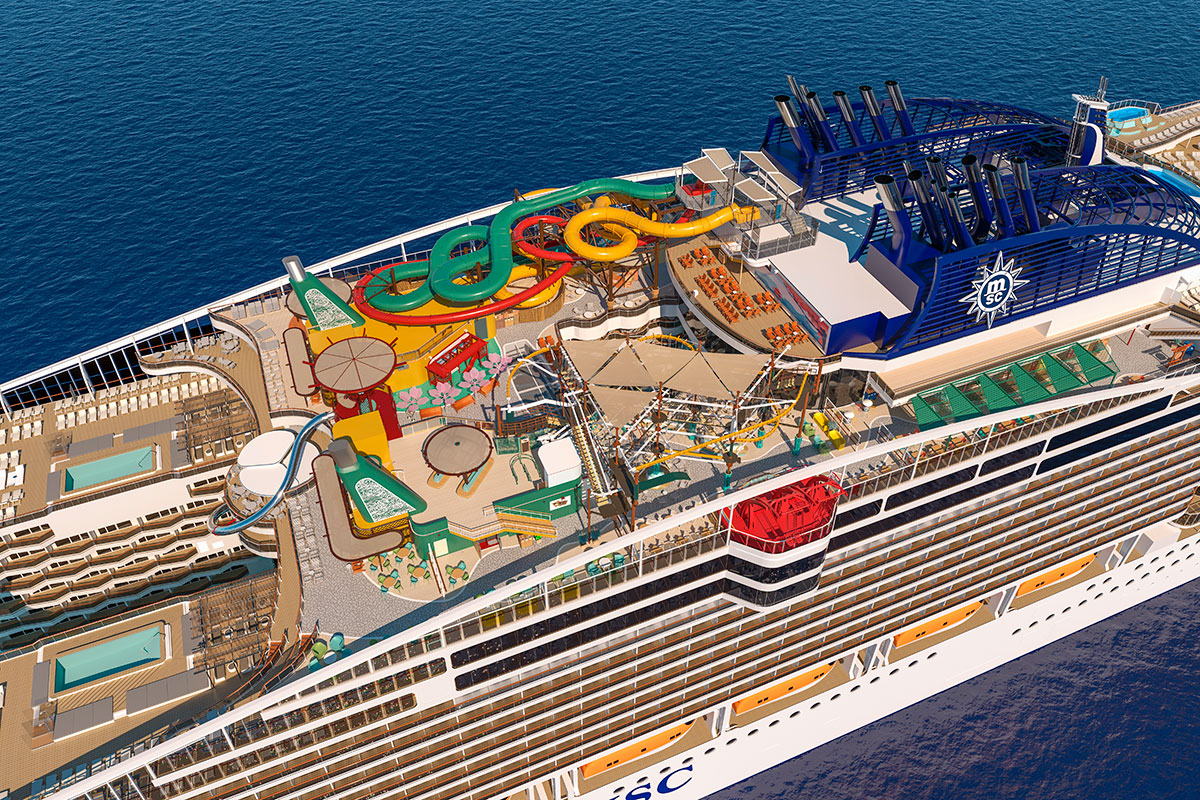
The ship will notably offer Cliffhanger, a swing suspended 50 meters above the sea, a first in Europe for the line.
It will also feature The Spiral @ Tree of Life, an 81.3-meter dry slide spanning 11 decks, designed as the ship’s signature attraction.
Thrill‑seekers will also enjoy Twin Racer and U Drop Waterslides, crafted for competition and spectacular drops.
The experience continues with Adventure Trail High Ropes Course, a two‑level aerial course incorporating zip lines and balance challenges.
For immersive entertainment, the MSC Formula Racer simulator will allow guests to experience the Formula 1 world in virtual settings.
Finally, the MSC Luna Park Arena will offer a digital interactive space where the floor becomes an evolving playground for varied challenges and activities.
A strengthened dining and leisure offering
Beyond these novelties, the ship will position itself as a true floating resort. It will boast more than 40 bars, lounges and restaurants, seven swimming pools, thirteen hot tubs, as well as an entertainment lineup designed for all ages.
The design will also feature a collection of artworks inspired by Asia and the largest range of suites ever offered within the MSC Yacht Club concept.
Published by Amelia Brille TourMaG.com Editor See all articles by Amelia Brille
Despite this (fresh) end of summer and the recent return to activity, many travelers are preparing to hit the road again, whether for business or off-season leisure.
However, some rules of the game have changed.
Travel formalities for a few destinations, often influenced by health and geopolitical policies, have recently undergone several adjustments.
Here is therefore a tour of the latest changes, restrictions, obligations and relaxations of travel that have come into force, so that you can plan your upcoming trips, or those of your clients, under the best possible conditions.
ASIA : travel formalities are evolving in Indonesia, Sri Lanka, Pakistan, …
SRI LANKA : the e-Visa is suspended but a visa exemption announced for 38 countries
Since August 2, 2024, and a court ruling concerning the allegedly suspect management of the service, the e-Visa system has been suspended until further notice in Sri Lanka.
While awaiting a judicial resolution of this situation, travelers can obtain a visa on arrival in Sri Lanka, and according to the latest authorities’ announcements, visitors from 38 countries, including France, Belgium, Canada and Switzerland, will benefit from visa exemption in the coming weeks.
Details are expected to be published starting October 8.
PAKISTAN : 126 countries benefit from free visa
Since August 14, tourists and business travelers from 126 countries obtain a free electronic visa valid for 3 months with multiple entries to Pakistan.
This e-Visa is issued in less than 24 hours and the application process is greatly simplified.
French, Belgian, Canadian and Swiss travelers are eligible for this new electronic visa.
THAILAND : ETA travel authorization on the horizon
VisasNews reveals exclusively: Thailand is preparing to introduce an electronic travel authorization “ETA.”
This travel formalité will apply to citizens of 93 visa-exempt countries and territories for 60 days and should be free.
A pilot launching phase is planned for December next, before a full rollout announced by June 2025.
INDONESIA : a health pass to counter the Mpox virus
The Mpox virus takes us back to the dark days of Covid, especially regarding travel…
Since August 27, all travelers departing for Indonesia must hold a health pass before heading to the archipelago.
Named “SATUSEHAT Health Pass,” this health form must be completed online on the portal: sshp.kemkes.go.id.
CHINA : no fingerprints for visa until end of 2025
Until then, this fingerprinting requirement is suspended through the end of the year; Chinese visa applicants will not have their fingerprints collected before 2026.
The Embassy of China in France announces that short-stay visa applicants (up to 180 days) with single or double entry are exempt from fingerprint collection until December 31, 2025.
ISRAEL : ETA-IL requirement postponed to 2025
While it was due to take effect on August 1, 2024, the ETA-IL electronic travel authorization will finally be required only from January 1, 2025.
Israeli authorities announced that the pilot phase of the ETA-IL travel authorization, launched last July, has been extended until December 31, 2024.
Visa-exempt travelers to Israel will be required to hold an ETA-IL only from January 1, 2025.
AFRICA : mandatory insurance, e-Visa and possible reintroduction of visa under the program
MADAGASCAR : the 90-day e-Visa is back
While it previously allowed only 60 consecutive days in Madagascar, the e-Visa now allows an extra 30 days to stay in the country.
Suspended when the service resumed after the pandemic, Madagascar’s 90-day electronic visa was reactivated in August. Its price is set at 50 € or 55 US$.
ZIMBABWE : the electronic visa on arrival also reactivated
After having been required to obtain a visa on arrival in Zimbabwe since last year, French travelers and citizens of 117 other countries can again apply for an e-Visa before departure.
Zimbabwe’s e-Visa portal has been revamped, and authorities have taken the opportunity to reinstate the electronic visa on arrival (e-Visa On Arrival) to simplify immigration formalities on arrival in the country.
Payable online, or on arrival in Zimbabwe, this e-Visa can be obtained in a matter of minutes.
TANZANIA : Zanzibar introduces mandatory insurance
From October 1 onward, visitors to Zanzibar will be required to hold mandatory insurance before traveling to the archipelago.
This requirement, which resembles more a stay tax and which concerns local tourism professionals, must be purchased through ZIC (Zanzibar Insurance Corporation) on the portal visitzanzibar.go.tz.
This insurance costs 44 US$, about 40 €, and covers solo travels up to 92 days per stay.
SÉNÉGAL : towards reintroducing visas for exempted countries ?
It has almost been 10 years since French and European tourists no longer need a visa to visit Senegal, but that could change soon…
Indeed, Senegal’s Minister of African Integration and Foreign Affairs, Yacine Fall, stated earlier this week that it is “important that Senegal revisit the issue of free visas and that we try to implement a reciprocity policy”.
This measure is being considered by the Senegalese government and, if implemented, could impact many countries, including European nations.
EUROPE : electronic travel authorization becomes widespread
UNITED KINGDOM : French and Europeans will need an ETA from 2025
A major and anticipated announcement for French and European tourists: the United Kingdom will require an electronic travel authorization ETA for its visa-exempt visitors starting in 2025.
The ETA will cost £10, about €12, and will be valid for 2 years, or until the passport expires if it has a shorter validity.
French and European tourists and business travelers will be able to apply for their ETA from March 5, 2025 on the GOV.UK portal or via the mobile app “UK ETA” on iOS and Android.
From April 2, 2025, presenting an ETA will be mandatory to enter the United Kingdom.
UKRAINE : an ETA in preparation
To secure its borders and strengthen control over the entry and exit of foreigners, Ukraine is also preparing an ETA.
Little information for now, but Ukrainian authorities are currently defining and approving a list of countries that will benefit from a visa-exemption regime for entering Ukraine, and whose citizens will have to submit “an electronic notification, in accordance with the established procedure, regarding their intention to enter Ukraine”.
CHANNEL ISLANDS : Jersey and Guernsey extend entry for French day-trippers with a national ID
Authorities in Jersey and Guernsey have decided to extend the measure allowing French day-trippers to enter with only a national ID card until the end of September 2025.
This program, which allowed French travelers to visit the two bailiwicks for a single day, without overnight stays, with just a national ID card, was originally set to end at the end of September.
The recent UK government’s announcement regarding the introduction of the ETA in April 2025 should normally prevent this program from ending in September 2025.
BELARUS : 35 European countries temporarily visa-exempt
European travelers from 35 countries no longer need a visa to enter Belarus by air or land.
This exceptional measure, which ends on December 31, 2024, allows stays of up to 30 days visa-free in the country and can be used an unlimited number of times but only within 90 days per calendar year.
AMERICA : the e-Visa is functional in Cuba
Announced last May to replace the tourist card, the electronic visa is now fully functional in Cuba
International travelers must now apply for their visa online on the evisacuba.cu portal. During the ordering process, it is necessary to select an embassy or consulate that will process the visa application and collect the e-Visa fees.
It is important to note that online payment by credit card is not possible. For residents of France, it is necessary to make a bank transfer or send a bank-certified check for the amount of 22 € to finalize the e-Visa application.
Some visa/vacation agencies, having a contract with a Cuban embassy, can issue e-Visas after online payment by credit card.
Travelers with a valid “Tarjeta del Turista” can still use it until the end of the year.
With the tourist card or the e-Visa in hand, it is essential to fill out the travel declaration “D’Viajeros” within 48 hours prior to departure, this step validating the electronic visa.
Laos, Vietnam, China, Hong Kong, Malaysia… destinations now essential for travelers from France.
For tourism professionals, the challenge is no longer merely to offer them, but to tell their stories differently.
In the face of more experienced and demanding clients, itineraries are evolving: less demonstrative, more authentic. Less “checklist”, more immersive.
Present in 14 destinations in Asia, DTH Travel relies on its local teams to design tailor-made programs, aligned with these new expectations.
Laos and Vietnam: Active exploration, responsible tourism, and gentle mobility
In Laos as in Vietnam, DTH Travel develops an approach centered on gentle mobility and human-scale itineraries to foster immersion while limiting environmental impact.
In Oudomxay Province in Laos, Nam Kat Yorla Pa illustrates an approach where tourism development adapts to the forest, not the other way around.
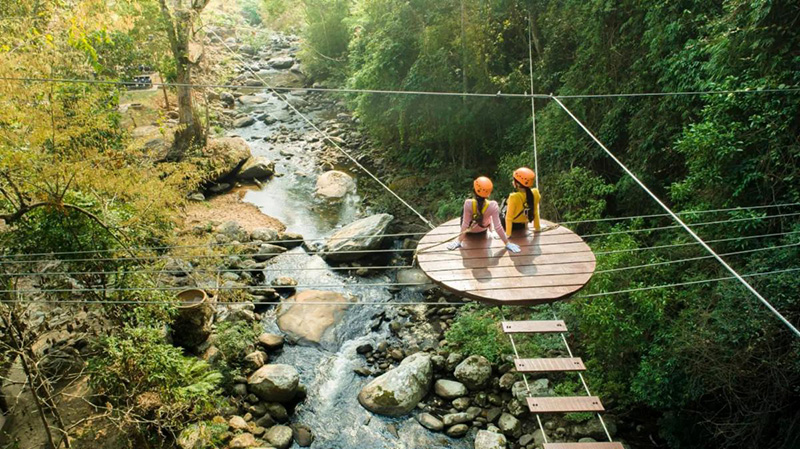
Located along the Nam Kat River, at the heart of a protected environment, the site offers experiences built around this ecosystem: forest hikes, zip lines, guided treks by local experts, and bicycle rides.
In Vietnam, DTH Travel emphasizes gentle mobility to offer a more immersive discovery. Around Hue, bicycle and e-bike itineraries take backroads and traverse rice fields, villages and agricultural landscapes.
Regular stops allow encounters with local communities and the discovery of cultural sites.
In the essential metropolises of Hanoi and Ho Chi Minh City, urban itineraries designed to limit car usage invite travelers to explore these destinations differently, between popular neighborhoods, street markets, culinary experiences, and cultural heritage.
Hong Kong: A Low-Carbon Urban Experience
Often perceived as a stopover destination, Hong Kong deserves a stay in its own right. DTH Travel offers here a distinctly urban and immersive approach, built around a simple principle: explore the destination in one day using only public transport and walking through its districts.
The experience relies on a highly efficient network (tramways, MTR metro, ferries), enabling you to traverse the city and explore its neighborhoods without a car.
A choice that reduces the trip’s carbon footprint while offering immediate immersion in the daily life of residents.
In Central, the exploration centers on Hollywood Road, between galleries, antique shops and street art, in a dense and vibrant urban setting.
Nearby, Upper Lascar Row (commonly known as Cat Street) brings together antique stalls and second-hand objects, ranging from porcelains to collectible pieces in a traditional market.
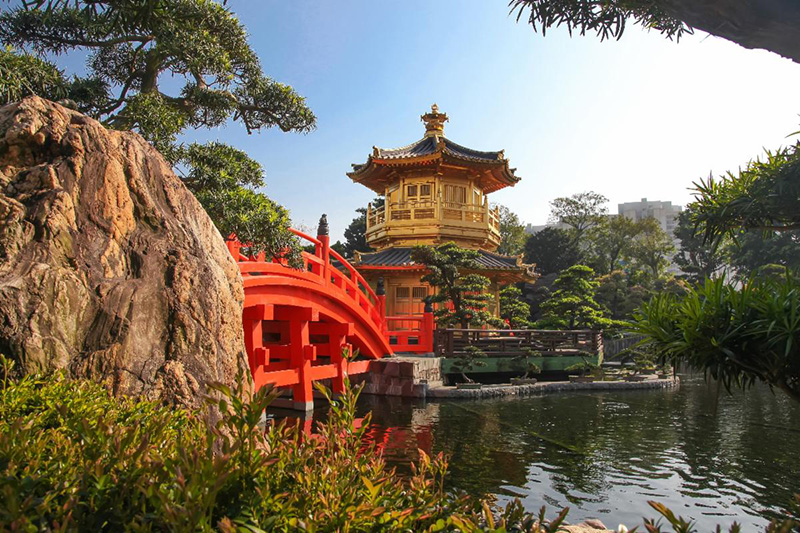
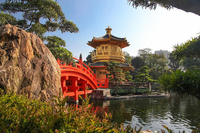
Across the harbor, in Kowloon, the Chi Lin Nunnery, built in the Tang Dynasty architectural style, and the Nan Lian Garden contrast with the surrounding urban intensity and offer a true breath of air in the heart of the city.
Finally, in Mong Kok, the Ladies Market embodies Hong Kong’s most popular energy. Here the market offers a wide range of everyday products, souvenirs and accessories, in a typically local atmosphere.
Minqin: Ecotourism and Local Engagement at the Heart of China
In Gansu Province, Minqin illustrates another way of discovering China.
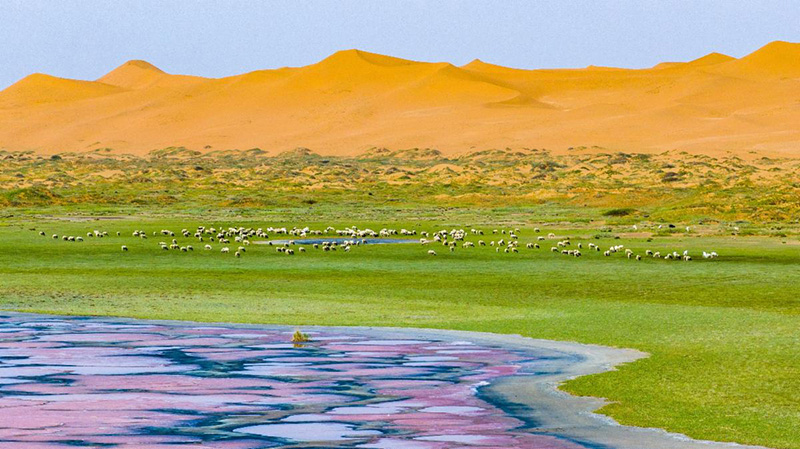
Located between the Tengger and Badain Jaran deserts, this fragile region is defined by a delicate balance between oases, agricultural areas and arid spaces.
For decades, local communities have continuously worked to combat desertification, notably through planting saxaul trees, shrubs essential for soil stabilization and land preservation.
DTH Travel invites travelers to discover these initiatives and also to participate.
Walks along forest belts, encounters with farmers, and even participation in reforestation actions depending on the season.
The experience thus goes beyond mere discovery: it becomes contributive and educational.
A New Way to Build Travel in Asia
Through these examples, a fundamental trend is becoming clear: the value of a journey rests not only on the destination, but on how it is designed.
It is in this logic that DTH Travel supports tourism professionals: by leveraging its local teams to design tailor-made programs, capable of renewing the way these destinations are sold and experienced.
More than ever, the objective is not merely to take travelers to Asia, but to enable them to experience it differently, even when they think they already know it.
To imagine your next itineraries, the DTH Travel teams are at your disposal.
From the shores of Sri Lanka to the royal heritage of Laos, passing through the ancestral skies of Myanmar, these experiences go far beyond the traditional luxury journey. They are carefully crafted moments that allow travelers to move at their own pace while forming authentic connections with the destinations they explore. It is not merely about seeing more, but about feeling more — through enriching encounters, discreet exclusivity, and immersive experiences that leave a lasting imprint.
Sri Lanka
Sea voyage: a marine expedition
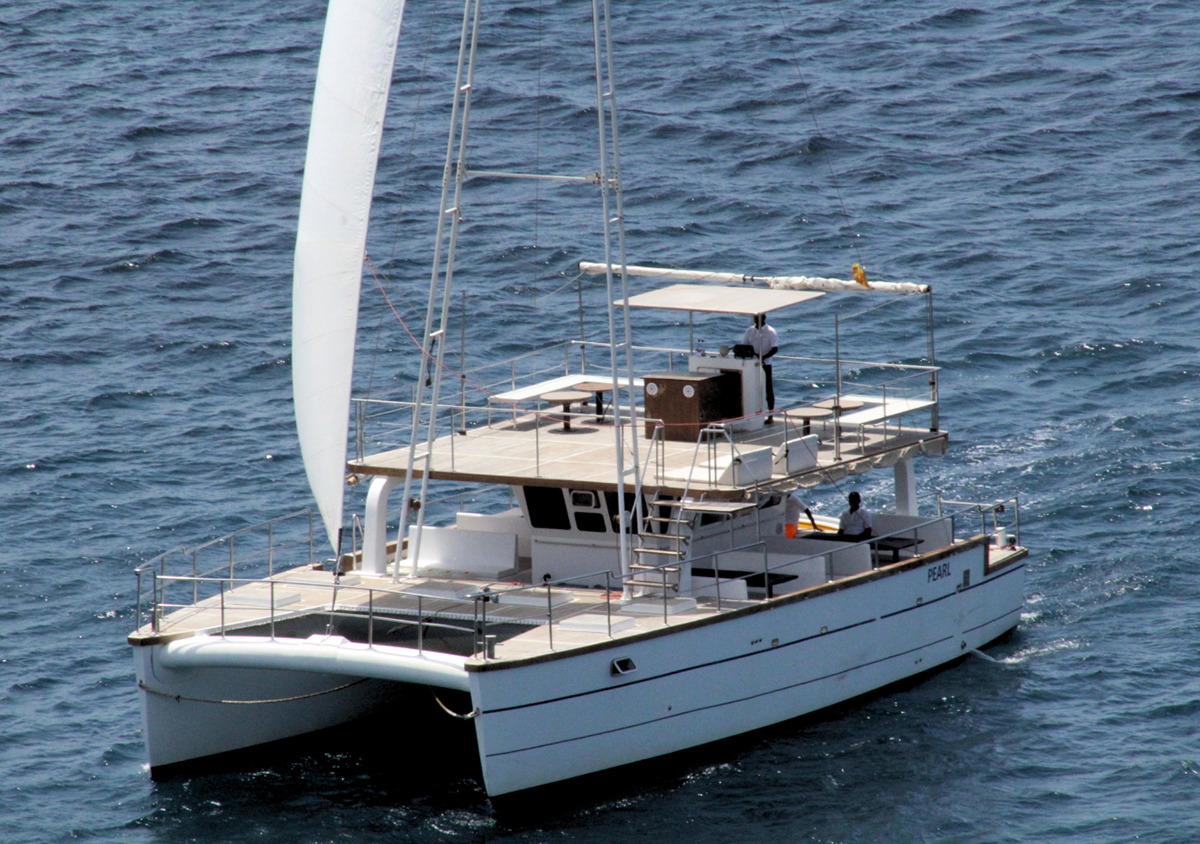
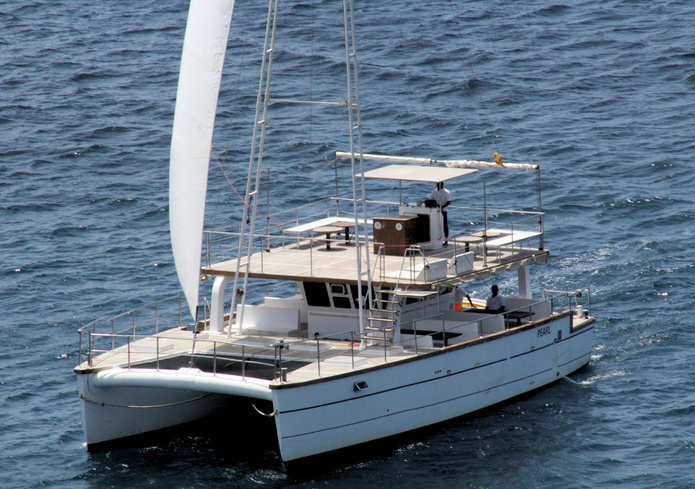
Along the southern coast of Sri Lanka, Khiri Travel offers an exclusive marine expedition across the Indian Ocean aboard a private catamaran. Designed to steer clear of the crowds gathered for whale watching, this experience provides a calmer, more intimate and privileged connection with the ocean and its wildlife.
Chathurika, a passionate marine biologist dedicated to environmental protection, accompanies this journey to share her knowledge and the stories gathered from years of ocean exploration. As the catamaran glides toward the horizon, the coastline fades away, giving way to a profound sense of calm and escape. A light breakfast is served on board while travelers observe dolphins roaming freely at sea. With a touch of luck, majestic whales may appear to elevate the experience, offering unforgettable moments in their natural habitat.
After several hours at sea, the catamaran anchors in a peaceful setting where guests can swim or enjoy a stand-up paddle session. Champagne, wine, cold beers and non-alcoholic beverages are served on board, while a refined lunch celebrating the flavors of the sea concludes this experience with elegance.
This journey also reflects Khiri Travel’s commitment to regenerative tourism. The trip includes a contribution to the OCEA project for restoring seagrass beds in Kalpitiya, supporting marine conservation while offsetting the environmental impact of the cruise. The result is a luxurious experience that combines relaxation, discovery and environmental responsibility.
Laos
A night at the museum: a private tour
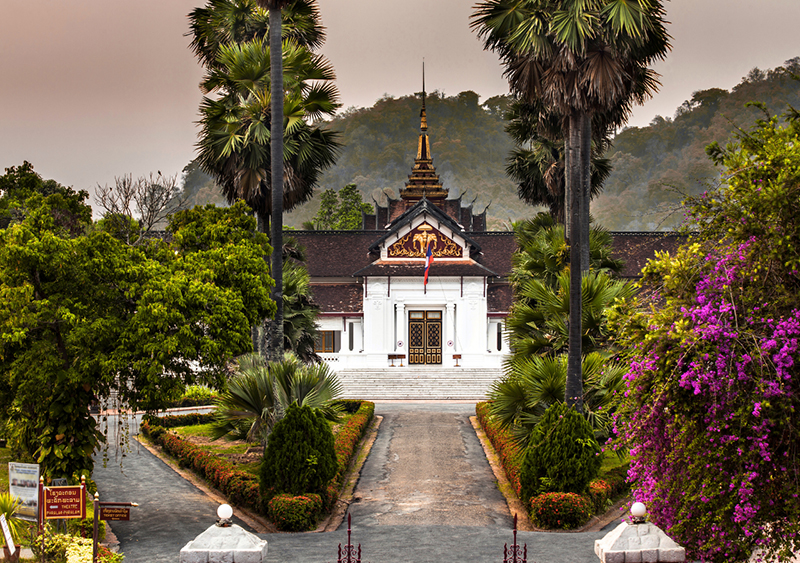
In Luang Prabang, Khiri Travel turns a visit to the National Museum into an intimate and exclusive cultural experience. Housed in the former royal palace of King Sisavang Vong, constructed in 1904 during the French colonial era, this palace stands today as one of Laos’ most important historic monuments.
Since the museum closes to the public in the evening, guests are invited to a private guided tour through the salons and apartments of the former royal residence. For a privileged hour, the residence becomes entirely exclusive, giving travelers the opportunity to discover this place steeped in history in a peaceful and intimate atmosphere. Visitors explore remarkably preserved spaces, including the majestic throne room, the queen’s apartments, and the reception rooms once used to host foreign dignitaries. Each room reveals a facet of Laos’ royal heritage, blending tradition, diplomacy and cultural legacy, offering a rare glimpse into the kingdom’s past. The palace architecture elegantly showcases the meeting of Lao traditional style with the refinement of French Beaux-Arts. Delicate glass mosaics, gilded ornaments and refined interiors are bathed in the soft evening light, creating an atmosphere of timeless elegance and sophistication.
Among the palace’s most treasured works is the sacred Phra Bang Buddha, a statue gilded with gold leaves and a major spiritual symbol of Laos, after which the city of Luang Prabang takes its name. Elegant collections of paintings, silverware, diplomatic gifts and cultural frescoes enrich the visit, while the private apartments of the royal family offer an intimate glimpse into life at the palace in former times.
From the main residence, visitors can also discover the royal barge shelter, the collection of vintage cars and the palace’s tranquil gardens, far from the bustle and crowds. More than a simple museum tour, this experience provides a privileged immersion into the soul of Laos, blending royal heritage, exclusivity and discreet elegance.
For more information, visit khiri.com or contact us at [email protected]. We look forward to meeting you and helping you create enriching journeys across Asia. >> Khiri Travel Laos in the DESTIMAG Directory
>> Khiri Travel Sri Lanka in the DESTIMAG Directory
In this quest for cultural immersion, festivals and traditional celebrations present a tremendous opportunity. For a few days, sometimes a few weeks, a destination reveals its most precious aspects: its beliefs, its traditions, its history, its creativity and its identity.
For tourism professionals, these events also constitute a powerful differentiating lever. Building an itinerary around a festival or a cultural event allows offering a unique experience, difficult to compare with a classic circuit, while giving real added value to the journey.
Asia, with its exceptional cultural diversity, offers year-round a multitude of celebrations that deserve to be integrated into programs for 2026 and 2027.
When an entire country goes into festive mode
Certain celebrations literally transform a destination.
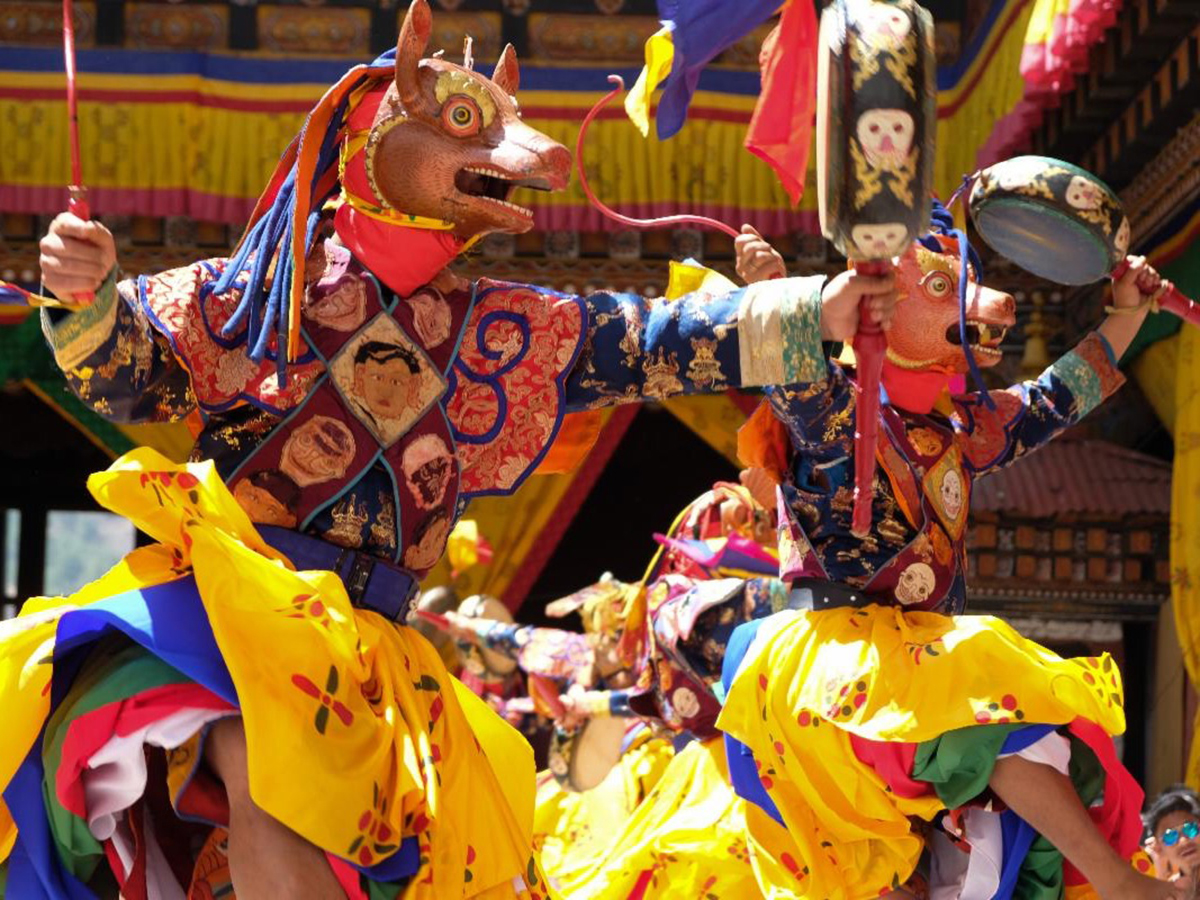
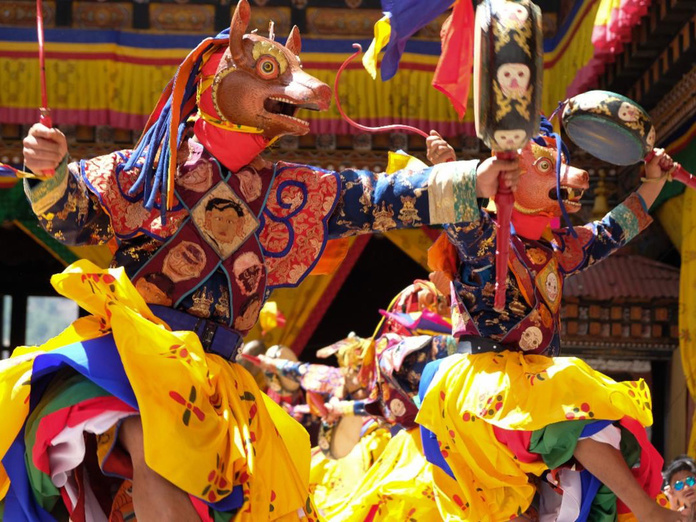
In Bhutan, the famous Tshechus bring together local communities, monks and pilgrims around sacred dances performed in the fortress-monasteries of the Himalayan kingdom. The Paro Tshechu (18 to 22 March 2027) and the Thimphu Tshechu (21 to 23 September 2026) rank among the country’s most spectacular events.
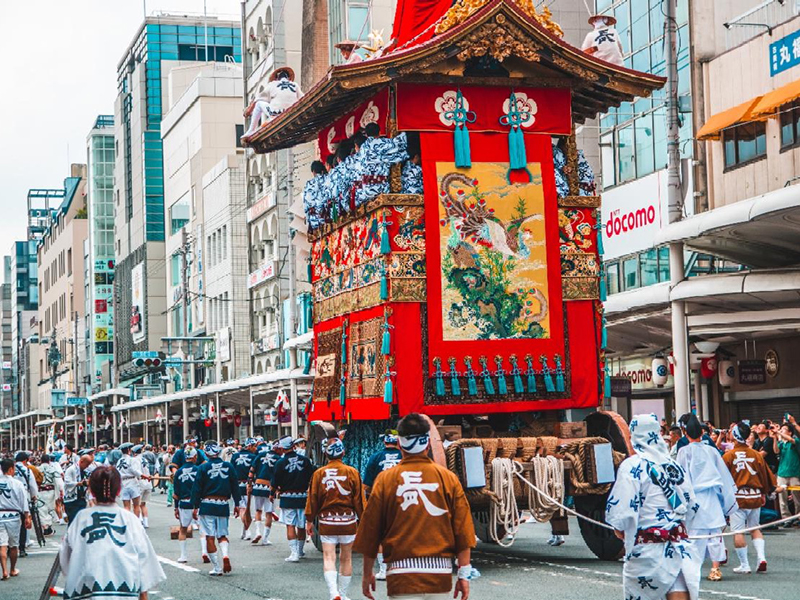
In Japan, the festival calendar rhythmically marks the seasons. From the monumental sculptures at the Sapporo Snow Festival in February to the majestic floats of the Gion Matsuri in Kyoto in July, and the timeless magic of cherry blossoms in spring, each period of the year offers a different view of Japanese culture.
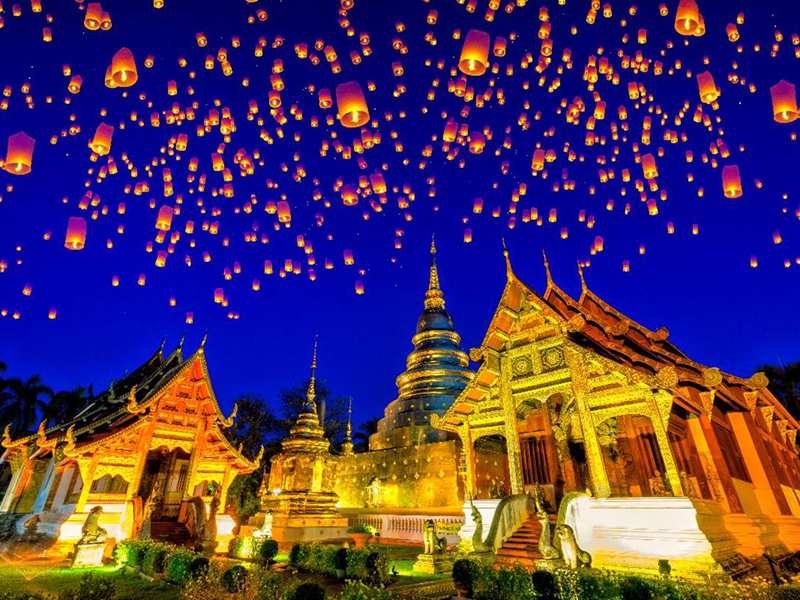
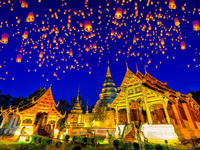
In Thailand, the Yi Peng Lantern Festival of Chiang Mai (November 24-25, 2026) remains one of Asia’s most iconic experiences. Thousands of lanterns illuminate the sky simultaneously, creating an atmosphere filled with spirituality and emotion. If you wish to offer this experience to your clients, DTH Travel still has spaces available to attend this event.
Celebrations that tell a country’s soul
Beyond the spectacle, some events allow a glimpse into the spiritual and cultural dimension of destinations. In Cambodia, Pchum Ben, the Ancestors’ Festival, offers a rare immersion into Khmer Buddhist traditions. From October 10 to 12, 2026, families gather in pagodas to honor past generations.
A few weeks later, the country shifts to a completely different ambiance with Bon Om Touk, the Water Festival (November 23-25, 2026), which makes Phnom Penh pulse to the rhythm of boat races, concerts and popular celebrations.
In Malaysia, Thaipusam (January 22, 2027) impresses with the fervor of pilgrims climbing the Batu Caves’ famous steps in a spectacular display of faith.
In Sri Lanka, from July to October (peaking in August and September), the Minneriya Elephant Gathering is one of the year’s major highlights. Each dry season, herds of elephants gather around the Minneriya reservoir, producing one of Asia’s most impressive wildlife spectacles. The moment is especially striking in the late afternoon, when the animals arrive at the reservoir’s shores bathed in the sunset light. This natural phenomenon offers a unique immersion into Sri Lankan biodiversity and perfectly illustrates the link between nature, conservation, and responsible tourism.
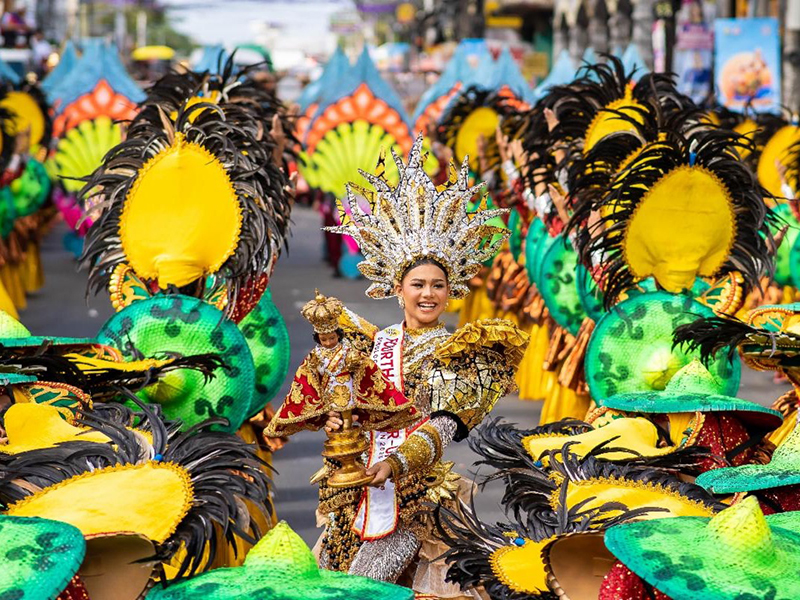
The Philippines also offers a unique experience with the Sinulog, Ati-Atihan and Dinagyang festivals in January 2027. For several weeks, the streets transform into giant stages where music, dance and religious traditions blend.
The opportunity to craft unique journeys
However, building an itinerary around an event requires careful preparation. Festival periods often bring high hotel demand, specific logistical constraints and larger crowds. This is where local expertise becomes essential to select suitable accommodations and activities, or to combine the event with nearby less-visited destinations.
The goal is not merely to attend a celebration, but to allow travelers to understand its meaning and to experience it in the best possible conditions.
At DTH Travel, our local teams across 14 destinations in Asia assist tourism professionals in designing tailor-made itineraries that integrate these major cultural milestones, while preserving the authenticity and comfort of the experience.
Because beyond the destination itself, it is often the moments of celebration that leave the most lasting memories.
To imagine your next itineraries, the DTH Travel teams are at your disposal.







 Published by Amelia Brille