Thousands of Fires Light Up a Mountain Cemetery in the Philippines to Honor the Dead

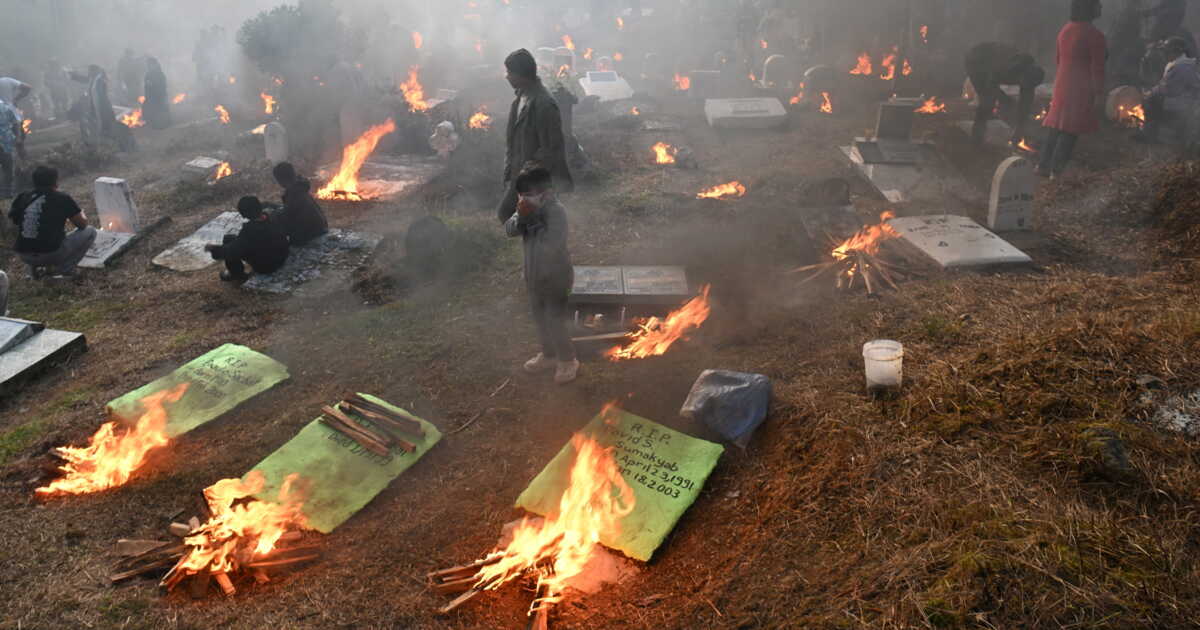
The Panag-aapoy (“lighting a fire”) takes place on All Saints’ Day in the tourist town of Sagada, north of Luzon’s main island, for 122 years, according to Winston Garlejo Menong, director of the Saint Mary the Virgin Episcopal Church, cemetery owner.

As night falls and darkness covers the four hectares of the burial ground, a sepulchral glow appears, the flames burning for more than 2,000 deceased souls.

The animist inhabitants of the Cordillera mountain region did not adopt Christianity until after the Philippines were ceded by Spain to the United States in 1898, four centuries after Catholic Spanish missionaries had evangelized the local coastal populations. American Protestant missionaries encouraged Sagada residents to bury their dead and to light candles on their graves, notes Winston Menong. “According to our concept of the Bible, Christ means light”, he declares.

Whether with candles or pine torches, in Sagada lighting a flame amounts to “welcoming the presence of Christ among us, sharing in a communion with our departed loved ones”, he explains.

Respect Boundaries

The early Christians of Sagada burned pine wood because candles were expensive and their flames easily died in the wind, unlike the burning of aromatic pines rich in resin, explains Sagada’s tourism officer, Maria Teresa Abad, to AFP. This practice recalls the burning of incense in Buddhist rituals.

Cybil Domoguen returned to Sagada this year with her father and a bundle of 51-centimeter pine sticks to honor her grandparents who had raised her there. “If a tomb has no visitors, we make sure to light a few sticks for it”, explains AFP this 31-year-old teacher. Like other participants in the ceremony, she feels mixed about the growing tourist presence. “Last year, tourists were taking photos of us, which was embarrassing”, she adds. “We have no problem with strangers as long as they respect the boundaries”, she supports.

Hanging Coffins

The inhabitants of Sagada did not always light flames for their dead, nor even bury them. Before the arrival of the missionaries, the favored practice was to suspend coffins on cliff faces or wedge them at the entrances of caves, a custom that did not completely disappear until 2010, notes Ms. Abad.

Some of these “hanging coffins” remain visible on the cliffs near Sagada. “Traditional beliefs about burial link caves and elevated burial places to the passage of the spirit to the realm of ancestors”, she explains, which burial would hinder. It also offered the advantage of protecting the remains from wild animals and floods.

Over time, Panag-aapoy and the hanging coffins have become major tourist attractions, much to the dismay of locals. The Church and local authorities have since taken steps to safeguard the region’s cultural heritage. Picnic blankets and drone photography have been banned, and noisy tourists, phone in hand, are kept at a safe distance from the graves and asked to observe respectful silence.

“Panag-aapoy is a sacred cultural tradition, NOT a festival or a tourist event,” stated the Philippine Department of Tourism in a notice published for the season. “The solemnity of the practice is being lost”, sighed Mr. Menong with a sigh. “It was turning into a puppet show.”

Rex Refuela, a 46-year-old tourist from Manila, says he understands the need to show respect. “It is acceptable to impose a few restrictions to preserve and maintain the solemnity”, he tells AFP, adding: “it’s an absolutely incredible beauty”.
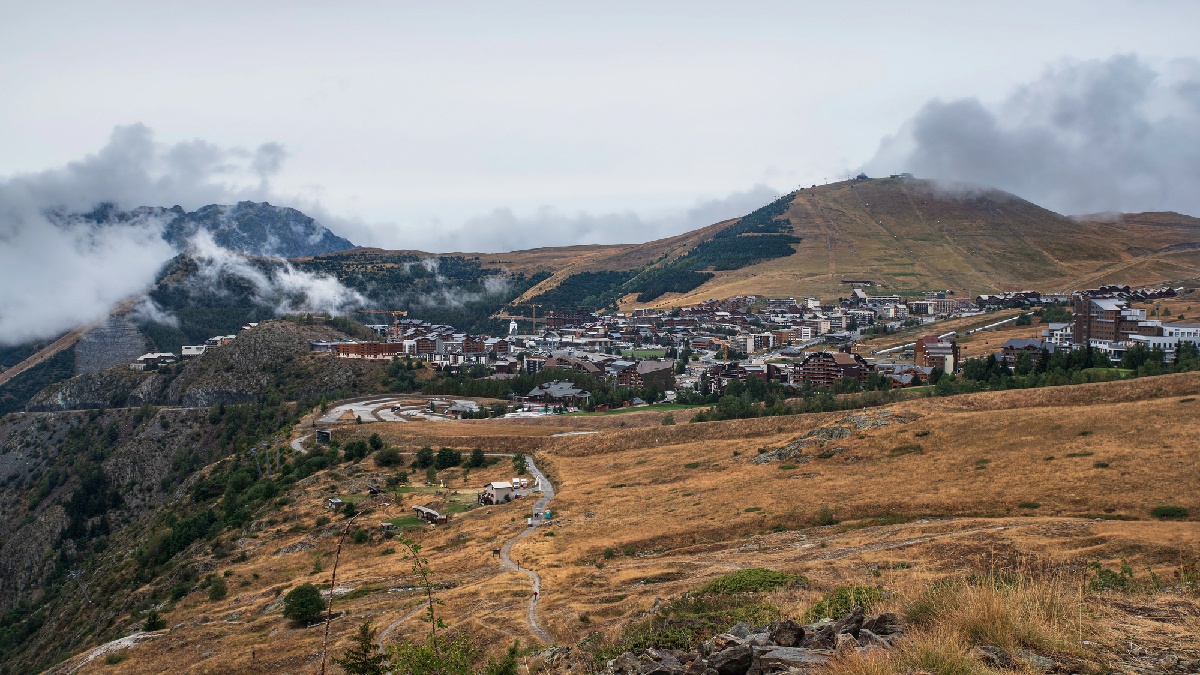
PLF 2027: Mountain Resorts Decry New Financial Constraints


PLF 2027 : les stations de montagne dénoncent de nouvelles contraintes financières - Depositphotos.com ccile.ducrot.orange.fr

Attitude Hotels


In a statement, the National Association of the Mayors of Mountain Resorts (ANMSM) denounces several measures of the 2027 Finance Bill (PLF).

It specifically points to the new Progressive Contribution to the Budgetary Effort (CPEB), the tightening of the tax regime for furnished tourist accommodation, and the envisaged changes to the tourist tax.

According to ANMSM, the CPEB could represent 21 million euros for its member communes, that is 134 euros per permanent resident, seven times the national average. The association criticizes a levy estimated at 2.5 billion euros nationwide, which would not be redistributed to local authorities, unlike the former DILICO (Dispositif de lissage conjoncturel des recettes fiscales des collectivités territoriales).

« The new progressive contribution to the budgetary effort is unfair and blind to the reality of our territories, » says Jean-Luc Boch, president of the ANMSM. He calls on lawmakers to review the arrangement.


The association is also concerned about the cap on the tax depreciation for non-professional furnished rentals (LMNP), with rates reduced to 1.5% and a ceiling of 5,000 euros for tourism-focused furnished accommodations, according to the release.

It fears that these changes, combined with the requirements of the energy performance diagnostic (DPE) planned for 2034, will weaken the rental supply in mountain resort areas.

Finally, ANMSM asks lawmakers not to modify the tourist tax before the end of the consultation begun in May 2026 between the government, tourism professionals and associations of elected representatives. Participants defend in particular the maintenance of its tourist designation and the local character of this tax.

Mountain Destination 2027: Registrations Open


Registrations are open for the next edition of Destination Montagnes, which will take place on January 19 and 20, 2027 in Grenoble.

Organized by Atout France, the fair will once again connect French mountain industry professionals with international distribution players.

The 2026 edition brought together nearly 220 French exhibiting companies and more than 400 tour operators from around fifty countries, for over 10,000 business appointments, according to a press release.


Pre- and Post-Tours to Discover the Region’s Offerings


Destination Montagnes les 19 et 20 janvier 2027 à Grenoble - Image Atout France

Territories, accommodations, mobility, sporting activities, cultural experiences and wellness offerings will be notably represented at this new edition.

Atout France aims to highlight a mountain offering that is diversifying and now developing across all four seasons.

France registered 56.1 million skier days during the 2025-2026 winter season, which, according to Atout France, places it at the top of global ski destinations ahead of Austria and the United States.

Pre- and post-tours will also enable international tour operators to discover the destinations, accommodations and activities on offer.

Exhibitor registrations are open until November 4, 2026.

Ahead of the show, the Destination Montagnes Meetings will take place on January 18, 2027 at the WTC Grenoble, focusing on the developments and prospects of mountain tourism.

Mountain Salt and Island Spices: Thailand and Sri Lanka


© Khiri Travel

CroisiEurope


From mist-clad mountains to ancient salt wells, passing by safaris for wildlife viewing and contemporary art, this immersive experience reveals the stories, flavors, and inhabitants that make these two destinations truly unforgettable. Throughout the journey, travelers will encounter authentic local traditions, breathtaking landscapes, and enriching encounters that go far beyond the ordinary.

The journey begins in Chiang Mai, the historic city in the north of the country, where ancient temples, bustling markets, and the rich heritage of the Lanna culture set the tone for the adventure ahead. Explore the lively Warorot Market and wander the old town aboard a samlor, the traditional rickshaw, uncovering architectural treasures such as Wat Chedi Luang. One of the trip’s highlights is the ascent to the revered temple of Doi Suthep, perched above the city and offering a breathtaking panoramic view over the valley below.

Leaving the city, the itinerary continues through lesser-known cultural gems of northern Thailand, Phrae and Nan, where life slows down and authentic traditions come to life. Take part in a hands-on indigo dye workshop, visit tranquil shrines and teak temples beautifully preserved, and stroll through historic towns where wooden palaces and centuries-old frescoes tell the story of ancient kingdoms.


© Khiri Travel

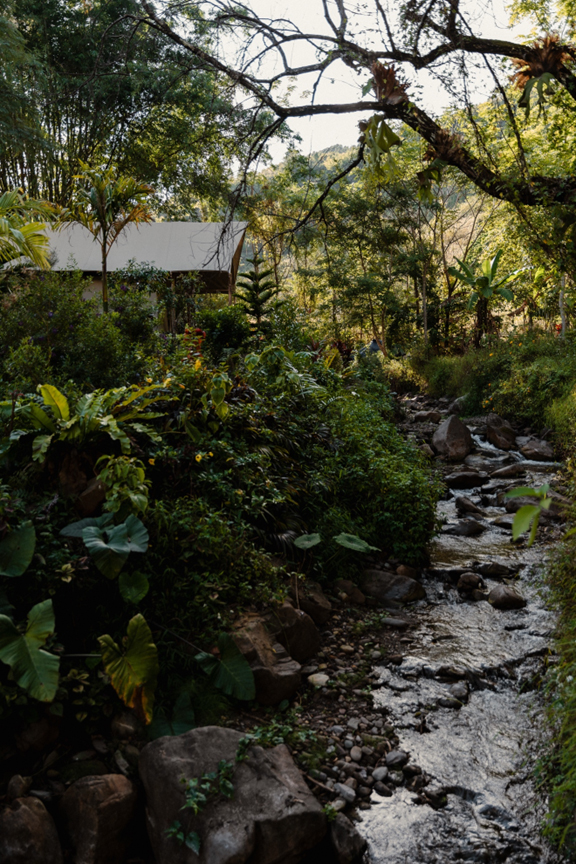
The journey then travels deeper into the mountains of Nan Province, where winding, scenic roads lead to panoramic viewpoints and secluded villages. In Bo Klua, old mountain salt mines — still active today — offer a fascinating glimpse into a centuries-old local industry, while the picturesque village of Sapan invites travelers to pause amid lush forests, rolling hills, and peaceful valley landscapes.

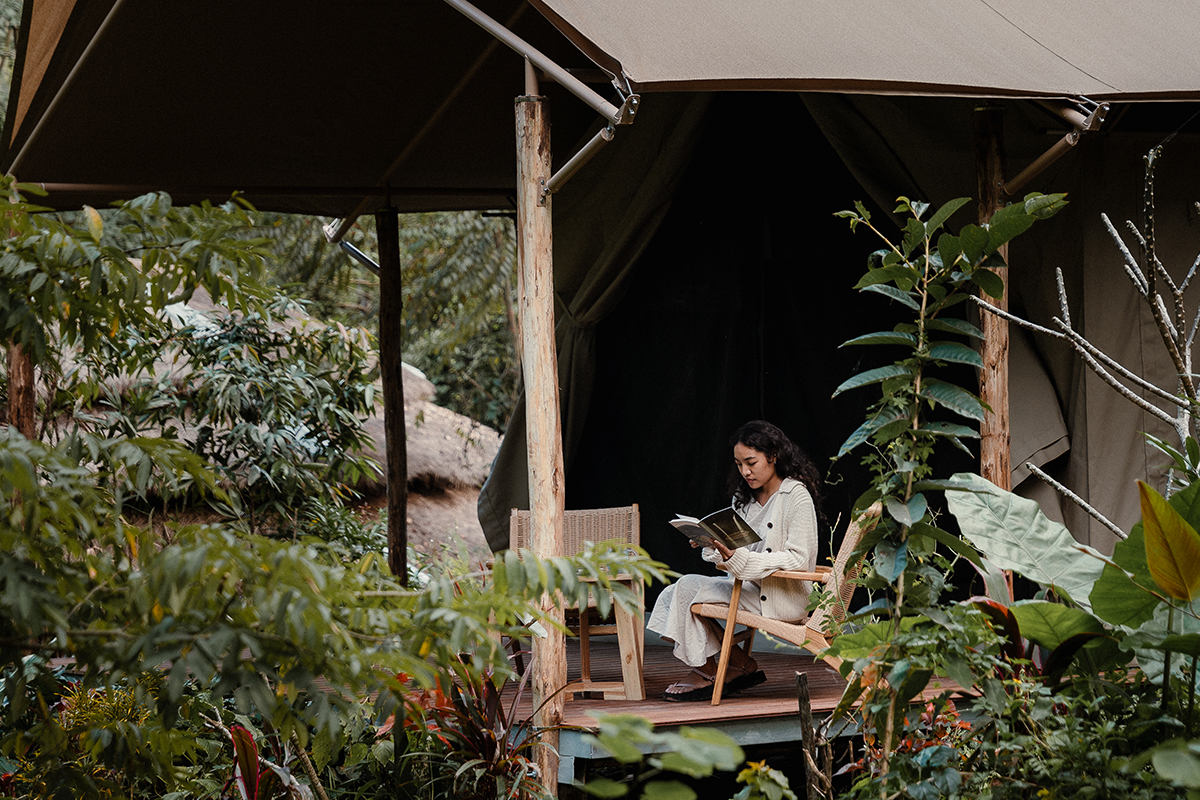
One of the highlights of this section is a stay at Visama Explorer Nan, an intimate ecolodge and cultural haven tucked away in the heart of the mountains. Here, travelers can slow the pace, connect with local communities, and fully immerse themselves in the tranquil rhythms of northern Thailand.

The adventure then takes a dramatic turn upon arriving in Sri Lanka, beginning with the wild landscapes of Wilpattu National Park. Staying in an elegant tented-lodge in the midst of nature, travelers embark on full-day safaris through one of the island’s best-preserved reserves. Renowned for its natural lakes and dense jungle, Wilpattu is home to elusive leopards, Asian elephants, sloth bears, crocodiles, and an extraordinary variety of birds.

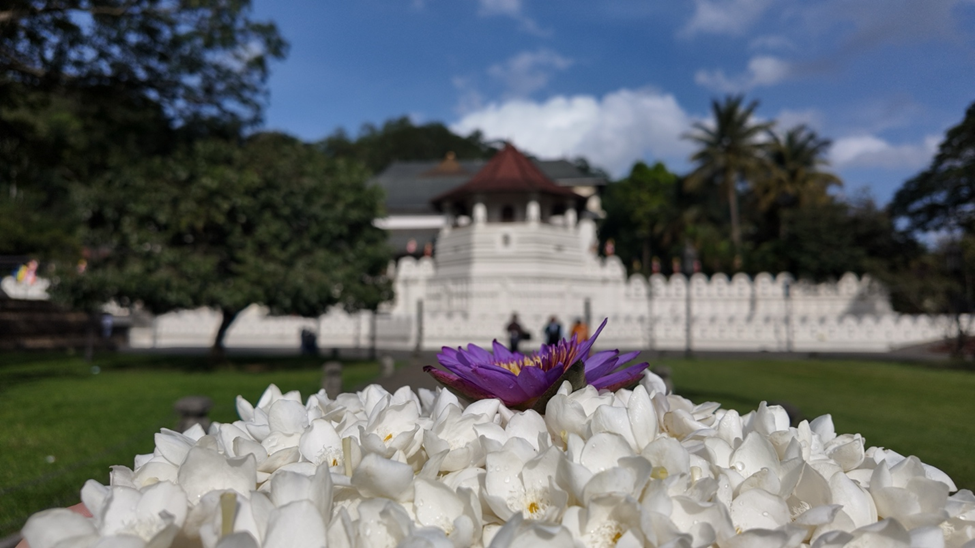
From wilderness to culture, the journey continues to Kandy, the historic capital perched in the hills. Explore lively local markets, stroll along the picturesque lake, and visit the revered Temple of the Tooth Relic, one of the world’s most sacred Buddhist sites. Engaging cultural encounters bring this destination to life, whether learning traditional Sri Lankan cuisine with a local family, sampling regional sweets, or discovering the graceful rhythms of Kandyan dance with a local maestro.


© Khiri Travel

The final chapter unfolds in the cosmopolitan city of Colombo, where Sri Lanka’s many cultures mingle. Discover the city through the eyes of a local artist, exploring contemporary art galleries, vibrant street art, and emerging digital creations that reflect the island’s evolving creative scene. The journey culminates with an unforgettable culinary finale: a refined tasting menu that masterfully blends Sri Lankan spices with international techniques, creating a memorable celebration of the island’s flavors and culinary heritage.

From sacred temples and mountain villages to wildlife safaris, to artistic expression and exceptional cuisine, “Mountain Salt and Island Spice Across Thailand and Sri Lanka” is far more than a simple trip: it is an invitation to discover two extraordinary destinations through authentic connections, shared traditions, and unforgettable moments.


© Khiri Travel


Sel de montagne et épices des îles : un voyage à travers la Thaïlande et le Sri Lanka

For more information, visit khiri.com or contact us at [email protected]. We look forward to meeting you and helping you craft enriching journeys across Asia.
> Khiri Travel Laos in the DESTIMAG Directory

> Khiri Travel Sri Lanka in the DESTIMAG Directory


Forest, Coast, and Mountain: 3 Places to Discover Wild Foraging

The Kings of Bordelais

Fifteen kilometers northwest of Bordeaux, the Taillan-Médoc Forest is probably one of the most accessible spots for Sunday foragers. Beyond the many common edible woodland plants (mint, wild garlic, blackberries), the real stars here are the mushrooms. Shaggy inkcaps, chanterelles, summer boletes, and black trumpets follow one another from spring to autumn. And with 128 hectares of playground, even a casual passerby has a chance.