What to Do in Beijing: 10 Must-Do Activities and Experiences

Beijing, the capital of China, is a city where millennia-old history meets dazzling modernity. Known for its iconic historic sites, vibrant neighborhoods, and local culture, Beijing offers a wealth of activities for curious travelers. Whether you plan a short visit or a longer stay, it is essential to make the most of every moment spent in this fascinating metropolis. You may be wondering what to do in Beijing to get the most out of your trip. Let us explore together the must-do experiences to live in this unique city.

1. Visit the Great Wall of China

Visiting the Great Wall of China is a must-do experience during a stay in Beijing, as this colossal construction stands as one of the world’s great wonders. The sections at Mutianyu, Badaling, or the Jinshanling stretch offer varying levels of difficulty and spectacular panoramas over the mountainous landscape to the southeast of the capital. For travelers seeking authenticity, hotels near the wall allow you to extend the experience right at the site. This Beijing visit can easily be combined with access via the Beijing Metro, and purchasing a metro ticket simplifies logistics for a structured itinerary.

2. Discover the Forbidden City and Tian’anmen Square

Discovering the Forbidden City and the Tian’anmen Square means stepping into the political and cultural heart of imperial times. This former residence of emperors, notably those of the Ming dynasty, including the Yongle Emperor, reflects the organization of power in the Empire of the Middle. Just a few steps away lies one of the world’s largest public squares, the setting for the flag-raising ceremony, the military parade on the National Day, and the Mausoleum of Mao Zedong, witness to the continuity between imperial history and modern history. The Gate of Heavenly Peace thus opens onto a journey of meaning, at the crossroads of history and power.

3. Explore the Temple of Heaven

The Temple of Heaven is an essential spot for any Beijing visit, both for its symbolic significance and for its harmonious integration into the urban environment. A place of prayers for the bountiful harvests under the emperors of the Ming and Qing dynasties, this temple landmark offers a vast park ideal for practicing the tai-chi and for morning strolls. Recognized as a World Heritage Site, this wooden architecture, without nails or metal supports, reflects a metaphysical harmony between heaven and earth. Located in the center of Beijing, it is easily reachable by the metro lines, broadening access to this heritage wealth.

4. Stroll through the Hutongs

The hutongs of Beijing, especially the traditional Beijing hutongs, constitute a living heritage of the city’s ancient urban fabric. This network of intertwined lanes, dotted with siheyuan (courtyard houses), offers an ideal place to soak up the historical daily life of old Beijing. While some have been preserved, others have been transformed into cardboard-paste hutongs, more commercial than patrimonial. Exploring them on foot or by bike grants access to trendy neighborhoods and to beautiful spots still little known, perfect for a Beijing family visit.

5. Enjoy performances at the Lama Temple and the Summer Palace

The Lama Temple and the Summer Palace represent two distinct facets of spirituality and the Chinese way of life. The former, a premier site of Tibetan Buddhism, is renowned for its monumental statue and meditative atmosphere, while the latter embodies the imperial aesthetic in their summer retreats. The gardens of the Summer Palace, crossed by canals, are punctuated by refined pavilions and symbolic elements, making it a world apart from the urban bustle. These sites enrich a Beijing visit with their spiritual and artistic wealth.

6. Savor the Beijing Roast Duck

Sampling the Beijing roast duck in a restaurant that respects its tradition is to experience an culinary art codified since the Ming dynasties. This specialty, prepared according to a rigorous method, is enjoyed in thin slices, accompanied by pancakes, vegetables and hoisin sauce. To enjoy the best pricing, it is recommended to book in advance at hotels with rooms renowned for their gastronomy. This gastronomic appointment can be extended with a stroll through the trendy neighborhoods, where modernity and culinary traditions intersect.

7. Explore Beijing after nightfall

Exploring Beijing after nightfall reveals a bright, dense and lively city. The Wangfujing Street Night Market embodies this buzz, with quirky snacks and international signage. Not far away, the bars of Sanlitun or Beijing Opera concerts offer varied activities. A one-night hotel stay then becomes a practical option to extend this cultural immersion. The nighttime atmosphere of the capital provides a complementary facet to the Beijing visit, as rich as the daytime one.

8. Visit museums like the 798 Art Zone

The Beijing museums, such as the National Museum of China or the 798 Art District, offer a diversified perspective on the evolution of art and thought in the Empire of the Middle. In these places, one moves from millennial artworks to contemporary Chinese art, all within striking architectural settings. These spaces, at once symbols of knowledge and laboratories of ideas, form part of any Beijing visit aiming to understand the complexity of a metropolis with multiple faces.

9. Wangfujing Street: a flagship spot for visitors

Wangfujing Street represents one of the flagship spots for consumption and popular culture in Beijing. Located in the historic center, not far from the Forbidden City and the Gate of Heavenly Peace, it blends culinary traditions with commercial modernity. This district embodies a China in transition, where global brands intersect with street markets offering grilled insects and local delicacies. It is an ideal place to observe the contrasts of the Chinese world, between ancient harvest rituals and the contemporary rush toward modernization. In the evening, the lights of Wangfujing provide a unique spectacle, bearing witness to the city’s cultural vitality.

10. Beihai Park: an ideal place to discover Beijing differently

Located immediately adjacent to the Forbidden City, Beihai Park constitutes an ideal place to enjoy a more contemplative Beijing. Once reserved for the Yongle Emperor and the dignitaries of the Ming dynasty, it embodies a portion of the World Heritage. Today, it is a world apart, where locals and travelers mingle to practice the tai chi at sunrise or admire the sun on the water of the central lake. The park, rich in works of art and in symbols of the Empire of the Middle, stands as a cultural oasis in the center of Beijing, allowing a moment of pause between two historic visits or a military parade during the National Day.

Beijing, with its rich history and culture, offers a multitude of activities for every type of traveler. Whether you visit its historic monuments, discover its gastronomy, or explore its nightlife, each experience will enrich your understanding of this fascinating metropolis. By carefully planning your trip, you can fully enjoy all that Beijing has to offer and create memorable memories.

How much time is needed to visit Beijing ?

A visit to Beijing deserves a minimum of four to five days to grasp the historical, cultural, and architectural richness of the capital of the Middle Kingdom. Between the Forbidden City, the ancient residence of Ming dynasty emperors, Beijing’s traditional hutongs that tell the daily life of residents for centuries, and world-famous places like Tiananmen Square, the itineraries are dense and require time. To better plan your stay in Beijing, it is essential to consider the density of Beijing’s subway network and its lines, which provide easy access to trendy neighborhoods, the wall sections, and the Olympic Park, notably the Bird’s Nest stadium.

What to do in Beijing in the evening to extend the cultural discovery?

Evening exploration of Beijing reveals another dimension of the city, where modernity and traditions intersect. The lanes of the traditional hutongs take on a distinctive atmosphere after nightfall, and some places such as the Beijing Opera offer an immersive experience in intangible cultural heritage. The avenues like Wangfujing Street come alive with night markets and neon signs. You encounter as many tourists as locals, all eager to sample specialties, stroll, or simply watch the sunset over the squares. For a one-night hotel stay, several establishments offer rooms with views of central Beijing, ideal for a rendezvous between modernity and history.

What to do in Beijing when it rains? Cultural alternatives sheltering from time

Rainy days in Beijing can become ideal opportunities for indoor discovery. Numerous museums, including those dedicated to emperors and to Chinese art, help keep you connected to history. Mao Zedong’s Mausoleum on Tiananmen Square provides a glimpse into the memory of the People’s Republic. Galleries featuring artworks and handicrafts testify to the cultural diversity of Imperial China. Even the hutongs, often covered or sheltered, can be explored differently, between traditional hutongs and cardboard-hutong recreations, tourist reconstructions that raise questions about authenticity.

What to do at Beijing airport during a layover?

During a lengthy layover at Beijing Capital International Airport, several options allow turning the wait into a cultural opportunity. Express tours to central Beijing can be done via the Beijing Metro with a single metro ticket. For those staying within the airport complex, rest zones, exhibition spaces on Chinese dynasties, or tai chi practice areas offer a symbolic discovery of Chinese knowledge. Several nearby hotels provide day-use rooms at the best rates for a restorative break.

This article was drafted with the help of artificial intelligence, then corrected, expanded, and validated by the editors of the desk.
What to Do in Alaska: 13 Must-Do Outings and Activities in the Land of the Midnight Sun

Nestled at the extreme northwest corner of the American continent, the Alaska is a wild territory offering breathtaking landscapes and exceptional biodiversity. With its towering mountains, vast forests, and diverse wildlife, Alaska draws adventurers and nature lovers from around the world. Wondering what to do in Alaska? Dive into our detailed guide to discover the activities and sites to explore in this legendary state.

1. Hiking in the Denali National Park and Mount Denali

Begin your adventure with a visit to Denali National Park, home to the highest peak in North America, Mount Denali. Hikers will find a range of trails suited to all levels. The park is also a sanctuary for a wealth of wildlife, including bears, moose, and caribou. Be sure to join a guided hike for a rewarding and safe experience.

2. Cruise in the Kenai Fjords National Park

Explore the majestic fjords and glaciers of the Kenai Fjords National Park on an unforgettable cruise. This activity offers the chance to observe impressive marine wildlife, including whales, orcas, and seals. The sight of glaciers in motion is breathtaking, and excursions take you to Exit Glacier, where you can walk along accessible trails.

3. Northern Lights Watching in Fairbanks

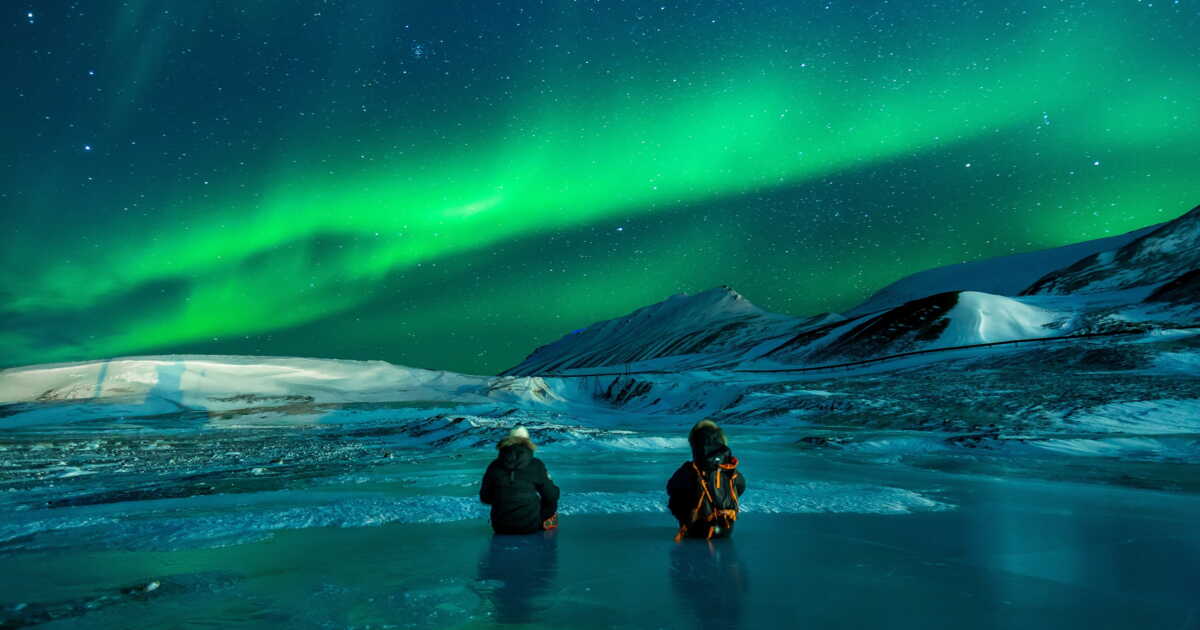
Winter in Alaska delivers long, spectacular nights ideal for watching the aurora borealis. Fairbanks is one of the best places in the world to witness this extraordinary natural spectacle. From September through April, bundle up and venture outside the city lights for an unforgettable view of the glowing sky.

4. Discovery of the Glacier Bay National Park

Glacier Bay National Park is another must‑visit for lovers of wild, untouched nature. This park hosts a multitude of active glaciers and offers boat excursions to approach these ice giants. Kayakers will relish the opportunity to navigate around the glaciers, while hiking and wildlife watching heighten the park’s appeal.

5. Cultural and Historical Visits in Inside Passage

For a deeper cultural immersion, the Inside Passage invites exploration of coastal towns such as Ketchikan, Skagway, and Sitka. Delve into the heritage of Indigenous peoples like the Tlingit, Haida, and Tsimshian. Visit local museums and discover the region’s history marked by the gold rush and Indigenous influences.

6. Excursion in the Prince William Sound

The Prince William Sound is renowned for its picturesque landscapes and abundant marine life. Rent a kayak for a peaceful exploration of the waters, or opt for a cruise that includes viewing the mountains, glaciers, and wildlife. This site offers a privileged experience to understand the interaction between marine and terrestrial ecosystems.

7. Salmon and Halibut Fishing Expedition

Alaska is considered a paradise for fishing enthusiasts. Take advantage of your stay to pursue salmon or halibut fishing, especially abundant in Alaskan waters. Local, experienced guides can help you maximize this relaxing and rewarding activity.

8. Dog Sledding Experience

Join a dog-sledding outing, a traditional activity that lets you traverse Alaska’s winter landscapes. Available in winter, this adventure provides a unique understanding of the historical and cultural significance of this mode of transport in Arctic regions.

9. Alaska Railroad

The Alaska Railroad connects, among others, Anchorage, Talkeetna, Denali, and Fairbanks: it serves as an excellent backbone to an Alaska trip that blends comfort, dramatic scenery, and accessibility. This rail line traverses vast spaces, offering both cultural insights (Anchorage city life, downtown, midtown) and immersive landscapes (glaciers, wildlife).

10. Alaska Wildlife Conservation Center

Located near the city of Anchorage, this wildlife sanctuary and discovery center offers a guided encounter with brown bears, bald eagles, and other emblematic Alaska species. It makes for a worthwhile “museum stop” on a wildlife‑focused itinerary and can be complemented by bus excursions from Anchorage.

11. Fountainhead Antique Auto Museum

Situated in Fairbanks, near the Wedgewood Resort, this intriguing museum offers an immersion into early 20th‑century history and the Americas through vintage automobiles. On an Alaska trip, it makes for a distinctive cultural stop that adds dimension to a nature‑focused journey.

12. Goldbelt Tram

The Juneau tram (in southeastern Alaska) provides access to spectacular views of the coastline, fjords, and the sea. For an itinerary that combines a Inside Passage cruise, fjords, and a city stop (King Salmon or Juneau), this kind of excursion offers a way to see Alaska from a perspective that is both accessible and awe‑inspiring.

13. Hubbard Glacier

The Hubbard Glacier is among the most active and striking glaciers in Alaska. A boat excursion from the Kenai Peninsula or from a southeast port allows you to witness cracking and ice calving. Incorporating this stop into an Alaska itinerary requires planning around boat schedules, timings, and weather, but the payoff is an unrivaled spectacle.

In conclusion, Alaska is a land of opportunities for those seeking adventures in the heart of nature. From hiking through stunning parks to maritime and cultural explorations, Alaska promises a wide range of enriching experiences. Beyond these suggestions, stay mindful of responsible tourism practices to preserve the beauty and unique environment of this exceptional region.

What is the best time to visit Alaska?

The ideal period to discover Alaska runs from May to mid-September, when days are longest, temperatures are comfortable, and outdoor activities (hiking, glacier boat trips, wildlife watching) are fully accessible. More precisely, the window from mid‑June to mid‑July marks the peak of the tourist season: optimal conditions and most excursions are operating. If you’re seeking a quieter period with more affordable rates, early May or September offer a good compromise—while keeping in mind that some roads or services may be limited.

Is Alaska an expensive destination?

Travel to Alaska requires careful budgeting: for a standard week‑long stay, a traveler can expect an average budget of around $1,383 to $3,000 depending on the level of comfort (for 7 days), or roughly $1,000 to $2,900. Costs are driven by the size of the territory, the logistics of excursions (glaciers, fjords, wildlife), and the remoteness of certain areas. That said, it is possible to reduce costs: by choosing simpler accommodations, by limiting the number of paid activities, or by selecting the off‑peak period, one can lower the daily budget.

Is Alaska a tourist destination?

Yes, Alaska is clearly a well‑developed tourist destination: it hosts numerous bus or boat excursions, scenic rail lines, museums, and stopover towns from which to explore. The interior and Southeast regions, in particular, have suitable infrastructure. That said, this destination blends mass tourism (in certain areas) with more isolated itineraries: some places remain hard to reach and require more specialized logistics. The balance between a “tourist destination” and an “off‑the‑beaten‑path adventure” is thus well represented.

What to do in Alaska in winter?

In winter, Alaska presents a completely different face: snowshoeing, dog sledding (notably the famous Iditarod Trail Sled Dog Race, which begins on the first Saturday of March), aurora viewing, and immersion in snowy landscapes. The frigid temperatures and shorter daylight hours impart a marked Arctic dimension, but for well-equipped travelers with proper hiking boots and a capacity to adapt, this season offers a powerful and authentic Alaska experience.

This article was drafted with the help of artificial intelligence, then edited, expanded, and validated by the editorial staff’s journalists.

What to Do in Peru: 9 Must-Do Activities and Excursions

Peru, a country of history and natural diversity, attracts travelers from around the world. From its towering mountains to its green valleys, and its unparalleled archaeological sites, the country offers a multitude of unforgettable experiences. For those looking to explore Peruvian culture, nature, and cuisine, this guide details the must-sees to discover. But what exactly should you do during your 15-day stay in Peru? Follow our suggestions for a balanced journey that blends adventure and relaxation.

1. Discovery of Lima, the cultural and gastronomic capital

Lima, capital of Peru and typically the starting point of a travel route across South America, stands out as a key place to understand the country’s cultural diversity before moving on to other major sites such as Cusco, the Sacred Valley, Lake Titicaca, or the Andean range.

The city is particularly renowned for its gastronomy of international acclaim, showcased by iconic specialties such as ceviche or lomo saltado, reflecting the richness of coastal and highland products. The historic districts of Miraflores and Barranco, perched directly above the Pacific Ocean, offer panoramic viewpoints that help grasp the coastal setting of the capital.

The historic center, inscribed on the World Heritage list, gathers major buildings such as the Cathedral of Lima or the Palace of the Government, bearing witness to the city’s political, religious, and administrative importance since colonial times. This first step, complementary to the country’s major archaeological sites—from Machu Picchu to Pisac or Chan Chan—effectively prepares travelers for Peru’s geographic diversity, between mountain ranges, peaceful shores, and the Peruvian Amazon, while providing a coherent introduction to contemporary Andean culture.

2. Exploration of Cusco’s archaeological riches and the Sacred Valley

Cusco, former capital of the Inca Empire, occupies a central place within the Sacred Valley and serves as a pivotal stop in any trip to Peru, especially for travelers seeking to acclimate to altitude before reaching higher sites in the Andean Cordillera. This region, densely marked by the heritage of the ancient world, is lined with major archaeological sites such as Sacsayhuamán, Pisac and Ollantaytambo, illustrating Inca engineering through their agricultural terraces, ceremonial centers, and advanced fortification systems.

The local markets of Cusco and the surrounding villages offer a living glimpse into contemporary Andean culture, notably through textile crafts, traditional objects, and agricultural products from the high plateaus. As a starting point toward Machu Picchu, Lake Titicaca with its islands such as Amantaní, or toward the Colca Canyon, the Condor Cross, or the Peruvian Amazon, Cusco fits a coherent itinerary blending heritage, environment and cultural discovery. Paired with other highlights such as Lima, Arequipa, or the vestiges of Chan Chan, the Cusco region concentrates the historical, geographic and human dimensions of Peru in a thoughtful approach to highlighting the country’s principal tourist assets.

3. Trek to Machu Picchu, an iconic site

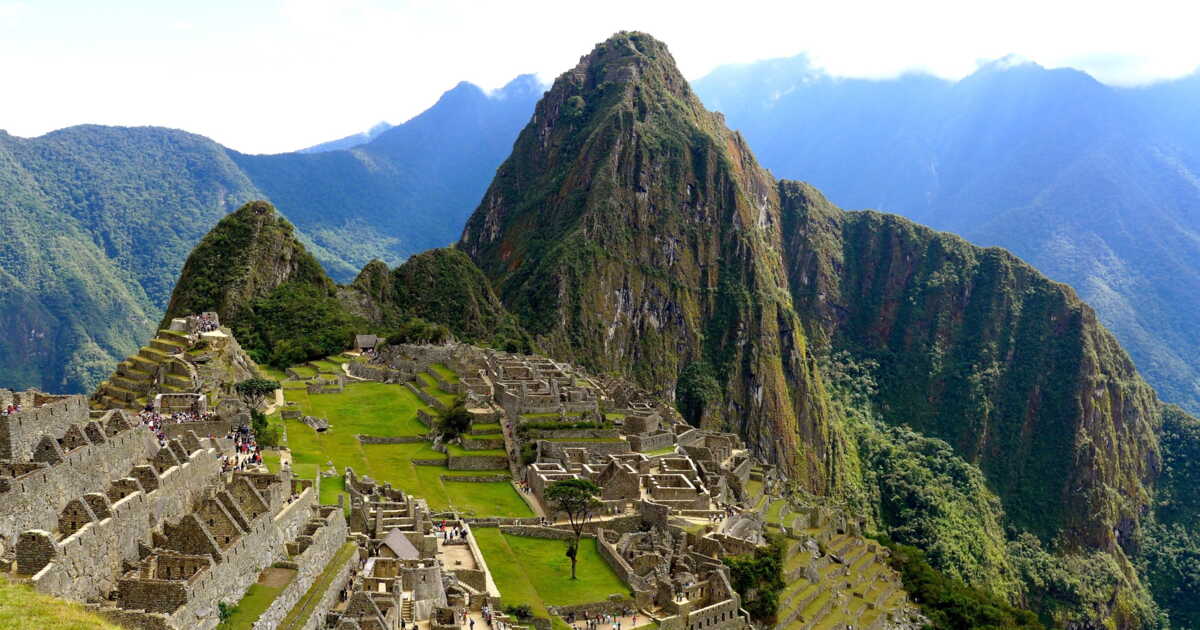
No trip to Peru would be considered complete without a structured visit to Machu Picchu, one of the most emblematic archaeological sites in South America, listed as a UNESCO World Heritage Site. This ancient Inca city, perched above 2,400 meters in the heart of the Andes, can be reached either via the Inca Trail, a multi-day hike favored by hiking enthusiasts, or by train departing from Ollantaytambo, in the Sacred Valley.

Access to this site requires careful planning, notably because of visitor quotas and weather conditions, and it is recommended to schedule your visit early in the morning to benefit from lighter crowds and to witness the sunrise over the ruins, a moment particularly conducive to contemplating the site in its natural setting.

Machu Picchu, through its strategic placement, its architecture integrated with the topography, and its importance in Inca civilization, fits into a broader itinerary that connects key places such as Cusco, Pisac, Sacsayhuamán, and Lake Titicaca and the island of Amantaní. This segment can also be extended to other areas of Peru such as Arequipa, the Colca Canyon, the Condor Cross, Chan Chan, or the Peruvian Amazon, enabling an exploration of the country’s geographic and cultural diversity within a frame that is educational, patrimonial and environmental.

4. Immersion in nature at the Huascarán National Park

For outdoor enthusiasts embarking on a Peru itinerary oriented toward high-altitude discovery, the Huascarán National Park stands as a reference site, both for the richness of its Andean ecosystems and for the breadth of its mountain ranges.

Located in the Andes mountain range, this UNESCO World Heritage site houses the Huascarán mountain, the highest peak in Peru at over 6,700 meters, along with a dense network of glacial lakes, hanging valleys and marked trails. The park allows guided participation in numerous activities — hiking, trekking, and observing the local fauna — in a natural setting of exceptional beauty marked by the presence of queñua forests, rock formations and spectacular panoramas.

Travelers are advised to acclimate properly to altitude, as some park areas exceed 6,000 meters, which requires suitable physical and logistical preparation. Integrated into a broader itinerary passing major archaeological sites such as Machu Picchu, Pisac, or Chan Chan, and notable places such as Cusco, the Lake Titicaca, Arequipa or the Colca Canyon, the Huascarán National Park offers a complementary reading of Peru, focused on its natural and alpine dimensions, at the crossroads of environmental preservation and active experience.

5. Encounter with the cultures of Lake Titicaca

The Lake Titicaca, situated above 3,800 meters in the Andes, is an emblematic site of South America and a must-stop on any trip to Peru, both for its geographic character and its cultural importance. Known as the world’s highest navigable lake, it hosts inhabited islands for centuries, including the Uros Islands, entirely built on floating reed mats, and Taquile Island, famous for its textile traditions inscribed on the UNESCO intangible cultural heritage list.

These sites, reachable by boat from Puno, allow travelers to grasp active Andean ways of life, notably through homestays that promote respectful immersion into local community realities. A stop on the Amantaní Island, also located on the lake, extends this approach by combining heritage, crafts, and traditional hospitality.

Le lac Titicaca s’intègre logiquement dans un itinéraire comprenant des sites archéologiques majeurs comme Machu Picchu, Pisac, ou Chan Chan, ainsi que des destinations naturelles telles que le Canyon de Colca, la Croix du Condor, ou l’Amazonie péruvienne. Entre haute altitude, paysages lacustres et transmission culturelle, cette région offre une synthèse pertinente des dimensions humaine, géographique et patrimoniale qui caractérisent l’expérience de découverte au Pérou.

6. Discovery of Arequipa and the Colca Canyon

Arequipa, nicknamed the “White City” due to its architecture built from sillar stone, is an essential place for any trip to Peru, combining urban wealth, heritage interest and proximity to grand natural landscapes. The historic center of the city, a UNESCO World Heritage Site, gathers remarkably preserved colonial buildings, among which the Santa Catalina Monastery, a true city within a city, illustrating the social and religious organization of the colonial era.

Within a few hours’ drive, the Colca Canyon, one of the deepest in the world, offers travelers the chance to observe from vantage points such as the Condor Cross the flight of this emblematic raptor of the Andean mountain ranges. Hiking trails and natural hot springs add to the region’s appeal for outdoor enthusiasts.

On the outskirts, traditional villages offer a structured glimpse into Peruvian rural life, with their markets, handicrafts and communal customs. Integrated into a broader itinerary that includes Cusco, Lake Titicaca, Machu Picchu, the Sacred Valley archaeological sites, or the Peruvian Amazon, Arequipa constitutes a relevant articulation point between history, nature and living culture within a balanced journey through Peru.

7. Aerial view of the Nazca Lines, a desert riddle

The Nazca lines, located in the southern coastal desert of Peru, constitute an exceptional set of geoglyphs whose full visualization is only possible from altitude, usually via a lightweight plane overflight. Classified as UNESCO World Heritage, these monumental figures – representing animals, geometric shapes and anthropomorphic symbols – still raise many questions about their function, whether astronomical, religious or ritual.

For travelers interested in the interaction between pre-Columbian art and grand landscapes, these drawings etched into the ground offer a singular experience that goes beyond simple visual contemplation, raising questions about the relationship between territory, memory, and symbolic expression in ancient civilizations. Their discovery fits within a broader itinerary spanning Peru’s main archaeological sites, such as Chan Chan, Machu Picchu, Pisac, or Cusco, and can be combined with natural explorations such as the Colca Canyon, Lake Titicaca, the Andes, or the Peruvian Amazon. The Nazca Lines, by their scale and mystery, offer a complementary reading of the country’s cultural diversity at the crossroads of archaeology, desert environments, and the contemporary search for meaning.

8. Relaxation at the Huacachina Oasis

The Huacachina Oasis, located in the southern coastal region of Peru, is a singular place in South America, combining desert landscape with a tourist offering built around outdoor activities. Nestled at the foot of towering sand dunes, this natural oasis particularly attracts adrenaline seekers, who can practice sandboarding on steep slopes or join motorized buggy excursions across the desert, guided by local guides.

These dynamic experiences fit into a logic of active territorial discovery, while highlighting a distinctive landscape within the Andean context. At day’s end, travelers can enjoy the tranquility around the water’s edge to unwind and watch the sunset, a privileged moment to appreciate the shifting light on the sandy reliefs. Integrated into a route including the Nazca Lines, Arequipa, the Colca Canyon, the Lake Titicaca, Cusco, Machu Picchu, and the Sacred Valley sites, Huacachina enriches the Peru journey with a contrasting sequence, oriented toward adventure, outdoor sport and the discovery of a rare desert environment in this part of the continent.

9. Immersion in the Amazon at Puerto Maldonado

The Puerto Maldonado region, located in the southeast of Peru, serves as a privileged gateway to the Peruvian Amazon, offering travelers structured access to one of the richest biodiversity hotspots in South America. Staying in a jungle lodge provides full immersion in this ecosystem, with guided support for exploring sensitive natural habitats.

Boat excursions on local rivers, often organized at dawn or dusk, provide real opportunities to observe the local wildlife, including monkeys, caimans, toucans, macaws and other iconic jungle species. Guided interpretive walks allow visitors to explore the tropical vegetation in all its complexity, while addressing conservation issues.

Puerto Maldonado s’intègre logiquement dans un itinéraire plus vaste reliant les sites archéologiques de Cusco, Pisac, Machu Picchu, les grands ensembles naturels comme le Canyon de Colca, le lac Titicaca et la cordillère des Andes, ou encore les vestiges côtiers comme Chan Chan. En tant qu’endroit de transition entre le monde andin et la forêt amazonienne, cette région permet de compléter le voyage au Pérou par une dimension environnementale forte, centrée sur la biodiversité, l’exploration encadrée et la sensibilisation aux équilibres écologiques du territoire.

Voyager au Pérou, c’est s’immerger dans une mosaïque culturelle et naturelle unique. En explorant ses sites archéologiques, ses paysages variés et sa riche gastronomie, chaque voyageur pourra vivre une expérience enrichissante. Ce guide fournit une base pour découvrir les multiples visages de ce pays fascinant, tout en invitant à s’aventurer hors des sentiers battus.

Paysages du Pérou : des chaînes de montagnes aux forêts tropicales, un territoire d’exception

The landscapes of Peru are among the most contrasting on the continent. Between the vertical Andes, the deep valleys of the Colca Canyon, the changing light of Lake Titicaca, and the green vastness of the Peruvian Amazon, the country forms a rare geographic mosaic.

For hikers, every trail becomes an immersive experience, whether climbing toward Machu Picchu, walking the paths around Arequipa, or venturing to rural areas leading to the Chan Chan ruins. Peru is not just a collection of sites to visit; it is a land of altitudes, textures and colors, shaped by geology as much as by the civilizations that left their mark.

How long does it take to visit Peru: building an itinerary worthy of Andean diversity

Peru is a country whose geographic and cultural wealth invites a substantial amount of time to visit. For a balanced discovery, three weeks allow you to traverse the iconic places without rushing, including Cusco, the Sacred Valley, the Lake Titicaca, the Colca Canyon, or the Peruvian Amazon.

In two weeks, a tight itinerary centered on the southern high Andes, with Arequipa, Pisac, the historic center of Lima, and the legendary Machu Picchu, already offers a dense immersion. In fewer than ten days, clear choices must be made: a circuit between Cusco and the Andean Cordillera provides an excellent starting point to grasp the country’s essence. Each path undertaken opens a new perspective on this leading South American nation.

What budget to plan for 15 days in Peru: anticipating costs for a structured trip

A 15-day trip to Peru requires a budget that can be adjusted according to the type of services sought. For a self-guided stay with standard accommodations, internal transport and main visits, you should budget between 1,920 to 2,740 euros (including flights) per person, or about 800 to 1,200 € excluding flights.

Entry to Machu Picchu, excursions on the Lake Titicaca (notably toward Amantaní Island) or trips to the Colca Canyon and the Condor Cross represent expenses to anticipate. The cost of living remains generally affordable, especially outside major cities like Lima. A good budget plan allows including major sites, such as Chan Chan or the agricultural terraces of the Sacred Valley, while leaving room for the unexpected, essential for a successful journey in South America.

What to do in Peru with kids: exploring the country as a family, between living history and spectacular nature

Traveling to Peru with children is an opportunity for learning and active discovery. The country lends itself to family tourism thanks to the variety of its archaeological sites, the richness of its landscapes, and activities suited to different ages. In Cusco, the historic center offers interactive museums while the Sacred Valley region lets you explore the agricultural terraces at a comfortable pace. A excursion on the Lake Titicaca, reaching Amantaní, provides cultural immersion in Andean traditions. For younger visitors, watching condors in the Colca Canyon or walking trails around Pisac can become memorable moments. Peru invites families to travel differently, at the crossroads of play, memory and nature.

This article was written with the help of artificial intelligence, then corrected, supplemented and validated by the newsroom’s journalists.

Things to Do in Cappadocia: 6 Must-Do Outings and Activities

Summary


  • 1. Hot air balloon ride over Cappadocia


  • 2. Visit to Göreme Open Air Museum and its village


  • 3. Exploration of the underground cities of Derinkuyu and Kaymakli


  • 4. Hiking in the valleys: Love Valley, Rose Valley and Pigeon Valley


  • 5. Visit to Uchisar Castle


  • Discovering crafts in Avanos


  • Cappadocia landscape: a land sculpted by nature and inhabited by history


  • Is Cappadocia worth it? A unique region in the heart of Turkey worthy of its reputation


  • How many days to visit Cappadocia: crafting a balanced itinerary according to your priorities


  • Getting around Cappadocia: choosing the right means to explore a dispersed territory


  • What to do in Cappadocia when it rains: cultural activities and underground visits to favor


  • Cappadocia travel: how to organize a coherent and enriching discovery?

Nestled in the heart of Turkey, Cappadocia is a region that evokes surreal landscapes and a millennial history. Renowned for its intriguing rock formations called fairy chimneys, its mysterious underground cities, and its spectacular panoramas, Cappadocia attracts thousands of visitors each year in search of exploration. If you wonder “what to do in Cappadocia?”, this article provides a detailed guide to magnify your experience through the activities and sites it offers.

1. Hot air balloon ride over Cappadocia

Discovering Cappadocia from the air on a hot-air balloon ride is one of the highlights of a trip to Turkey, both for reading the landscapes and for understanding how the region is geologically organized.

At dawn, the open sky over Göreme and that over Zelve reveal themselves in a gradually brightening light that highlights the Göreme Valley, the Love Valley, the Rose Valley, and the mushroom-shaped rock formations. This experience, included in many Turkish stay itineraries, requires a ticket, sometimes separate from the valley entrance pass, with prices varying by season.

Easily accessible thanks to internal domestic flights in Turkey to Kayseri Airport, then by rental car or car from the airport, this activity stands as a true appointment to observe major points of interest from a beautiful panoramic view, revealing the coherence between troglodyte villages, valleys, and plateaus.

2. Visit to Göreme Open Air Museum and its village

The Göreme Open Air Museum visit allows a structured approach to the religious and architectural history of the region, in a classified and protected environment. This open-air museum, located in the heart of the Göreme Valley, brings together rock-cut buildings dating from the late Roman Empire and the Byzantine period, accessible thanks to a specific entry ticket and to cathedral access reserved for certain chapels.

The site is set in a Göreme open-air environment that is particularly readable, where frescoes dialogue with the volcanic rock. Access for visitors is arranged, although some portions require special attention. This visit fits easily into an itinerary including Ürgüp, Mustafapaşa, or Zelve, offering a comprehensive reading of the troglodyte village and its evolution over time.

3. Exploration of the underground cities of Derinkuyu and Kaymakli

Exploring the underground cities of Derinkuyu and Kaymakli completes the understanding of the region by revealing a Cappadocia carved meters underground, designed for collective protection. These impressive complexes unveil an organized network of rooms, corridors, deep wells, and storage areas, illustrating a remarkable adaptation to historical and climatic constraints.

Connected to the main roads by car, these visits are often included in tours with a guide, helping interpret the defensive and domestic functions of these spaces. They naturally fit into Cappadocian housing plans and itineraries, where one also discovers the logic of rock-cut rooms and the troglodyte chamber at Jerveni, still used today as remarkable lodging for travelers.

4. Hiking in the valleys: Love Valley, Rose Valley and Pigeon Valley

Hiking in Cappadocia offers a complementary and accessible approach to exploring the region’s landscape diversity, especially in Love Valley, Rose Valley, and Pigeon Valley, whose names often reflect a natural or historical feature, sometimes linked to the era of pigeons.

These itineraries, usually free or requiring a simple valley pass, provide direct valley access from Göreme, Ürgüp, or the town of Mustafapaşa. The marked paths allow you to observe cliffs, former dwellings, and open panoramas, sometimes linking Zelve, its Open-Air Zelve, and the Pasabag crossing.

These routes are suitable for all levels and rank among the best ways to explore the region without logistical constraints.

5. Visit to Uchisar Castle

Visiting Uchisar Castle offers a strategic reading of the territory from one of the region’s highest points, overlooking the valleys and surrounding villages. Accessible by town car or local transport, this site provides a structured panorama of the Göreme Valley, Zelve, and the surrounding plateaus.

The ascent gradually reveals defensive caverns, storage areas, and rochedwelling integrated into the rock, testifying to a continuous occupation. This high point makes an excellent reference for understanding the spatial organization of Cappadocia and naturally fits into a route linking Ürgüp, the Ürgüp Hammam, or a night in Ürgüp, often sought for its good addresses and troglodyte accommodations.

6. Discovery of crafts in Avanos

The discovery of crafts in Avanos adds a human and economic dimension to a stay in Turkey, highlighting skills handed down since antiquity. Located along the Kızılırmak River, the town is renowned for its pottery workshops, accessible freely or through organized demonstrations. This stop harmoniously complements an itinerary including Göreme, Mustafapasa — and its Mustafapasa options often cited among the best Mustafapasa deals — or Ürgüp. Avanos accommodations, often more traditional, offer comfortable rooms, sometimes a private room with a bathroom, ideal for a quieter pause. Integrated into a coherent circuit, Avanos illustrates the balance between heritage, local life, and tourism organization in this emblematic region of Turkey.

This survey of Cappadocia’s activities and sites plunges us into a universe where nature, history, and culture intertwine. The region offers a myriad of experiences for every traveler, whether history enthusiasts, outdoor lovers, or those curious about art and tradition. It is a destination to visit and revisit, with each season presenting a unique show on its memorable landscapes. One thing is certain: Cappadocia will astonish you with its richness and extraordinary diversity.

Cappadocia landscape: a land sculpted by nature and inhabited by history

A journey to Turkey takes on a distinctive dimension in Cappadocia, where erosion-sculpted landscapes offer an open-air reading of human and natural history. This territory, shaped by the Roman Empire, presents a mosaic of troglodyte villages, iconic valleys such as Love Valley, Göreme Valley, and Rose Valley, and remarkable formations like mushroom-shaped fairy chimneys.

Beyond the postcard image, these landscapes tell of a constant adaptation of habitation to the constraints of the terrain, visible in rock-cut rooms, Cappadocian dwellings, and cities dug meters underground. Cappadocia is worth it for the richness of its open-air museum, for the experience of a flight over Göreme Open Air, but also for its subterranean points of interest, its hikes, its good addresses in Ürgüp or Mustafapaşa, and the stunning view from Uçhisar.

This region of Turkey, accessible via domestic Turkish flights to Kayseri Airport, delights with the density of its cultural and natural offerings.

Is Cappadocia worth it? A unique region in the heart of Turkey worthy of its reputation

Asking whether Cappadocia is worth it means questioning the relevance of a place that has become emblematic of travel in Turkey. Located in central Anatolia, this region stands out for its unique geological formations, rock-cut churches, and underground cities, witnesses to ancient human occupation. The Cappadocia landscapes, shaped by erosion, offer a rare visual experience, especially in the Göreme Valley or the Üçhisar region.

In addition to the postcard image, there are singular experiences such as a dawn hot-air balloon flight. For travelers seeking history, nature, and unusual perspectives, Cappadocia is a destination that fully justifies the detour.

How many days to visit Cappadocia: crafting a balanced itinerary according to your priorities

The number of days to visit Cappadocia depends on the level of immersion you seek. A three to five-day stay in this region allows you to cover the must-see sites, from the Zelve Valley to the Göreme Open Air Museum, while taking time to stop in the town of Mustafapaşa or enjoy a hammam in Ürgüp on a Saturday.

It makes sense to plan for fantastical accommodations spread across different villages to facilitate excursions. The housing plans often include private rooms with a bathroom, sometimes troglodyte, such as the cave room at Jerveni, and they allow you to live a local experience. Structuring the itinerary with realistic travel times, whether by rental car or shuttle, is essential to keep sight of the region’s diversity.

Getting around Cappadocia: choosing the right means to explore a dispersed territory

Getting around Cappadocia requires some foresight, given the extent of the territory and the dispersion of points of interest. The car from the airport or a hotel-based car remains the most flexible means, especially to reach places like Zelve, the Zelve Open Air, or more remote villages such as Ortahisar.

Some travelers opt for a guide or a local driver, particularly for tours linking the valleys, the deep wells, or the troglodyte accommodations. The Göreme Open Air area can also be explored on foot via marked Cappadocia hikes. Transportation becomes a genuine element of exploration here, revealing the alternation of landscapes and the variation in scale between towns, valleys, and troglodyte villages.

What to do in Cappadocia when it rains: cultural activities and underground visits to prioritize

When the weather is uncertain, knowing what to do in Cappadocia when it rains allows turning constraints into cultural opportunities. The underground cities, dug several meters underground, provide shelter while giving access to a crucial part of the territory’s history. The museums, troglodyte houses, or Avanos craft workshops welcome visitors in covered and informative settings.

Exploring these spaces, often accessible with an entry ticket or included in a valley pass, reveals how residents used stone to build a protected everyday life. In Cappadocia, the subterranean heritage offers a millennia-old response to the whims of the weather.

Cappadocia travel: how to organize a coherent and enriching discovery?

Organizing a coherent Cappadocia trip means balancing a program between landscapes, culture, and lodging. The valley name, the village, or the troglodyte site often provides the key to understanding the place. Travelers can set their starting point in Göreme, easily connected by domestic Turkish flights via Kayseri Airport, before radiating to places like Mustafapaşa, known for its best Mustafapaşa options, or Ürgüp, appreciated for its overnights and its local atmosphere.

A well-prepared stay in Cappadocia relies as much on logistics — car, access tickets, accommodations — as on the ability to grasp the multiple layers of this territory: an open-air museum, a land inhabited since the era of pigeons, a living architecture, between sky, rock, and memory.

This article was drafted with the help of artificial intelligence, then corrected, expanded, and validated by the newsroom journalists.

What to Do in Senegal: 5 Must-Do Outings and Activities

Senegal, a country located at the westernmost tip of Africa, is notable for its cultural richness and natural diversity. Bordered by the Atlantic Ocean, it offers a range of activities from tranquil beaches to wildlife reserves, as well as historic towns. If you are planning to visit Senegal, you’re surely wondering which activities and sites should not be missed. This guide is designed to give you an overview of the essential experiences to have during your stay.

1. Discover Dakar and its surroundings

Dakar, the capital of Senegal, is the ideal starting point for a successful trip to Senegal. From Dakar, you can reach Gorée Island, a UNESCO World Heritage site — and visit the famous House of Slaves. The immersion continues in Dakar’s lively districts, among markets, crafts, textiles and urban atmosphere. Do not miss the African Renaissance Monument as well, a strong symbol of cultural identity. This stay in the capital of Senegal evokes the very essence of a modern Senegal journey, blending history, memory and urban dynamism.

2. Explore the Petite Côte

Leaving Dakar, the road leads to the Petite Côte, a region ideal for vacations blending relaxation and discovery. In Saly Portudal or Toubab Dialaw, the fine sand and idyllic beaches invite swimming, water sports or simply gazing at the Atlantic Ocean. In Toubab Dialaw, an artists’ village, the creative atmosphere offers a charming contrast with urban life. For families with children, the proximity to an accessible natural setting adds a valuable asset. The Bandia Reserve, nearby, opens the possibility to observe African animals in their habitat — a strong nature experience within the framework of a family trip to Senegal.

3. Discover the North of Senegal

The North reveals a calmer horizon and is rich in heritage. The historic town of Saint-Louis, former colonial capital, charms with its architecture, colonial lanes and gentle ambiance. Venturing toward the Djoudj Bird Park, ornithology, wildlife watching and biodiversity enthusiasts will enjoy spotting pelicans, herons and other migratory species — a meeting with the preserved nature of West Africa. One might even include a detour to the emblematic Lake Retba, whose brackish water offers a unique spectacle to cap this northern journey.

4. Navigate the Saloum Delta

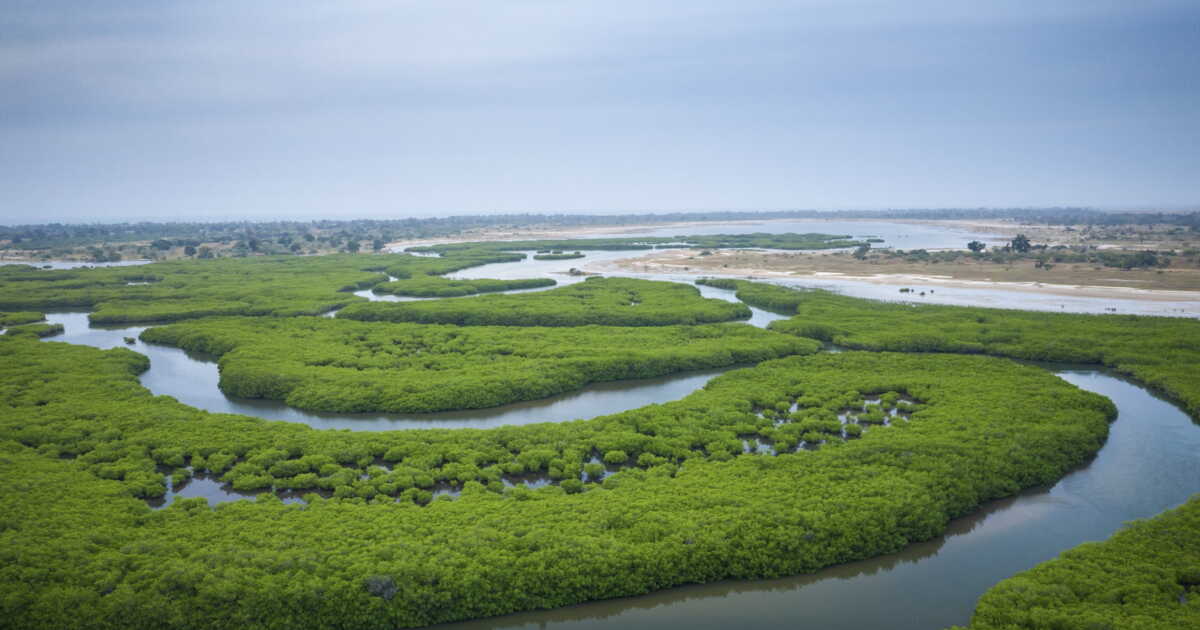
The Saloum Delta is a hidden gem of Senegal: a vast labyrinth of mangroves, bolongs (water channels), islands and canals. Navigating by pirogue or kayak through this aquatic mosaic provides a deep immersion into lush and serene nature. For a different trip to Senegal, away from crowds, the delta offers tranquil landscapes, a sense of remoteness, and a close connection with the environment. It is an opportunity to experience a slow, authentic stay in Senegal, deeply connected to the land.

5. Immersion in Casamance

The Casamance region combines tropical forest, rice fields, traditional villages and preserved beaches — an invitation to relaxation, calm and encountering a unique culture. Toward Cap Skirring or Diembering, beaches along the Atlantic Ocean provide the perfect setting for unforgettable holidays in Senegal. Families, even with children, will appreciate the laid-back lifestyle, the warmth of the people and the richness of a welcoming culture. This corner of Casamance illustrates the balance between nature, local culture and a laid-back living — a major asset for anyone seeking to discover Senegal differently.

The Senegal offers a palette of unique activities and places, from Dakar’s historic sites to the lush landscapes of Casamance. Whether you are passionate about history, nature or culture, this country will meet your expectations and offer you a rich and versatile experience. You can also explore other themes such as local gastronomy or responsible tourism itineraries to enrich your trip.

What is the best time to go to Senegal?

The best time for a stay in Senegal remains November to March, when the climate is milder, the air cooler and humidity reduced. This season is particularly suitable for a trip to Senegal with family or friends: the beaches of the Atlantic Ocean are pleasant, and city visits — whether in Dakar or other areas — are comfortable without intense heat. Thus, one can make the most of the lush nature, the coastline, and the heritage sites in comfortable conditions.

What budget should you plan for visiting Senegal in 10 days?

For a 10-day stay, a moderate budget — simple to mid-range accommodations, local meals, internal transportation — is more than enough to discover the essentials: city, beaches, a detour to the Bandia Reserve or the Saloum Delta, and a visit along the coast. For higher comfort — more comfortable accommodations, excursions, activities — the cost remains reasonable compared to European standards, especially if you favor local services. You can thus tailor the budget according to the desired Senegal travel style.

What to do in Senegal in December?

In December, mild weather and ideal light: it’s the perfect opportunity to combine beach, nature and heritage. You can explore coastal zones along the Atlantic, walk through mangroves or nature reserves, discover the lush nature of the country, or observe the Djoudj birds if you venture north. It’s also a good time to enjoy the unique blend of relaxation, sea, and cultural immersion in a pleasant and serene setting.

What to do on a family trip to Senegal?

A family trip to Senegal can blend history, nature, beach and cultural encounters: visiting Gorée Island or the House of Slaves for a heritage dimension, going on a gentle safari at Bandia Reserve to observe wildlife, or enjoying welcoming beaches for relaxing moments. By combining these elements, you offer both children and adults a rich, varied and accessible stay, balancing safety, discoveries and enjoyment for everyone.

This article was drafted with the help of artificial intelligence, then corrected, expanded and validated by the newsroom journalists.

What to Do in Laos: 5 Must-Do Activities and Outings

In Laos, travel often unfolds as a slow exploration guided by rivers, traditions and nature. Each region unveils a different face of the country, between remarkable heritage, outdoor adventures and untouched sites. A survey of five experiences not to be missed during a Lao stay.

1. Getting Lost in Luang Prabang

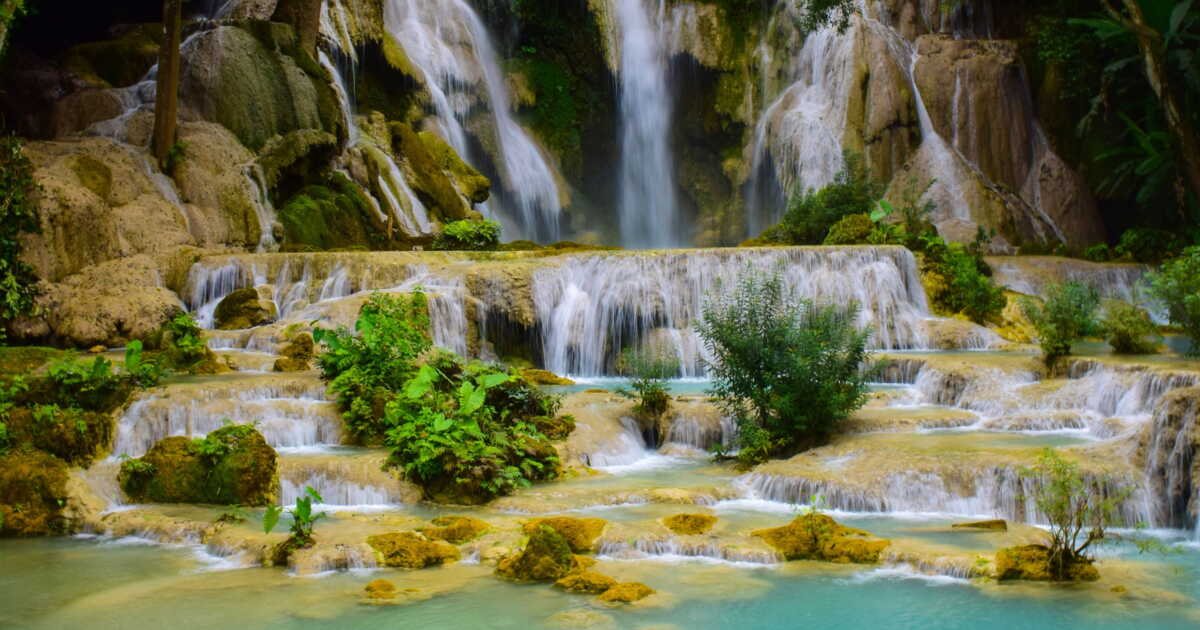
Getting lost in Luang Prabang invites you to dive into the local Lao life, in a UNESCO World Heritage city renowned for its temples, colonial architecture, and scenes of life imbued with spirituality. Watching the Tak Bat, the dawn ceremony of local offerings, is a powerful moment, revealing the relationship between the city’s residents and Buddhist traditions. This silent ritual embodies a way of life defined by simplicity and respect, shared with nearby Lao people who come to observe or participate. A multitude of activities in Luang Prabang allow for deeper immersion: cooking classes, cycling tours, or a visit to the Kuang Si Falls, located near a small village tucked away in a lush jungle. For a richer experience, it is advisable to book certain activities in advance, especially those tied to traditional arts or cultural excursions. All in all, Luang Prabang remains an ideal place to understand the Laotian way of life and to feel the harmony between spirituality, nature and locals.

2. Cruising the Mekong

Cruising the Mekong offers a smooth, immersive experience in a riverine archipelago where living traditions, pristine landscapes and waterways of strategic importance mingle. This river runs across the country, marking the border with Thailand on several stretches and guiding local life for centuries. A river cruise toward the Pak Ou caves provides a look into the country’s religious practices, while a stop in villages such as Ban Xang Hai introduces the artisanal production of rice wine, handed down among communities along the river. This gentle navigation reminds us that Laos is best discovered at its own pace, with respect for traditions and rhythms. The Mekong, stage for traditional boat races during the Lao New Year, also plays a central role in exchanges between the Lao government and its neighbors, such as Vietnam, in a spirit of regional cooperation. It remains a key axis for outdoor activities, including river expeditions, explorations of wild banks and encounters with inhabitants.

3. Adventure in Vang Vieng

Vang Vieng, in the country’s north, has become a coveted spot for outdoor adventures, set against a backdrop of impressive karst cliffs and the Nam Song river winding through green valleys. This singular landscape allows for a mix of gentle outdoor activities like bicycle rides to limestone caves, and more vigorous pursuits such as kayaking, rock climbing or hiking. Once a haven for travelers seeking adrenaline, Vang Vieng now attracts those who want to combine raw nature with a glimpse of rural life, in a setting spared from mass urbanization. The presence of small villages on the outskirts illustrates the coexistence of sustainable tourism and local residents keen to preserve their farming practices. This beautiful corner of lush jungle, bearing subtle traces of the Vietnam War, represents an ideal place to explore active Laos at the crossroads of nature and living culture.

4. Strolling through Vientiane

As the administrative capital of the country, Vientiane presents a peaceful urban face, conducive to discovering the Laotian government and its institutions, while retaining a human scale that favors everyday life scenes. The Pha That Luang, a premier Buddhist site of the nation, sits beside buildings inherited from French colonization and bustling markets where Laotians come to shop. In this mini-Pakse city, urban dwellers share their daily life at the slow pace of the Mekong, within a context where spirituality still strongly structures social relations. The Buddha Park, with sculptures that fuse Hindu and Buddhist symbols, illustrates this rich iconography. If the activities in Vientiane are fewer than in rural areas, they deserve to be planned in advance to visit archaeological sites or to partake in events such as the Lao New Year festivities. Through its apparent calm, the capital reveals another form of dynamism, more institutional, yet deeply rooted in the local life.

5. Quest on the Bolaven Plateau

The Bolaven Plateau, located in the Champasak Province, embodies a rural and pristine territory where outdoor activities occupy a central place in discovering authentic Laos. This high plateau with a temperate climate is famed for its coffee plantations, Kuang Si and Tad Fane waterfalls, and hiking routes linking small villages inhabited by ethnic minorities. The lush jungle and open landscapes offer a panoramic view of the surroundings, making this space ideal for trekking, cycling and eco-tourist stays. Marked by the traces of the Vietnam War, this region has rehabilitated its natural potential to become an ideal place for recharging and environmental education. Its proximity to the city of Pakse makes it possible to organize these activities in advance, in a framework of responsible tourism and respect for the inhabitants living along the trails. The Laotian government promotes controlled development there, balancing local life and preservation.

Laos Travel: a off-the-beaten-path itinerary in the heart of Southeast Asia

A trip to Laos invites you to slow down, to breathe differently, to discover a country still preserved, far from the hustle of major tourist routes in Asia. Here, the Mekong sets the tempo, temples rise in silence, and villages live to the rhythm of the seasons. From Luang Prabang, the spiritual jewel of the north, to the wild nature of the Bolaven Plateau, via the karst formations of Vang Vieng and the tropical gentleness of the 4,000 Islands, Laos offers a rare balance between natural beauty, cultural heritage and human encounters. It is a destination for curious travelers, those who seek to marvel without rushing, to understand rather than to consume. A trip to Laos is less an escape than a revelation.

What to do in Laos in 15 days and how long does it take to visit the country? A gentle adventure at the Mekong’s pace

Visiting Laos requires time, not to tick off a list, but to soak in its slowness, its spirituality and its grand landscapes. Fifteen days represent the ideal duration to discover the essentials, while respecting the country’s tranquil tempo. From Luang Prabang, the UNESCO-listed colonial jewel, to the mystical Plain of Jars, via Kuang Si Falls and the sacred Pak Ou caves, the north reveals a deeply spiritual Laos. Then head south to Vang Vieng, surrounded by karst peaks, down to the tranquil capital Vientiane, and the 4,000 islands where the Mekong broadens into a mosaic of water.

What is the most beautiful place in Laos? Discovering the most inspiring landscapes

If Laos overflows with natural and cultural wonders, Luang Prabang remains for many the most beautiful place in the country. Perched at the confluence of the Mekong and Nam Khan rivers, this former royal capital charms with its golden temples, colonial houses, and morning rituals where monks walk by in silence. Beyond the town, Laos’s landscapes take on a nearly spiritual dimension: crystal-clear waterfalls, mysterious caves, and misty mountains. Farther south, the Si Phan Don islands, the Champassak rice fields, or the Bolaven plateaus offer another form of beauty—raw, green, boundless. The most beautiful place in Laos might be the one that invites you to slow down, to observe, to feel.

What to see in Laos? Hidden treasures between mountains, temples and the Mekong

Laos is a country of quiet beauty that reveals itself to those who take time to observe it. In Luang Prabang, shimmering temples stand beside colonial houses and artisan markets. Nearby, the Kuang Si Falls and the Pak Ou caves invite contemplation. Further south, Vientiane, a tranquil capital on the bank of the Mekong, blends Buddhism and French architecture. The journey continues to Vang Vieng, between rivers and karst mountains, before ending on the 4,000 Islands in the south, where the river fades into the horizon. Between spirituality, nature and a laid-back way of life, each place in Laos is a meeting with authenticity.

Is it worth going to Laos? A rare destination for travelers seeking the essentials

Yes, Laos is worth more than a detour: it deserves to be lived. In this country still spared by mass tourism, time seems suspended. One discovers a calm Asia where the kindness of the inhabitants, the slow pace of the Mekong and the serenity of the temples form a rare harmony. The landscapes, often grand but never flashy, offer a raw and meditative beauty. Traveling in Laos is about re-learning the meaning of simplicity, reconnecting with nature, with oneself, and with others.

This article was written with the help of artificial intelligence, then revised, supplemented, and validated by the editors of the desk.

What to Do in Poland: 7 Must-Do Activities and Outings

For a long time kept off the main European tourist routes, Poland reveals a remarkable heritage and landscapes of surprising diversity. From history-soaked cities to the wide natural expanses of the northeast, the country lends itself to both cultural getaways and refreshing outdoor breaks.

1. A Dive into Kraków’s History

Exploring Kraków allows you to trace the foundations of Polish history through its monuments, its medieval atmosphere, and its role as the country’s historic capital. The Old Town houses an exceptionally dense concentration of must-see monuments, including the Wawel Royal Castle and the emblematic Gothic cathedrals of the medieval era, making it a central segment of any culturally oriented trip to Poland.

Nearby, the Wieliczka Salt Mine represents another facet of this heritage, as does the former Jewish ghetto—a landmark to pair with a visit to Auschwitz. All of this forms an essential part of Poland holidays, enriched by approachable local cuisine and often affordable prices. Kraków thus embodies a coherent destination, built around memory, architecture, and the country’s diverse monuments.

2. Warsaw, a Capital with a Thousand Faces

Warsaw, a modern and resilient capital, houses monuments from different eras, symbols of a troubled yet rebuilt history. The Old Town, UNESCO-listed, faithfully mirrors the medieval atmosphere, even though it was rebuilt after the war. Among the buildings to visit are the Wilanów Palace and the visible remnants of the former Jewish ghetto, key elements for grasping the city’s memory.

Incorporating a stroll through the beautiful Łazienki Park botanical gardens or following a guided route through the museums of Wrocław or Warsaw helps structure a substantial portion of the stay. Taken together, these create a core segment of the many essential historical sites on a Poland trip, blending urban discovery, memory transmission, and cultural practices. With reasonable prices for transport or accommodation, Warsaw remains accessible even in peak season.

3. Getting Lost in the Białowieża Forest

The Białowieża Forest, designated a biosphere reserve, represents a unique part of Poland’s natural heritage. A true relic of Europe’s primeval forest, it offers a rare ambiance for guided strolls within an intact ecosystem. This protected area, spanning several square kilometers, is home to the last European bison and provides an unforgettable experience for visitors attentive to conservation.

Accessible on foot and guided by professionals, the forest walk doubles as an educational experience on conservation, endemic species, and contemporary threats. Integrated into a personalized itinerary focused on natural areas, this destination complements other cultural sites, enabling a Poland trip that balances heritage and biodiversity.

4. Gdańsk and Its Medieval Charms

Gdańsk, located on the Baltic Sea, is a city with a rich commercial and political past, home to many must-see monuments in Gdańsk and part of a structured Polish holiday circuit. The royal castle, Gothic-style buildings, the narrow streets of the Old Town, and museums tied to the Solidarity movement reflect a dense urban history.

On the outskirts, the towns of Sopot and Gdynia offer coastal extensions, with nautical activities and nature experiences in a kid-friendly atmosphere during the summer. Linked to the country’s monuments, the region allows for pairing seaside relaxation with historical exploration. Gdańsk thus stands as a coherent part of a northern cultural and seaside itinerary, enriched by a sea stroll, attractive prices and a strong sense of memory.

5. The Wieliczka Salt Mines, a World Beneath Our Feet

The Wieliczka Salt Mines, famed for their impressive salt monuments, form part of the many underground sites listed as world heritage. A few kilometers from Kraków, this subterranean network welcomes visitors in a unique atmosphere, blending history, engineering, and spirituality. Among the most iconic spaces are chapels and sculptures carved from salt, illustrating the miners’ craftsmanship.

With reasonable prices for guided tours, the site is aimed at families or school groups, with a well-supervised kids-friendly ambiance. Accessible for a multi-hour underground stroll, Wieliczka offers an unforgettable experience that fits perfectly into any Poland itinerary focused on the country’s industrial and artisanal heritage.

6. The Charms of Masuria

The Masuria, in the northeast, embodies a major lake region, often named the “land of a thousand majestic lakes,” ideal for boating or walks in the surrounding massif. Perfect for Poland holidays centered on nature and relaxation, it enables gentle activities such as fishing, sailing, or birdwatching in a tranquil atmosphere.

Thanks to a network of villages, the cost of a bus trip or a car rental stays affordable, facilitating exploration of a part of the country that remains relatively lightly urbanized. The calm of its rivers, the reflections on its waters, and the diversity of its fauna make Masuria an ideal area for respectful tourism, away from crowds, especially outside the peak season.

7. The Trails of Zakopane and the Tatras

Nestled at the foot of the Tatras, the town of offers an immersion into Polish highland traditions, combining mountain walks, local folklore, and active Poland holidays. Nearby, the Morskie Oko Lake, at an altitude of over 1,300 meters, stands as a major site for a walk to Morskie Lake, highly frequented in high season for its panoramas.

The Tatra National Park, an integral part of the region, offers regulated access to alpine landscapes and protected wildlife. The local cuisine, artisan markets, and the mountain ambiance give Zakopane a strong identity, ideal for days of real downtime.

Is Poland a Good Idea? A European Destination Between History, Accessibility and Cultural Vitality

Asking whether it makes sense to visit Poland means weighing the advantages of a country that remains underestimated in the European tourism scene. A member of the European Union, with a modern transport network and a dense cultural offering, the country attracts with the richness of its cities—from Kraków to Gdańsk—and the variety of its landscapes. It is also an economically accessible destination, with excellent value for money in lodging, dining, and activities.

In terms of tourism, Poland is still perceived as safe, stable, and well-structured to welcome international visitors. Far from the clichés, it offers a modern experience rooted in its heritage, driven by a strong identity and a growing openness.

What Do People in Poland Like to Do? Daily Life Anchored in Sociability, Nature, and Traditions

Understanding what Poles enjoy doing helps approach a culture deeply attached to communal life and seasonal rhythms. Forest walks, very common, reflect a constant tie to nature, ever-present in the country’s geography.

In urban areas, people frequent cafes, markets, and parks, especially in Warsaw or Wrocław, where public spaces play a central role in sociability. Regular hiking, cycling, or winter sports in the Carpathians also show an active relationship with the land.

Alongside this, there is a strong attachment to religious fêtes, culinary traditions, and family gatherings. Observing daily life here means grasping a culture that is both understated and profoundly vibrant.

What to Do in Poland in Winter? A Country to Rediscover Under Snow and Seasonal Lights

Visiting Poland in winter reveals a lesser-known facet of the country, marked by a hushed atmosphere and striking seasonal aesthetics. Christmas markets, especially in Kraków or Wrocław, offer a warm immersion into local traditions.

In the south, the Tatra Mountains near Zakopane allow skiing, snowshoeing, and thermal baths, with infrastructure suited to all levels. The major cities maintain a rich cultural life: museums, concerts, literary cafés, all within an intimate atmosphere. Polish winter, far from deterring, gives a new sense to discovery, blending heritage, indoor comfort, and stillness in nature.

Poland Travel Safety: What You Need to Know to Travel with Peace of Mind

The question of tourism-related danger in Poland rarely arises, given the country’s recognized political, social, and health stability on a European scale. Safety levels are high in tourist zones such as Warsaw, Kraków, and Gdańsk, with a visible police presence and a low crime rate.

Incidents involving travelers are rare and typically relate to minor acts such as opportunistic theft on public transport. Medical facilities are modern, food standards are high, and tour operators are well trained.

In short, Poland is a safe destination, provided you follow the elementary precautions applicable to any major Central European city.

This article was written with the help of artificial intelligence, then corrected, expanded, and validated by the editors.