What to Do in Senegal: 5 Must-Do Outings and Activities

Senegal, a country located at the westernmost tip of Africa, is notable for its cultural richness and natural diversity. Bordered by the Atlantic Ocean, it offers a range of activities from tranquil beaches to wildlife reserves, as well as historic towns. If you are planning to visit Senegal, you’re surely wondering which activities and sites should not be missed. This guide is designed to give you an overview of the essential experiences to have during your stay.

1. Discover Dakar and its surroundings

Dakar, the capital of Senegal, is the ideal starting point for a successful trip to Senegal. From Dakar, you can reach Gorée Island, a UNESCO World Heritage site — and visit the famous House of Slaves. The immersion continues in Dakar’s lively districts, among markets, crafts, textiles and urban atmosphere. Do not miss the African Renaissance Monument as well, a strong symbol of cultural identity. This stay in the capital of Senegal evokes the very essence of a modern Senegal journey, blending history, memory and urban dynamism.

2. Explore the Petite Côte

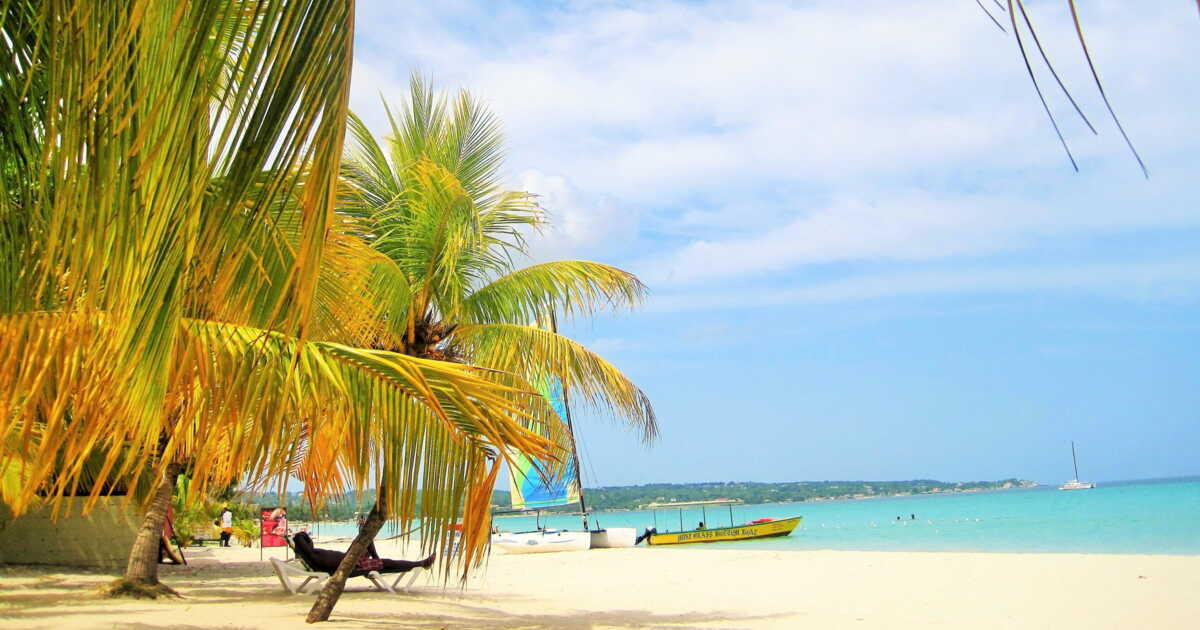
Leaving Dakar, the road leads to the Petite Côte, a region ideal for vacations blending relaxation and discovery. In Saly Portudal or Toubab Dialaw, the fine sand and idyllic beaches invite swimming, water sports or simply gazing at the Atlantic Ocean. In Toubab Dialaw, an artists’ village, the creative atmosphere offers a charming contrast with urban life. For families with children, the proximity to an accessible natural setting adds a valuable asset. The Bandia Reserve, nearby, opens the possibility to observe African animals in their habitat — a strong nature experience within the framework of a family trip to Senegal.

3. Discover the North of Senegal

The North reveals a calmer horizon and is rich in heritage. The historic town of Saint-Louis, former colonial capital, charms with its architecture, colonial lanes and gentle ambiance. Venturing toward the Djoudj Bird Park, ornithology, wildlife watching and biodiversity enthusiasts will enjoy spotting pelicans, herons and other migratory species — a meeting with the preserved nature of West Africa. One might even include a detour to the emblematic Lake Retba, whose brackish water offers a unique spectacle to cap this northern journey.

4. Navigate the Saloum Delta

The Saloum Delta is a hidden gem of Senegal: a vast labyrinth of mangroves, bolongs (water channels), islands and canals. Navigating by pirogue or kayak through this aquatic mosaic provides a deep immersion into lush and serene nature. For a different trip to Senegal, away from crowds, the delta offers tranquil landscapes, a sense of remoteness, and a close connection with the environment. It is an opportunity to experience a slow, authentic stay in Senegal, deeply connected to the land.

5. Immersion in Casamance

The Casamance region combines tropical forest, rice fields, traditional villages and preserved beaches — an invitation to relaxation, calm and encountering a unique culture. Toward Cap Skirring or Diembering, beaches along the Atlantic Ocean provide the perfect setting for unforgettable holidays in Senegal. Families, even with children, will appreciate the laid-back lifestyle, the warmth of the people and the richness of a welcoming culture. This corner of Casamance illustrates the balance between nature, local culture and a laid-back living — a major asset for anyone seeking to discover Senegal differently.

The Senegal offers a palette of unique activities and places, from Dakar’s historic sites to the lush landscapes of Casamance. Whether you are passionate about history, nature or culture, this country will meet your expectations and offer you a rich and versatile experience. You can also explore other themes such as local gastronomy or responsible tourism itineraries to enrich your trip.

What is the best time to go to Senegal?

The best time for a stay in Senegal remains November to March, when the climate is milder, the air cooler and humidity reduced. This season is particularly suitable for a trip to Senegal with family or friends: the beaches of the Atlantic Ocean are pleasant, and city visits — whether in Dakar or other areas — are comfortable without intense heat. Thus, one can make the most of the lush nature, the coastline, and the heritage sites in comfortable conditions.

What budget should you plan for visiting Senegal in 10 days?

For a 10-day stay, a moderate budget — simple to mid-range accommodations, local meals, internal transportation — is more than enough to discover the essentials: city, beaches, a detour to the Bandia Reserve or the Saloum Delta, and a visit along the coast. For higher comfort — more comfortable accommodations, excursions, activities — the cost remains reasonable compared to European standards, especially if you favor local services. You can thus tailor the budget according to the desired Senegal travel style.

What to do in Senegal in December?

In December, mild weather and ideal light: it’s the perfect opportunity to combine beach, nature and heritage. You can explore coastal zones along the Atlantic, walk through mangroves or nature reserves, discover the lush nature of the country, or observe the Djoudj birds if you venture north. It’s also a good time to enjoy the unique blend of relaxation, sea, and cultural immersion in a pleasant and serene setting.

What to do on a family trip to Senegal?

A family trip to Senegal can blend history, nature, beach and cultural encounters: visiting Gorée Island or the House of Slaves for a heritage dimension, going on a gentle safari at Bandia Reserve to observe wildlife, or enjoying welcoming beaches for relaxing moments. By combining these elements, you offer both children and adults a rich, varied and accessible stay, balancing safety, discoveries and enjoyment for everyone.

This article was drafted with the help of artificial intelligence, then corrected, expanded and validated by the newsroom journalists.

What to Do in Laos: 5 Must-Do Activities and Outings

In Laos, travel often unfolds as a slow exploration guided by rivers, traditions and nature. Each region unveils a different face of the country, between remarkable heritage, outdoor adventures and untouched sites. A survey of five experiences not to be missed during a Lao stay.

1. Getting Lost in Luang Prabang

Getting lost in Luang Prabang invites you to dive into the local Lao life, in a UNESCO World Heritage city renowned for its temples, colonial architecture, and scenes of life imbued with spirituality. Watching the Tak Bat, the dawn ceremony of local offerings, is a powerful moment, revealing the relationship between the city’s residents and Buddhist traditions. This silent ritual embodies a way of life defined by simplicity and respect, shared with nearby Lao people who come to observe or participate. A multitude of activities in Luang Prabang allow for deeper immersion: cooking classes, cycling tours, or a visit to the Kuang Si Falls, located near a small village tucked away in a lush jungle. For a richer experience, it is advisable to book certain activities in advance, especially those tied to traditional arts or cultural excursions. All in all, Luang Prabang remains an ideal place to understand the Laotian way of life and to feel the harmony between spirituality, nature and locals.

2. Cruising the Mekong

Cruising the Mekong offers a smooth, immersive experience in a riverine archipelago where living traditions, pristine landscapes and waterways of strategic importance mingle. This river runs across the country, marking the border with Thailand on several stretches and guiding local life for centuries. A river cruise toward the Pak Ou caves provides a look into the country’s religious practices, while a stop in villages such as Ban Xang Hai introduces the artisanal production of rice wine, handed down among communities along the river. This gentle navigation reminds us that Laos is best discovered at its own pace, with respect for traditions and rhythms. The Mekong, stage for traditional boat races during the Lao New Year, also plays a central role in exchanges between the Lao government and its neighbors, such as Vietnam, in a spirit of regional cooperation. It remains a key axis for outdoor activities, including river expeditions, explorations of wild banks and encounters with inhabitants.

3. Adventure in Vang Vieng

Vang Vieng, in the country’s north, has become a coveted spot for outdoor adventures, set against a backdrop of impressive karst cliffs and the Nam Song river winding through green valleys. This singular landscape allows for a mix of gentle outdoor activities like bicycle rides to limestone caves, and more vigorous pursuits such as kayaking, rock climbing or hiking. Once a haven for travelers seeking adrenaline, Vang Vieng now attracts those who want to combine raw nature with a glimpse of rural life, in a setting spared from mass urbanization. The presence of small villages on the outskirts illustrates the coexistence of sustainable tourism and local residents keen to preserve their farming practices. This beautiful corner of lush jungle, bearing subtle traces of the Vietnam War, represents an ideal place to explore active Laos at the crossroads of nature and living culture.

4. Strolling through Vientiane

As the administrative capital of the country, Vientiane presents a peaceful urban face, conducive to discovering the Laotian government and its institutions, while retaining a human scale that favors everyday life scenes. The Pha That Luang, a premier Buddhist site of the nation, sits beside buildings inherited from French colonization and bustling markets where Laotians come to shop. In this mini-Pakse city, urban dwellers share their daily life at the slow pace of the Mekong, within a context where spirituality still strongly structures social relations. The Buddha Park, with sculptures that fuse Hindu and Buddhist symbols, illustrates this rich iconography. If the activities in Vientiane are fewer than in rural areas, they deserve to be planned in advance to visit archaeological sites or to partake in events such as the Lao New Year festivities. Through its apparent calm, the capital reveals another form of dynamism, more institutional, yet deeply rooted in the local life.

5. Quest on the Bolaven Plateau

The Bolaven Plateau, located in the Champasak Province, embodies a rural and pristine territory where outdoor activities occupy a central place in discovering authentic Laos. This high plateau with a temperate climate is famed for its coffee plantations, Kuang Si and Tad Fane waterfalls, and hiking routes linking small villages inhabited by ethnic minorities. The lush jungle and open landscapes offer a panoramic view of the surroundings, making this space ideal for trekking, cycling and eco-tourist stays. Marked by the traces of the Vietnam War, this region has rehabilitated its natural potential to become an ideal place for recharging and environmental education. Its proximity to the city of Pakse makes it possible to organize these activities in advance, in a framework of responsible tourism and respect for the inhabitants living along the trails. The Laotian government promotes controlled development there, balancing local life and preservation.

Laos Travel: a off-the-beaten-path itinerary in the heart of Southeast Asia

A trip to Laos invites you to slow down, to breathe differently, to discover a country still preserved, far from the hustle of major tourist routes in Asia. Here, the Mekong sets the tempo, temples rise in silence, and villages live to the rhythm of the seasons. From Luang Prabang, the spiritual jewel of the north, to the wild nature of the Bolaven Plateau, via the karst formations of Vang Vieng and the tropical gentleness of the 4,000 Islands, Laos offers a rare balance between natural beauty, cultural heritage and human encounters. It is a destination for curious travelers, those who seek to marvel without rushing, to understand rather than to consume. A trip to Laos is less an escape than a revelation.

What to do in Laos in 15 days and how long does it take to visit the country? A gentle adventure at the Mekong’s pace

Visiting Laos requires time, not to tick off a list, but to soak in its slowness, its spirituality and its grand landscapes. Fifteen days represent the ideal duration to discover the essentials, while respecting the country’s tranquil tempo. From Luang Prabang, the UNESCO-listed colonial jewel, to the mystical Plain of Jars, via Kuang Si Falls and the sacred Pak Ou caves, the north reveals a deeply spiritual Laos. Then head south to Vang Vieng, surrounded by karst peaks, down to the tranquil capital Vientiane, and the 4,000 islands where the Mekong broadens into a mosaic of water.

What is the most beautiful place in Laos? Discovering the most inspiring landscapes

If Laos overflows with natural and cultural wonders, Luang Prabang remains for many the most beautiful place in the country. Perched at the confluence of the Mekong and Nam Khan rivers, this former royal capital charms with its golden temples, colonial houses, and morning rituals where monks walk by in silence. Beyond the town, Laos’s landscapes take on a nearly spiritual dimension: crystal-clear waterfalls, mysterious caves, and misty mountains. Farther south, the Si Phan Don islands, the Champassak rice fields, or the Bolaven plateaus offer another form of beauty—raw, green, boundless. The most beautiful place in Laos might be the one that invites you to slow down, to observe, to feel.

What to see in Laos? Hidden treasures between mountains, temples and the Mekong

Laos is a country of quiet beauty that reveals itself to those who take time to observe it. In Luang Prabang, shimmering temples stand beside colonial houses and artisan markets. Nearby, the Kuang Si Falls and the Pak Ou caves invite contemplation. Further south, Vientiane, a tranquil capital on the bank of the Mekong, blends Buddhism and French architecture. The journey continues to Vang Vieng, between rivers and karst mountains, before ending on the 4,000 Islands in the south, where the river fades into the horizon. Between spirituality, nature and a laid-back way of life, each place in Laos is a meeting with authenticity.

Is it worth going to Laos? A rare destination for travelers seeking the essentials

Yes, Laos is worth more than a detour: it deserves to be lived. In this country still spared by mass tourism, time seems suspended. One discovers a calm Asia where the kindness of the inhabitants, the slow pace of the Mekong and the serenity of the temples form a rare harmony. The landscapes, often grand but never flashy, offer a raw and meditative beauty. Traveling in Laos is about re-learning the meaning of simplicity, reconnecting with nature, with oneself, and with others.

This article was written with the help of artificial intelligence, then revised, supplemented, and validated by the editors of the desk.

What to Do in Poland: 7 Must-Do Activities and Outings

For a long time kept off the main European tourist routes, Poland reveals a remarkable heritage and landscapes of surprising diversity. From history-soaked cities to the wide natural expanses of the northeast, the country lends itself to both cultural getaways and refreshing outdoor breaks.

1. A Dive into Kraków’s History

Exploring Kraków allows you to trace the foundations of Polish history through its monuments, its medieval atmosphere, and its role as the country’s historic capital. The Old Town houses an exceptionally dense concentration of must-see monuments, including the Wawel Royal Castle and the emblematic Gothic cathedrals of the medieval era, making it a central segment of any culturally oriented trip to Poland.

Nearby, the Wieliczka Salt Mine represents another facet of this heritage, as does the former Jewish ghetto—a landmark to pair with a visit to Auschwitz. All of this forms an essential part of Poland holidays, enriched by approachable local cuisine and often affordable prices. Kraków thus embodies a coherent destination, built around memory, architecture, and the country’s diverse monuments.

2. Warsaw, a Capital with a Thousand Faces

Warsaw, a modern and resilient capital, houses monuments from different eras, symbols of a troubled yet rebuilt history. The Old Town, UNESCO-listed, faithfully mirrors the medieval atmosphere, even though it was rebuilt after the war. Among the buildings to visit are the Wilanów Palace and the visible remnants of the former Jewish ghetto, key elements for grasping the city’s memory.

Incorporating a stroll through the beautiful Łazienki Park botanical gardens or following a guided route through the museums of Wrocław or Warsaw helps structure a substantial portion of the stay. Taken together, these create a core segment of the many essential historical sites on a Poland trip, blending urban discovery, memory transmission, and cultural practices. With reasonable prices for transport or accommodation, Warsaw remains accessible even in peak season.

3. Getting Lost in the Białowieża Forest

The Białowieża Forest, designated a biosphere reserve, represents a unique part of Poland’s natural heritage. A true relic of Europe’s primeval forest, it offers a rare ambiance for guided strolls within an intact ecosystem. This protected area, spanning several square kilometers, is home to the last European bison and provides an unforgettable experience for visitors attentive to conservation.

Accessible on foot and guided by professionals, the forest walk doubles as an educational experience on conservation, endemic species, and contemporary threats. Integrated into a personalized itinerary focused on natural areas, this destination complements other cultural sites, enabling a Poland trip that balances heritage and biodiversity.

4. Gdańsk and Its Medieval Charms

Gdańsk, located on the Baltic Sea, is a city with a rich commercial and political past, home to many must-see monuments in Gdańsk and part of a structured Polish holiday circuit. The royal castle, Gothic-style buildings, the narrow streets of the Old Town, and museums tied to the Solidarity movement reflect a dense urban history.

On the outskirts, the towns of Sopot and Gdynia offer coastal extensions, with nautical activities and nature experiences in a kid-friendly atmosphere during the summer. Linked to the country’s monuments, the region allows for pairing seaside relaxation with historical exploration. Gdańsk thus stands as a coherent part of a northern cultural and seaside itinerary, enriched by a sea stroll, attractive prices and a strong sense of memory.

5. The Wieliczka Salt Mines, a World Beneath Our Feet

The Wieliczka Salt Mines, famed for their impressive salt monuments, form part of the many underground sites listed as world heritage. A few kilometers from Kraków, this subterranean network welcomes visitors in a unique atmosphere, blending history, engineering, and spirituality. Among the most iconic spaces are chapels and sculptures carved from salt, illustrating the miners’ craftsmanship.

With reasonable prices for guided tours, the site is aimed at families or school groups, with a well-supervised kids-friendly ambiance. Accessible for a multi-hour underground stroll, Wieliczka offers an unforgettable experience that fits perfectly into any Poland itinerary focused on the country’s industrial and artisanal heritage.

6. The Charms of Masuria

The Masuria, in the northeast, embodies a major lake region, often named the “land of a thousand majestic lakes,” ideal for boating or walks in the surrounding massif. Perfect for Poland holidays centered on nature and relaxation, it enables gentle activities such as fishing, sailing, or birdwatching in a tranquil atmosphere.

Thanks to a network of villages, the cost of a bus trip or a car rental stays affordable, facilitating exploration of a part of the country that remains relatively lightly urbanized. The calm of its rivers, the reflections on its waters, and the diversity of its fauna make Masuria an ideal area for respectful tourism, away from crowds, especially outside the peak season.

7. The Trails of Zakopane and the Tatras

Nestled at the foot of the Tatras, the town of offers an immersion into Polish highland traditions, combining mountain walks, local folklore, and active Poland holidays. Nearby, the Morskie Oko Lake, at an altitude of over 1,300 meters, stands as a major site for a walk to Morskie Lake, highly frequented in high season for its panoramas.

The Tatra National Park, an integral part of the region, offers regulated access to alpine landscapes and protected wildlife. The local cuisine, artisan markets, and the mountain ambiance give Zakopane a strong identity, ideal for days of real downtime.

Is Poland a Good Idea? A European Destination Between History, Accessibility and Cultural Vitality

Asking whether it makes sense to visit Poland means weighing the advantages of a country that remains underestimated in the European tourism scene. A member of the European Union, with a modern transport network and a dense cultural offering, the country attracts with the richness of its cities—from Kraków to Gdańsk—and the variety of its landscapes. It is also an economically accessible destination, with excellent value for money in lodging, dining, and activities.

In terms of tourism, Poland is still perceived as safe, stable, and well-structured to welcome international visitors. Far from the clichés, it offers a modern experience rooted in its heritage, driven by a strong identity and a growing openness.

What Do People in Poland Like to Do? Daily Life Anchored in Sociability, Nature, and Traditions

Understanding what Poles enjoy doing helps approach a culture deeply attached to communal life and seasonal rhythms. Forest walks, very common, reflect a constant tie to nature, ever-present in the country’s geography.

In urban areas, people frequent cafes, markets, and parks, especially in Warsaw or Wrocław, where public spaces play a central role in sociability. Regular hiking, cycling, or winter sports in the Carpathians also show an active relationship with the land.

Alongside this, there is a strong attachment to religious fêtes, culinary traditions, and family gatherings. Observing daily life here means grasping a culture that is both understated and profoundly vibrant.

What to Do in Poland in Winter? A Country to Rediscover Under Snow and Seasonal Lights

Visiting Poland in winter reveals a lesser-known facet of the country, marked by a hushed atmosphere and striking seasonal aesthetics. Christmas markets, especially in Kraków or Wrocław, offer a warm immersion into local traditions.

In the south, the Tatra Mountains near Zakopane allow skiing, snowshoeing, and thermal baths, with infrastructure suited to all levels. The major cities maintain a rich cultural life: museums, concerts, literary cafés, all within an intimate atmosphere. Polish winter, far from deterring, gives a new sense to discovery, blending heritage, indoor comfort, and stillness in nature.

Poland Travel Safety: What You Need to Know to Travel with Peace of Mind

The question of tourism-related danger in Poland rarely arises, given the country’s recognized political, social, and health stability on a European scale. Safety levels are high in tourist zones such as Warsaw, Kraków, and Gdańsk, with a visible police presence and a low crime rate.

Incidents involving travelers are rare and typically relate to minor acts such as opportunistic theft on public transport. Medical facilities are modern, food standards are high, and tour operators are well trained.

In short, Poland is a safe destination, provided you follow the elementary precautions applicable to any major Central European city.

This article was written with the help of artificial intelligence, then corrected, expanded, and validated by the editors.