Storytelling for Travel Agents: Tell Me a Real Story, No Tall Tales


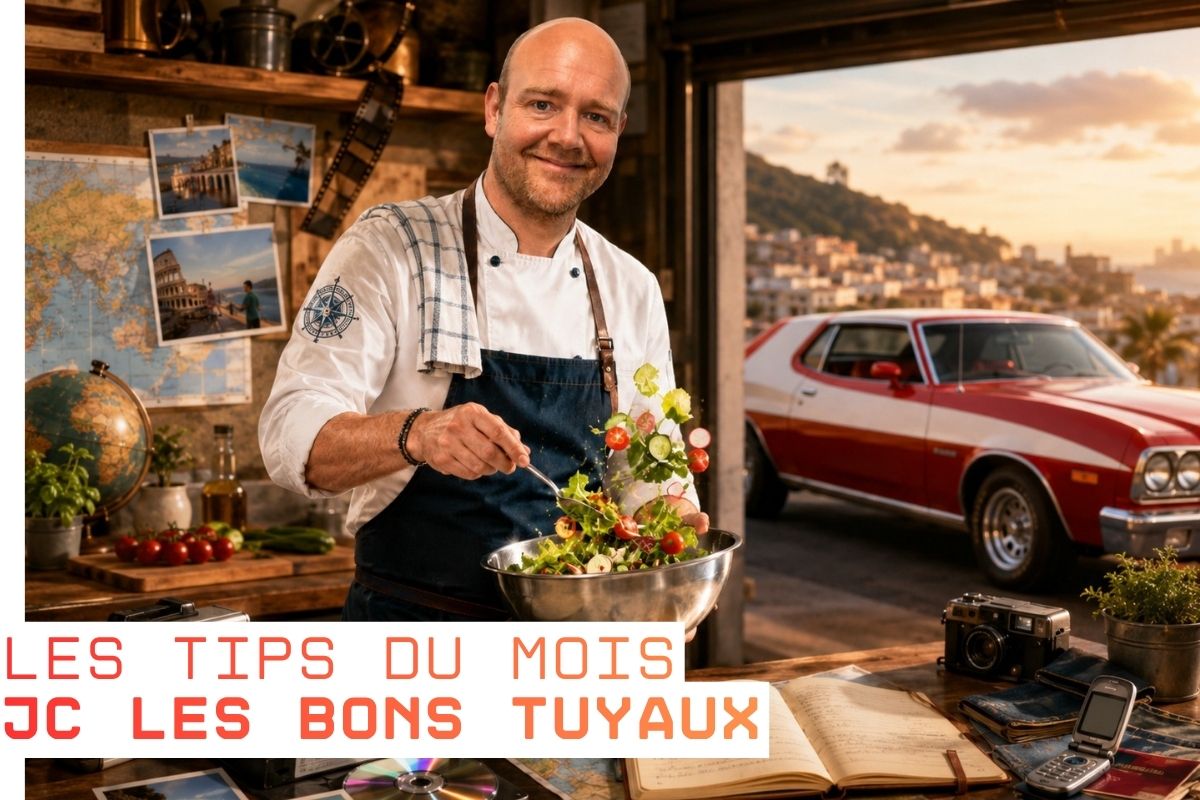
Image générée par IA Chat GPT

MSC Croisières


In the first episode, we talked about personal branding: the image you leave behind, the way you’re identified, what makes people want to trust you.

Today, we move to the second pillar: storytelling. And no, storytelling isn’t about spinning stories to embellish reality like a Titanic trailer, sunset, violins and the promise of eternal happiness as extra baggage.

Storytelling is much simpler. It’s giving meaning to what you do. It’s turning information into a living message, turning an offer into a projection, turning advice into useful content, turning a hassle into a lesson, turning expertise into concrete proof.

In plain terms, it isn’t about inventing a story. It’s about knowing how to tell the right one. And in tourism, there’s no shortage of material.


Your role is to restore meaning

A product sheet informs. A story makes it understood.

Saying: « A well-located hotel with a pool. » is information.

Saying: « This hotel, I would especially recommend to a family that wants to unpack, avoid long travel times and enjoy real comfort without spending their vacation in transit. »

There, you’re already telling something. You’re giving context. You’re helping the client to picture themselves. You’re transforming a technical spec into advice.

And that’s exactly where storytelling becomes useful. Because today, the traveler is overwhelmed by comparison sites, Google reviews, TikTok videos, platforms, influencers and promises of “best price.” He sees it all.

But he does not always understand what is truly meant for him. Your role is to restore meaning. A bit like in Men in Black: everyone sees the scene, but few really know what lies behind it.

In travel, behind a beautiful offer, there is often a detail that changes everything.

And this detail is often you who spots it.


Find all of JC’s best tips here by clicking here


Educating: Make it understood

A good storytelling doesn’t start with: “What am I going to tell?

It starts with: “What do I want to make them understand?

Example. You want to explain that an agency isn’t necessarily more expensive than booking directly.

You could write: “Using an agency doesn’t always cost more.” That’s true, but it won’t make a room jump up like a Freed from Desires chorus.

You could also tell: “This week, a client arrived with three tabs open, two hotels compared, a flight spotted and a real question: am I making a good deal or a mistake? By going through the file point by point, we found that the cheapest hotel was 45 minutes from everything, the return flight required an extra night, and baggage wasn’t included. In the end, the best price wasn’t the one they thought.

There, you’re no longer in argument. You’re in demonstration. And that’s much stronger.


Telling a hotel story is telling an experience

In our profession, details are essential: dates, flights, schedules, board basis, transfers, hotel category, terms. But that’s not always what triggers interest.

A raw offer says: “7-night stay with all-inclusive, direct flights, transfers included, 4-star hotel.

A told story offers:Do you want to travel with family without worrying about every meal, every transfer and every expense on site? This formula is for that: you arrive, you drop your bags, the kids head to the pool, and you can finally breathe.

The traveler no longer reads just a service. They picture themselves in it. As Forrest Gump would say, an offer is sometimes like a box of chocolates: what matters isn’t just the packaging, it’s knowing what’s inside… and whether the client will like the taste.


Behind the scenes: your best scenario


In tourism, our role isn’t to say yes to everything. Our role is to advise. And sometimes, advising means saying no.

No, this destination isn’t ideal at this time. No, this hotel doesn’t fit the profile. No, this cheaper offer might hide constraints.

When told intelligently, that “no” becomes proof of expertise.

People often ask me if I can find something cheaper. The answer is yes, sometimes. But my real role isn’t just to find cheaper. It’s to find fair. And sometimes the cheapest becomes very expensive when it doesn’t suit the traveler.

In Ocean’s Eleven, the plan works because every detail is thought through. In travel, it’s the same.


Storytelling must stay sincere!

Storytelling doesn’t mean writing a novel. A good narrative can fit in a few lines.

She absolutely wanted a seaside hotel. After discussion, she mainly wanted to be able to do everything on foot. So it wasn’t the beach that needed to be sought first, but the right neighborhood. That’s also our job: understand the real demand behind the demand.

Short. Clear. Useful.

A too-short correspondence, an out-of-the-way hotel, a transfer not foreseen, or an offer that hides constraints can become useful content.

Of course, we anonymize and respect clients. But we draw a lesson.

This week, a traveler thought they had found a great offer. On paper, yes. In reality, the arrival airport was two hours from the city, the transfer cost a fortune, and the schedules wasted nearly a day on site. A good offer isn’t just a price. It’s a coherent whole.


Storytelling is more about explaining to whom a destination fits… and to whom it does not fit.

I would recommend this destination to those who like to take their time and enjoy a true local atmosphere. On the other hand, if you’re looking for constant activity and very festive evenings, it may not be the best choice.

Storytelling must stay sincere! This is the key point.

Storytelling works when it is sincere. It should not turn a travel agent into a manufactured character, but reveal your view, your experience, your beliefs and your way of working.


Conclusion: tell simply, tell truthfully

At heart, storytelling isn’t about telling more. It’s about telling better.

Behind every offer, every hotel or every destination, there is a reflection. Our job isn’t only to reserve. It’s to listen, understand, advise, safeguard and accompany.

If we don’t tell our value, others will summarize it for us. So we might as well take control.

With sincerity, pedagogy, personality and hands-on experience. Because good storytelling isn’t about inventing a pretty story. It’s about telling the true value of your profession.


JC, whose real name is Jean-Charles Franchomme, has been working in the tourism industry for more than 20 years.

Since 2024, he is a sales and web executive for groups at Steam Evasion, where he leverages his dual field and digital expertise.

He is also the founder of the Facebook community “100% travel deals and expertise” which brings together 3,800 travelers.

An entrepreneur at heart, he also co-founded two influential Facebook groups in the sector: CDMV (Collective for the Defense of Travel Trades) and Helpdesk for Tourism Pros, which have become essential exchange spaces for professionals.
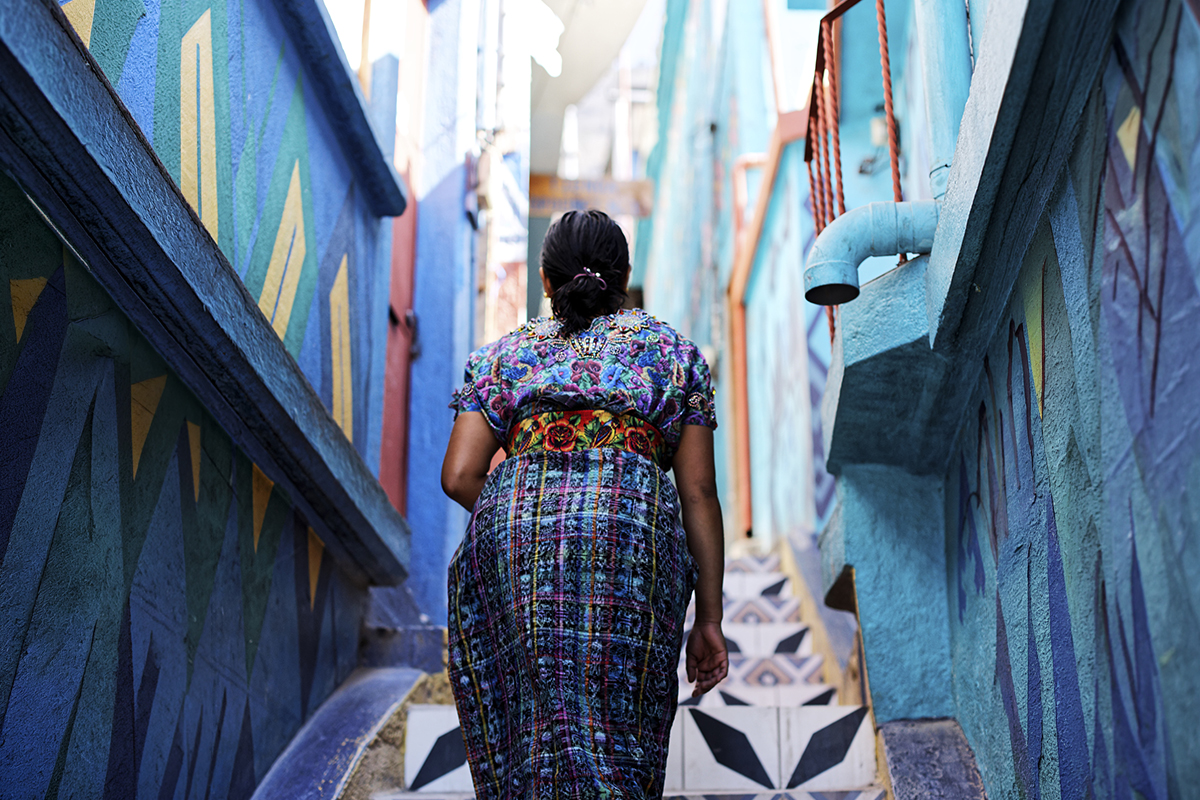
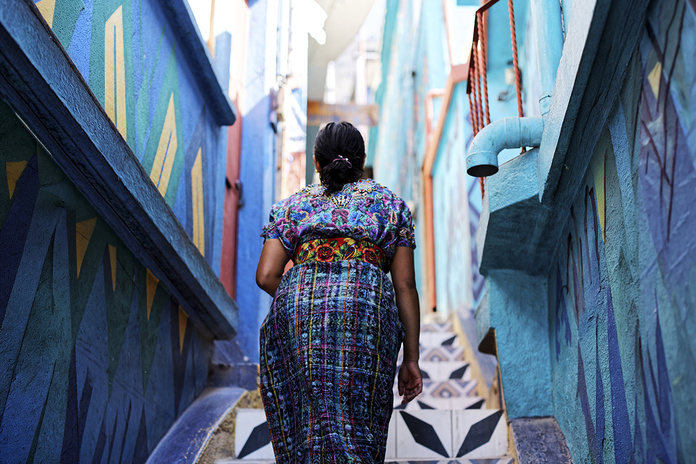
Guatemala: A Destination With a Story to Tell


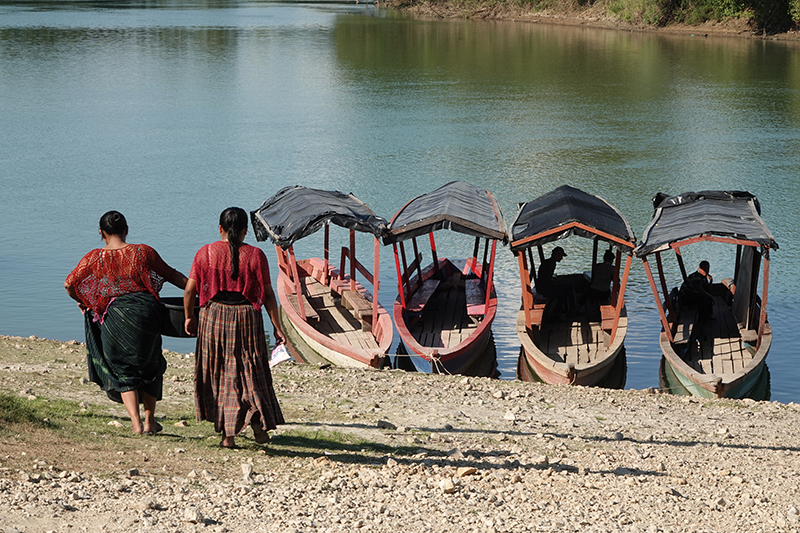
Femme maya © Terra Guatemala

CroisiEurope


Guatemala is a land of contrasts. A country that intrigues as much as it fascinates, a destination that never leaves anyone indifferent… and one that travel agencies sometimes struggle to highlight in a brochure.

To begin with, you need to know how to place it on a map. Believe us, it isn’t always obvious (but yes, you know, just below Mexico…)

Next, you must know how to “tell” this destination, to bring it to life in travelers’ imagination. Heart of the Maya World, a country of eternal spring, land of volcanoes, a country of a thousand colors.

Each expression speaks of its identity… but only partly.

Finally, you have to know how to slip Guatemala into the ear of a traveler who perhaps wouldn’t have thought of it first.

Guatemala isn’t always the destination travelers ask for…
It is the one they choose.


Guatemala’s Identity

Cradle of the Maya civilization:


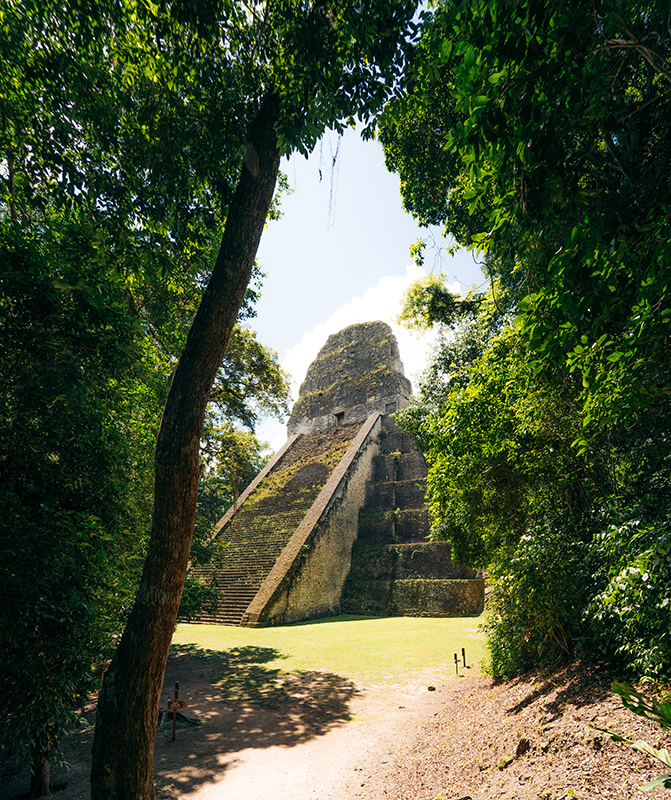
Site de Tikal © Terra Guatemala

Guatemala is foremost one of the principal cradles of the Maya civilization. The archaeological heritage is outstanding, and it often serves as a gateway for travelers. Of course, there is Tikal, whose temples rise from the jungle as if drawn from the City of Gold of our childhood.

Our local experts select the sites to visit according to each traveler’s profile. Some will dream of witnessing sunrise at Tikal. Others will prefer the view from the era of the Red Hands at Yaxha. The more adventurous will appreciate arriving by canoe at Aguateca, while archaeology buffs will recall meeting one of the archaeologists who uncovered Copán in Honduras.

A living Maya culture:


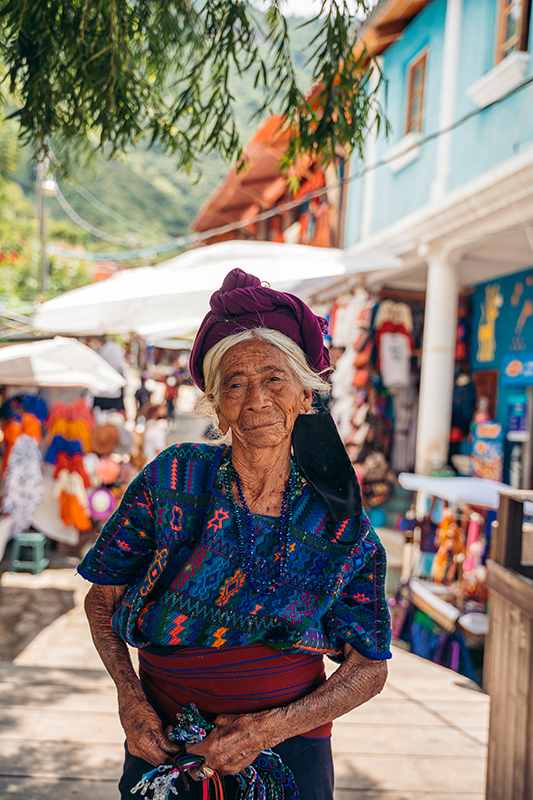
Femme de Santa Catarina Palopo © Terra Guatemala

Many travelers imagine they are discovering a vanished civilization. This is often the first idea we aim to dispel when proposing a Guatemala journey.

The Maya culture isn’t a thing of the past; it is lived daily. One of the 22 officially recognized Maya languages is spoken here, traditional clothing is worn day-to-day, and spiritual guides occupy an important place in the communities.

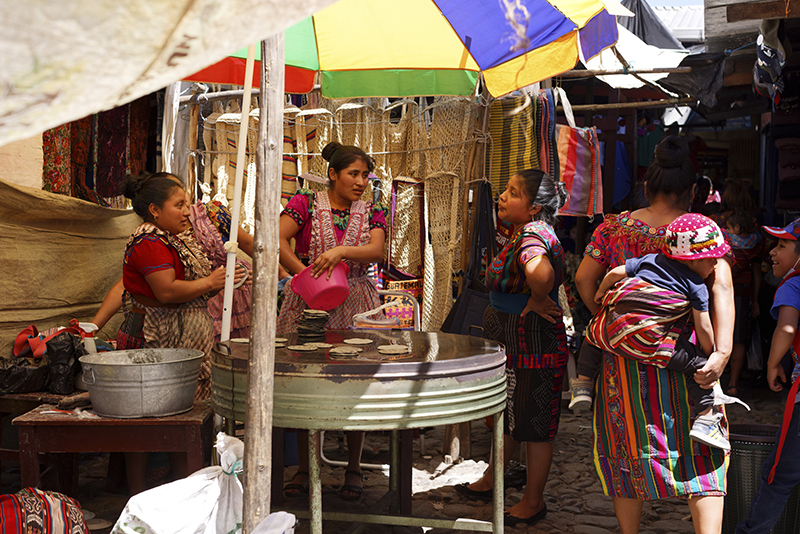
This is also why we like to weave in visits to local markets along our itineraries. They are more than mere stops; they immerse you in this living culture, among artisans, producers, daily life scenes, and everyday encounters.

A land of water and fire

Culture is the guiding thread of the journey, while the landscapes provide the setting. In just a few hours of driving, you travel from the highland Maya villages to the Petén rainforest. The lakes and waterfalls offer refreshing breaks, and some hotels are reached by boat.

Volcanoes add drama on the Altiplano. Sports-minded travelers can venture to the Acatenango Volcano to witness the massive eruptions of the Fuego Volcano. Others can enjoy Terra Guatemala’s recommendations to view the spectacle from a terrace in Antigua.

In Petén, the forest reclaims its dominance. The howler monkeys cry out during visits, toucans frequently cross the canopy, and for the luckiest, traces of the jaguar remind us that the king of the forest is never far away.


Départ pour Aguateca © Terra Guatemala


For families

Children rarely remember the names of archaeological sites. They do, however, recall the howler monkeys at dawn, the toucans spotted in the canopy, or an improvised football game with village kids.

In Guatemala, wanting to see everything is often the best way to miss the country. We regularly advise against a very well-known stop, simply because it doesn’t match the traveler’s profile or the desired pace of the trip.


Marché de Chichicastenango © Terra Guatemala


For travelers seeking exclusive experiences

Guatemala remains a relatively intimate destination. This is exactly what allows us to offer highly exclusive experiences.

Sleeping in an old convent in Antigua, staying at a jungle lodge, or ending a trip on a private island in Belize find their place in a tailor-made itinerary.

Exclusivity also comes from experiences that stand apart from a standard circuit. For example, a night-time exploration of an archaeological site swallowed by the jungle, and stargazing from the site’s astronomical observatory.

A destination unlike any other

Each Central American destination has its own personality. Some captivate primarily with their archaeological heritage, others with their biodiversity.

Guatemala remains less known than some regional destinations. It blends culture, nature, and a strong human dimension. It is often this balance that convinces travelers…

For an agency, talking about Guatemala is also an opportunity to propose a less expected destination, one that steps away from the most traditional itineraries.


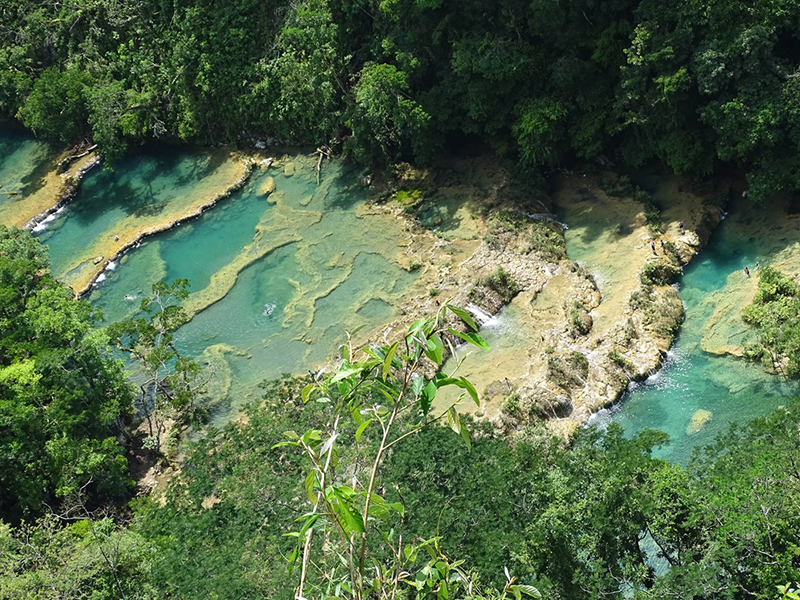
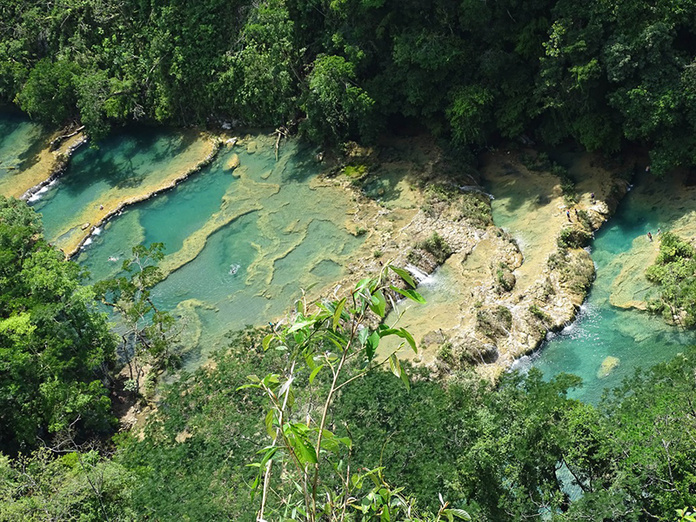
Semuc Champey © Terra Guatemala


The Importance of the Local Expert

Guatemala is a destination that cannot be improvised. Here, the choice of the receptive operator makes the difference, even more than elsewhere.

A successful trip rests on a multitude of details: the right itinerary, the right pace, the right driver, the right guide, or the right hotel. Sometimes you have to be firm and know how to say no to a traveler who asks for too much.

This is our trade. Based in Antigua, our team is on the ground year-round. We continuously open new addresses, refine our itineraries, and keep exploring the country. This work never stops.

Our role doesn’t end with trip planning. We stay close to travelers to assist them, advise them, reassure them… before and during the journey.

We hold a simple conviction: a trip to Guatemala is an itinerary tailored to a specific person. Every journey must be unique.


Le Guatemala : une destination qui se raconte
Contact us to access a selection of customized circuits:

● by email: [email protected]

● by WhatsApp (+502) 3993 4526

● by phone (+33) 1 89 70 50 39

More information about our tailored trips on our site: https://guatemala-voyages.com

>> Terra Guatemala in the DESTIMAG Directory


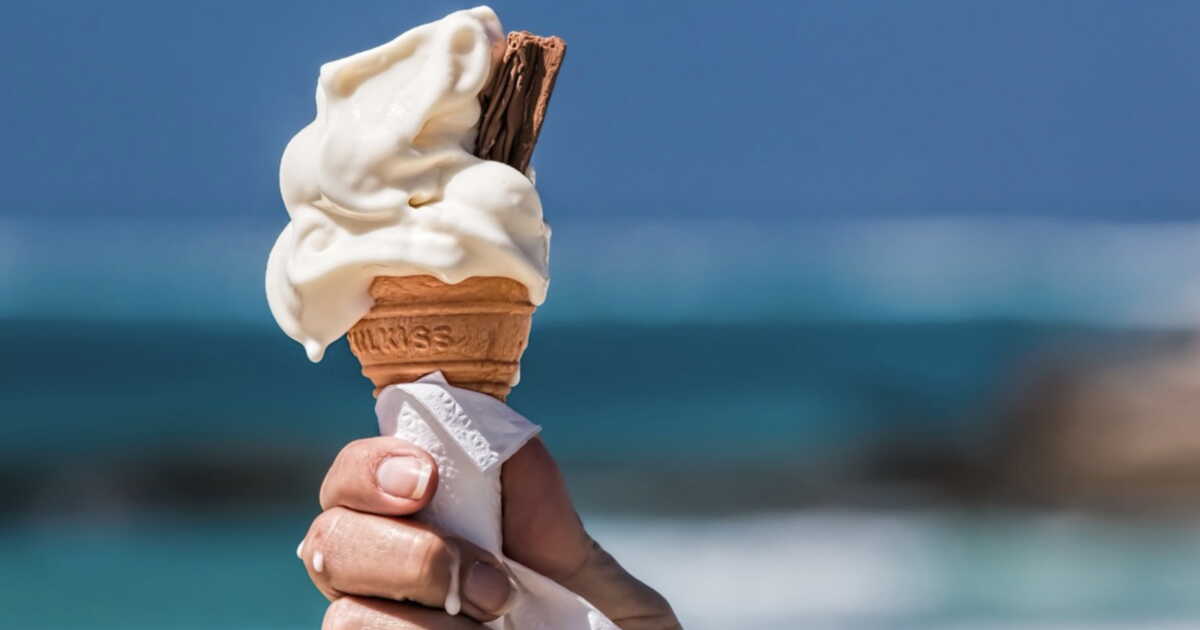
Behind Italian Gelato: An Astonishing Story of American Military Equipment

Every summer, millions of visitors savor an ice cream in Italy, unaware that its modern story owes much to American ingenuity. Before becoming a staple of beaches, cafes, and summer strolls, gelato was a delicate preparation, produced in small quantities and difficult to preserve. In the postwar era, a Tuscan family would transform this constraint into an opportunity. Their idea: repurpose abandoned American military equipment to allow gelato to move beyond the boundaries of its neighborhood.

Before mechanization, gelato remained a local affair

The Italians did not discover frozen desserts only after the war. Since Antiquity, the Romans cooled wine and fruit preparations with snow. In Sicily, the Arabs later used the snow from Mount Etna to craft sweet, scented mixtures, laying the groundwork for the granita tradition.

During the Renaissance, the preparations continued to evolve. In Florence, the architect Bernardo Buontalenti devised in the 16th century a frozen cream enriched with milk and eggs, bearing a texture close to today’s gelato. Yet for a long time, making a frozen dessert remained a complex endeavor. The mixture was cooled in a blend of natural ice and salt, while the churn was done by hand. This method demanded time and constant attention, limiting production and complicating long-term preservation of the product.

Production thus remained limited and essentially local. Even the arrival of electric refrigeration gear, at the end of the 1920s, did not suffice to turn gelato into a product easy to produce and distribute on a large scale. There was still a need to produce regularly, preserve the dessert, and above all transport it without it losing its texture.

Cruically, this is the challenge the Bagnoli family would face in Empoli. In 1946, Renzo Bagnoli transformed the family dairy into a bar-ice cream shop called Sammontana, and began producing its own gelato. Two years later, his brothers Sergio and Loriano joined, and production took on a new dimension. They started selling their gelato beyond Empoli.

American equipment recovered after the war

That is where Sammontana’s story intersects with the American army. After World War II, they headed to Genoa, where a scrap yard held discarded ice-making machine parts left by the U.S. Army. With limited means, they bought whatever could be useful and adapted it themselves to mechanize production. The shift was significant: it was no longer just about making gelato in small batches behind a bar, but about having a tool capable of increasing production while preserving an artisanal touch.

This evolution, however, solved only part of the problem. Once gelato could be produced in larger quantities, distribution remained a hurdle. The Bagnoli brothers then devised their own solutions. They designed a six-liter metal container, practical enough to transport the gelato and allow bars and cafés to serve it directly from the canister. This innovation appeared in 1955, as sales began to rise outside Empoli.

“The Bagnoli brothers designed a six-liter can that integrated seamlessly into their improvised supply chain. Bars and cafés could serve the ice directly from the can,” explains Luca Cesari, an Italian food historian, to the BBC. “When they began lending their freezers to bar owners, the model was complete.”

The strategy works. Gelato could now be produced in Empoli and then sold to other establishments.

Gelato accompanies the Italian economic miracle

From the 1950s onward, Italy entered a period of rapid growth known as the “Italian economic miracle.” Between 1950 and 1963, wages rose, many families left rural areas for cities, and living standards improved. Italians spent more on leisure, while seaside holidays and evening strolls became new habits. Gelato found an ideal setting to become popular: it was inexpensive, easy to enjoy, and associated with these new leisure moments.

Sammontana took advantage of this shift to continue expanding. After starting to distribute its gelato beyond Empoli, the company rode the rising demand and gradually expanded its network. In 1960, the Bagnoli brothers opened a factory in Empoli to cope with growth. Their gelato was no longer just the product of a Tuscan bar‑ice cream shop; it became a product available in numerous establishments across Italy.

The success of this new approach to producing and distributing ice creams soon inspired other companies. Manufacturers such as Algida, Motta, or Spica developed larger-scale production as well. Yet this industrialization did not erase artisanal gelaterias; it helped two models cohabit: that of the large brands and that of the artisans.

“Industrial gelato forced artisanal gelato to evolve, and ultimately Italy developed both a powerful industrial sector and a vast network of independent and artisanal gelaterias,” explains Eduardo Zucchini, spokesman for the Gelato Museum Carpigiani, to the BBC. Competition particularly pushed artisans to improve their hygiene, equipment, and organization.

Puglia: Reale Family’s Success Story in Salento


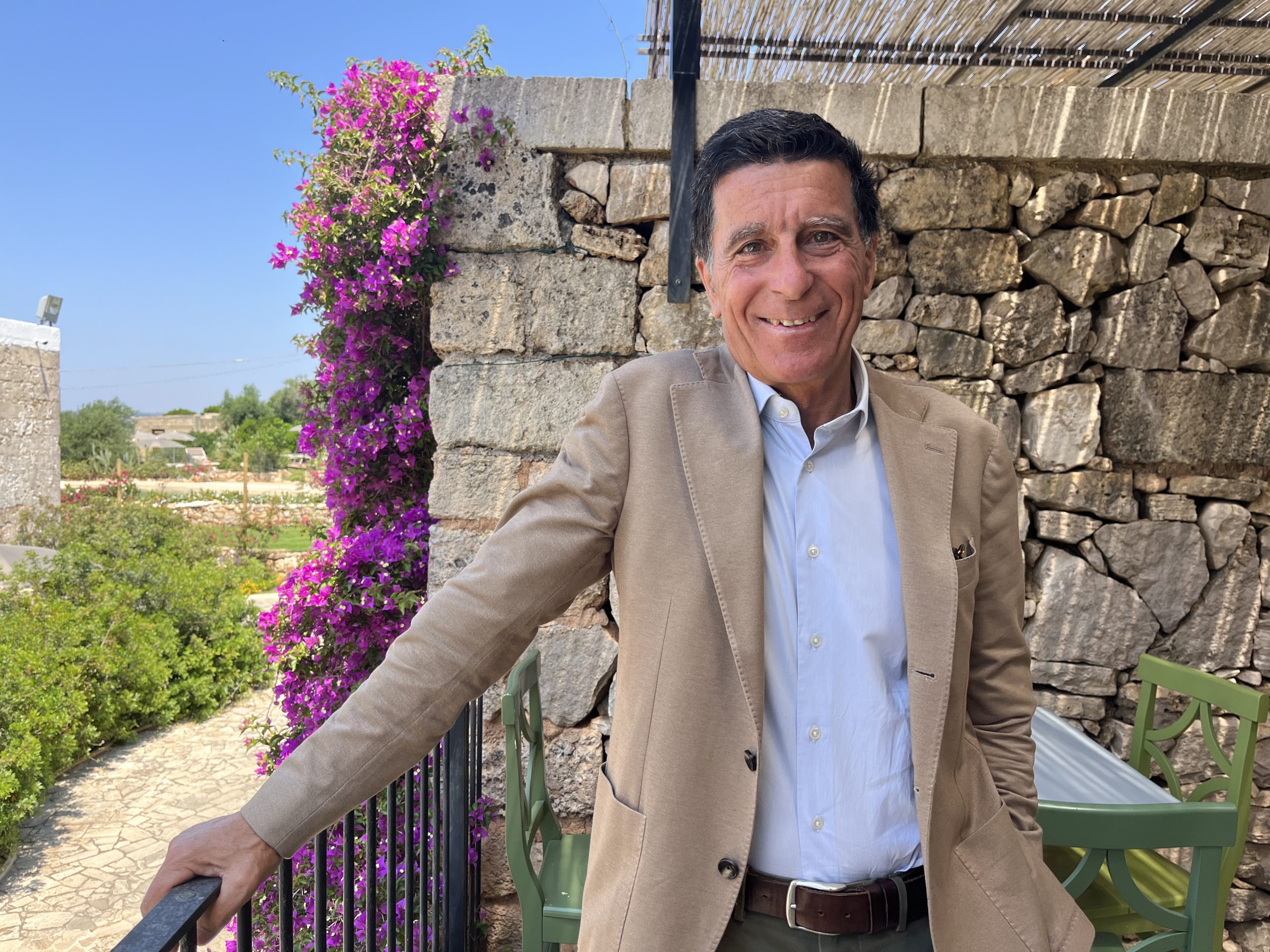
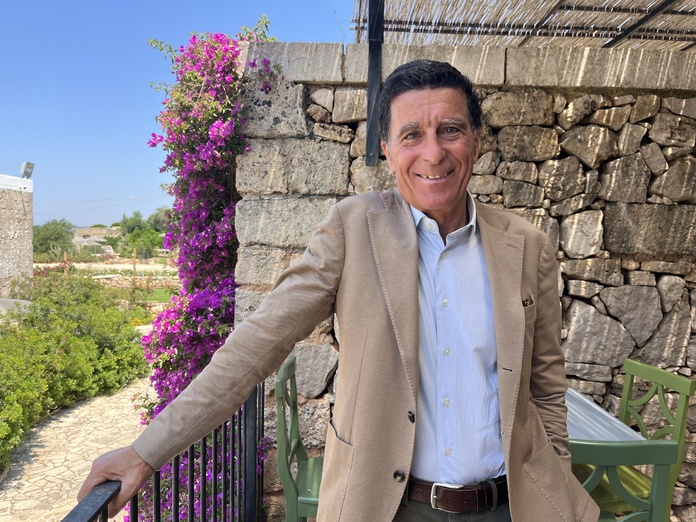
Damiano Reale, sur la terrasse de la Masseria Fontanelle. Photo : Paula Boyer

Top of Travel


At the southern tip of the Puglia region—and thus of Italy—the Salento is a sun‑baked plain scattered with olive groves and grain fields bordered by dry-stone walls, inhabited by picturesque towns, among which Lecce, its capital, shines with Baroque architecture.

The Lecce region is also the cradle of one of the remarkable family sagas brought to light in the second half of the 20th century by the rise of the tourism industry: the Reale family.

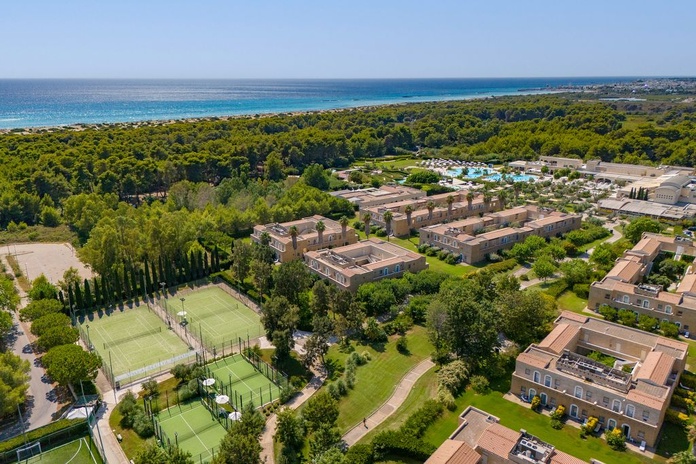
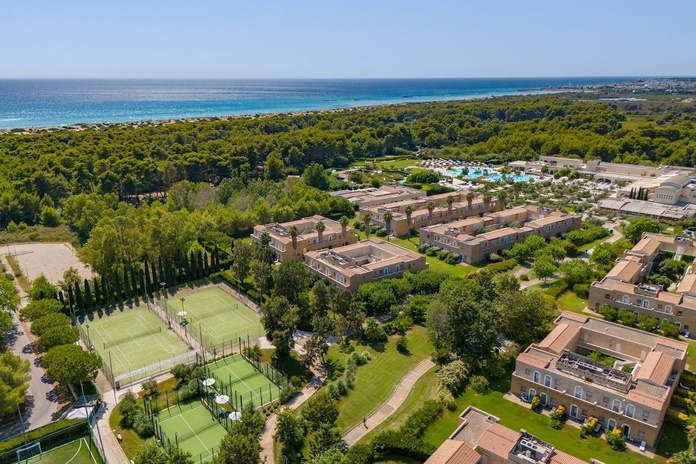
Today led by two brothers, Damiano and Amedeo, this success story is embodied in three tourist ventures: Masseria Fontanelle, a charming 35‑room and suite hotel perched on the heights of Torre San Giovanni and the Ugento coastal Regional Natural Park; a beachside campsite in the same locality; and, a few kilometers away, Vivosa Apulia Resort, a seaside resort ideal for families.

The latest addition to their portfolio, Masseria Fontanelle has all the ingredients to captivate travelers seeking simplicity, authenticity and emotion.

In the 17th century, it served as the summer residence of Ugento’s Benedictine nuns. In the last century, it was transformed into a family-oriented tourist residence, gaining an additional first floor in the process.

After purchasing it in 2020, the Reales redesigned it with meticulous attention to detail, sustainability and… “the spirit of the place”.


An authenticity rooted in the region


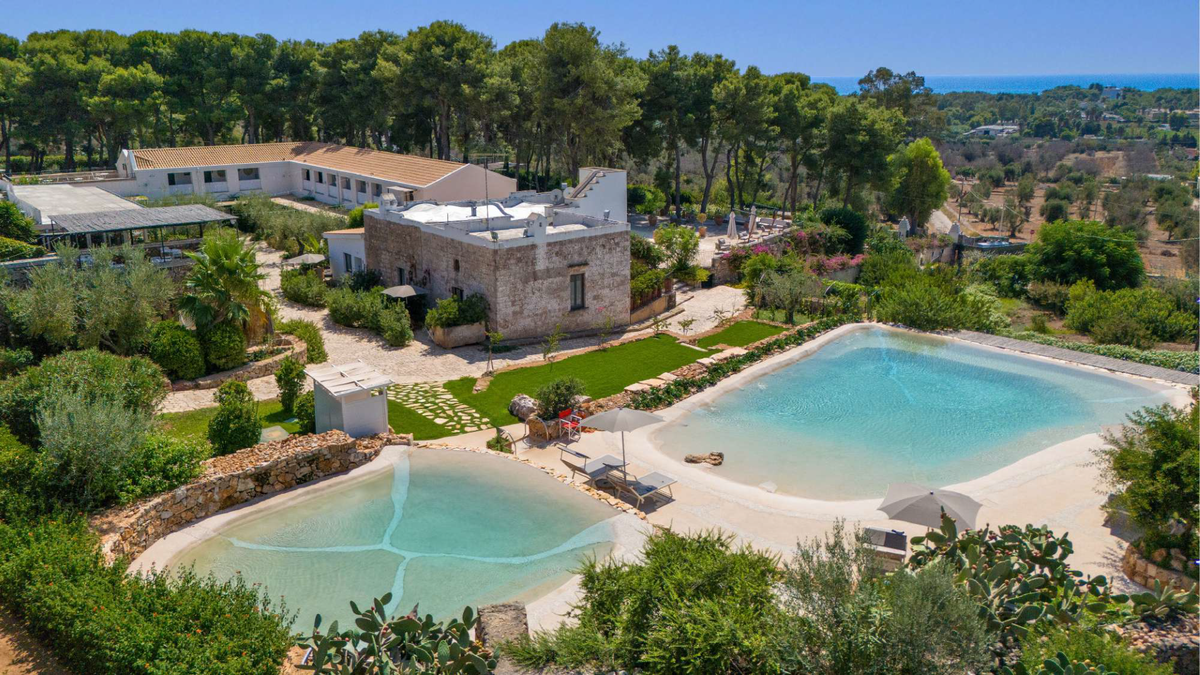
Vue aérienne de la Masseria Fontanelle © Masseria Fontanelle

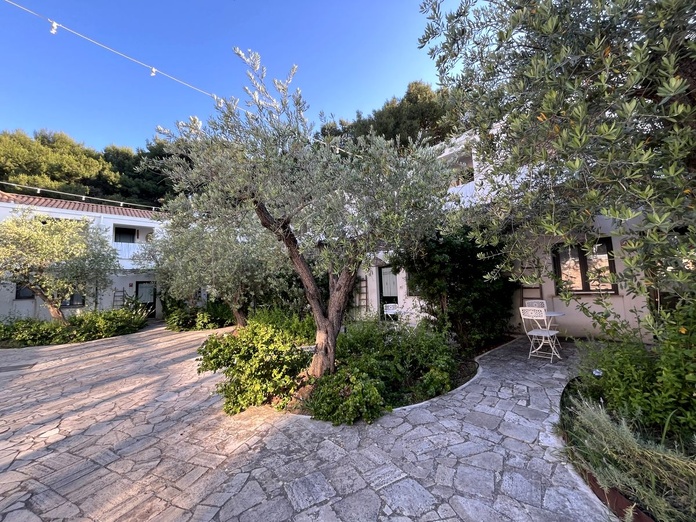
Decorated with antique everyday objects — plant-fiber cournets, wicker baskets, open-weave wooden benches, massive ceramic jars — this intimate, elegant and refined retreat does not immediately scream luxury. Yet it offers the true luxury of today: silence and an authenticity deeply rooted in the land.

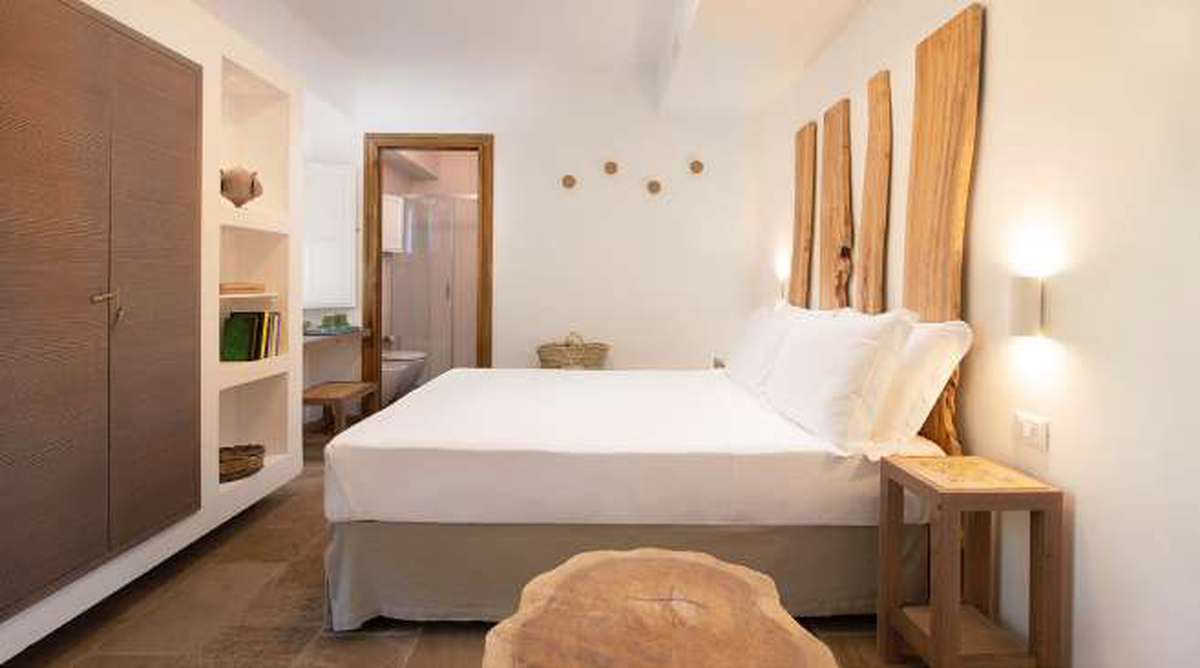
This confidential adults-only address (children are admitted only from age 12) is ideal for resting and reconnecting with nature, provided one has the budget to indulge in one of three Junior suites or even one of the 32 rooms (three categories: “Patio”, “Vista” and “Masseria”) whose sobriety is thoughtfully crafted thanks to pale beige plasters, olive wood headboards, and stone-carved floor tiles.

Indeed, the “Patio” rooms, the most modest, are quite affordable at the start or end of season (from 129 € per night). But in high season, one can still expect up to… 850 € per night. The rates for the other, more spacious rooms are naturally higher.

At the restaurant there is offered –from breakfast buffet to dinner- a festival of local specialties and products sourced from short supply chains, sometimes “homemade” such as jams or olive oil.

Here, the chef does not chase performance; first and foremost he lets the territory be savored.


At the Spa, treatments inspired by Benedictine traditions


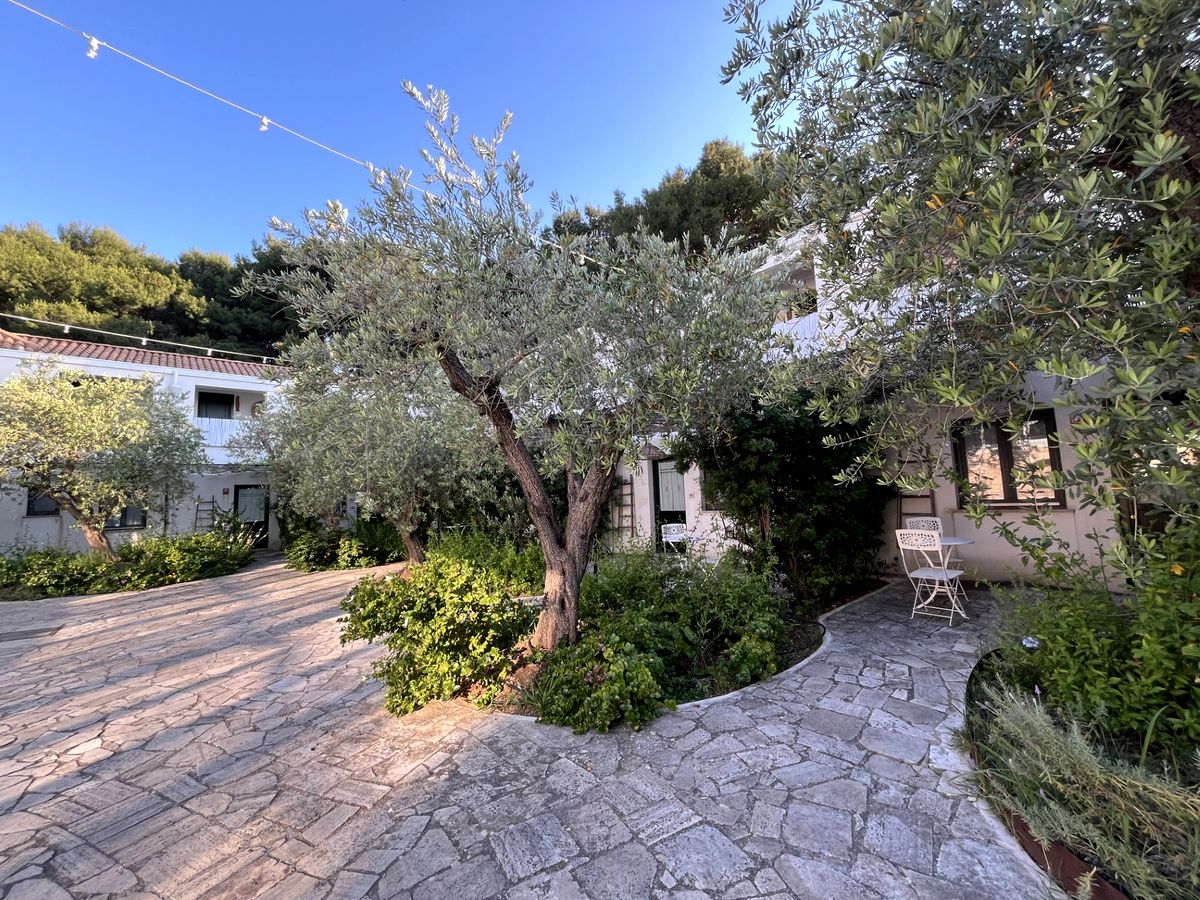
Les chambres "Patio" de la Masseria Fontanelle sont séparées par des ilots de plantes méditerranéennes. Photo : Paula Boyer

Faite de pierres calcaires apparentes, désormais agrémentée de deux terrasses d’où la vue porte jusqu’à la mer (idéal pour admirer le coucher du soleil !), la Masseria Fontanelle se niche sur un promontoire, au milieu des oliveraies, derrière une pinède peuplée d’impressionnants conifères où sont disposés transats, chaises longues, hamacs et lits de repos.

Tout autour, des espèces méditerranéennes résistantes à la sécheresse -bougainvillées colorés, grenadiers, lavandes, romarins, figuiers de barbarie, etc.- complètent le décor.

Le soir, sont proposées des séances de cinéma en plein air ou une programmation culturelle teintée de traditions locales. La soirée peut bien entendu se poursuivre au Bar.


Convertie en Spa intime, l’ancienne citerne du monastère
propose, elle, des soins inspirés des traditions bénédictines à base d’ingrédients naturels comme l’huile d’olive et le miel.

Deux piscines, aménagées avec des matériaux écologiques, complètent l’offre. La mer n’étant qu’à quelques kilomètres, des navettes y conduisent à heure fixe.


Des vélos sont à disposition
de ceux qui veulent se balader dans les collines environnantes, à moins qu’ils ne préfèrent s’y risquer à pied. Enfin, pour les plus curieux, la conciergerie organise des visites immersives, dans les bourgades environnantes.


La Masseria Fontanelle accueille aussi des réunions d’affaires
dans sa petite salle MICE, des retraites de yoga (à l’initiative d’agences spécialisées) et se laisse volontiers privatiser pour des mariages.


At the beginning of this family saga, tobacco fields


La sobriété des chambres de la Masseria est très étudiée © Masseria Fontanelle.

Sometimes, at Masseria Fontanelle, you might accidentally encounter Damiano Reale, who today runs the family business with his brother. Not so surprising, in fact: he devotes 90% of his time to the tourism projects.

Listening to him, you appreciate the path traveled since the early 20th century!

At that time, the Reales were landowners. Their main activity? Tobacco. This crop they had first cultivated under agreements with the Italian Tobacco Manufacture, before moving on to turning the leaves into cigarettes.

This activity was so prosperous that wines came in second place.

Back then, the Reales — like many others in Puglia — sold their grapes to third parties or sold their red wines in bulk — sometimes with an alcohol content of 16 or 17 degrees — in northern Italy and even as far as France, where they helped boost the body and strength of local wines of mediocre quality.


“In the 1970s, we understood tourism was the future”


Noyé dans la verdure, à deux pas de la mer : Vivosa Apulia Resort ©Vivosa Apulia Resort.

Still, in the mid‑1960s, when tourism took off in the Puglia region, the Reales had the prudent idea of purchasing large plots by the sea near Torre San Giovanni/Ugento. It would be only in 1976 that they opened a campsite there. A pilot venture.

A few years later, the Reales took their first real plunge into the tourism industry by partnering to create a holiday club, by the Adriatic, near Otranto, one of the “most beautiful villages in Italy.” A club that bore the stamp of … Club Med!

After a few years, we pulled out of that project. Yet from that moment, we had understood that tourism was the future,” recalls Damiano Reale.

Truth be told, a vocation had been born, all the more so as, at the same time, the Reales realized that the tobacco era would end.

When they stopped this cultivation in 2001, the Reales already had in mind the construction of the future Vivosa Apulia Resort on part of the land bought along the Ugento coast.


A successful All-Inclusive formula


Certified B Corp


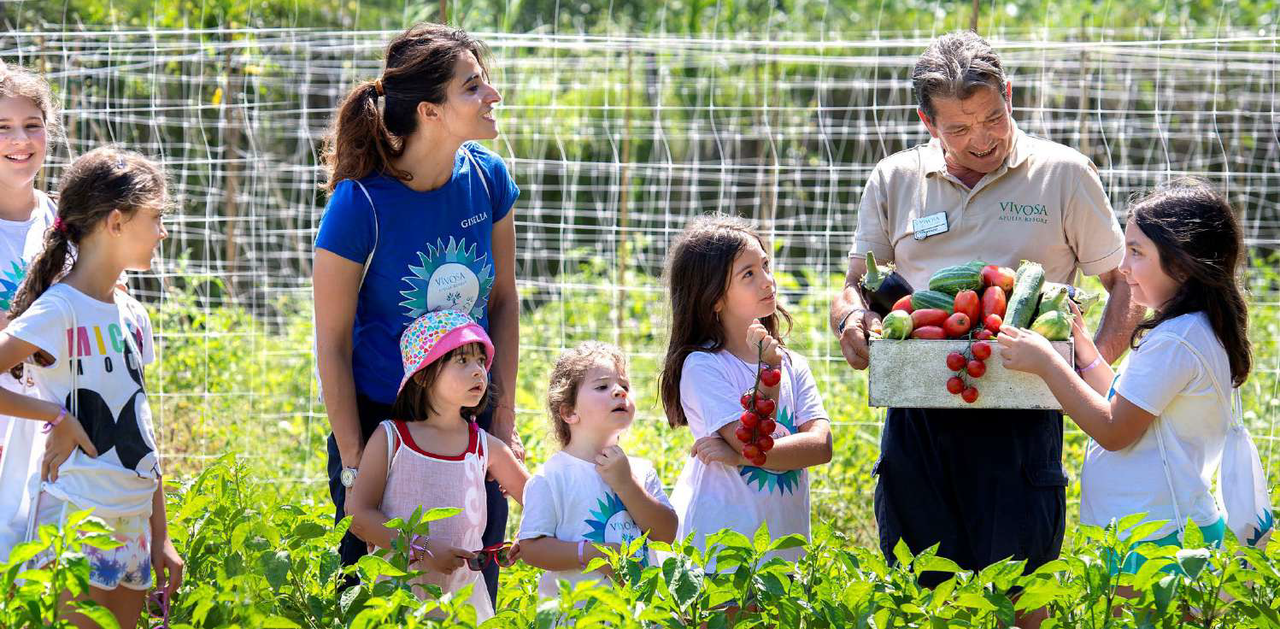
L'engagement éco-eresponsable du Resort s'illustre aussi dans les ateliers pour enfants. © Vivosa Apulia Resort

Along the way, Vivosa Apulia has continued to deepen its eco-responsible commitment.

« Since last February, our resort has been certified as a B Corp, » boasts Damiano Reale. Indeed, this certification attests to high environmental standards, but also to ethical and sustainable management. « Today, we are the only hotel in Italy to have a positive carbon footprint, » he adds.

« To reach that, it took time. We had to work a lot and shift our staff’s mindsets, » insists Damiano Reale, for whom energy savings, waste sorting, combatting waste in all forms, and reducing single‑use plastics are no longer secrets.

Also, the aesthetics of the trees and local species planted around the resort serve first to be drought‑tolerant and to moderate the heat. Water fountains scattered here and there help avoid the need for plastic bottles. As for the solar panels installed along the resort’s edge, they provide 40% of its energy consumption.


Vineyards of quality now renowned


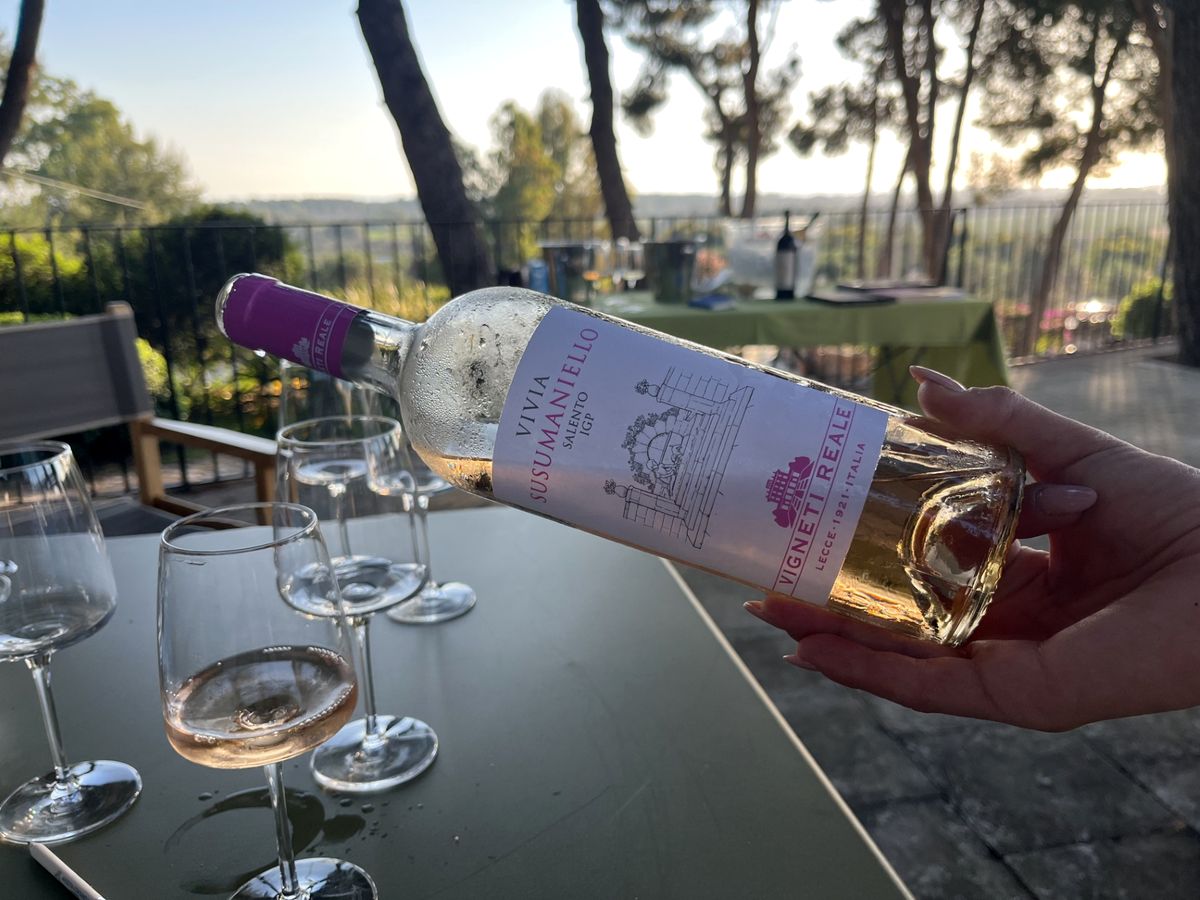
Dégustation de vins dans la pinède, à la Masseria Fontanelle  Photo : Paula Boyer

Although deeply committed to tourism, the Reales have not renounced their rural roots. Indeed, in the 20th century, through a share agreement, the family’s vineyards located in Cellino San Marco, in the Lecce province, to the north of the Salento, had fallen into the hands of another branch of the family.

However, when they found themselves without an heir to manage them, Damiano, Amedeo and their father bought them back.

Since then, Damiano, who holds an agriculture degree like his father and grandfather before him, oversees the cultivation of the vines. Fortified by his business and marketing studies, Amedeo, for his part, handles the marketing of the wines, which, now bottled, benefit from the IGP Salice Salentino, a quality label awarded by Europe.

With 180 hectares, Vignetti Reale is the largest estate within this IGP dominated by small properties. And as he clearly does nothing halfway, Damiano is the president of the IGP.

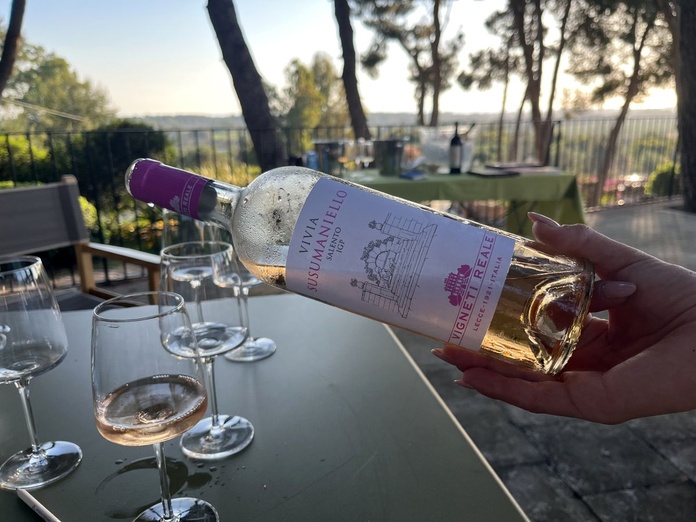
Of course, the wines of Vignetti Reale are offered at the tables of their hotels. With, for enthusiasts, commented tastings, such as the one we participated in one evening at Masseria Fontanelle.

This was an opportunity to discover that the Salento is the premier terroir for the Negroamaro grape and, to a lesser extent, Malvasia Nera, varieties that yield powerful, complex and fruity red wines with a deep ruby robe. We also tasted a harmonious and balanced rosé, with a pale slightly orange-tinged robe, produced from the Susumaniello grape. And finally, a white based on Chardonnay, soft and fresh, with aromas of lychee and peach.

A confirmation that alongside their tourism revolution, the Apulia region has embarked on a true wine revolution. Another reason to visit!


PAULA BOYER Publié par Paula Boyer Responsable rubrique LuxuryTravelMaG – TourMaG.com
Voir tous les articles de Paula Boyer

  • picto Twitter
  • picto Linkedin
  • picto email
Ajoutez TourMaG à votre flux Google Actualités Google Actualités icône