What to Do in Mayotte: 10 Ideas for Outings and Activities on Seahorse Island

Whether you are a devotee of water sports, a hiking aficionado, or passionate about cultural discovery, Mayotte has everything to surprise you. In this article, we explore the various activities to undertake on the island, while taking into account practical and safety aspects for a successful stay.

1. Lagoon Discovery: Diving and Snorkeling

Exploring the magnificent lagoon of Mayotte, renowned for its water-based activities, reveals the richness of the underwater world of this Indian Ocean destination in its own right. This trip to Mayotte attracts diving and snorkeling enthusiasts with the chance to explore one of the world’s largest lagoons, guarded by an exceptional coral barrier.

Accessible from the Marcel Henry International Airport or via direct flights from Paris with Air Austral, Mayotte is easily reachable, allowing visits to iconic sites such as the Passe en S, famed for manta rays and colorful reefs. Whether it’s your first visit or a longer stay in Mayotte, observing marine turtles and multicolored corals is a must, illustrating Mayotte’s reputation as one of the most beautiful destinations in the ocean for diving.

2. Hike to Mount Choungui

The Mount Choungui hike, an emblematic peak of the island, represents a must-do experience to discover a unique facet of Mayotte and enjoy superb postcard views of the island and its lagoon. The start of the hike takes place early in the morning to benefit from the cool temperatures and fully appreciate the ascent to 594 meters, traversing a preserved natural habitat. Once at the summit, the panoramic view reveals the splendor of Mayotte’s rainbow landscape, making it a great excursion idea to include in any trip to Mayotte or short hike on the island.

3. Excursion to White Sand Islet

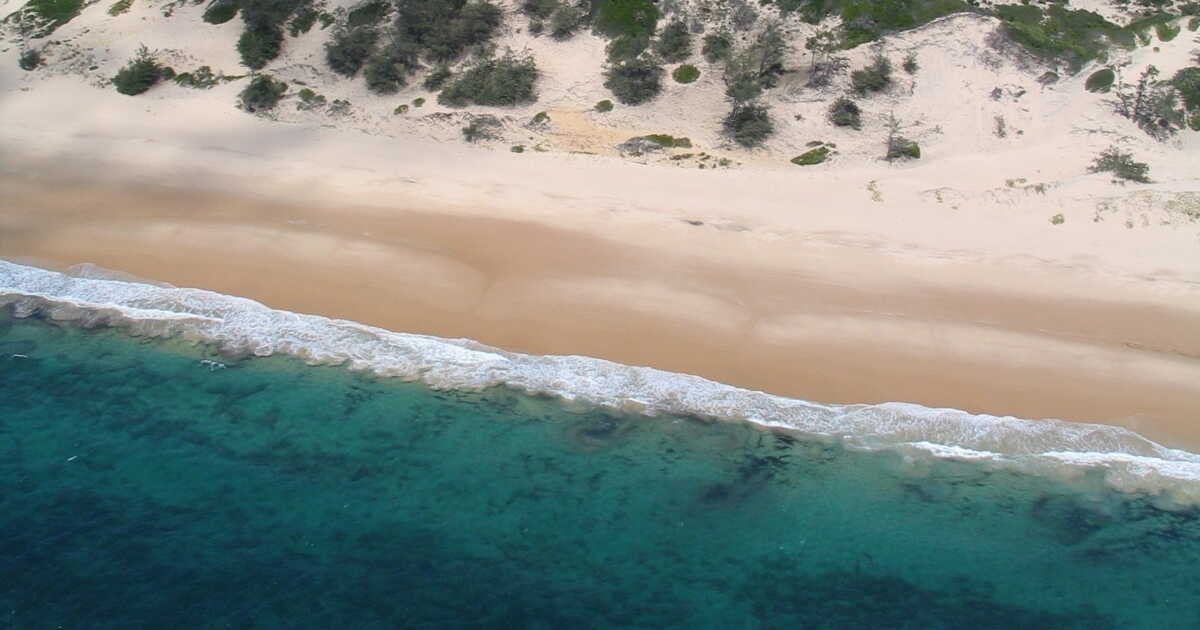
The excursion to the White Sand Islet, accessible only at low tide in the southern Mayotte, offers a visit to a white sandy beach surrounded by beautiful marine scenery. This site, a true postcard of the Mozambique Channel, provides a relaxing break for a picnic, swimming, or a snorkeling session, enriching the stay in Mayotte.

The exploration of this islet is undertaken by boat from the Mamoudzou port, a route recommended to discover the island’s natural diversity and to experience one of the most beautiful destinations in the Indian Ocean.

4. Cultural Visit to Mamoudzou

A cultural visit to Mamoudzou, the capital of Mayotte, is essential to better understand local life and the influences shaping this French department. As you stroll through the city center and its market, visitors discover the ylang-ylang, spices, tropical fruits, and Mahoran crafts, while restaurants and cafés invite you to sample culinary specialties such as mataba. This immersion into the daily life of residents provides a concrete glimpse into the island’s bustle, highlighting the cultural and economic dynamism of the port of Mamoudzou.

5. Exploration of Dziani Lake

The exploration of Dziani Lake, on the Petite Terre Island in Mayotte, constitutes a major stop for any stay in Mayotte. This volcanic-origin lake, whose turquoise shade shifts with the light, is bordered by endemic flora that attracts hiking and biodiversity enthusiasts. A circuit around the lake, accessible via a marked trail, allows you to observe the famous makis, emblematic lemurs of Mahoran fauna, and to enjoy the tranquility of a preserved natural site far from the bustle of the north of Mayotte.

6. Boat Trip for Dolphin and Whale Watching

Boat trips for dolphin and whale watching position Mayotte as a destination in its own right for cetacean enthusiasts. From July to October, the waters of the magnificent lagoon become the stage for unique spectacles, supervised by professionals committed to wildlife respect.

These activities, often departing from the Mayotte International Airport or the main ports, reinforce Mayotte’s reputation as a premier hub of nautical activity and the protection of the marine habitat of the Indian Ocean.

7. Hike to Saziley and N’Gouja Beach

The hike to Saziley and the N’Gouja beach allows for a blend of biodiversity discovery and seaside relaxation in a preserved environment. The Saziley Marine Park offers a trail where green turtles’ nesting can be observed along with long secluded beaches. The N’Gouja beach, famous for turtle encounters, completes this idyllic picture—perfect for hikers or travelers to Mayotte seeking authentic experiences.

8. Visit to the Dzaoudzi Centre

The visit to the Dzaoudzi centre, the former capital of Mayotte on Petite Terre, is a must for those seeking to discover historical vestiges and the tranquil atmosphere of this neighborhood. Between colonial heritage, Place de la République, and a panorama of the magnificent lagoon, Dzaoudzi offers a cultural interlude contrasting with the bustle of Mamoudzou, highlighting the richness of the island’s different facets of Mayotte and its historical development as a French department.

9. Circuit through Native Fauna and Flora

A circuit through native fauna and flora showcases Coconi botanical garden, ylang-ylang plantations, and the discovery of rare or endemic species. This approach to the Mahoran landscape, combining guided tours and birdwatching, illustrates the biodiversity of a unique natural habitat, reinforcing the island’s appeal for botany enthusiasts.

10. Relaxation at Sakouli Beach

The Sakouli Beach, located in the southeast, charms with the tranquility of its waters, ideal for a peaceful break after a day of water activities or hiking. Its setting invites rest and contemplation of the stunning views over the Indian Ocean, making it a fitting end to the day for visitors eager to explore the island’s varied landscapes, whether from a hotel room or a Coco Lodge Cocobeach room.

In discovering Mayotte, each visitor can immerse themselves in a rich natural and cultural heritage. Whether through its beaches, its natural sites, or its festive ambiance, the island offers a multitude of activities to please every taste. Be sure to respect natural sites and local traditions to contribute to the preservation of this delicate insular ecosystem.

Is Mayotte a tourist destination?

Mayotte deserves to be considered as a destination in its own right for travelers, and for several reasons. On one hand, its status as a French department and its integration into European air networks facilitate access and build confidence: the Mayotte International Airport (Dzaoudzi-Pamandzi International Airport) along with various airlines offer direct flights from Paris or minimal layovers, making travel from the mainland easier.

On the other hand, Mayotte boasts a magnificent lagoon, an exceptional coral barrier, and one of the richest underwater ecosystems in the Indian Ocean: the archipelago is surrounded by one of the world’s largest enclosed lagoons.
Moreover, the destination captivates with its postcard-perfect landscapes: white sand, turquoise lagoon, lush vegetation, placing it among the favorite destinations for the French seeking “elsewhere” off the beaten paths. It is therefore indeed a tourist destination, though different from typical beach mass destinations: local life, hiking, islets, nautical activities, and preserved nature make for a travel experience that is more engaged, more authentic. The fact that the island remains relatively sparsely touristed reinforces this sense of an island apart.”

In conclusion, Mayotte can be regarded as a genuine tourist destination, blending comfort, accessibility, and extraordinary nature, while offering a sense of escape in the Indian Ocean.

What is the best time to visit Mayotte?

To organize a worry-free stay in Mayotte and fully enjoy the climate, it is important to choose the best time to go to Mayotte. The climate is typically maritime tropical, with a dry season from May to October and a rainy season from November to April.
The dry season – May to October – is the most favorable for outdoor activities, walking, hiking, swimming, and water sports: temperatures remain mild, rainfall is minimal, and humidity is lower. If you want to benefit from cheaper flight prices, more hotel rooms available, and a calmer ambiance, this window is ideal.
However, for those whose plans include marine wildlife watching – notably whales – some sources indicate that the period between July and November can present interesting opportunities, despite more frequent rain.
Thus, if your goal is a nature-focused Mayotte trip—lagoon, boat, sun—prioritize May to October. Conversely, to enjoy softer prices or a different atmosphere, November to April can also work, with a slight trade-off on weather conditions.

What is the current situation in Mayotte for a traveler?

Understanding the situation in Mayotte is essential for any traveler eager to discover this destination in its own right in the Indian Ocean. This French department located in the Mozambique Channel, between Madagascar and the African continent, presents a unique facet of Mayotte: balancing insularity, natural riches, and socio-economic challenges. Mayotte’s reputation is often marked by the structural challenges of island life, but that does not prevent the archipelago from being a destination full of contrasts, where postcard landscapes, vibrant local life, and exceptional biodiversity coexist.

To prepare a trip to Mayotte, it is advisable to stay informed about local news, particularly regarding safety or access to certain areas. French authorities regularly update recommendations, notably via the site of the Ministry of Europe and Foreign Affairs. On the ground, the breathtaking views, hikes to Mont Choungui, the Moya Beach, nautical activities, and cultural visits (such as the MUMA Mayotte Museum or the Coconi Botanical Garden) offer a rewarding stay in Mayotte, provided you arrive well prepared.

This article was drafted with the help of artificial intelligence, then corrected, expanded and validated by the newsroom journalists.

What to Do in Sharm el-Sheikh: 8 Unmissable Outings and Activities

Situated on the southern coast of the Sinai Peninsula, Sharm el Sheikh is a renowned tourist destination famed for its fine-sand beaches, coral reefs, and proximity to the Sinai Desert. This Egyptian resort draws travelers from around the world seeking relaxation, adventure, and cultural discoveries. If you’re planning a visit to Sharm el Sheikh, you may be wondering which activities and outings are must-dos. Let’s explore together the many facets of this destination.

1. Diving and Snorkeling

Sharm el Sheikh, thanks to its strategic location on the Red Sea, serves as an ideal launch point for diving and boat excursions. Among the iconic sites are Ras Mohammed National Park, Tir an Island, and wrecks like the SS Thistlegorm, all of which are essentials to see. Whether you’re snorkeling or scuba diving, the waters of this region boast crystal-clear clarity and remarkable marine life. Additionally, you can join a boat trip to witness the natural beauty of the coral reefs up close.

For those who prefer observing from the surface, snorkeling is an excellent way to discover tropical fish and multicolored corals just a few meters from the shore. If you’re after a unique experience, a qualified guide can accompany you to explain the underwater fauna, giving you an immense chance to understand this ecosystem. Traveller reviews emphasize the importance of booking tickets in advance and ensuring that boat excursions adhere to environmental practices.

2. Desert Safari

A desert safari in Sharm el Sheikh is an unforgettable experience that blends adrenaline with immersion in the Sinai Desert’s climate. A quad or buggy ride lets you explore vibrant canyons and barren landscapes, while a camel ride takes you on a calmer and more authentic adventure. Many luxury resort complexes offer organized excursions to meet local artisans, and some include Bedouin dinners under the stars.

For those seeking a unique experience, a qualified guide can be the best way to discover this natural beauty while ensuring that entry fees and tickets are properly managed. The desert safari is also an opportunity to enjoy a spectacular sunset, delivering an incredible view of the landscape. This type of activity is a magical moment to share in a small group, with practical, step-by-step tips to fully enjoy the adventure while respecting the local wildlife.

3. Discovering Naama Bay

Naama Bay represents the vibrant heart of Sharm el Sheikh, a town where lively nightlife is complemented by a variety of bars and restaurants. By day, Naama Bay is the perfect place to unwind, enjoy the pleasant climate, and shop or stroll along the waterfront. It’s also an excellent area for boat trips to iconic sites such as the Blue Hole or Ras Mohamed Beach.

For those seeking a relaxed afternoon, the bay’s luxury resorts offer modern facilities and leisure activities. According to traveler reviews, the area is highly popular among those looking to combine relaxation with social activities, and friends’ tips often stress the need to book early to enjoy the nightlife.

4. A Visit to Soho Square

For a modern and lively experience, Soho Square in Sharm el Sheikh is a must-visit destination. This entertainment complex is much more than a shopping mall: it features dancing fountains, outdoor performances, and a variety of dining options. It’s the perfect spot for an evening with family or friends, especially after a desert excursion or a diving trip.

Visitors can also find practical tips in the accompanying guides to plan activities such as parasailing or boat rides around Tir an Islands. This site offers breathtaking views and a contemporary setting, ideal for those who want to enjoy a magical moment after exploring the city’s iconic sites.

5. Exploring the Old Market

The Old Market of Sharm el Sheikh, also known as Old Market, is a true cultural hub where visitors can wander through local souks and purchase handmade crafts while sampling local cuisine. The atmosphere is authentic and perfectly reflects Sharm’s spirit. It’s the ideal place to pick up souvenirs or regional specialties, such as spices or traditional fabrics.

Many traveler reviews highlight the chance to discover unique artisan items there. In addition to shopping, you can take a snack break at the numerous cafés lining the lanes, offering a more intimate experience of the desert climate and the city’s natural beauty. This market is also perfect for those seeking a distinctive experience, away from the usual tourist zones but still close to Naama Bay’s nightlife.

6. Excursion to Saint Catherine’s Monastery

An organized excursion to Saint Catherine Monastery, perched at the foot of Mount Sinai, offers a chance to combine adventure with spirituality. After climbing the mountain to witness the sunrise, visitors can explore one of the world’s oldest monasteries. This experience blends history, culture, and adventure in a full day, providing a great opportunity to grasp the region’s historical and religious depth.

Travelers can also enjoy one of the region’s ideal climates, where the morning cool contrasts with the hotter desert conditions in the afternoon. This boat or jeep excursion is often accompanied by tips on planning the ascent of Mount Sinai and enjoying the natural beauty of the region before returning to the bustle of Sharm el Sheikh.

7. Dolphin Watching

Watching dolphins off the coast of Sharm el Sheikh is a unique experience that lets you encounter these majestic creatures in their natural habitat. Boat trips are offered, often in small groups, to maximize sightings while adhering to good marine-observation practices. On board, you can marvel at the crystal-clear waters while enjoying stunning views of the coastline.

Travelers’ reviews highlight the beauty of these moments spent at the heart of the Red Sea, where you can discover incredible marine life in a pristine natural setting. Some organized excursions also offer the chance to get close to dolphins, while ensuring a respectful approach to these animals.

8. Cairo and Pyramids Tour

An organized excursion to Cairo from Sharm el Sheikh presents a unique opportunity to explore one of the ancient world’s seven wonders—the Pyramids of Giza. Although Cairo is some distance away, this full-day trip allows you to immerse yourself in the captivating history of ancient Egypt. Led by a qualified guide and an accompanying guide, visitors have the chance to explore emblematic sites such as the pyramids, the Sphinx, and other ancient treasures in an immersive atmosphere.

In conclusion, Sharm el Sheikh offers a diverse range of activities and discoveries, spanning marine exploration to desert adventures, not to mention the region’s rich cultural and historical wealth nearby. Each experience contributes to making this destination a memorable stop in Egypt.

What to Do in Sharm el Sheikh at Night?

The lively nightlife of Sharm el Sheikh offers a multitude of activities for every taste, with luxurious hotels presenting shows, bars and refined restaurants. The beach of Sharm el Sheikh and its surroundings transform into a genuine entertainment hub at night, offering options ranging from serene seaside strolls to starlit boat excursions. The best area to enjoy the nightlife is Naama Bay, where bars, clubs, and restaurants provide a relaxed atmosphere after a day in the sun.

What is the Best Time to Visit Sharm el Sheikh?

The prime season to visit Sharm el Sheikh runs roughly from October to April (perfect climate, 22-28°C), though spring (March to May) and autumn (September to November) also offer pleasant temperatures and lower crowds.

The desert climate in Sharm can make summers extremely hot, with temperatures well above 40°C, which can be a decisive factor for some travelers. Conversely, during the shoulder seasons, pleasant temperatures and an absence of extreme heat enable enjoying activities in Sharm el Sheikh such as diving, snorkeling, or a desert quad ride.

Sharm el Sheikh or Hurghada: Which Should You Choose?

Choosing between Sharm el Sheikh and Hurghada depends on your preferences. Sharm el Sheikh is renowned for its natural beauty, with landmarks like Ras Mohammed National Park, its exceptional underwater world, and beaches such as Shark’s Bay Beach. It also offers luxury resort complexes and a calmer environment, ideal for travelers seeking a stay focused on water activities or relaxation. Hurghada, by contrast, is more energetic with a buzzing nightlife and a wider range of boat excursions.

According to traveler reviews, if you’re seeking an organized trip to historic sites like the Cairo pyramids or Petra, Sharm el Sheikh could be the better choice thanks to its strong connections for these day tours. Both destinations have their advantages, but Sharm is often preferred for its diverse activities and a beach that appeals to diving enthusiasts.

This article was written with the help of artificial intelligence, then edited, expanded and validated by the publication’s journalists.

What to Do in Jamaica: 8 Must-Do Activities and Outings

Nestled in the heart of the Caribbean, Jamaica is an island renowned for its rich cultural heritage, its white-sand beaches, and its tropical climate. Whether you are into land, sea, or cultural activities, Jamaica offers a wide array of options for travelers seeking adventure, relaxation, or historical discoveries. So, what to do in Jamaica? Let us explore together some of the activities not to miss during your stay on this iconic island.

1. Montego Bay: Beaches and Water Activities

Montego Bay, iconic seaside town on the north coast of the Jamaica, is a must-visit destination for anyone looking to begin their Jamaican journey with a focus on relaxation and water activities. Known for its iconic beaches such as Doctor’s Cave Beach and its turquoise waters perfect for swimming, the city is also renowned for its nightlife, its lively little bars, and its proximity to numerous tourist attractions.

Montego Bay International Airport provides easy access to this region, making it an ideal starting point for a complete island tour. Once influenced by colonial culture and the sugar trade, Montego Bay today stands as a desirable place to stay as well as a legendary destination, where historical heritage sits alongside modern infrastructure.

2. Negril: sunsets and relaxation

In the Negril region, situated between the cliffs and the Caribbean Sea, visitors discover a soothing atmosphere, especially thanks to the famous Seven Mile Beach. This iconic spot, perfect for unwinding in swimwear, offers a unique sunset panorama, particularly from the renowned Rick’s Café, which has become a meeting place to watch bold dives and the horizon’s shifting colors.

From Negril to Montego Bay, excursion options are plentiful, and nature lovers can discover the magnificent Negril Falls, natural pools, or Ys Falls, all steps to include in a well‑designed Jamaica Negril itinerary. Despite a sometimes unfavorable reputation, Negril remains a safe and popular destination, offering privileged access to nature and local culture.

3. Ocho Rios: nature and adventure

Ocho Rios, on the north coast, stands as a dynamic hub of tourist attractions, combining lush nature and adventure. It is here that the famous Dunn’s River Falls draw thousands of visitors each year seeking thrills. Between bamboo rafts, lush tropical forests, and exploration of sites such as Mystic Mountain, the town offers an active immersion into Jamaica’s tropical environment. Dolphin Cove, not far from the town center, also provides unforgettable experiences with marine life. Marking the heart of 17th-century Jamaica, the region also bears a rich past, notably tied to the sugar cane industry, and a successful shift toward more sustainable tourism.

4. Kingston: culture and history, from Emancipation Park to the Bob Marley Museum

As the capital of Jamaica, Kingston represents a place of history and memory where one grasps the island’s very essence. Between modernity and tradition, the Fleet Street district offers a glimpse of local street art works, while the Front Street area bears testimony to growing urbanization. The Bob Marley Museum, housed in the artist’s former home, pays homage to this reggae icon, revealing the inseparable link between music and Jamaican society. The colonial history is also embodied through Devon House or Emancipation Park, symbols of Jamaica from the era before Europeans arrived to its post‑independence development. Despite its contrasts, Kingston is a place of multiple myths, a vibrant culture, but also a gateway for travelers seeking a cultural stay.

5. Port Antonio: authentic adventure

Less touristy and more authentic, Port Antonio charms with its authenticity and the beauty of its natural landscapes. This region, which has over the centuries served as a refuge for artists and writers, remains a place of legend. Here, coffee plantations on the hills sit alongside the deep waters of the Blue Lagoon or the tranquil banks of the Rio Grande, perfect for a bamboo raft descent. Nearby, Treasure Beach and the Reach Falls complete an itinerary that prioritizes ecotourism and off‑the‑beaten‑path exploration. Port Antonio’s town center preserves architecture from another era, a testament to a time when Jamaica and the region attracted the earliest travelers from Europe.

6. Randonnée dans les Blue Mountains

The Blue Mountains, the island’s highest range, form a mountainous belt at the heart of a World Heritage area. A prime spot for hikers, they shelter lush tropical forests and unique ecosystems. As you ascend these peaks, you traverse world‑renowned coffee plantations. Guided excursions allow travelers of all ages, including those in their older years, to experience a natural adventure while observing endemic fauna and flora. The panorama over the Caribbean Sea completes a sensory experience where Jamaica’s natural and human history blends with the present.

7. Immersion at the Blue Hole: natural adventure and thrills in Jamaica

Situated about thirty minutes from Ocho Rios, this Blue Hole is one of Jamaica’s most surprising places, where turquoise waters spring from a limestone abyss framed by lush tropical forests. Located in a legendary spot on the north coast, this site reveals an adventurous dimension: cliff jumps, rope swings, and immersion in crystal-clear natural pools.

This excursion represents a highlight of a Jamaica trip, and perfectly illustrates that the region is not limited to beach resorts, but comprises a range of varied environments accessible to all ages, including older adults, provided you have a rental car or a local guide. It is a must-do on a trip to Jamaica.

8. Music and Gastronomy

As the cradle of reggae, Jamaica also offers a rich culinary tradition that accompanies its musical culture. Jerk chicken, ackee and saltfish, and dishes rooted in African and European traditions testify to a deep cultural blend. In the little bars or local restaurants, these dishes are often enjoyed with music, underscoring the importance of conviviality in interactions with the population. From Kingston’s downtown to beachside hubs like Montego Bay, gastronomy is omnipresent and reflects a history shaped by migrations, colonization, and independence. Through its dishes and rhythms, Jamaica continues to resonate with a strong identity, born from a complex past and a proud present.

In conclusion, Jamaica offers a multitude of activities and destinations, from its vibrant culture to its idyllic beaches. This island remains a Caribbean destination of choice for those seeking an enriching and diverse journey, catering to all inspirations and interests of travelers.

Do 7 days in Jamaica suffice?

A seven-day stay in Jamaica can be an excellent starting point for a well-orchestrated circuit, but it’s important to know that it does not allow you to explore the island in its entirety or all its facets. In a week, it is quite feasible to discover Montego Bay’s beaches, take a detour to Negril on the north coast, or even reach the Blue Mountains for a hike to the region’s highest point.

However, if one wishes to include in their itinerary a full tour of Jamaica, with sites such as Ocho Rios, Port Antonio, or sugar cane and coffee plantations, then a longer stay of 10 to 15 days is advised. This duration allows you to vary neighborhoods (such as Kingston’s Fleet Street district), assemble the pieces of a historical and geographical puzzle, and access places of multiple myths: natural pools, bamboo rafts on the Martha Brae River, not to forget Montego Bay International Airport as the arrival point. In short, 7 days are enough to enjoy a focused discovery of Jamaica, but to immerse oneself in a country rich in legends and World Heritage, the key is to plan for more time.

Is Jamaica Safe to Travel To?

When planning a trip to Jamaica, it is essential to address safety with precision and discernment. Jamaica remains a popular tourist destination, with its beach resorts and turquoise waters, but it is also a country that has carried a reputation for crime. Authorities and foreign services recommend heightened vigilance, especially in major cities like Kingston or in certain areas of Montego Bay.

However, well-established tourist zones, resorts, and main excursion routes are generally safe for visitors, provided you follow prudent guidelines: avoid traveling alone at night, stay on marked routes, and prefer official taxis or a rental car. By adopting a responsible approach, this country — famed for its musical legend embodied by Bob Marley, which left a mark on Jamaican culture — can offer an authentic and serene experience. Travelers are encouraged to approach their trip with a mindset of discovery and preparation rather than improvisation.

Is Jamaica Expensive?

Budget-wise, a stay in Jamaica need not be a costly endeavor, but it largely depends on the travel style chosen. Recent guides indicate daily budgets of about 45‑110 USD for an average traveler, and 210‑400 USD for a true mid‑range with comfortable hotel.

It is thus possible to modulate the budget effectively: economical accommodation options, local dining, free or low-cost activities in the lush tropical forests or on the beaches of the Caribbean Sea can help keep expenses down. However, access to prestigious places (coffee plantations, exclusive guided tours, a rental car for a full Jamaica circuit) entails additional costs. To optimize your budget, plan ahead — book in advance, opt for off-season stays, compare offers — and calibrate your level of expectations to your desires.

How to Get Around Jamaica?

Getting around Jamaica can be an integral part of the travel experience, provided you organize your transportation well. Whether linking iconic destinations such as Montego Bay, Negril, or Ocho Rios, or venturing toward the Black River wildlife and the Blue Mountains’ coffee plantations, several options await travelers: a rental car, shuttle services between beach towns, or organized excursions.

Choosing a rental car allows you to map out a Jamaica Negril itinerary or Negril to Montego Bay with full autonomy, while planning stops such as YS Falls or a visit to the Bob Marley Museum. However, it is wise to check road conditions, signage, and to favor safe travel times. Public transport can be economical but less reliable for a structured itinerary. Preplanning ensures that the traveler, whether mature or more energetic, fully enjoys Jamaica’s scenery, legendary sites, and the region’s rich heritage.

Jamaica Map: Essential Reference for Planning a Jamaica Trip

The map of Jamaica proves to be much more than a simple geographic outline: it becomes the central tool for a thought-out trip in Jamaica, allowing you to visualize the north coast beach towns like Montego Bay or Ocho Rios, the high elevations of the Blue Mountains — the island’s highest point — and the more hidden areas such as Port Antonio or Treasure Beach.

Understanding how the regions are laid out, identifying international airports and the routes of travel helps structure a clear itinerary: a full tour of Jamaica that links beaches, lush tropical forests, coffee and sugar plantations, and remnants of colonial past, tracing back to 17th‑century Jamaica. The map also shows that the island is a land of many myths, ranging from the legacy of sugar cane culture to Kingston’s street art, through bamboo rafts on Martha Brae; it thus stands as the first reference point for approaching this destination with confidence.

Jamaican Landscape: A Rich Panorama of Sea, Mountains, and Heritage

The Jamaican landscape harmoniously blends several elements: on one side, the turquoise waters of the Caribbean Sea washing over the beaches of Negril or Montego Bay; on the other, the wooded slopes of the Blue Mountains, one of the last major forested ranges Jamaica still preserves. This geographic contrast invites exploration of lakeside or subterranean areas, lush tropical forests shaped over centuries, and seaside resorts where relaxation and heritage mingle. The whole island stands as a home to myths, moving from sugar cane plantations to Kingston’s street art and bamboo rafts on Martha Brae; it thus presents itself as a coherent and diverse territory, not merely a tropical cliché.

This article was written with the help of artificial intelligence, then corrected, completed, and validated by the editors.

What to Do in Giza: 6 Must-Do Outings and Activities

Giza, situated on the arid plateau along the Nile, is a destination that attracts visitors from around the world eager to uncover the mysteries of ancient Egypt. But beyond the famed pyramids, Giza is a gateway to a wealth of cultural and historical experiences. So what is there to do in Giza? Let’s explore the daytime and nighttime activities that make this place a must-see.

1. Visit the Pyramids of Giza

Begin your visit with the Great Pyramid of Khufu, followed by those of Khafre and Menkaure. These monumental structures stand as testaments to the architectural genius of ancient Egypt. Each pyramid offers a unique experience and takes a little time to be fully appreciated. Also plan to visit the adjacent tombs for a deeper understanding of the history of these sacred sites.

2. Explore the Great Sphinx of Giza

Located near the pyramids, the Great Sphinx of Giza stands majestically, ready to welcome visitors. It is said that this monumental statue, with a human head and lion’s body, guards the secrets of ancient Egypt. A visit to the site will allow you to behold this masterpiece and learn more about the mysteries surrounding it.

3. Discover the Solar Boat Museum

Once housed near the Great Pyramid, the Solar Boat is now displayed in a modern museum near the main site. This vessel, discovered in 1954, is one of the best-preserved boats from antiquity. A visit to the museum offers a fascinating plunge into the funerary beliefs of the Egyptians, who thought this boat would carry the deceased pharaoh into the afterlife.

4. Take a Camel Ride

For a more immersive experience, embark on a camel ride across the Giza Plateau. This activity not only offers a different vantage point of the pyramids but also lets you savor a traditional mode of transport used in this desert region. Be sure to negotiate the price before you mount these majestic beasts.

5. Attend the Sound and Light Show on the Giza Plateau

In the evening, the Giza Plateau comes alive with the Sound and Light Show that recounts the history of ancient Egypt through projections and captivating narration. Immerse yourself in the mystical atmosphere of the site as the pyramids and the Sphinx come to life before your eyes. It’s an activity that offers a different perspective on the monuments, away from the daytime crowds.

6. Strolling Through the Local Market

After visiting the historic monuments, venture into the local markets. Though less renowned than those in Cairo, these places offer a variety of artisanal and culinary products typical of the region. Stalls overflow with spices, textiles, and other unique souvenirs. It’s the perfect spot to experience an authentic slice of life away from well-trodden tourist trails.

To conclude, Giza is not limited to its famous pyramids. The cultural and historical richness of the region offers visitors numerous avenues to explore, whether by day or by night. Whether you are a history enthusiast, a seeker of cultural discoveries, or a fan of lively evenings, Giza promises unforgettable experiences. Let the majesty of this place envelop you and embark on a journey to discover the hidden treasures that have earned this historic destination its fame.

How Many Pyramids Are There in Egypt: Exploring the Monumental Heritage of the Old Kingdom

Egypt contains more than 120 documented pyramids, erected over the course of the Old Kingdom to serve as royal tombs. While the most famous ones are at Giza, where the Great Pyramid of Khufu rises to over 140 meters tall, other complexes just as significant, such as those at Saqqara and Dahshur, testify to the architectural evolution of the era. This vast funerary heritage, spanning several regions of the country, forms a network of major sites for any trip to Egypt.

Where to See the Pyramids in Egypt: An Itinerary Between the Major Burial Complexes

To see the pyramids in Egypt, the Giza Necropolis is the essential starting point. Located about twenty minutes from Cairo, it houses the three great pyramids (Khufu, Khafre, Menkaure), the Great Sphinx, and the Solar Boat Museum. Other essential sites dot the Nile Valley: the Saqqara complex (with the Step Pyramid of Djoser) and the Dahshur pyramids, even older, round out an informative day of sightseeing. These places associated with the pyramids are often well laid out, with shaded areas, restaurants near the pyramids, and several hotels with views, especially around Giza.

What to Do in Giza in the Evening: Experience Giza at Sunset

At the end of the day, the city of Giza reveals another face. When the sunset sets the golden stones alight, the Pyramids of Giza become the stage for a nocturnal show (Sound and Light Show) retelling the pharaonic story. To extend the experience, restaurants like El Dar Darak offer a tasty break with vegetarian options, and numerous border-front hotels, such as the Pyramids View Inn, allow for a stay in Giza with breathtaking views of the monuments. It is advisable to wear light clothing even in the evening, as the Cairo temperatures remain mild depending on the season.

Giza Necropolis: The Monumental Heart of the Egyptian Journey

The Giza Necropolis is arguably the most emblematic funerary complex in Egypt. It brings together the pyramids of Khufu, Khafre, and Menkaure, the accompanying temples, the Great Sphinx, and the pharaoh’s funerary chamber, notably in the king’s chamber and the queen’s chamber. Each structure embodies the principles of sacred IIIrd-mynte BCE-era architecture. For a successful day of visiting, plan comfortable shoes and a few Egyptian-related books for on-site purchases. Giza is also a viewpoint unique for grasping the Old Kingdom’s engineering ambition.

The Name of the Pyramids of Giza: Key Landmarks to Understand the Site

At Giza, the three main pyramids bear the names of the pharaohs they shelter: Khufu (the largest), Khafre (which still retains some outer casing at the summit), and Menkaure (the smallest, but perfectly proportioned). Each offers a specific place for exploration: inner chambers, galleries, and the site entrance located southeast of the plateau. This pyramid complex is structured around temples, processional causeways, and the Great Sphinx, a millennial guardian facing east. The best months for visiting are October through April, when the temperatures are more moderate.

Khufu, the Great Pyramid: Immersion in One of the World’s Greatest Monuments

With a 230 m base length and an original height of 146 m, the Great Pyramid of Khufu remains the most renowned. Its interior, accessible via a narrow passage, leads to the King’s Chamber and the Queen’s Chamber, examples of the funerary engineering of the Giza complex. It is a place where the pyramids reveal their details, from the monumental blocks to the astronomical arrangement. A panoramic view is offered from certain points on the site, and the Solar Boat Museum completes this major step of a journey in Egypt.

This article was written with the help of artificial intelligence, then corrected, expanded, and validated by the editors of the newsroom.
What to Do in Belize: 7 Top Activities to Try

Nestled between Mexico and Guatemala, the small English-speaking nation of Belize captivates with its natural and cultural diversity. Known for its reef barrier, the second largest in the world, and its Maya archaeological sites, this destination attracts travelers in search of adventure and discovery.

1. Dive into the Great Blue Hole

Diving into the Blue Hole, or Great Blue Hole, stands as one of the most emblematic experiences of a Belize trip. Located in the Lighthouse Reef Atoll, this circular marine sinkhole with a diameter exceeding 300 meters, a remnant of an ancient submerged limestone cave, fascinates snorkeling enthusiasts and divers from around the world. Its exploration, starting from Ambergris Caye, from San Pedro or from Caye Caulker, offers the chance to move through crystal-clear waters in deep expanses, with sheer walls lined with fossilized stalactites.

A UNESCO World Heritage Site, this natural landmark is impressive for its sky-high view, reinforcing Belize as a premier destination in Central America. An unforgettable experience that blends technical challenge with immersion in a preserved ecosystem at the heart of Belize’s coastline.

2. Explore the Maya sites of Xunantunich and Caracol

The archaeological sites of Xunantunich and Caracol illustrate the significance of Belize’s pre-Columbian past in its identity. Located in the southern portion of the country’s central region, these ancient Maya ceremonial centers rival each other with their impressive architecture and their natural surroundings. Xunantunich, reachable by ferry from San Ignacio, offers a panorama over the nearby valleys from its El Castillo pyramid.

Caracol, more secluded within the Chiquibul forest reserve, preserves massive temples, inscribed stelae, and traces of Maya urban planning. Their proximity to other sites like Altun Ha or the Maya site of Lamanai adds depth to a thorough reading of Belize’s travel history. These places are prized for the richness of their architectural details and the way ancient culture is integrated into the heart of wild forests.

3. Enjoy the beaches and laid-back vibe of Caye Caulker

Caye Caulker embodies the Go Slow spirit, the unofficial motto of this Belize island where time stretches between sea and sand. Over a few kilometers, this fishing village turned tourist haven attracts with its crystal-clear waters and a car-free lifestyle, where getting around is on foot or by bicycle. Visitors can explore the Hol Chan Marine Reserve, venture to Shark Ray Alley, or savor snorkeling-friendly dive sites.

The traditional cuisine is served with your feet in the sand, in a relaxed atmosphere facing a Caribbean sunset. Renowned for its authenticity, Caye Caulker offers a calmer alternative to Ambergris Caye, while still providing privileged access to Belize’s underwater wonders.

4. Discover Garifuna culture in Hopkins

South of the Belize coastline, the village of Hopkins stands as one of the liveliest hubs of Garifuna culture, an Afro-Caribbean community famed for its oral and musical heritage. In this small, multi-faceted country, Hopkins stands out for its intergenerational transmission of songs, ritual dances, and percussion, whose performances’ titles evoke stories of resistance and cultural pride.

Travelers are invited to join drum workshops or take traditional cooking classes for an immersion into local practices. The village, fringed by beautiful beaches and near the southern forest reserves, also serves as a launch point to the surrounding mountains and wild forests. Through this stop, Belize reveals a human and cultural dimension that complements its marine landscapes and archaeological sites.

5. Admire Belize Zoo’s wildlife

The Belize Zoo, located not far from Belize City, offers an educational and responsible approach to local fauna, recreating the country’s natural ecosystems for animals that mostly could not be reintroduced into the wild.

This ethical zoo, well integrated into the neighboring terrestrial reserves, houses more than 150 animals, including jaguars, tapirs, and toucans. Its value lies in highlighting Belize’s biodiversity, often overlooked by visitors focused on the islands or diving spots.

Easily accessible by car from the administrative capital, this site is particularly recommended for families, schools and travelers worldwide seeking a deeper understanding of the delicate balance between development and conservation in this small Central American country.

6. Hike in Mountain Pine Ridge Reserve

The Mountain Pine Ridge Reserve, in Belize’s western region, stands out for its unique geology and high-altitude landscapes that contrast with Belize’s coastline. Renowned for its dramatic waterfalls such as Big Rock Falls and the Thousand Foot Falls, among the tallest in Central America, this area draws travelers seeking placencia treks, wildlife watching, and sustained hiking.

Trails also lead to the Rio Frio Cave, a vast limestone cave with impressive dimensions, and to the natural pool of Rio On Pools, perfect for a refreshing dip. At the crossroads of adventure and contemplation, this region presents another facet of Belize, distant from the beaches yet rich in a natural, fragile UNESCO World Heritage site.

Wildlife and flora enthusiasts will appreciate the variety of bird species observable in this preserved environment, away from the usual tourist circuits.

7. Explore Belize City

Often seen as a mere waypoint, Belize City deserves a more nuanced look for any journey to Belize. As a former colonial capital, it retains major historical traces and serves as the country’s cultural crossroads. While it isn’t the coastal beat of the Belize littoral, it remains the logistical hub for reaching iconic sites such as Altun Ha, Lamanai, or islands like Ambergris Caye. The imposing scale of its old administrative buildings contrasts with more modest neighborhoods, illustrating the country’s multiple faces – a diversity echoed in the city’s cultural representations on offer.

With caution advised in certain areas, especially after dark, Belize City offers access to cave excursions, forest reserves, and the Lamanai archaeological site, rich in Belizean history. A breathtaking view of the Caribbean Sea from certain quays or charming hotels adds to the appeal of this stop, where colonial memory and modern dynamics coexist.

Belize is a destination with many faces, where every traveler can find joy. Whether you’re a history buff, a diving enthusiast, curious about authentic cultures, or seeking relaxation on dream beaches, this Central American country is sure to surprise you. To enrich your experience, be sure to savor the local cuisine and soak up the unique atmospheres as you traverse this captivating territory.

Travel Belize with confidence: what to watch out for without sacrificing the experience?

Despite its relaxed vibe and reputation as a welcoming small country, Belize, located in Central America, requires a few precautions for a fully successful stay. As with any tropical destination, basic vigilance against mosquitoes is essential, especially in wild forest areas and forest reserves like the Cock’s Comb Basin, famed for its birdlife.

In towns, particularly Belize City, it’s advisable to avoid certain neighborhoods after dark and to favor secured tourist zones. Visitors from around the world are encouraged to respect Belize’s delicate coastal ecosystems, especially when venturing to diving spots or the Lighthouse Reef atolls, true marine sanctuaries.

It’s also wise to follow local recommendations for excursions into limestone caves such as Actun Tunichil Muknal, where certified guides ensure a respectful approach to sacred sites. Traveling to Belize remains an authentic and rewarding experience, provided curiosity is paired with responsibility.

Is Belize expensive? Understanding the cost of a stay in this Caribbean paradise

Belize, while perceived as an exclusive destination in Central America, shows a variable cost of living depending on the region visited. On the Belizean islands, such as Ambergris Caye or San Pedro, some tourist services carry higher price tags, notably beachfront accommodations, boat trips to the Blue Hole (with its 300-meter diameter), or meals at establishments specializing in traditional cuisine.

The name Belize remains associated with a high-quality offering, accessible with proper planning. In rural or southern areas, around the Placencia Peninsula, travelers will discover more affordable options, notably through local Placencia agencies or Placencia trek itineraries.

The local currency, the Belize dollar, is pegged to the US dollar, which makes budgeting straightforward. Traveling to Belize means choosing a balance between authenticity, comfort, and immersion in nature, suitable for different budgets.

What to do in San Pedro, Belize? Discover the Isla Bonita and its marine treasures

In San Pedro, on the island of Ambergris Caye, nicknamed the legendary Isla Bonita, the travel experience is centered on the sea, relaxation, and discovering the unique marine ecosystems along the Belize coast. Snorkelers flock to Shark Ray Alley, famous for encounters with rays and nurse sharks, in the crystal-clear waters that fringe the Caribbean Sea.

The town, lively yet human-scale, preserves a fisher-village charm where golf carts ply a few kilometers of streets. The local motto, “Go slow,” is embodied in every moment spent feet in the sand, be it a sunset on the shore or a meal of traditional fare.

For visitors seeking to blend nature with culture, San Pedro also serves as a base for excursions to the Blue Hole and Lighthouse Reef. Far from mass tourism, San Pedro remains one of the best places to enjoy a Belizean journey in harmony with the environment.

Which Belize island to choose? Between beaches, diving, and local immersion

Choosing a Belize island means directing your Belize trip toward a direct relationship with the Caribbean Sea, its beautiful beaches, its crystal-clear waters, and its island culture. Ambergris Caye, the best known, combines accessibility, developed tourist offerings, and proximity to sites like Shark Ray Alley or Hol Chan, thus attracting snorkeling and diving enthusiasts from around the globe.

Other islands, more tranquil, offer a different approach: Caye Caulker, for instance, perfectly embodies the Go Slow philosophy, with a fisherman-village vibe, ideal for a sunset with feet in the sand. Each Belize island carries a name steeped in culture and history, and lets visitors alternate between relaxation and adventure.

Where to go will depend on your desires: total immersion, spotting sea turtles, exploring limestone caves, or spotting bird species on remote islets. In all cases, these islands extend the essential bond between land, sea, and culture that defines Belize, the Belize.

This article was written with the help of artificial intelligence, then revised, supplemented, and validated by the newsroom’s journalists.

What to Do in New Caledonia: 10 Ideas for Outings and Activities

New Caledonia, this archipelago located in Oceania, captivates with its white-sand beaches, lush vegetation, and unique culture. This French territory, tucked in the South Pacific, offers remarkable natural diversity, from UNESCO-listed lagoons to emerald mountains. During your trip, you may be wondering which activities to explore first. This detailed guide offers an immersion into the heart of the essential experiences in New Caledonia.

1. Explore Nouméa and its Surroundings

Start your journey in Nouméa, the island’s dynamic capital. Discover the Tjibaou Cultural Centre, which provides a deep dive into Kanak art and culture. The Aquarium des Lagons allows visitors to admire the marine richness of the Pacific Ocean. For a stroll, the Place des Cocotiers is ideal, surrounded by cafés where you can sip a drink. Do not miss the Anse Vata and Baie des Citrons beaches, renowned for swimming and water sports. A day trip to the Amédée Lighthouse offers snorkeling and marine exploration.

2. Stay on the Isle of Pines

Nicknamed “the island closest to paradise,” the Isle of Pines is a must-see. Swim in the Natural Pool of Oro, a stunning natural aquarium. The bays of Kuto and Kanumera offer postcard-perfect landscapes. Join the Queen Hortense Cave for a fascinating underground adventure. Hop aboard a traditional pirogue to discover the island’s beauty in an authentic and eco-friendly way.

3. Discover the Loyalty Islands

The Loyalty Islands (Lifou, Ouvéa, Maré) each constitute a world of their own. In Lifou, explore the Jinek Bay for snorkeling, and admire the Jokin Cliffs. Ouvéa captivates with its endless Fayaoué Beach, bordered by turquoise waters, while Maré invites you to explore the Guerrier Jump and its natural pools. Each island offers unique cultural experiences through encounters with its residents and the discovery of their way of life.

4. Hiking on Grande Terre

Grande Terre, beyond Nouméa, is the ideal playground for nature lovers and hikers. The Blue River Provincial Park is a must, where you can spot the Cagou, the island’s emblematic bird, or go mountain biking. Explore the West Coast with its wide-open spaces and ranches, or the East Coast, known for its lush vegetation and stunning waterfalls. Poé Beach is a renowned spot for kitesurfing, and the New Caledonian Lagoon Natural Reserve is the perfect place for diving.

5. Cultural Immersion and Local Encounters

It is impossible to visit New Caledonia without immersing yourself in its rich and diverse culture. Take part in Kanak customs, a traditional welcome practice, and explore the local tribes to understand their ways of life. You can also try the local cuisine, discovering dishes such as bougna, the Caledonian specialty, made with meat or fish wrapped in banana leaves.

6. Lifou Island

Exploring Lifou, one of the Loyalty Islands of New Caledonia, helps to better understand the archipelago’s cultural and natural wealth. This island, accessible from Nouméa, offers a preserved setting between limestone cliffs, white-sand beaches, and living traditions. In Lifou, each village is an occasion for direct contact with the locals, immersion in local customs, and discovery of an ancient way of life. A destination that embodies authenticity and respect for island rhythms.

7. Visit the Tjibaou Cultural Centre

The Tjibaou Cultural Centre, located in Nouméa, is an essential stop to grasp Kanak identity in its historical and contemporary depth. Designed by architect Renzo Piano, this symbolic venue houses exhibitions, artistic installations and documents related to New Caledonia’s indigenous culture. It is a space where architecture, memory and transmission engage in dialogue to serve a guided vision of heritage. An essential visit to understand the cultural complexity of this island territoire.

8. Set Sail for the Amédée Lighthouse

Accessible by boat from Nouméa, the Amédée Lighthouse rises in the middle of a protected coral islet, offering a day trip to the heart of a UNESCO World Heritage-listed lagoon. At 56 meters high, this metal lighthouse, built in France and transported piece by piece, is visitable and affords a panoramic view of the surrounding turquoise waters. The islet is also suitable for swimming, snorkeling, and observing sea turtles, in a protected and educational natural environment.

9. Stay on the Îlot Maître

The Îlot Maître, located about twenty minutes by boat from Nouméa, is renowned for its overwater accommodations and tranquil beaches. The site, included in a marine reserve, offers a rare balance between tourist comfort and environmental preservation. It suits travelers looking to combine seaside relaxation, water sports, and observation of local species. This place appeals for its easy access, quality facilities, and the richness of its ecosystem.

10. Enjoy the Baie des Citrons Beach

The Baie des Citrons Beach, south of Nouméa, is one of the city’s most frequented beaches, due to its central location and its calm waters protected by the bay. This urban beach, lively by day and by night, allows safe swimming, access to cafés and restaurants, and a pleasant stroll along the shore. It is a popular starting point for those wishing to combine coastal discovery with immersion in the Neo-Calédonian city ambiance.

In conclusion, New Caledonia offers a variety of activities for every type of traveler, whether you are drawn to natural landscapes, vibrant culture, or encounters with locals. This far-off territory provides unforgettable experiences rooted in the beauty of nature and the richness of its traditions. Make the most of your trip by exploring every facet of this unique archipelago.

What is the best time to visit New Caledonia?

Planning a trip to New Caledonia requires a good understanding of its climate to choose the best period. Located in the South Pacific, between Australia and Polynesia, this destination enjoys a temperate tropical climate. The ideal period runs from May to October during the dry season, when temperatures are mild and rainfall is low.

It is then that the grand landscapes of Grande Terre, the Pacific atolls such as the Nokanhui Atoll, the dream beaches of Ouvéa or Lifou, and the enchanting places like the Natural Pool offer their finest scenery.
Visitors can then fully enjoy a Lifou catamaran trip or an exploration of the Rivière Bleue, the Ouen Toro hill, or the Amédée lighthouse under the best conditions.

This period is also favorable for whale watching or for manta ray viewing off the coasts. Outside this window, the humid heat can make certain excursions less pleasant. For those who wish to explore each place in depth and experience the discovery of emblematic sites, it is therefore crucial to carefully choose their starting point in the season.

Is it worth going to New Caledonia?

Asking whether it is “worth it” to go to New Caledonia is asking a question whose answer quickly becomes obvious. Yes, this exceptional destination is worth every detour, especially for those seeking a postcard-perfect backdrop, enchanting places, or unspoiled nature. The archipelago blends sumptuous landscapes, the Lékiny cliffs, the Kanumera Bay, and dream beaches that leave little to be desired. Whether you explore the beautiful Pacific atolls, walk along the coast to the forgotten shore, or visit cultural venues like the Tjibaou Cultural Centre or the ruins of the penal colony, New Caledonia impresses with its diversity. It is a rare gateway to a mosaic of identities and ecosystems — between Kanak traditions, exceptional marine biodiversity, and colonial heritage. Lifou, the Îlot Maître, the Mouli Bridge, and the Poule de Hienghène offer immersive experiences. Even activities like the Ouvéa kayak, lagoon jumps, or swims near the Nouméa Lagoon Aquarium add to the overall appeal. This is not just a trip, but an immersion in a place rich with discoveries.

What budget should you plan for a trip to New Caledonia?

A trip to New Caledonia requires careful budget planning. This destination is not among the most affordable, notably due to its remoteness. International flights can represent a considerable cost, especially from mainland Europe.

On-site, places such as Ouvéa, Lifou or the Îlot Maître offer accommodations ranging from simple bungalows to more luxurious complexes, with rates varying by season. Access to natural sites such as the Natural Pool, the Blue River, or the Cœur de Voh is often free, but certain activities — catamaran outings, kayaking, guided excursions — carry a price.

The overall budget thus depends on the type of stay: nature immersion, lounging, or exploring cultural sites. Plan roughly €3,000 to €10,000 per person for a two-week trip, depending on the level of comfort and the mode of transport (car rental, inter-island transfers).

A cost-efficient starting point can be aiming for the high season to optimize conditions while still enjoying exceptional marine activities such as manta ray watching. The dream beaches are always there, regardless of budget.

Can We Travel to New Caledonia Right Now?

Yes, it is currently possible to travel to New Caledonia, but it is essential to check the local situation before departure. This overseas territory, although linked to France, has its own social, political, and environmental dynamics. Access conditions can vary depending on weather events (cyclones, wet seasons) or occasional social movements. In general, flights from France operate via Nouméa’s international airport, and connections with islands such as Ouvéa, Lifou, or Grande Terre are well organized.

On-site, enchanting places such as the Baie des Citrons, the Amédée Lighthouse, or the Bac de la Ouaième remain accessible. The theaters and cultural centers like the Tjibaou Centre are places where a sense of place also takes on a political and cultural dimension. For a calm starting point, it is advised to consult the travel advisories updated by French authorities. Once there, discovering the places and dream beaches is always a reward in itself.

Why is the Natural Pool a Must-Visit Step in New Caledonia?

The Natural Pool of the Isle of Pines is one of the most iconic enchanting places in New Caledonia, often described as an open postcard setting. Surrounded by columnar pines and protected by a coral barrier, this sea-water pool offers an unparalleled swimming experience in the Pacific Ocean. Its calm, clear waters host marine life easily observable with fins, masks and snorkels, ideal for those who want to observe aquatic life in a serene environment.

This preserved natural site, easily accessible from Grande Terre, represents for many travelers an ideal starting point for discovering the territory’s marine wonders. Integrated into collective memory as a showcase of Caledonian beauty, it embodies what sumptuous landscapes and dream beaches are like in the region. The Natural Pool is far more than a simple swimming spot: it is the tangible expression of the destination’s exceptional and unique character. Swimming there means entering into a sense of place with respect and wonder.

This article was drafted with the help of artificial intelligence, then edited, completed and validated by the newsroom journalists.

What to Do in Mauritius: 8 Essential Activities and Outings

Mauritius, located in the Indian Ocean, attracts thousands of visitors each year thanks to its white-sand beaches, turquoise waters, and rich cultural heritage. Whether you’re an adventurer, a culture enthusiast, or simply seeking relaxation, Mauritius offers a multitude of activities to satisfy every craving. You’re wondering what to do on this paradise island? Here is a selection of experiences to discover during your stay in Mauritius.

1. Discover Mauritius’s beaches, from Flic en Flac Beach to Morne Brabant

Mauritius unfolds a mosaic of iconic beaches that structure any seaside experience during a stay in Mauritius, whether you’re in a fritting-out hotel or chasing coastal adventures. On the west coast, Flic en Flac captivates with its sunsets, calm waters, and proximity to several luxury hotels. Further south, Le Morne Brabant, a World Heritage site, offers a magnificent view over a turquoise lagoon, sheltered by a broad coral reef. This site, beloved by nature lovers, is also a starting point for parasailing excursions. To the east, Belle Mare attracts early risers for morning swims under the shade of the casuarinas, while Trou aux Biches stands out as an ideal place to discover coral reefs through snorkeling. Across the coastline, the diversity of landscapes is complemented by a range of island restaurants, prices in the Mauritian rupee, and hotel beaches designed for all kinds of occasions.

2. Venture to the islands and marine excursions such as Île aux Cerfs or Îlot Gabriel

Venturing off the coast of Mauritius to encounter satellite islands such as Île aux Cerfs or Îlot Gabriel enriches a stay in Mauritius with unforgettable maritime excursions. These islets, located a few kilometres from the shore, reveal deserted beaches perfect for a picnic, dips in turquoise lagoons, and a variety of water activities. The Île aux Bénitiers offers dolphin-watching in their natural habitat, with the Morne Rock in the backdrop. For those who seek to avoid mass tourism, the northern islets like Coin de Mire provide immersion in protected zones, often designated as a nature reserve. These outings, commonly offered by hotels or local operators, are also an opportunity to discover marine fauna, chat with Mauritians, and enjoy a lunch prepared on site, in a simple and unpretentious setting. Prices vary according to the services provided but remain competitive, often lower than prices in France.

3. Explore natural and geological sites including the Black River Gorges National Park and the Seven Coloured Earths

The geographic heart of Maurice hides natural riches that any nature lover should explore. The Black River Gorges National Park is the island’s main ecological sanctuary, housing hiking trails, primary forests and endemic species. It affords a magnificent view of the green valleys and, from afar, the ocean. Not far away, the Seven Coloured Earths in Chamarel fascinates with dunes of ochre and violet sands formed by unique geological phenomena. Nearby, the Chamarel Falls and the Grand Bassin, a sacred Hindu lake, embody two other major stops of a Mauritius stay that blends nature, spirituality and contemplation. These sites, often included in the great deals offered by hotels, provide so many different ways to discover the island beyond its beaches.

4. Visit gardens and parks such as the Sir Seewoosagur Ramgoolam Botanical Garden

For visitors with a passion for flora and neatly curated landscapes, Mauritius offers several gardens and parks with high educational value. The Sir Seewoosagur Ramgoolam Botanical Garden, in Pamplemousses, houses rare species such as giant water lilies and double coconut palms. It is a flagship site of Mauritian culture, frequently recommended by travel blogs dedicated to the island. For a family outing, Casela World of Adventures offers a safari in a secure environment, with zip lines, quad rides and playful zones for children. These green spaces, often set within a lush sanctuary, are also suited for a picnic or a relaxed stroll. Well integrated into the tourism offering, they appeal to guests of luxury hotels as well as independent travelers seeking an ideal spot to unwind and marvel.

5. Discover Mauritius’s culture and history

The exploration of Mauritius’s culture and history begins with a visit to Port Louis, the administrative and cultural capital. The Central Market reveals the vitality of local exchanges, between stalls of spices, textiles and artisanal objects. Nearby, the Caudan Waterfront brings together restaurants, galleries and museums, including the Blue Penny Museum, dedicated to postal history and the island’s cartography. A stop at the Slave Memorial helps understand the historic importance of the slave trade in the island’s economic development, often tied to the sugar industry. To complement this, L’Aventure du Sucre, housed in an old sugar refinery, retraces the major steps of the colonial economy while highlighting Mauritian cuisine through a signature restaurant. These experiences, accessible at different price points, are also recommended for a special occasion or a cultural-rich stay, often overlooked in mass tourism circuits.

6. Explore L’Aventure du Sucre

L’Aventure du Sucre est bien plus qu’un musée : c’est un lieu de transmission, révélateur de l’histoire de Maurice à travers le prisme de la canne à sucre, élément fondateur de son économie et de sa culture. Installée dans une ancienne sucrerie restaurée, la visite permet de comprendre les enjeux historiques, sociaux et économiques liés à cette plante. On y évoque aussi le passé colonial et l’héritage des esclaves, le tout dans une scénographie immersive. Le site, adapté aux adultes comme aux enfants, propose également une boutique et un restaurant valorisant les produits locaux. Accessible en toute saison, ce lieu fait partie des bons plans culturels à ne pas manquer lors d’un séjour à Maurice.

7. La Vanille Nature Park

Situated in the southern part of Maurice, La Vanille Nature Park is an ideal spot for nature lovers looking to discover local wildlife in a preserved setting. Between giant tortoises, crocodiles, insectariums, and endemic species such as the pink pigeon, this park offers a rewarding experience for all ages. In the shade of filaos, the trails are suitable for family strolls and the park also features a small island restaurant. It’s an excellent outing for those who wish to break away from mass tourism and reconnect with a green haven, while supporting the preservation of species.

8. The 7 Waterfalls

The 7 waterfalls, also known as Tamarin Falls, provide visitors with a true opportunity to explore off the beaten paths. Located inland, this natural site is a hotspot for hiking, accessible via trails of varying levels. Each waterfall unveils a striking viewpoint over lush vegetation and natural pools. Accompanied by a guide, you can learn more about the local flora, often unfamiliar to travelers. This place embodies a wild, authentic Mauritius, preserved from mass tourism and ideal for a day of adventure away from the coastline.

Mauritius is a destination with multiple facets where every traveler will find their happiness. Between paradise beaches, maritime excursions, natural treasures, cultural visits, and adventure parks, there is no way to get bored. For those planning their trip, remember to consider the climate and local specifics to optimize your experience. By exploring these diverse activities, you will discover the island’s richness and diversity.

What to do in Mauritius in 10 days to discover all its facets?

A 10-day stay in Mauritius allows for a balanced discovery between seaside relaxation, cultural excursions, and natural exploration. From the west coast to the southern lands, each region offers a diversity of activities. Enjoy beaches lined with casuarinas, the coral reef, and tranquil lagoons for sessions of parasailing, kayaking or snorkeling. Plan a day in Port Louis to visit the Slave Memorial, bearing witness to the historical importance of the island. Hiking enthusiasts can venture to the 7 cascades or along the hiking trails of Black River Gorges National Park. For a special occasion, such as a honeymoon or anniversary, luxury hotels like the Constance Prince Maurice offer top-tier service, a private hotel beach and signature restaurants showcasing Mauritian cuisine. This 10-day format suits all occasions and provides a rich, comprehensive view of Mauritius.

How long should you spend in Mauritius according to your preferences?

The ideal duration of a stay in Mauritius depends on your interests, but a week remains the minimum to fully enjoy the island’s riches. For a trip focused on relaxation, a few days in a fritting-out hotel on the west coast are enough to take advantage of the coral reefs and turquoise lagoons. However, if you want to alternate nature-leaning experiences, like the Seven Coloured Earths or La Vanille Nature Park, with visits to major cultural sites such as L’Aventure du Sucre, a 10- to 12-day stay is recommended. The price in Mauritius, whether for hotels, meals or transport, remains competitive compared to prices in France, with better control thanks to the Mauritian rupee. Each travel style — family vacation, couple trip, or friends’ break — finds its own rhythm on this island with many faces.

What to do in Mauritius with family without giving up discovery?

Traveling to Mauritius with family is a precious opportunity to share activities that are both educational and fun. Children will enjoy a trip to La Vanille Nature Park, where they will meet the pink pigeon, giant tortoises and crocodiles in a green sanctuary. For a day of relaxation, the shallower beaches protected by the coral reef are ideal for swimming. Family-friendly hotels offer kids’ clubs and activities. The Tea Museum or L’Aventure du Sucre introduce younger visitors to Mauritian culture through playful and interactive routes. Mauritian cuisine, in island restaurants, is often accessible with child-friendly prices, broadening their palates. Whether staying in a luxury hotel or more modest accommodation, Mauritius provides a safe and stimulating environment for a family with children.

What to do in Mauritius when it rains: activities to explore differently

Even in the rain, Mauritius remains a destination to discover, far from mass tourism, thanks to its cultural riches and sheltered spaces. Museums like L’Aventure du Sucre, housed in former sugar factories, offer immersion in Mauritian history away from showers. A visit to the capital Port Louis allows exploring covered markets or the Slave Memorial, recounting the island’s historical importance in the Indian Ocean. Signature restaurants such as Kot Nou offer a convivial moment to enjoy Mauritian cuisine while staying dry. Hotels often provide indoor activities such as spas, cooking classes or tastings. These calmer days are also the perfect opportunity to reconnect with the island’s cultural dimension.

What to do in Mauritius by season: adapting your stay to the island’s cycles

In Mauritius, the seasons influence the type of stay but do not reduce the opportunities for discovery. From November to April, the hot and humid season favors diving and water sports thanks to calm and warm seas. It is also the best time to observe Mauritian culture during traditional celebrations. From May to October, the austral winter, cooler and drier, is ideal for hiking in natural parks or exploring the breezy coasts, especially to the north toward Cap Malheureux and its iconic red-roofed church. The pricing for Mauritius also varies by season: the off-season often offers good deals at luxury hotels, making places like the Constance Prince Maurice more accessible. Each season gives Mauritius a distinct face, to be chosen according to your expectations and desires.

This article was written with the help of artificial intelligence, then corrected, expanded and validated by the editors.

What to Do in New Orleans: 7 Must-Do Activities in the Big Easy

Nestled in the southern United States, the New Orleans reveals a captivating blend of French, Spanish, and African American cultures, reflected in its architecture, cuisine, and music. Nicknamed the “Big Easy,” this vibrant city is known for its lively festivals, scenic streets, and rich history. For those looking to explore this unique destination, a common question arises: what to do in New Orleans? Here is a detailed guide that will immerse you in the numerous activities and sights to discover in this fascinating city.

1. Exploring the French Quarter, Jackson Square, and the St. Louis Cathedral

The French Quarter, with its lively lanes and historic buildings, is a must-see. Begin with a visit to Jackson Square, where you can admire the St. Louis Cathedral and enjoy the performances of street artists. Do not miss strolling along Bourbon Street, famed for its buzzing nightlife. For a quieter moment, head toward Royal Street, renowned for its art galleries and antique shops.

2. Discovering the Garden District

The Garden District offers a striking contrast with its grand homes and lush gardens. Explore this neighborhood on foot to admire antebellum architecture. The St. Charles Streetcar, an attraction in itself, is a convenient way to tour the area. Note that several celebrities, such as Sandra Bullock, own homes here, adding a touch of glamour to your visit.

3. Immersion into the Music World on Frenchmen Street

Music is inseparable from New Orleans. Delve into this world by visiting Preservation Hall, a temple of traditional jazz. The clubs on Frenchmen Street offer a range of musical performances, from jazz to blues. For live-music lovers, the city provides outdoor shows and regularly hosts brass bands that brighten the streets.

4. Culinary Experiences

No visit to New Orleans would be complete without sampling its Creole and Cajun cuisine. The beignets at Café Du Monde are a sweet delight not to be missed. Enjoy a Gumbo or a Jambalaya at one of the many local eateries. For a quick bite, Po’boys and oysters are popular choices. Make sure to explore the differences between Creole and Cajun cooking to appreciate this culinary richness.

5. Exploration des bayous et du fleuve Mississippi

A excursion into the surrounding bayous offers a unique encounter with local wildlife, including alligators. Several tour operators offer boat trips starting from the city. On the Mississippi, embark aboard the Steamboat Natchez for a cruise that blends sightseeing with relaxation. These aquatic activities provide a different perspective of the region.

6. Museums and cultural heritage such as The National WWII Museum

For a deeper cultural immersion, visit the National WWII Museum, regarded as one of the country’s finest museums. The New Orleans Museum of Art (NOMA) and the Ogden Museum of Southern Art are essential stops for art enthusiasts. The Voodoo Museum offers a fascinating glimpse into this tradition. The city’s cemeteries, such as St. Louis Cemetery No. 1, are also notable for their above-ground tombs.

7. Practical Guide for a Car-Free Visit

New Orleans is easily accessible without a car. The network of streetcars efficiently serves the main neighborhoods. For the more adventurous, renting bikes is a pleasant option. Neighborhoods like the French Quarter and Marigny are perfect for walking. If longer trips are needed, taxis or rideshare services are readily available and affordable.

New Orleans is a city teeming with attractions, whether cultural, historical, or gastronomic. By planning your stay around these points of interest, you’ll discover a city rich in diversity and captivating stories. Whether you’re a music aficionado, a foodie, or a history buff, New Orleans promises a rewarding experience. The variety of activities and the living heritage of this city make it a destination that leaves little room for boredom and plenty of opportunities for exploration and discovery.

How long does it take to visit New Orleans? Plan your ideal stay

To fully enjoy New Orleans, it is advisable to plan for at least 3 to 4 days on site to discover the richness of its jazz history, its museums, and its famous open historic cemeteries like Saint Louis Cemetery. A guided tour of the French Quarter allows you to immerse yourself in the city’s cultural life while exploring landmarks such as the St. Louis Cathedral or Lafitte’s Blacksmith Shop Bar. History enthusiasts can supplement their stay with visits to the sugar plantations, art museums, and the state museum to better understand the city’s history and local culture. A weekend or an extended afternoon in the downtown and districts like the Garden District and the Faubourg Marigny ensures a comprehensive experience, with picturesque street corners, art objects, and local flora.

Is New Orleans Safe? Safety and neighborhoods to know

New Orleans is a large American city, where, like in any metropolis, some areas are more sensitive. Dangerous neighborhoods should be avoided, especially at night, but tourist zones such as the French Quarter, the French Quarter, and the downtown are safe and heavily frequented. Joining French-speaking guided tours or group excursions lets you enjoy historic sites like Preservation Hall, Mardi Gras World, or City Park while minimizing risk. Visitors can also explore open historic cemeteries, urban parks, and museums without worry, staying mindful of local advice. The state of Louisiana and local authorities have put measures in place to keep iconic street corners and major attractions accessible and secure.

What is the best time to visit New Orleans? Plan your perfect trip

The best time to visit New Orleans generally runs from February to May, during Mardi Gras celebrations, when the city offers a unique cultural spectacle. Summer can be hot and humid, but remains favorable for urban parks in the states, cemetery tours, and strolls through the French Quarter. For lovers of jazz history, museums, and historic sites, the milder spring and autumn seasons are ideal to fully enjoy the Old Square, the Garden District, and the sugar plantations. Planning a stay in line with time differences and climate ensures a rewarding experience of the street corners, arts, and must-see sites of New Orleans.

Where is New Orleans located? Location and access

New Orleans, situated in the southeast United States in the state of Louisiana, is a historic city perched on the Gulf of Mexico. It stands out for its unique sea level, its urban parks like City Park, and its vibrant downtown. The city is easily accessible by road, air, and river excursions on the Mississippi, enabling visits to iconic districts such as the Faubourg Marigny, the French Quarter, and the Garden District. Its museums, public cemeteries, and historic sites make this big city a must for enthusiasts of city history, culture, and American heritage.

This article was written with the help of artificial intelligence, then corrected, supplemented, and validated by the editors of the rédaction.

What to Do in Hawaii: 5 Top Outings and Activities on the Big Island

Hawaii, this enchanting archipelago in the Pacific Ocean, is one of the fifty states of the United States. Made up of several volcanic islands, Hawaii is known for its tropical climate, its rich blend of Polynesian and American cultures, and its diverse landscapes ranging from powdery white-sand beaches to active volcanoes. For those planning a trip to Hawaii, the central question is often: what to do once you arrive? This article offers a detailed panorama of the must-see activities to discover at the heart of this archipelago.

1. Explore Oahu and Its Iconic Attractions

Oahu, often considered Hawaii’s gateway, presents a unique blend of urban life and idyllic beaches. Begin your day in Honolulu, the lively capital, by visiting the historic site of Pearl Harbor. Then head to Waikiki Beach for a surfing session or simply to soak up the sun. Do not miss the ascent of Diamond Head, a volcanic crater that offers a panoramic view of the island. For surfing enthusiasts, the North Shore is famed for its impressive waves, especially during the winter season.

2. Discover the Natural Beauty of Maui

The island of Maui, nicknamed the “Valley Isle,” is renowned for its breathtaking scenery. A must-see is the Hana Highway, winding along the island’s eastern coast and offering spectacular views of the ocean, waterfalls, and tropical forests. The sunrise from the summit of Haleakalā, a dormant volcano rising over 3,000 meters, is an unforgettable experience. Maui’s beaches are ideal for snorkeling, especially at Molokini Crater, a crescent-shaped diving site. During the winter months, don’t miss whale watching as humpback whales migrate through these waters.

3. Trek Kauai’s Trails

Kauai, often called the “Garden Isle,” dazzles with lush vegetation and preserved landscapes. Hiking enthusiasts will appreciate the trails along the Na Pali Coast, accessible only by foot, boat, or helicopter, offering jaw-dropping views of the towering cliffs. The Waimea Canyon, nicknamed the “Grand Canyon of the Pacific,” is another must for its striking panoramas. For a full immersion in nature, explore the island’s dense forests and hidden waterfalls.

4. Discover Hawaii Island’s Volcanoes and Diverse Landscapes

Big Island, or the Island of Hawaii, is famous for its active volcanoes. Visit the Hawaii Volcanoes National Park to observe Kilauea, one of the most active volcanoes in the world. Mauna Kea, a dormant volcano, is the island’s highest point and offers a unique opportunity to observe the stars thanks to the numerous observatories perched at its summit. For a different experience, explore the black-sand or green-sand beaches born from volcanic activity. Also enjoy the Kona region to taste the local coffee, renowned for its exceptional quality.

5. Immerse Yourself in Hawaiian Culture and History

Hawaii is not limited to its stunning landscapes; the archipelago also boasts a rich culture and history. Join a Luau, a traditional Hawaiian celebration, to discover local customs through dance, music, and cuisine. Visit traditional villages to better understand the Polynesian way of life. In Honolulu, the Bishop Museum and the Iolani Palace offer fascinating insights into the state’s history. Finally, take time to sample local specialties such as poke, a marinated raw fish dish, or tropical fruits.

In conclusion, Hawaii offers a multitude of varied activities that will satisfy all types of travelers, whether they are adventurers, beach lovers, culture enthusiasts, or nature lovers. Each island of the archipelago has its own identity and deserves to be explored. For visitors, it is an invitation to discover a place where the diversity of landscapes and experiences forms a harmonious and rich tableau.

Is Hawaii an Expensive Destination? Understanding the Cost of a Hawaii Stay

Hawaii is often perceived as a luxury destination, but with smart planning it is possible to fully enjoy its Waikiki beaches, sailing excursions, or hiking trails on Kauai’s stunning landscapes without breaking the bank. Key tips include booking in advance helicopter flights, accommodations in Hawaii, and boat excursions to explore the Napali Coast.

Fans of hiking and refreshing swimming can discover waterfalls, verdant cliffs, and protected areas such as the Honaunau National Historical Park at lower costs. Even incredible experiences like meeting a green sea turtle or discovering marine flora are accessible with a well-planned road trip in Hawaii. By following these budgeting tips and travel-smart advice, it is possible to enjoy the must-see places of Oahu and the Big Island without overspending.

Is Hawaii Worth It? An Unforgettable Experience in the Heart of the Pacific

Visiting Hawaii proves worthwhile at every moment thanks to its rich Hawaiian culture and its breathtaking landscapes. Between the Waikiki Beach, the green cliffs of the Napali Coast, and the Ho‘omaluhia Botanical Gardens on Oahu, travelers can combine trail hikes, short day trips, and half-day water activities.

The hula dance, flower leis, and visits to the official sites of the Hawaiian Island provide a total immersion in the local culture. Protected areas, viewpoints, and waterfalls guarantee an incredible experience, while hikers can enjoy accessible and safe trails. Hawaii blends perfect relaxation with adventure, making this American destination a place where every moment becomes memorable.

What is the Best Time to Visit Hawaii? Enjoy Ideal Weather for Your Activities

For an optimal stay in Hawaii, the best period depends on the activities you choose. The dry season, from April to October, is perfect for swimming, windsurfing, and sailing trips along the Napali Coast. The hiking areas on Kauai or Oahu are especially pleasant, and the marine life and green cliffs reveal themselves in all their splendor. Even during the rainy season, waterfalls and viewpoints remain accessible, and activities such as the hula dance or a visit to the Ho‘omaluhia Botanical Gardens offer rich experiences sheltered from the rain. Planning your road trip in Hawaii according to the weather conditions helps maximize the incredible experience of this island of Hawaii and enjoy all the must-see areas.

How Long Does It Take to Visit Hawaii? Optimize Your Stay to See It All

A stay in Hawaii can range from a few days to several weeks, depending on your pace and interests. To explore Oahu with the possibility of discovering Waikiki Beach, the Ho‘omaluhia Botanical Gardens, and the Honaunau National Historical Park, it is recommended to set aside at least five to seven days. Adding Kauai for its green cliffs and the Napali Coast, or the Big Island for its volcanic and cultural zones, requires several more days. Boat excursions, Hawaii road trips, and refreshing swimming activities should be planned to fully enjoy viewpoints, waterfalls, and marine life. Following these recommendations allows you to experience an incredible trip without rushing and to visit all the must-see spots of Oahu, Kauai, and the Big Island.

What to Do in Hawaii with Family? Activities for All Ages

Hawaii is ideal for a family getaway, offering activities for all ages. Children and adults can enjoy the refreshing swim at Waikiki Beach, the hiking trails across Kauai’s fascinating landscapes, or boat excursions along the Napali Coast.

The waterfalls, protected areas, and encounters with the green sea turtle are perfect for sparking the curiosity of younger travelers. Hawaiian culture unfolds through hula dancing, making flower leis, and visiting sites like the Honaunau National Historical Park. Even sailing excursions and helicopter tours are family-friendly, ensuring a safe and memorable road trip in Hawaii for everyone.

What to Do in Hawaii When It Rains? Indoor Activities and Rainy-Day Discoveries

Even in the rain, Hawaii offers numerous activities to make the most of your stay. The Ho‘omaluhia Botanical Gardens on Oahu allow you to explore tropical flora indoors, while cultural zones and museums provide a glimpse into Hawaiian culture. Short excursions to protected areas or visits to historic sites such as the Honaunau National Historical Park remain possible despite the weather. The hula dance, flower leis, and viewpoints accessible even in rain guarantee an incredible experience. By following essential tips and adapting activities, the rain in Hawaii becomes an opportunity to discover the Island of Hawaii from a different angle.

This article was drafted with the help of artificial intelligence, then corrected, expanded and validated by the journalists of the editorial staff.

What to Do in New Zealand: 10 Ideas for Outings and Activities

New Zealand, known for its varied landscapes ranging from majestic mountains to idyllic beaches, is a destination that attracts nature lovers, adventure enthusiasts, and those seeking to explore a rich culture. Whether you’re planning a short stay or an in-depth exploration, the country has a lot to offer. Here is a guide to the must-do activities during your trip to New Zealand.

1. Explore Auckland: Sky Tower and Waiheke Island

Starting a trip to New Zealand in Auckland, the city nicknamed the City of Sails, allows you to approach the country through its most dynamic gateway. The ascent of the Sky Tower, a centerpiece of this large city, offers a comprehensive view of the downtown and the surrounding bays.

Along Auckland’s waterfront, the tranquil atmosphere contrasts with the harbour city’s energy. A ferry-accessible visit to Waiheke Island provides a great way to discover stunning places: secluded beaches, renowned vineyards, and lush, green landscapes. This escape, in the vicinity of the cape on the east coast, captures the country’s duality: urban life in balance with nature. Auckland, the first stop on a road trip on the North Island, stands out as a one-of-a-kind place in the world, where residents’ way of life aligns with the sea and the Pacific glow.

2. Discover Maori Culture in Rotorua

In Rotorua, Maori culture unfolds in all its authenticity at the heart of a region shaped by geothermal activity. This regional town blends living traditions with natural phenomena: a haka performance, a meal cooked in ground steam according to the hangi method, and a visit to the villages of Te Puia, where the Pohutu geysers and mud baths bear witness to the power of the underground.

This visit forms part of the essential cultural experience of a trip to New Zealand, linking spirituality, art, and science. Surrounding forests and lakes create a backdrop of rare beauty, where sulfur and steam compose a setting of places unique in the world. Rotorua, both place and memory, embodies the continuity between land and identity, an essential chapter before heading to the Coromandel Peninsula or the beautiful sites of the Bay of Islands.

3. Hiking in the Tongariro National Park

Crossing the Tongariro National Park, a World Heritage site, means exploring a place unique in the world where nature and myth intertwine. The Tongariro Alpine Crossing, often ranked among the country’s most iconic Great Walks, traverses a succession of volcanic landscapes: red craters, emerald lakes, lava fields and silhouettes of active volcanoes.

Located in the heart of the North Island, this site offers a microcosm of New Zealand’s contrasts: the harshness of rock, the softness of horizons, and the place’s spirituality. For cinema enthusiasts, the natural scenery evokes the lands of The Lord of the Rings, reinforcing the hike’s legendary character. The experience, both physical and introspective, leaves walkers facing a mountain range and silence, where every step offers a breathtaking view.

4. Cruise in the Bay of Islands

The Bay of Islands, north of the North Island, unfolds with more than 140 subtropical islets forming an archipelago of turquoise waters and nesting sites for dolphins and seabirds. A boat tour or cruise from Paihia is a good way to grasp its ecological richness. On site, travelers can spot a seal colony, whales, or simply witness the symbolic meeting of the Pacific and Tasman Seas at Cape Reinga, one of the country’s top beautiful places. The Bay of Islands is also a historic site, the first point of contact between Maori and European peoples. Between wildlife, beaches and spirituality, this island visit on the North Island embodies the very idea of the end of the world, where travel takes on a natural and foundational dimension.

5. Queenstown: The Adventure Capital

Located on the South Island, Queenstown is often regarded as the big sister of the world’s alpine resorts. Nestled between high peaks and Lake Wakatipu, this regional city is known as the adventure capital. Bungee jumping, skiing, mountaineering or lake cruises: everything here evokes the energy of movement. A hike on Queenstown Hill offers magnificent views of the Otago mountain ranges, while winter transforms the landscape into a snowy sports destination. Despite its athletic reputation, Queenstown remains a tranquil town, animated by the friendliness of its residents and the balance of its surroundings. Far from a mere tourist backdrop, it is a place of remarkable beauty, a hub of activities and a reflection of contemporary New Zealand.

6. Exploring Fiordland National Park and Milford Sound

The Fiordland National Park, in the southwest of the country, houses the famous Milford Sound, a place unique in the world listed as a World Heritage Site. A Milford Sound visit by cruise or kayak allows approaching cliffs, waterfalls and forests framed by towering peaks plunging into turquoise waters.

This secluded region, shaped by glaciers, reveals a raw and unchanging nature, where every relief seems monumental. Travelers may spot a seal colony, dolphins or endemic birds. Fiordland, regarded as one of the world’s unique places, represents the very essence of travel in New Zealand: a direct encounter with land, water and light, in majestic solitude.

7. Hiking and Relaxation in Wanaka

Wanaka, often seen as Queenstown’s quiet little sister, stands out for its balanced atmosphere between nature and laid-back living. Located by a glacial lake, the Otago region town attracts hikers, notably those heading to Roy’s Peak, from where panoramas offer breathtaking views. The surroundings, a mix of dense forest and meadows, provide a soothing backdrop for the walker. After the effort, local cafes and breweries reinforce this sense of harmony. Wanaka, both discreet and inspiring, illustrates the quality of life unique to New Zealand, where mountains and the lake respond to each other in a rare balance, far from mass tourist flows.

8. Visit to the Fox and Franz Josef Glaciers

On the west coast of the South Island, the Fox and Franz Josef glaciers are among the world’s unique places accessible without alpine gear (for viewpoints and trails). A guided visit allows walking on the ice and observing the blue crevasses formed over time. Panoramic helicopter flights reveal the mountain range and its valleys, with stunning views of the sea and peaks. These places, where snow meets forest, symbolize New Zealand’s geographic singularity. Including the glaciers in a road trip from Queenstown or the Catlins region offers a comprehensive view of the country’s contrasts, between geothermal fire and millennial ice.

9. Kayaking in the Abel Tasman National Park

The Abel Tasman National Park, at the northern tip of the South Island, delights with golden beaches, dense forests and coves accessible only by kayak. Exploring this coastline by sea is a great way to discover a place of great beauty, where granite cliffs and turquoise waters create an untouched landscape. The coastal trails, among the country’s Great Walks, allow linking the most isolated bays in absolute calm. The park, often described as one of New Zealand’s finest places, invites a sea-side visit oriented toward wonder and slowness. It embodies the fusion of adventure and contemplation, typical of the Coromandel Peninsula and the shores at the world’s end.

10. Marlborough Wine Country: a sensory finale

The Marlborough wine region, at the north of the South Island, closes a trip to New Zealand with a sensory note. Renowned for its vineyards and Sauvignon Blanc, this regional town offers guided tours where you discover the work of the vine in a rolling, sunlit landscape. Tasting a local wine while gazing at the Catlins mountains or the distant sea makes for a unique experience. Marlborough wines, exported around the world, reflect the identity of a country where nature inspires culture. Between refinement and authenticity, this stop illustrates New Zealand’s ability to marry terroir and horizon.

11. Lake Tekapo: a place unique in the world between starry sky and turquoise waters

The Lake Tekapo, located in the heart of the South Island, ranks among the world’s unique places where nature seems untouched by bustle. Its turquoise water, the result of glacial sediments, framed by the high peaks of the Southern Alps, creates a spectacular backdrop. This place of beauty attracts travelers seeking serenity, but also astronomy enthusiasts: the lake offers one of the best night-sky viewing points on the planet. Adding Lake Tekapo to a road trip from Queenstown or Christchurch lets you approach New Zealand through vastness and silence. Here, the visit is not a quick stop but a slow immersion, often complemented by a soak in the local hot springs, facing the lake’s magnificent views.

12. Te Papa Tongarewa in Wellington: museum of memory and New Zealand identity

Located in the heart of Wellington’s downtown, the Te Papa Tongarewa Museum — literally “the place of treasures of this land” — is the premier cultural institution for understanding New Zealand, its people and its landscapes. Designed as an interactive space, it blends natural sciences, social history, contemporary art, and Māori culture in exhibitions accessible to all, including families and students.

For travelers, a Te Papa visit is a must — a key moment that puts into context the world-unique places discovered during a road trip. Additionally, staying in a Wellington hostel or at the Ibis Wellington, just steps from the museum, allows you to extend the experience in a region city that is both administrative and creative. Te Papa stands out as much for its documentary richness as for its bay-facing architecture, making this visit a good way to access the country’s identity at its heart.

13. Waitomo Glowworm Caves: a luminous natural spectacle in the depths of the North Island

The Waitomo Glowworm Caves are among the world’s unique places where nature becomes luminous. Located on the North Island, these limestone caves host thousands of glowworms (Arachnocampa luminosa), whose bioluminescence turns the chamber into an underground starry vault. A silent boat tour allows observing this rare phenomenon in near-total darkness, enhancing the sense of natural magic. The experience, both scientific and contemplative, complements a route that passes through Auckland or Cathedral Cove.

The Waitomo Caves, open year-round, are set in a region where dense forest, green hills and underground rivers alternate, perfect for immersive nature lovers. This place is not only spectacular but also carries an ambiance that only New Zealand can offer.

14. Te Puia: Geysers, Māori Arts and Geothermal Activity at Rotorua

Te Puia, located in Rotorua on the North Island, embodies the convergence of geothermal activity, traditional crafts, and cultural transmission. This unique place offers both the chance to admire Pohutu geyser, one of the most active in the southern hemisphere, and to explore a Māori arts center where wood carving and weaving are taught.

The visit to Te Puia helps to understand how residents’ lives revolve around the bubbling earth, in an environment where nature and spirituality coexist. Including Te Puia in a road trip starting from Auckland or heading toward the Bay of Islands means crossing a region where places are as much lived as told. The site welcomes visitors in a structured setting, conducive to an educational visit, yet always imbued with respect for the country’s founding narratives.

15. Whakarewarewa Redwoods: grandeur and quiet within an exceptional forest

The Whakarewarewa Forest, better known as the Redwoods, is a dense forest near Rotorua, planted with Californian redwoods at the start of the 20th century. These towering trees, reaching heights of over 70 meters, form a hybrid ecosystem between introduced nature and local biodiversity. A visit to the Redwoods is freely organized, with several marked trails, but also a suspended walk (Treewalk) offering a height-based perspective on the canopy. The site is prized for its tranquil atmosphere and its setting conducive to slow walking, away from the tourist crowds. The Redwoods fit perfectly into an itinerary combining Te Puia, the Wai-O-Tapu Thermal Wonderland, or a stop at the region’s thermal towns. It is a place of beauty, showing how New Zealand transforms natural diversity into a landscape of identity.

In conclusion, whether you are drawn to adventure, culture, or relaxation, New Zealand offers a variety of experiences tailored to every type of traveler. For a comprehensive stay, plan your itineraries with the seasons and regional specifics in mind. You will discover a country rich in surprises and discoveries.

What Budget to Plan for a Trip to New Zealand: an Investment in Escape to the Ends of the World

Planning the budget for a trip to New Zealand depends on the type of stay envisaged, but also on the distances to cover across this land often described as the ends of the earth. The average cost of a two-week road trip ranges from €2,500 to €3,500 per person, including flights, accommodations and travel between the North Island and the South Island. Major cities like Auckland, Wellington or Queenstown have prices comparable to European capitals, while more rural areas, such as the Catlins region or the Otago region, can sometimes offer more affordable options. Hostels or staying in a Wellington hostel is a good way to limit expenses while enjoying a calm visit in Auckland on the waterfront or a stop at Queenstown Hill. Traveling here means accepting a certain cost, offset by the richness of landscapes, the quality of natural heritage and the diversity of geothermal or marine activities.

What is the Best Month to Visit New Zealand: Choosing Southern Light by Season

The best month to go to New Zealand depends on the experience you’re after: the months from December to March offer summer temperatures ideal for a road trip along the Coromandel Peninsula, a Milford Sound visit or a Cathedral Cove exploration at low tide.

Southern winter, from June to August, reveals another facet of the country: the high peaks of Aoraki/Mount Cook, the snows of Queenstown, and the serene beauty of the Otago region. The in-between seasons — April–May and September–October — are often considered the most balanced periods, with fewer crowds and exceptional light on major cities like Wellington or Auckland. Each season turns New Zealand into a place of great beauty, where turquoise coastal waters give way to alpine ranges within a few hours’ drive.

What to Do in New Zealand in Winter: Snowy Mountains and Cultural Treasures

Winter in New Zealand reveals a different, calmer atmosphere, conducive to cultural visits and mountain hikes. In the city of Queenstown, regarded as the “big sister” of alpine resorts, the slopes of Mount Cook and the Great Walks trails offer landscapes of rare intensity.

On the North Island, geothermal activities at Te Puia or the Wai-O-Tapu Thermal Wonderland take on spectacular mists that heighten the contrast between the cold air and the earth’s warmth. Winter is also an ideal season to explore world-unique places such as the Waitomo Glowworm Caves, where thousands of glowworms illuminate the galleries. In Wellington, a visit to the Te Papa Tongarewa museum, a major Oceanian world-heritage institution, completes this panorama of a country that continues to surprise, even under a winter sky.

How Long Does It Take to Visit New Zealand: The Art of Measuring the Ends of the World

To visit New Zealand, you must first accept the distance and scale of the country. Given the diversity between the North Island and the South Island, a stay of at least three weeks is recommended to truly appreciate the contrasts: from the dense forests of the Rotorua region to the majesty of the fjords of the Milford Sound. A North Island visit allows you to discover the beautiful spots along the east coast, the world-unique places such as the Bay of Islands, or Auckland, the big city where locals’ lives concentrate. The South Island, on the other hand, reveals landscapes of vast horizons, dominated by high peaks and seal colonies along the coasts. Traversing these places in order, without haste, offers the best approach to a country designed for long journeys and contemplation.

What to Do in New Zealand with Kids: Family-Friendly Adventures and Discoveries

A trip to New Zealand with children lends itself to gentle, progressive exploration, blending nature and culture. The Christchurch Botanic Gardens or the Redwoods of Whakarewarewa Forest offer accessible family activities, while excursions such as a Two Oceans Aquarium visit in Auckland or walks along the beaches of the Coromandel Peninsula help understand locals’ lives in their environment. In Queenstown, families can hike up Queenstown Hill to admire stunning views of the turquoise waters of Lake Wakatipu. The Waitomo Glowworm Caves enchant with their natural light show, while museums like Te Papa Tongarewa in Wellington convey the foundations of local heritage. Traveling here with family means experiencing a rare quality of life, between guided adventure and cultural discoveries.

What to Do in New Zealand When It Rains: Culture, Nature and Welcoming Shelters

When it rains in New Zealand, discovery possibilities abound. A stay at a Wellington hostel allows you to walk the streets of the city centre, before heading to the Te Papa Tongarewa, the national museum with immersive exhibits. In Rotorua, the geothermal activities of Te Puia and the Wai-O-Tapu Thermal Wonderland offer an even more striking sight in the rain: vapors heighten the visual and olfactory contrast. In Auckland, the Sky Tower dominates Auckland city and lets you admire the surrounding mountain range even in overcast weather. For a quieter interlude, waterfront cafes in Auckland on the waterfront or indoor markets like the Neighbourgoods Market in Wellington provide a warm and convivial ambiance. Rainy days are thus an opportunity to better understand locals’ life and the cultural density of the mother city of New Zealand.

This article was drafted with the help of artificial intelligence, then corrected, expanded and validated by the editors.