As the summer season 2026 comes to a close, French consumer spending displays sustained momentum.
This emerges from an analysis conducted by SumUp based on the transactions recorded across thousands of merchants in July and August 2026, compared with the same periods in 2025.
The fintech data notably highlight the weight of the dining sector, but also a solid performance in tourism and accommodation.
Regionally, Île-de-France stands out particularly for the growth of its business volume.
In July 2026, the activity of the merchants analyzed by SumUp rose by 17.4%, while turnover increased by 35.5% compared to July 2025.
The trend continued in August, with a rise of 11.1% in activity and 25.5% in turnover year over year. An evolution that aligns with the summer of 2025, when SumUp had already observed a growth of 35.1% in activity and 27.3% in turnover compared with summer 2024.
The restaurant sector remains the engine of activity
As in the previous summer season, cafes and restaurants are among the sectors showing the strongest gains.
In July, the sector records a rise of 24.3% in activity and a 45.5% increase in turnover compared with July 2025. The food trucks also benefit from this momentum, with +20% activity and +24% turnover.
The momentum continues in August. Cafes and restaurants show a rise of 13.6% in activity and 31.1% in turnover.
This performance extends the trend observed in 2025, when cafes and restaurants recorded a turnover growth of 31.4% and an activity growth of 45.8% over the studied period.
Tourism and accommodation benefit from the summer season
Professionals directly linked to holidays also profit from this consumption dynamic.
In July, activity in the accommodation and hospitality sector rises by 10.6%, while its turnover soars by 62.3% year on year. The tourism sector shows a turnover increase of 44.7%.
The trend remains positive in August, with tourism turnover up by 20.5% year on year. Accommodation and hospitality likewise register an increase of 36.5%.
For SumUp, these results illustrate the dynamism of the entire tourism ecosystem, supported by holiday and leisure spending during the departure and return periods of vacationers.
The analysis also highlights several peak periods during the season. Nationally, the week of 20 to 26 July 2026 constitutes the main consumption peak of the month. Activity then rises by 17% and turnover by 37% compared with the same week in 2025.
In August, the peak occurs during the week of 16 to 23 August, with a rise of 17% in activity and 35% in turnover year on year.
Île-de-France stands out in August
The performances vary across territories.
In July, the Pays de la Loire register a 31% rise in activity and a 48% increase in turnover. Bourgogne-Franche-Comté shows +18% and +40%, Bretagne +19% and +38%, while Nouvelle-Aquitaine progresses by 18% in activity and 32% in turnover.
The Île-de-France also ranks among the most dynamic regions in July, with +24% activity and +48% turnover.
In August, the Centre-Val de Loire confirms its progression, with +24% activity and +31% turnover. Brittany and Nouvelle-Aquitaine continue their growth as well, with +15% and +14% activity respectively.
The Île-de-France nevertheless retains a special place with a 44% increase in turnover, the strongest regional growth observed by SumUp on this indicator in August.
According to the fintech, this territorial distribution extends certain trends already seen in 2025, notably in several Western regions such as Brittany, Nouvelle-Aquitaine and Normandy.
A summer season favorable to merchants
For SumUp, these results reflect a solid performance of consumption in France despite the episodes of extreme heat recorded during the summer.
“Summer 2026 confirms the solid state of consumption in France despite the heatwaves“, analyzes the fintech. The dining sector remains, according to it, the main driver of this momentum, while accommodation and tourism directly benefit from the summer season.
Beyond Île-de-France, the performances recorded in Pays de la Loire and the Centre-Val de Loire also testify to a momentum that goes beyond the main economic hubs. Expenditures related to holidays and leisure will thus have contributed to supporting merchants’ activity throughout the season.
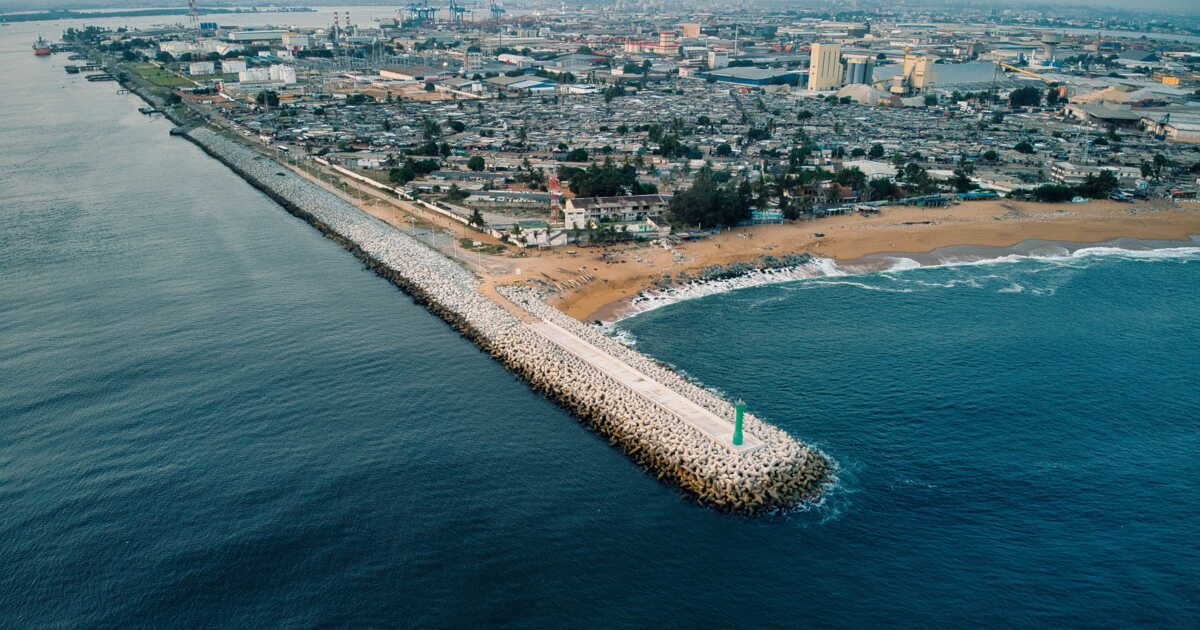
1. Discovering the Economic Heart: Abidjan, from Banco National Park to the Salam Mosque of Plateau
2. Exploring Grand-Bassam, UNESCO World Heritage
3. Cultural visit to Yamoussoukro and the Basilica of Our Lady of Peace
4. Beach getaway in Assinie
5. Wildlife watching in national parks and reserves
6. Hiking in the Man Mountains and its waterfalls
7. Culinary discovery and local markets like Treichville
What attracts tourists to Côte d’Ivoire? An exploration of the country’s cultural and natural riches
What are the risks when traveling to Côte d’Ivoire? Understanding to better adapt
Located in West Africa, the Côte d’Ivoire is a country rich in varied landscapes and cultural traditions. From tropical forests to golden Atlantic beaches, and through bustling cities, every corner of the country offers something unique.
Before any international travel, we remind you that it is useful to consult the Travel Advice from the Ministry of Foreign Affairs to understand security and health risks specific to certain areas, and the administrative steps to undertake before your trip.
1. Discovering the Economic Heart: Abidjan, from Banco National Park to the Salam Mosque of Plateau
Abidjan concentrates the country’s economic activity while offering a diversity of major cultural sites. The Plateau district, dominated by its skyscrapers, is the ideal starting point for an urban exploration. It houses the great mosque, called the Salam Mosque of Plateau, but also the Saint Paul Cathedral, built along the Ebrié Lagoon.
A few kilometers away, the Banco National Park, a true second primary forest, is home to rare mammal species and represents a unique reserve within an urban area. This contrast between modern urban planning and biodiversity makes Abidjan a cultural and environmental hotspot in the Gulf of Guinea.
2. Exploration of Grand-Bassam, UNESCO World Heritage
Listed as a World Heritage site, Grand-Bassam embodies the Ivorian colonial heritage through its colonial vestiges and the streets of the France Quarter. This coastal town, the country’s first administrative capital, blends historic buildings, a seaside ambiance, and living crafts.
The National Costume Museum, housed in an old colonial palace, presents clothing and objects from the country’s major ethnic groups. After the visit, a stroll through the sandy lanes allows observing everyday life in Ivorians and discovering the fishing villages that line the Atlantic Ocean. It’s a place well suited for a cultural and seaside weekend.
3. Cultural visit to Yamoussoukro and the Basilica of Our Lady of Peace
As the capital and political center of the country, Yamoussoukro houses the Basilica of Our Lady of Peace, inspired by the Basilica of Saint Peter in Rome and commissioned by President Félix Houphouët-Boigny. This architectural masterpiece stands out both for its size and its inland location in the heartland.
Additionally, the visit to the crocodile lake at the presidential palace offers a unique immersion into the symbols of power. A Yamoussoukro-Bouaké route allows extending the discovery northward, notably to Bouaké, located several kilometers to the north, where the craftsmanship of Bouaké artisans meets the cultural diversity of the country’s center.
4. Beach stay in Assinie
Assinie, renowned for its white-sand beaches and its position between sea and lagoon, is the premier seaside destination for a relaxing weekend. This coastal town, sheltered from the hustle and bustle of the city, offers a variety of nautical activities, including a pirogue ride on the calm waters of the lagoon.
Interacting with the fishing villages, enjoying the tranquil climate, and the warm welcome of Ivorians make this stop a genuine moment of relaxation. In addition to lounging, there are various hotels suitable for all kinds of travelers.
5. Wildlife observation in national parks and reserves
Ivory Coast’s wildlife richness is highlighted by its national parks, starting with the Taï National Park, known for its chimpanzee populations and dense forest, and the Comoé National Park, listed as a World Heritage site for the diversity of its mammal species.
Other protected areas, such as the Mont Sangbé National Park in the west, deserve the attention of nature lovers. These sites offer the opportunity to observe wildlife in its natural habitat but often require logistical preparation. Guidance from local guides is recommended to fully enjoy these places.
6. Hiking in the Man Mountains and its waterfalls
In the Man region, dominated by the western mountain range, nature lovers will find ideal terrain for hiking and exploration. The Man Falls, easily accessible, are a popular spot for swimming and photography. The ascent toward the Dent de Man or the Mount Nimba offers spectacular views of the region’s lush green landscapes. Between vine bridges and authentic villages, this area is among the richest in biodiversity in the country, where lucky travelers venturing into the most remote zones sometimes hope to glimpse rare signs of local wildlife.
7. Culinary discovery and local markets like Treichville
The culinary discovery is an integral part of the Ivorian experience, and local markets like Treichville in Abidjan are its most authentic expression. This iconic district allows you to sample local flavors, notably garba, a dish based on cassava and fish, enjoyed in the maquis, these open-air restaurants where the Ivorian way of life shines.
There is also a wide range of handicraft goods, testimony to the skills of Bouaké artisans or Korhogo for a journey into deep cultural roots. These everyday-life spaces are interesting for anyone seeking to understand contemporary Ivorian society.
Côte d’Ivoire, with its diversity of experiences and landscapes, is a must-visit destination for travelers in search of new adventures. From dynamic, cultural cities to relaxing beaches and natural reserves, the country offers a mosaic of discoveries at every turn. While exploring its wonders, remember to follow safety guidelines to make the most of your stay. Set out to discover this fascinating country with the best tips and forecasts for a successful trip.
What attracts tourists to Côte d’Ivoire? An exploration of the country’s cultural and natural riches
What draws visitors to Côte d’Ivoire is the unique combination of a dense cultural heritage and a varied landscape, from the Gulf of Guinea to the inland. The Assinie beaches and Lahou-Kpanda, along the Atlantic Ocean, provide an ideal setting for a seaside weekend, while the fishing villages along the coast illustrate the country’s human richness.
In the center of the country, towns like Bouaké and Korhogo allow encounters with Bouaké artisans and the ancient northern traditions. The western mountain range, led by the Mount Nimba, hosts remarkable biodiversity, while the Bandama River, which crosses the country, structures many rural activities. It is this harmonious contrast between lush landscapes, colonial vestiges, and urban modernity, notably in Abidjan with its skyscrapers, that makes Côte d’Ivoire a comprehensive destination for travelers seeking meaning and broad horizons.
What are the risks when traveling to Côte d’Ivoire? Understanding to better adapt
A trip to Côte d’Ivoire requires a certain vigilance, especially in rural or border areas. In major cities like Abidjan or Bouaké, typical precautions are often enough, but particular attention should be paid to transportation, occasional social movements, and health risks such as malaria.
In some inland areas, infrastructure can be limited, hence the importance of planning your journeys, especially toward Korhogo, even though it is accessible via main road axes. It is recommended to inquire about the local situation, notably with the embassy or through Ivorian tourist authorities.
Nevertheless, for well-prepared travelers, the risks remain limited, and the country offers warm hospitality, embodied by Ivorians, true ambassadors of their land.
This article was drafted with the help of artificial intelligence, then corrected, supplemented and validated by the newsroom journalists.
4. Discover the Abderrahman-Slaoui Foundation Museum
5. Stroll through Casablanca’s Medina
6. Enjoy a day at Ain Diab Beach
7. Take part in a Moroccan cooking class
What to do in Casablanca in 3 days? A weekend between modernity, heritage and the ocean
What to see in Casablanca? The essentials not to miss in the economic capital
What to do in Casablanca with family? A city to discover with kids and adults
What to do in Casablanca in the evening? A city that comes alive at sunset
Ah, Casablanca! The largest city in Morocco, it blends modernity and tradition with a certain charm. On the Atlantic coast, it unfolds like the country’s economic lung. Architecture enthusiasts, culture seekers, or those simply looking for peaceful moments will find plenty to enjoy.
1. Visit the Hassan II Mosque
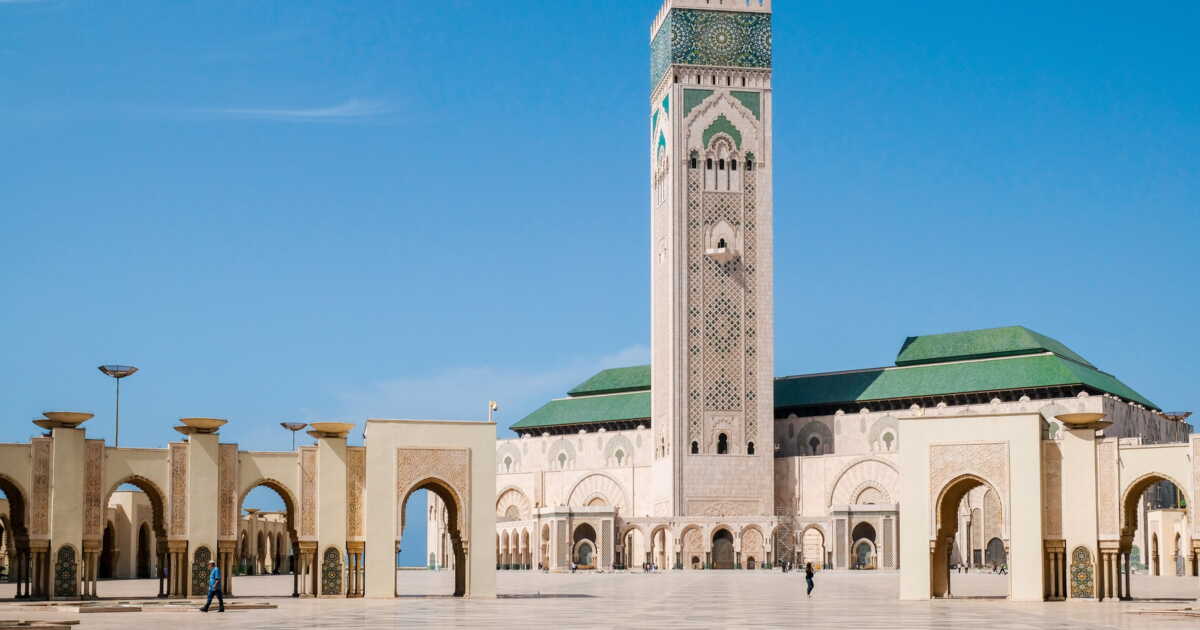
Towering over the skyline of Casablanca, the Hassan II Mosque is a must-see monument that captivates both for its spiritual dimension and its stunning architecture. With its minaret rising to 200 meters, one of the tallest in the world, it stands majestically along the edge of the Atlantic Ocean.
Ranked among the largest mosques in the world, it embodies a harmony between tradition and modernity, blending Moroccan artisanal craftsmanship with technical prowess. The interior, adorned with zellij tiles, fine marble, and carved wood, invites contemplation. For a pleasant visit, choose seasons when temperatures in Casablanca stay mild, so you can fully enjoy the experience, whether during the day or at sunset, when the golden reflections illuminate its monumental façades.
2. Explore the Habous Quarter
Strolling through the Habous Quarter is to immerse yourself in a unique atmosphere, where neo-Moorish architecture subtly dialogues with Moroccan artisanal traditions. Designed during the French protectorate as a “new medina,” this human-scale neighborhood charms with its orderly lanes, elegant arcades, and shaded squares.
Here, traditional markets buzz with activity, revealing refined craftsmanship — pottery, leather, and calligraphy — while Moroccan pastry shops diffuse the irresistible scent of gazelle horns and anis-flavored feqqas. A Casablanca outing that blends authenticity and tranquility, perfect for discovering unique souvenirs and savoring a slice of Morocco’s urban history.
3. Walk along the Corniche
For a bracing seafront interlude in the heart of Casablanca, nothing beats a walk along the Corniche, this iconic promenade along the Atlantic. Here, palm trees sway to the rhythm of the sea breeze, terrace restaurants serve grilled fish and mint tea with views of the waves, and lively beach clubs promise festive moments as dusk settles.
In the golden hour, as the sun slowly sinks beyond the horizon, the sky colors set the sea ablaze and the atmosphere becomes suspended, almost magical. It’s the perfect place to capture Casablanca’s seaside essence, blending relaxation, elegance, and coastal buzz.
4. Discover the Museum of the Abderrahman-Slaoui Foundation
For culture and history enthusiasts in Morocco, a stop at the Museum of the Abderrahman-Slaoui Foundation is a natural choice. This refined venue, nestled in the heart of Casablanca, reveals an intimate collection where vintage posters, Berber jewelry, and paintings by Mohamed Ben Ali R’bati weave a poignant narrative between tradition and modernity.
Each gallery offers a delicate immersion in Moroccan aesthetics, revealing an artistic heritage that is little known but deeply evocative. It is an inspiring interlude, ideal for those who wish to explore the soul of Morocco through its most precious objects.
5. Stroll through Casablanca’s Medina
Less famous than its renowned cousins in Fez or Marrakech, Casablanca’s medina nonetheless deserves a closer look. Here, authenticity takes precedence over opulence: between traditional shops, lime-whitewashed koubbas, and stalls overflowing with local goods, every turn yields a surprise. It’s a living labyrinth where narrow alleys tighten, widen, and then open onto a lively square or a slice of daily life. Strolling through this maze is to gift yourself a timeless interlude, a sincere encounter with Casablanca’s popular soul.
6. Enjoy a day at Ain Diab Beach
For fans of sunny beaches and sea breezes, Ain Diab Beach in Casablanca is a must-stop. Lined with restaurants, cafés, and beach clubs, this stretch of golden sand is perfect for relaxing after a day of urban exploration.
Easily accessible by taxi or tram, it attracts both families and surfers eager to ride the Atlantic waves. Between sunbathing, a refreshing dip, and a plate of grilled fish with your feet in the sand, the Moroccan beach experience here takes on its full meaning.
7. Take part in a Moroccan cooking class
Take time to experience an authentic culinary adventure by joining a Moroccan cooking class in Casablanca. In the intimacy of a home or within a welcoming workshop, you’ll learn to prepare a fragrant tagine, a fluffy couscous, or a crispy pastilla, while discovering techniques passed down through generations. Cooking alongside passionate hosts is also about exchanging, laughing, tasting… and leaving with a piece of local culture in your travel journal. A privileged moment that will delight all lovers of traditional gastronomy.
What to do in Casablanca in 3 days? A weekend between modernity, heritage and the ocean
A weekend in Casablanca or a three-day stay is enough to discover the many faces of this Moroccan metropolis oriented toward the Atlantic. Begin with the majestic Hassan II Mosque, one of the largest in the world, which seems to float above the ocean. Then stroll through the elegant Art Deco district in the city center, a reminder of the colonial era, and pause at the Villa des Arts.
On the second day, explore the winding lanes of the Habous Quarter, between bookstores, shops, and traditional workshops. Finally, take time to wander along the Corniche of Ain Diab, between beaches, restaurants, and sunsets. Casablanca is discovered at the crossroads of worlds, between preserved traditions and cosmopolitan energy, offering a rich and vibrant urban pause. It is an ideal city for tourism in Casablanca, whether for a short getaway or to soak in a moving Morocco.
What to see in Casablanca? The essentials not to miss in the economic capital
Casablanca is full of places to explore that tell its past and shape its future. Beyond the indispensable Hassan II Mosque, a true masterpiece of modern architecture, don’t miss the Central Market, the city’s vibrant heart. The Habous Quarter blends Andalusian charm with local craftsmanship, while the royal palace, though closed to the public, impresses with its stateliness.
Architecture enthusiasts will appreciate the Art Deco façades lining Mohammed V Boulevard. Casablanca isn’t just a city of transit; it’s a place where every detail deserves attention, between iconic monuments and neighborhood atmospheres.
What to do in Casablanca with family? A city to discover with kids and adults
Casablanca for families holds delightful surprises. Children will be impressed by the grandeur of the Hassan II Mosque, as well as the playgrounds and gardens of the Arab League Park. For a playful and educational touch, head to Morocco Mall, which houses a giant aquarium, a playground, and even an ice rink.
Casablanca’s beaches along the Corniche, accessible and well-kept, offer relaxing moments between swimming, ice cream, and strolls. A tram tour around the city can also become a small urban adventure. Casablanca is often seen as a business city, but it reveals a welcoming family-friendly side, perfect for a trip across generations.
What to do in Casablanca at night? A city that comes alive at sunset
When the sun sinks over the Atlantic, Casablanca lights up with a different energy. Start the evening with a dinner facing the ocean on the Corniche, where restaurants and lounges offer stunning views. In the city center, lively terraces provide a more local vibe, with live music and reinterpretations of Moroccan cuisine.
For a more upscale night out, several rooftops or nightlife venues welcome revelers in an elegant atmosphere. Casablanca by night is a city that pulses to the rhythm of its residents, where modernity and festive traditions coexist with grace.
This article was written with the help of artificial intelligence, then corrected, supplemented, and validated by the journalists of the editorial team.